Urban Greece: Pick the Neighbourhood by Rhythm, Not Price
Urban Greece: choose a neighbourhood by daily rhythm, not price per m² — test mornings, evenings and transport before you buy; use HPI data and local dossiers.
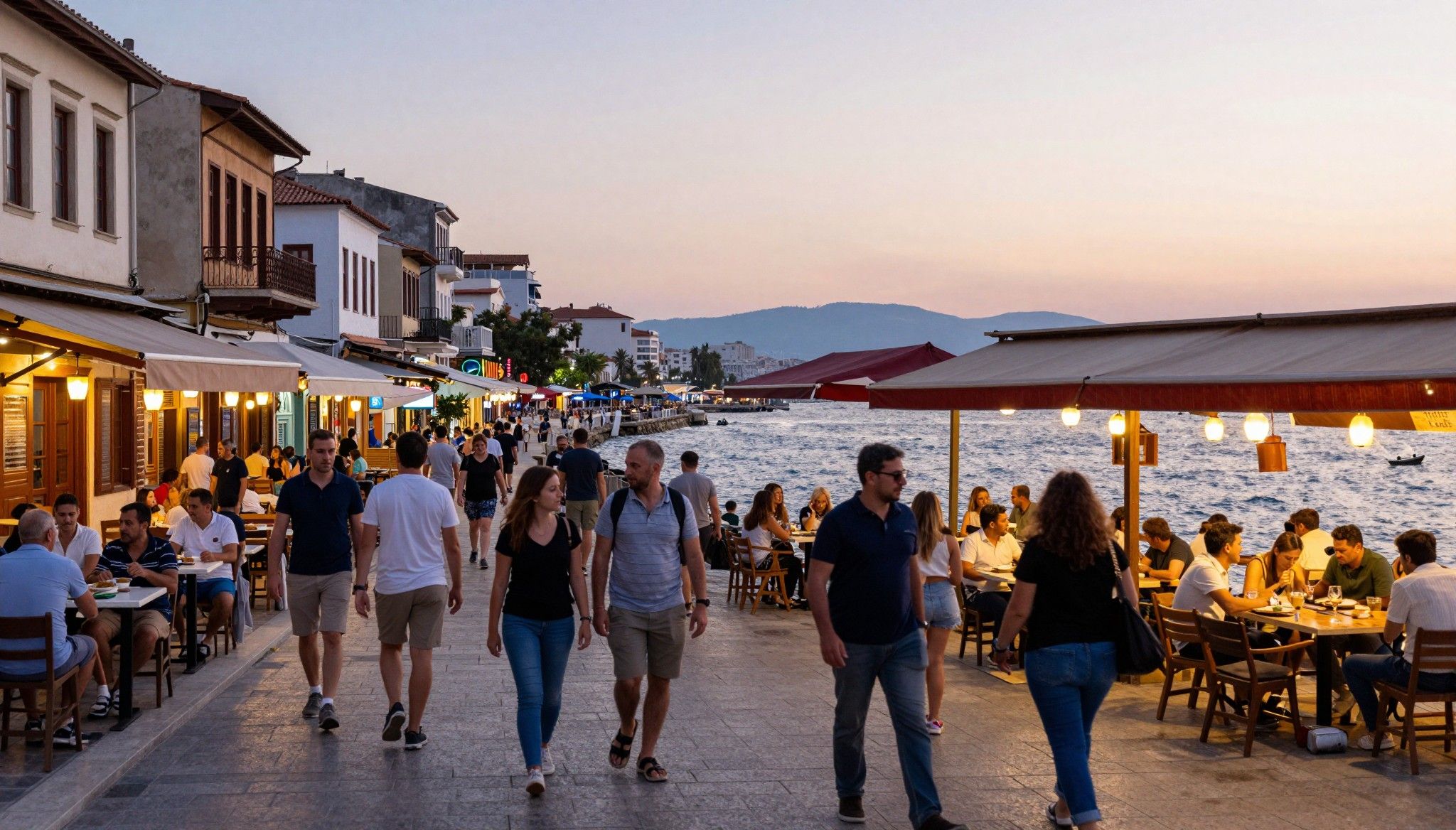
Imagine stepping out for morning coffee on a narrow Athens street, the smell of warm koulouri and espresso mixing with sea air from the Piraeus direction — and then, later, finishing the day watching neon and conversation pulse along Thessaloniki’s waterfront. Greece sells that day-to-day life better than any postcard; but for international buyers the question is less romantic and more practical: which urban hub gives you that life without the surprises?
Living the Greek urban life — what you actually wake up to
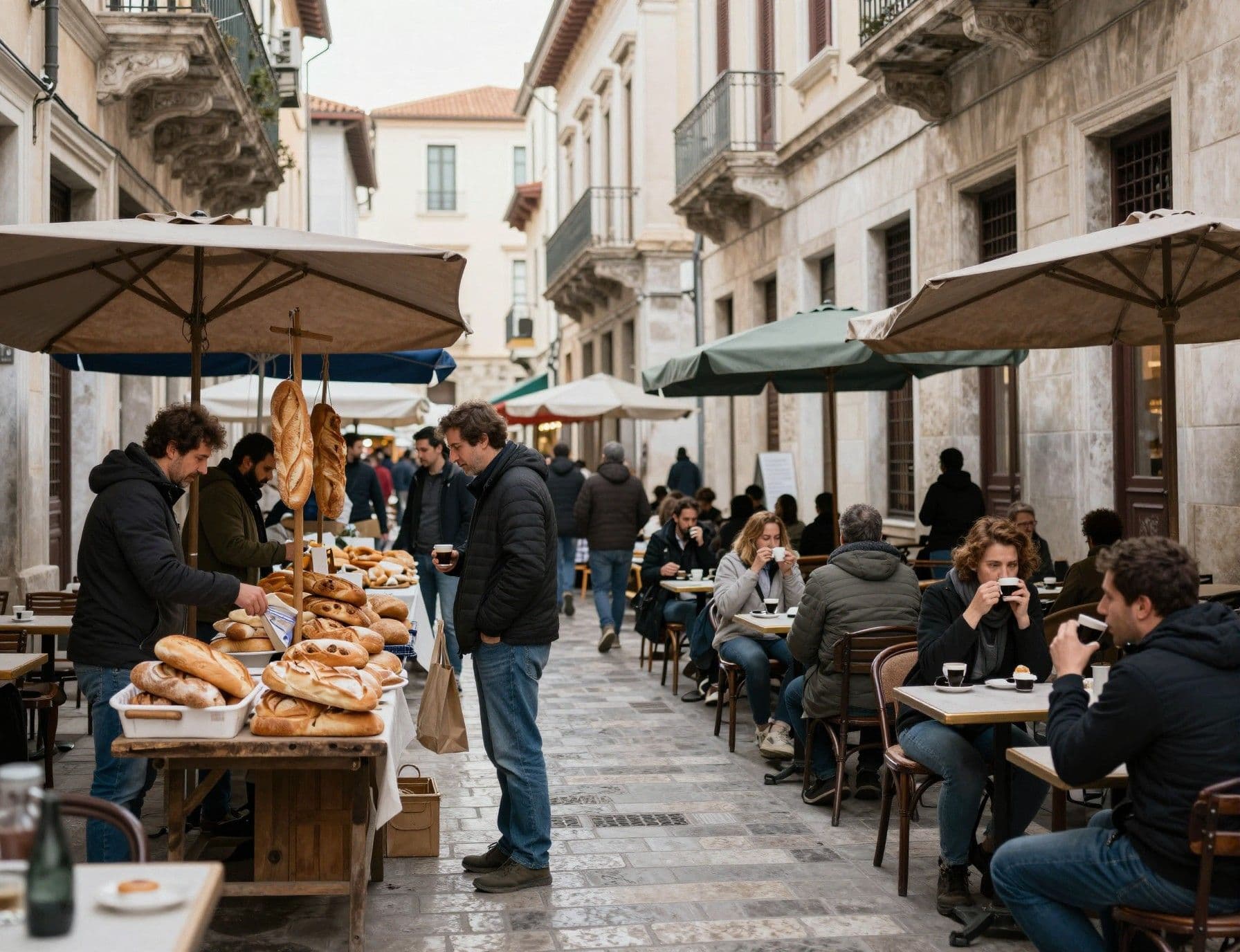
Greece’s cities are compact, textured and stubbornly real. Athens balances neighbourhood cafés, ancient monuments and new ateliers; Koukaki hums with creative energy while Kifisia offers tree-lined calm. Thessaloniki’s waterfront and Ano Poli (Upper Town) trade in late-night tavernas and bakeries that open before dawn. These are places you live inside — markets, bakeries and small social rituals shape the week more than a glossy amenity list.
Athens: city-living with islands a two-hour promise
In Koukaki you can buy fresh fish at the municipal market, cross to the Acropolis for an impromptu walk, then find a rooftop with honest sun. Streets like Drakou and Anderson have converted neoclassical façades into bright apartments with terraces; you’ll trade big yards for sunlight, proximity and cafés where everyone knows your name. Expect narrow staircases and elevators that feel vintage — character that matters once you live here.
Thessaloniki: food, night, and the sea within walking distance
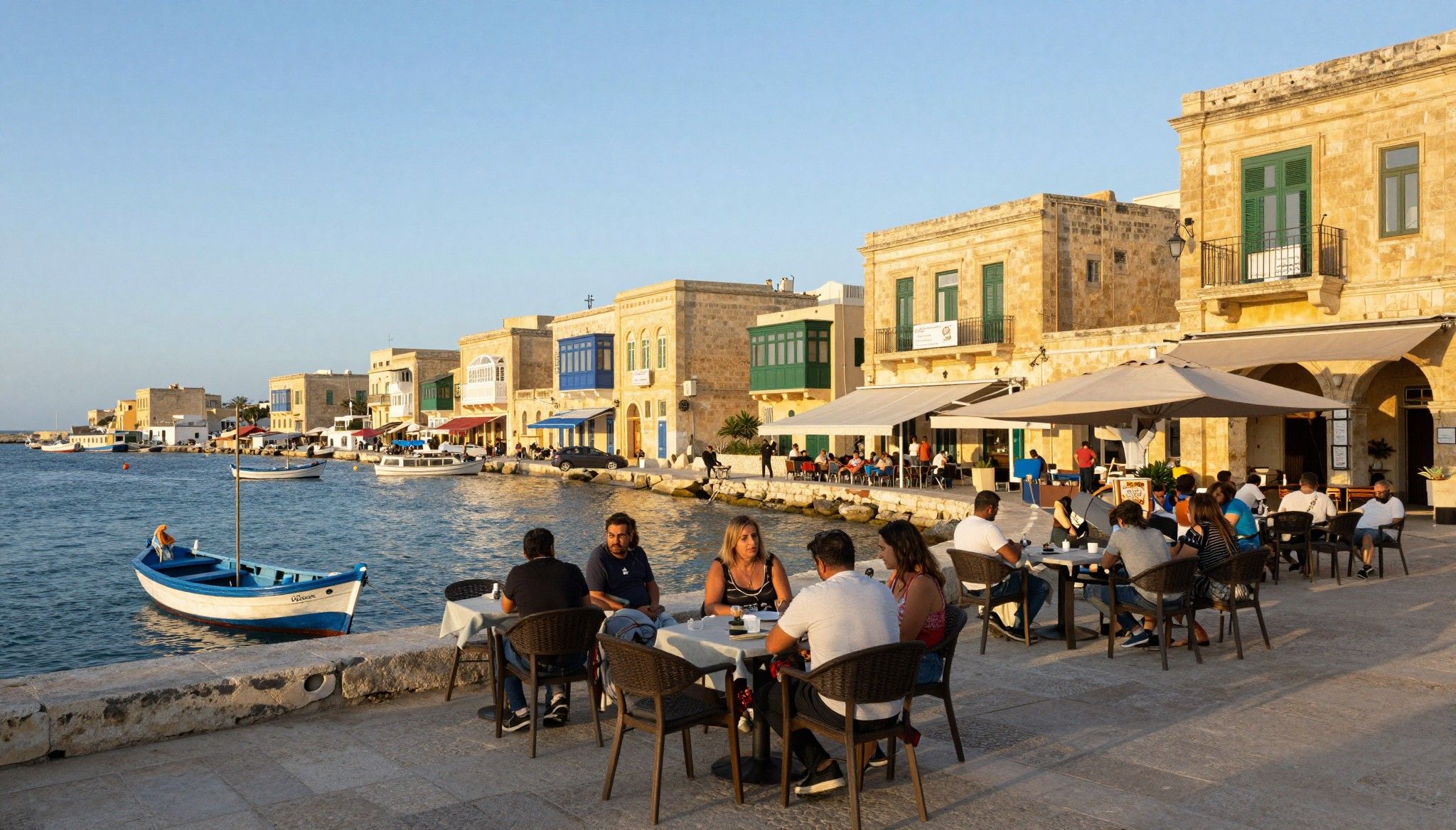
Walk the sea front from Ladadika to the White Tower in the evening and you’ll understand why buyers are shifting interest to Thessaloniki. The city mixes 19th-century townhouses with new apartments and a growing cultural scene — think repurposed markets, craft breweries and small galleries. For families, neighbourhoods like Panorama and Kalamaria offer quieter streets and schools, while the center rewards those who want day-to-day sociability.
Lifestyle highlights that actually affect where you buy

When we advise clients, the question isn’t only price per square metre — it’s the rhythm of life. Do you want morning markets and bakery bread, or late-night tavernas and a seaside stroll? Do you need immediate international-school access, or will a commuter train do? These lifestyle choices narrow your search faster than any spreadsheet.
Lifestyle highlights
- Koukaki morning espresso and direct Acropolis walks; find 50–70 m² flats with terraces in converted neoclassical buildings.
- Thessaloniki waterfront evenings and tavernas — central two-bedroom apartments often deliver stronger rental yield for short-let markets.
- Kifisia and northern suburbs: family gardens, longer commutes, and higher per-square-metre asking prices for villas and townhouses.
Making the move: how market reality shapes timing and expectations
Prices in urban Greece rose noticeably through 2023–2025, though growth has shown signs of cooling from double-digit moves to more moderate mid-single-digit increases. The Bank of Greece’s indices show continued house-price growth in Athens and faster movement in secondary cities like Thessaloniki — a reality that matters when you decide whether to buy now or wait for inventory to broaden.
Property styles and what they mean for daily life
Historic apartments (neoclassical or early-20th-century) deliver character: high ceilings, narrow stair access and central locations. New-builds bring elevators, insulation and terraces but often sit on the city’s edge. In suburbs you buy space; in the centre you buy walkability. Think: do you want to trade a second bedroom for a daily café culture?
How agencies help match lifestyle to product
Good local agents are translators: they convert a lifestyle brief — ‘I want morning markets, a walkable gym and a terrace’ — into a shortlist that respects structure, sound insulation and municipal zoning. Ask them for three recent comparable sales, the property’s energy certificate, and the neighbourhood’s weekday noise profile. Those details are small on paper but huge in lived experience.
- 1. Define the life you want (market mornings, nightlife, school run). 2. Ask an agent for neighbourhood examples, exact streets and three comps. 3. Visit at the actual times you’ll live there (weekday morning, Friday night). 4. Check recent HPI trends for that city (Bank of Greece / Savills).
Insider knowledge — what expats wish they’d known
Expat buyers often tell us their biggest surprises were social, not legal. Language creaks at first, but neighbourhoods welcome newcomers who learn a few phrases and show up to the Friday market. The other surprise is seasonality: cities quiet and islands surge, so if you buy for year-round life prioritise urban centres with all-season services.
Cultural integration and daily habits
Attend the local kafeneio, learn the morning greetings, and you’ll find faster paths to neighbours who can recommend plumbers or tutors. Practical tip: landlords and building committees are local-knowledge hubs — treat those relationships as part of your purchase due diligence and lifestyle planning.
Long-term lifestyle considerations
Cities evolve — new metro lines, restored markets and short‑let regulation reshape demand. If you’re buying to live, focus on transport links, local schools and healthcare. If you’re buying with income in mind, ask about seasonal dynamics, occupancy rates and municipal licensing for short lets. That way you protect both the life you want and the asset you’re buying.
- Inspect: daylight at the hours you use; neighbourhood noise on weekdays; water pressure and heating sources (important in older buildings).
- Ask: how the building committee (syndikos) handles renovations and special assessments; who pays for façade works or roof repairs.
- Confirm: public transport plans or upcoming infrastructure that could change livability and values within 3–5 years.
Before you sign: three practical steps we give every client. First, request a neighbourhood file from your agent containing three sales comparables, recent energy certificate, and any building-committee meeting minutes. Second, get a written estimate for mandatory transfer taxes and notary fees from a local lawyer. Third, book a mid-week and weekend viewing to feel the true rhythm — life in Greece is not identical Monday to Saturday.
- 1. Ask the agent for three recent comps and the seller’s title file. 2. Commission a local lawyer to verify encumbrances and municipal zoning. 3. Reserve funds for immediate practical upgrades (windows, insulation, mosquito screens).
Conclusion: Greece’s urban hubs give you a life of markets, sea air and real neighbourhood rhythms. If you prioritise lifestyle first and the transactional details second, you’ll pick the wrong street. Start with the life you want, test it in the times you live there, and build a small dossier (comps, HPI snapshot, building minutes) with an agent who knows both the rhythm and the paperwork. Do that, and you’ll own the practical peace-of-mind that lets you actually enjoy the morning espresso.
Swedish expat who moved from Stockholm to Marbella in 2018. Specializes in cross-border legal navigation and residency considerations for Scandinavian buyers.