Greece: The Lifestyle You Buy (Not Just the View)
Why Greece sells lifestyles, not just views: selective price growth, seasonal realities, and practical checks every international buyer should use.
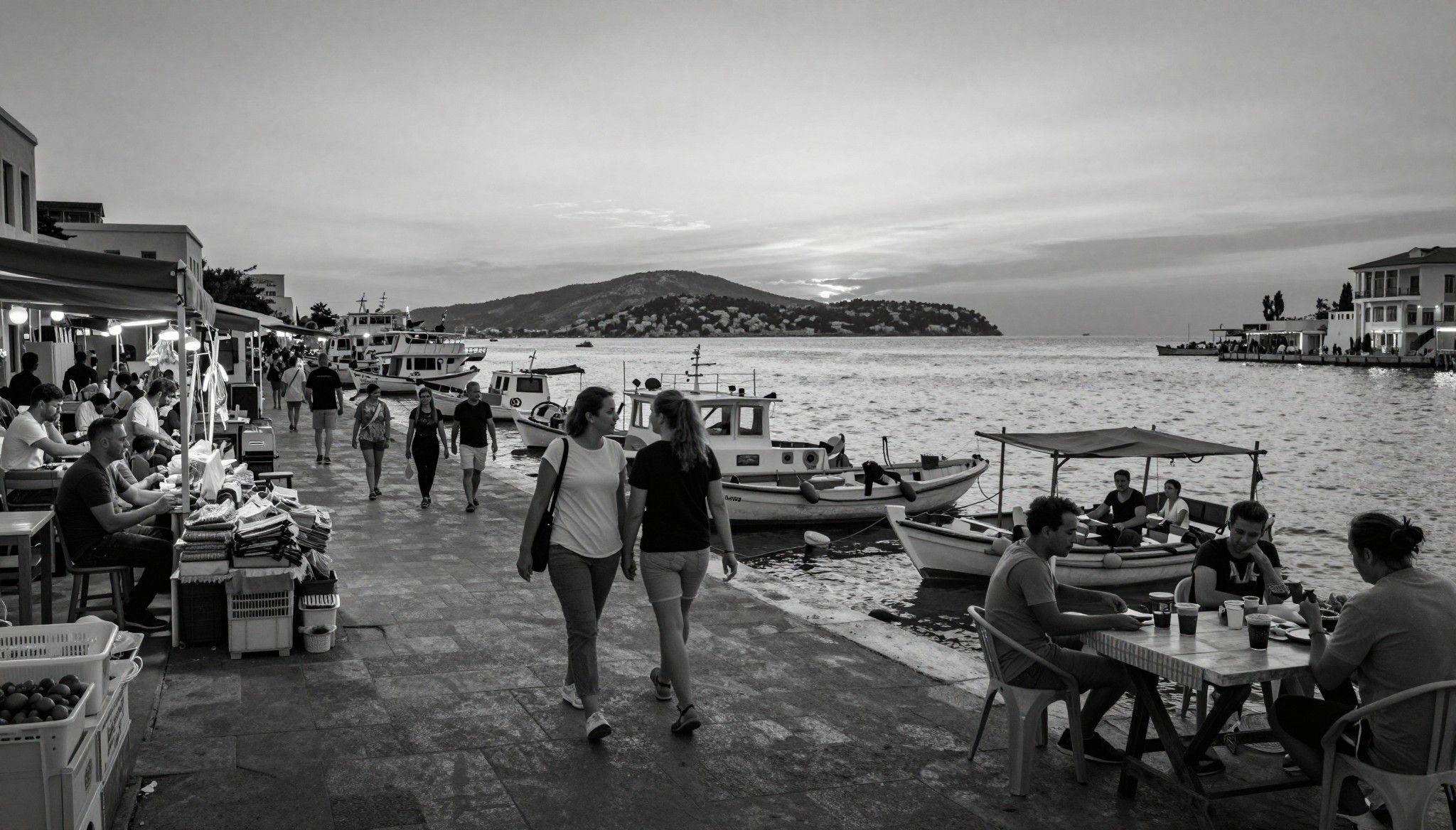
Imagine stepping out at dawn for a coffee on Dionysiou Areopagitou, watching joggers thread the Acropolis shadow, then hopping a short flight to an island for a weekend of windsurfing and taverna prawns. Greece folds dramatic history into everyday life: a city rhythm that moves between late lunches, lively kafeneia, and suddenly‑serene seaside afternoons. For international buyers dreaming of a move, that rhythm is the real product—then the property is the tool that lets you live it.
Living the Greek urban-and-sea lifestyle
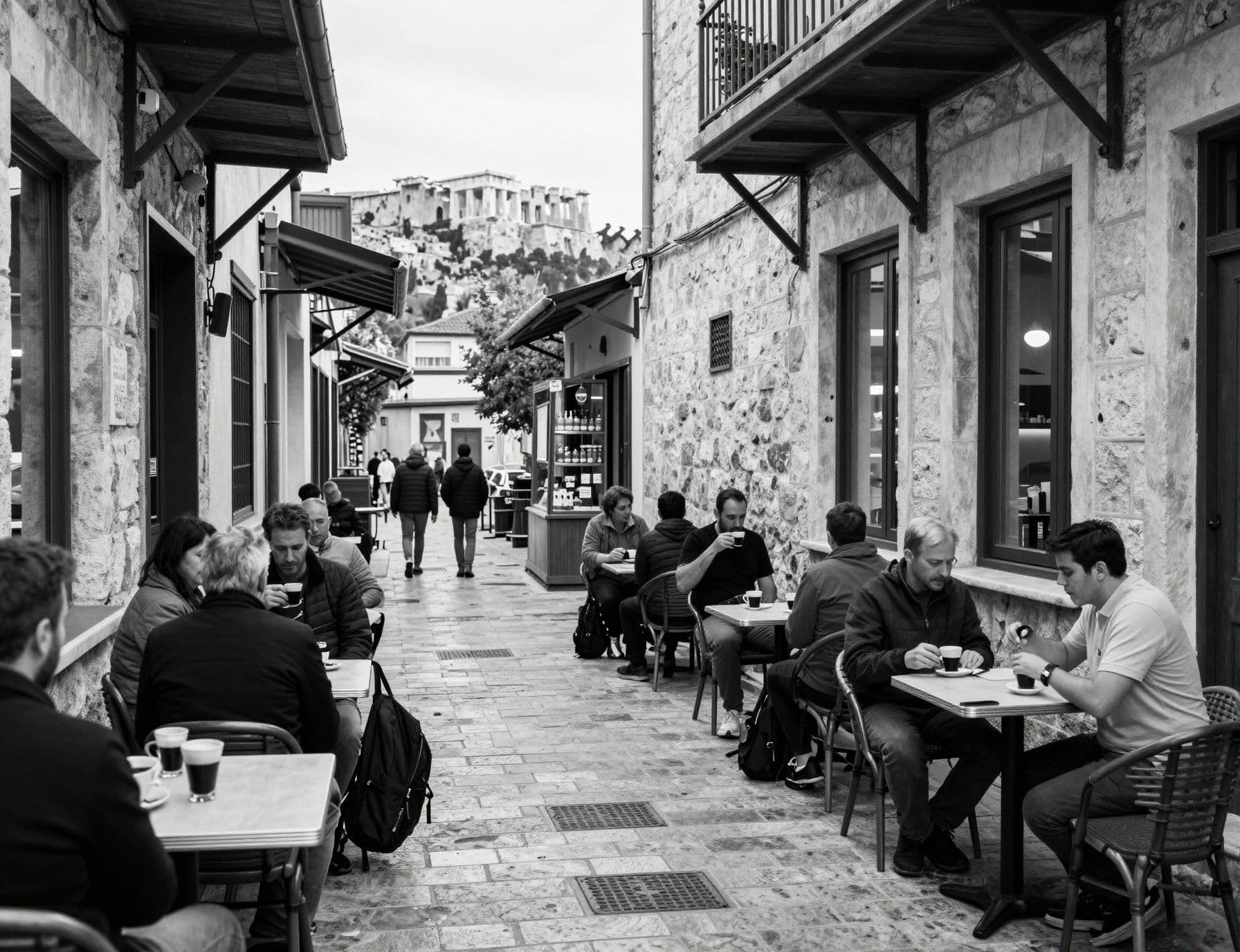
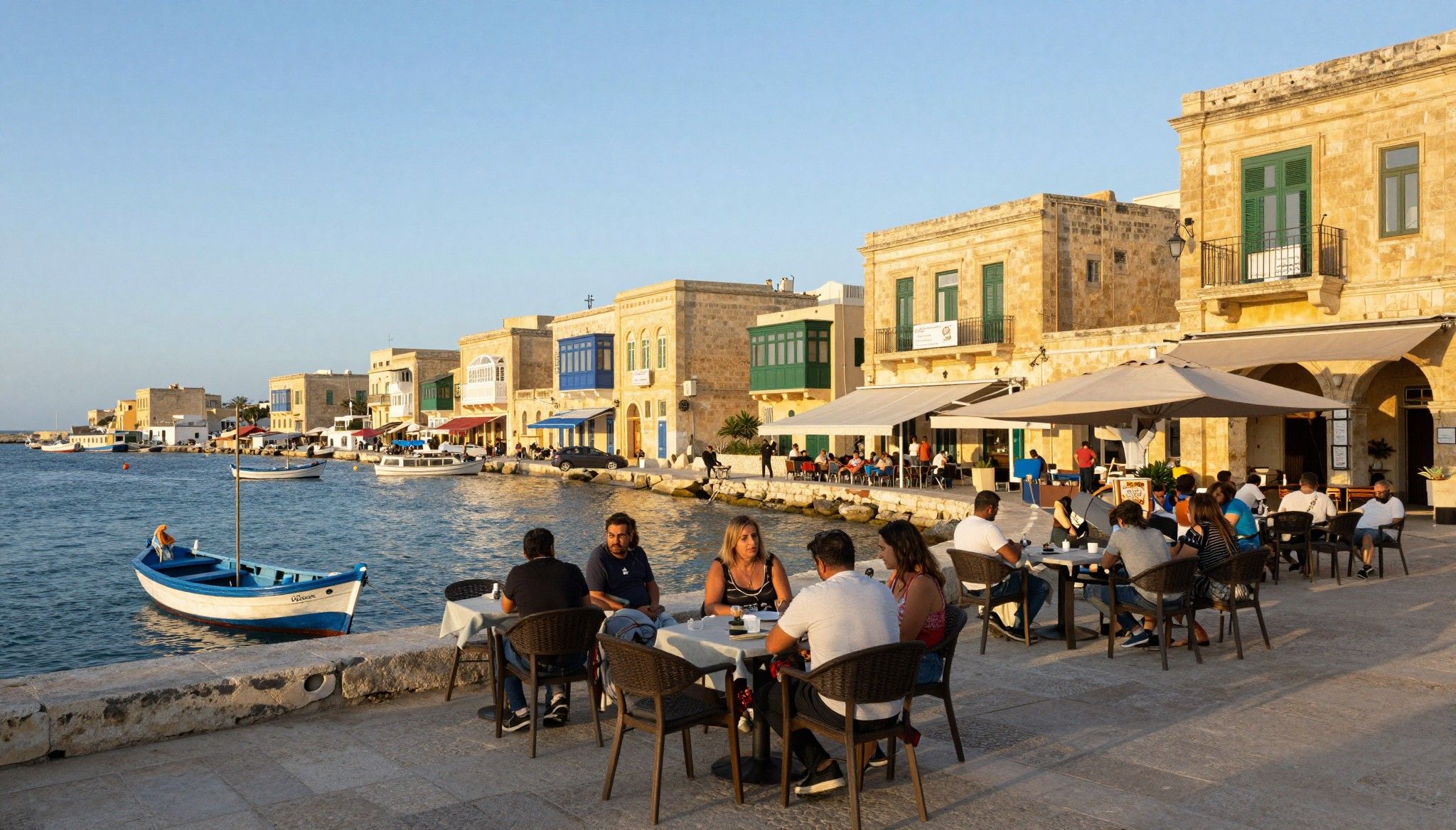
Daily life in Greece is spatially generous: compact, walkable urban cores that spill into beaches and short ferry hops. In Athens, mornings can be espresso on a busy pedestrian street; evenings are for rooftop views and long dinners. In coastal hubs like Glyfada or the Athens Riviera, weekends feel Mediterranean‑island light, while cities such as Thessaloniki pulse with cafes, boulevards, and a younger nightlife scene. The practical implication? You buy for a lifestyle radius—how far you want to bike, ferry, or walk—more than just square metres.
Neighborhood spotlight: Koukaki to Kifisia
Koukaki: narrow streets, independent cafes, and quick Acropolis access—great if you want morning walks and museums on your weekend agenda. Psirri: younger, rowdier by night, creative by day—perfect for buyers who want an energetic social life but can tolerate occasional noise. Kifisia: tree‑lined, leafy, and quieter—families and buyers seeking space pick here. When you tour properties, check the street at 8am and 10pm; lifestyle fits depend on those two different snapshots.
Food, markets and the social calendar
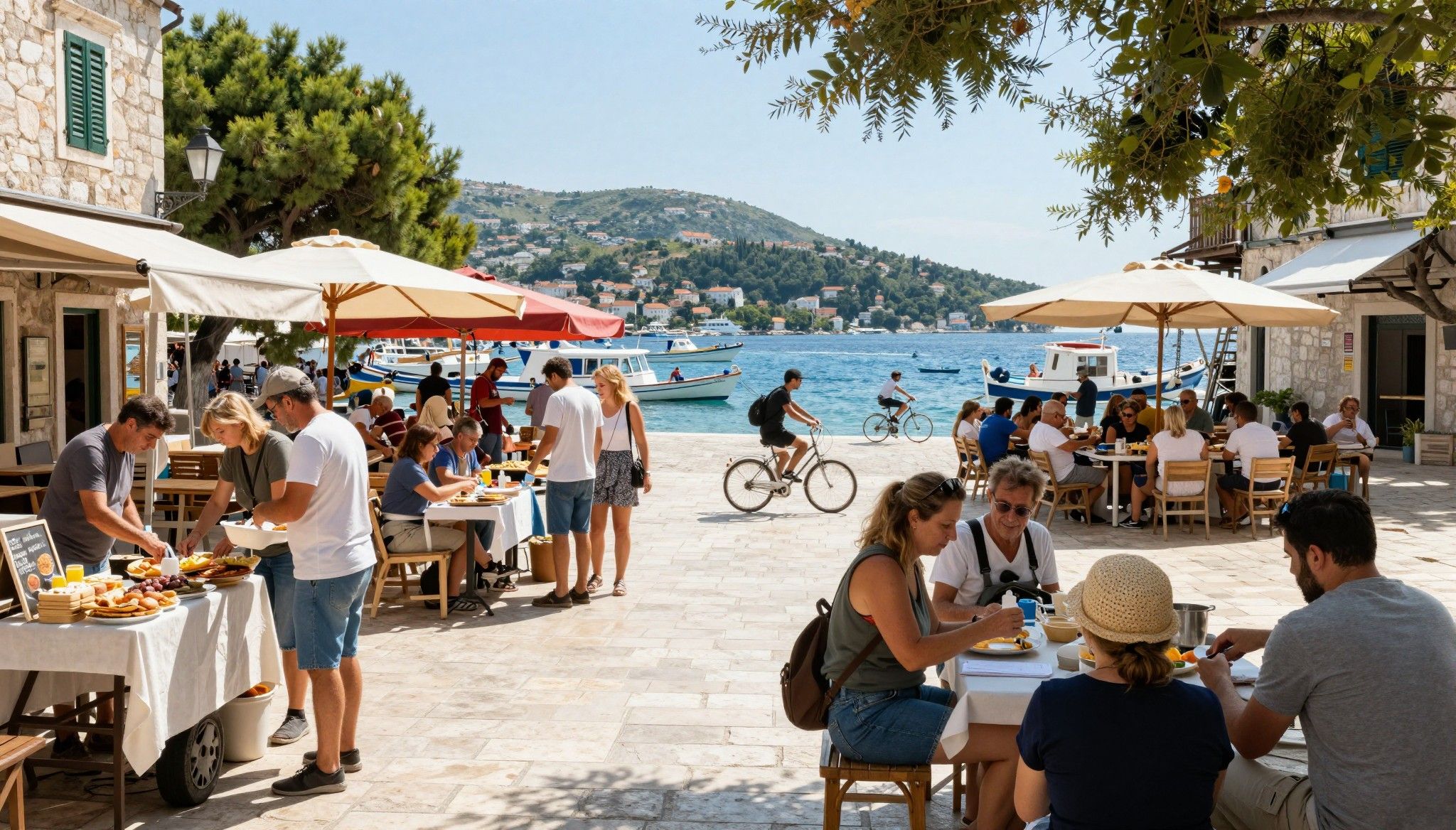
Markets and food life shape routines: from the central Varvakios market in Athens to Sunday fish grills on small island ports, buying here means cooking seasonally and eating late. Festivals—Easter processions, island panigyria, and summer music—are social anchors. Practically, that means properties with functional kitchens, shaded balconies, and easy street access for fresh supplies outperform similarly priced units that ignore daily life needs.
- Lifestyle highlights: - Morning espresso at Mokka (Koukaki) and a walk past the Acropolis - Weekend boat trips from Piraeus to Aegina or Poros - Sunday market shopping at Varvakios or Thessaloniki’s Modiano - Evening mezze and ouzo in Nea Smyrni squares - Windsurfing off Mykonos’ less touristy northern coves - Sunset terraces in Glyfada and Voula
Making the move: property types and what they mean for daily life
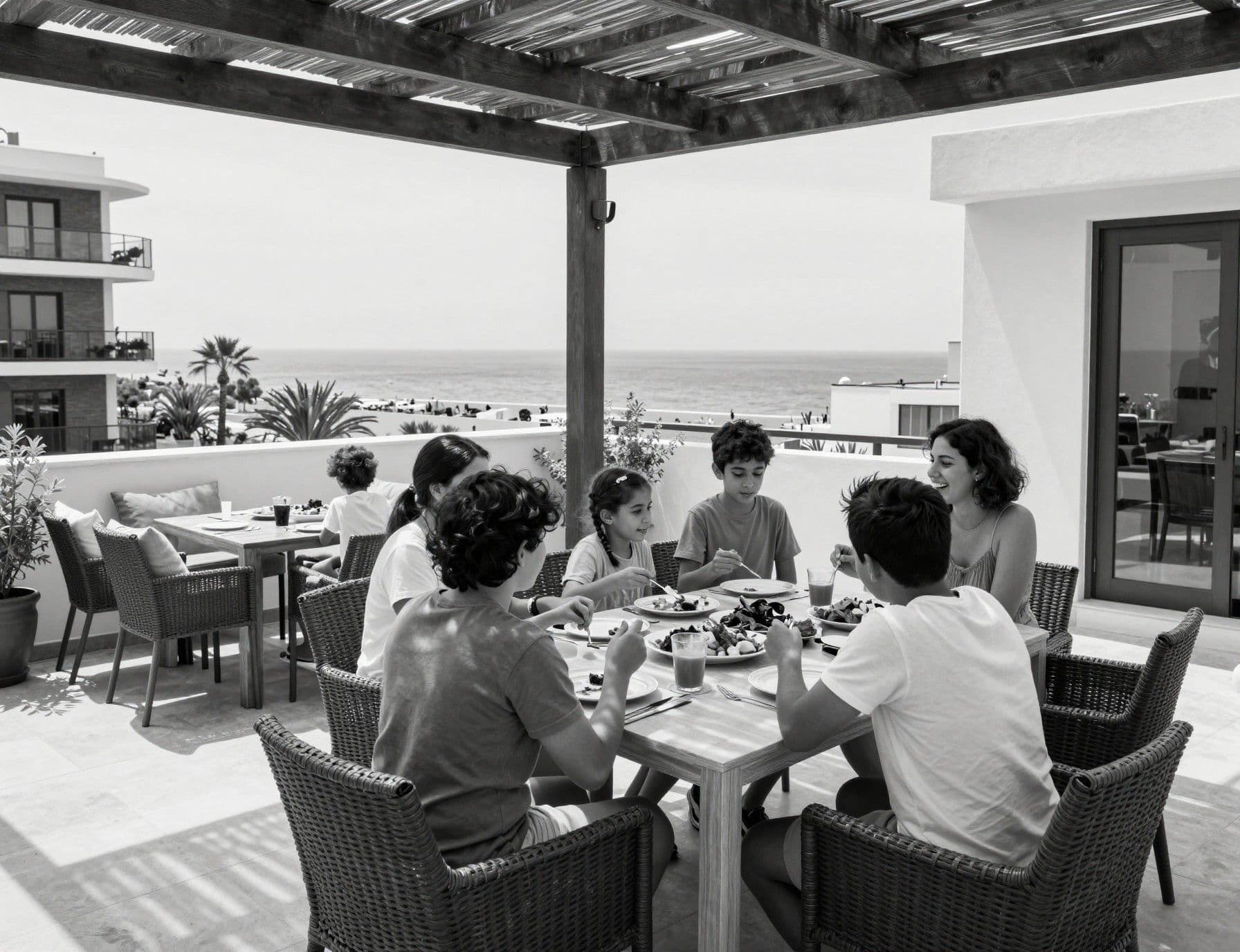
Dreams meet drawings: Greece’s stock runs from compact city flats in restored neoclassical blocks to modern villas on Crete and cliff‑side island houses. Each type changes how you live: a restored flat places you in the urban flow (cafes, galleries, buses), while a villa buys you distance, private outdoor life, and a car dependency. Think through daily rituals—where you’ll pick up bread, where guests will park—before falling for a view.
Property styles: tradeoffs that matter
Neoclassical restorations: character, thick walls, smaller kitchens. Modern apartments: better insulation, larger terraces. Island homes: amazing views, higher running costs, and seasonal maintenance. New builds near Athens Riviera: convenience and pool lifestyle, but tighter plot separation. For buyers serious about living well, prioritise outdoor living (terrace or courtyard), reliable storage (for seasonal gear), and a small service room for maintenance—these make the daily life frictionless.
Working with agencies who know the life, not just listings
A good local agent will match streets to your routine: morning markets, ferry schedules, and where friends gather. They also flag seasonal issues—water supply in summer for some islands, municipal planning near seaside resorts, and rental potential for short‑let markets. Ask agencies for a recent day‑by‑day life tour: show you the walk to a bakery, the noise profile at night, and where the nearest pharmacy is—these are the concrete checks that separate aspirational browsing from an informed offer.
- Practical + lifestyle checklist when viewing: 1. Walk the street at breakfast and at 10pm to test noise and activity. 2. Check water pressure and A/C performance—summer heat is not a theory. 3. Ask for recent electricity and municipal tax bills to confirm running costs. 4. Confirm ferry/bus timetables for island‑linked properties. 5. Test internet and mobile signal in the exact flat and on the terrace.
Insider knowledge: what expats wish they'd known
Real talk: prices have risen but growth is selective. Government and industry data show ongoing national price rises in recent years, concentrated in Athens, the islands, and popular coastal spots. That means bargains still exist inland or in secondary islands, but expect competition where quality of life aligns with transport and healthcare. Also: the Golden Visa rules and thresholds changed in recent years—don’t assume old investment minimums still apply. Use current official guidance before structuring an offer.
Cultural integration, language and community
Greek social life rewards effort. Learn a few phrases, join a local kafeneio, volunteer at a festivity, and your life opens faster than with any legal document. Expats who integrate into local routines—school runs, neighbourhood tavernas, municipal activities—report a better quality of life and easier property management. Expect bureaucracy, but also neighbours who bring you tomatoes from their garden and will check on the apartment when you’re away.
Long-term lifestyle: seasonal realities and maintenance
Summer dramatically reshapes many places. Coastal towns and islands can feel doubled in population, straining services and changing the rhythm. That’s great for rentals but requires extra maintenance planning—AC servicing, pest control, and trusted local caretakers. Conversely, off‑season months reveal the true community. If you want year‑round life, prioritise towns with consistent services (healthcare, grocery supply) rather than pure seasonal charm.
- Red flags locals will quietly mention: - No formal title deeds or unclear past renovations - Properties with repeated short‑let changeovers and neglected structure - Promises of “major municipal works next year” without paperwork - Water restrictions or unreliable supply in some small islands - Agents who avoid showing full utility bills or community minutes
If the life you want is morning markets, easy sea access, and warm neighbourhood ties, Greece delivers in ways few countries can match. But deliverability depends on detail: the right street, the right season, and the right local team. Start by visiting in two different seasons, ask for real utility bills and community records, and hire a lawyer who reads local planning files with an eye for festivals, ferry timetables, and hidden running costs. When those parts are right, the rest—long dinners, the sea breeze, the sticky‑sweet figs on a neighbour’s balcony—falls into place.
Danish investment specialist who relocated to Costa del Sol in 2015. Focuses on data-driven market timing and long-term value for Danish buyers.