Buy Where the Day-to-Day Fits: Italy’s Neighbourhood Playbook
Italy is many lives in one—match neighbourhood rhythms (markets, cafés, sun) to market data and local experts to buy a home that truly fits your day-to-day.
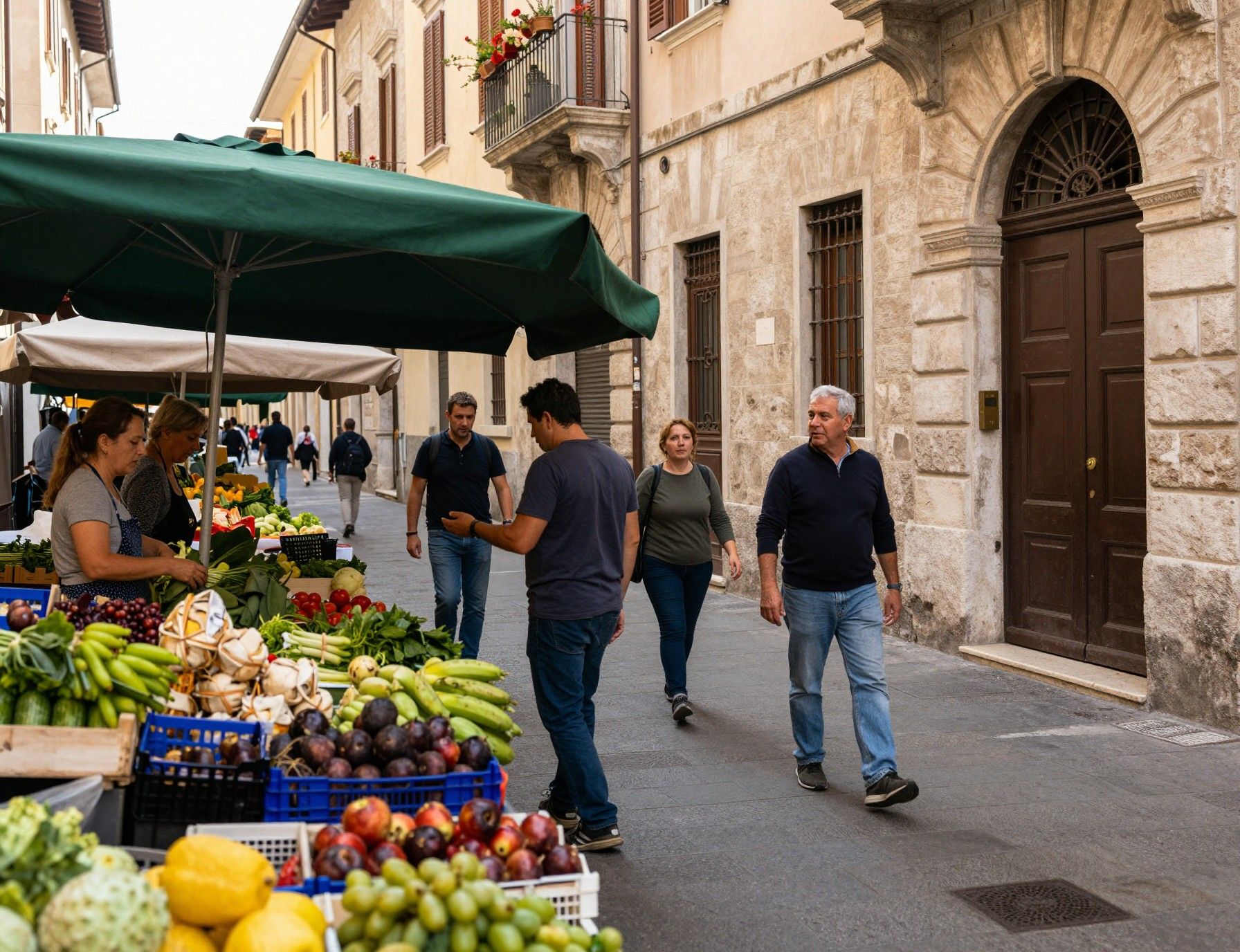
Imagine waking up in a narrow Roman lane, the smell of fresh espresso drifting past a bakery on Via dei Coronari, or spending Sunday at the Mercato Centrale in Florence picking burrata and wild mushrooms. Italy isn’t a single rhythm—it’s many: coastal aperitivo hours, hilltown market mornings, late-night city passeggiatas. These daily rituals shape where people choose to live, and they should shape how you buy.
Living the Italy lifestyle: more texture than postcard
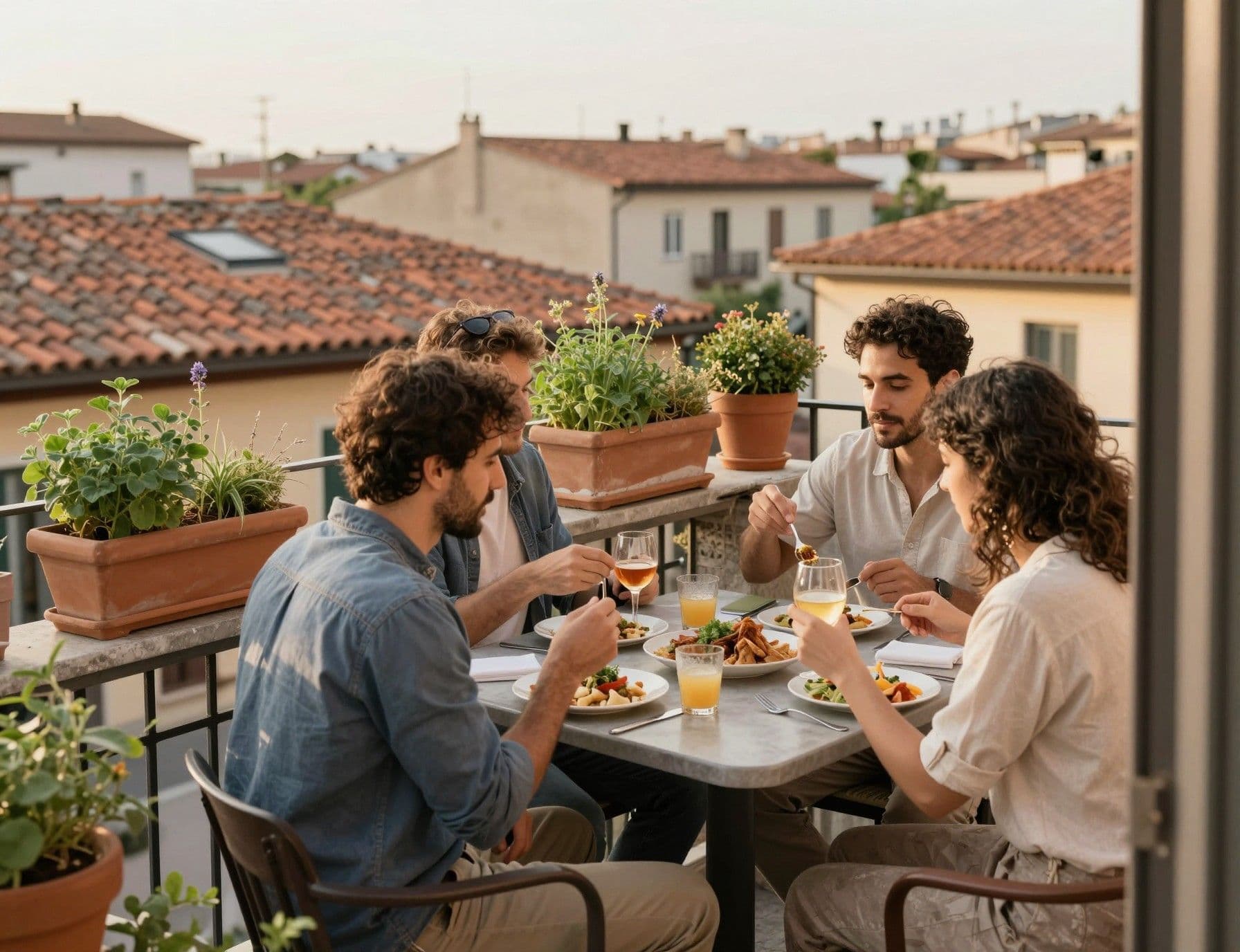
Italy sells a life more than a view. Morning coffee is an event; neighbourhood bars know your name. Markets run deep—Piazza Vittorio in Rome, Mercato di San Lorenzo in Florence, and Palermo’s Ballarò each offer distinct rhythms. That texture matters because it determines what property will actually feel like home, not just how it scores on a spreadsheet.
City corners that live differently
Milan’s Navigli is canal-side energy — evening aperitivi, tiny design shops and apartments with high, industrial ceilings. In Naples, the Spanish Quarters are noisy, intimate and full of family-run restaurants. On the Amalfi Coast, Positano’s vertical villages mean stairs, terraces and views that justify the commute. Each neighbourhood’s daily life should be your primary filter.
Food, season and social life — the connective tissue
Season shapes everything: truffle hunts in Piedmont in autumn, beach life on Sardinia in summer, and carnival energy in Venice each create windows when a place feels alive. Markets and restaurants follow those calendars; so do neighbours. If you buy sight unseen, you risk choosing a place at the wrong moment — and discovering it’s not the place you imagined.
- Lifestyle highlights to test in person
- Morning espresso at Caffè Greco (Rome) or Pasticceria Marchesi (Milan)
- Sunday mercato: Mercato Centrale (Florence) or Mercato di Rialto (Venice)
- Coastal walks: Lungomare in Naples or the Sentiero degli Dei on the Amalfi Coast
Making the move: practical considerations that preserve the life you want
Lifestyle leads, but reality follows: local prices, transaction volumes and financing conditions define what’s available. Italy’s house price trends are regional — northern cities often outperform southern provinces — and official sources show growth pockets in 2025 even as other areas lag. Match the neighbourhood mood to the market dynamics before you sign.
Property styles and how they fit daily life
Historic centre apartments give you piazza life and short walks to cafés but often mean small kitchens, limited storage and complex renovations. Modern developments outside city cores offer terraces, parking and energy efficiency. If weekday routines include working from home, prioritise natural light, sound insulation and fibre connectivity — not just the view.
Working with local experts who know the life
A good local agency is more than listings; they’ll introduce you to the baker, tell you which streets flood in heavy rain, and explain which apartments get the afternoon sun. Expect them to supply recent sales comparables, energy-class certificates and a local notary network. We recommend agencies that combine market data with on-the-ground cultural knowledge.
- Six steps to keep lifestyle central while buying
- Visit in two seasons (one high, one low) to feel year-round life
- Prioritise walkability, local services, and morning/afternoon sun over headline square metres
- Ask for recent sales comps, energy class (APE) and any condominium minutes
- Pick an agent who can open doors to neighbourhood life, not just listings
- Budget for renovation surprises — old roofs and wiring are common in historic cores
- Confirm internet speeds and local transport if remote work is part of your life
Insider knowledge: what expats wish they’d known
We’ve met buyers who bought for a postcard and found themselves living somewhere else entirely after six months. Neighbourhood sound, bin schedules, and market days matter. Language helps — basic Italian opens doors — but good neighbours and a reliable agent shorten the cultural curve more than fluency alone.
Cultural quirks that change where you’ll want to live
In many towns, shops close for riposo mid‑afternoon. If you plan weekday routines around a gym, check local opening hours. Condominium meetings (assemblea condominiale) control lifts, façades and noise rules — they can be sources of delight or friction depending on your neighbours. Treat these community rules as living considerations, not legal fine print.
Longer-term lifestyle and value signals
Look for towns investing in connectivity, student housing and sustainable restoration — these tend to outperform. Official sources show pockets of price growth where infrastructure and adaptive reuse projects occur. That matters whether you want a weekend retreat or a place to put roots down.
Conclusion: fall in love with the life, then check the file. Start by shortlisting places where the day-to-day matches the life you want: cafés, markets, sunlight, and neighbours who keep the rhythm. Then ask local experts for comparables, energy ratings, and condominium minutes. If you do both—feel and fact—you’ll buy where Italy will feel like your home, not a vacation.
Swedish expat who moved from Stockholm to Marbella in 2018. Specializes in cross-border legal navigation and residency considerations for Scandinavian buyers.