Fall for France — Then Check the Legal Threads
Fall for France’s rhythm — then check the legal threads. Practical tax, notaire and departmental rules shape real yields and living patterns for international buyers.

Imagine morning espresso on Rue Cler, the smell of warm baguettes drifting down from the boulangerie, and a narrow Haussmannian balcony looking out over plane trees — the France most people daydream about. But if you plan to live that life, or to buy a pied-à-terre that pays when you’re away, there are concrete rules that shape what’s possible. We start with the scene — the life you want — then pull on the legal threads that actually determine price, carrying costs and long-term value. Read on for the parts of the French property story most people fall in love with first, and the practical realities that follow.
Living the French life — what actually feels like France

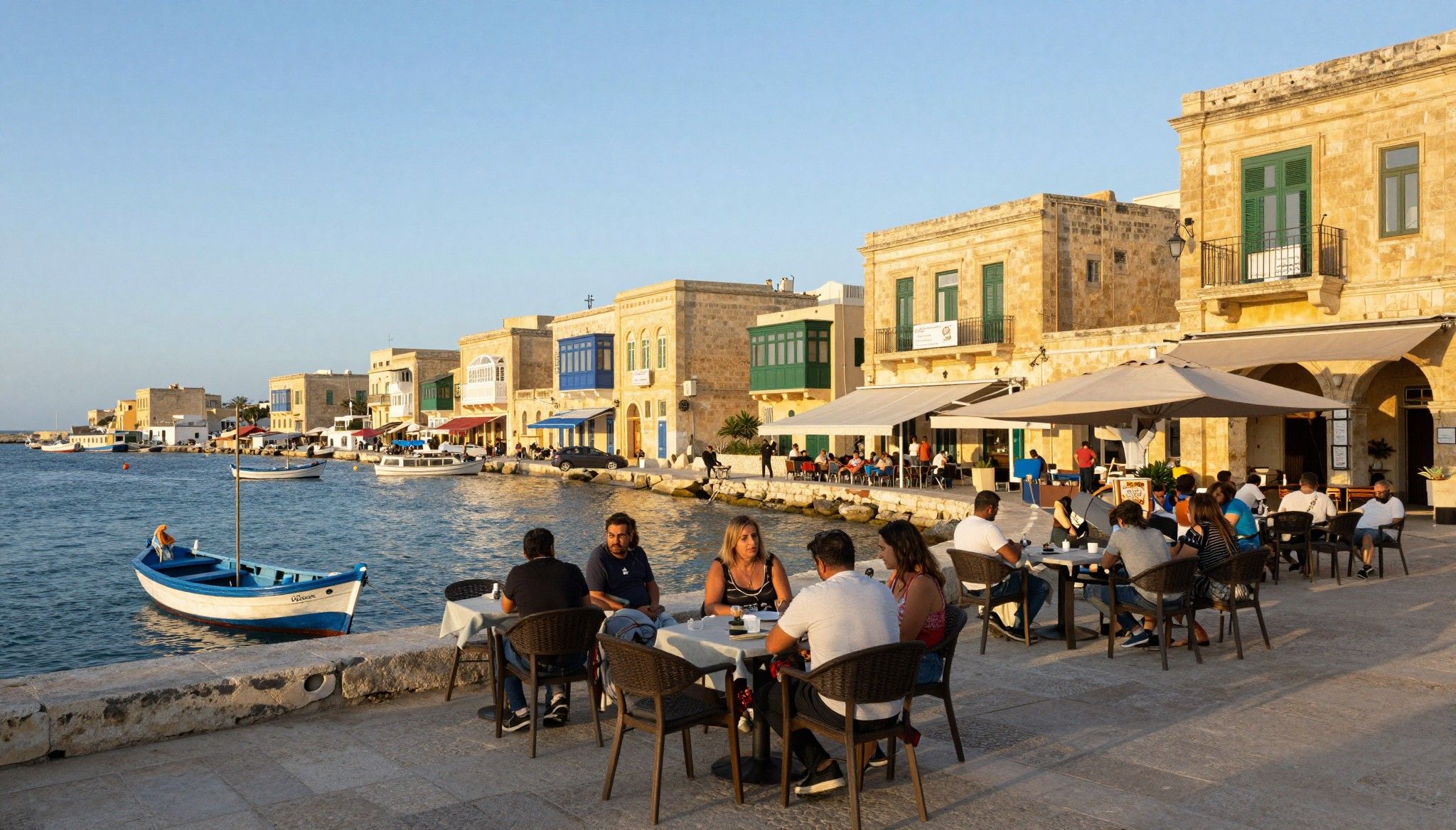
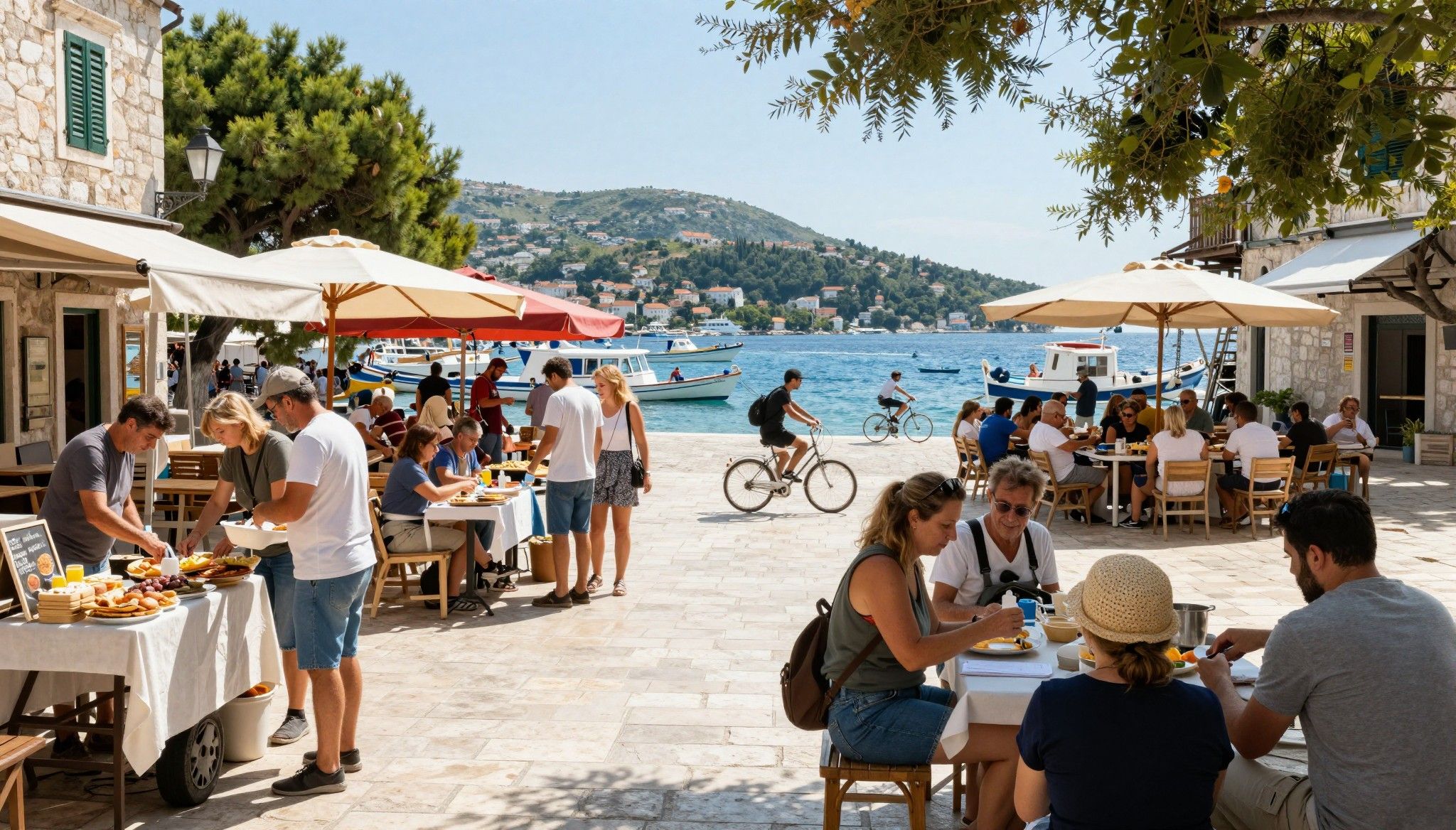
France is a set of daily rituals — the marché at 9am, the slow lunch in a bistrot, and aperitifs that slide into evening conversation. Paris neighborhoods pulse with cafe tables and bookshops (try Rue Montorgueil or Canal Saint‑Martin), while Bordeaux’s Chartrons whisper of wine merchants and renovated warehouses. On the Riviera, Villefranche and Saint‑Jean‑Cap‑Ferrat offer morning swims and shaded promenades; in Provence, Aix’s Cours Mirabeau is where markets and terraces define the week. These scenes affect buyer choices: you’re buying not only square metres but the rhythm of life.
Neighborhood spotlights: Paris, Provence, and the Côte d’Azur
In Paris, Le Marais rewards walking and small shops but carries the price of convenience; in the 16th arrondissement you buy space and quiet at a premium. In Aix‑en‑Provence and Luberon villages, you buy light, markets and slower seasons — and accept longer drives to airports. The Côte d’Azur trades between glamorous promenades (Promenade des Anglais, Boulevard de la Croisette) and quieter inland villages like Èze and Vence where views replace crowds. Pick the daily pattern you want first; the property type will follow.
Food, markets and the small things that change a week
Weekends in France are organised around markets: Marché de la Condamine in Nice, Marché des Capucins in Bordeaux, or the organic stalls at Bastille market in Paris. These are the places you’ll socialise and judge neighbourhood suitability by stall variety and opening hours. For buyers that matters: proximity to a market correlates with resale desirability and often with tiny premiums — but it buys lifestyle, not just liquidity.
- Lifestyle highlights: cafés to frequents and places to know — Marché des Enfants Rouges (Paris); Bistrot l'Épicerie (Aix); Plage des Marinières (Cassis); Promenade du Paillon (Nice); Rue du Vieux Marché aux Vins (Bordeaux).
Making the move: the legal and tax threads that shape decisions

Lifestyle is the hook; regulations are the frame. For many international buyers the first surprises are not the mortgage rate but transfer taxes, notaire fees and residency rules that determine how you’ll be taxed on rent or capital gains. Official French guidance clearly sets non‑resident tax liability and withholding rules, which affect cash flow and net yield if you plan to let the property. Know these rules before you calculate your expected return.
Property purchase costs you’ll feel (and how they’ve shifted recently)
Notaire fees and transfer taxes (droits de mutation, DMTO) typically add 7–8% on an older property and are calculated partially at department level. From 2025 departments were authorised to raise their DMTO rate (some have moved to 5%), making total purchase costs slightly higher in affected areas. Meanwhile INSEE’s indices show modest price recovery in recent quarters — a gentle reminder that timing and location matter more than headlines.
Working with local experts who actually speak both law and lifestyle
- 1. Engage a notaire early: they explain DMTO, registration timing and the deed (acte authentique). 2. Use a bilingual tax adviser: cross‑border tax treaties matter for rental income and capital gains. 3. Ask your agency for neighbourhood comparables (not postcards): actual transaction prices, not listing prices. 4. Confirm municipality rules: short‑let restrictions, co‑ownership (copropriété) governing documents and renovation permissions. 5. Budget for a 2–4 month closing timeline on resale properties — and longer on new builds where construction schedules matter.
Insider knowledge: what expats wish they’d known (contrarian truths)
Real talk: the shiny Riviera postcard hides two things buyers often miss — running costs and local regulation. Short‑term letting can be lucrative but is increasingly restricted in many cities; letting to long‑term tenants usually means predictable rules and tax clarity. Non‑residents face withholding and potential higher effective tax on rental income, so headline yields should be discounted against net taxation and management costs.
Cultural and practical integration — language, services and social life
You’ll integrate faster if you adopt local rhythms: learn basic French for market bargaining and civil formalities, register at your mairie for local services, and find a neighbourhood café as your social anchor. Expat communities exist — in Aix, Toulouse, and coastal towns — but meaningful local friendships form around school gates, volunteer associations and market stalls. That’s as true for long‑stayers as it is for weekenders with a second home.
Longer view: what to check before you sign
- 1. Title and servitudes: confirm boundary rights, easements, and any pre‑existing rental obligations. 2. Co‑ownership minutes (procès‑verbaux): check upcoming works that could mean large condominium charges. 3. Local tax history: taxe foncière and taxe d’habitation (where applicable) trends for the last 3 years. 4. Energy performance (DPE): poor ratings reduce demand and increase renovation costs. 5. Planning and flood risks: coastal zones and river valleys have specific regulations and insurance implications.
France sells itself by offering a life — markets, cafes, landscape and culture — but the best purchases are those where the life and the legal frame align. Start with the daily picture you want, then test it against tax reality, departmental purchase costs and local rules. Work with a notaire, a bilingual tax adviser and an agency that knows the neighbourhood, not just the sales pitch. If you do that, you’ll buy the life, and keep the file clean.
Norwegian market analyst who serves Nordic buyers with transparent pricing and risk assessment. Specializes in residency rules and tax implications.