France: Fall for the Life, Then Check the File
Fall for French life—then use notarial checks, energy diagnostics and local agents to separate romance from risk. Practical steps and sources included.
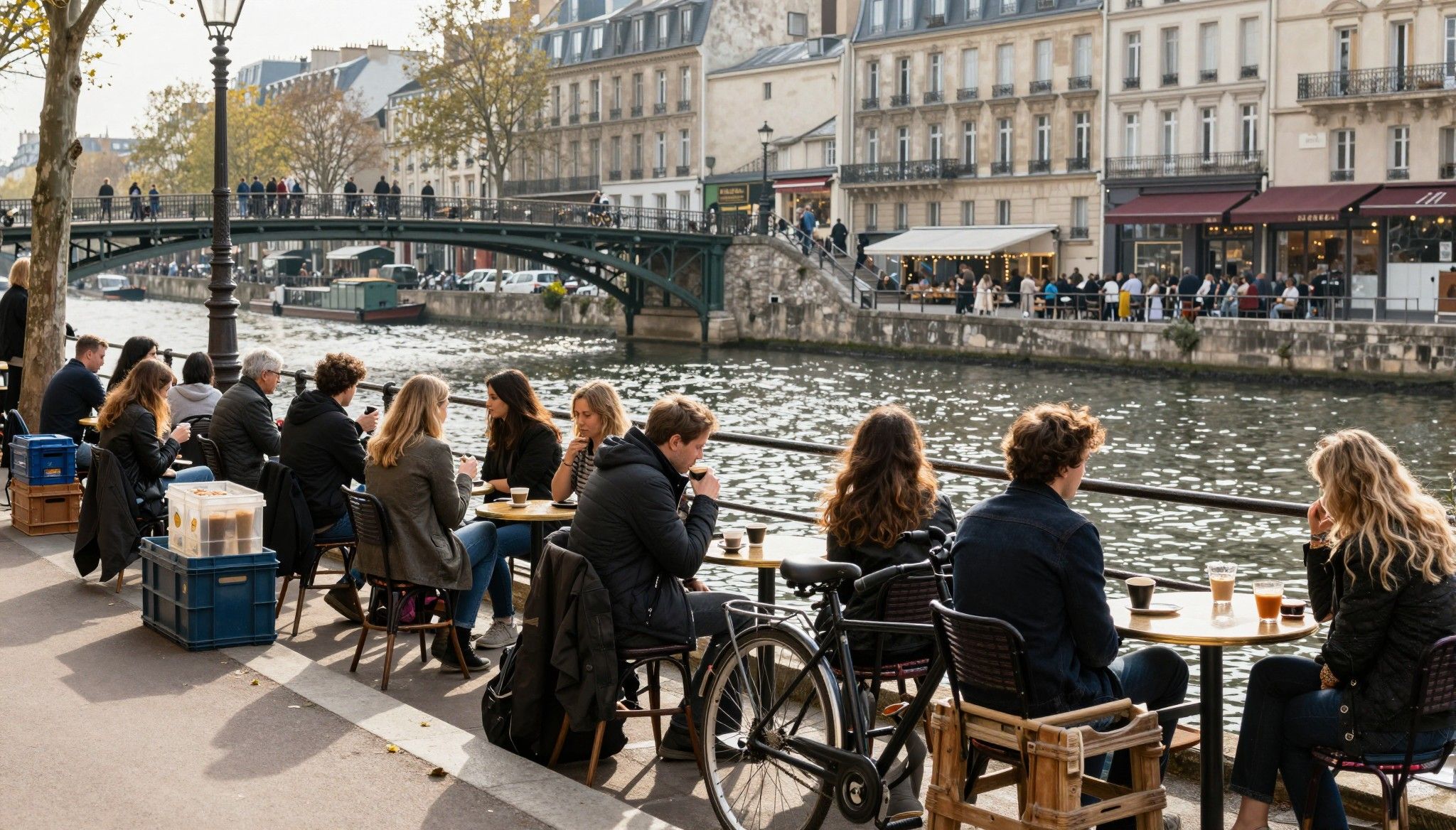
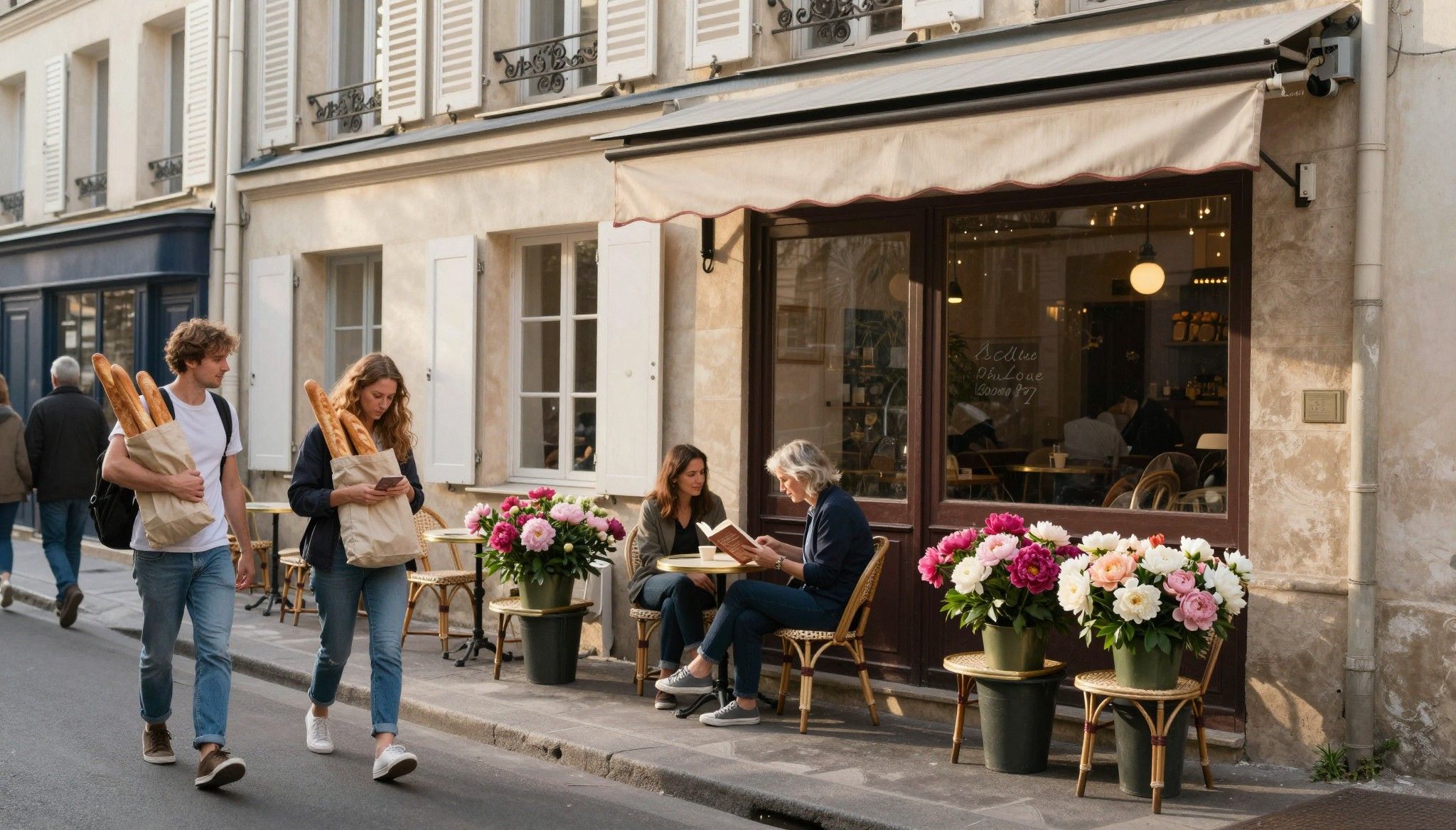
Imagine starting your day with a crusty baguette at Marché d’Aligre, cycling along the Canal Saint‑Martin, then spending the afternoon house‑hunting in narrow, sunlit streets of Le Marais. France feels like that: a balance of ritual mornings, theatrical afternoons and slow, taste‑filled evenings. But what looks romantic on the surface—postcard facades, leafy squares, limestone townhouses—comes with specific disclosure rules, energy retrofits and notarial checks that change the deal. We’ll show you the lifestyle first, then the transparency mechanics that protect (or surprise) international buyers. (Sources below show how national price trends and notarial practice shape what you can expect.)
Living the French life — how places actually feel
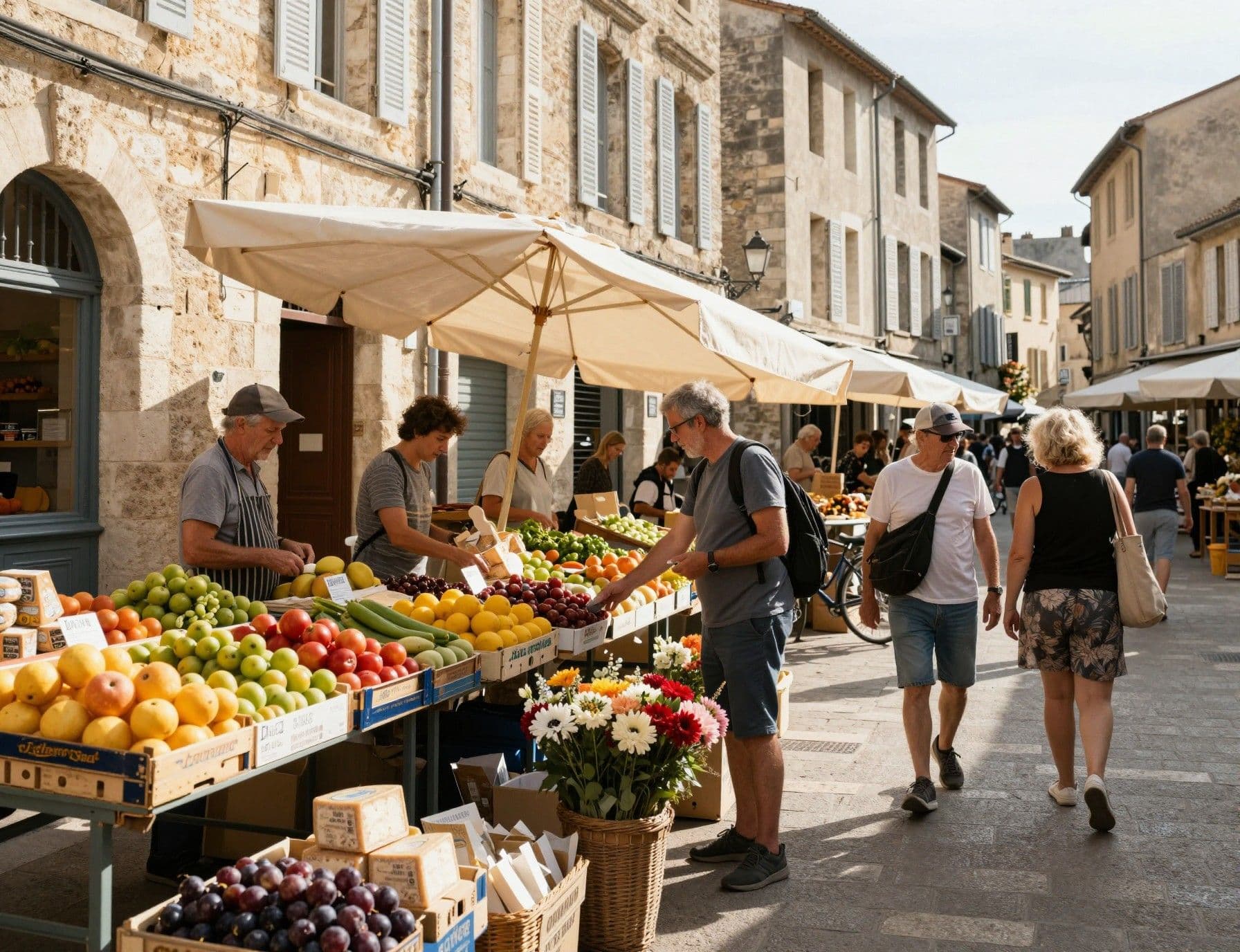
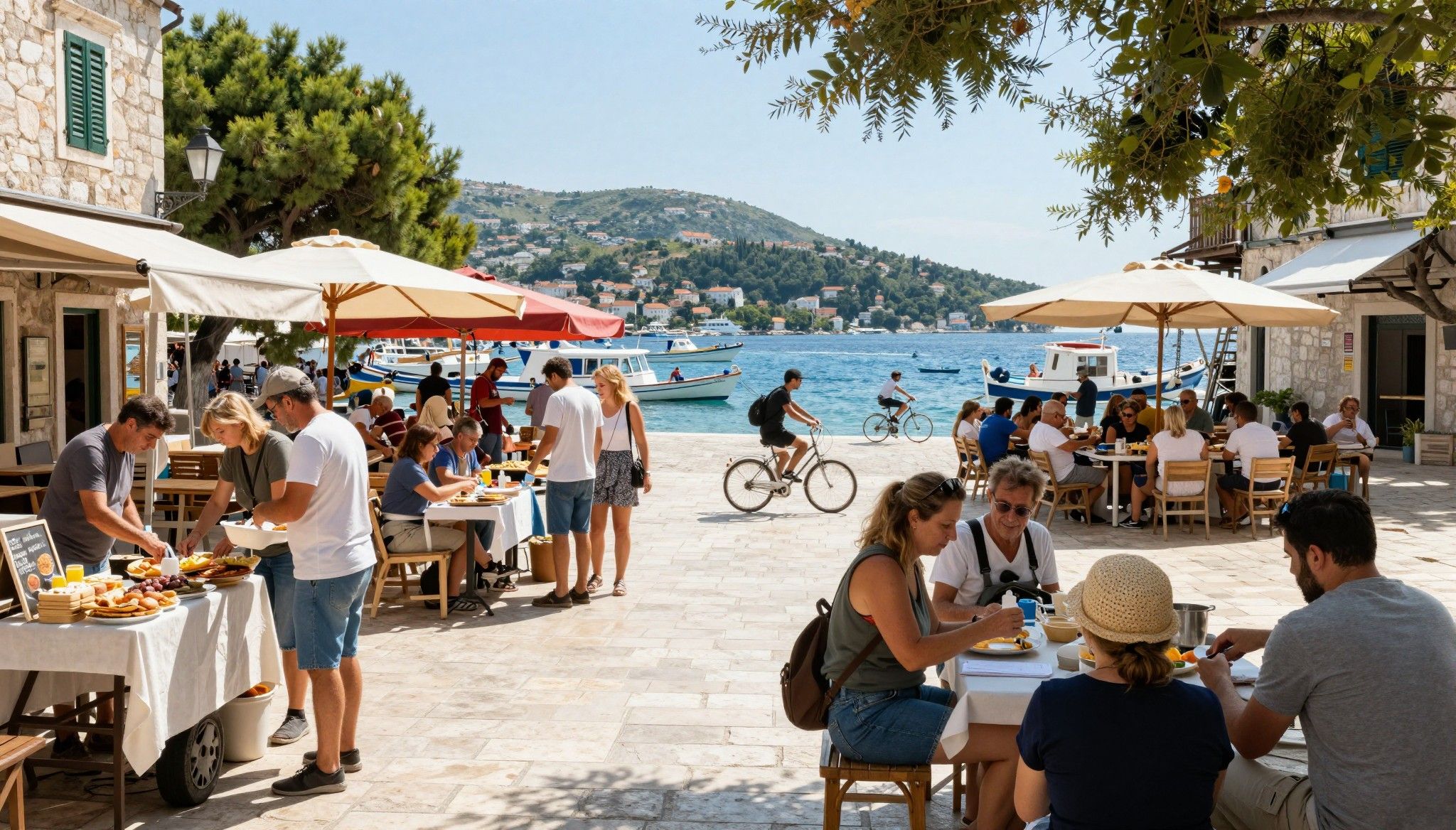
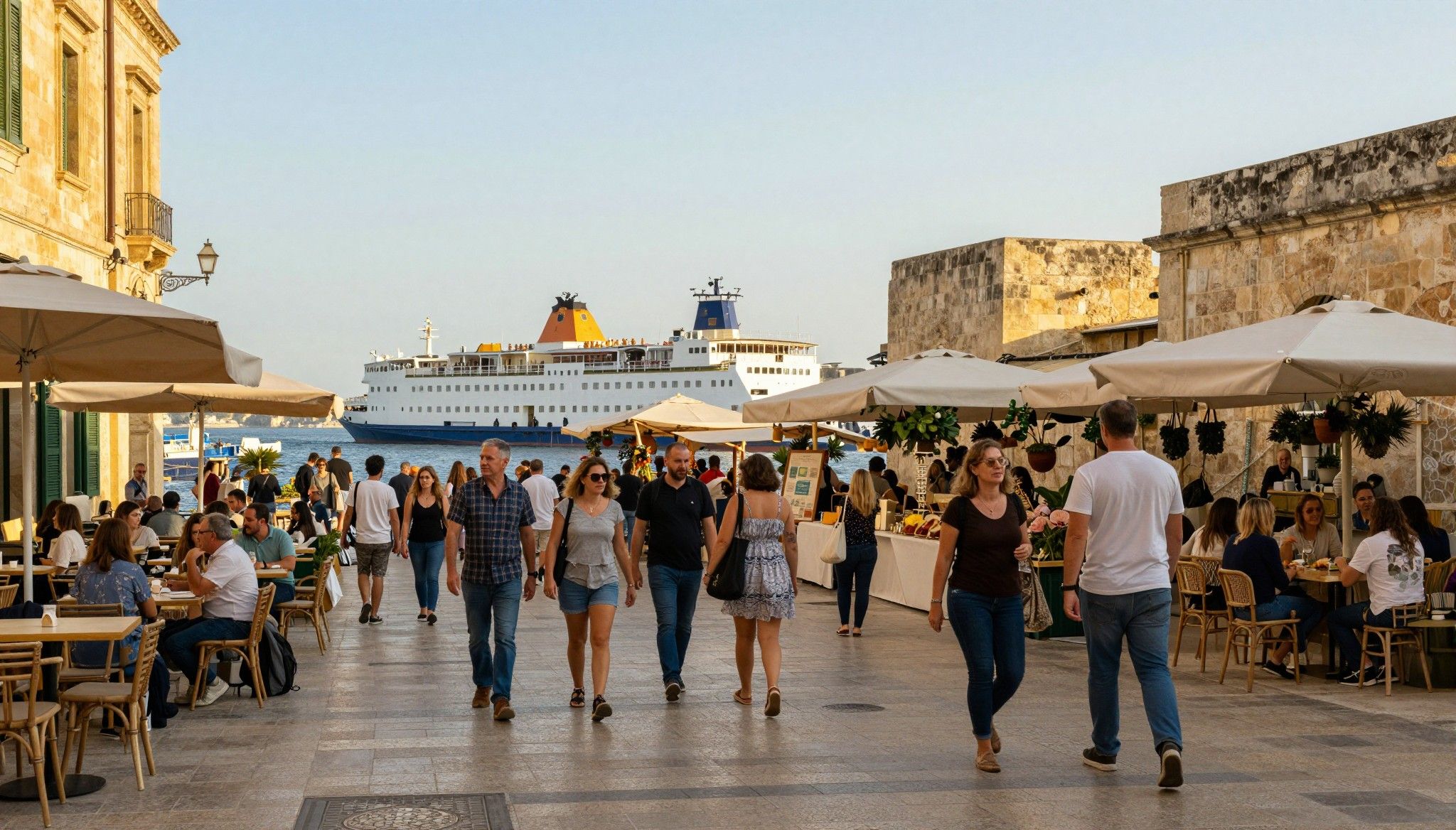
A French day is a series of small public rituals: espresso at the corner café, market bargaining at dawn, and the late evening stroll to a bistrot terrace. In Paris the rhythm is urban and curated; on the Côte d’Azur it’s outdoor, marina‑paced and sunlit; in rural Normandy or Dordogne it’s market mornings and garden afternoons. For buyers, lifestyle maps directly onto property choices—stone farmhouses attract gardeners, narrow Parisian flats suit lovers of walkable culture, and coastal villas reward outdoor living. Expect each region’s tempo to affect occupancy patterns, rental demand and seasonal price swings.
Paris to Provence: contrasting neighborhood personalities
Parisian arrondissements read like micro‑cultures: the 6th for cafés and galleries, the 11th for local life and nightlife, the 16th for wide avenues and diplomatic residences. In Provence, towns such as Aix‑en‑Provence or Uzès trade density for light, courtyards and markets overflowing with olives and herbs. Along the Atlantic—Biarritz or La Rochelle—surf culture and seafood shape house plans and outdoor spaces; buyers here prize garages for surfboards more than formal dining rooms. These distinct neighborhood characters should be your primary filter before square‑metre prices ever enter the conversation.
Food, markets and the social life that sell a neighborhood
Markets are the heartbeat of French streets: Marché Forville in Cannes, Marché des Capucins in Bordeaux, or the farmers’ stalls in Saint‑Rémy. Where a lively market exists, expect year‑round resident demand and easier lettings—locals vote with baskets. Food culture also drives micro‑gentrification: a new artisan bakery or reputable fromager often precedes price stabilisation. If you want to live among people who shop for their supper daily, choose proximity to a market above proximity to a train station.
Making the move: transparency, paperwork and what actually matters

The romance of French life meets a very French process: every sale must pass through a notary who performs title checks, publishes the deed and collects taxes. That notarial step is central to market transparency—your notaire will reveal mortgages, servitudes (easements), and historic quirks tied to a property’s parcel. Knowing this helps you separate genuine bargains from problems concealed in old deeds, and it explains why off‑market ‘deals’ can carry hidden costs. Use a notaire who speaks your language or equip your lawyer with translated dossiers before you sign anything.
Property titles, cooling‑off and mandatory checks
French law grants a 10‑day cooling‑off period after signing a preliminary contract, and the notary typically takes 10–12 weeks to complete formal searches and register the sale. For international buyers this window is both protection and frustration: it gives time for due diligence but can feel slow if you’re used to faster markets. Expect the notary to flag energy diagnostics (DPE), potential planning constraints, local preemption rights by the commune and any mortgage entries—these are common transparency points where deals are restructured or fall apart.
Key transparency checks your notary (and you) should insist on:
- Title chain and last registered deed — confirms seller’s right to sell and prior transfers.
- Energy Performance Diagnostic (DPE) — increasingly central to rental eligibility and resale value.
- Servitudes and planning constraints — rights of way, view protections, or local bylaws that limit changes.
Insider knowledge: common surprises and contrarian moves that work
Recent national data show price stabilisation after regional adjustments—what looks expensive from afar can hide pockets of value within cities and rural communes. INSEE and notarial indexes in 2024–2025 recorded uneven declines across regions, followed by selective recovery in 2025; that pattern means timing and micro‑location matter more than country‑level headlines. A contrarian tactic that often pays: buy a well‑located, energy‑efficient apartment on a quieter street in a city with improving public services rather than chase headline neighbourhoods.
What expats wish they’d known (real talk)
You’ll find English speakers in cities, but real integration happens when you learn a few phrases and show up at local markets and mairie events. The small, practical things trip buyers up: misreading building copropriété rules, underestimating heating costs in older stone homes, or overlooking a commune’s preemption right. Work with local agents who live in the neighbourhood and not with high‑volume listing portals alone—agents who understand local syndic boards, utility quirks and seasonal rental patterns save you time and money.
A simple 5‑step checklist to balance lifestyle and transparency
- Define the lifestyle non‑negotiables (market access, terraces, proximity to a marché).
- Ask your notary for a full title report and DPE before making an offer.
- Check local rental rules and energy retrofit timelines—these affect cash flow and compliance.
- Negotiate conditional clauses (mortgage, survey, lead/termite checks) into your compromis de vente.
- Use a bilingual notaire or lawyer to review the final acte de vente and tax implications.
France sells a life as much as a building. The hard part is aligning the ritual of daily life—cafés, markets, coastal afternoons—with the structural realities of title, energy law and local administration. Start with place first, then bring in the technical team: a notaire, a neighbourhood agent who actually walks the streets you love, and an English‑speaking accountant if you’ll rent. Together they turn a mood‑board into a secure purchase.
If you’re ready to go beyond inspiration, ask us for a dossier covering a neighbourhood you love: market comps, notarial checks to expect, likely renovation costs and realistic rental yield scenarios. We’ll match you with local experts who live the life you want and know the paperwork that keeps it honest.
Dutch relocation advisor who moved to Marbella in 2016. Guides Dutch buyers through visa paths, relocation logistics, and balance of lifestyle with value.