When the Island Premium Is a Myth: Greece’s Quiet Value Corridors
Think beyond the island postcard: uneven price rises mean quiet coastal towns and port cities offer lifestyle and value if you inspect seasonality, cadastre and services.
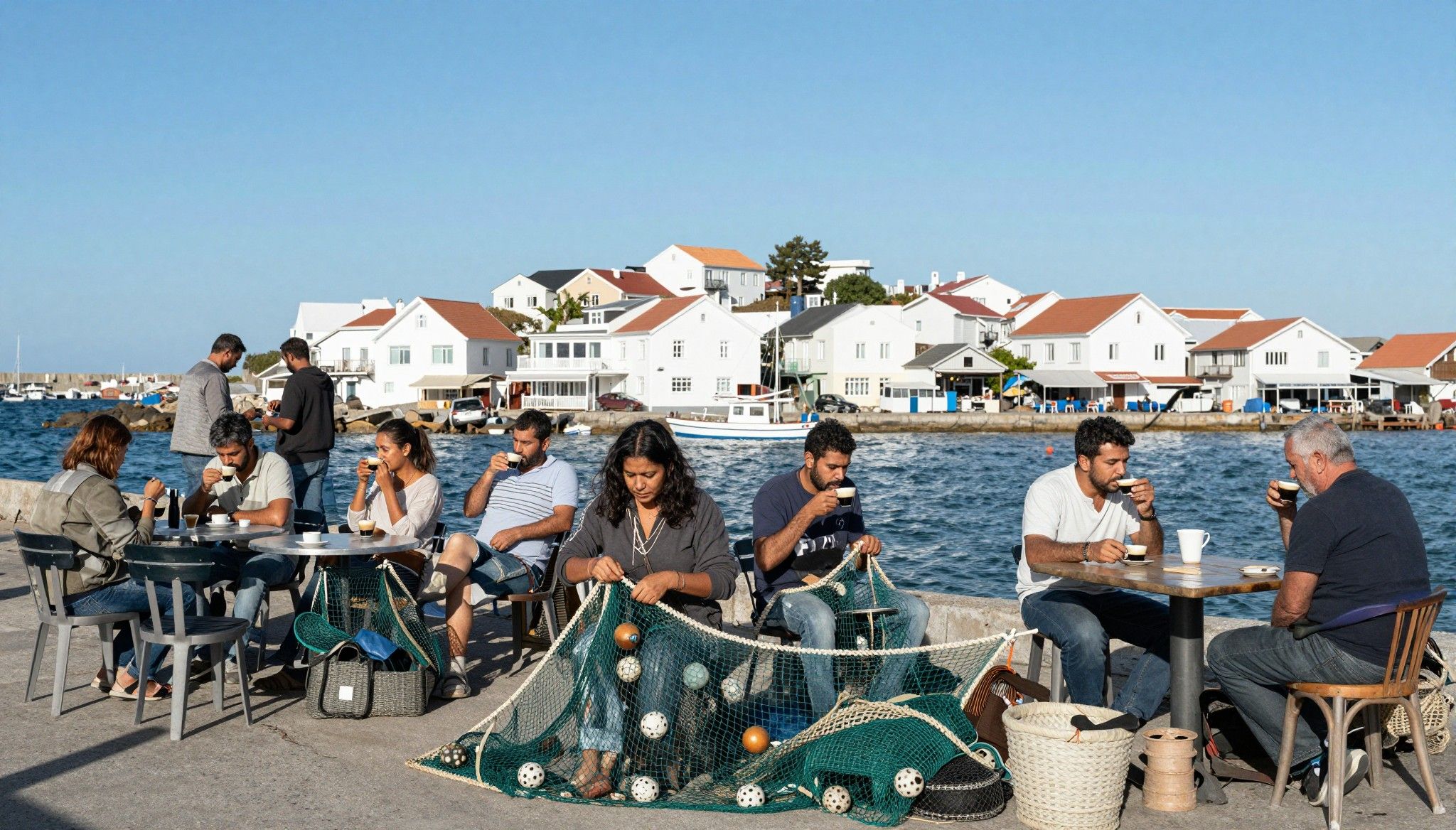
Picture this: an empty tavern terrace in late October, the bay quiet, the owner pulling a fresh espresso while a couple of painters set up on the quay. For many buyers the Greek dream starts with a postcard from Mykonos or Santorini — white sugar-cube houses, crowds and sky-high prices. But look past the postcard and you find a different Greece: quiet towns, recovering port cities and inland valleys where life is lived year-round. That’s where price momentum meets genuine lifestyle, and where international buyers can still craft a thoughtful home rather than chase a seasonal headline. According to recent Bank of Greece analysis, national house prices rose strongly in 2024–2025, but growth is uneven — and that unevenness creates opportunity if you know where to look.
Living the Greek lifestyle — beyond the postcard

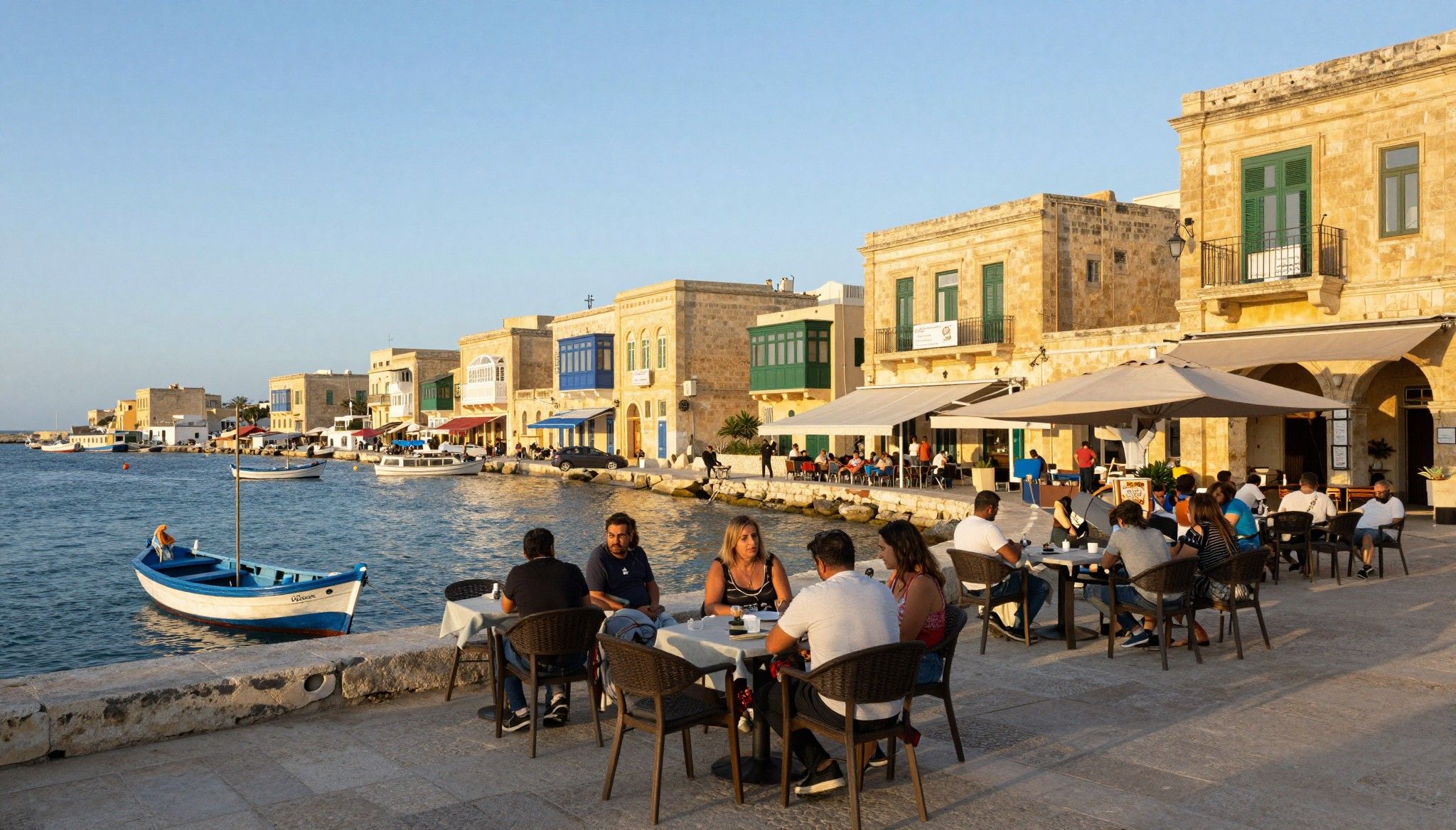
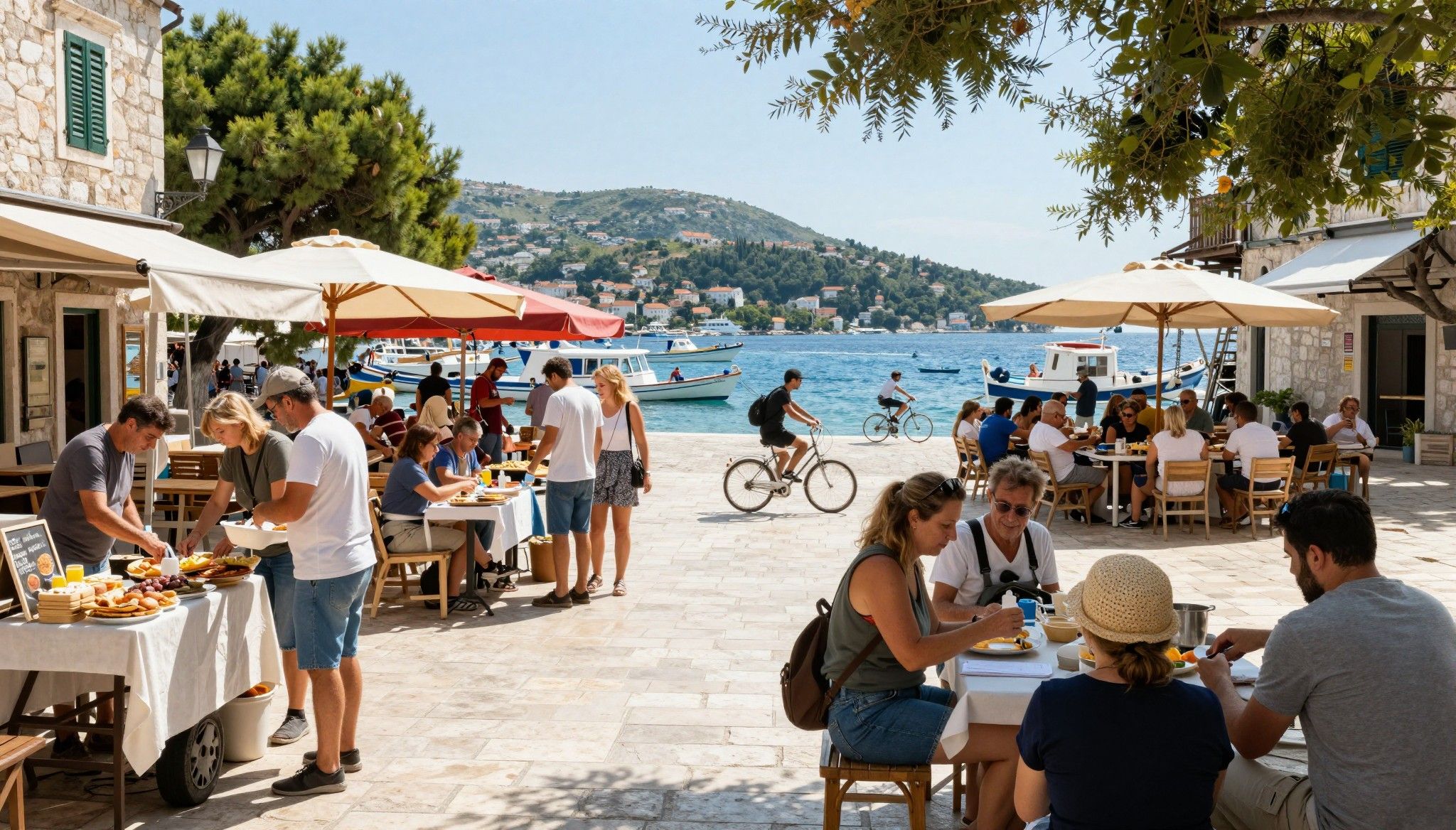
Living in Greece is tactile. Mornings begin with espresso and a simitic (sesame bagel) at a corner kafeneío, schoolchildren weave through markets with plastic baskets, and by afternoon the coast unfurls for swimming and late conversations. Cities hum with revived markets and renovated neoclassical facades; islands pulse with both intense summer life and restorative off-season calm. The rhythm changes by region, but everyone agrees on two things: food is central, and outside spaces — terraces, courtyards, small squares — are where life actually happens.
Athens neighbourhoods that feel like small towns
Walk Koukaki at dawn and you’ll understand why many expats choose Athens over an island. Narrow streets, mets (little tavernas), and the casual market life around Veikou give a neighborhood intimacy without sacrificing city services. Similarly, Pangrati blends afternoon café life with municipal parks and good public transport. These areas prove you can have a compact, walkable daily life while keeping access to international flights and hospitals.
Coastal towns and quieter islands that surprise
Contrast the summer spectacle with places like Pylos (Peloponnese), Naxos’s agricultural villages, or western Crete’s south coast: authentic markets, slower tourism and property stock that’s older, solid and often cheaper per square metre than Cyclades main islands. Market reports from national brokers show steep price rises in headline island hotspots, but smaller ports and mainland coastal towns have lagged — which is precisely why they’re worth visiting in person.
- Lifestyle highlights to look for
- Daily espresso culture at family-run kafeneía (e.g., Koukaki’s cafes)
- Seasonal markets — fish markets at Piraeus, local producers in Crete
- Year-round harbours with working fleets (Pylos, Volos) that translate to authentic local economies
- Community festivals (panigyria) that knit neighbourhoods together in summer and autumn
Making the move: practical considerations that keep the dream real

Wanting the daily life is one thing; buying a property that supports that life is another. Price indices show broad increases, but what matters to you is seasonality, supply type, and local infrastructure. If you want year-round life, prioritize towns with hospitals, reliable ferries or roads, and a calendar of local commerce. For part-time owners, proximity to a regional airport and property management options become more important than a seafront postcard terrace.
Property styles — what fits the life you want
Stone houses inland are quiet and cool in summer but often need renovation — great if you want to craft a traditional home and have a renovation budget. Modern apartments in Athens suburbs give quick access to services and a lower maintenance burden. Seafront apartments are convenient but come with higher running costs and seasonally inflated prices. Choose a property for how you want to live twelve months of the year, not just for July.
Work with agencies that know the rhythms
A local agent who understands ferry timetables, municipal renovation permits and the nuances of seasonal rentals will save you time and money. Good agencies do two things well: match you to neighbourhood life (which café windows will you like?) and translate that into realistic budgets and timelines. Ask about off-season occupancy rates, local property management fees and whether the agent deals with the municipal cadastre (land registry) directly.
- Step-by-step priority list before making an offer
- Visit in two seasons — a summer week and a quieter month (October–March) to feel year-round life and services
- Get a local lawyer to check cadastre records and outstanding municipal debts before you sign
- Request utility bills and maintenance records for the past two years to understand running costs
- Confirm seasonal rental restrictions with the municipality if rental income matters to you
Insider knowledge: what expats wish they'd known
Here’s the real talk we hear from buyers six months after the move: the best neighbourhoods are the ones where you can run errands, find decent coffee and bump into neighbours. Many new owners overestimate island liquidity (ease of resale) and underestimate the importance of local services in winter. Data shows regional price recovery is strong, but liquidity and seasonality differ hugely — that shapes both lifestyle and exit options.
Cultural integration and daily social life
You don’t need fluent Greek to live well here, but learning key phrases and showing up for local festivals opens doors. Neighbourhood kafeneía are social hubs where practical favors and trust are traded. Expect a slower bureaucratic pace and occasional paperwork surprises — patience and a local fixer (lawyer or agent) are invaluable. Joining a community group or volunteering at a panigyri is the fastest route to feeling at home.
Long-term thinking: when lifestyle becomes investment
If you plan to hold long-term, prioritize structural factors: demographics, transport links and local economic initiatives. Reports show that port towns and Athens suburbs have outpaced many islands in transaction growth — a sign that functional places often beat postcard desirability for steady capital preservation. Diversify: mix a lifestyle property with a city-based asset if income or resale flexibility matters.
Small warning signs we watch for: a village where nearly all houses are holiday lets (you’ll lack year-round neighbours), a shoreline property with unclear seawall or access rights, or municipalities with sparse services in winter. These aren’t deal-killers, but they change the ask: budget for management, confirm access, and expect quieter months. We’ve seen buyers fall in love in July and regret choices in February. Visit outside high season.
- Quick red flags
- Unclear cadastre records or missing deeds
- An area with 70% short-term rentals — community life will be seasonal
- Properties advertised without energy performance (PEY) or recent renovation details
Conclusion: love the life, but check the file
Greece offers an irresistible blend of sea, food and community. But the smartest move is to let lifestyle lead and let due diligence follow closely behind. Visit in two seasons, prioritise towns with year-round services, and work with local agents and lawyers who know cadastre and municipal realities. When we pair romantic curiosity with careful checks, buyers end up with homes that feel lived-in and investments that make sense.
British expat who relocated to Marbella in 2012. Specializes in rigorous due diligence and cross-border investment strategies for UK and international buyers.