Cyprus: Where the Lifestyle Fits the Data
Cyprus’s island allure meets concentrated price growth: apartments near coast and transport drive value. Pair lifestyle choices with Cystat and Central Bank data and local experts.
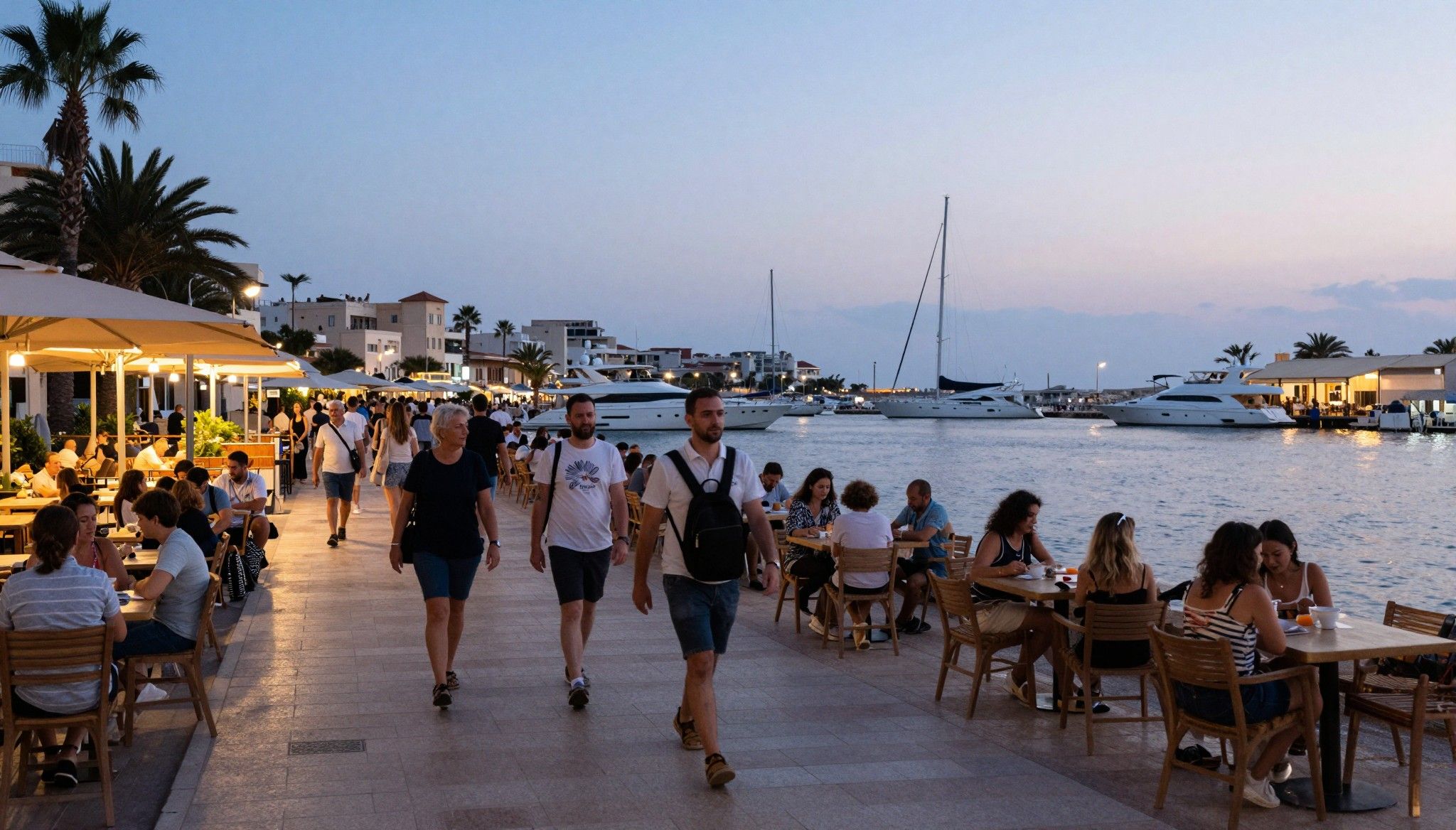
Imagine strolling an early-morning kafeneio on Limassol’s Molos, espresso steaming, fishermen hauling nets in the distance, and a short walk back to a compact, sunlit apartment you bought as an escape and a small income generator. Cyprus feels like that: Mediterranean ease, island rhythms, and neighbourhoods where life happens on the street. But the island’s property market is not merely a postcard — it’s a patchwork of strong regional demand, developer-led apartment growth, and fast-moving price pockets that surprise many international buyers. We’ll show you where the lifestyle aligns with the numbers, and where common assumptions about “cheap island bargains” actually mislead.
Living the Cyprus life — sun, souvlaki and street-level rhythm
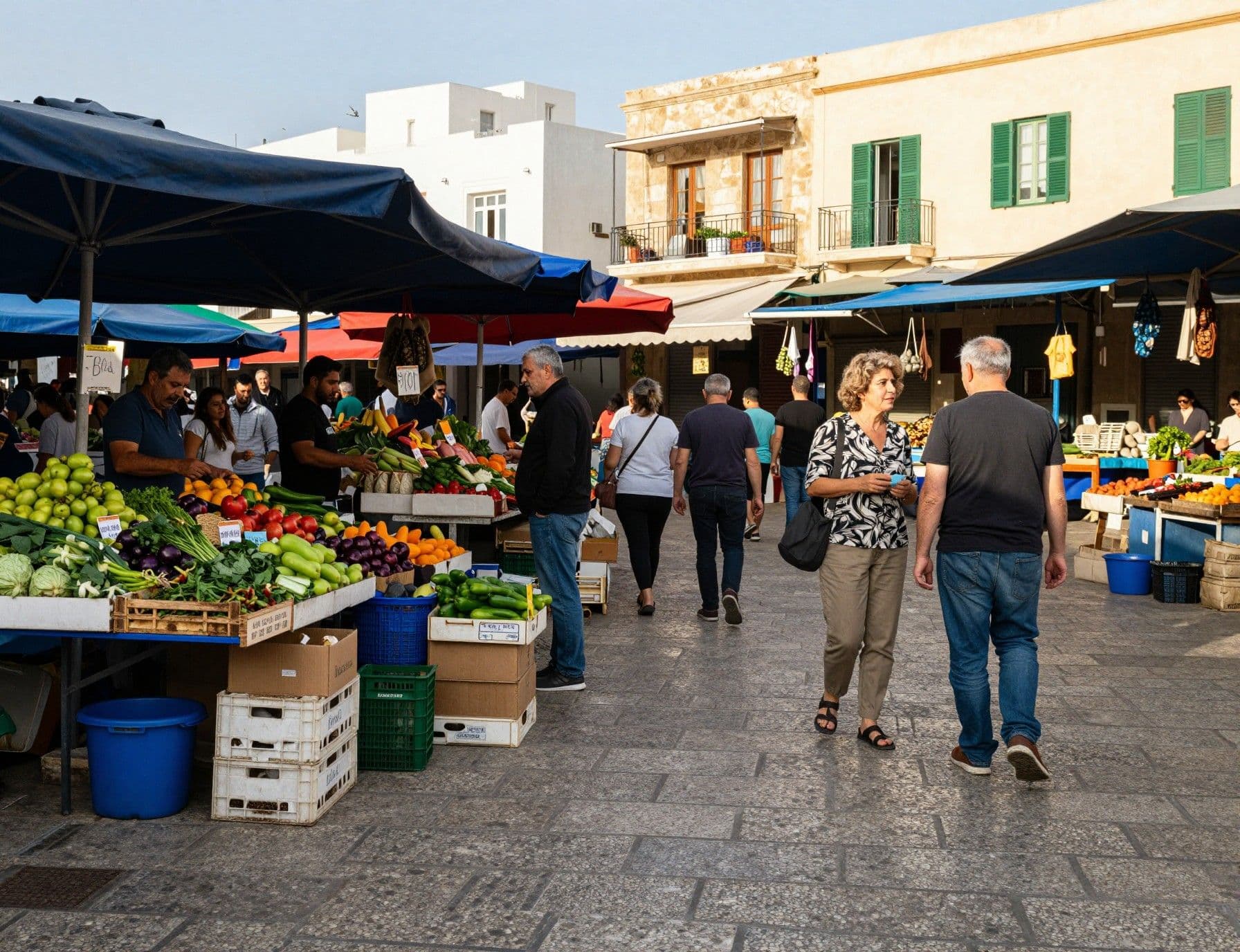
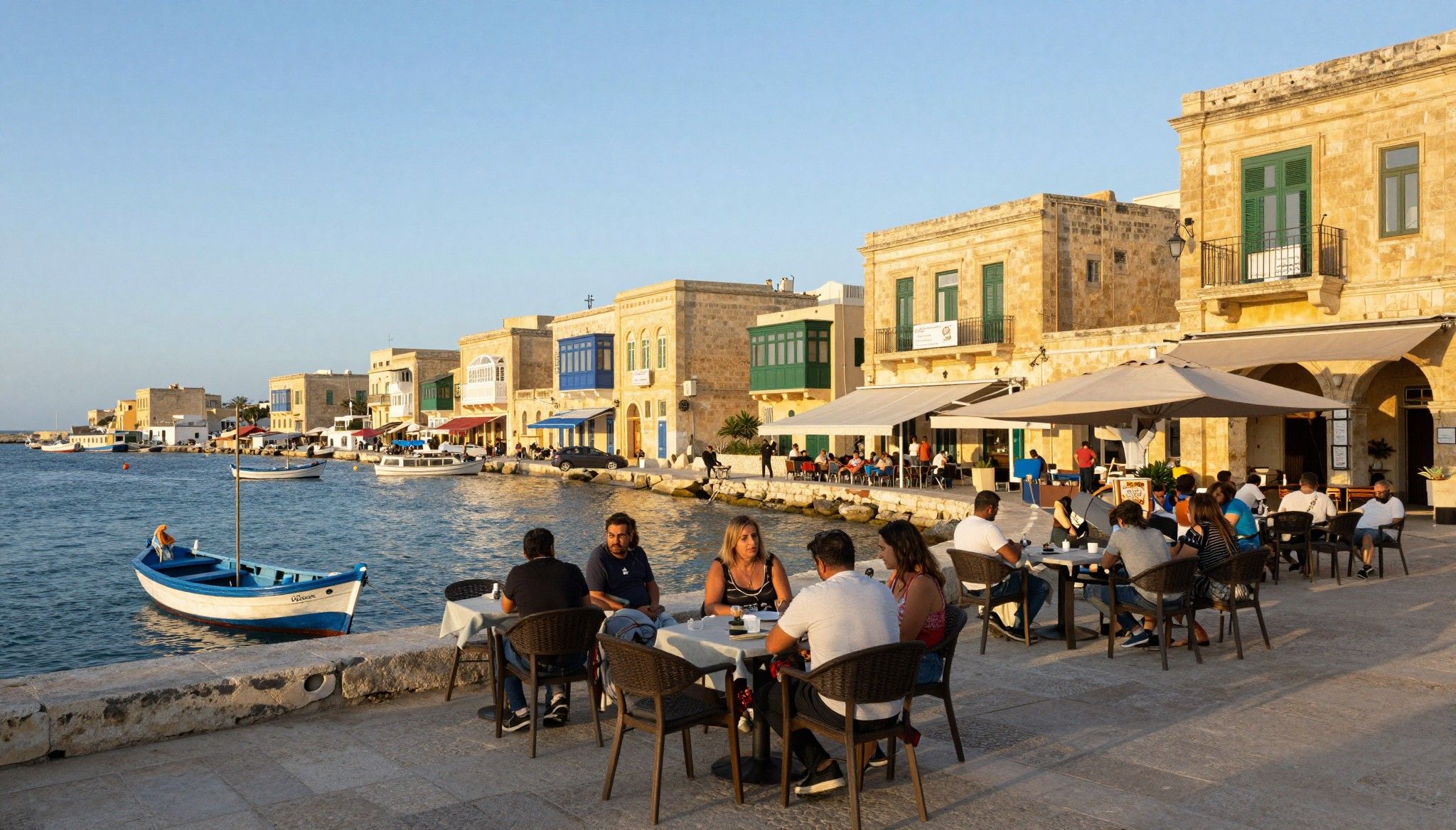
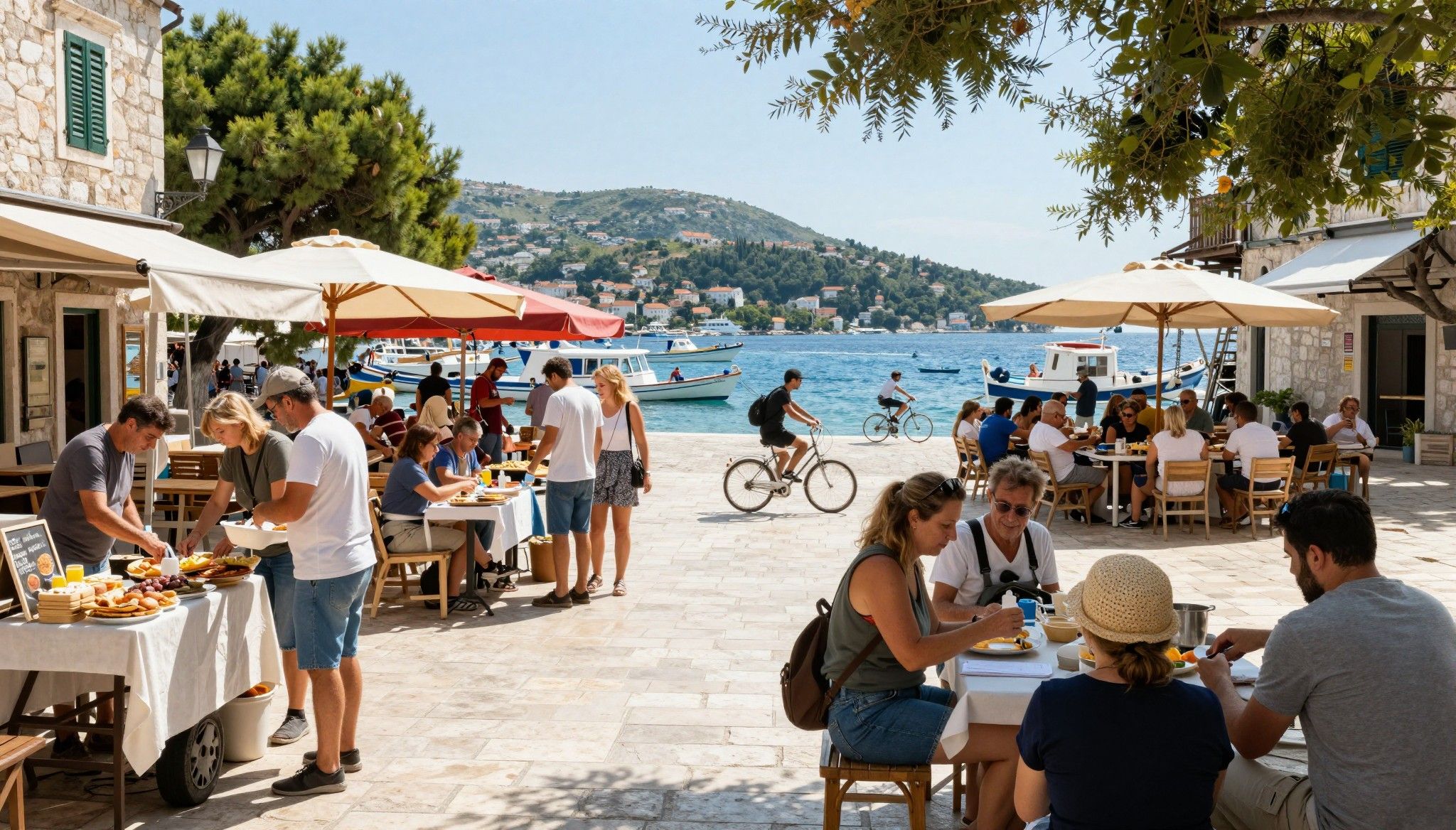
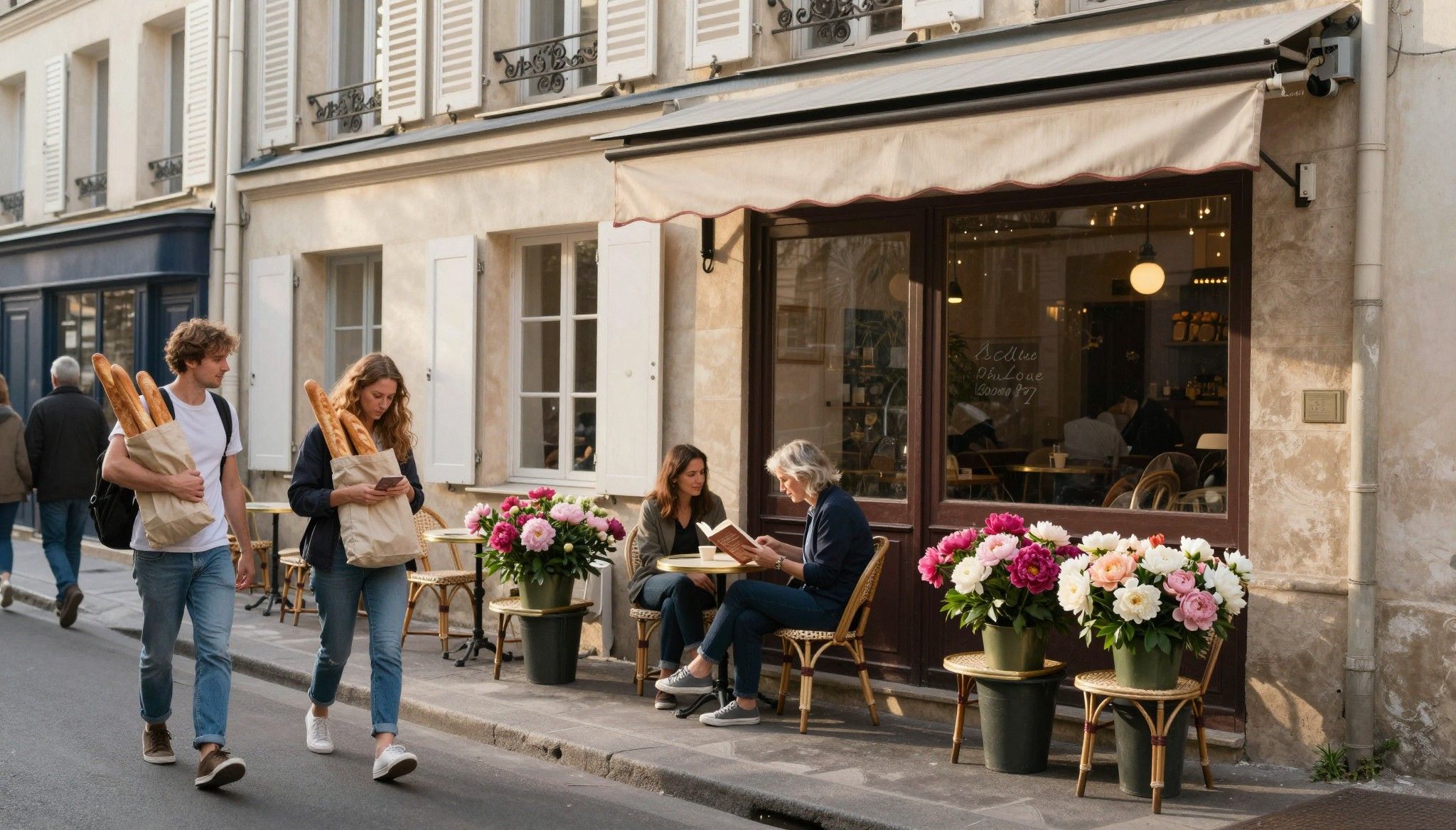
Cyprus is stamina: long lunches, neighbourhood cafes that open for decades, and seasons that choreograph your day. Limassol hums with coastline promenades and yacht moorings; Paphos measures time by archaeological streets and quieter beaches; Nicosia is slow urbanity with leafy lanes and family-run bakeries. Weekends are market days — produce stalls, fresh halloumi, and conversations that last as long as the coffee. For many expats, the island’s draw is concrete: compact communities where English works, schools with international curricula, and an atmosphere that feels at once Mediterranean and private.
Limassol: the coastal city where lifestyle meets price pressure
Walk along Franklin Roosevelt and you’ll pass cafés, small galleries and new apartment blocks with rooftop pools. Limassol’s marina and Old Port attract buyers seeking modern living and rental demand, which has pushed prices above the island average. If you crave seaside evenings and easy rental yield, Limassol delivers — but expect competition, especially for well‑located two and three-bedroom apartments near the seafront. That competition shows up in local price indices: the island’s more urban districts have been the fastest drivers of recent growth.
Paphos and Larnaca: quieter value corridors with distinct personalities
Paphos feels village‑scale by the sea — good for families and retirees who want coastal calm and archaeological charm. Larnaca mixes a relaxed seafront with an improving airport link and steady investment in amenities. Both areas have shown steadier, sometimes faster, apartment growth as developers shift focus from standalone villas to denser projects that international buyers find affordable. That shift means more resale units, clearer rental demand, and a different set of due-diligence questions than a 15‑year-old villa in the hills.
- Neighbourhood and lifestyle highlights: - Limassol Marina & Old Port: seaside promenades, bars, international rentals - Kato Paphos: archaeological sites, family-friendly beaches, quieter evenings - Larnaca Finikoudes: long promenade, local cafes, improving transport - Omodos & Troodos foothills: mountain villages, vineyards, slower pace - Nicosia Old Town: narrow streets, neighbourhood bakeries, city-centre living
Making the move: where lifestyle choices meet market reality
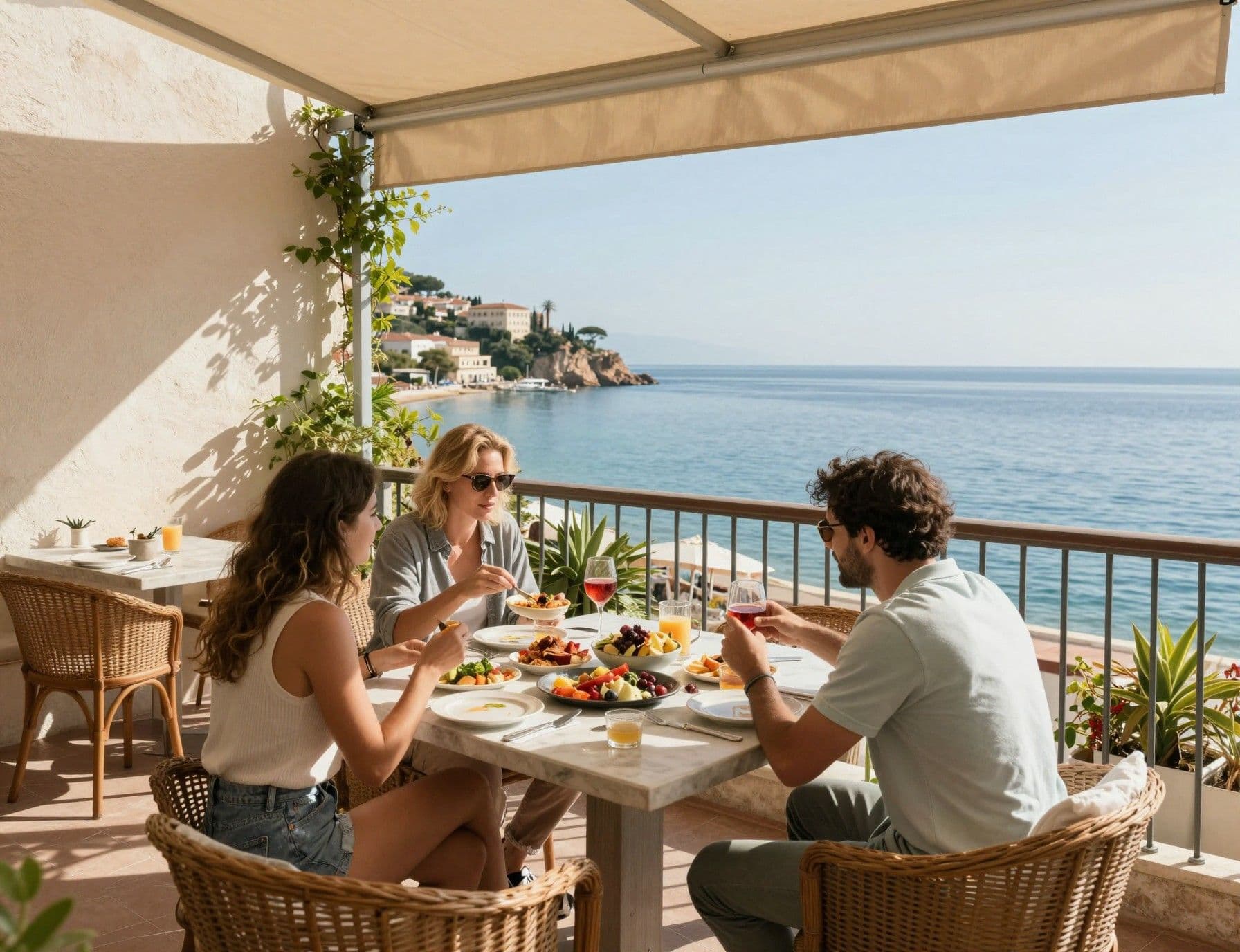
The dream of beachside mornings needs to be squared with data. Official indices from Cystat and Central Bank releases show island-wide price rises in recent quarters, with apartment sales and new-build activity particularly strong. In plain terms: apartments near transport and coastlines are where demand concentrates; village houses can be bargains but come with different maintenance and rental profiles. Use hard data to match the lifestyle you want with likely resale and rental performance.
Property types and how they reshape daily life
New-build apartments give you less garden but more amenity — rooftop terraces, concierge, pools — and they fit the island’s growing rental market. Traditional Cypriot houses offer space and character but often need renovation and higher maintenance in summer months. If you want a social, street-level life (cafes, evening walks), choose neighbourhood apartments. If you want privacy and land, prepare for higher upkeep, insurance and possible seasonal vacancy.
- How local experts save your time and protect your lifestyle investment: 1. Match lifestyle to micro‑markets: a local agent knows which Limassol streets rent year-round versus seasonal hotspots. 2. Oversee contracts and title checks: avoid unclear encumbrances on village plots. 3. Arrange realistic rental projections: not every sea‑view commands high yield. 4. Navigate planning and renovation norms: mountain villages often require special permissions for extensions. 5. Source trusted property managers for absentee owners: local firms manage tenants and maintenance.
Insider knowledge: myths, seasonal truth and what expats wish they’d known
Here’s the kind of straight talk buyers learn the hard way: Cyprus is not uniformly cheap. Recent reports show record transaction volumes and concentrated growth pockets, especially in Limassol and Paphos. International buyers often assume off‑season visits reveal market bargains — but many deals are negotiated off-market through developer pipelines or local networks. Knowing the rhythm of listings and developer cycles is as valuable as catching a good price.
Cultural and seasonal realities that change how you live
Summer brings island festivals, busy coastlines and higher short‑term rental income — but also heat that affects building materials and cooling costs. Winter is quieter and better for property inspections and negotiating, but some coastal neighbourhoods show reduced local life outside the season. English is widely spoken, but small-town bureaucracy and planning committees operate with local norms — so patience and a trusted local contact make everyday living smoother.
- What expats wish they’d known before buying: - Check which streets get afternoon shade — microclimate matters for terraces. - Ask about construction methods — cheap finishes age quickly in sea air. - Confirm usable outside space — balconies that look big on paper often aren’t. - Learn local waste and maintenance schedules — they shape daily comfort. - Know seasonal rental demand before pricing for yield.
Putting lifestyle and data together: a practical checklist for the first site visit. Walk the streets at three times of day. Talk to neighbours; they will tell you if a building’s management is lax. Ask the agent for recent comparable sales within the last six months, not the last five years. Confirm title and land-use with the Department of Lands and Surveys and ask your lawyer about any outstanding liens. These steps keep your romantic view grounded in market reality.
- Next practical steps (short action plan): 1. Decide lifestyle priority (seaside promenade vs village tranquility). 2. Request district-level price indices and recent sales from Cystat or trusted local reports. 3. Book a local agent and legal adviser for a 48–72 hour in-market reconnaissance. 4. Ask for rental history, HOA minutes, and a technical survey before offers. 5. Plan for three months of local administration after purchase for utilities and residency paperwork.
Conclusion: love the life, check the numbers, bring local allies
Cyprus offers an irresistible daily life: cafés, seafront promenades and a neighbourhood energy that makes you slow down. But that life sits on a market that’s active, regionally varied, and increasingly apartment-driven. Use official indices (Cystat, Central Bank) and reputable market reports to shape expectations. Then pair data with a local team — agent, lawyer, surveyor — who understand the street-level details. Do that, and you’ll buy not just a property, but the particular Cyprus life you came for.
Dutch relocation advisor who moved to Marbella in 2016. Guides Dutch buyers through visa paths, relocation logistics, and balance of lifestyle with value.