Greece: Streets, Sea and the Real Buying Rules
Greece sells a rhythm more than a postcode — pair seaside mornings and city cafés with data on price growth, Golden Visa rules, and tightening short‑term rental law.

Imagine stepping out for an espresso at Koukaki’s little café, the scent of baking spanakopita in the air, then wandering past neoclassical facades toward a rooftop that frames the Acropolis. That sensory start is how many of us fall in love with Greece — not as a postcard but as a daily life. Yet the reality for buyers mixes romance with regulation, high-season illusions, and neighbourhood nuances that change value as surely as the light at dusk.
Living the Greek Life: Streets, Sea and Slow Mornings
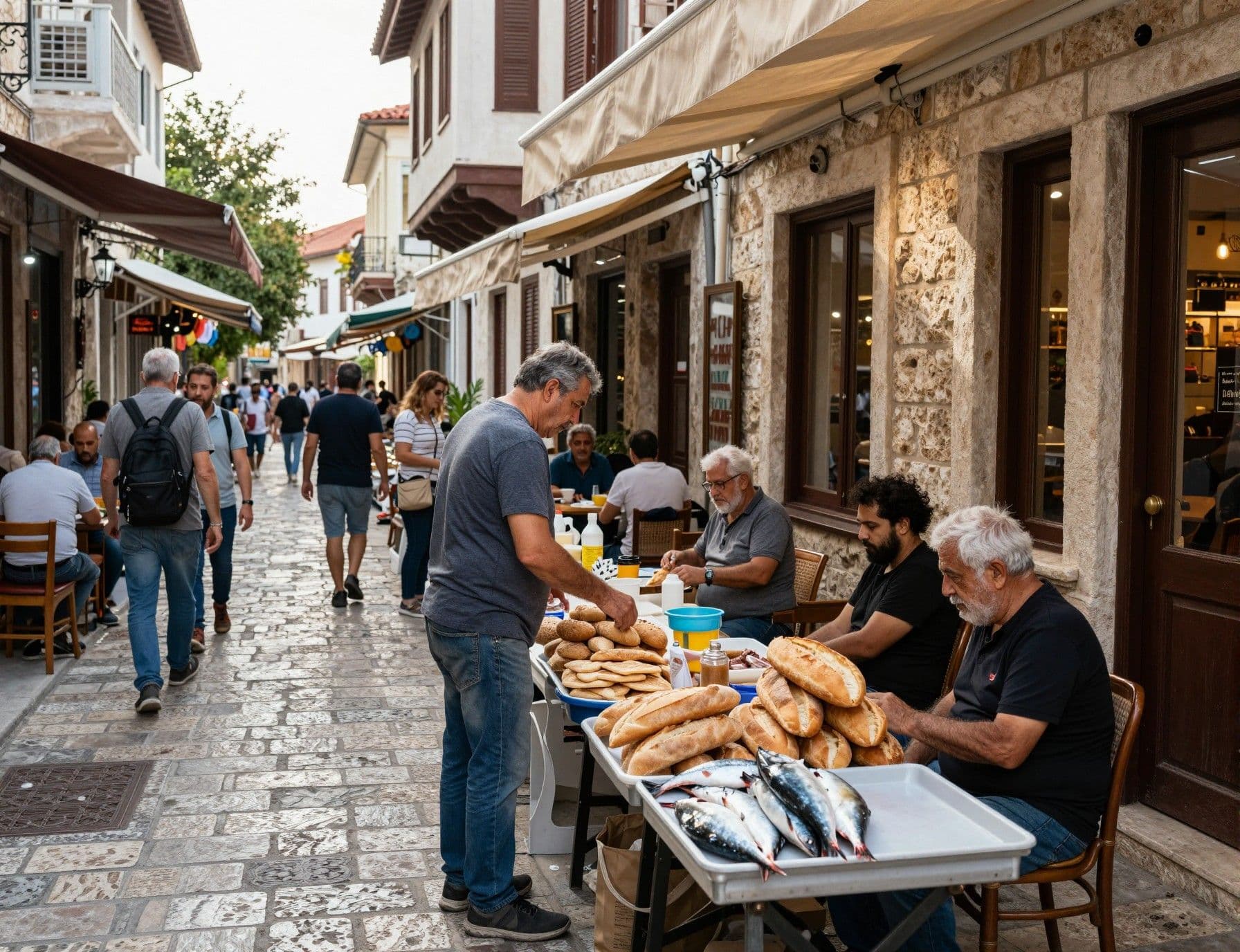
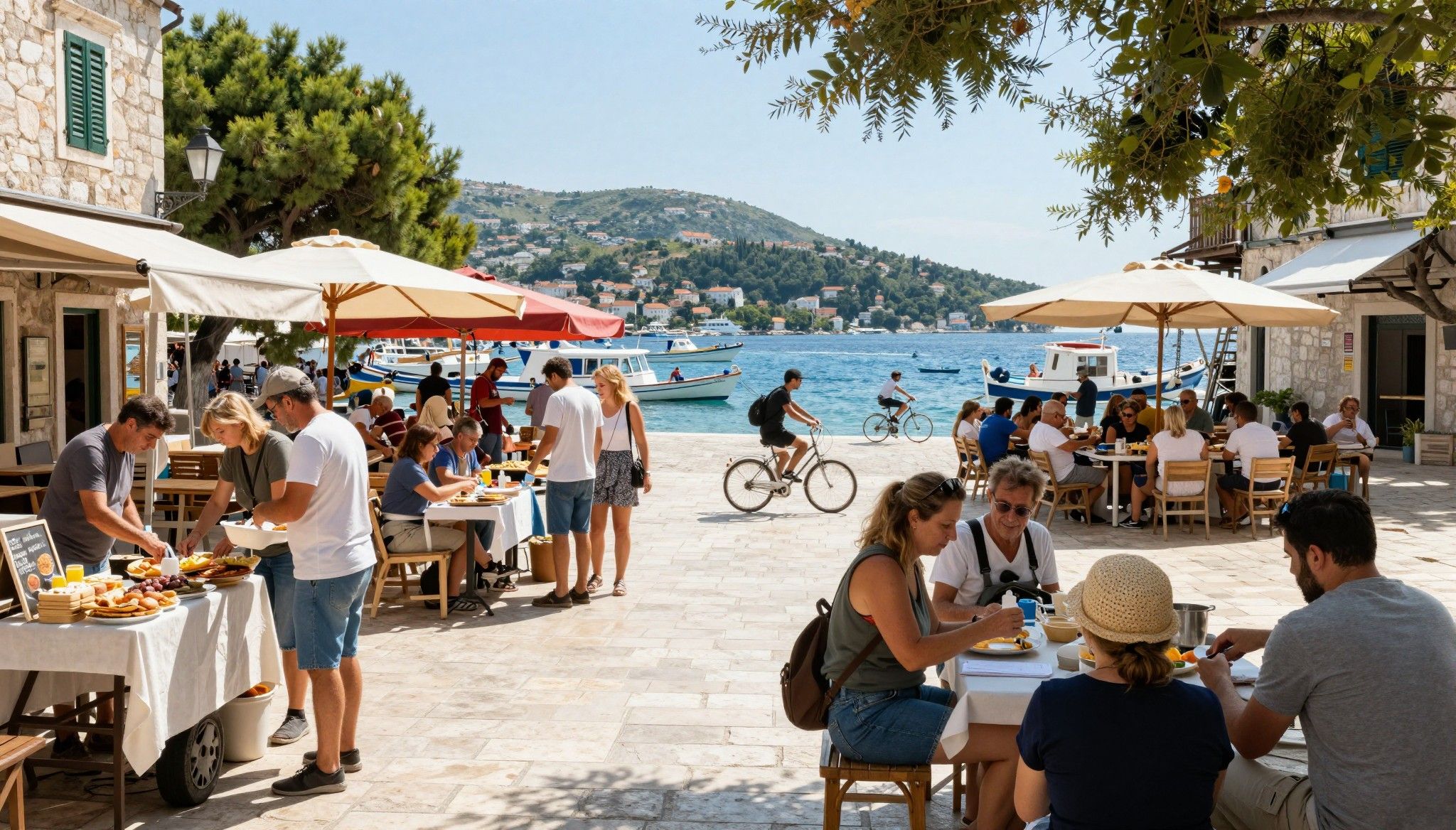
Mornings are for markets and small talk; afternoons are for siestas or sea swims; evenings are for long plates of grilled fish and ouzo. In Athens neighbourhoods such as Koukaki, Pangrati and Psiri you feel the city’s rhythm: cafés that open early, bakeries that sell out by noon, rooftop bars that turn the neighbourhood into a social living room. On islands and coastal towns, the day follows tides and tourism calendars — think morning fish markets in Chania or late sunsets in Hydra.
Kolonaki & Central Athens — city elegance in short walks
Kolonaki’s tree-lined streets — Voukourestiou among them — are for shoppers, galleries and late‑afternoon espresso. Apartments here trade on proximity to museums, private schools, and small parks. If you want museum runs and an easy supermarket trip under the same block, central Athens neighbourhoods deliver that convenience and the kind of walkable life that suits families and professionals.
Coastal towns & islands — salt, tavernas, and seasonal economies
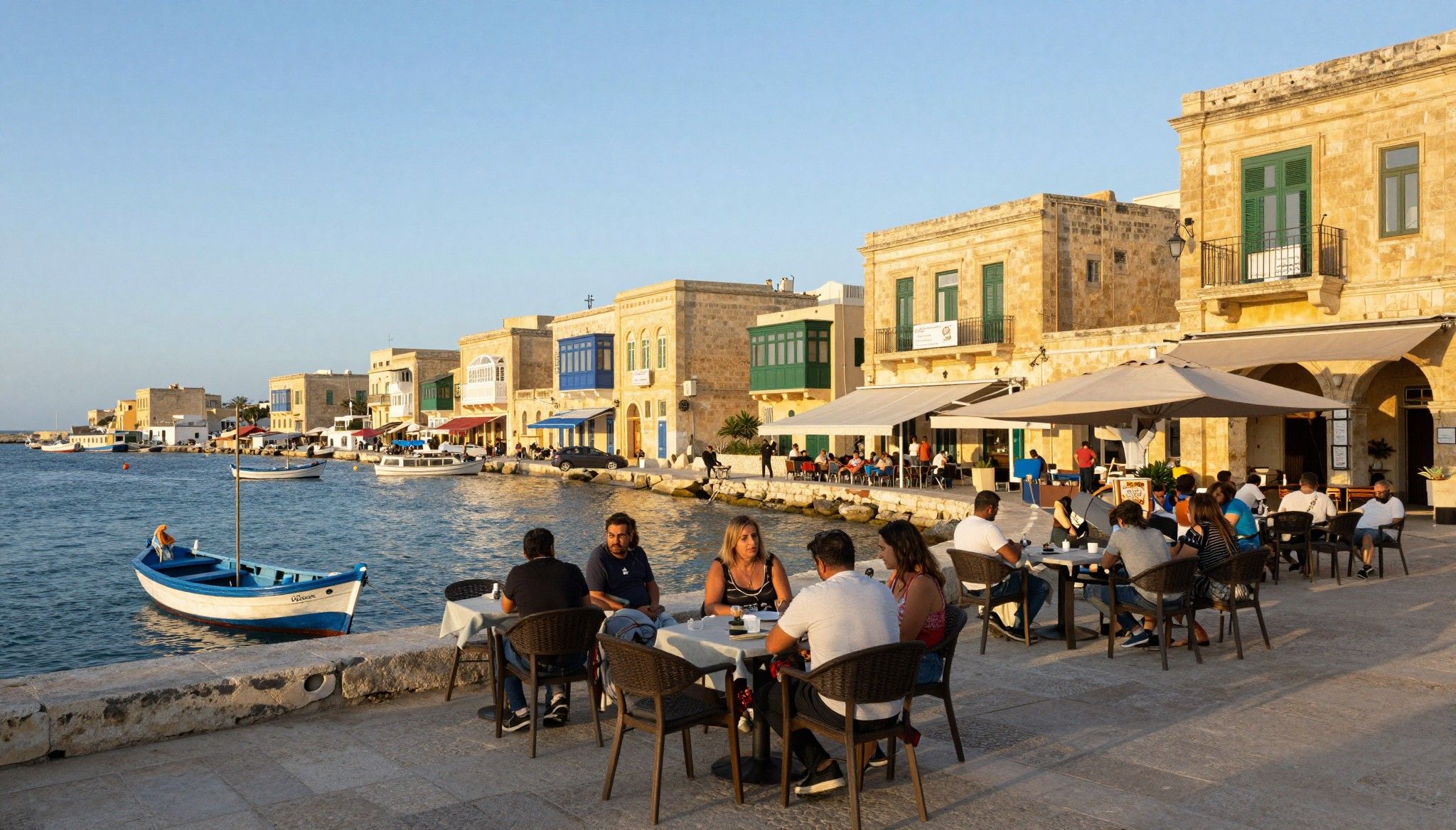
Village squares, morning markets and small harbours define coastal life. But remember: islands like Mykonos and Santorini operate on a strong seasonal axis — summer hospitality wages much of the local economy and feeds short‑term rental returns, while winters can quiet to a scaled‑down pace. That seasonality influences both the lifestyle and the price dynamics you’ll experience.
- Market of lifestyle highlights:
- Koukaki espresso culture, rooftop Acropolis views
- Chania morning fish markets and Venetian harbour walks
- Glyfada beaches and seaside promenades south of Athens
Making the Move: How Life Maps to Property Choices
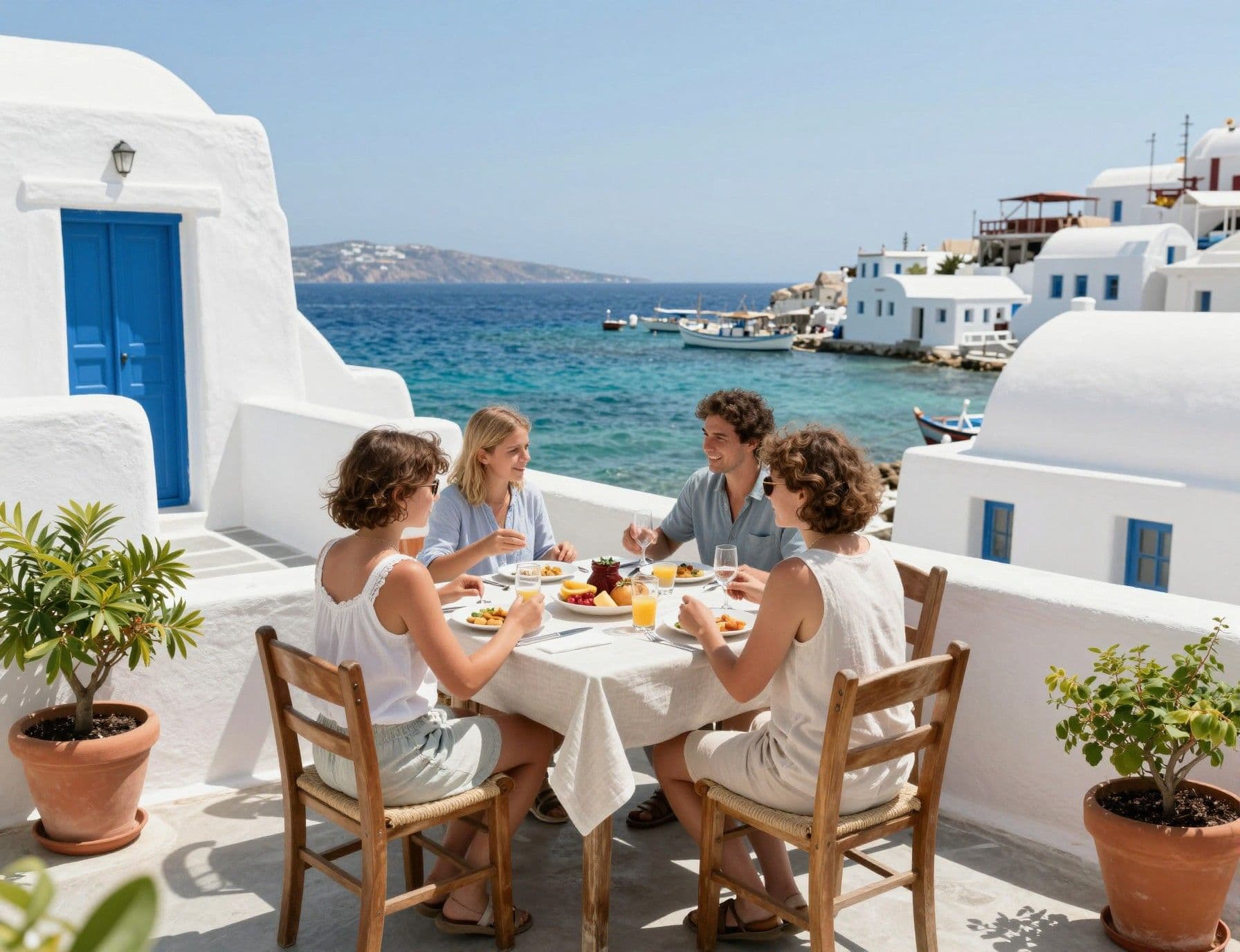
Dreams are useful — but they should point you to property types that support daily life. An Athenian three‑bedroom near a park will feel very different from a sea‑view maisonette on Naxos. Recent data shows steady price growth across urban hubs, so timing, neighbourhood choice and property type matter not just for lifestyle but for total cost and return expectations. Use macro data as a backdrop, then zoom into streets and blocks.
Property types: apartments, neoclassical conversions, and island houses
In Athens you’ll find modern flats, post‑war buildings with lift access, and restored neoclassical apartments with high ceilings. On islands, stone houses, maisonettes and scattered low‑rise developments dominate. Consider ventilation and insulation: Greek summers can be hot and winters surprisingly damp in older stone buildings. Outdoor space — terraces and balconies — often determines whether you live outside or inside most of the year.
Working with local experts who know the rhythm
Local agencies do more than show homes: they read bylaws, recognise habitual negotiation patterns, and know which blocks suffer tourist pressure or over‑development. With Golden Visa thresholds and region-specific rules changing in 2024–2025, a local adviser who tracks legislative amendments will save you time and money. Think of an agency as your translator of both language and local practice.
- Practical steps that pair lifestyle with due diligence:
- Map your day: spend three mornings and three evenings in a neighbourhood before bidding.
- Check seasonality: ask local agents for monthly occupancy and utility bills for island homes.
- Inspect ventilation and insulation — older stone properties need modern damp‑proofing.
- Confirm permitted use: short-term rental rules are tightening and can affect earnings (see national proposals).
Insider Knowledge: What Expats Wish They’d Known
Buyers often arrive enchanted and then face slow municipal processes, seasonal noise, or neighbours who prize tradition over tourists. Expats tell us the same surprises: winter quiet is deep on many islands, and short‑term rental regulations can change quickly. Those realities reshape lifestyle and returns but also open opportunities for buyers who prefer a calmer year‑round life.
Cultural integration: language, rhythm and community
Greek social life rewards patience: neighbours meet in squares, shopkeepers remember names, and festivals punctuate the year. Learning some Greek and showing up for local events speeds acceptance. For many buyers, that integration is the single biggest factor in long‑term happiness — more than square metres or a sea view.
Long-term: which neighbourhoods evolve, and which stall
Urban hubs show steady appreciation while some island micro‑markets see sharper swings tied to tourism trends. Watch for infrastructure projects (new marinas, tram lines, renovated waterfronts) — these are the practical signals that a lifestyle neighbourhood will also be a sound long‑term choice. Conversely, areas overloaded with short‑term rentals can lose everyday life appeal.
- Red flags locals point out:
- A cluster of short‑term rental signs on one street — signals tourist saturation
- Unfinished façade works without permits — indicates legal or maintenance risk
- Properties with consistently low winter utility use — possible habitability issues
Conclusion: Greece sells a rhythm more than a renovation. If you buy the rhythm — the café, the harbour stroll, the market Saturday — you’ll own a piece of daily life. Pair that intention with local expertise: agents who live the neighbourhood, lawyers who track regulatory shifts, and inspectors who know the quirks of Greek construction. Start by spending time where you want to live, then use the data (price indices, Golden Visa thresholds, municipal rules) to make a decision that matches both feeling and fact.
British expat who relocated to Marbella in 2012. Specializes in rigorous due diligence and cross-border investment strategies for UK and international buyers.