Skip the Obvious Islands: Greece's Quiet Value Corridors
Greece’s obvious islands shine — but quieter corridors, revised Golden Visa zones and STR regulation shifts reveal better lifestyle value for thoughtful buyers.
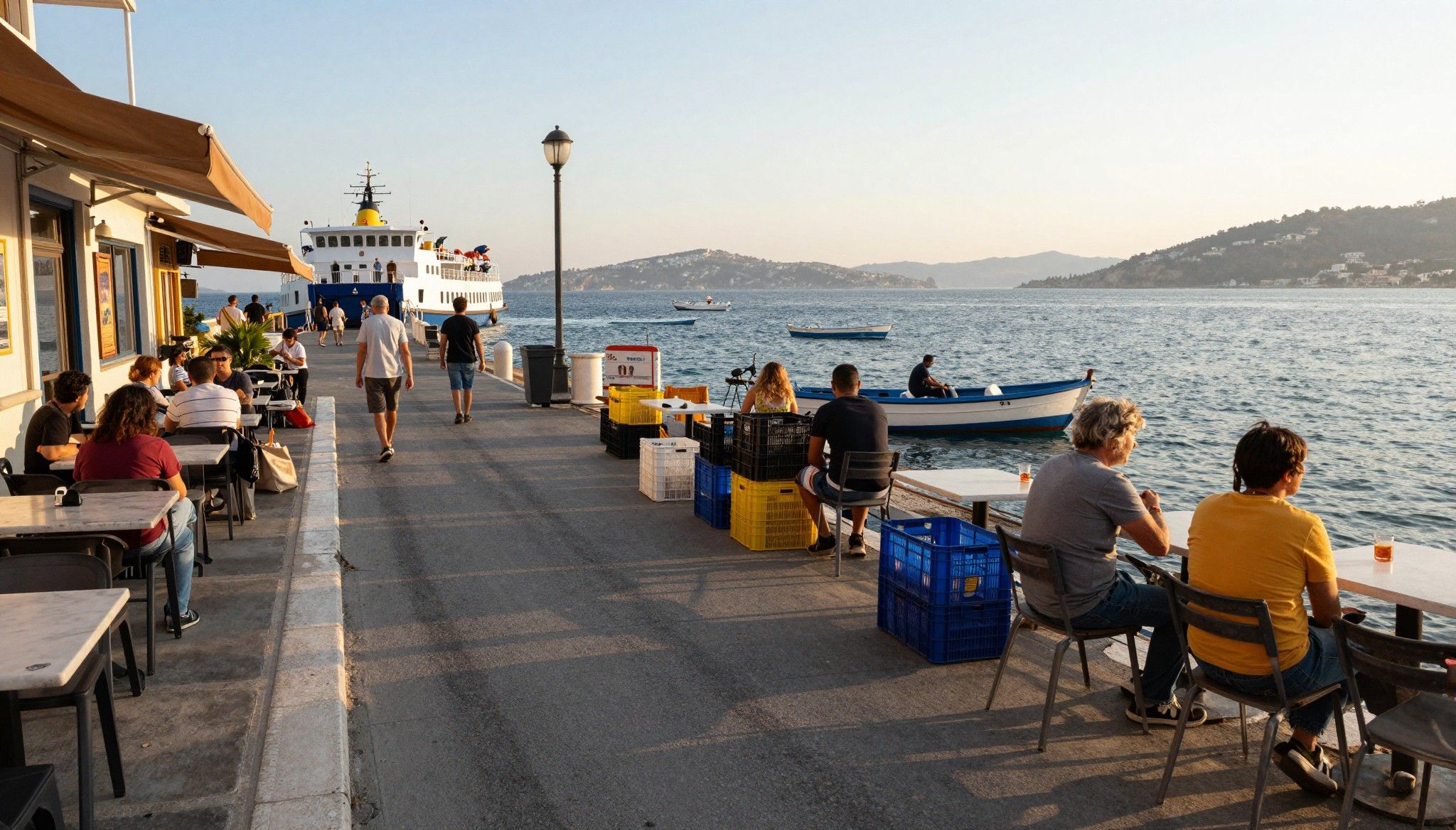
Imagine sipping an afternoon espresso on Panepistimiou, then catching a late ferry to a quiet island where fishermen still mend nets at dusk. Greece sells itself as postcards and sunsets — and it is those things. But for international buyers looking for long-term value, lifestyle and resale liquidity, the obvious postcards (Santorini clifftops, Mykonos terraces) come with trade-offs that most travel lists never mention.
Living the Greece life: rhythms, neighborhoods and real moments
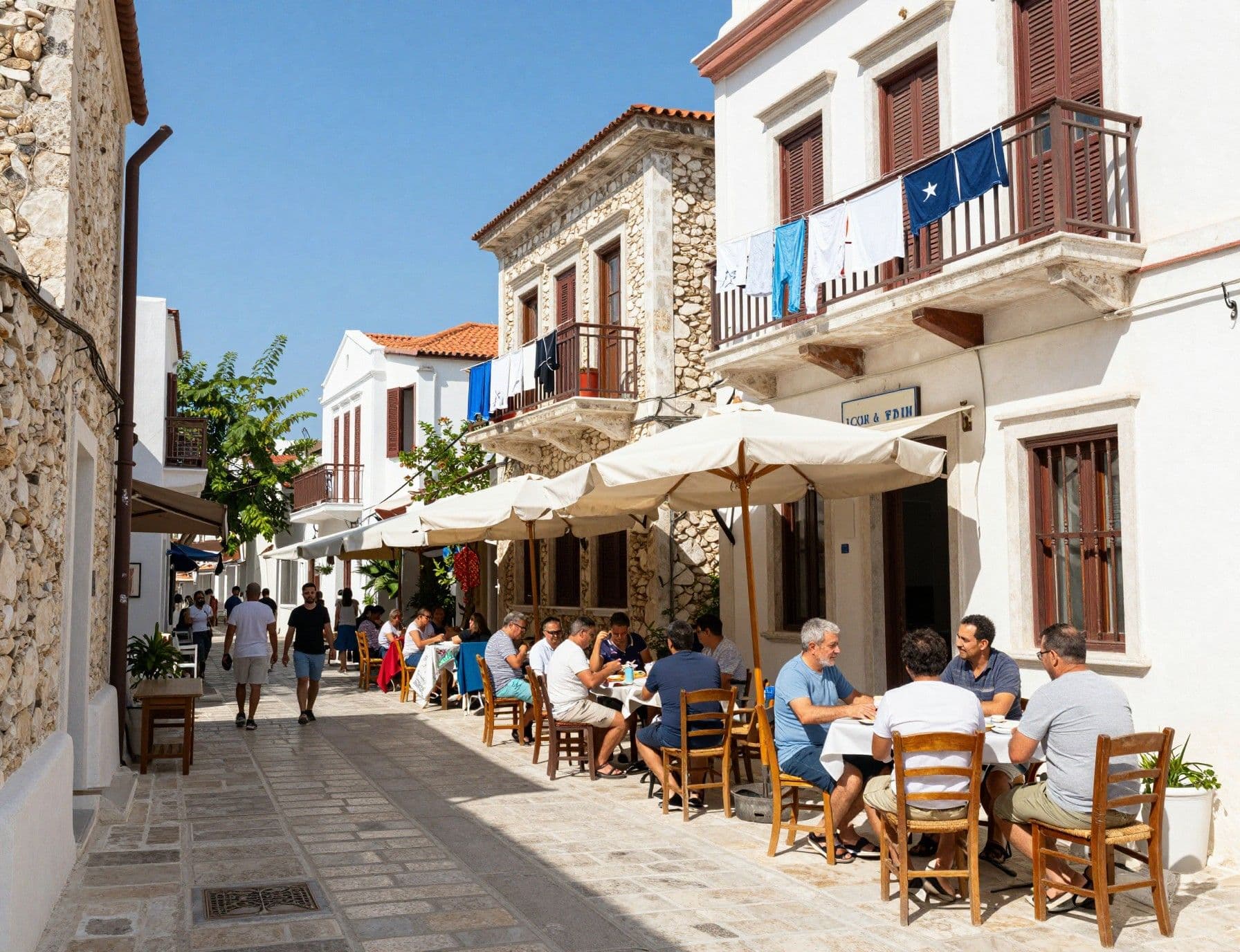
Greece moves at more than one speed. Athens hums with morning coffee queues on Agias Irinis and late-night mezze in Exarchia. Thessaloniki is a port city of tavernas and waterfront promenades. On the islands, mornings are for markets and afternoons for siestas; evenings are long, communal, and built around food. That variety is why buyers fall in love quickly — and why buying with only a postcard in mind can be a mistake.
Athens pockets: From Koukaki lanes to Kolonaki cafés
Walk Koukaki at dawn and you’ll smell baking bread and see grandmothers arranging produce outside small shops. Cross to Kolonaki for quieter boulevards, galleries and a different tempo. These micro-neighborhood differences shape what you buy — a courtyard apartment in Koukaki means street life and short-term demand; a Kolonaki flat buys privacy, long-term stability and older buyers. Your lifestyle choice should map directly to micro-location.
Islands beyond the spotlight: where locals actually live
Santorini and Mykonos are iconic — and price-prone. But islands like Naxos, Syros and Tinos are where communities keep services year-round and where rental pressures are lower, especially now that national rules curb short‑term rentals in Athens and certain districts. Those quieter islands offer longer rental seasons for year-round living, simpler renovation rules and a chance to buy into local life rather than tourist theatre.
- Lifestyle highlights to try before you buy:
- Morning espresso at Mokka (Koukaki); late market strolls at Varvakios (Athens central market); lunch at To Elliniko in Thessaloniki; weekends on the Aegean ferry to Naxos; a Sunday bake at a village kafeneio on Tinos.
Making the move: practical considerations that support the lifestyle
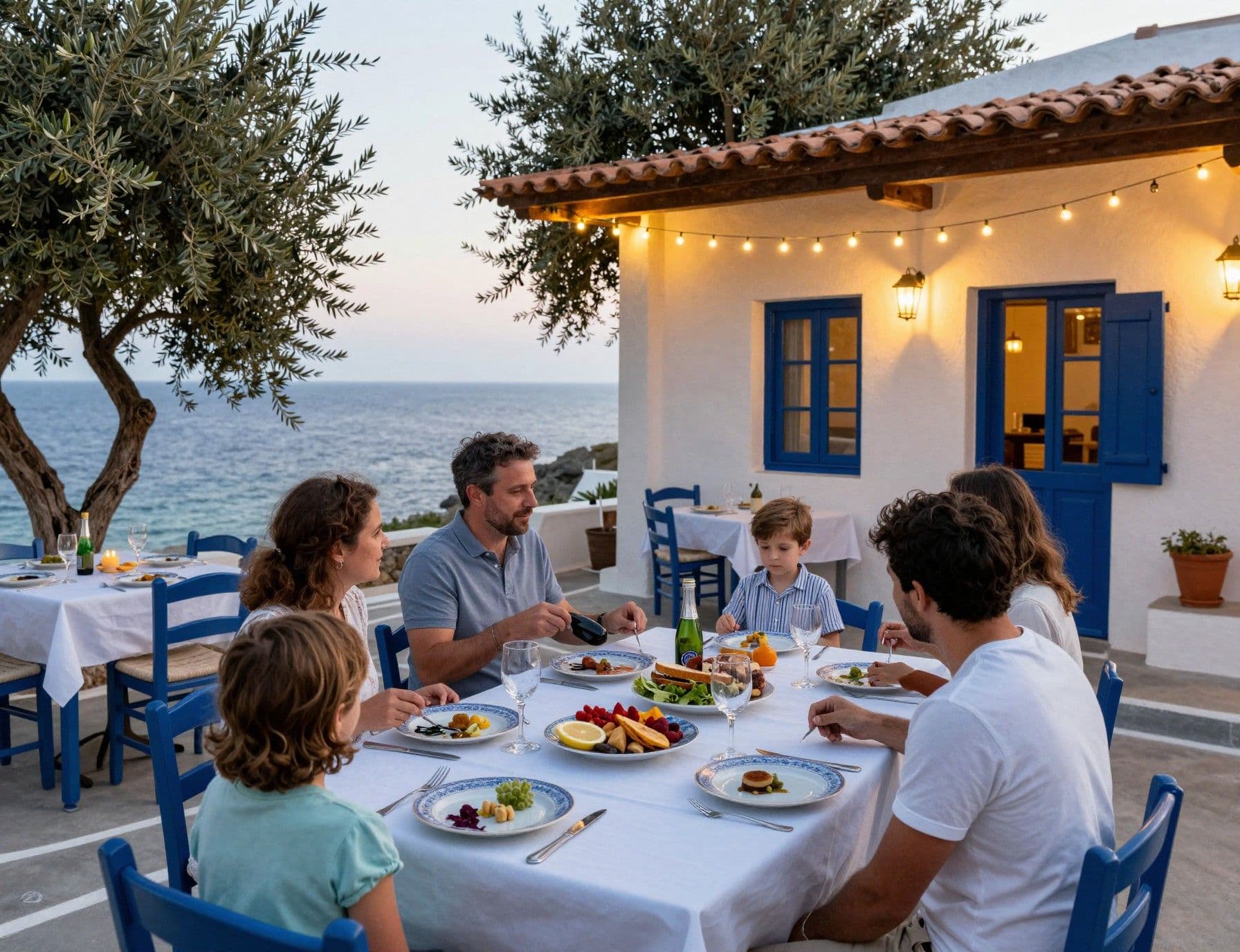
The life you imagine — morning markets, a terrace with bougainvillea — needs a realistic checklist. Rules for residency-by-investment have tightened in high-demand areas, short‑term rental controls are shifting, and house price indices show steady gains in many regions. Match the lifestyle you want with the legal and tax realities: where you can legally rent, where renovation rules allow what you plan, and where the local market supports resale.
Property styles and how they shape everyday life
Traditional island stone houses deliver courtyards and cool interiors — perfect for summer — but often need structural upgrades for winter comfort. Athens neoclassical apartments offer central life and predictable maintenance costs, while modern seaside developments give better insulation and amenities. Consider real comfort (insulation, water pressure, heating) as seriously as the view: lifestyle is year-round, not just July and August.
Working with local experts who translate culture into contract
- 1. Choose an agency that knows the neighborhood rhythm and local permit rules; 2. Ask for recent utility bills and renovation permits before you bid; 3. Insist on a clear renovation scope and a trusted local architect; 4. Verify STR permissions if you rely on seasonal rentals; 5. Cross-check residency thresholds for Golden Visa areas if residency matters to you.
Insider knowledge: what expats wish they'd known sooner
Expats tell the same three things: summer looks different when you live there; services shrink on small islands in winter; and the paperwork takes longer than agents promise. Prices rose nationally in recent years, but that growth masks regional gaps. Buying with local seasonality in mind — when ferries thin out and neighbourhoods breathe — makes for better choices and happier ownership.
Cultural integration: language, community and the unspoken rules
Start with a few words of Greek; learn how market vendors expect bargaining; respect morning quiet hours in villages; and accept that local networks run things — from trustworthy builders to reliable electricians. These networks are your fastest route from holiday-lover to neighbour. Attend a local club or taverna night: that’s where you’ll find the people who make a place livable beyond the listing photos.
Long-term lifestyle and growth: what to expect
Expect gradual change: infrastructure improves, selective islands professionalise tourism, and Athens expands its cultural offer. But be cautious about sites driven purely by headline tourism growth; where short‑term rentals have been capped or taxed, local lives tend to recover first and price growth becomes steadier. Buying in a community that values year‑round life gives you resilience and a better lived experience.
- Final checklist before you make an offer:
- Confirm STR rules and local registration; verify recent sale comparables in the exact street; meet the neighbourhood at least twice (high and low season); budget for structural upgrades, not just cosmetic fixes; secure a local solicitor to hold your deposit in escrow.
Greece is a place you buy into — not just a house, but a daily life: markets at dawn, neighbours who know your habits, islands that breath slower in winter. If you prioritise lived experience and match it with up-to-date local checks (residency thresholds, STR rules, neighbourhood comps), you’ll find value where others only see postcards. When you’re ready, work with an agency that knows the street names, the builders and the cafes—not just the listings.
Dutch relocation advisor who moved to Marbella in 2016. Guides Dutch buyers through visa paths, relocation logistics, and balance of lifestyle with value.