Malta: The Lifestyle You Buy — Truths, Trades and Checklists
Malta’s charm is irresistible, but buying here needs off‑season checks, local surveys, and agents who know conservation rules. Visit, verify deeds, budget for restoration.
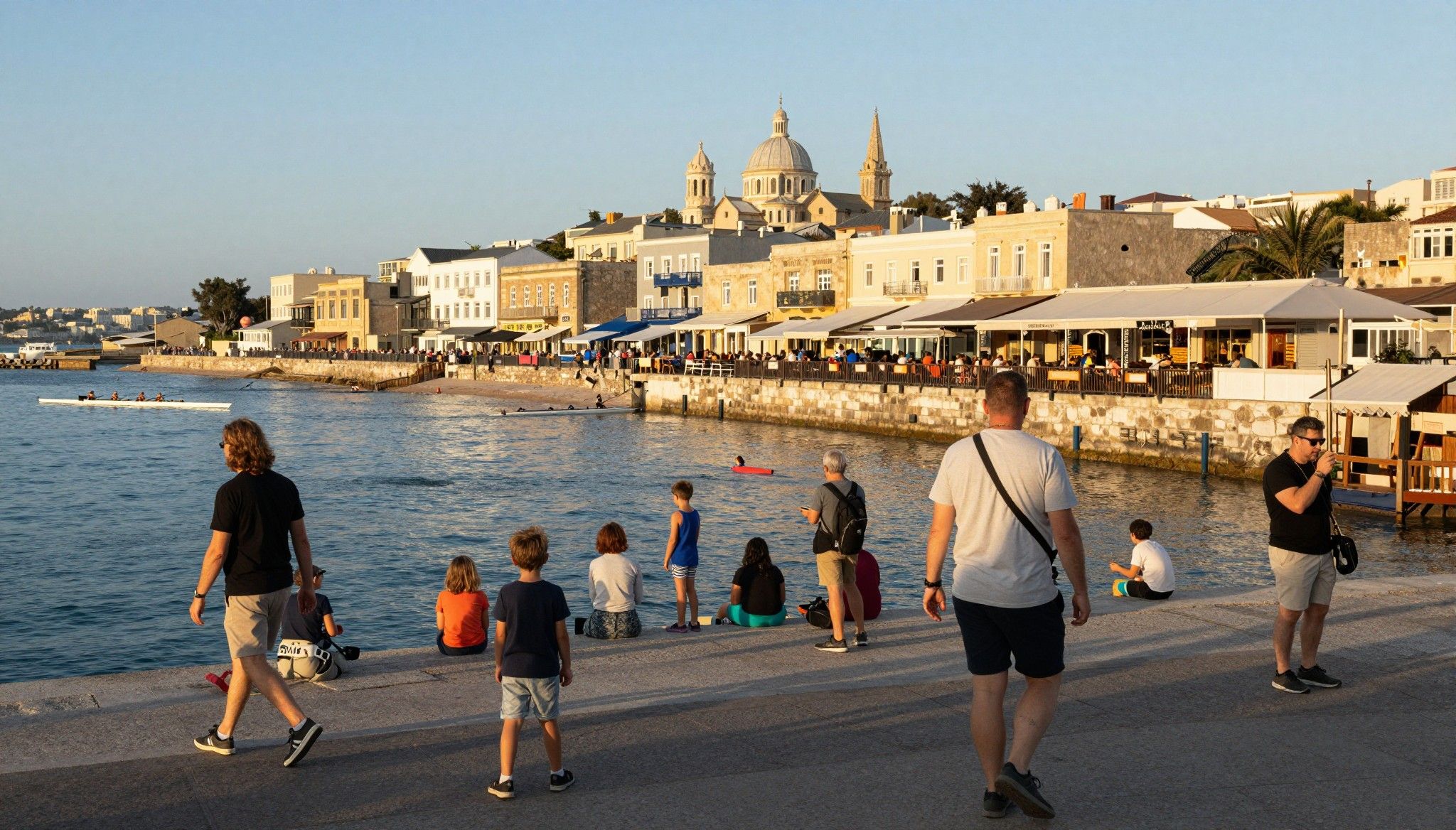
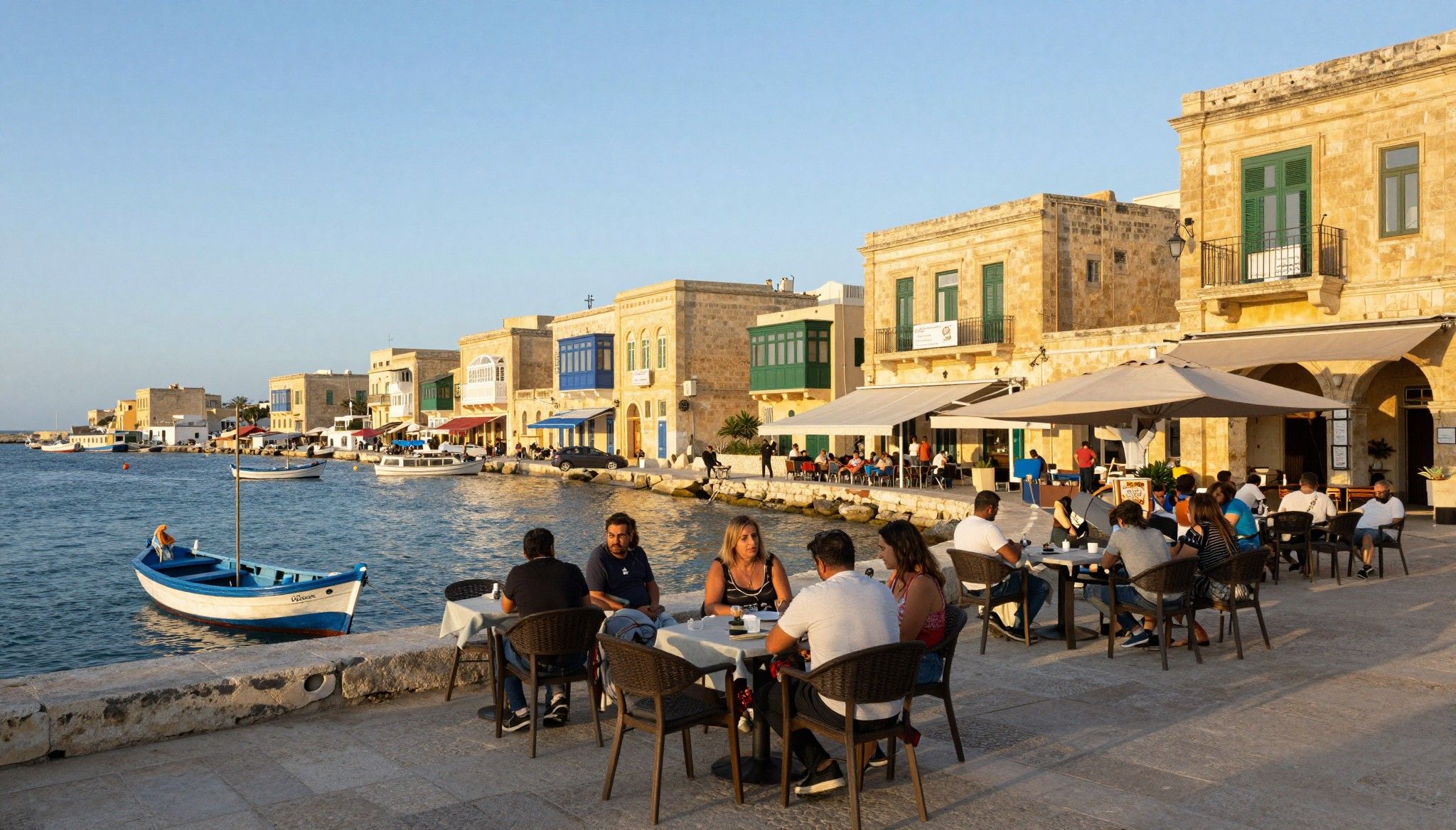
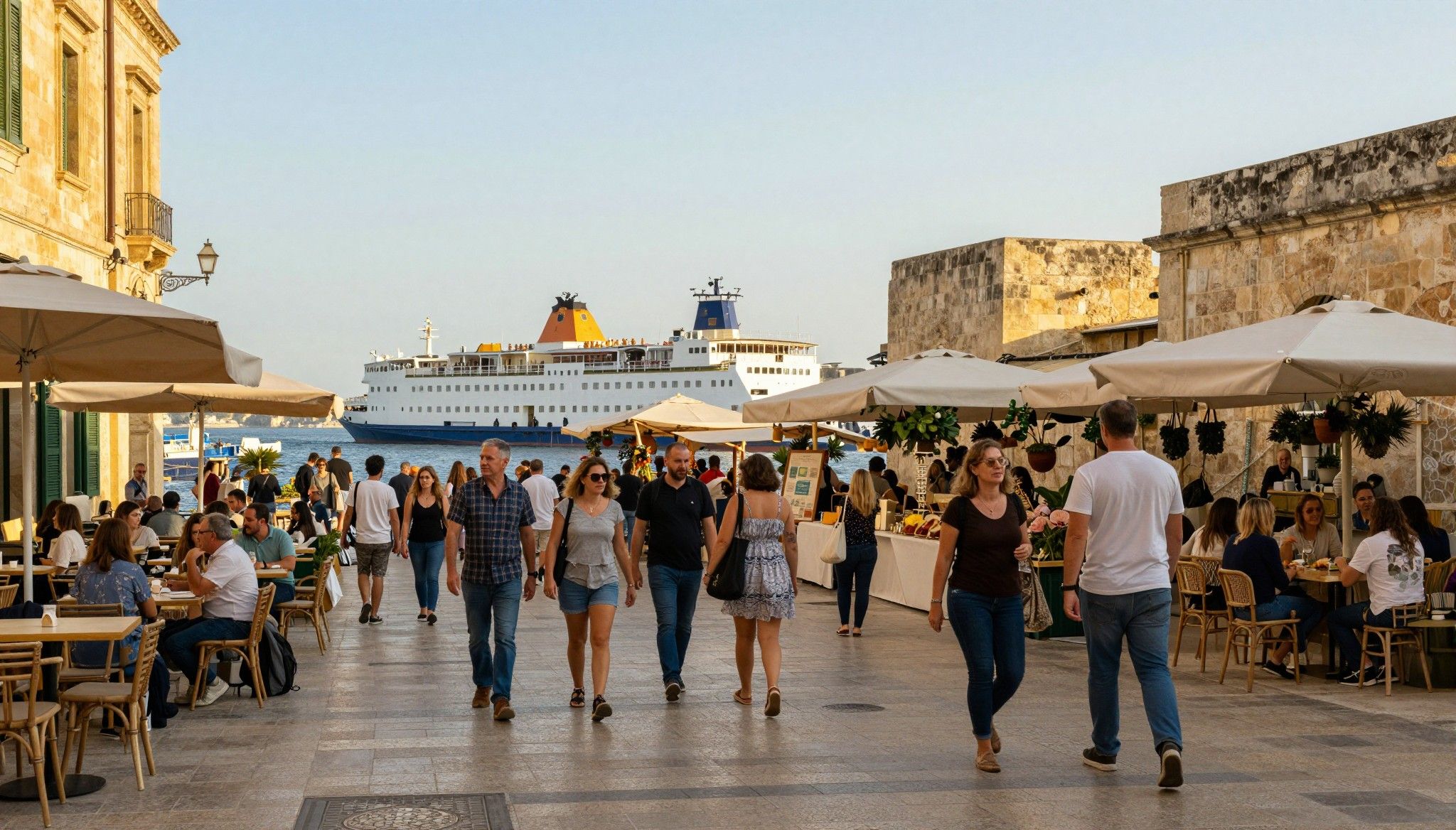
Imagine sipping espresso on Sliema’s promenade while ferries cut slow wakes toward Valletta — mornings here have a rhythm: cafés opening, tradespeople arranging fruit stalls, and neighbours greeting each other in English and Maltese. That easy, small‑island life is why people fall for Malta fast. But love alone doesn’t buy the right roof. We’ll show you what life actually looks like across Valletta, Sliema and St Julian’s, and the concrete property choices that let you live it — without the myths.
Living the Malta life — afternoons, terraces and the sea
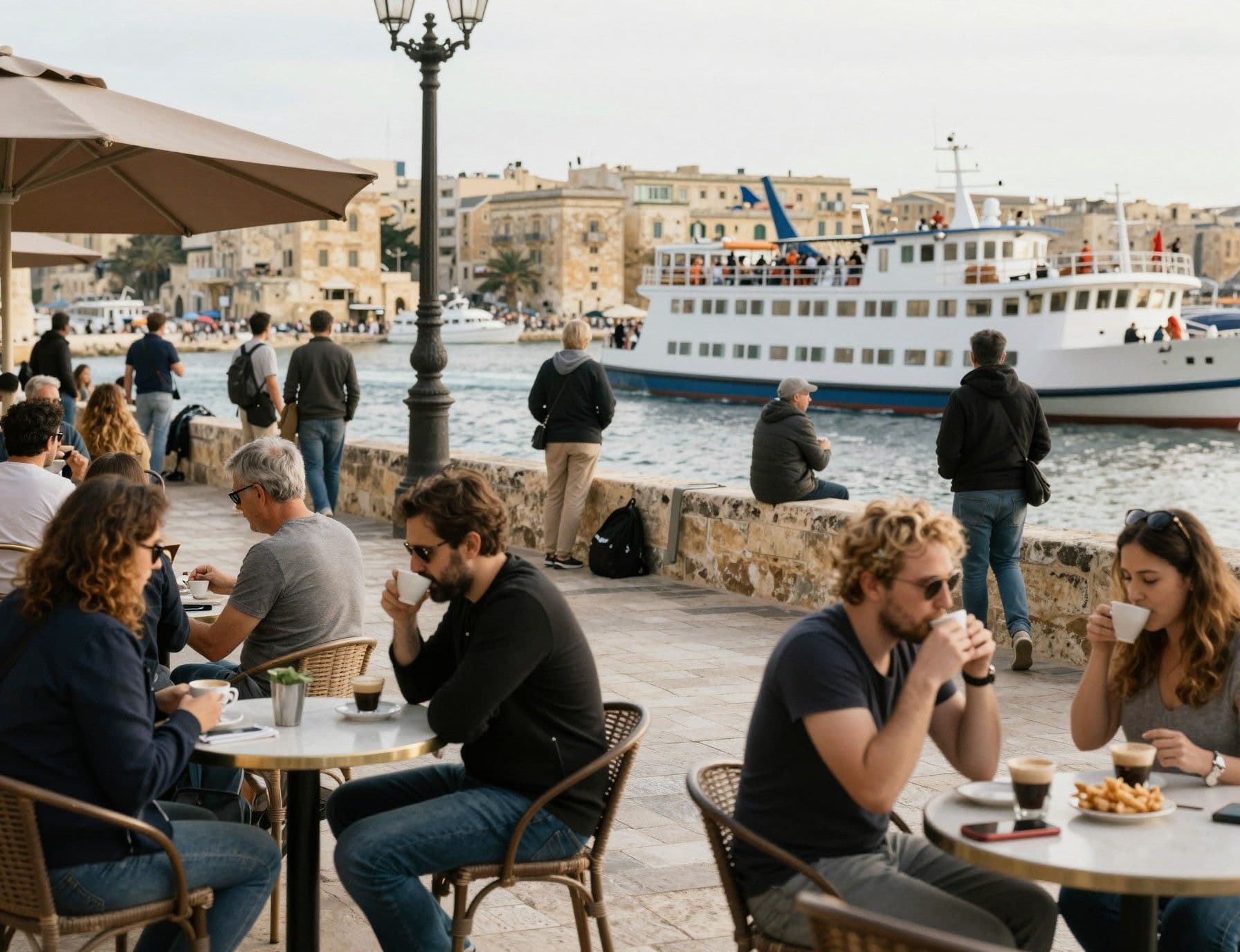
Malta’s compactness means your weekend plan and your property decision are the same conversation. Beaches, markets and bars are minutes apart; that convenience shapes what you want from a home — a terrace with afternoon shade, a street‑level entrance, or a small kitchen made for long dinners. The market has been active: transaction volumes and price indices show steady movement in recent years, so lifestyle choices also have market consequences.
Valletta: living inside the story
Valletta is cinematic — limestone facades, narrow lanes, and baroque churches at every turn. Days feel curated: museums and cafés are on your walk home. But remember: living inside a UNESCO fortress comes with quirks. Stock is tiny, renovations need planning permission, and noise from tourism spikes in summer. If you want tapas steps from your door and a deep‑dive into Maltese history, Valletta rewards you — but expect a premium for the romance.
Sliema & Gzira: everyday convenience on the waterfront
Sliema stretches along the seafront with promenades, cafés, and practical urban living. Think maisonettes with private entrances, boutique shops, and easy ferry links to Valletta. For many expats, Sliema is the compromise: social life, English‑friendly services, and a predictable rental market. If your daily life includes coworking mornings and sea‑side jogs, look here first.
- Lifestyle highlights to test-drive in Malta
- Morning coffee on Sliema promenade; ferry to Valletta for museums and seafood
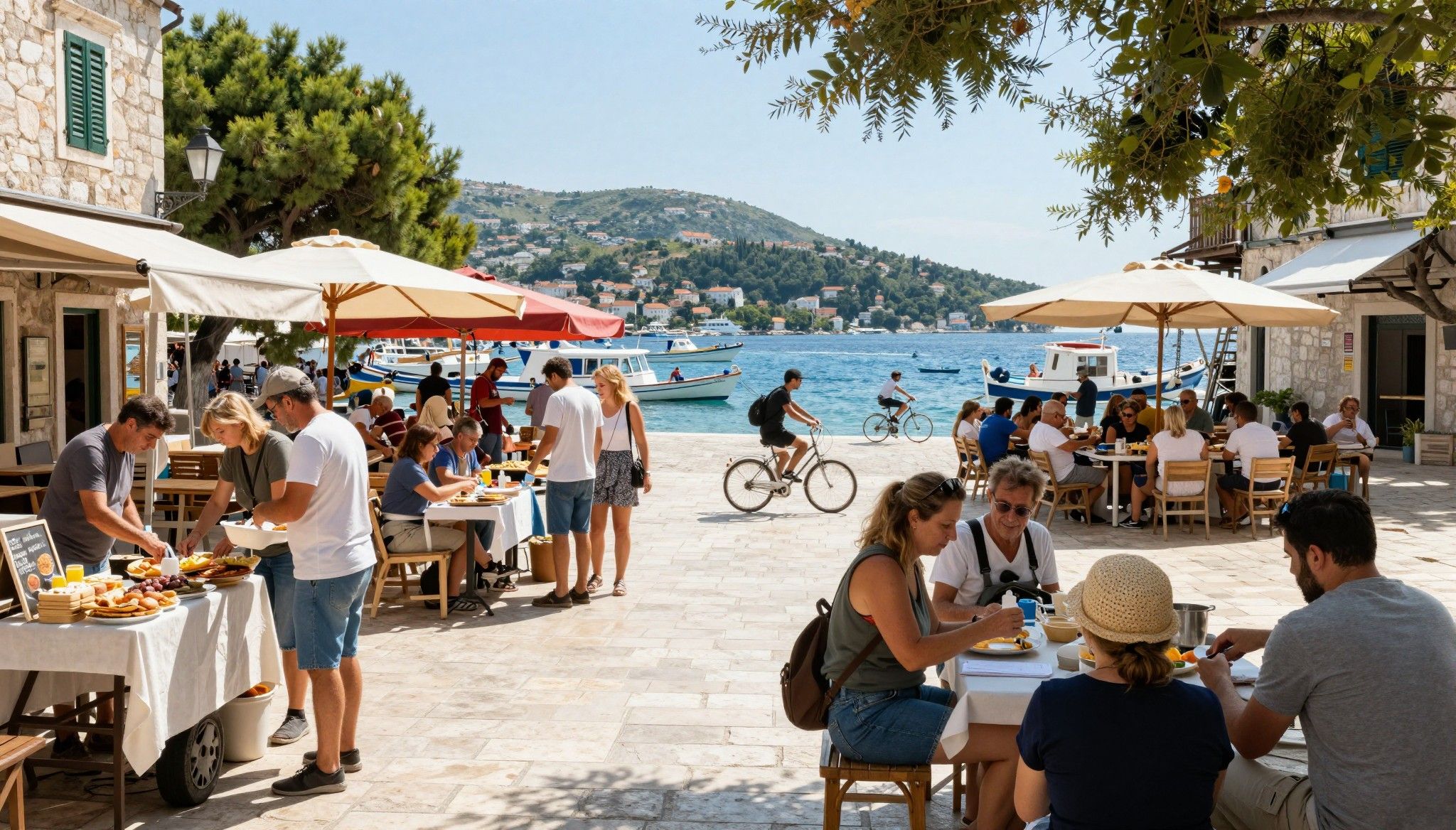
- Sunday market in Marsaxlokk for fresh fish and slow village life
- Terrace dinners in St Julian’s or rooftop sunsets in Gzira
Making the move: property styles, rules and real tradeoffs
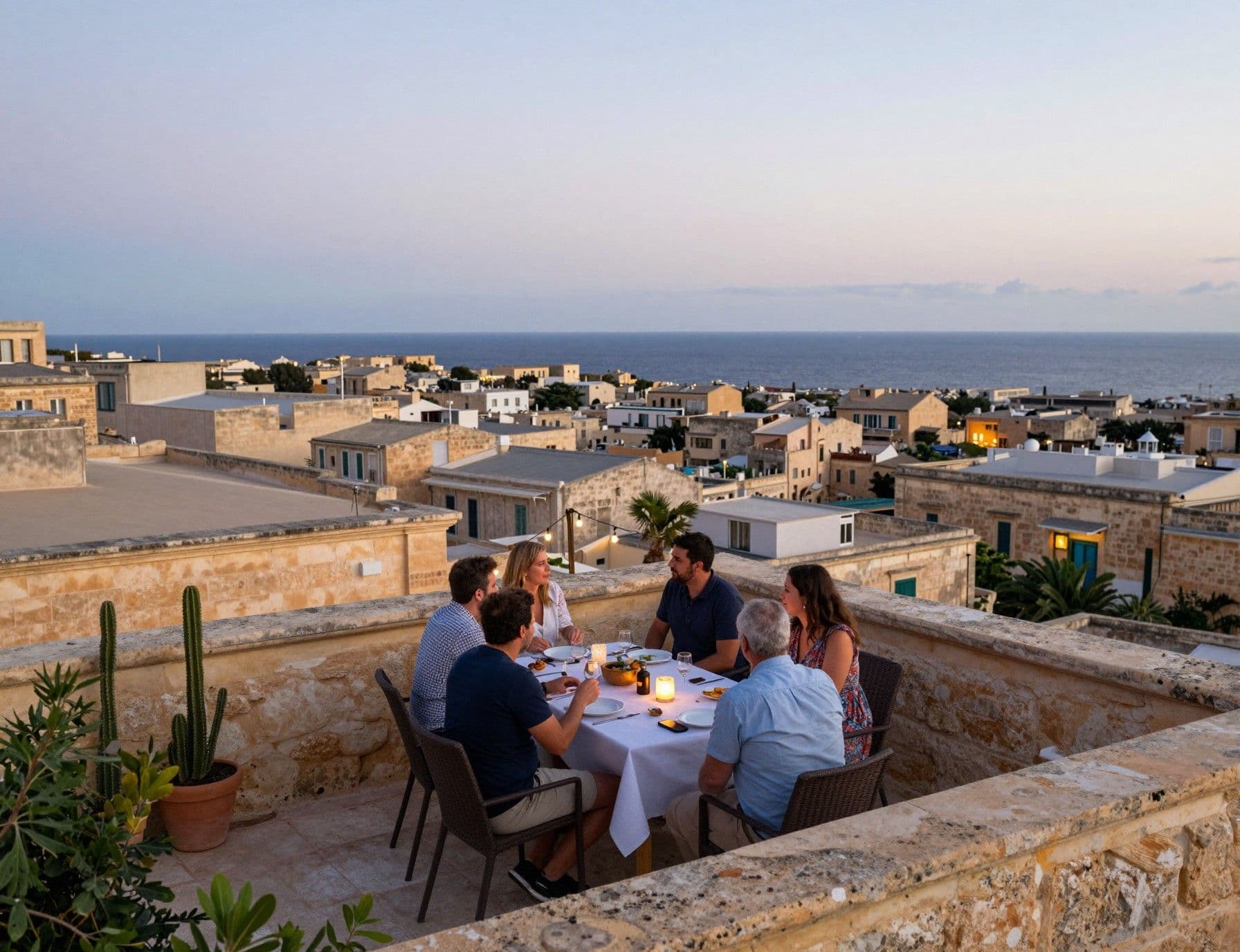
Homes in Malta come in familiar local types: maisonettes with street entrances, traditional townhouses with enclosed balconies, and modern apartments with terraces. Your lifestyle — not just budget — should set the type. A maisonette gives urban privacy and a garden option; a Valletta townhouse gives character but higher restoration costs; a new block in Sliema gives parking and predictable maintenance.
What agencies actually help you with
A good local agent is more than a finder of keys. They translate conservation rules, recommend architects who know historic fabric, and flag neighborhoods where short‑let restrictions affect rental potential. For international buyers, we recommend agencies that show transaction records, handle promise‑of‑sale paperwork and can introduce independent surveyors before you sign.
- Steps that blend lifestyle and paperwork
- 1. Walk the neighbourhood at different times to test noise and light
- 2. Ask for past deeds and a recent survey — heritage properties often hide costly works
- 3. Check short‑let rules locally — they change rental income expectations quickly
Insider knowledge: what expats wish they'd known sooner
Expats tell a common story: the move is magical at first, then the details arrive — maintenance of older stone homes, seasonal tourism noise, and the true cost of adapting an older property for modern life. Data confirms one reality: demand has been strong and prices have risen, so plan for realistic timelines and extra renovation budgets.
Language, community and the everyday
English is widely used and many services cater to internationals, but learning basic Maltese goes a long way at the market or with neighbours. Social life often centres around the church square, the rowing clubs, and the cafés that open early. If you want instant community, St Julian’s and Sliema have established expat groups and international schools nearby.
Seasonality, tourism and what 'summer' really means for your purchase
Summer brings life — terraces full, ferries busy and short‑let demand rising. But that liveliness can hide structural issues and overstate rental yields. Smart buyers visit off‑season to see how a street settles and to negotiate more calmly. Market reports show high transaction volumes, so timing and local insight still matter more than headline yields.
- Red flags we see regularly in Maltese listings
- Ambiguous ownership history or missing deeds (ask for two prior deeds)
- Properties on conservation lists needing specialist approvals
- Listings priced on seasonal demand with inflated short‑let assumptions
A practical checklist before you sign
- 1. Request the latest RPPI‑referenced comparables and ask your agent to explain price drivers.
- 2. Commission a structural survey and a utilities check — old stone hides damp and wiring issues.
- 3. Confirm planning permissions and any conservation restrictions with the local council.
If you want to buy in Malta because of its walkable streets and Mediterranean ease, do it with eyes open. Plan visits in both high and low seasons, work with agents who bring transaction records and local architects, and budget for the upkeep older homes require. We promise — the coffee tastes better when you’ve done the homework.
Next steps: book a reality visit, ask for past deeds and a surveyor referral, and test the neighbourhood rhythm before making an offer. When you’re ready, an agency that understands lifestyle tradeoffs — terraces versus storage, conservation rules versus light — will help turn the dream into an address.
Danish investment specialist who relocated to Costa del Sol in 2015. Focuses on data-driven market timing and long-term value for Danish buyers.