France: Love the Life, Check the Data
Fall in love with France’s neighbourhood rhythms — then use Notaires‑INSEE data and local checks to match lifestyle to realistic price trends and liquidity.
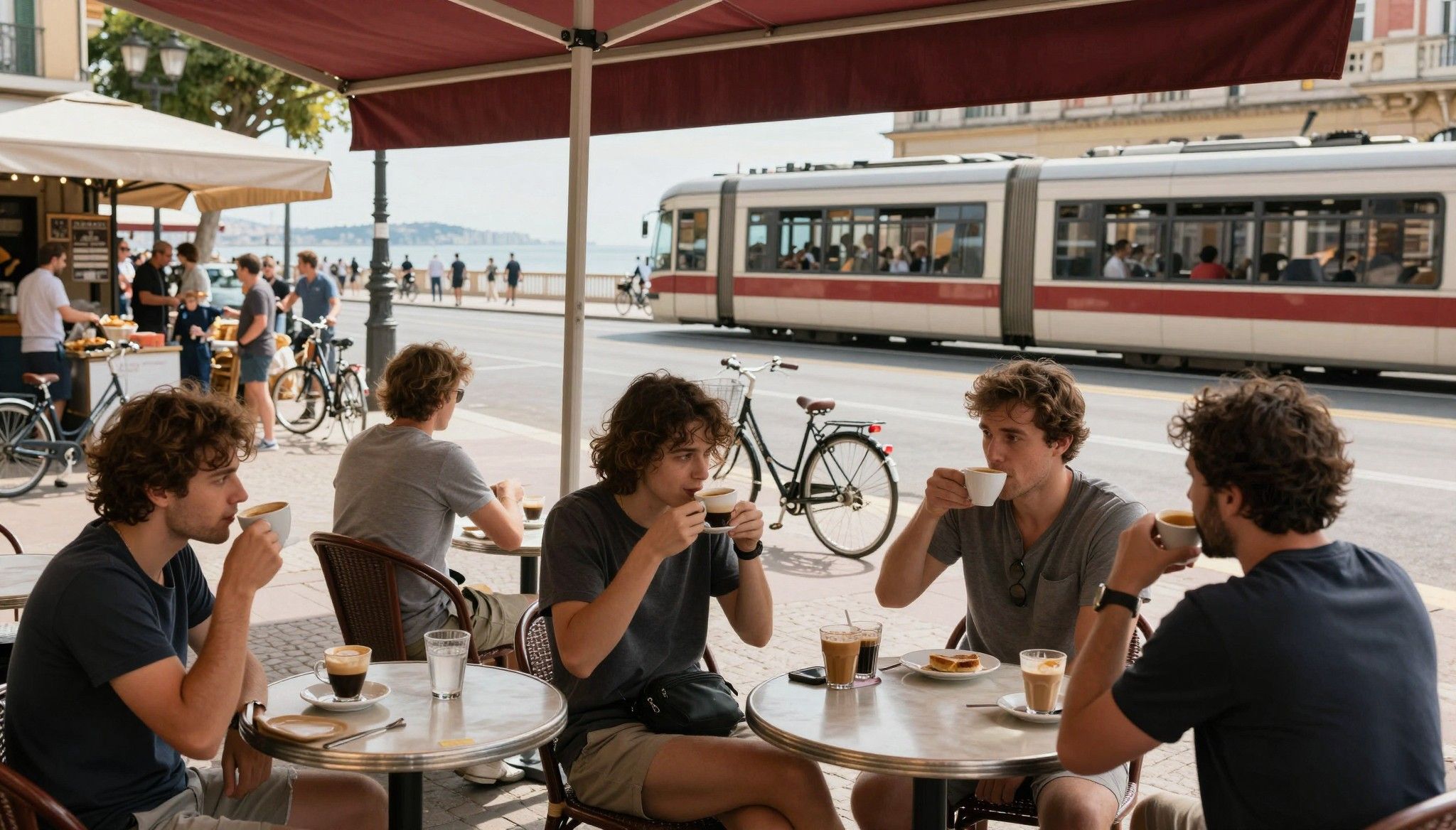
Imagine a Sunday morning in Lyon: steam rising from café cups on Rue Mercière, a baker loading warm fougasses into a van, and a tramline soundtrack that tells you the city keeps its own steady tempo. That same clarity — the rhythm of markets, neighbourhoods and seasons — is what you buy into in France. But the French property story isn't all postcard panoramas; price momentum, local mobility and seasonal demand can surprise buyers. We start with those lived moments, then show the data that separates a romance from a sensible purchase.
Living the French Life: sensory streets to quiet countryside
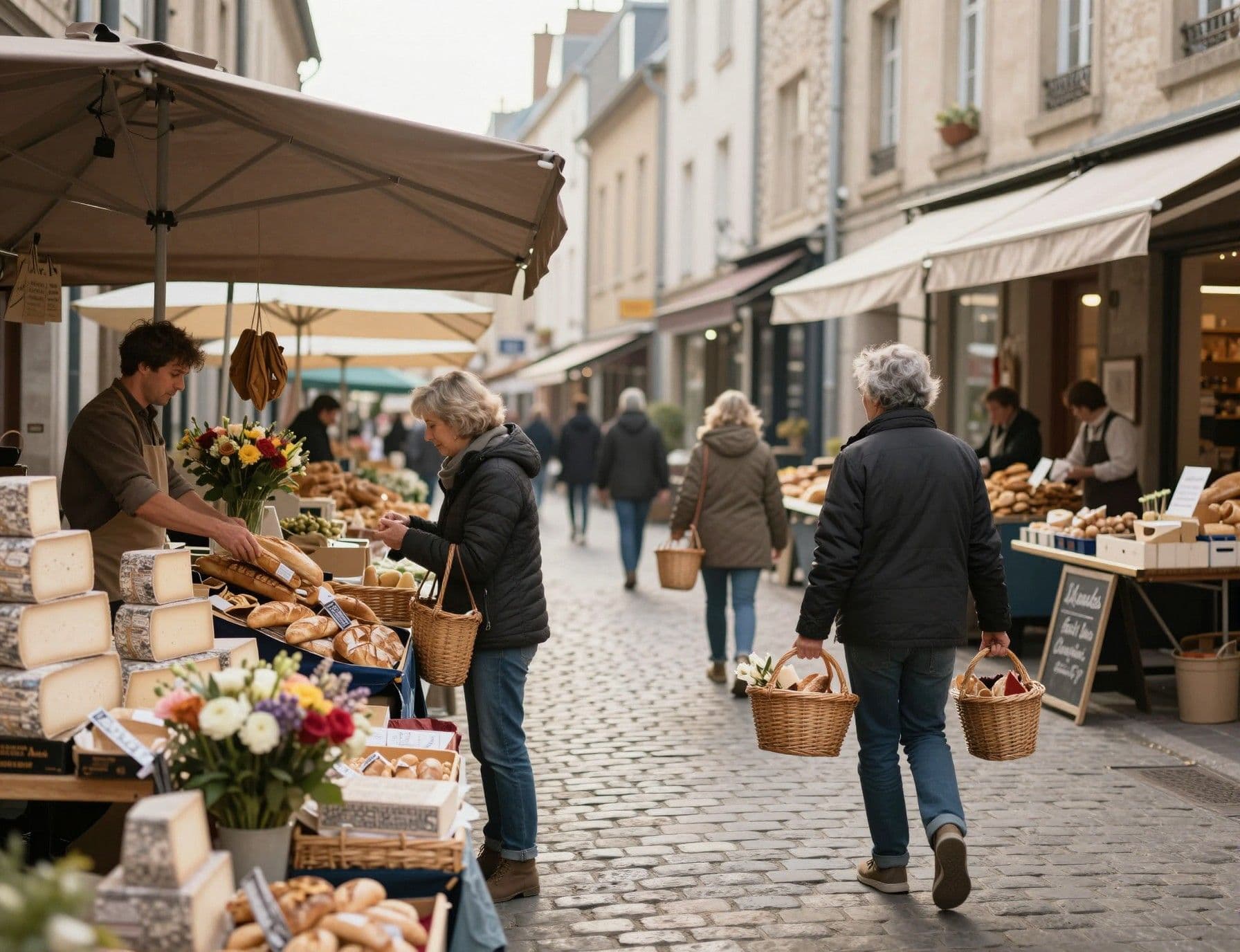
France is many lives at once. In Paris you move by arrondissement rhythm — early markets in the 11th, late aperitifs in the 6th — while on the Côte d'Azur mornings mean beaches and afternoons are for siestas or yacht maintenance. In the Loire Valley, weekends smell of wood smoke and wet stone; in Bordeaux, Saturday market conversations turn quickly to which châteaux are improving their vines. For a buyer, these textures matter: they tell you how rooms will be used, what neighbourhood amenities will matter, and which months feel like home.
Neighbourhood beats: Paris arrondissements, Lyon’s Croix‑Rousse, and Biarritz’s coast
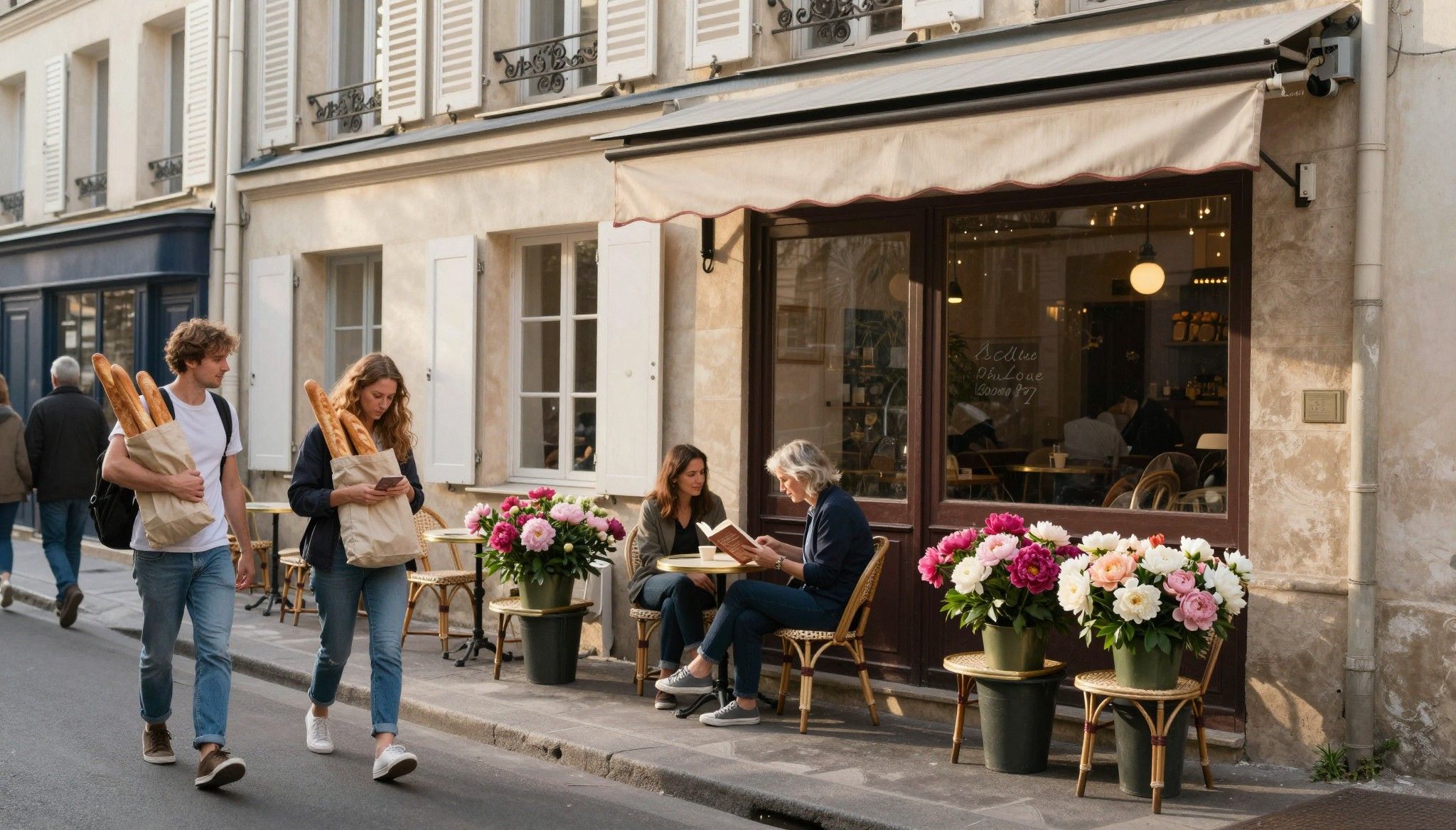
Walk Saint‑Germain and you hear boutique conversations; step into Belleville and you meet weekend markets and new cafés. Lyon’s Croix‑Rousse still smells faintly of silk‑work nostalgia and has terraces that spill into late nights. On the Basque coast, Biarritz pairs surf culture with a quieter, slightly older villa market. These micro‑rhythms explain price behaviour: central, culture‑dense streets hold value differently than commuter belts where demand is schedule‑driven and supply cycles with new transport links. See regional price maps for exact m² bands and local variability.
Food, markets and the neighbourhood calendar
In France, the calendar shapes daily life: Monday is for dry cleaners and admin; Wednesday morning markets feed families; Sunday afternoons are for long lunches. Seasonal festivals — Fête de la Musique in June, grape harvests in September — redirect short‑term rental demand and local footfall. If you want a terrace that sees sun during market mornings, that preference will narrow your street list and influence price per square metre. Part of buying here is matching your daily rhythm to a neighbourhood’s beat.
Making the move: property market reality meets lifestyle
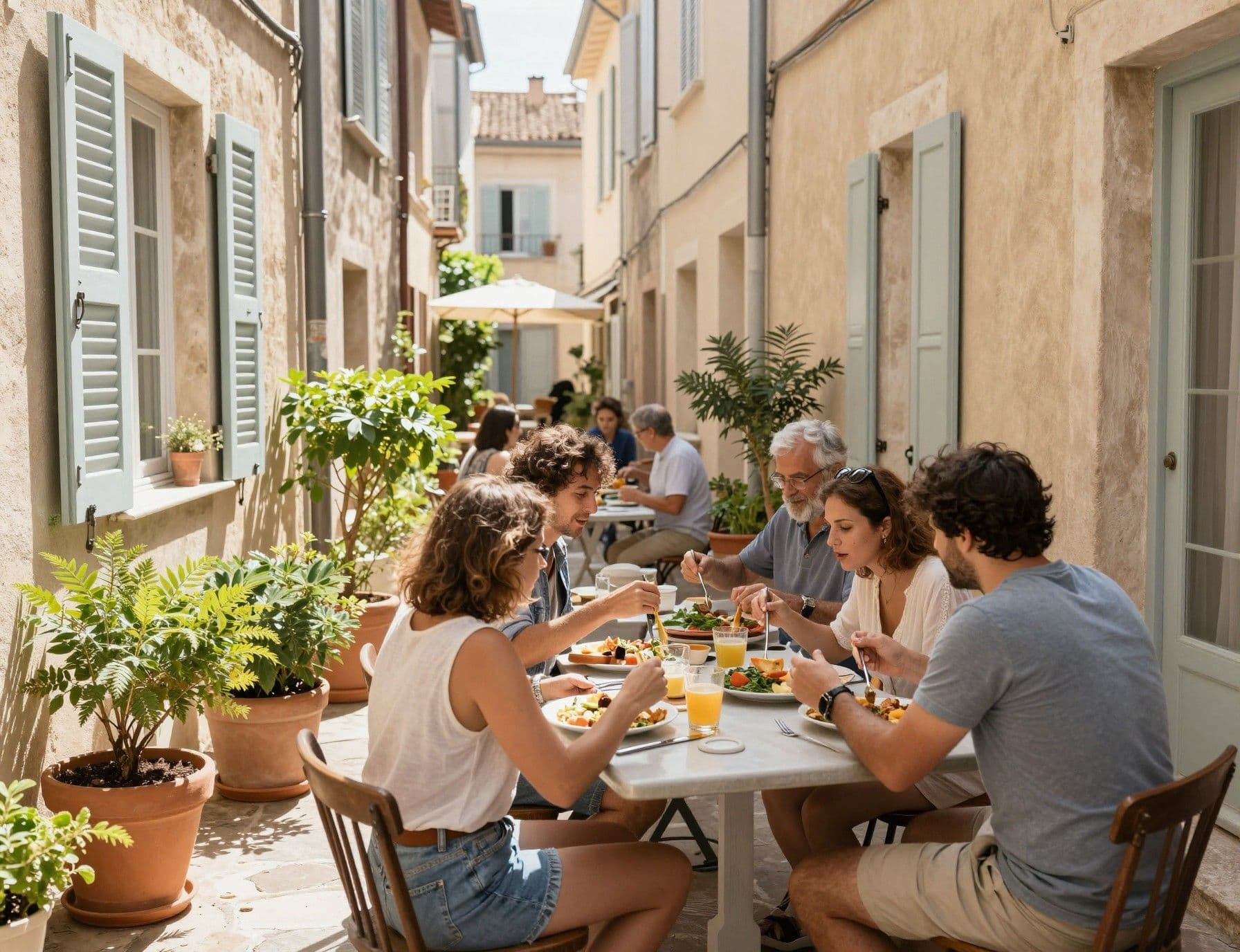
Lived charm is one thing; market behaviour is another. After a period of strong long‑term increases, recent French data show price stabilisation and local divergence rather than a single national trend. National indices and notaries’ maps reveal pockets of modest growth, wide plateaus, and areas where transactions are returning. For international buyers that means two practical rules: match your emotional must‑haves to data‑backed neighbourhoods, and expect regional differences to determine both price and liquidity.
Property types and how they shape life
Do you want a Haussmann apartment with light shafts and high ceilings, or a renovated farmhouse with land? Apartments in city cores demand trade‑offs: less outdoor private space but instant cafés and transport. Rural properties offer gardens and value per m² advantages but often carry renovation timelines and energy upgrade needs. Match property fabric to lived life — if you crave market mornings and short commutes, aim for inner suburbs or historic cores; if silence and space are the draw, budget for maintenance and seasonal access.
How local experts turn lifestyle into a data plan
A local notary, a seasoned agent and an architect form the basic advisory triangle. Agents who specialise by arrondissement or canton — not entire cities — bring actionable viewings and off‑market leads. Notaries provide title clarity and recent comparable sales, while architects estimate renovation costs precisely. For international buyers, choosing experts who explain seasonal occupancy, typical rental demand and recent transaction cadence will save money and emotional friction.
- Practical buying checklist (lifestyle + market): • Check local price bands per m² and recent quarterly movement. • Confirm transport links and how they change commute times seasonally. • Assess genuine outdoor living (terrace orientation, tree cover). • Request recent transaction volumes — liquidity matters for resell. • Estimate renovation and energy retrofit costs with local builders.
Insider knowledge: the things expats only learn after moving
You’ll hear three recurring surprises from expats: the market is local, bureaucracy moves at its own pace, and lifestyle premium isn’t always priced where you expect. Buyers who left Paris for nature discovered stronger value in commuter‑accessible departments; Paris itself remains expensive but shows slower growth. Seasonality also matters: coastal towns can be lively and expensive in summer yet quieter and better priced off‑season — but that quiet can mean less rental income and fewer services.
Cultural cues that alter property value
Local festivals, school catchment reputations and even village football clubs shape desirability. A weekly market can lift daily footfall and local café culture, translating into higher willingness to pay for nearby apartments. Conversely, an industrial redevelopment plan — announced but not executed — may temporarily depress prices. Understanding these cues helps you decide where to compromise and where to insist on premium.
Long‑term lifestyle vs short‑term price moves
If you’re buying to live for many years, small quarterly price dips matter less than local infrastructure and community growth. If you’re buying to invest, prioritise areas with steady transaction volumes and diversified demand (students, families, tourists). Notaries’ and INSEE indices show that while national averages oscillate, neighbourhoods with sustained services and good transport tend to recover value faster. That consistency is where sensible international investments lie.
- Steps to turn a neighbourhood crush into an informed offer: 1. Pull the last 12 months of transaction data for the exact postal code. 2. Commission an independent energy and structural estimate for older properties. 3. Ask a notary for pre‑contract title checks and servitude records. 4. Compare three local agents’ sold‑price lists, not just asking prices. 5. Build a 12‑month occupancy and operating budget that includes seasonality.
Conclusion: France sells a life as much as it sells stone and space. If the idea of late‑night bistros, market mornings and a rhythm that nudges you towards better food and slower weekends makes your heart lift, that's the right beginning. Balance that romance with local data — INSEE indices, notaries’ maps and on‑the‑ground agent insight — and you'll turn an emotional choice into a durable one. When you’re ready, choose experts who listen to the life you want and show you the streets that match it.
Swedish expat who moved from Stockholm to Marbella in 2018. Specializes in cross-border legal navigation and residency considerations for Scandinavian buyers.