Malta: Why Valletta’s ‘Pricey’ Reputation Misses the Mark
Malta’s charm hides market quirks: prioritise neighbourhood rhythm, terrace access and local agency advice to turn island romance into a durable home.
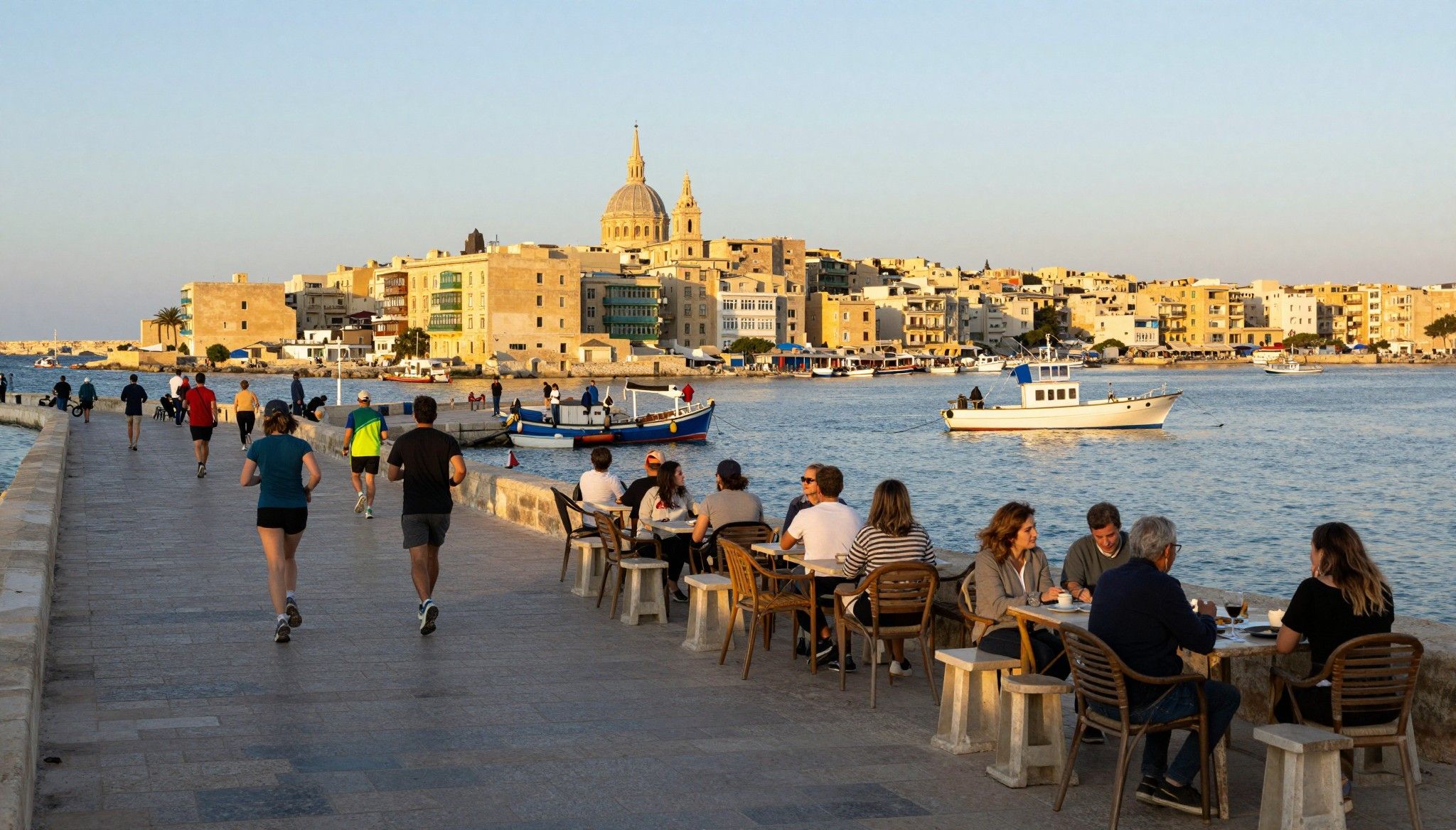
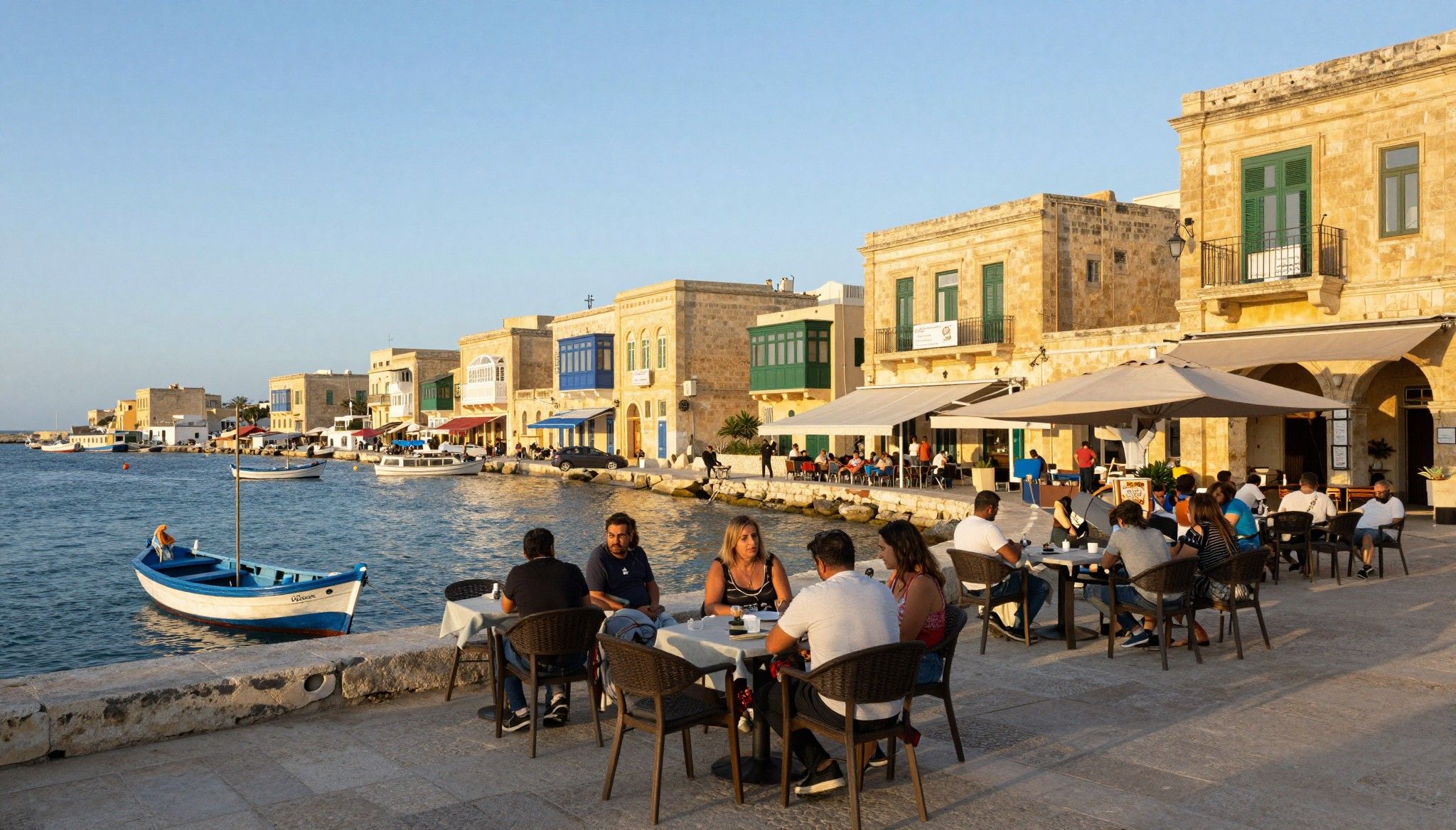
Imagine stepping out of a coffee shop on Triq ir-Repubblika in Valletta into sunlight that bounces off limestone and sea. In Malta, the day starts with espresso, a loud conversation in Maltese and English, and the slow rearrangement of life around the harbour. That rhythm—compact, social, sunlit—explains why people fall for this place before they ever see a title deed. But falling in love and buying are different acts: recent market reports show brisk demand, especially for well‑located apartments, and a handful of practical differences that matter to international buyers.
Living the Malta life: neighbourhoods that feel like home
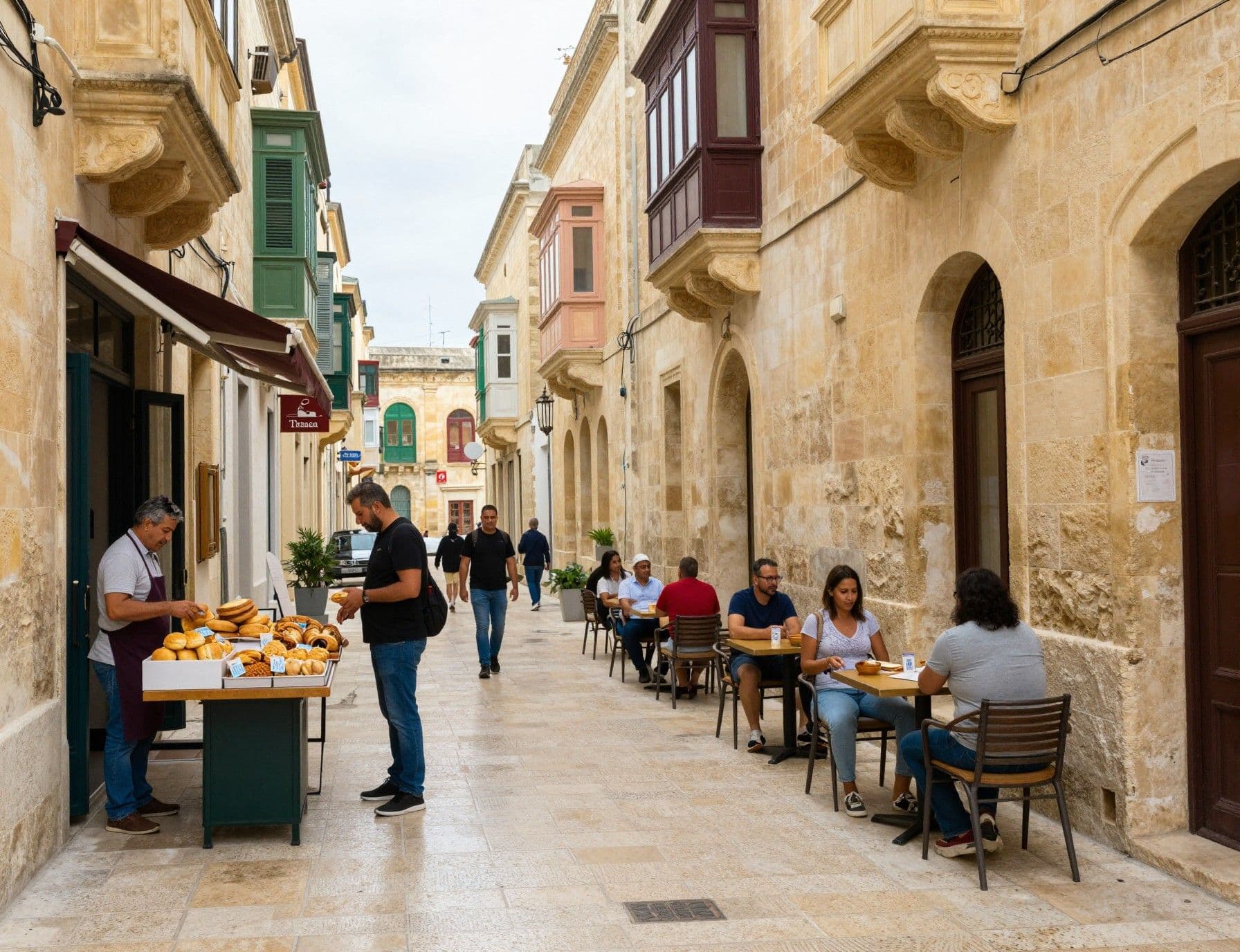
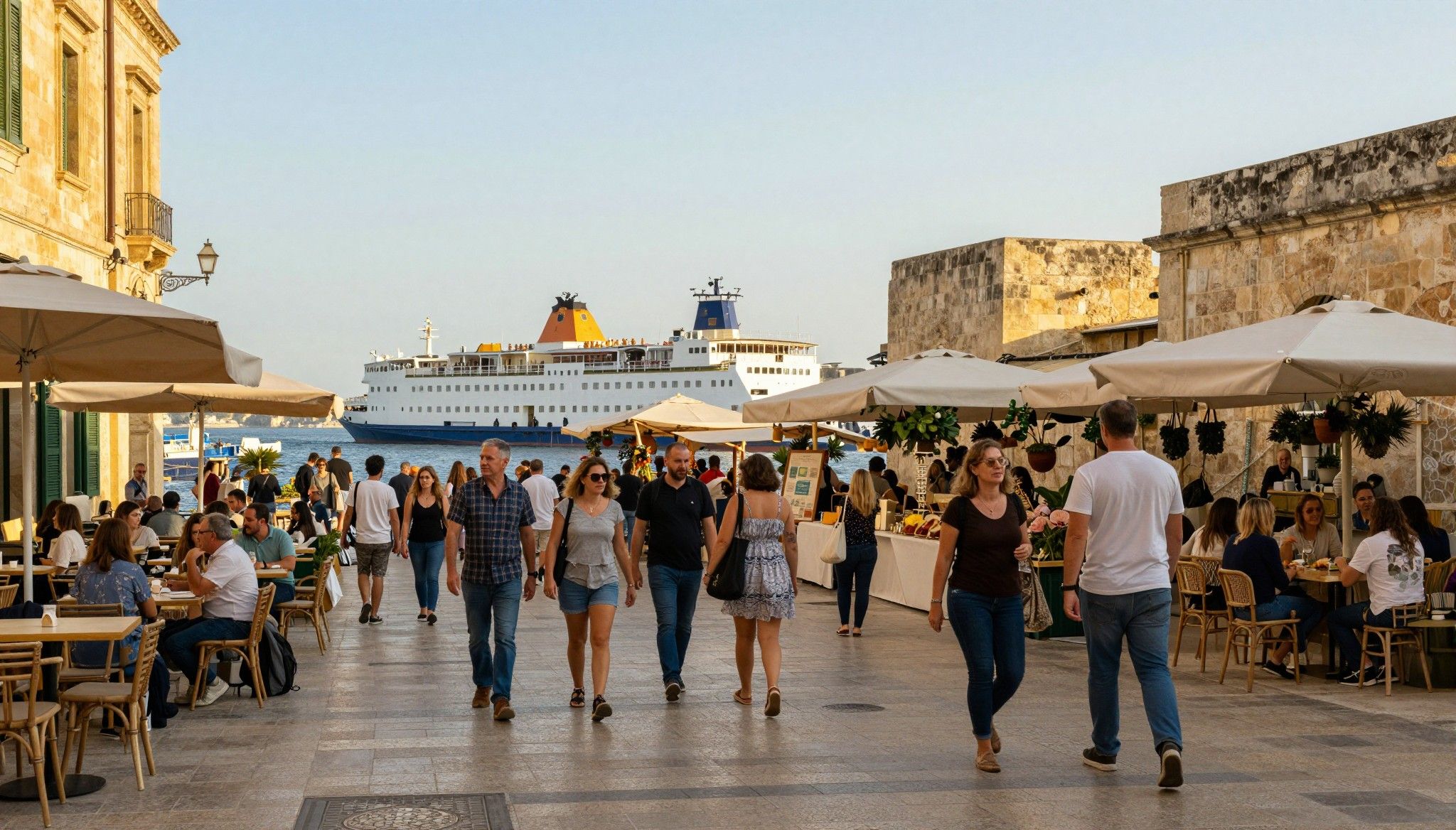
Malta is small — less than 300 km² of inhabited land — but wildly varied in mood from one street to the next. Valletta’s narrow promenades and baroque facades feel theatrical; Sliema and St Julian’s hum with cafes, ferries and evening crowds; the quieter south (Marsaxlokk, Birzebbuga) has a slower, more domestic pace. Demographic shifts and rising foreign-worker numbers have concentrated demand in central and coastal hubs, making proximity to services a strong lifestyle and price driver.
Valletta & Strait Street — history, morning markets and compact living
Valletta is cinematic: tiny bakeries, hidden stairways, and the slow parade of official life. Apartments here are characterful and compact; you’ll trade square metres for proximity and character. If you want to live where culture and daily errands are a short walk from your front door, Valletta delivers. On the practical side, older buildings often need renovation and careful checks on titles and structural condition, but the lifestyle payoff is immediate.
Sliema, St Julian’s & Paceville — cafes, co‑working and the social pulse
Sliema and St Julian’s trade old-town intimacy for modern conveniences: seafront promenades, international schools nearby, and a concentration of co‑working spaces. Demand here leans toward apartments with sea views or terraces, and liquidity is higher than in smaller villages. Expect a livelier noise profile and more tourists in summer, balanced by a dense service network that makes daily life convenient.
Small island, big trade-offs: how lifestyle shapes what you buy
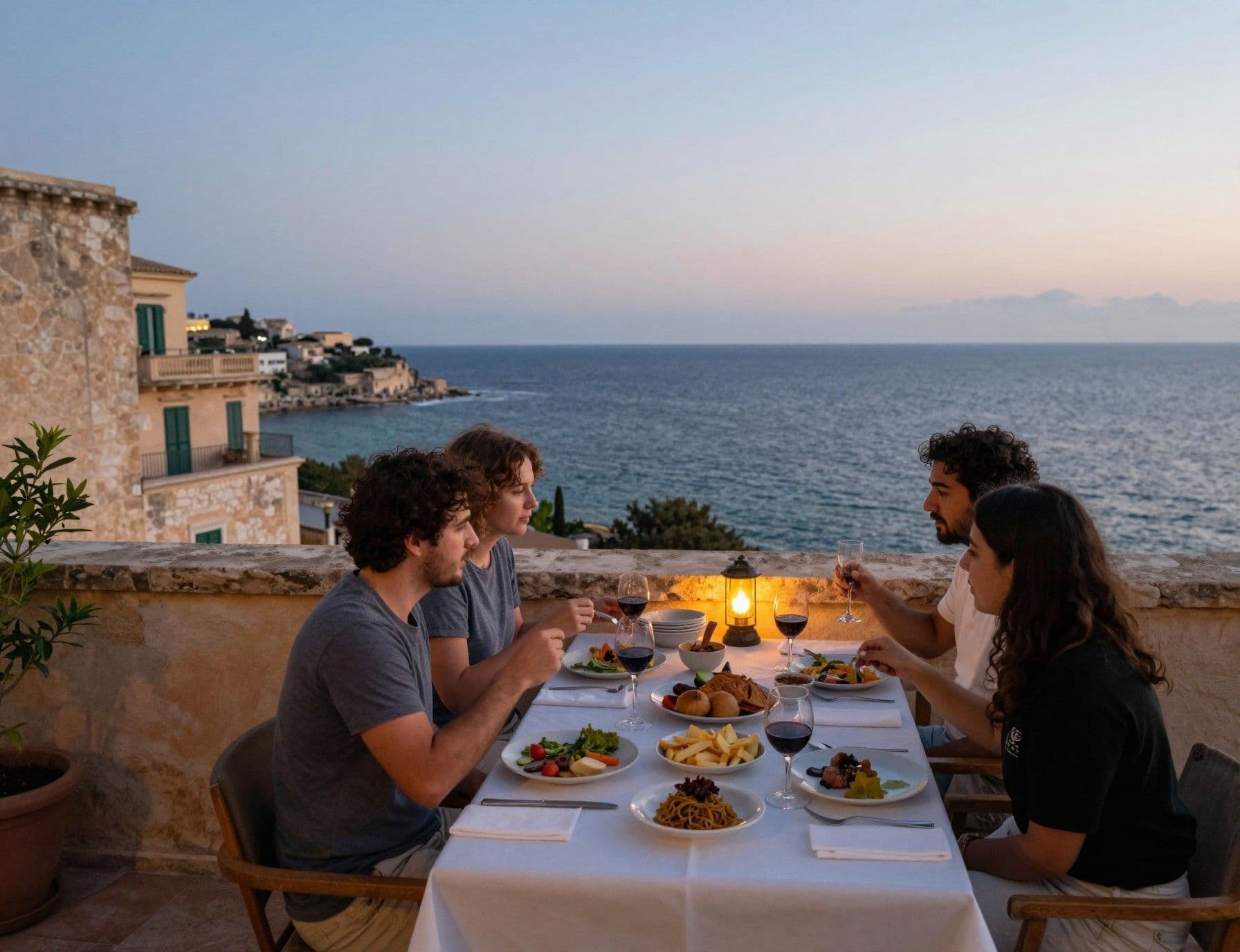
The island’s compactness is both charm and constraint. A short commute is always possible, but so is a lack of supply in the neighborhoods people actually want. That means you often choose between a smaller, well‑placed apartment and a larger property that’s further from the social hubs. For many internationals, the right decision is less about square metres and more about how you want to live: morning market runs, children’s schools, working hours, and weekend island rhythms.
Property types: traditional townhouses vs modern apartments
Traditional Maltese townhouses (often up to three storeys with internal courtyards) are atmospheric but typically need investment for wiring, insulation and waterproofing. Modern apartments — especially new builds near Sliema or St Julian’s — come with the conveniences internationals expect: lifts, parking, and better insulation. If you want terraces and light, place that requirement early in your brief; terraces are scarce in older buildings and command a premium.
Residency matters for many buyers. Malta offers residency routes that connect property purchase with permit requirements; rules and thresholds can change, so work with advisors who use up‑to‑date government guidance. For lifestyle buyers who plan to spend extended time on the islands, a property that satisfies residency thresholds (purchase price or rental commitment) can simplify long‑term life planning.
Insider knowledge: the realities expats learn fast
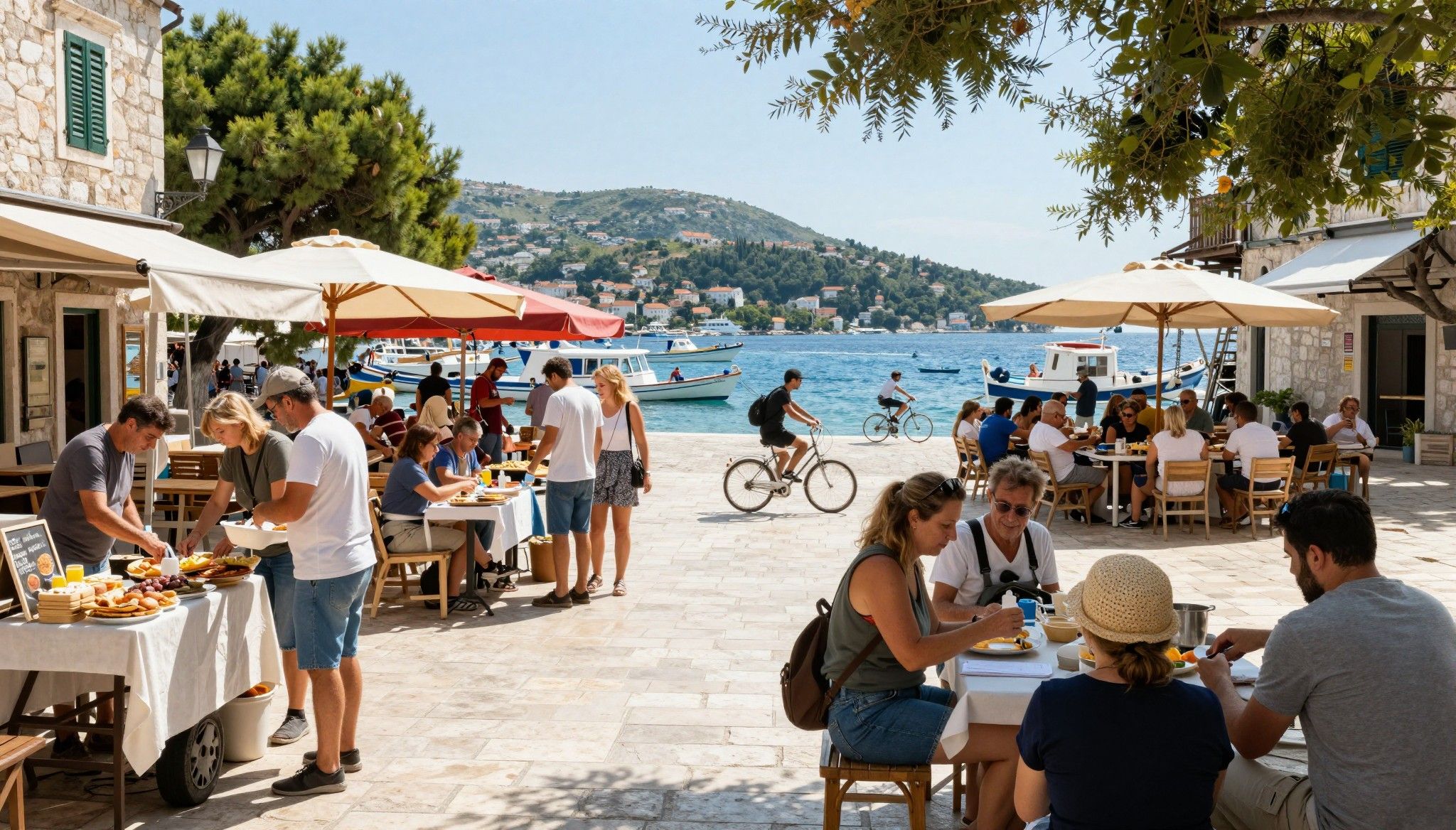
Expats arrive attracted by English as an official language, sunshine and scale — but they quickly notice Malta’s market quirks. Parking is a chronic practical headache in central areas; historic buildings carry hidden maintenance costs; and short‑term rental demand can make some streets lively in summer and quiet the rest of the year. Knowing these rhythms helps you pick a neighbourhood that fits the life you want, not the one that looks good in a photo.
Cultural cues: how to live like a local
Maltese social life is intimate and calendar‑driven: festas, harbour evenings and seasonal markets structure community life. Learn a few Maltese phrases, join a local club or family cafe, and you’ll find the island less mysterious. For buyers, that local integration often translates into practical support — tradespeople, renovation recommendations and a quicker pulse on the micro‑market.
Long-term lifestyle: how choices age over five years
Over five years, properties in central hubs tend to hold value because lifestyle demand remains persistent; the island’s limited land supply punctuates that logic. That said, neighbourhoods change: cafés open and close, co‑working spaces reshuffle, and planning decisions can alter desirability. Think of your purchase as buying a daily life — the right street can make a modest apartment feel luxurious.
- Lifestyle highlights to weigh before you buy
- Valletta’s walkable culture and access to museums and government services
- Sliema/St Julian’s for seafront promenades, cafés and international schools
- South coast towns for quieter, family‑scale living and fishing‑village rhythms
- Terraces and sea views command premiums — prioritise them if outdoor life matters
- A practical 5-step check for lifestyle-led buyers
- 1. Spend three separate days in your target neighbourhood at different times to judge rhythm and noise.
- 2. Get a mechanical and structural inspection for older townhouses — budget renovation estimates in writing.
- 3. Confirm residency requirements with a specialised adviser if your purchase is tied to a permit or programme.
- 4. Ask an agency for comparable rental demand and short‑term seasonality if you plan to rent part‑time.
- 5. Reserve funds for immediate maintenance and an annual contingency for limestone buildings exposed to sea spray.
How the right local agency makes the lifestyle real
An agency that knows both the streets and the system is worth its weight in local advice. Good agents do more than show properties: they translate neighbourhood rhythm into a shortlist that matches your mornings, work routine and social life. They also connect you to trusted notaries, architects and contractors who understand Maltese stone and regulations.
What to ask an agency on day one
- Can you show comparable sales and explain why this street trades at that price?
- Who are the trusted engineers and notaries you use for pre‑purchase checks?
- What are the realistic timelines for registration, permits and keys‑over in this municipality?
Conclusion: Malta is a compact life that rewards precise choices. If you crave neighbourhood mornings, weekday cafés, and a sea-salted social calendar, this island can feel like home immediately. But small‑island constraints make specificity — the right street, the right terrace, the right agency — more important than across‑the-board headlines. Come for the light; come prepared with local advice. When you pair that lifestyle brief with a trusted local partner, the island’s charms turn quickly into everyday life.
Norwegian market analyst who serves Nordic buyers with transparent pricing and risk assessment. Specializes in residency rules and tax implications.