The Seasonal Price Illusion: Croatia’s Coastal Truths
Croatia’s coast dazzles in summer — but seasonal demand, reciprocity rules and registry gaps create hidden risks. Learn the lifestyle truths and the exact checks to keep your purchase safe.
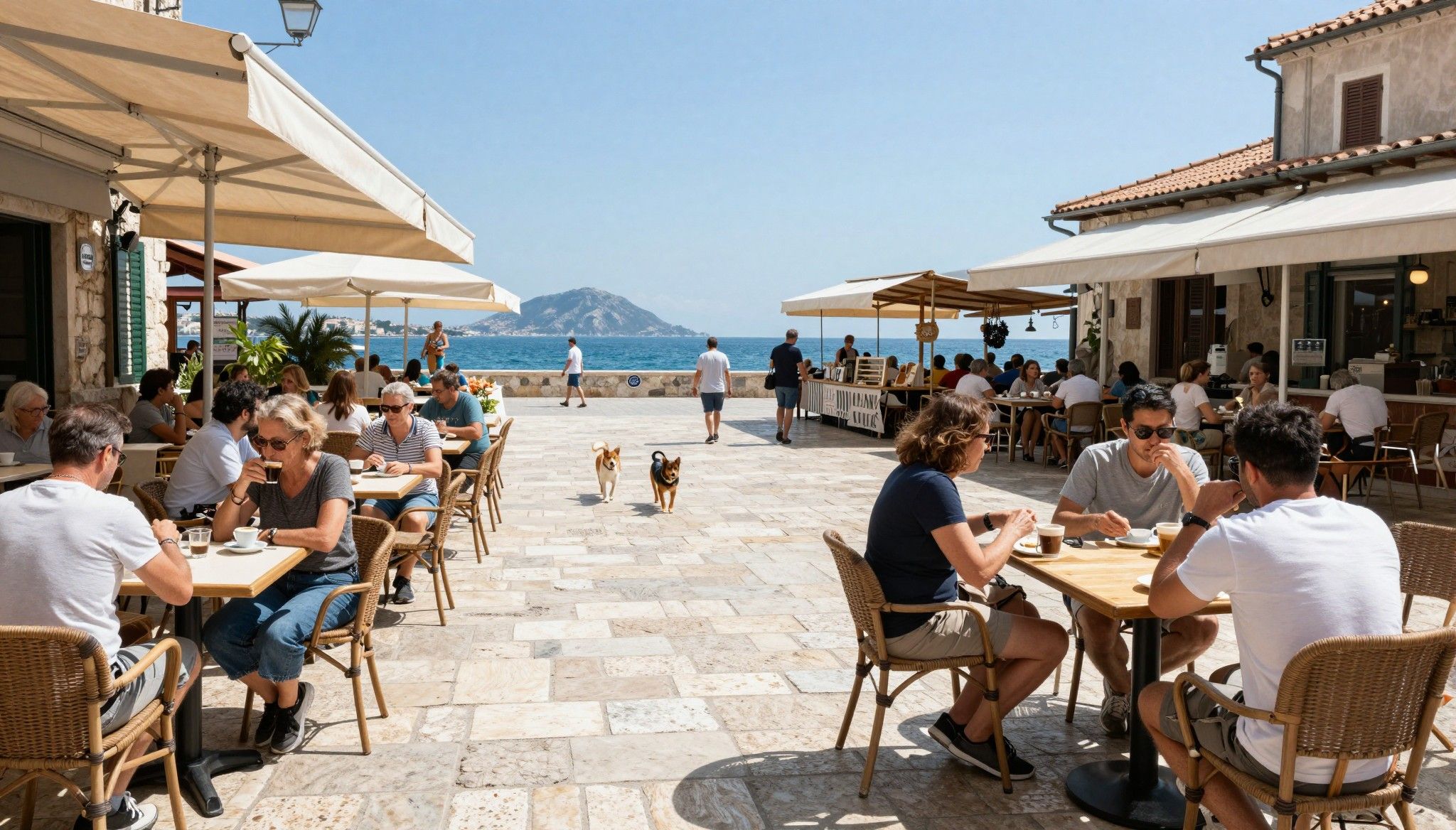
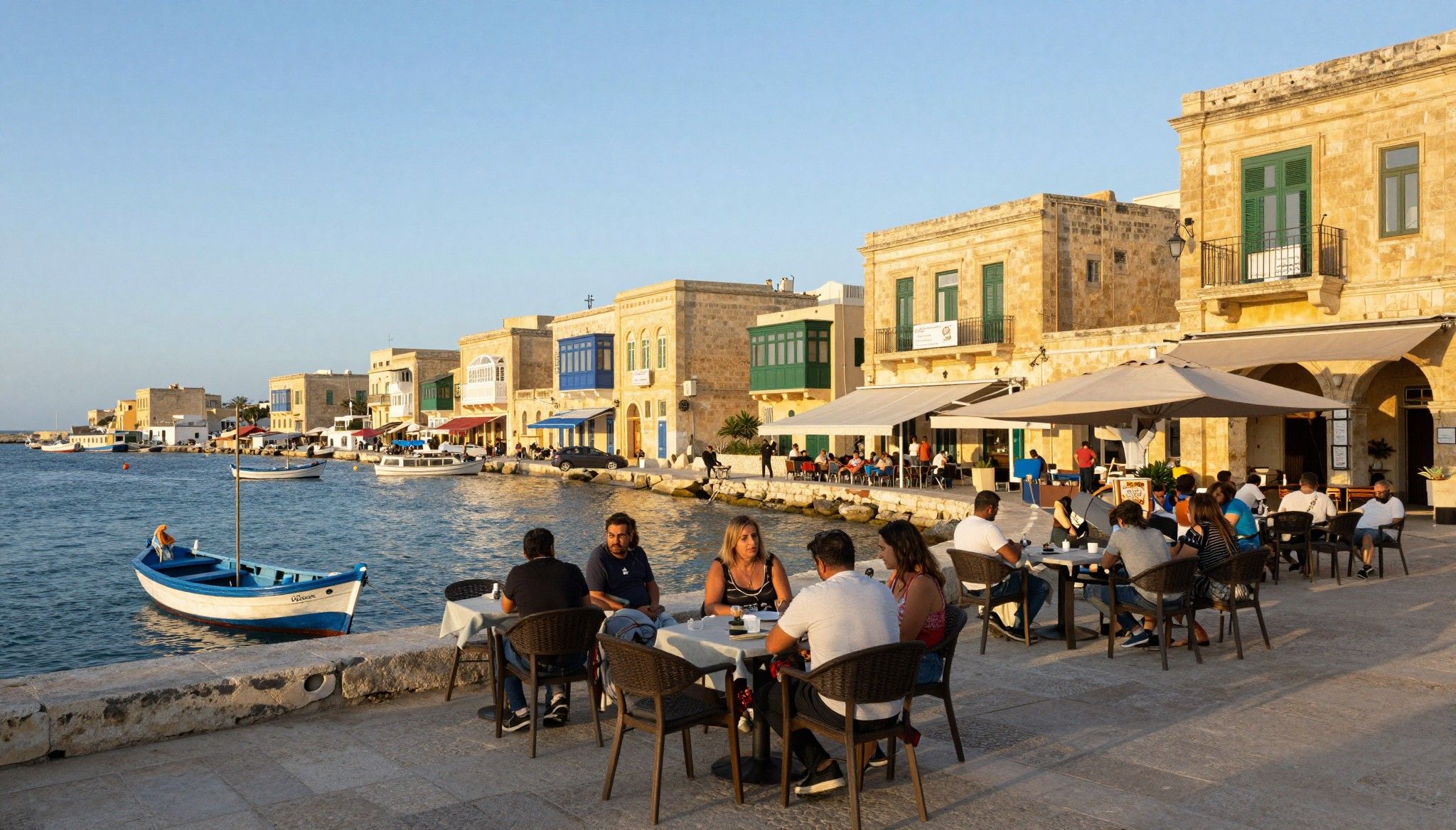
Imagine waking to the clack of espresso cups on a stone terrace in Rovinj, then swapping a morning swim for an afternoon of paperwork at the notary. Croatia sells that day-to-day easily: sunlit coastlines, medieval lanes, markets stacked with figs. But under the postcard there’s a seasonal price rhythm and legal nuance many international buyers miss — and that can turn a dream purchase into a costly lesson. We’ll show you where the romance hides market risk, and how to keep the life without the surprises.
Living the Croatia Lifestyle
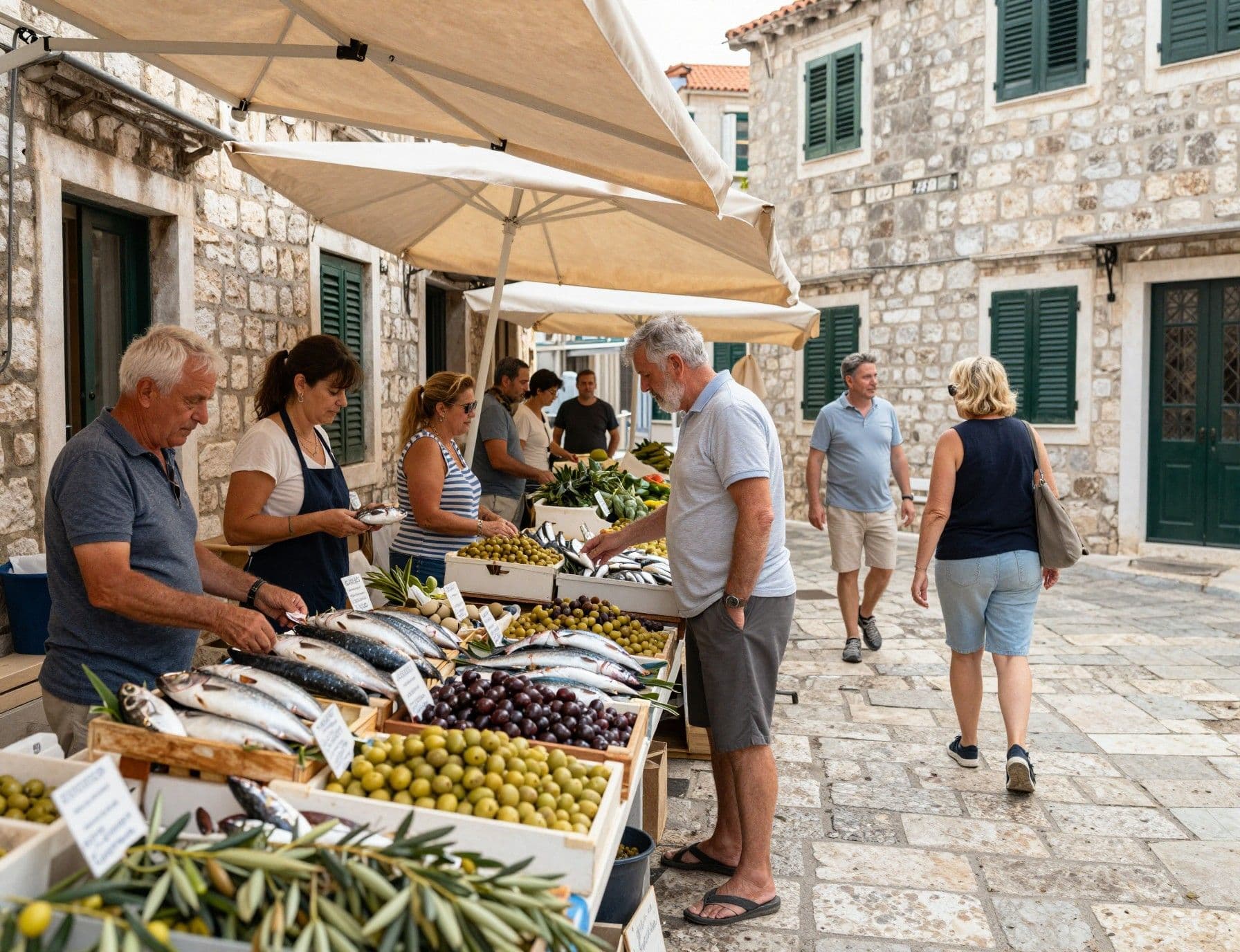
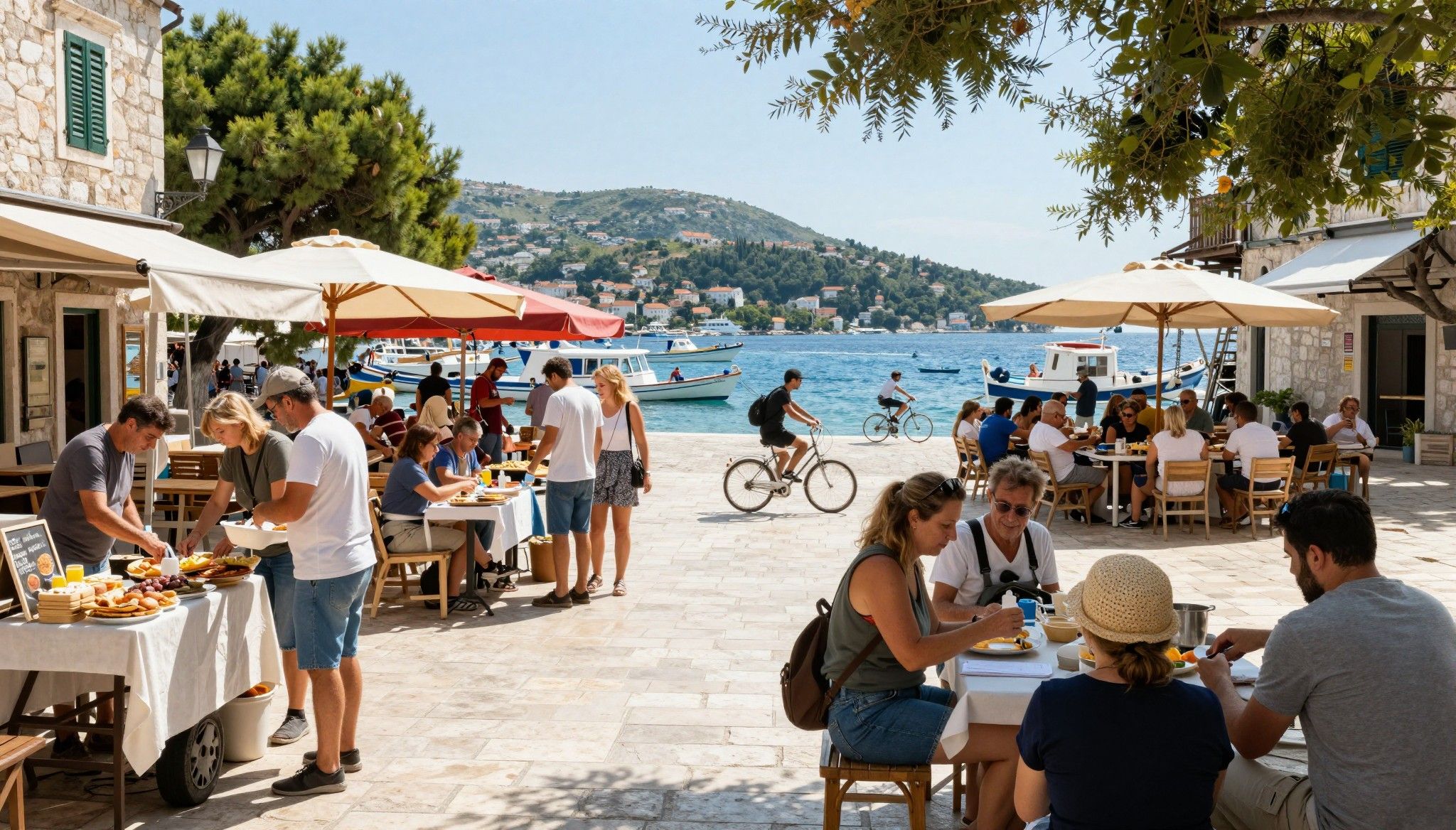
Croatia feels like two countries depending on the season. On the Adriatic coast—Split, Dubrovnik, Istria—summer pulses with charter boats, outdoor cafés on Riva promenades and late-night konobas. Inland towns and Zagreb offer a steadier tempo: weekly markets, tram commutes and winter festivals. Picture Saturday fish markets in Split’s Varoš with fishermen unloading fresh catches, then Sunday family lunches in stone courtyards—this rhythm shapes where locals buy and what buyers need from property.
Coastlines and old towns: Split, Dubrovnik, Rovinj
Narrow streets and sea views sell dreams — but they also inflate seasonal demand. Old Town Dubrovnik and Rovinj’s waterfront pull short-stay visitors, driving premium summer rates and a market skewed toward holiday rentals. That’s wonderful if you plan high-season lets; less so if you want year-round neighbours and stable value. Look beyond the postcard streets to adjacent lanes—local life and steadier prices often hide one block inland.
Inland pulse: Zagreb and continental towns
Zagreb’s neighbourhoods—Maksimir, Kaptol, Donji Grad—offer a different Croatia: cafés filled in winter, year-round services, and a rental market driven by students and professionals. For families or remote workers seeking predictability, these areas trade Adriatic sparkle for reliable amenities, stronger off-season liquidity and fewer surprises at resale.
Making the Move: Practical Considerations
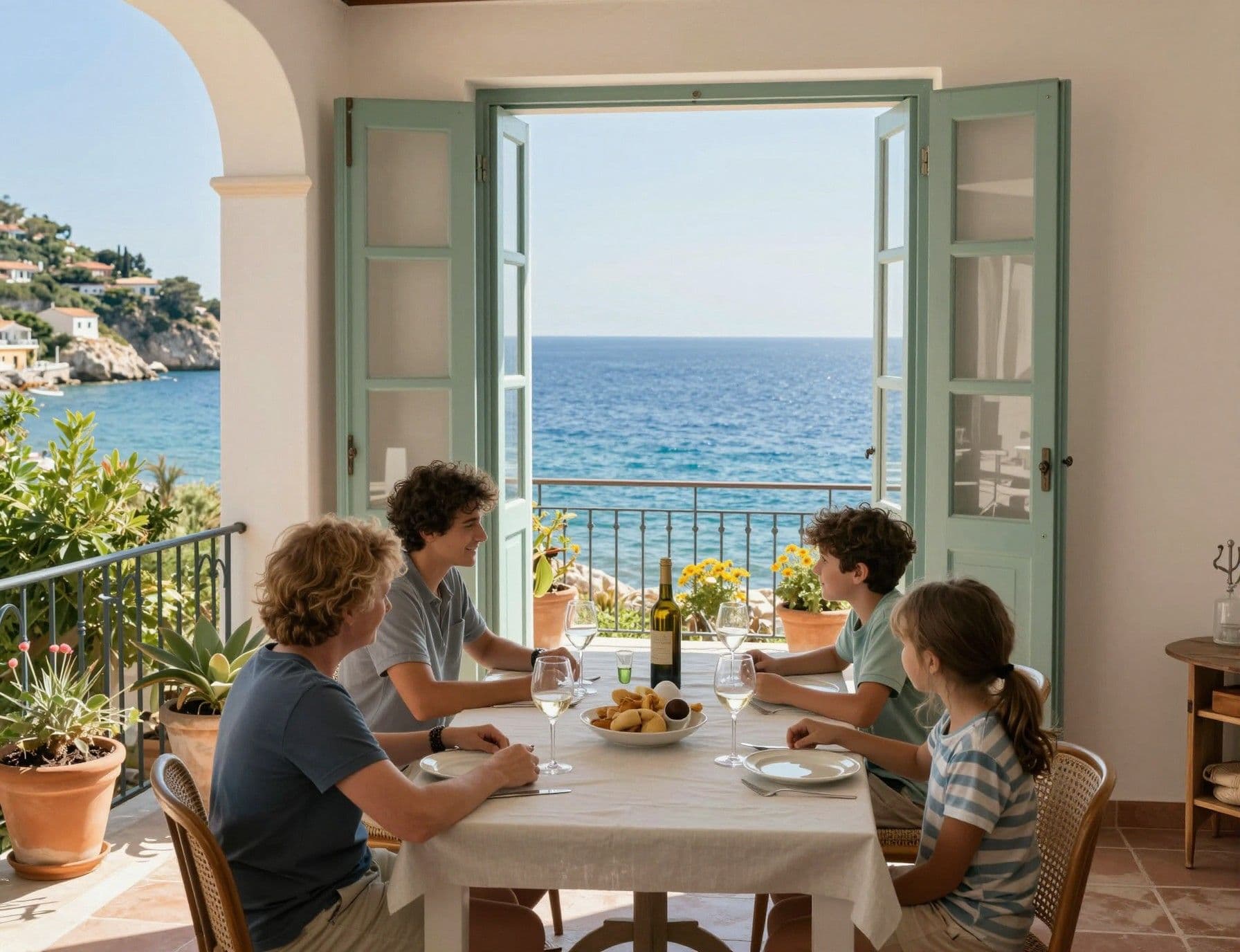
Your seaside terrace doesn’t exist in a legal vacuum. Croatia’s purchase system blends a public registry (zemljišna knjiga / land register) with ministerial rules for some foreign buyers. EU/EEA citizens face few restrictions, but non-EU nationals must consider reciprocity and possible ministerial approval. That administrative step can add time and conditional risk — plan for it early and keep paperwork crisp.
Property types and what they mean for life
Stone apartments in old towns offer character and proximity to cafés, but thin walls, limited parking and conservation rules can restrict renovations. New-builds or seafront complexes add modern systems, parking and year-round comforts, but can carry VAT or developer clauses that change upfront cost. Choose the property that matches the life you actually want: noisy summer nights or quiet, livable winters.
How local experts protect the lifestyle you buy
- 1) Confirm reciprocity and expected approval times with a Croatian lawyer. 2) Order a recent land-registry extract and confirm planning status. 3) Check VAT vs. transfer-tax treatment for developer sales. 4) Visit the property across seasons — we recommend at least one off-season visit. 5) Negotiate not only price but clear handover conditions for keys, meters and final bills.
Insider Knowledge: Red Flags & Market Truths
Don’t let summer rent numbers or headline growth replace on-the-ground checks. Official indices show meaningful year-on-year price gains in recent reporting, especially along the coast, but those averages hide local seasonality and thin market liquidity in shoulder months. That means two things: price spikes can reverse or stall off-season, and comparable sales may be sparse for exact comparisons.
Cultural and practical quirks expats often miss
- • Notaries and registry timelines — signatures don’t equal immediate clear title; registration and tax notices follow. • Utilities and infrastructure — check spring water pressure and winter heating if you plan year-round use. • Tourism zoning — some properties have rental restrictions or municipal rules limiting short-term lets. • Language and paperwork — invoices, land-plot references and older deeds may be in Croatian; certified translations matter.
Quick checklist to reduce transaction risk
- 1) Obtain a land register extract and confirm no encumbrances. 2) Commission a title and planning search from a Croatian lawyer. 3) Confirm the seller’s VAT status and whether transfer tax applies. 4) Verify ministry consent if you’re a non‑EU buyer. 5) Require an escrow or notary-held funds arrangement until registration completes.
What Expats Wish They'd Known
We’ve seen buyers fall for sea-view photo listings without testing the off-season reality. One family bought a seaside apartment in Istria on peak-season returns; outside July–August the area felt empty and resale friends reported longer sale timelines. The lesson: buy the life you want year-round, not only the July nights.
Language, community and making it home
Learn a few phrases, and you’ll be invited to local barbecues faster than you think. Expat groups cluster in Split, Dubrovnik and Zagreb; farmers’ markets and small konobas are where lasting neighbourhood ties form. For many buyers, that community fabric matters more than marginal price differences.
- Lifestyle factors that change where you should buy • Want year-round neighbours? Aim inland or one block from the waterfront. • Need reliable schooling and healthcare? Prioritise Zagreb or larger coastal towns. • Rely on rental income? Model realistic off-season occupancy, not just August.
Croatia can give you mornings at the market and afternoons on a pebble beach. But the best purchases marry that daily life to a clear file: title extracts, planning checks, tax clarity and a timeline for any ministerial approvals. Work with a lawyer who reads the registry, an agency who knows local rhythms, and an accountant who models year-round yield.
Ready for next steps? Start with these practical moves: arrange an off-season visit, ask your agent for recent comparable sales in the same month, order a land-registry extract, and confirm whether your nationality requires ministry consent. When in doubt, pause the romance until the file is clean — keeping the life you fall for and the paperwork that protects it are one and the same.
British expat who relocated to Marbella in 2012. Specializes in rigorous due diligence and cross-border investment strategies for UK and international buyers.