Ownership Isn’t Residency: Buying Property in Croatia
Owning a home in Croatia doesn’t automatically mean residency. Learn the regulatory surprises—permission, taxes, permits—and how to match the life you want with the legal steps to keep it.
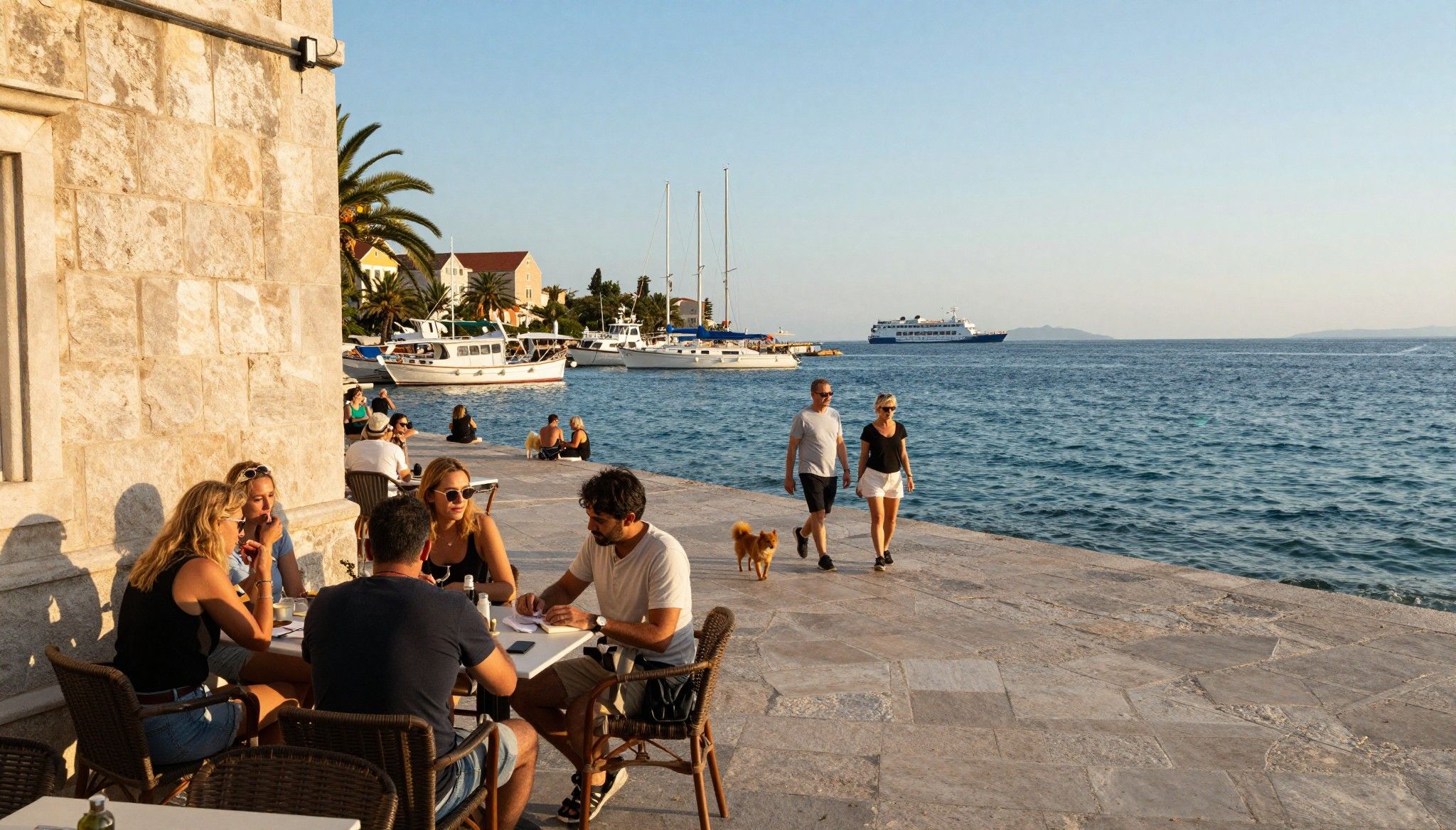
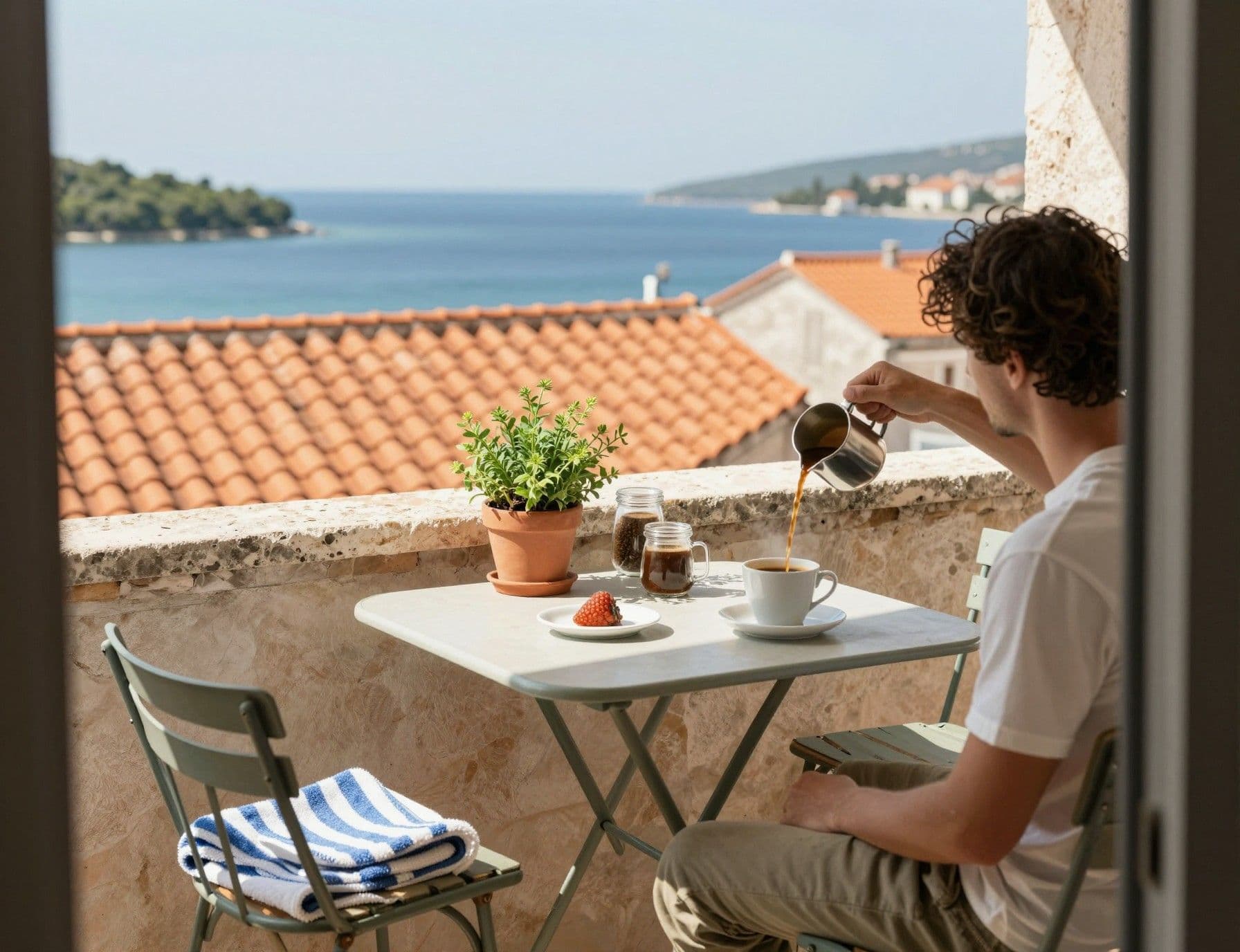
Imagine sitting at a sun-washed café on Split’s Riva in late autumn: fishermen folding nets nearby, an espresso in hand, and the city feeling utterly yours. That feeling—low-key, local, unmistakably Adriatic—is why people fall for Croatia. But owning that apartment is not the same as belonging here. You can buy a coastal flat, yet still be a visitor on paper. This guide untangles the regulatory surprises that turn romantic buys into administrative headaches, and shows how to align the life you want with the legal steps you must take.
Living the Croatia life (and what the papers won’t tell you)
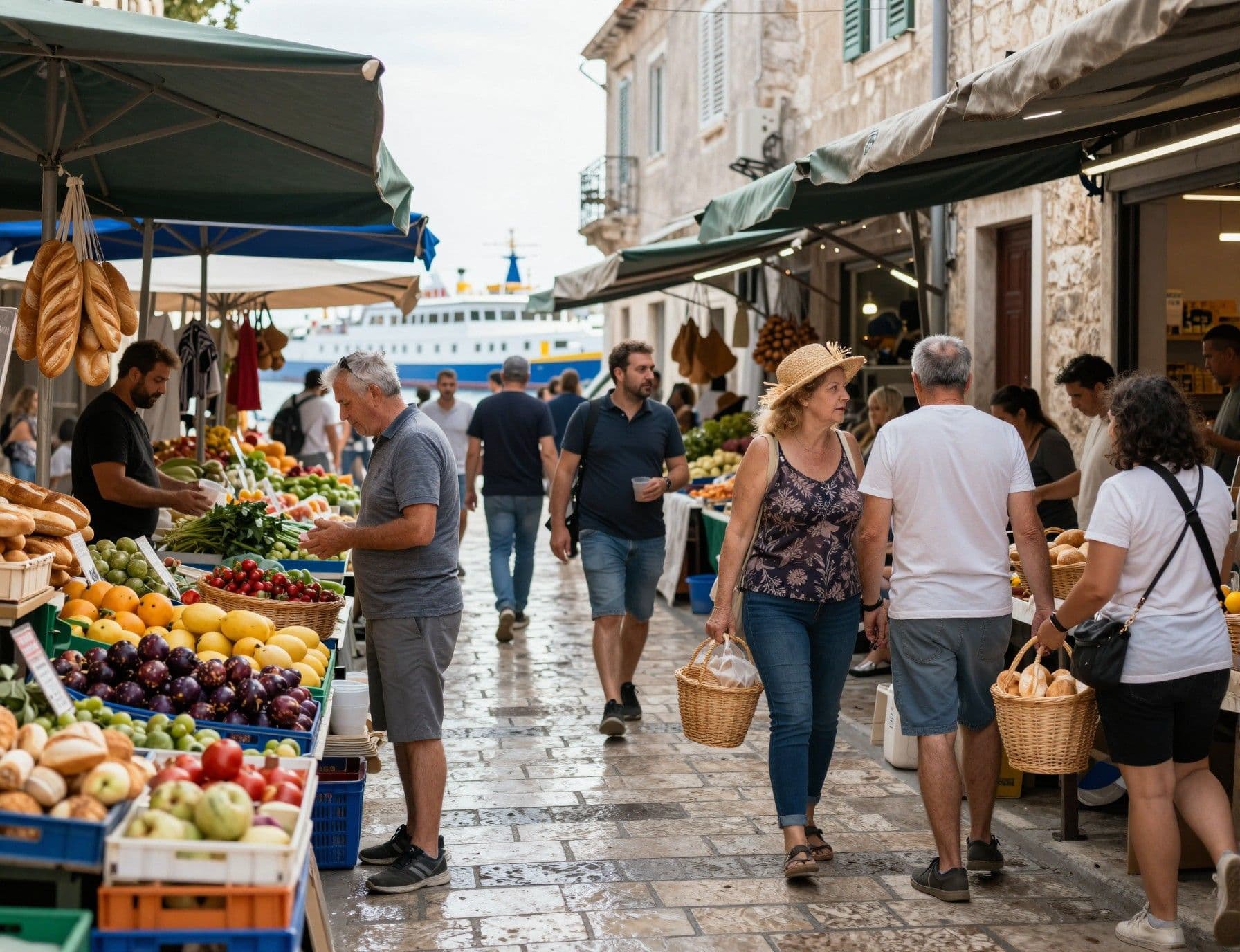
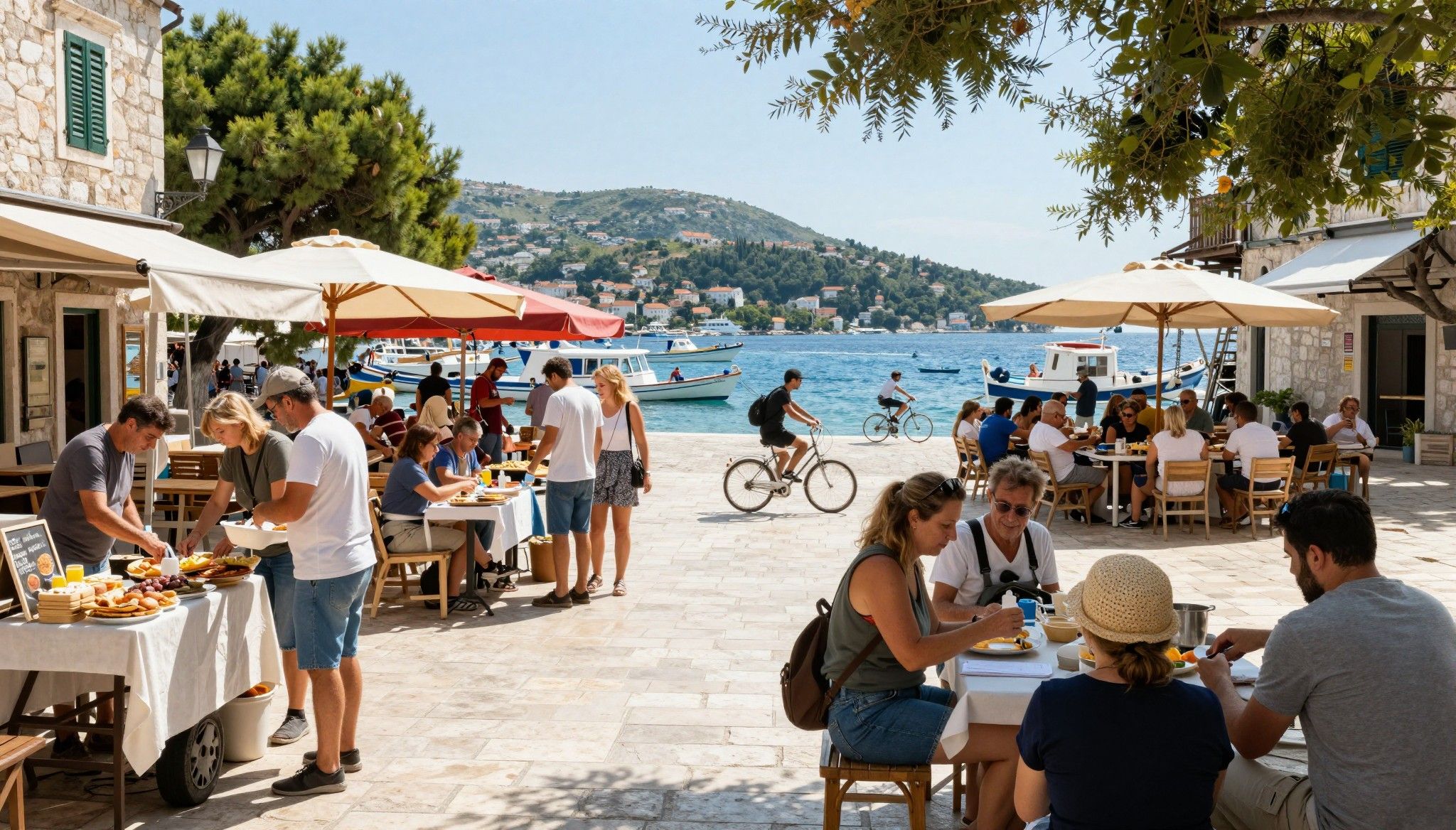
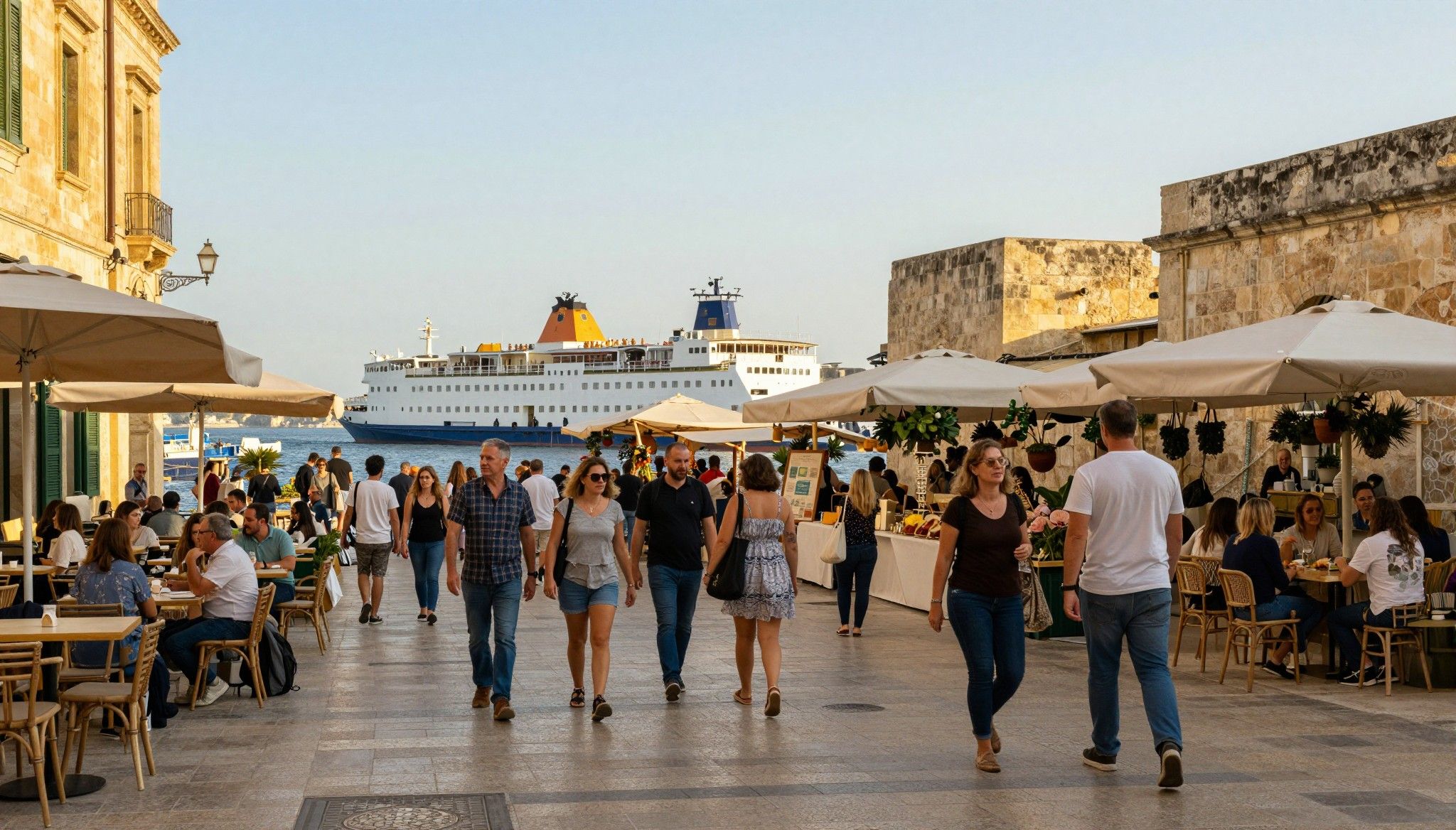
Croatia feels like a string of distinct days: market mornings in Zagreb’s Dolac, late swims at Zlatni Rat, and long dinners in Dubrovnik’s tucked-away konobas. Streets in Split’s Veli Varoš hum with scooters and children; Hvar’s harbour is a slow parade of boats and terraces. This rhythm shapes what you actually need from a property—storage for biking gear in Istria, a well-insulated living room for inland winters, or an operable balcony to catch sea breezes.
Neighbourhoods that match different moods
Pick a neighbourhood for how you want your day to begin. In Zagreb, Lower Town (Donji Grad) gives you morning markets and trams; Črnomerec and Maksimir lean quieter and more local. On the coast, Split’s Meje and Veli Varoš suit people who want to walk to cafes and the ferry; near Dubrovnik, Lapad offers a gentler pace than the Old Town’s tourist pulse. We recommend short stays in sample streets—find a morning coffee spot and ask the barista where locals live.
Food, markets and small rituals that anchor life
Food rhythms reveal a lot about community. Farmers’ markets (Dolac in Zagreb, Pazar in Split) are weekly social calendars. Konobas still serve family recipes; try pašticada in Dalmatia or fuži pasta in Istria. If you picture yourself doing a weekly market run, make sure the property has practical kitchen space and storage—old stone apartments often need creative solutions for modern grocery life.
- Lifestyle highlights: morning markets, island day trips, late coastal dinners, weekend hikes in Biokovo, small-town festivals in Istria, ferry rhythms that shape social life.
Making the move: practical realities few buyers expect
Here’s the single most important myth to bust: property ownership in Croatia does not automatically grant you residency. Foreign nationals can acquire property, but the legal framework makes property ownership and residence separate processes—permission and conditions vary by nationality and by the property’s status. Read that twice: owning a home is paperwork; living there permanently often requires a separate permit or legal route. See official guidance for the legal mechanics.
Who needs permission to buy?
EU/EEA citizens generally buy under simpler rules; third‑country nationals may need consent from the Ministry of Justice or to meet reciprocity conditions. The law that regulates ownership specifies exceptions and administrative steps; in practice this means your lawyer or agent must check the title and whether the purchase requires ministerial approval before you sign.
Taxes and fees that shape the real cost
- Real costs to budget: 3% real estate transfer tax if the sale is not subject to VAT; VAT applies to many new-build sales and changes the tax treatment. Add notary, land registry, and legal due-diligence fees; if you plan to rent, factor in income tax and municipal levies. These are small percentages but they change net yield and cash required at completion.
Insider knowledge: what expats wish they’d known (regulatory edition)
We’ve helped buyers who assumed a title deed meant permanent life—only to find visa limits, missing permits, or apartments without a use permit blocking mortgages. Property and personal legal status follow separate routes. If you want to be resident, plan the immigration track early: work permit, family reunification, or other qualifying grounds usually matter more than the fact you own a roof.
Red flags to spot before you love the view
- Missing 'use permit' (uporabna dozvola) for new or converted units; unclear title chains or unresolved easements; properties sold ‘off-plan’ with unclear VAT status; buying through opaque local companies without clear beneficial‑owner records.
One more truth to balance the dream: prices have been rising. Recent house price indices and reporting show strong year-on-year growth in 2024–2025. That affects timing—buying in peak summer when the market feels loud is often more expensive than transacting in quieter months, but beware off-season inspections where seasonal issues are hidden.
- Practical steps we recommend: 1) Run a title and land-registry check before any deposit; 2) Confirm VAT vs transfer-tax treatment with seller and tax advisor; 3) Verify use/occupancy permit (uporabna dozvola) with local building authority; 4) If you need residency, start permit paperwork early and don’t assume ownership equals a right to stay; 5) Insist on notarised sale contracts and register immediately in the land register.
Working with the right local experts protects the dream. Good agents will know where municipal practice differs—which mayoralties interpret the rules strictly, which construction hotspots routinely lack full paperwork, and which neighbourhoods keep strong rental demand. Your lawyer should be a fluent explainer, not a translator; your tax adviser should show post‑purchase cash flows, not just headline rates.
How to keep the lifestyle and the legal file aligned
- Buy where you actually want to live (not just where tourists flock); prioritise properties with clean paperwork over ‘perfect’ postcard facades; budget for renovations that make year-round life comfortable; and treat residency as a separate plan—use ownership as supporting evidence, not as a shortcut.
If you love Croatia, buy the life—but carry the file. Start with short visits to neighbourhoods, get local advice before offers, and budget both for the market price and the paperwork that keeps your life here legal and sustainable. When you’re ready, an experienced local agency and a Croatia-focused legal team will translate that espresso-on-the-Riva feeling into a secure, registered home—so you can stop checking the visa calendar and start planning Sunday market runs.
British expat who relocated to Marbella in 2012. Specializes in rigorous due diligence and cross-border investment strategies for UK and international buyers.