Greece’s Urban Surprise: Where Locals Really Buy
Greece’s cities hide value beneath the tourist gloss — match neighbourhood rhythms to property type and use data plus local knowledge to make a confident buy.
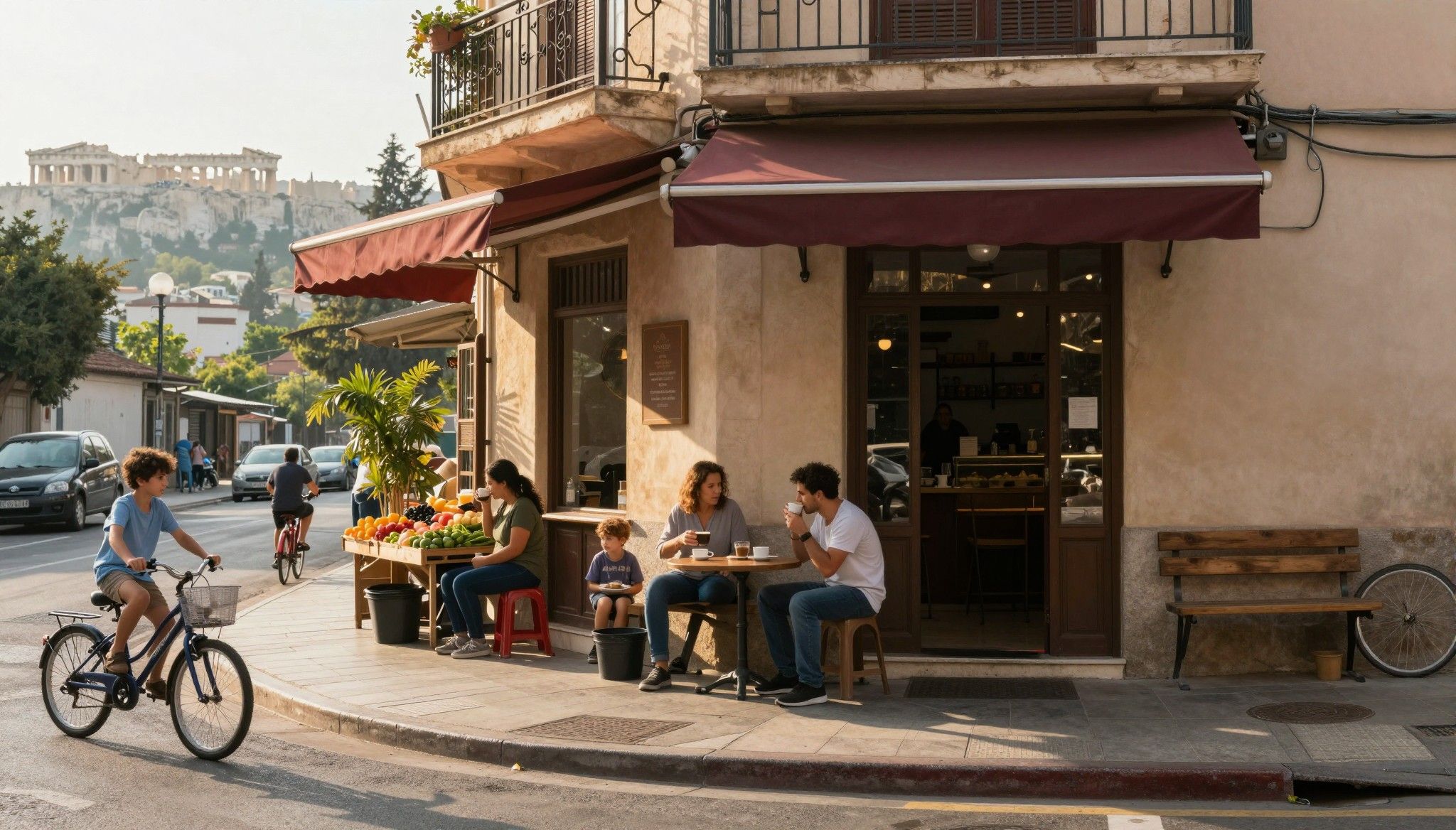
Imagine a Sunday morning: espresso at a tiled table in Koukaki, a fisherman carrying octopus past the small fishmonger in Piraeus, and an elevator door opening onto a Glyfada sea-view terrace at dusk. Greece’s cities don’t live like postcards; they are layered, noisy, intimate and surprisingly affordable when you stop looking only at the postcards.
Living the Greece City Life
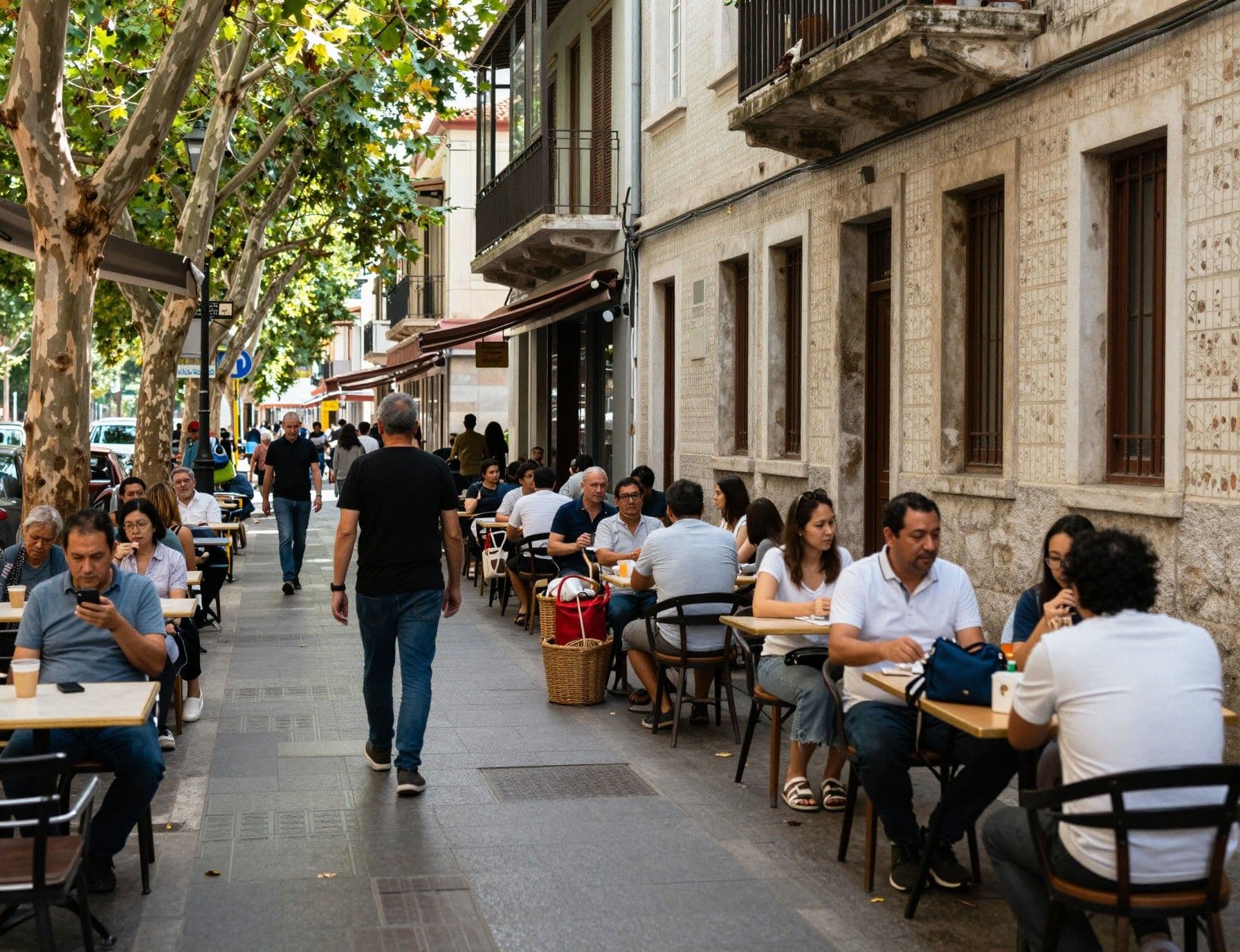
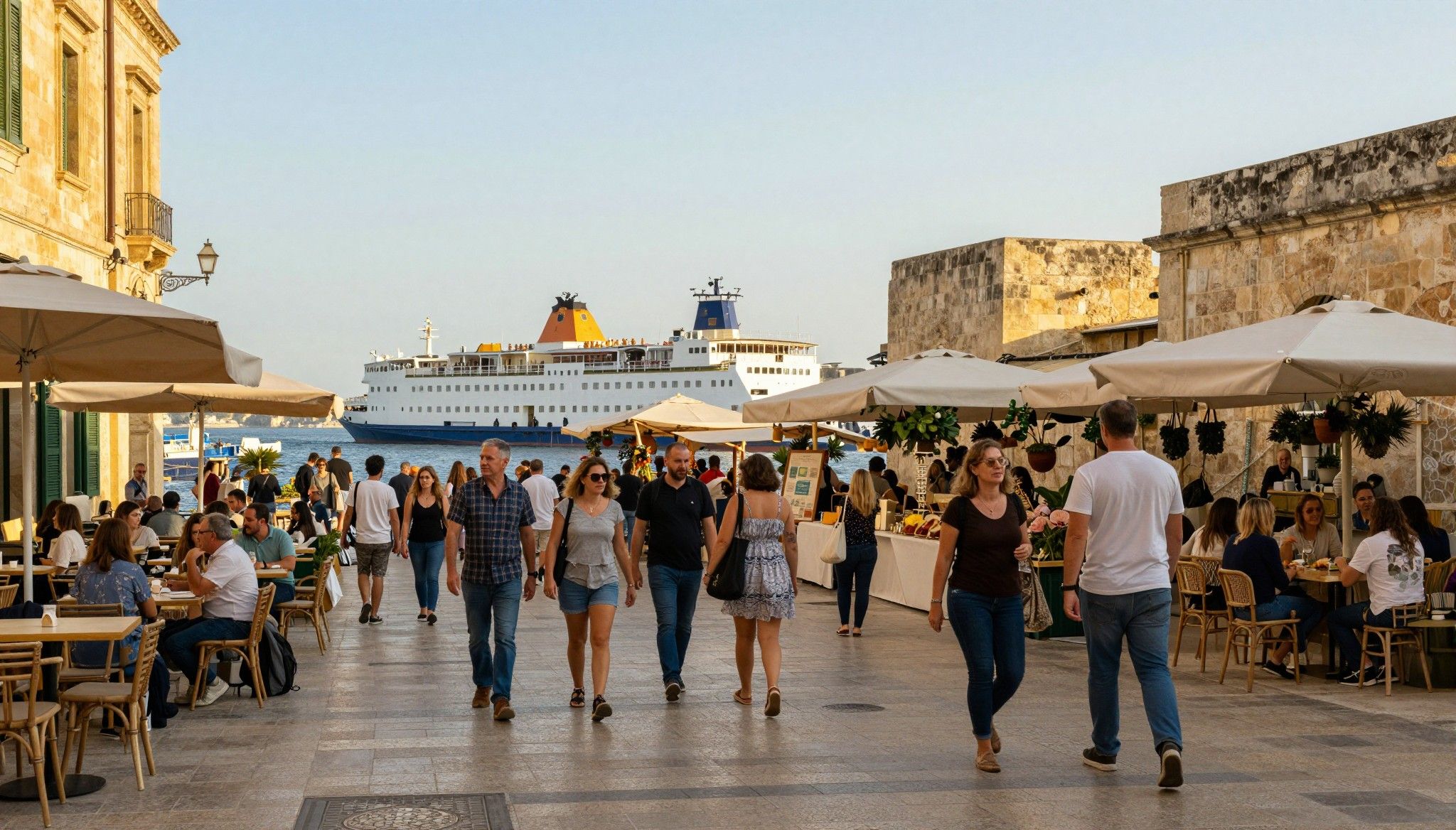
City living in Greece balances sunlight and proximity. Athens, Thessaloniki and the coastal suburbs (think Glyfada and Voula) stitch together ancient streets and modern cafes. Locals build their day around small commercial streets, municipal markets and the outdoor table. It’s not all island-tourist glamour — everyday life here is about convenience, neighbourly routines and a lively public realm.
Koukaki, Plaka, Exarchia: Neighbourhoods with different rhythms
Koukaki sits beneath the Acropolis and feels like a village that forgot it was in a capital — narrow pedestrian streets, coffee shops serving all-day plates, and old neighbors who still shop at the same baker. Plaka is tourist-dense but has pockets of regulated historic housing and strict conservation rules. Exarchia—misunderstood by many buyers—has independent bookstores, student life and turnkey apartments that often fly under the radar.
Food, markets and the rhythm of the week
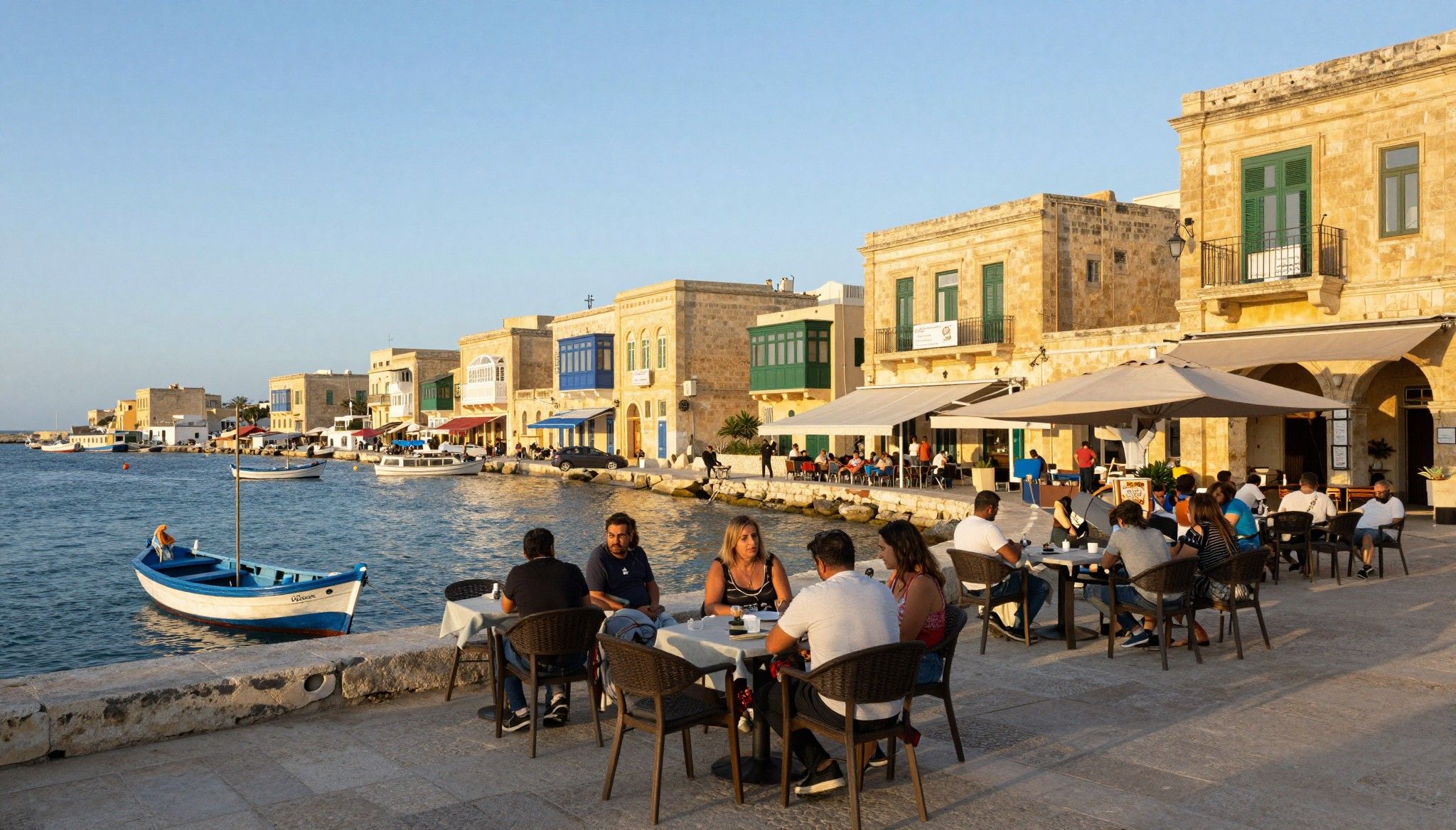
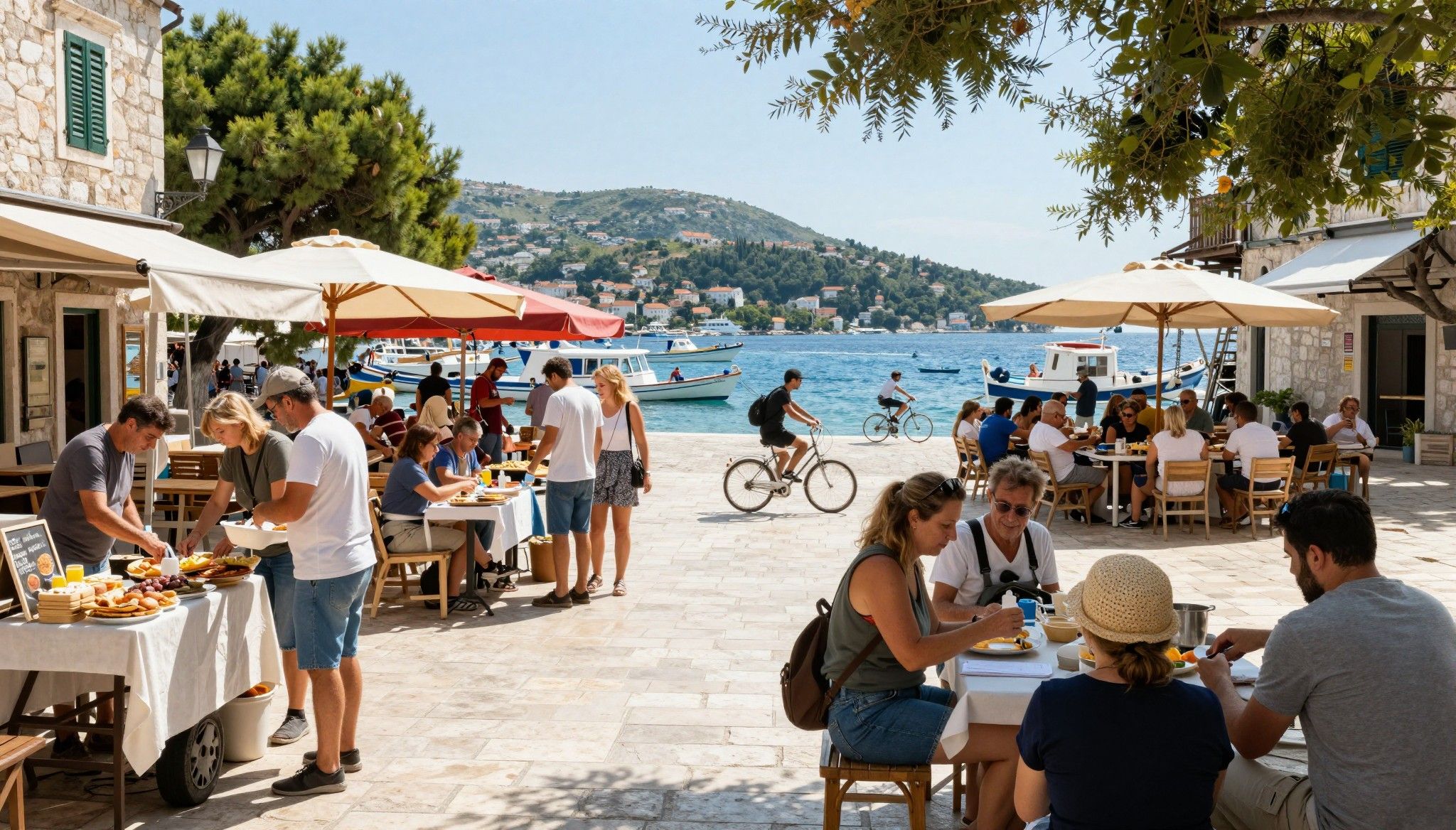
Weekends are market days. Think citrus-scented street stalls, single-table tavernas that open late, and seaside promenades that host families after work. The food scene is intensely local — neighbourhood kafeneia, fish taverns in Piraeus and tapas-style mezze bars in Thessaloniki — and that everyday quality shapes where residents choose to live.
- Lifestyle highlights: Koukaki cafés; Monastiraki flea market mornings; Glyfada sea promenades; Modiano food market in Thessaloniki; sunset walks on the Piraeus waterfront.
Making the Move: Practical Considerations
Dreams need a practical scaffold. Recent Bank of Greece and ELSTAT releases show urban house-price growth but big local variation — Athens and Thessaloniki rose unevenly while many provincial towns remain calm. That means the anecdote you heard about “Greece getting out of reach” depends entirely on which streets you’re looking at.
Property styles and how they shape daily life
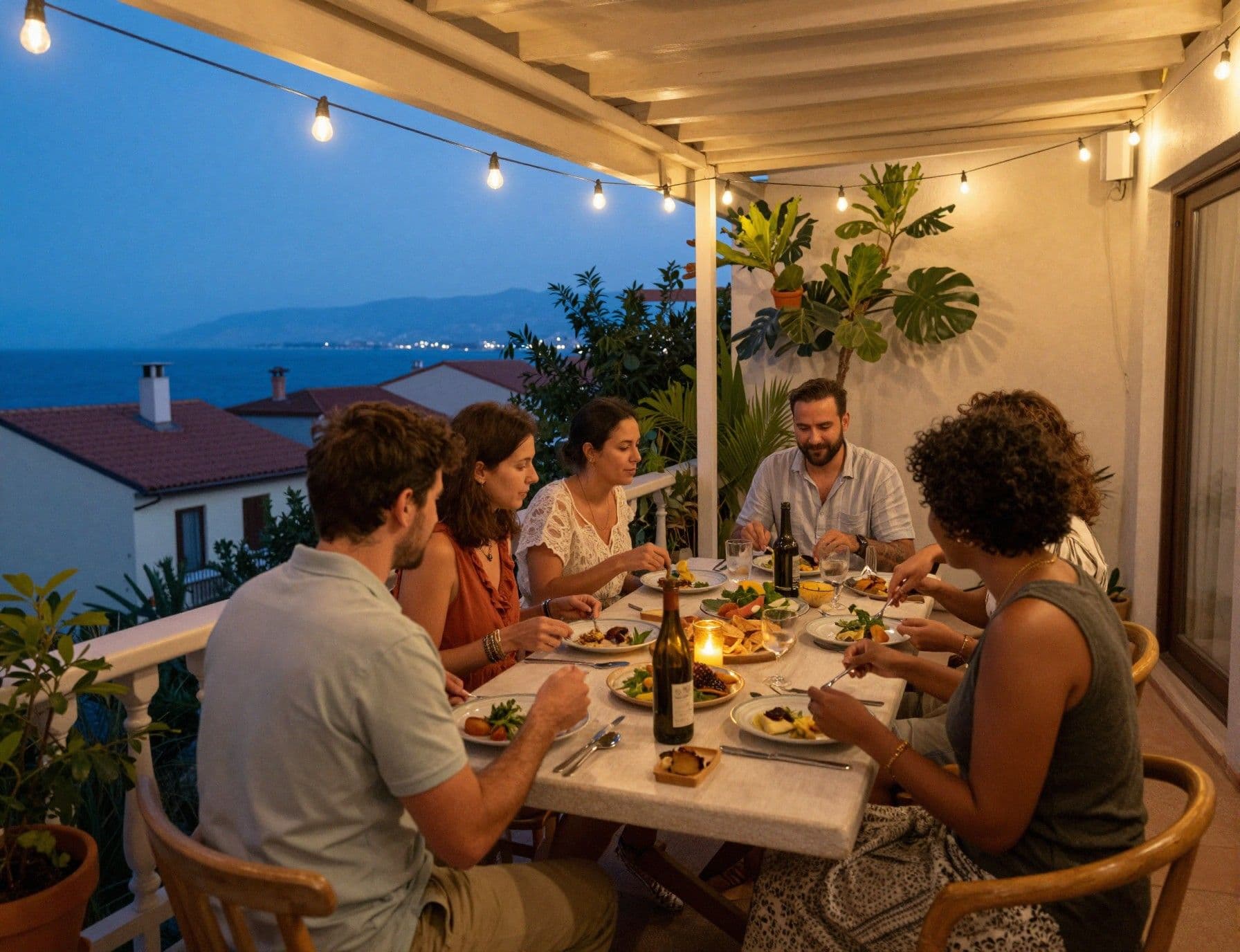
A thirties-era Athens apartment with high ceilings will give you morning light and a step-to-café life; a modern Glyfada flat buys coastal breezes and parking; a townhouse in Ano Poli (Thessaloniki) offers narrow streets and gardened terraces. Match the building type not only to budget but to how you want to live: roof terraces for summer dinners, central heating for grey winters, storage space for seasonal gear.
Local experts you’ll want on speed dial
- Hire a bilingual notary or lawyer who understands conservation rules (Plaka), building permits (island properties) and recent residency-by-investment changes. Work with agencies that show recent comparable sales, can introduce you to municipal contacts, and arrange in-person inspections on weekdays when building activity is visible.
- Actionable steps: Get an NIF number early; ask for three years of building maintenance records; verify utility connections for island properties; confirm short-term rental limits if you plan to rent out seasonally.
Insider Knowledge: What Expats Wish They'd Known
We’ve met buyers who expected constant island-style nights and instead found life is quieter in winter and gloriously ordinary in spring. Expats often misread nightlife as neighbourhood health; better signals are regular local cafes, grocery choices and the presence of schools. These everyday things determine resale appeal and long-term happiness.
Language, community and the small rules
Start with a few phrases and learn market rhythms — who opens when, where to queue for fish, which kiosk closes on Tuesday. Greeks value personal relationships; a recommended builder or a shopkeeper’s tip can be worth months of searching. Join local Facebook groups or international meetups to test the social fit before committing.
Long-term lifestyle trade-offs
Think in seasons: islands swell in July but quiet drastically in November; Athens hums year-round with quieter pockets in winter. If you want rental income, plan for summer peaks and winter troughs; if you want community integration, prioritise year-round neighbourhoods over tourist strips.
- Red flags local buyers avoid: empty storefronts on main streets (long-term economic weakness); unregistered extensions; poorly maintained building facades (often expensive to repair under conservation rules).
- Checklist before signing: 1) Confirm ownership and debts at Land Registry; 2) Verify recent maintenance invoices; 3) Check municipal zoning and short-term rental rules; 4) Have an independent structural survey completed.
Greece offers a rare urban mix: historic city centres that live, modern suburbs with sea access and island towns that double as seasonal havens. Recent macro data shows steady price recovery in urban hubs, but local nuance rules the day — street by street. Use data to set expectations, then let neighbourhood visits decide the heart.
Picture this: six months after your move you know the baker by name, you’ve found a Tuesday taverna that serves the best octopus, and your rooftop terrace gets the afternoon light that changes your routine. That’s Greece: a life built from small, reliable pleasures — and the right property makes them permanent.
Next steps: spend weekdays in the neighbourhoods you like, ask for building service records, and work with an agency that can show recent comparable sales, municipal permit documents and local reputations. If you want, we can introduce agents who do exactly that — they sell the life, and have the file to prove it.
Dutch relocation advisor who moved to Marbella in 2016. Guides Dutch buyers through visa paths, relocation logistics, and balance of lifestyle with value.