Why Greece’s “Island Premium” Is Overrated
Why the 'island premium' misleads buyers — and where to find Greece’s authentic lifestyle at better value, backed by housing indices and local planning data.
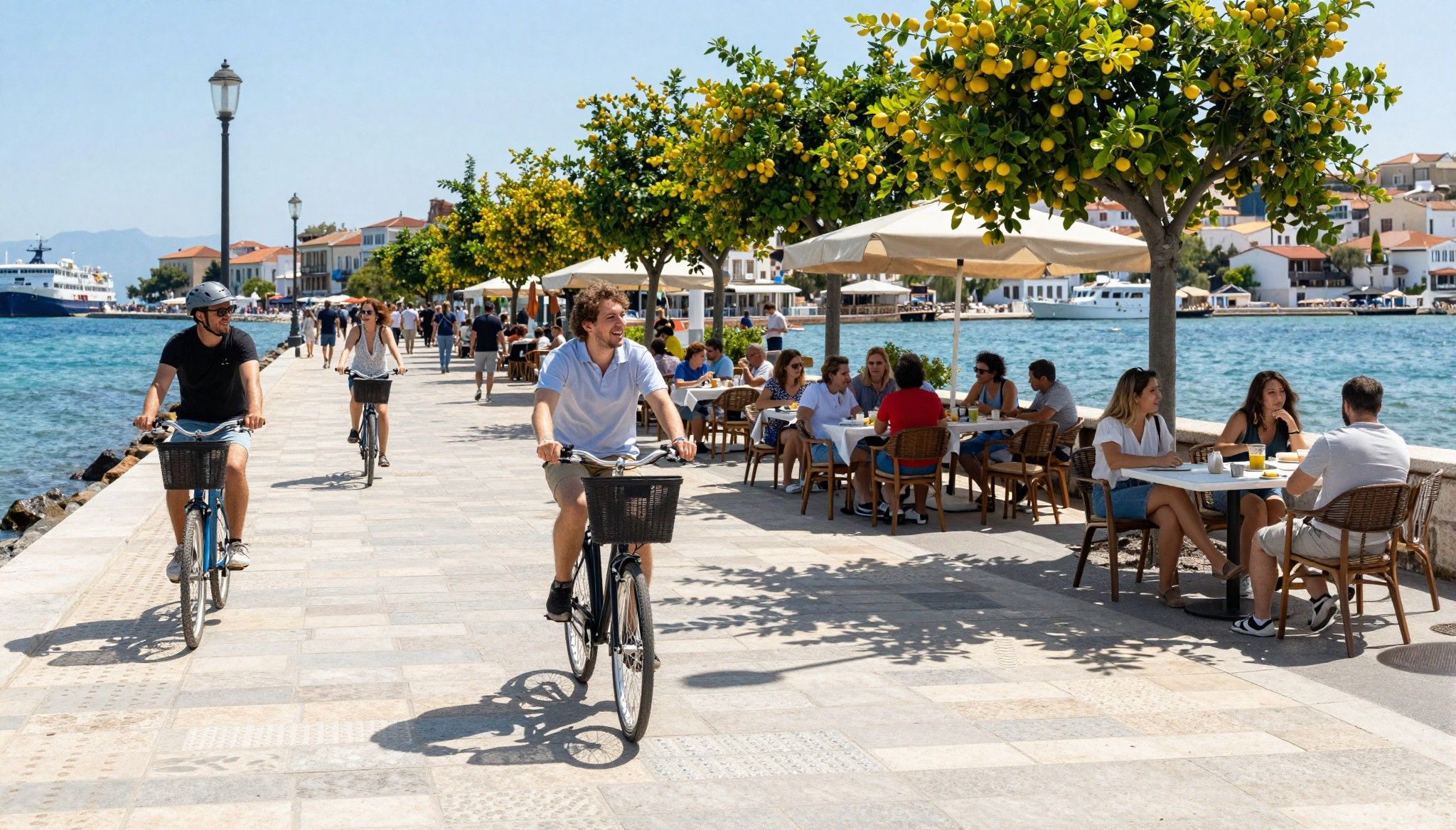
Imagine walking out of a sun-baked kafeneio in Plaka, espresso in hand, then catching a short ferry to an island where narrow lanes smell of lemon trees and loukoumades. Greece feels like a string of moments: bright mornings at municipal markets, slow seaside lunches that dissolve into dusk, and neighbourhoods where neighbours still know your name. But the property story most buyers hear — "islands = sky-high premium" — is only half true. We live here, tour the streets, and compare the numbers. The real opportunity for international buyers is often where postcards don’t point: the quieter ports, regenerating towns and overlooked coastal corridors that balance lifestyle with price.
Living the Greece lifestyle: more than postcards
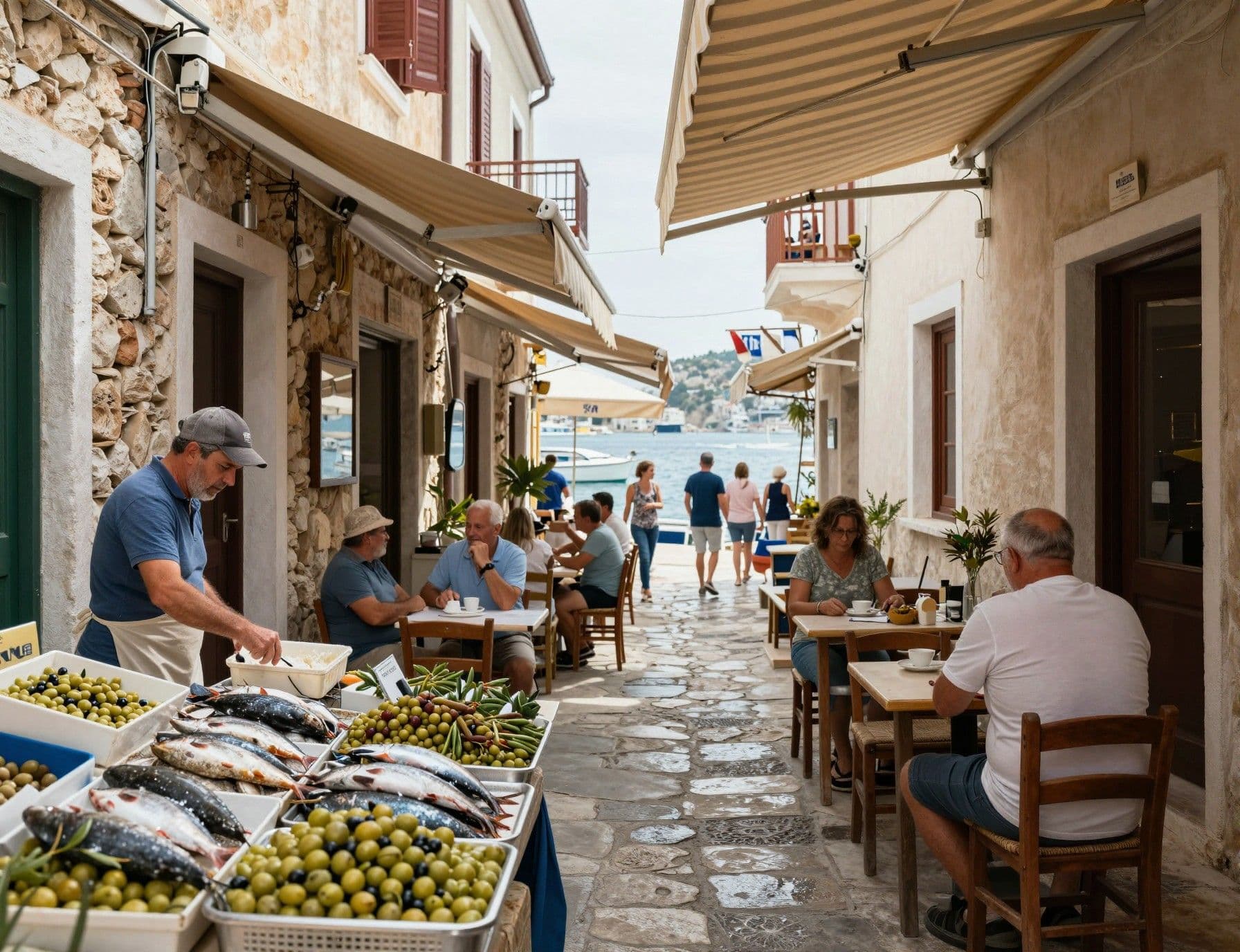
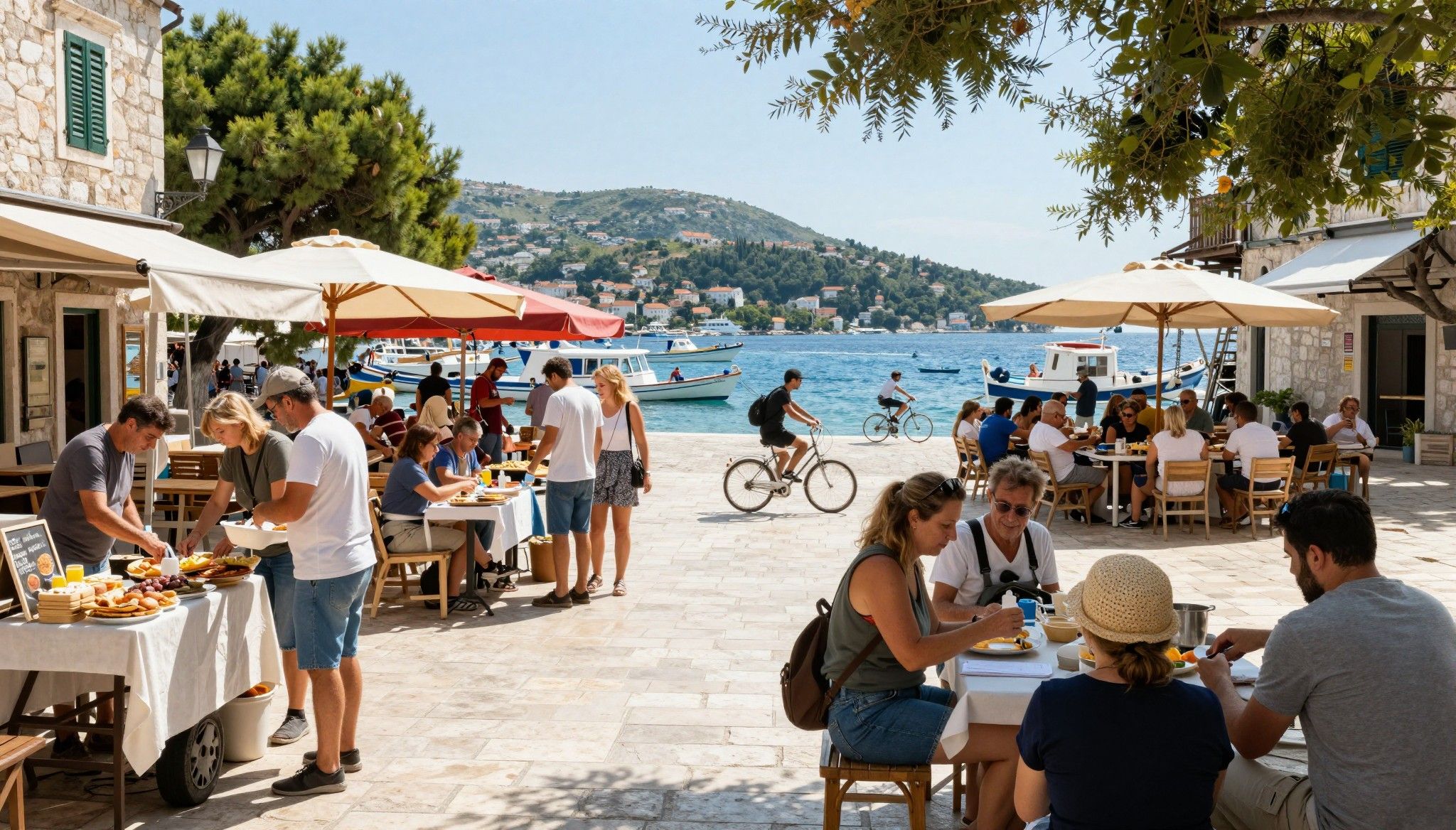
Daily life in Greece is textured: morning markets on Ermou and Monastiraki, terraces on Glyfada’s seafront, and island afternoons in Naoussa where fishermen mend nets. Recent building activity and rising local investment mean these rhythms are changing — but not disappearing. Developers are renovating old townhouses and converting derelict warehouses into cafés and co-working spots. That evolution creates choices: restaurateur-run ground floors, calm residential lanes a few streets away from lively squares, and compact apartments with terraces built for long dinners.
Athenian pockets: From Psyri corners to Vouliagmeni bays
Athens isn’t a single market. In Kerameikos and Psyri you’ll find narrow streets, artisanal bakeries and apartments that trade on character rather than square metres. Contrast that with Vouliagmeni or Glyfada, where sea-facing flats command steady demand and higher prices. Regional data show apartment prices rose notably in urban centres, but micro-neighbourhood trends matter more to lifestyle: choose a street near a favourite café and you’ll live like a local; choose broad boulevards and you’ll live like a commuter.
Island life, close up: Parikia lanes vs. lesser-known harbours
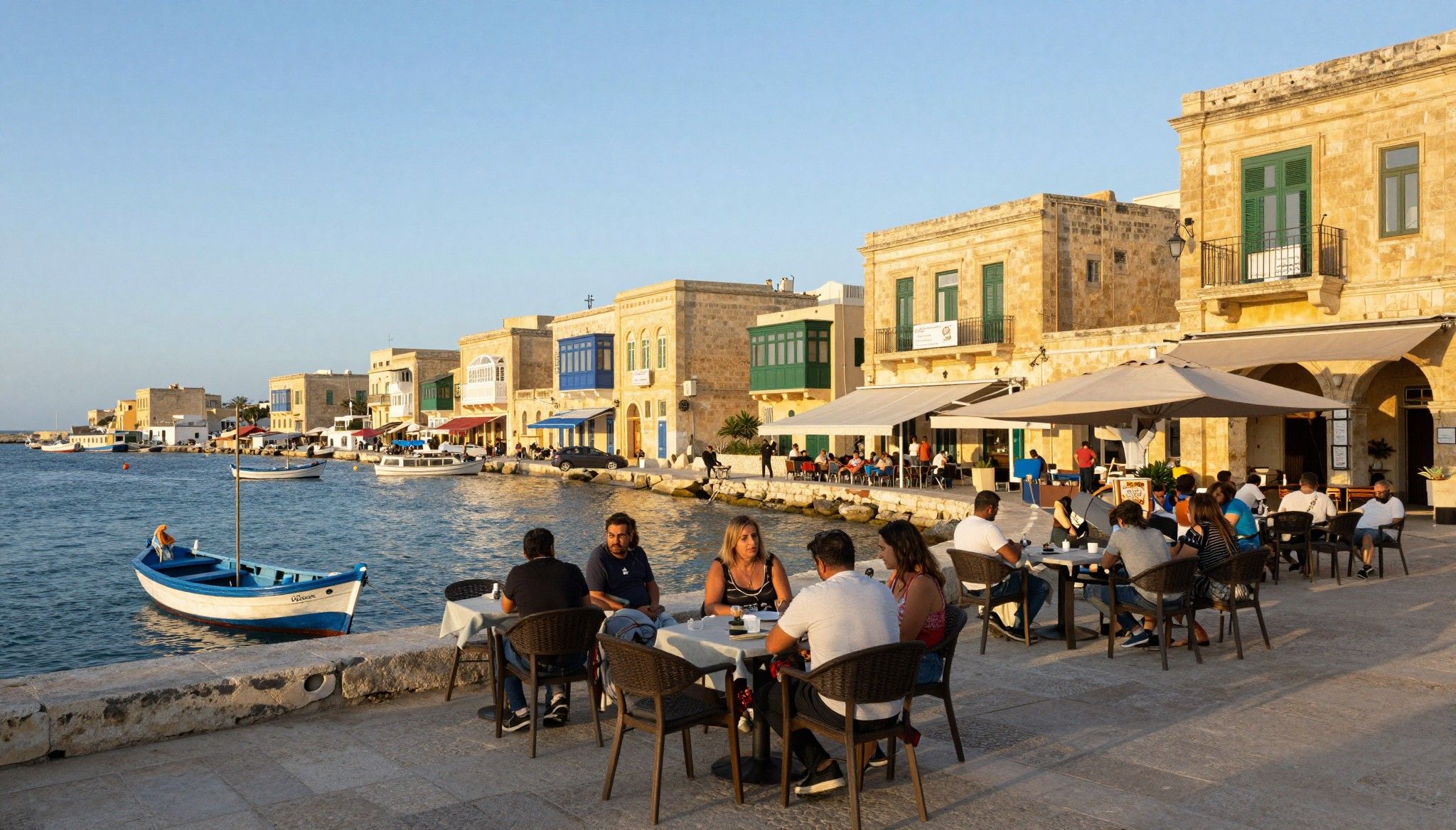
Parikia and Mykonos town are the postcard — full of sunshine, crowds and premium pricing in high season. Take a short ferry or drive and you hit quieter harbours where fishermen still set out at dawn and property prices soften. Building permits and local regeneration in secondary ports have increased, which means renovated homes and local cafés are spreading beyond classic hotspots. If you crave morning bread from a family bakery and an afternoon nap without the crowds, look where the ferries stop less often.
- Market-savvy lifestyle highlights
- Morning espresso in Kolonaki, then a tram to Glyfada’s shoreline cafés — great lifestyle, variable price corridors.
- Sunday fish markets in Piraeus followed by an hour in a quiet suburb: lifestyle plus more accessible prices.
- Renovated neoclassical homes on the outskirts of Chania and Patras offer the island feel without extreme premiums.
Making the move: practical considerations that keep the life you want

Dreaming of a terrace with sea views turns into paperwork the moment you sign a contract. Law changes to the residency-by-investment rules in 2024 mean some islands and Attica now require higher investment thresholds. That’s crucial: lifestyle choices (island sun, city culture) intersect with legal thresholds and local rules. Work with agents who know municipal registries, island zoning and recent Golden Visa amendments — they’ll steer you toward neighbourhoods where the lifestyle promise matches legal reality.
Property types that fit how you’ll actually live
A stone-built island house with thick walls keeps cool in summer but can need more upkeep; a modern apartment in Thessaloniki offers better insulation and lower maintenance. If you plan long stays, prioritise heating, storage and water pressure — practical features that determine everyday comfort more than sea views. Consider terraces and courtyards for social life; they’re where mornings stretch into long lunches and friends pop by without fuss.
Working with local experts who know both life and law
A good local agent will tell you which streets get the afternoon breeze, where ferries run less often, and which blocks are slated for renovation — plus who at the town hall to talk to about permits. Ask for examples: recent transactions in the block, municipal plans and utility checks. Agencies that combine lifestyle curation with due diligence help you buy a home that works from day one, not just a postcard you’ll love in July.
- Steps to match lifestyle with legal reality
- Check recent price movement for the micro-area (Bank of Greece indices) to understand real supply pressure.
- Review building permits and local plans to know if your quiet lane is about to become a new marina hub.
- Confirm residency-by-investment eligibility early if immigration status is part of your plan — thresholds vary by region.
Insider knowledge: expat realities and surprising trade-offs
Expats often imagine a slow life of sun and mezze. The reality: seasonal rhythms shape local services. Many shops close in late August in small islands; municipal services can slow in winter. But that rhythm is part of the charm — and a source of value. Buying slightly off the beaten path can mean better pricing and a richer everyday life with real neighbours, rather than a summer rental economy.
Language, community and daily integration
You don’t need perfect Greek to live well here, but learning basic phrases opens doors. Join a local taverna’s regulars, volunteer at a weekend market or bring pastries to a coffee shop — small gestures create local networks. Expat clusters exist in places like Corfu, Chania and parts of Athens, but the richest connections often come from living where locals live rather than in gated expat enclaves.
Long-term lifestyle: how the place grows with you
Markets evolve: coastal hamlets become weekend magnets, restored raki distilleries turn into bakeries, and commuter links reshape suburbs. Think five years ahead: will your street gain a ferry stop, or lose a bakery? Good agents flag these changes. Balance immediate pleasures — a bay for morning swims — with long-term factors like infrastructure and local planning.
- Practical red flags we’ve seen in the field
- Properties advertised as "sea view" where the road and a row of houses actually block the horizon — always view from the terrace at different times of day.
- Short‑term rental restrictions on some islands and recent Golden Visa conditions that prohibit ultra-short lets — check local rules before banking on rental income.
- Unclear property history or missing permits on older stone houses — insist on clear title and certified renovation approvals.
- How we recommend you proceed (practical next steps)
- Shortlist 3 micro-areas that match the life you want and check recent price movements (use Bank of Greece or local listing portals).
- Talk to a local immigration lawyer early if residency is a factor — thresholds and permitted uses differ by region.
- Request municipal searches and recent permit history to avoid unwelcome surprises in renovation or use.
Greece is sensual, noisy, slow and unexpectedly efficient in places. The trick for international buyers is simple: buy where the life you want actually happens, not where the brochure tells you it does. That often means choosing a less obvious harbour, a regenerating quarter, or a suburban street with a weekday market. Work with agents who live the rhythm, lawyers who read local registers daily, and planners who can point to municipal changes — that combination turns longing into a comfortable, well-informed new life.
Norwegian market analyst who serves Nordic buyers with transparent pricing and risk assessment. Specializes in residency rules and tax implications.