Why Limassol’s Marina Hype Masks Neighbourhood Value
Look beyond Limassol’s marina glamour: Cyprus’s real value hides in walkable streets, rental diversity and rigorous title checks — use local data and lawyers to turn lifestyle into ownership.
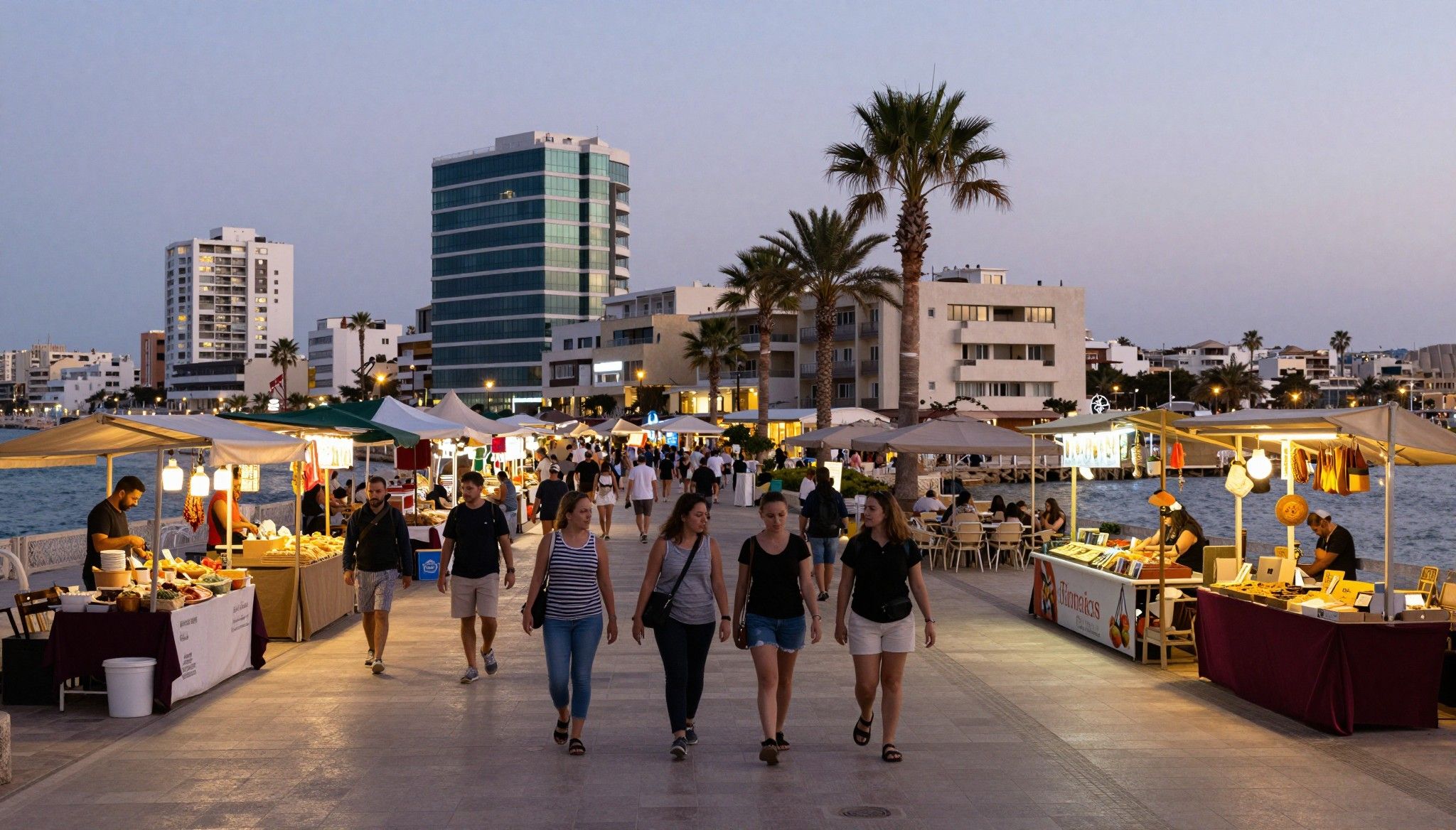
Imagine sipping espresso at a sun-splashed table on Limassol’s Molos promenade, then walking five minutes to a neighbourhood where old stone houses sit beside new glass-fronted apartments. Cyprus smells like orange blossom in spring, sounds like sea and church bells, and keeps a surprising economy of small neighbourhood habits beneath the holiday headlines. For an international buyer, that contrast — postcard glamour versus everyday life — is where opportunity and risk both live.
Living Cyprus: the daily scene that sells the dream
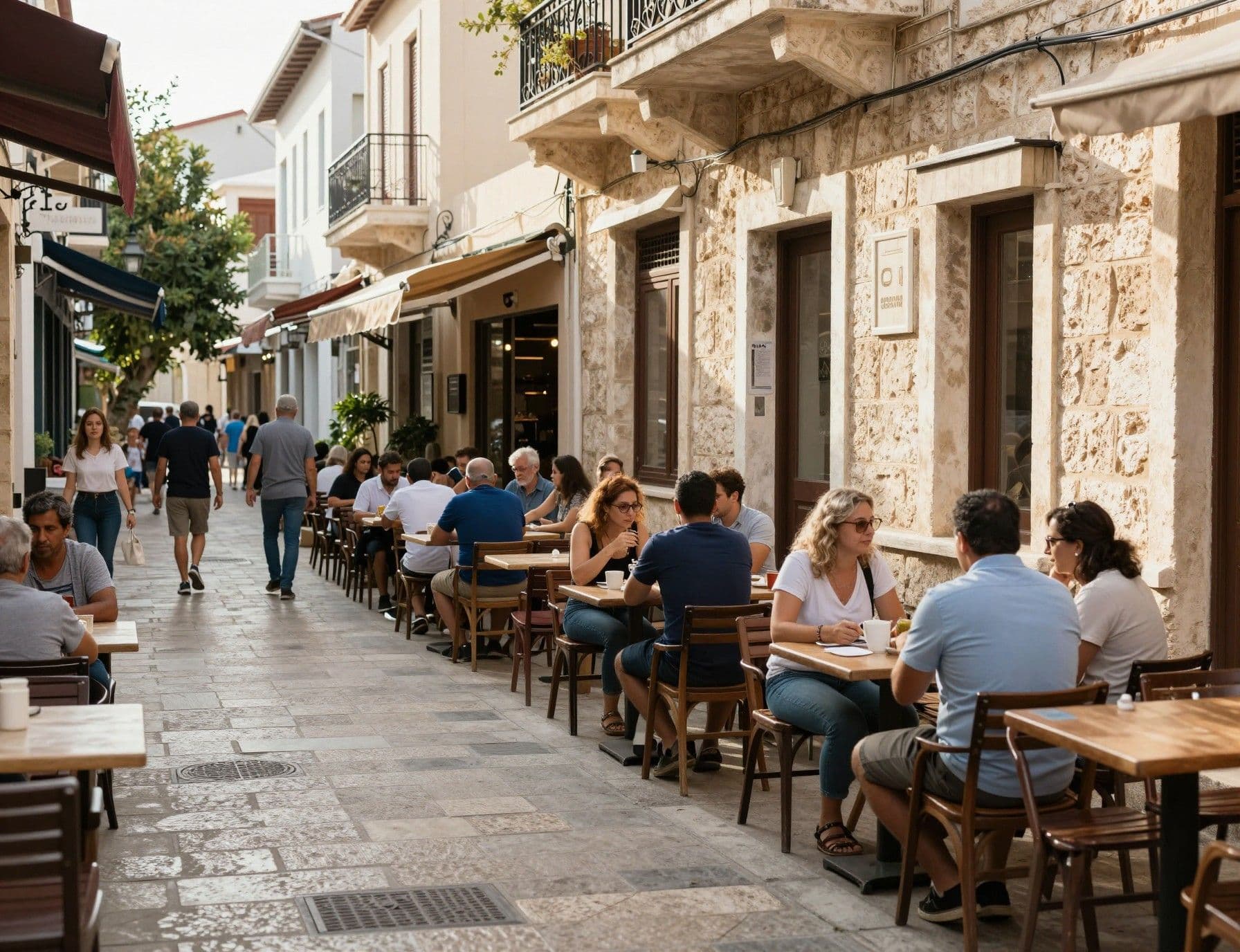
Cyprus is not one voice but many. Limassol pulses with waterfront cafés, Paphos keeps a quieter garden-park rhythm, Nicosia hums with bureaucratic routine and Larnaca offers the easiest airport access for weekend escapes. The island’s climate — mild, long summers and short, soft winters — shapes life: terraces become rooms, siestas are replaced by late-evening promenades, and locals schedule around market days more than mall openings.
Limassol corners: Marina gloss vs side‑street life
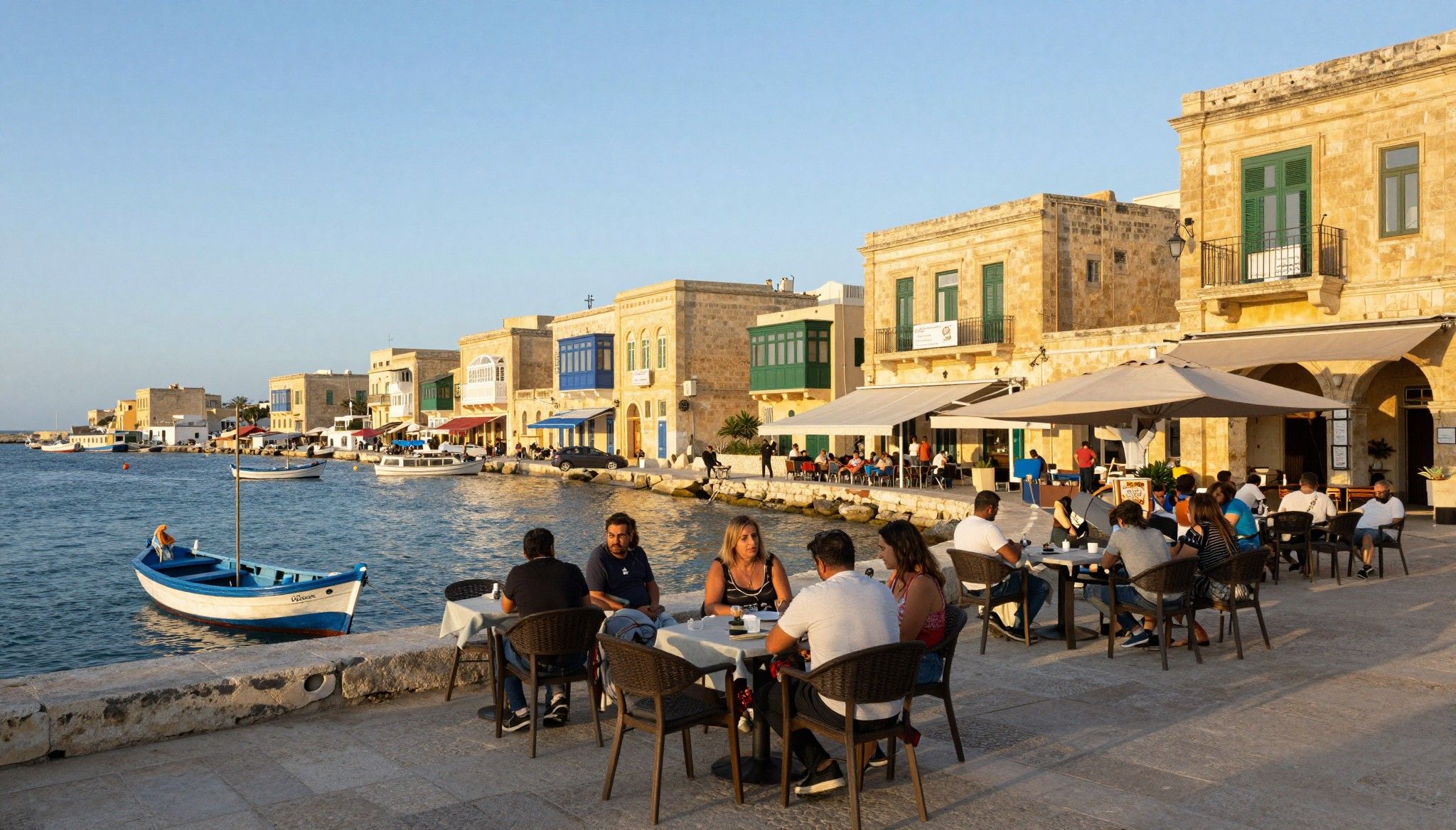
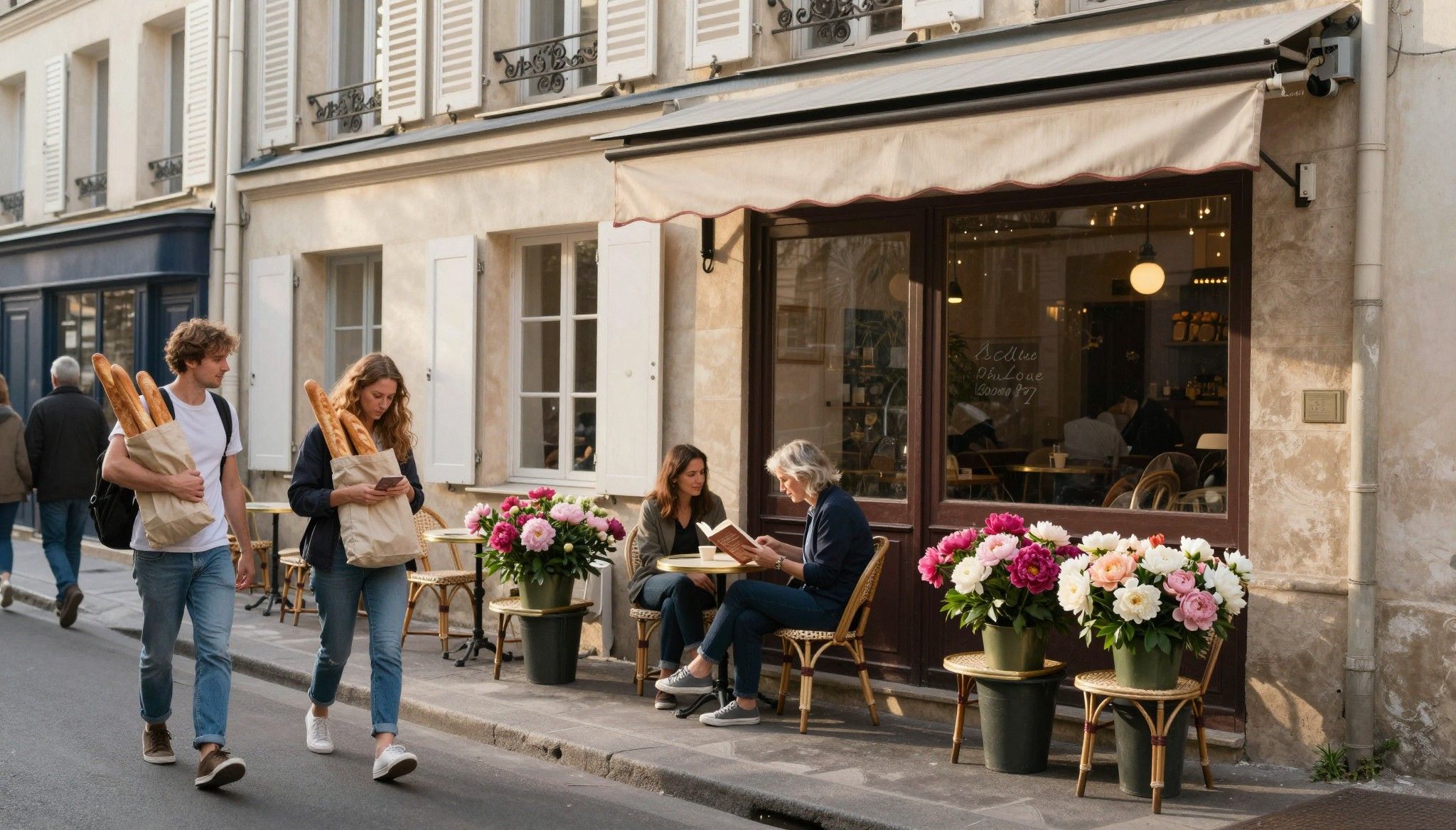
Yes, Limassol Marina is photogenic — yachts, cafés and high-rise living — but the real day-to-day living that sustains neighbourhoods happens on streets like Anexartisias and in pockets such as Ayios Nicolaos and Neapolis. Here you'll find family bakeries, weekday squares filled with parents and playgrounds, and rental demand from professionals who work in town rather than just short-term holiday lets.
Paphos and Larnaca: quieter value with community texture
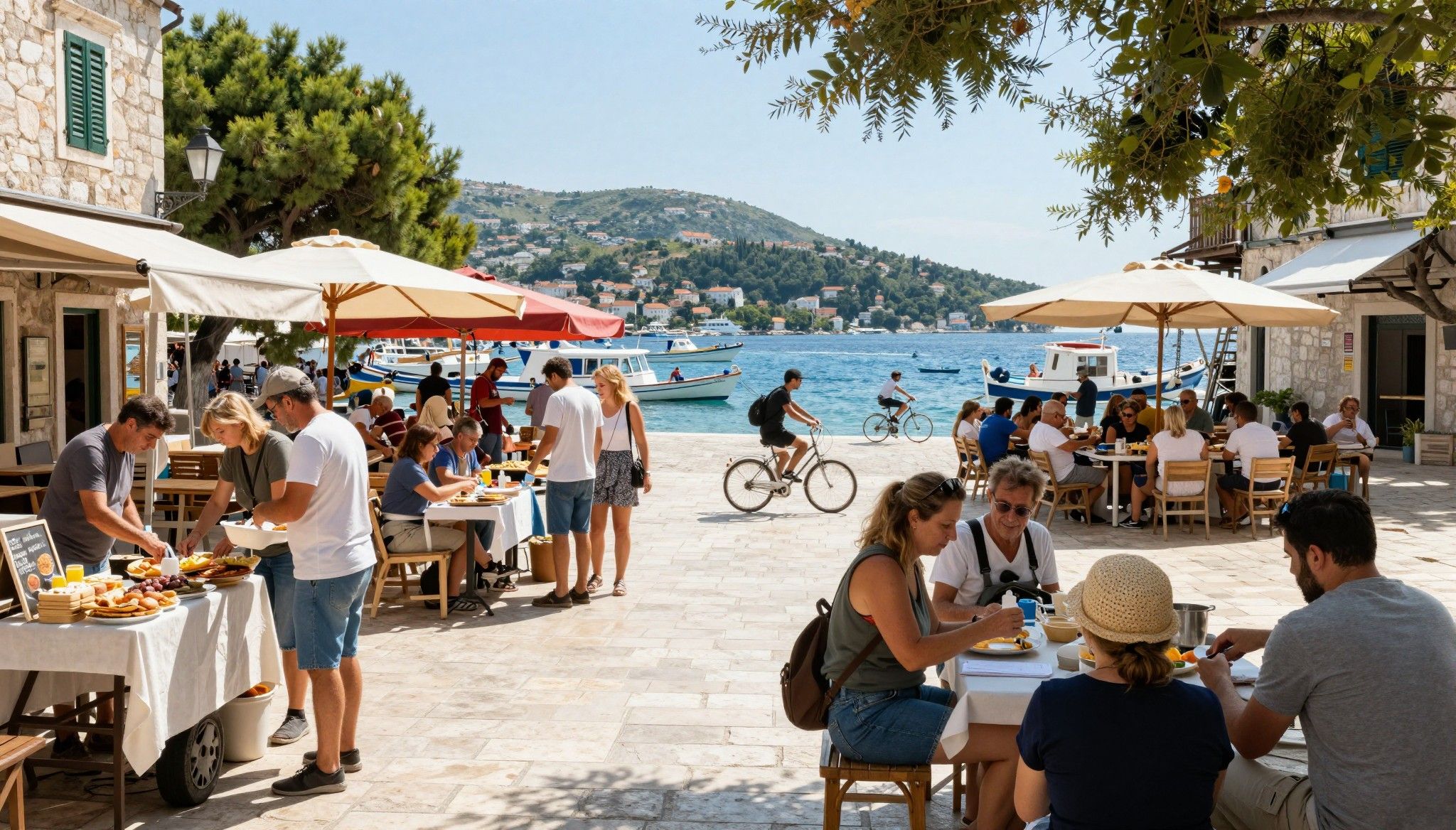
Paphos’s harbour and old town keep a small‑city tempo, where narrow streets and local tavernas matter more than glossy facades. Larnaca’s Finikoudes promenade and residential quarters like Mackenzie balance airport convenience with a growing café culture. For buyers seeking lower headline prices and steadier rentals to locals and long‑stayers, these are the places many international search engines underplay.
- Lifestyle highlights to sample in person:
- Morning espresso at To Souvlaki in Old Nicosia; late breakfasts at Molos, Limassol.
- Sunday market at Paphos municipal market for cheeses, halloumi and citrus.
Making the move: where lifestyle meets the legal file
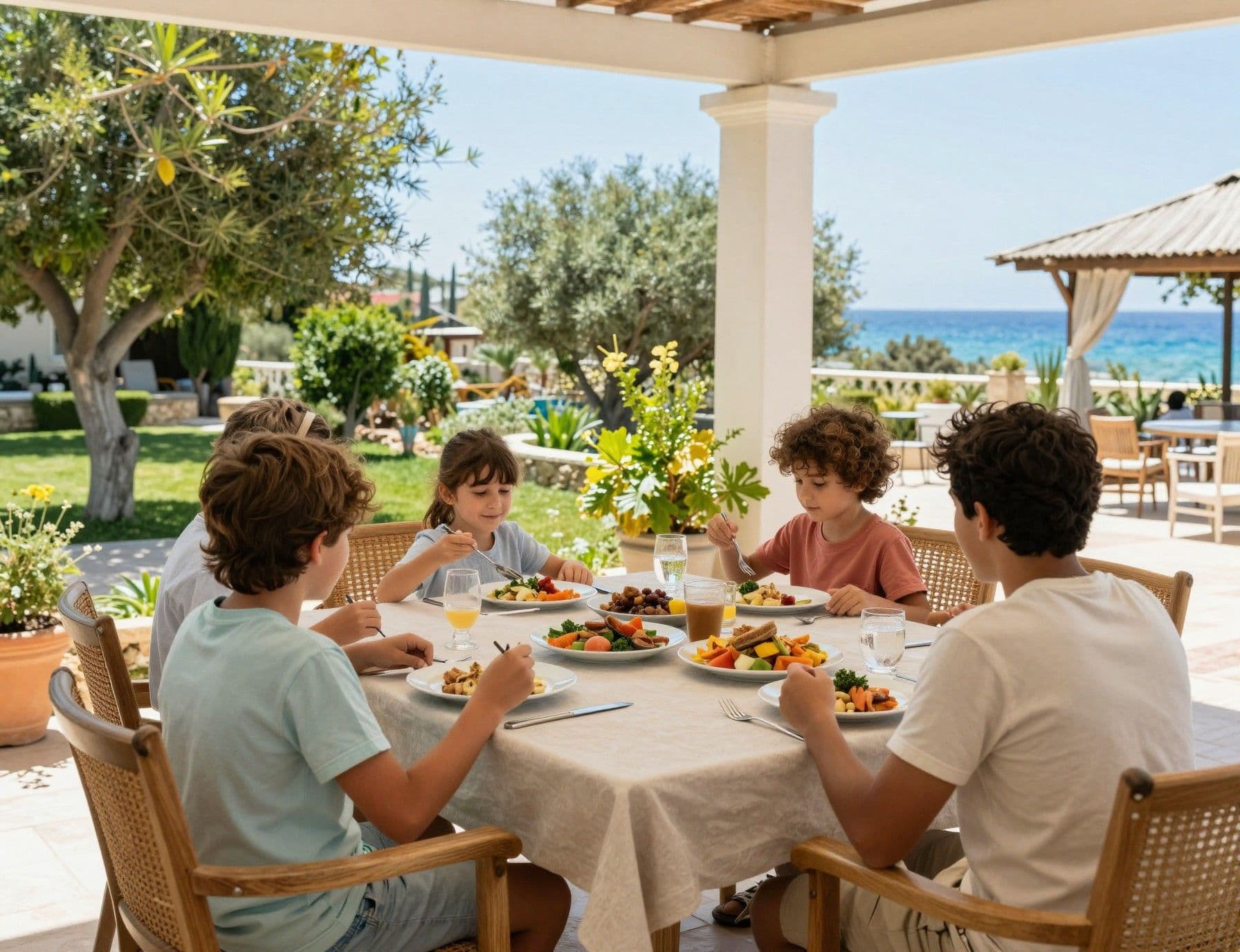
Falling in love with a street is the easy part; the file is where many buyers stumble. Cyprus’s property market is data-driven in ways you might not expect — Central Bank indices show house and apartment prices moving differently across districts, and official transfer and registration steps (handled by the Department of Lands and Surveys) are where ownership gets truly secure. Treat the lifestyle as your compass and the legal checks as your seatbelt.
Property styles that match how you'll live
Stone village houses in Troodos give you gardens and quiet winters; Limassol apartments give proximity and rental demand; Paphos villas offer space and family gardens. Match building type to rhythm: if you want café culture, prioritise compact units in walkable centres; if you want a garden, accept distance from the marina.
How local experts bridge dream and document
A local notary, surveyor and lawyer are non-negotiable; a good agent points you to neighbourhoods that match life, not headlines. Specialists help check title deeds, outstanding charges, and whether a property is VAT-exempt new build (which affects transfer fees). Use reputable firms who provide full dossiers — not glossy brochures — and ask for recent sales comparables in the exact street, not just the district.
- Practical steps to blend lifestyle and legal sense:
- Commission a title search and copy of the title deed before any deposit.
- Ask for a neighbourhood rental study if you plan to let — check seasonality and long‑stay demand.
- Verify whether the sale is a VATable new build or a second‑hand transfer (affects transfer fees).
Insider knowledge: what expats wish they'd known
Expats often tell us their biggest surprise was how neighborhood micro-culture matters — chosen streets determine social life far more than city names. Also: price headlines can hide sharply different local dynamics. Central Bank indices show apartments rising faster than houses in recent quarters, which changes where value sits depending on whether you want a terrace or a garden. Know which trend matters to your plan.
Language, customs and everyday integration
English is widely understood in business and real estate, but learning basic Greek opens doors: neighbourhood cafes, municipal services, and local tradespeople respond differently when you show local effort. Expect slower administrative timelines than in northern Europe; patience is part of the rhythm here, and planning around it saves frustration.
Long-term lifestyle realities and market durability
Cyprus’s recent price growth has been steady but uneven: coastal cities show different dynamics to inland towns. If you care about long-term sustainability, prioritise neighbourhoods with diverse local demand (schools, hospitals, permanent jobs) rather than those driven purely by short-term tourism. That diversity is the best hedge against seasonal drops and headline volatility.
- Red flags to spot on a viewing:
- No clear title deed or a long, unexplained chain of ownership.
- Unusually high asking price compared with recent sales on the same street.
- Seller asks for large deposits without a documented conditional contract.
Conclusion: Cyprus rewards patient, place‑centered buyers. Start with the life you genuinely want — named streets, cafés, schools — then insist on the paperwork that turns that life into ownership. Work with agents and advisers who treat lifestyle as a requirement and the legal file as the deliverable. If you do both well, Cyprus becomes less a speculative headline and more the daily life you imagined.
Norwegian market analyst who serves Nordic buyers with transparent pricing and risk assessment. Specializes in residency rules and tax implications.