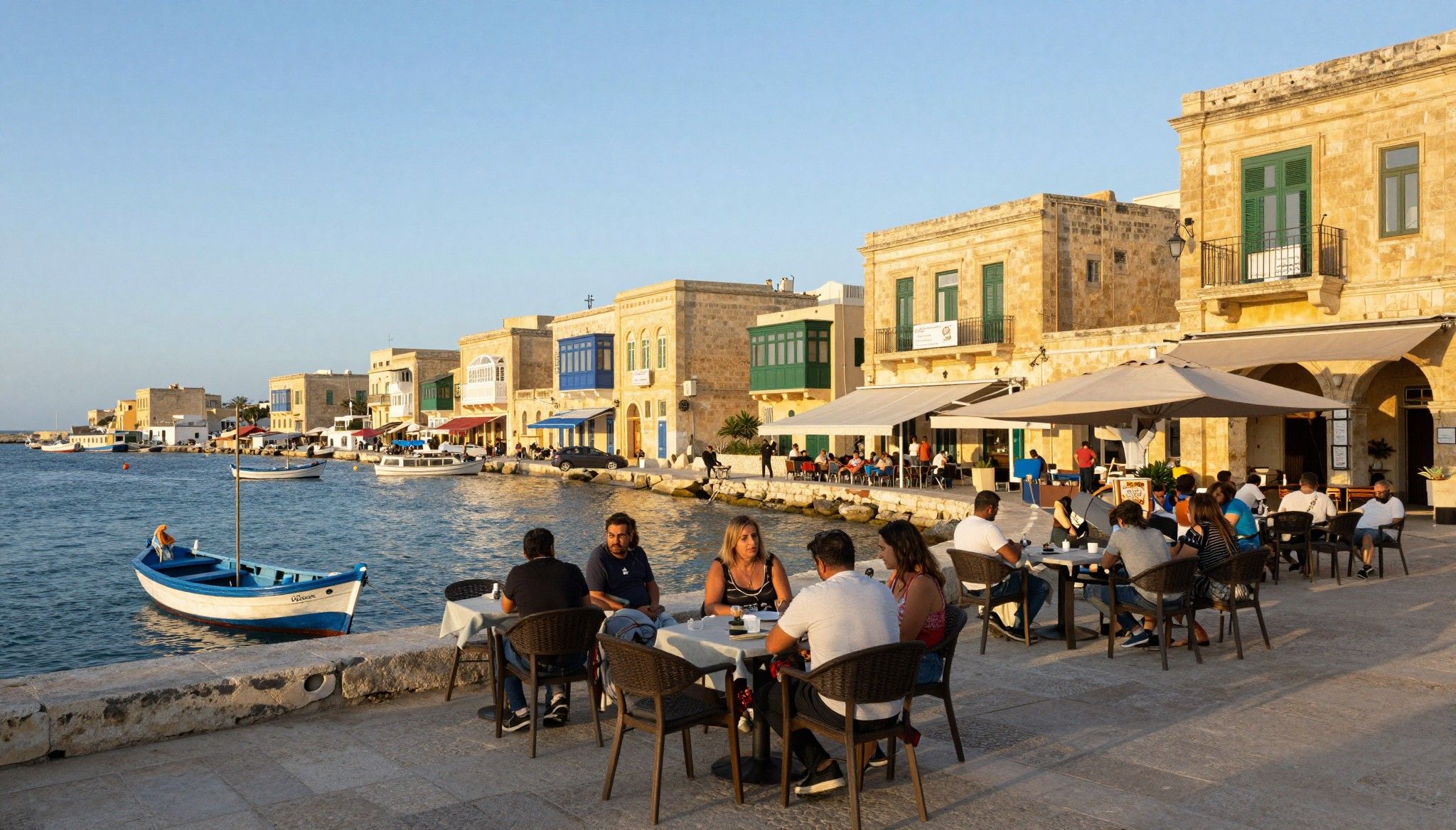
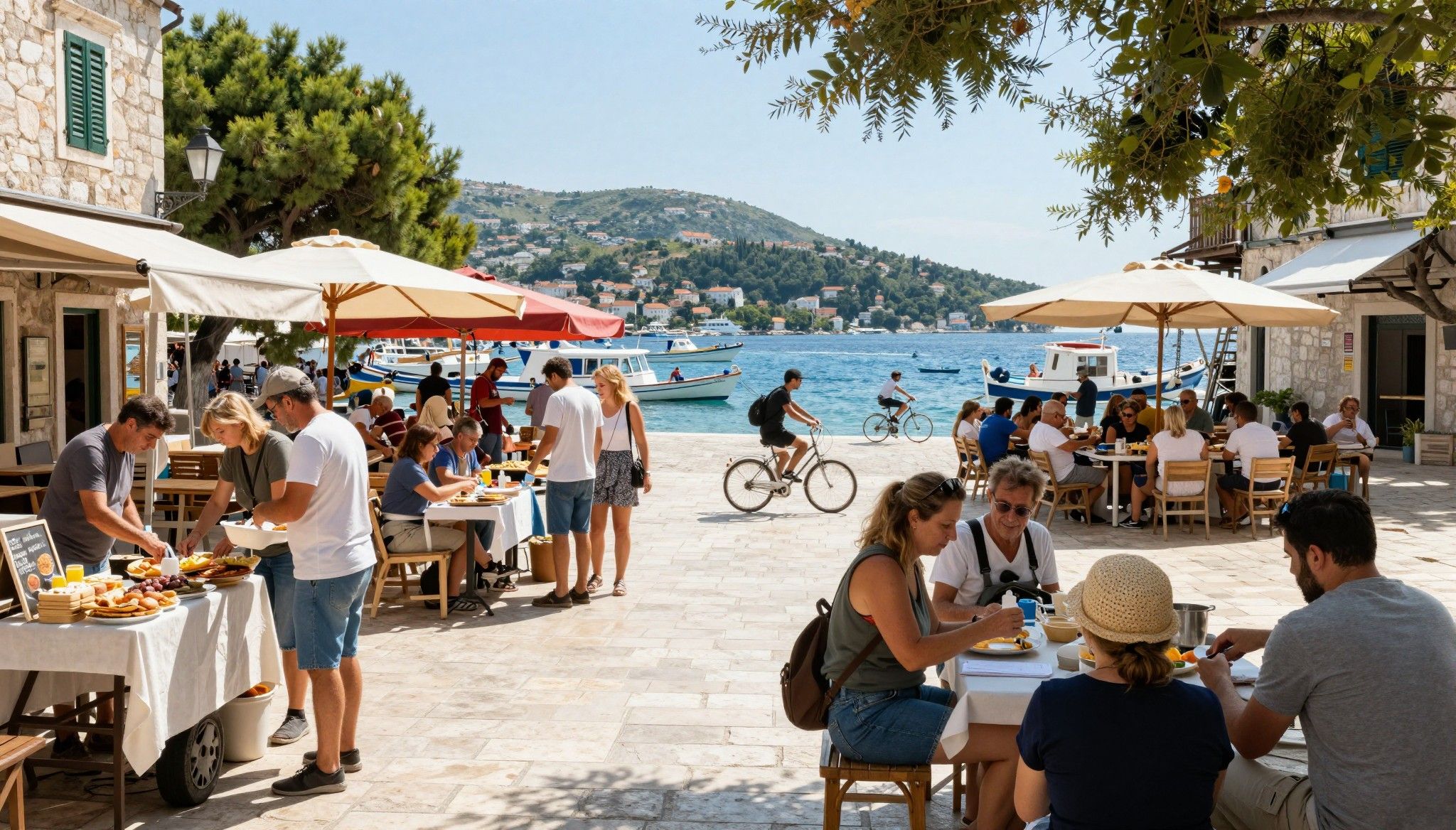
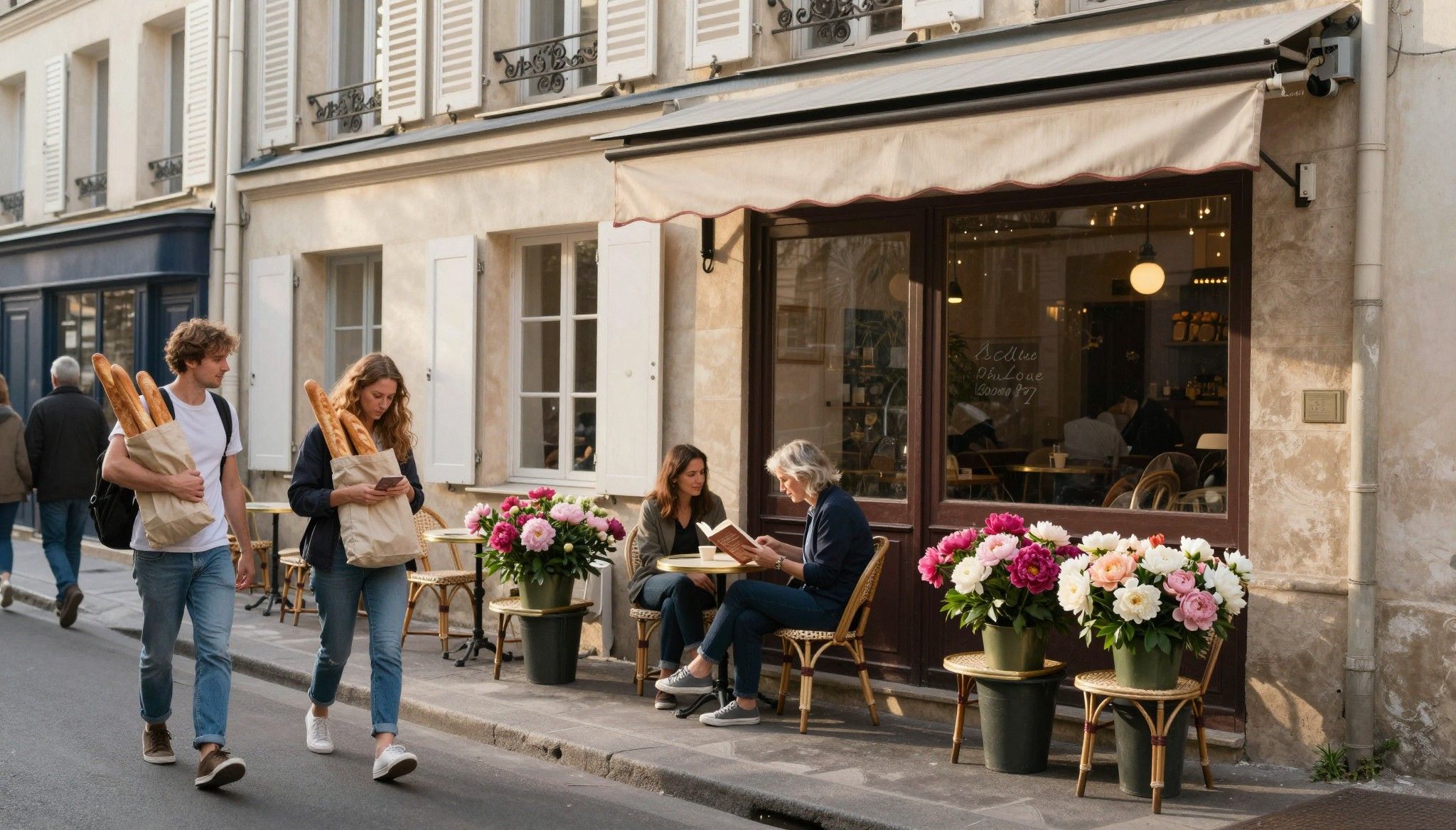
Imagine stepping out at 9am for espresso on a sun-dappled Plaka lane, then trading the ruins-for-postcard hour for an afternoon of neighborhood markets and sea air. In Greece, the daily rhythm—slow coffee, a late lunch, evening promenades—shapes what “home” feels like. For international buyers dreaming of that life, the question isn’t only which island or city to love, but which neighbourhood will support the life you want. We’ll show you the lived-in Greece (streets, cafés, markets) and pair it with the pragmatic signals that matter when you buy.
Living the Greek urban life
Greece’s cities feel like collections of villages stitched together. Athens has tucked-away squares, Thessaloniki’s waterfront is a daily ritual, and smaller urban centres (Heraklion, Patras, Chania) centre life around markets and cafés. Expect narrow streets, buildings with gracious balconies, and neighbours who still greet one another. That texture matters: you’re buying into a daily pattern—where you get groceries, where you take your evening walk—and that pattern determines what property type will actually fit your life.
Athens: pockets that feel like towns
Walkable central districts—Plaka, Koukaki, Makrygianni and Kolonaki—deliver different daily lives. Koukaki is intimate and residential with Friday markets and cafés that spill into pedestrian streets; Kolonaki is formal, café-lined, and better for buyers who want curated shops and quick access to Lycabettus Hill. We recommend visiting each at different times: morning market, midday café, after-work passeggiata—those rhythms reveal if a neighbourhood fits you.
Thessaloniki and second cities: sea-fresh routines
Thessaloniki’s Ladadika serves nightlife and tavernas, while Ano Poli (Upper Town) feels like a village with cobbled alleys and postcard views. In smaller urban hubs—Chania, Heraklion, Kalamata—you’ll find that daily life orbits the market and the sea rather than a single central square. For buyers, this means proximity to the waterfront or the weekly market can be more important than a headline neighbourhood name.
Lifestyle highlights to look for in urban Greece:
Daily pedestrian promenades (paralia) and waterfront cafés that activate evenings;
Weekly municipal markets (laiki) within a 10–15 minute walk for fresh produce;
A mix of small family-run shops and modern services (pharmacy, dry-cleaner, baker) for day-to-day ease;
Making the move: lifestyle-first property choices
Translating lifestyle into walls and balconies means matching property form to life rhythms. The Bank of Greece shows Greece’s house price index has been rising in recent years, but growth varies heavily between islands, Athens suburbs and secondary cities. That divergence is good news: you can target authentic neighbourhood life without overpaying for hype—if you understand the local micro-market.
Property types and the life they enable
City apartments with terraces let you join the street life—coffee downstairs, balcony dinners at sunset—while maisonettes and small houses in suburbs (Kifisia, Palaio Psychiko in Athens) give garden space and room for guests. On islands, older stone houses anchor you to a village square; newer developments favour indoor-outdoor flow and storage for seasonal living. Choose the type that supports how often you’ll host, commute, and cook local produce.
Working with local experts who know the rhythm
Local agents and lawyers do more than lists and contracts here; they read neighbourhood life. Good agencies will show you morning routes to the market, explain waste-collection days, and flag local building quirks like inner courtyards that shade summer terraces. We advise prioritising agencies with verified local track records and clear references from buyers who moved for lifestyle reasons, not only price.
Steps that blend lifestyle and process when buying in Greece:
Visit the neighbourhood at different times of day and week to test rhythms (market day, weekday morning, weekend evening);
Ask agencies to map daily services (market, pharmacy, health clinic) and verify them in writing;
Confirm building common costs, heating/cooling seasonality, and balcony orientation for afternoon sun;
Request recent comparable sales in the exact street (not the wider area) and obtain a stamped local valuation;
Insider knowledge: what expats wish they’d known
Some surprises are charming; others are costly. Expats tell us they underestimated the importance of balcony size (you’ll live on it), seasonal storage for island life, and the social value of knowing your local kafeneio owner. They also note that price lists can mask local premiums: two streets apart, and a property can trade at noticeably different levels because of a view, a market, or proximity to a reliable ferry.
Cultural integration and practical dailyities
Learning basic Greek phrases opens doors: shopkeepers, cleaners and neighbours respond to effort. Community life often happens in small ways—invites to local festivals, volunteer beach clean-ups, or club nights at the municipal theatre. For families, proximity to an international school is useful in larger cities, but in smaller towns, integration into local schools and activities accelerates belonging.
Long-term lifestyle trade-offs
Think five years ahead: will you want more guests, more storage, or easier winter heating? Islands that feel perfect in July can feel isolating in January unless you plan for off-season access and services. Urban buyers often trade a larger footprint for walkability and community; that trade-off is usually worth it if your daily life values cafés, markets and short commutes.
Red flags we watch for (practical, not dramatic):
No clear record of recent comparable sales on the same block;
Vague or deferred statements about building common expenses and roof repairs;
Unverified claims about rental income on islands during low season;
Limited daylight on terraces (orientation issues) that undermine the outdoor life Greeks prize.
We’ve paired lifestyle and real signals so you can fall for a street—and buy with your eyes open. Visit the market, count the neighbourhood cafés open at 10am, ask an agent to show you the garbage collection schedule (seriously), and request block-level sales. Those small checks separate a dreamy weekend from a lived-in home.
When you’re ready: arrange weekday and weekend visits, bring a local agent who understands life rhythms, and ask for written comparables for the exact street. If you want, we can introduce you to vetted Athens and Thessaloniki agencies who specialise in lifestyle matches—not just price lists. Fall in love with the life first; secure the file second.