Cyprus: Love the Life, Confirm the Title
Cyprus offers sunlit terraces and village life, but high foreign‑buyer activity and specific non‑EU rules demand careful title checks, permit confirmation and local expertise before you commit.
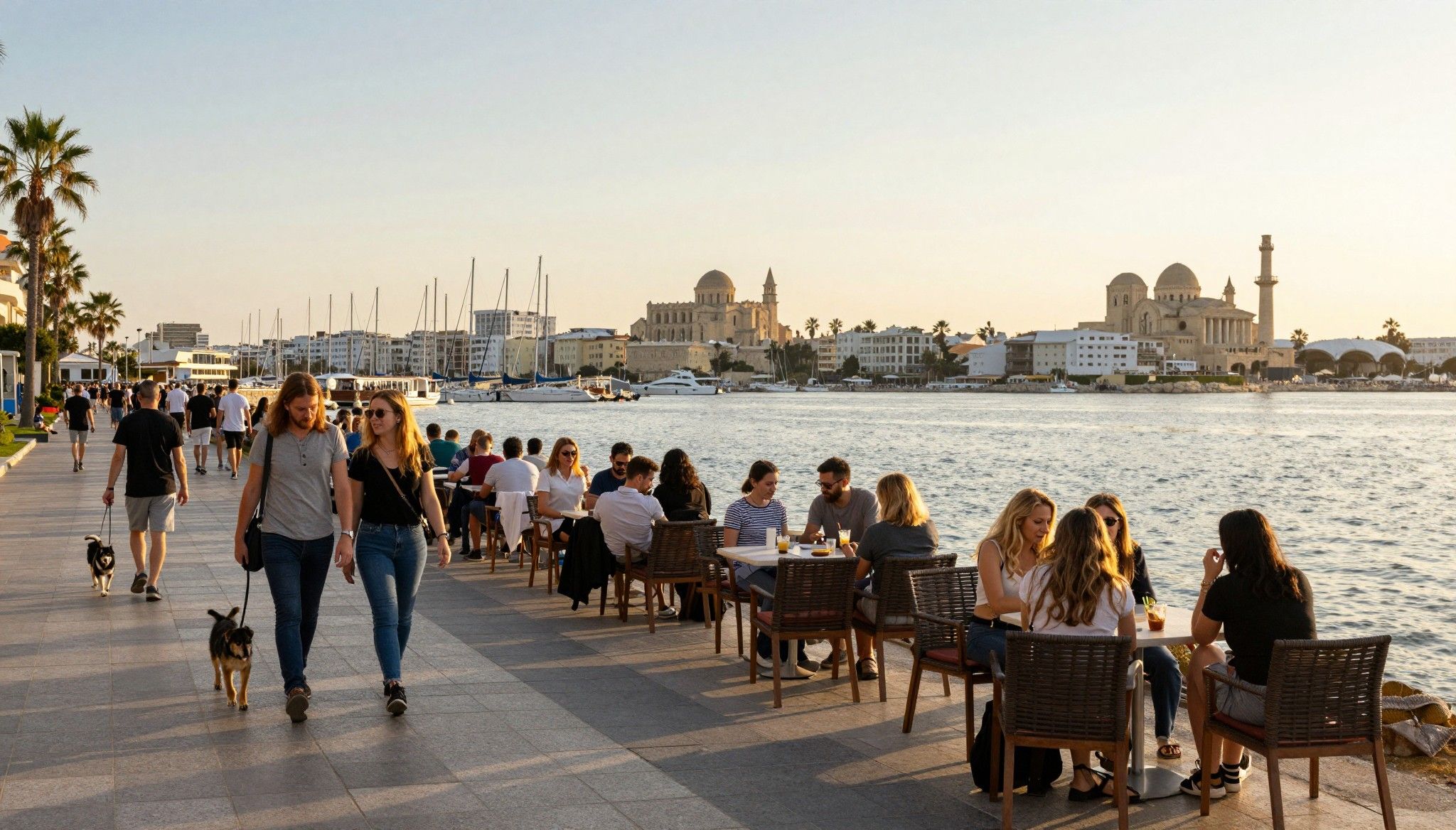
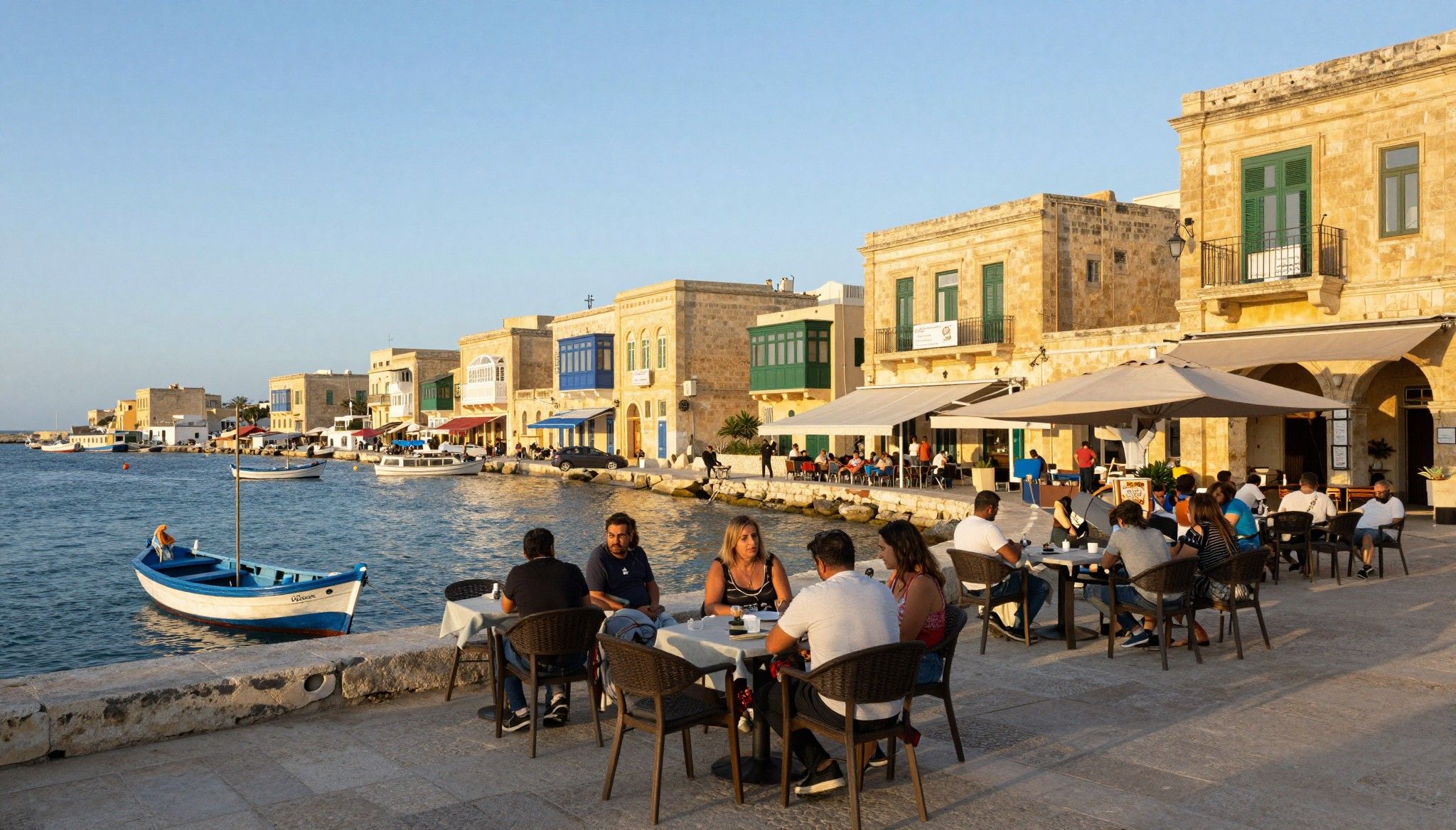
Imagine sipping an espresso on a shaded terrace in Limassol’s old port, the sea a slow ribbon of light, while a Greek conversation drifts from the next table. Cyprus feels small, immediate and endlessly livable — summers that push you outside, winters mild enough for year‑round routines, and neighbourhoods where locals know the shopkeepers by name. That sense of everyday belonging is why buyers fall in love with the island. But romantic mornings don’t pay for title deeds. This guide tells the honest story: where Cyprus’s lifestyle seduces and where market rules, foreign‑buyer limits and disclosure norms demand scrutiny.
Living the Cyprus life: sunlight, souvlaki and street life
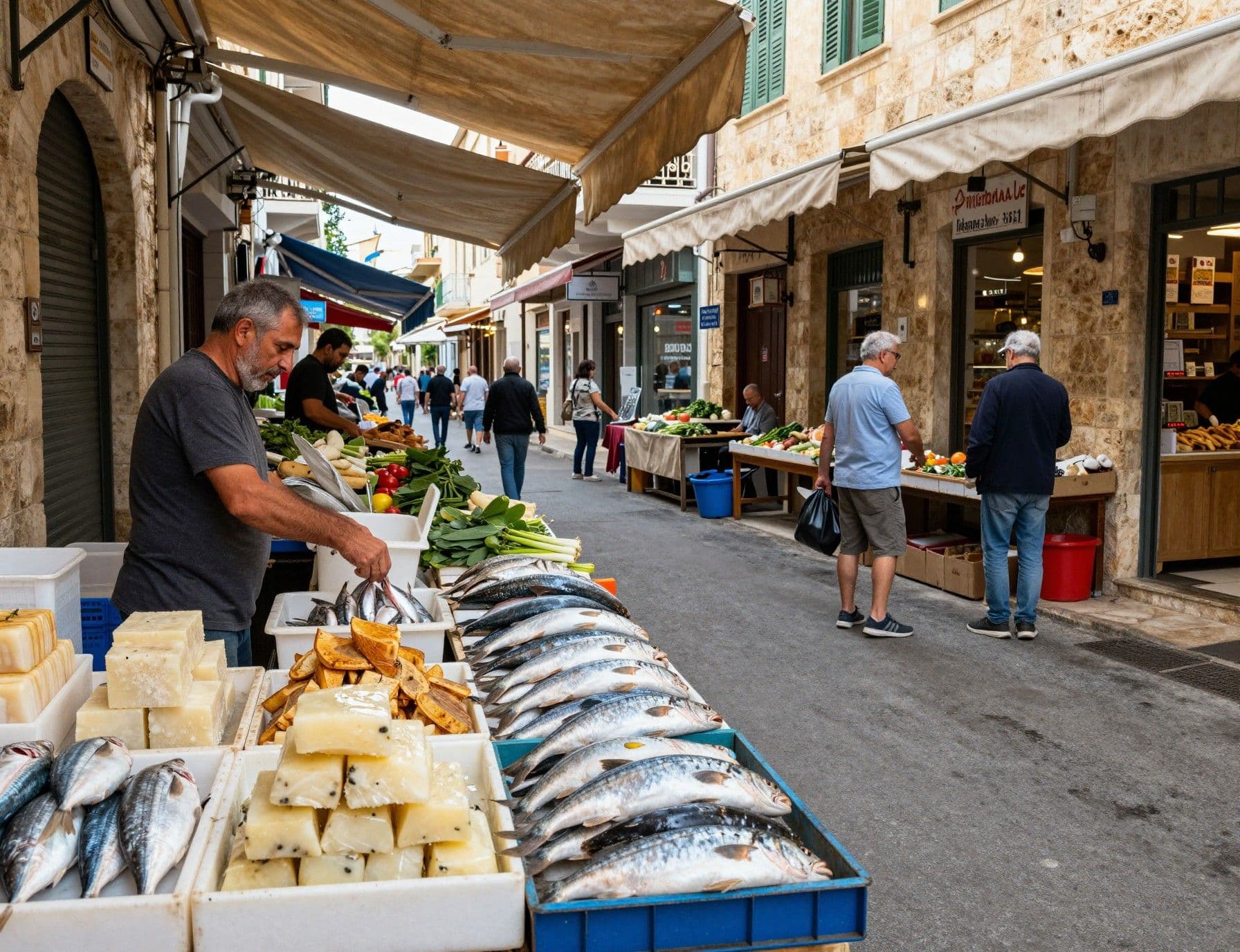
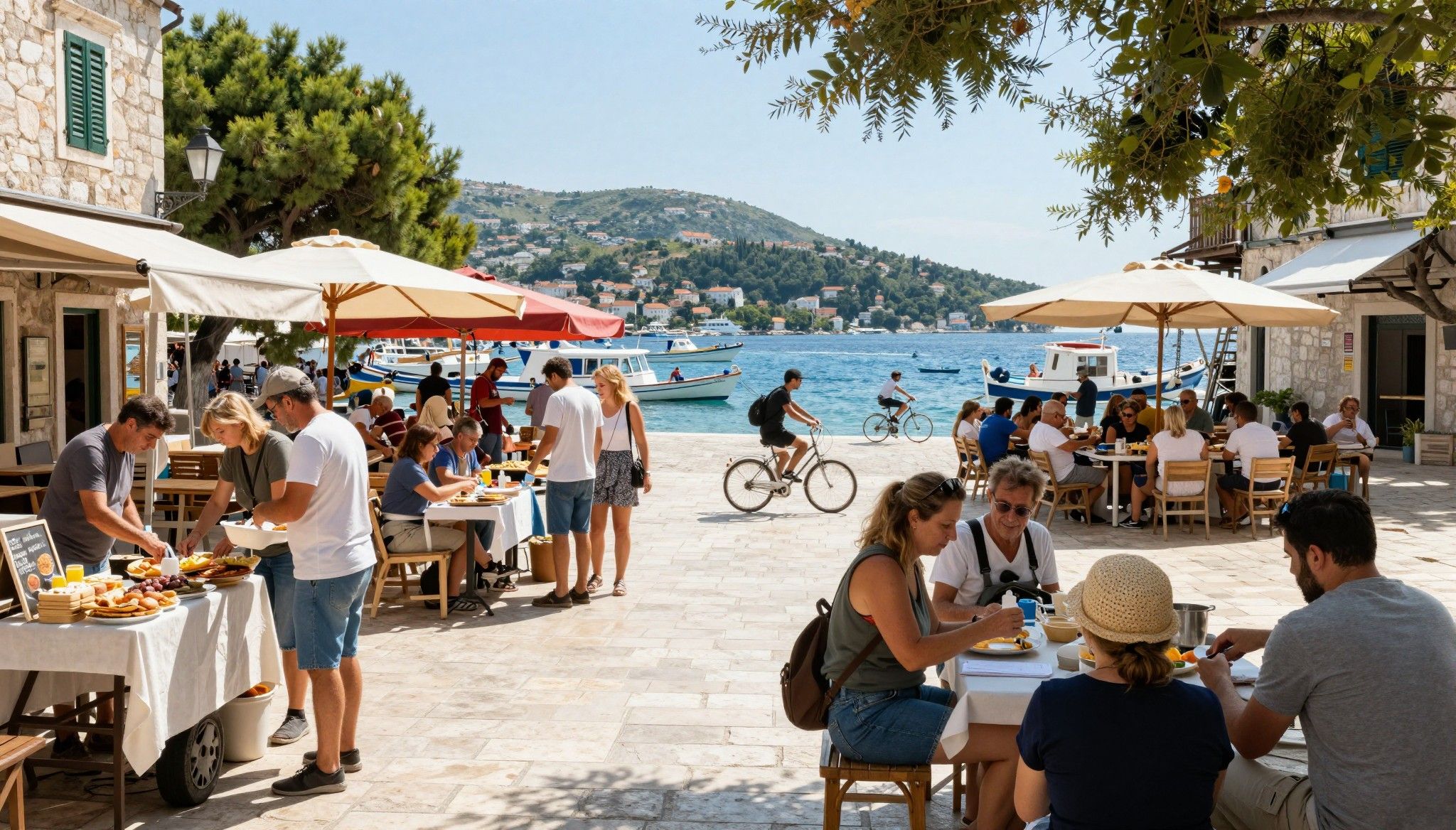
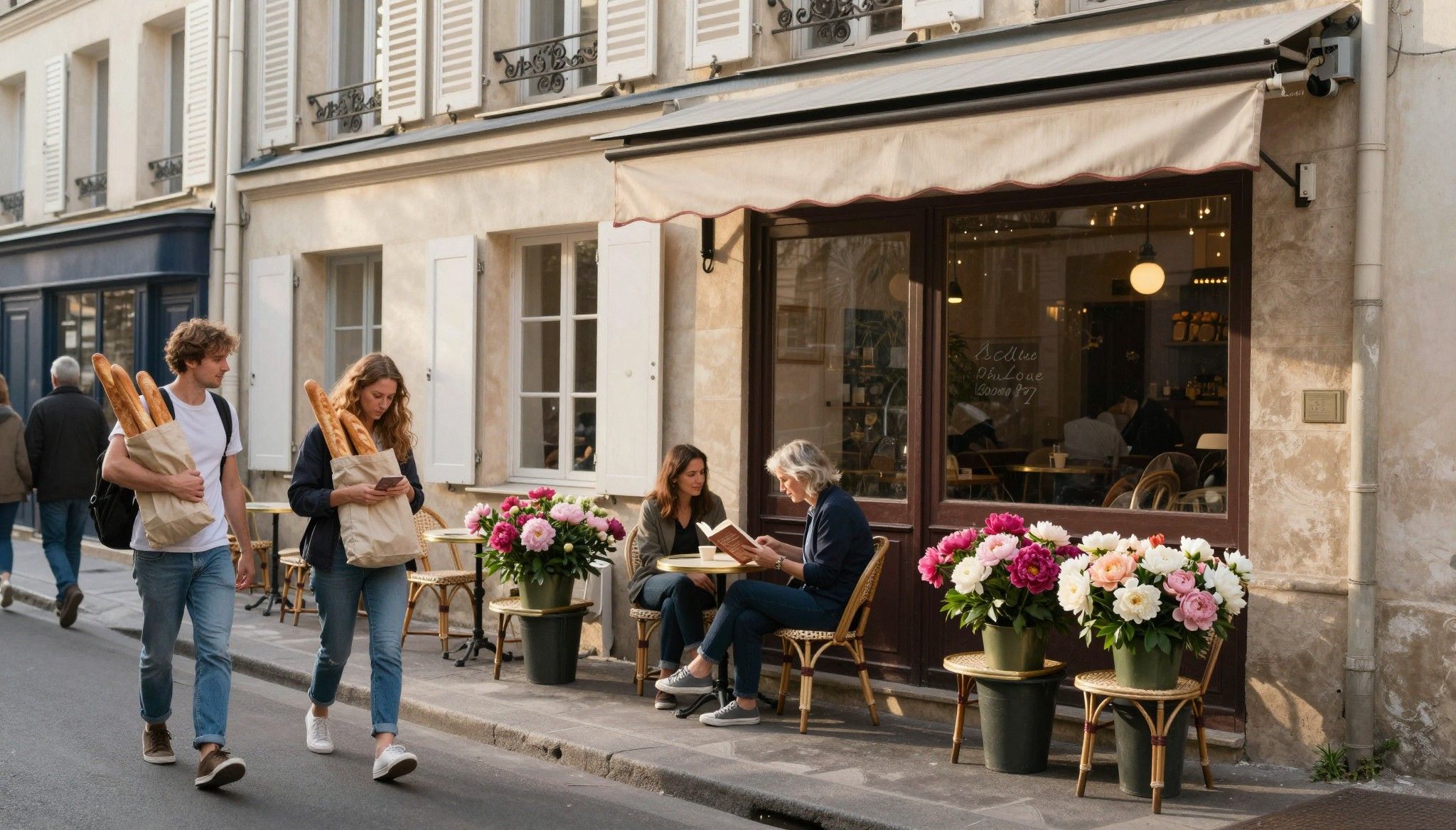
Cyprus moves at a warm, Mediterranean tempo. Weekdays start with cafes filling with people reading newspapers and end with families strolling the seafront. Coastal towns — Limassol, Paphos, Larnaca — have a daily rhythm of fishermen’s markets, beachfront promenades and tavernas that turn lively after 8pm. Inland, the Troodos foothills offer olive groves, cooler air and villages where the pace slows and community life centres on squares and church festivals.
Limassol & the marina: cosmopolitan pulse with island ease
Limassol is the island’s modern beat: boutique coffee shops on Anexartisias Street, evening promenades beside Molos park, and a mix of newly built apartments and restored townhouses near the old port. For buyers who want cafes, co‑working and an international social life within walking distance, the marina and old town deliver. Expect a mix of short‑term tourist demand and longer-term residents — that’s why understanding disclosure on rental licensing matters here.
Paphos & Larnaca: quieter coastlines, strong expat pockets
Paphos has a slower, picturesque coast and a growing community of long‑stay British and northern European residents. Larnaca mixes an easygoing beach culture with a surprising restaurant scene along Finikoudes. Both markets reward buyers seeking quieter seaside living and often offer better value than Limassol’s central pockets.
Taste & markets: try koupepia at the municipal market in Nicosia, fresh fish at Larnaca’s seafront and homemade halloumi at village festivals.
Making the move: how island life shapes property choices
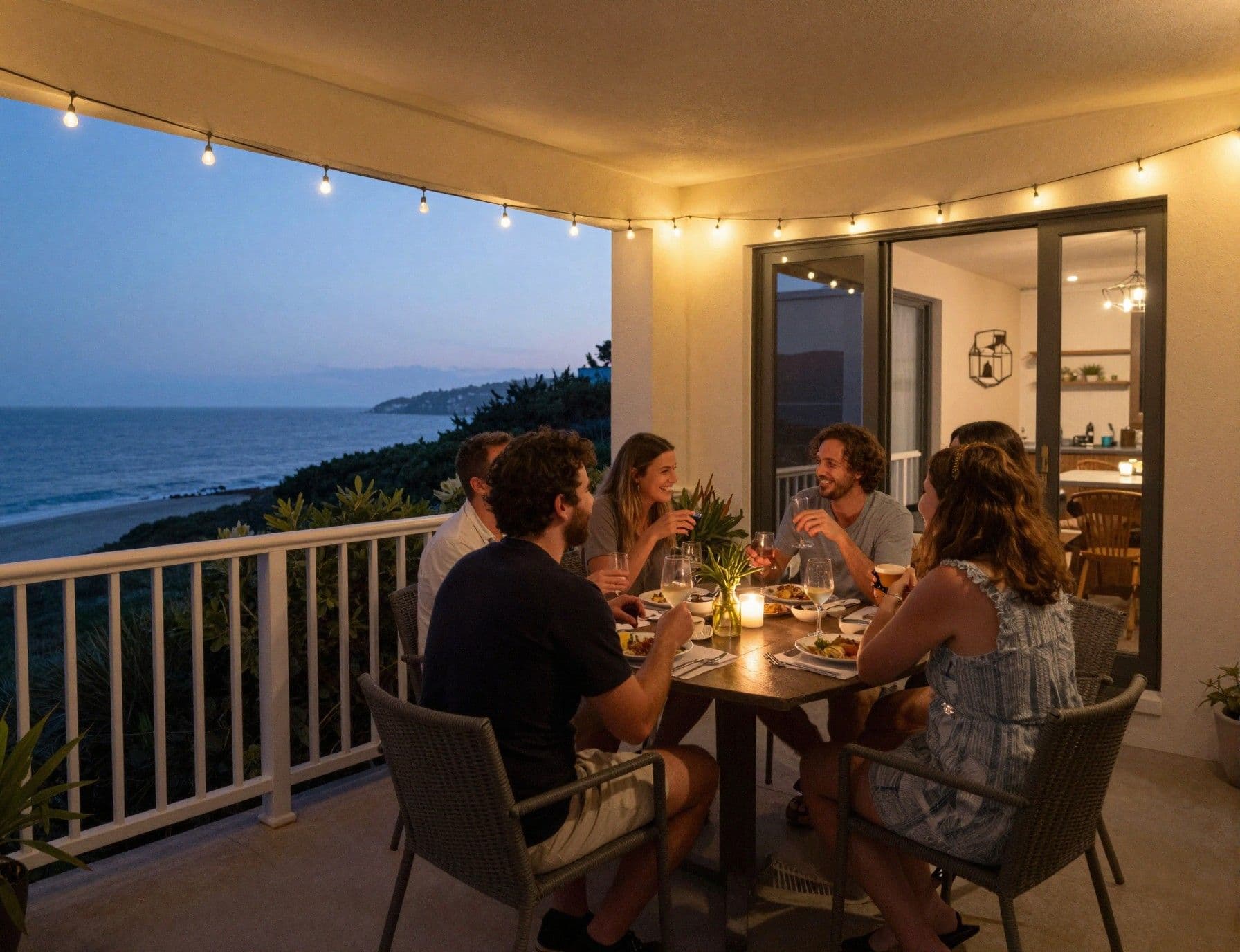
Dreaming and living are two conversations. Cyprus’s climate encourages indoor‑outdoor living — terraces, pergolas and balconies matter more than a second bathroom in many cases. But legal realities matter too: non‑EU buyers face specific limits and a permit process under Cyprus law that affects what and how you can buy.
Property types & real use: match form to daily life
If you want a life of morning markets and walkable cafés, pick a town centre apartment with a balcony. If you imagine weekend barbecues and a garden, look inland for villas near Paphos or the villages south of Limassol. New developments offer energy efficiency and pools, but older stone houses in villages give authentic character — and often require more maintenance than agents first admit.
How local experts protect the life you want
Work with a lawyer familiar with the Council of Ministers permit process for non‑EU buyers, an agent who knows which neighbourhoods have stable rental demand, and a notary or conveyancer who insists on title‑deed checks before you pay. A proper agent will show you the trade‑offs between a seaside terrace and a low‑maintenance apartment near the marina.
Insider knowledge: transparency, red flags and the data you need
We lean on data. The Central Bank’s residential property price index shows how values moved across quarters, while recent reporting highlights that non‑EU buyers accounted for a significant share of transactions — a dynamic that can push prices in coastal pockets and trigger sudden regulatory attention. Those two facts explain a core transparency issue: what looks like steady demand can be concentrated and policy‑sensitive.
Common disclosure gaps we see
Unregistered changes to plans or unlicensed extensions; incomplete evidence that payments came from foreign bank accounts (a Land Registry prerequisite); unclear rental‑licence history for short‑term lets; and contracts lodged but not yet registered — each can complicate closing or future resale.
Red flags at viewing: ask for deed numbers, planning permissions and a history of municipal fines.
Market reports from independent auditors and consultancies show pockets of rapid price growth (especially in some Paphos neighbourhoods) and record notable volumes of foreign purchases. That’s good to know — because rapid rises and a high foreign‑buyer share both increase the chance of sudden rule changes or stricter permitting. Always read the most recent RPPI and local sales data before you bid.
A practical checklist before you sign
1) Confirm title deed registration and ask for deed numbers; 2) Verify whether the buyer is non‑EU and what permits are required; 3) Get a written statement of any unauthorised works; 4) Request recent utility bills and municipal levy history; 5) Check the Land Registry for restrictive covenants or mortgages.
What expats wish they'd known (real stories, real trade‑offs)
An English couple we worked with chose a renovated townhouse in Limassol’s Old Port precisely because it meant a five‑minute walk to their favourite bakery and the co‑working hub. They later learned the building’s terrace had no registered licence; resolving it took legal time and cost. The trade‑off was worth it for their lifestyle — but not everyone can stomach renovation risk or delayed registration without price concessions.
Language, community and practical daily life
Greek is the official language, but English is widely spoken in business, banking and health services. Local customs — long lunches during August, Saturday market mornings, and festival Sundays — shape weekly routines. Integrating takes time: join a local taverna’s regulars, volunteer at village festivals, or enrol in a Greek class to open social doors.
Long‑term perspective: how the life you buy changes
Expect small shifts: seaside areas can become busier in summer and quieter off‑season; villages may see slow demographic change as retirees arrive. Properties with flexible layouts — guest apartments or adaptable terraces — usually hold value better. Think about adaptability: can a house be insulated easily? Is there space for remote‑work setup? These lifestyle considerations matter for resale and rental resilience.
Lifestyle quick wins: early actions that preserve both joy and value
1) Prioritise an outdoor living area you’ll use daily; 2) Confirm internet speeds and mobile coverage before offer; 3) Choose neighbourhoods with year‑round services (grocers, medical clinic); 4) Insist on documented planning history for any extension; 5) Budget 6–12 months for local admin (permits, utility transfers, residency paperwork).
Conclusion: Cyprus sells a life — sunlit terraces, local markets, and village festivals — and it also sells property governed by specific rules. Treat the island’s warmth as your motivation, not your due diligence. Start with neighbourhood visits in different seasons, hire a lawyer who knows the Council of Ministers permit process, and ask for full title‑deed evidence before you transfer funds. With the right local team, you keep the lifestyle and avoid the pitfalls.
British expat who relocated to Marbella in 2012. Specializes in rigorous due diligence and cross-border investment strategies for UK and international buyers.