Coast Dreams vs. Registry Reality: Croatia's Property Truths
Fall for Croatia’s coast, but keep the file first: seasonal life, registry rules for EU vs non‑EU buyers, and actionable red flags backed by official sources.
Imagine stepping out of a stone‑paved alley in Hvar, espresso in hand, the Adriatic a muted silver at midmorning—then discovering the fine print that makes that dream a legal puzzle. Buying in Croatia feels like falling in love first and reading the contract later. We wrote this to keep both parts honest: to let the coast seduce you and the data protect you.
Living the Croatian life: more than sea and stone
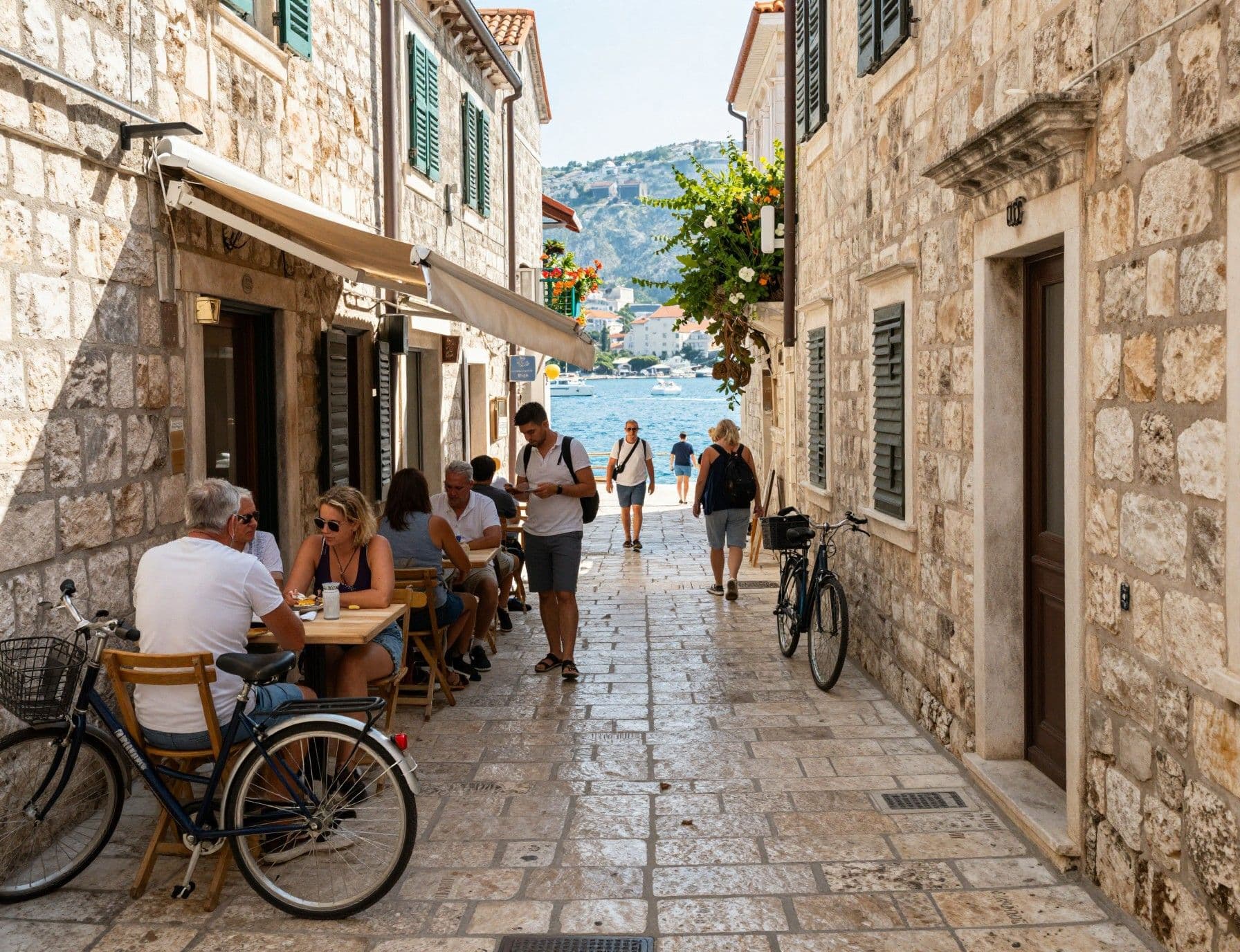
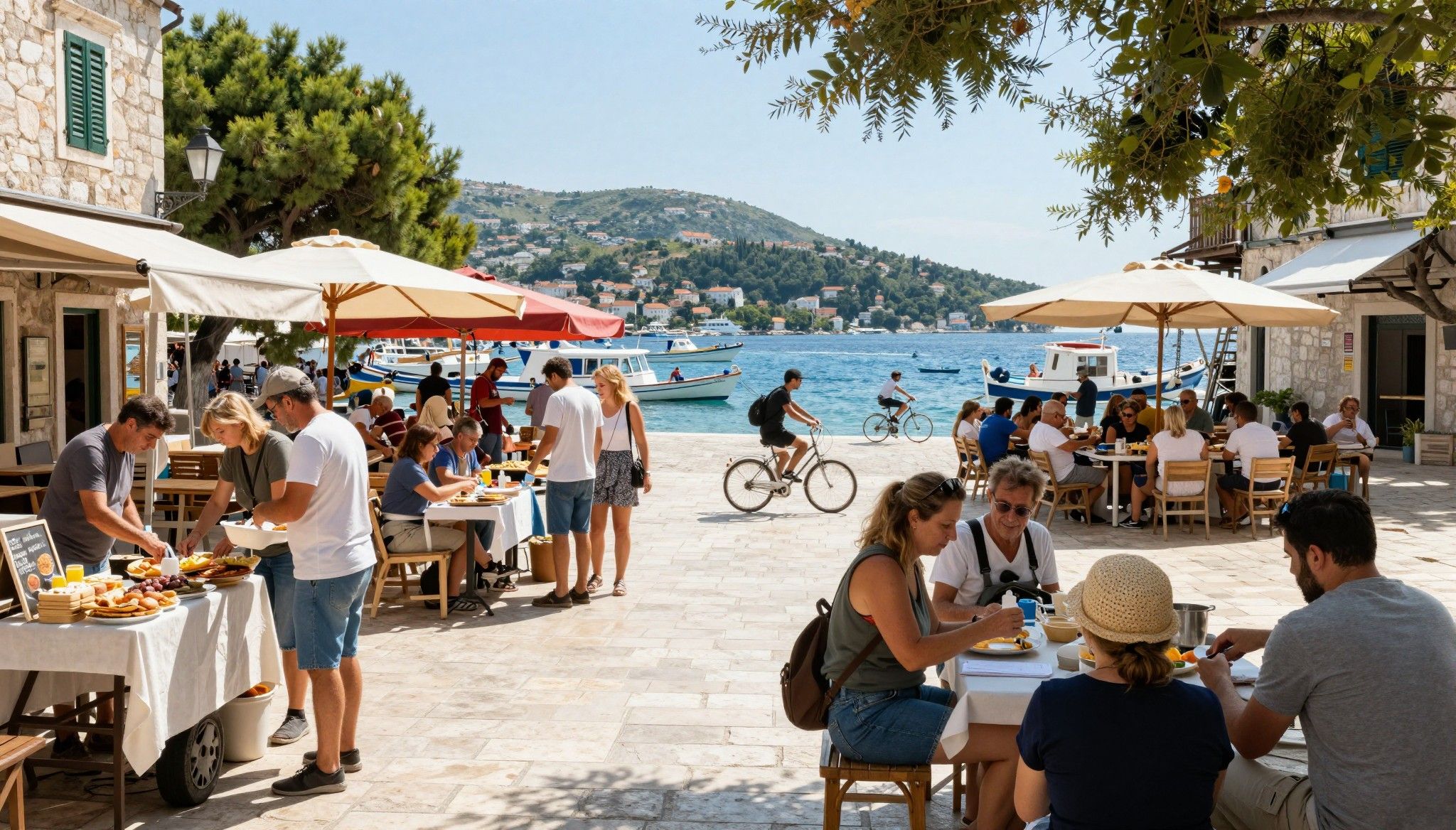
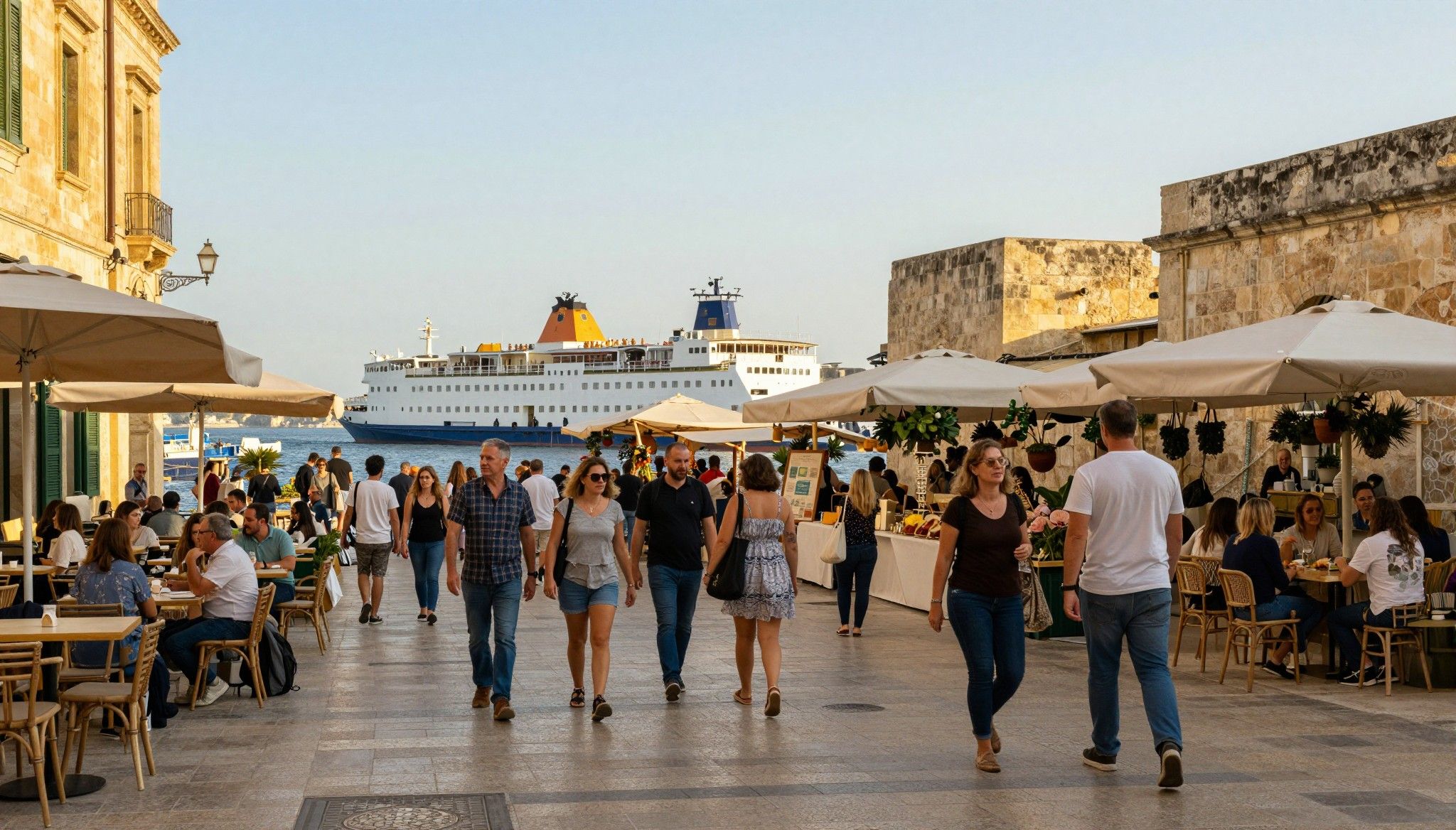
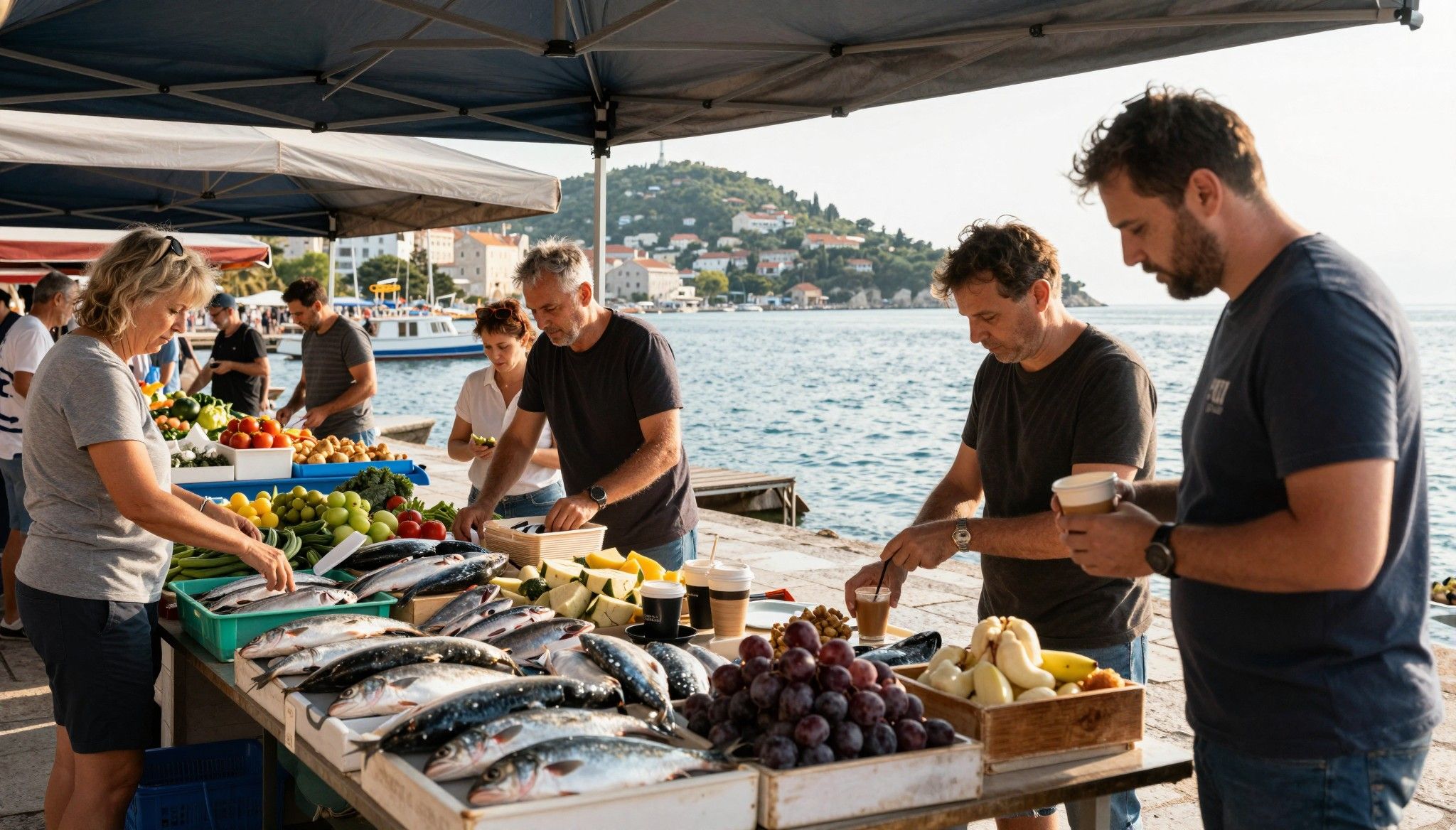
Croatia’s daily rhythm is small moments: late breakfasts in Zagreb’s Šalata, fishermen unloading morning catch at Split’s Riva, and evening aperitifs on Korčula’s harbour. The coastal towns are theatrical—narrow streets, limestone heat that softens into cool cafes by dusk—while inland life moves at a gentler tempo, with farmers’ markets and family meals lengthening weekends. That atmosphere is the core reason buyers come; it also explains why neighborhood nuance matters more than headline prices.
Spotlight: Dubrovnik’s Old Town vs. Gruž and Lapad
Old Town delivers the postcard — UNESCO walls, narrow alleys, tourists year‑round — but those same charms bring strict conservation rules, short lets pressure, and premium prices. Walk two kilometres to Gruž or Lapad and you find wider streets, local shops, quieter evenings and housing that’s easier to live in year‑round. If you want the life (not the show), look where locals actually run errands and meet friends.
Food, markets and the seasons that define neighbourhood life
Markets like Dolac in Zagreb, Pazar in Split, and the fish market in Zadar are social infrastructure. Summer fills terraces and revives island lanes; winter reveals the year‑round quality of a place — heating, insulation, proximity to services. We always remind buyers: taste the market in at least two seasons before signing anything.
- Lifestyle highlights to scout in person • Morning: farmer’s coffee at Dolac market (Zagreb) or a sea‑front espresso on Split’s Riva • Afternoon: swim at Zlatni Rat (Brač) or a stroll in Rijeka’s Korzo • Evening: konoba dining (local tavern) with sashimi‑fresh fish in Šibenik • Hidden gem: Paseo along the Marjan hill in Split for daily jogs and sunrise views • Local ritual: summer feštas — neighbourhood festivals that reveal community life
Making the move: where lifestyle meets registry reality
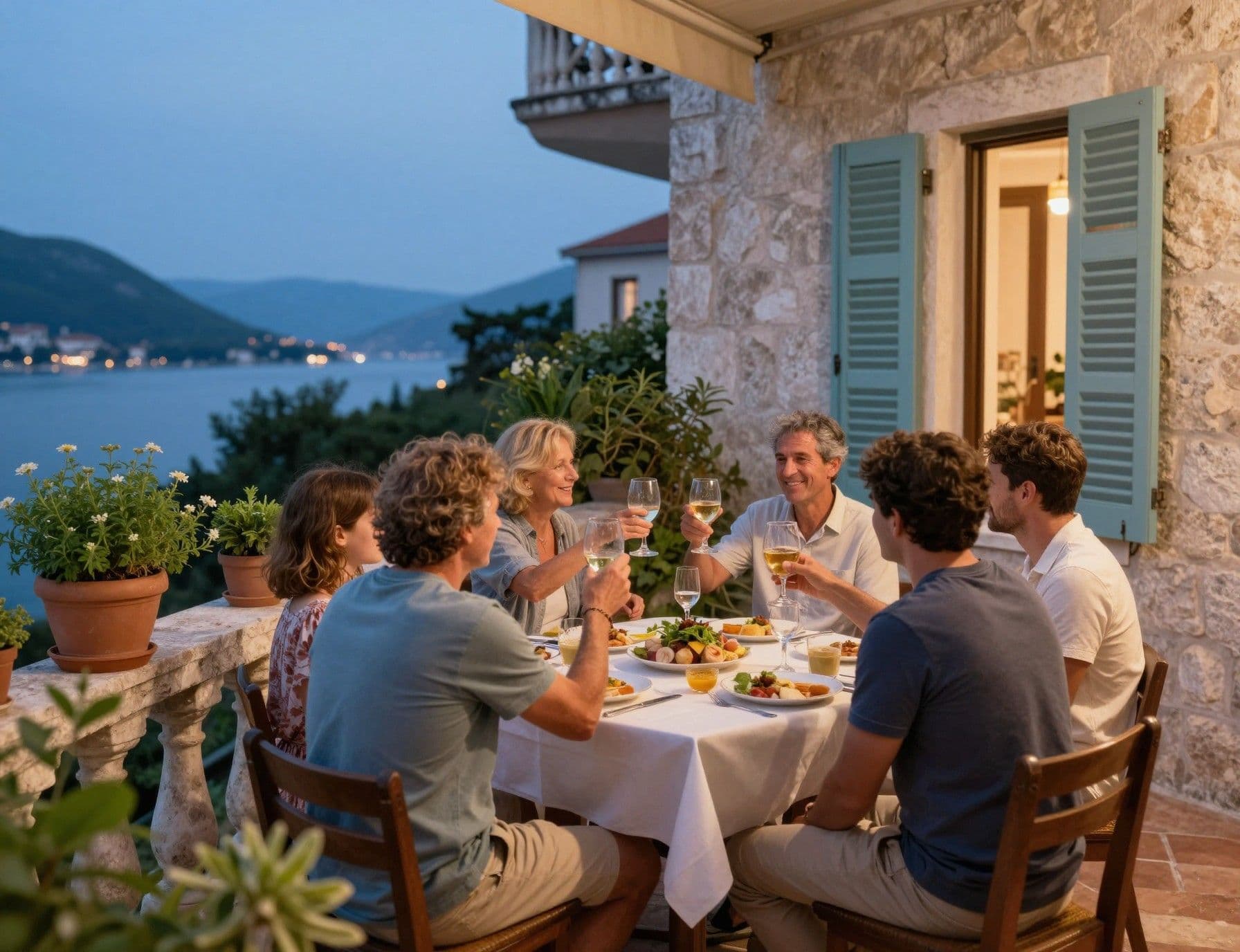
You can fall in love with a terrace view, but the purchase is a registry procedure governed by clear rules. EU citizens generally enjoy parity with locals; non‑EU buyers face additional consents and reciprocity checks. That distinction shapes timing, paperwork and risk for international buyers — and it’s not negotiable.
Property types and how they fit real lives
Stone houses in Istria give you thick walls and cool summers but often need seismic and insulation upgrades. New builds along the Dalmatian coast promise easier maintenance but can be remote from daily life when targeted at holiday rentals. Choose by how you want to live: daily convenience (grocer, school, doctor) or seasonal spectacle (sea view, short‑let income).
Work with local experts who know both life and law
A savvy local agent and a lawyer steeped in Croatian land registry practice will save you time and headaches. Agents who live the neighbourhood (not just sell it) can point you to blocks with morning light or shops that stay open in winter. Lawyers protect title, check encumbrances, and — for non‑EU buyers — shepherd the consent procedure with relevant ministries.
- Practical steps that blend lifestyle and compliance 1. Visit in two seasons — one summer and one off‑season — to test daily life. 2. Ask your agent for the property’s cadastral parcel and check it with a lawyer. 3. Confirm buyer status: EU citizen (straightforward) or non‑EU (requires consent). 4. Get a local‑language title report and verify no informal uses (unauthorised extensions, tenancy issues). 5. Budget for transfer tax, notary fees and realistic renovation costs if buying an older stone house.
Insider knowledge: transparency red flags and market signals
House price indices show upward price pressure in many coastal towns, but transactional volume has softened — a classic sign that supply is tightening and affordability is pinching local demand. Rising prices on paper don’t always mean easy resale; transparency around past sales, permitted usage and tourism licences determines real liquidity.
Red flags to spot during viewings
- • Missing cadastral references or vague parcel numbers • Seller unwilling to show utility bills or proof of regularisation • Promises of future zoning changes without written municipal plans • Properties marketed as “perfect for short lets” but lacking tourist licences • Commission‑only listings with no public record of previous sales
If you spot these, pause. Ask your lawyer to retrieve the land registry extract (Izvod iz zemljišne knjige) and the municipal location permit. For non‑EU buyers, check status on ministry consent early — it can be the difference between a conditional contract and a deal that never registers.
- A simple ranking for where to spend your due diligence time 1. Title clarity (land registry extract and cadastral plan). 2. Permitted use (residential vs. tourism/short‑let limits). 3. Local taxes and utility readiness (sewers, water, road access). 4. Neighbourhood seasonality (is the street quiet 9 months a year?). 5. Renovation complexity (heritage restrictions, ecological zones).
What expats wish they'd known
Expats tell us the surprises are small but persistent: the cadence of municipal paperwork, locals’ preference for face‑to‑face relationships, and how quickly a summer rental scene can change a neighbourhood. Those who integrate — learn key phrases, join a local konoba, and use the same bakery — find a different, calmer side of living here.
- Practical cultural tips • Learn basic Croatian greetings — it opens doors and reduces friction. • Befriend a local tradesperson before you need them (plumber, electrician). • Check opening hours: many small shops close mid‑afternoon in winter. • Expect quieter autumn/winter months; plan property access and maintenance accordingly.
Before you sign: a short checklist to protect the lifestyle you bought — verify the cadastral record, confirm permitted use with the municipality, budget for realistic renovation and running costs, and visit outside peak season. When those boxes are done, you’re buying not just a property but the life that comes with it.
If you want to move this from daydream to delivery, start with a short, focused plan: visit in two seasons, hire a local lawyer and an agent who actually lives the neighbourhood, and ask for the sale file before you make an emotional deposit. We’ll help you find the life — and keep the file clean.
Conclusion: Croatia rewards buyers who let lifestyle lead and process protect. The Adriatic will still be there after checks and consent are done; the difference is you won’t lose sleep over paperwork, and you’ll have the freedom to enjoy the morning espresso with full confidence that the home is yours.
British expat who relocated to Marbella in 2012. Specializes in rigorous due diligence and cross-border investment strategies for UK and international buyers.