Croatia’s Coastal Myth and the Legal Reality
Fall for Croatia’s markets, but plan for the legal realities: EU buyers have straightforward access; non‑EU buyers need ministerial approval and clear due diligence.
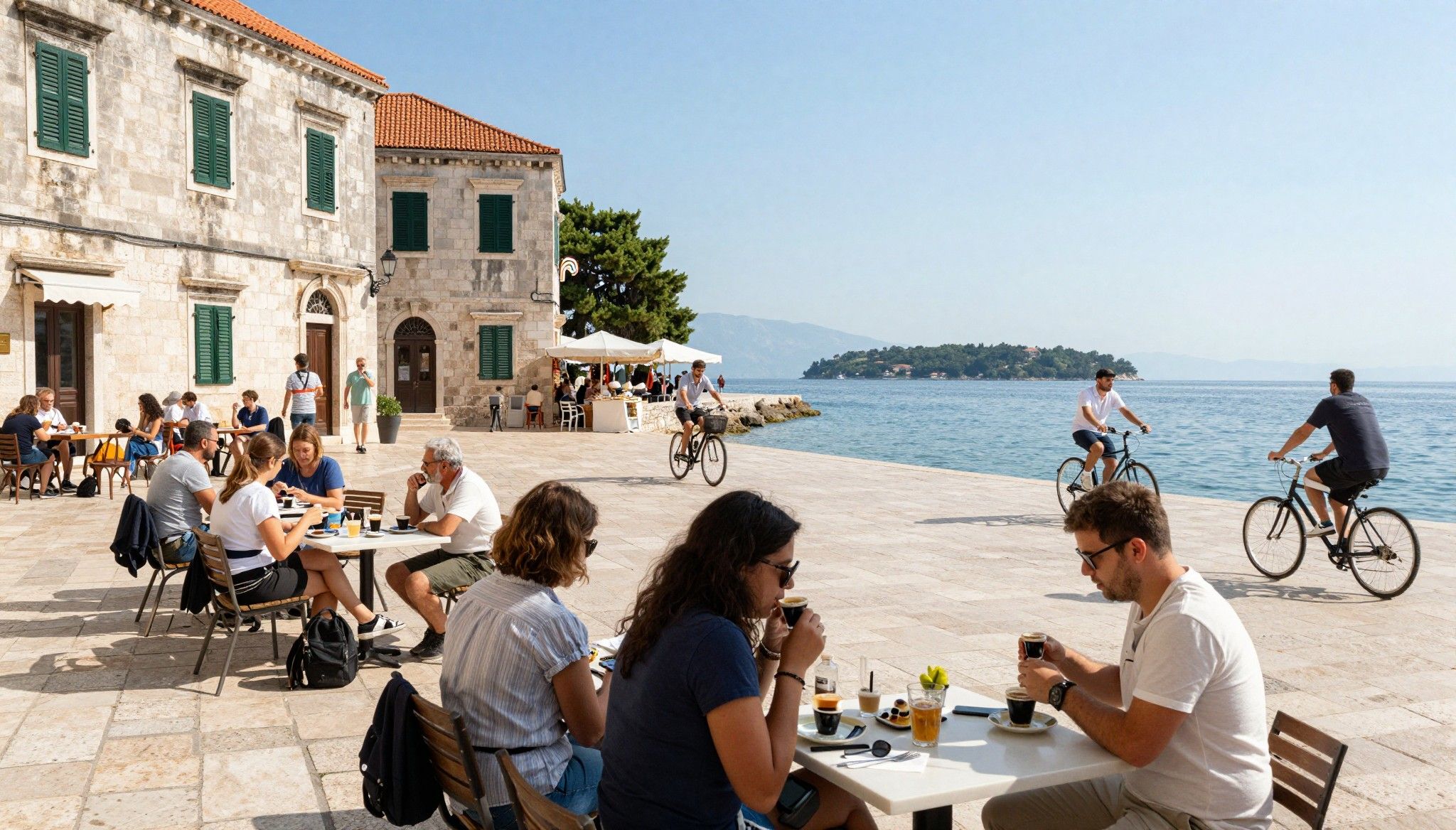
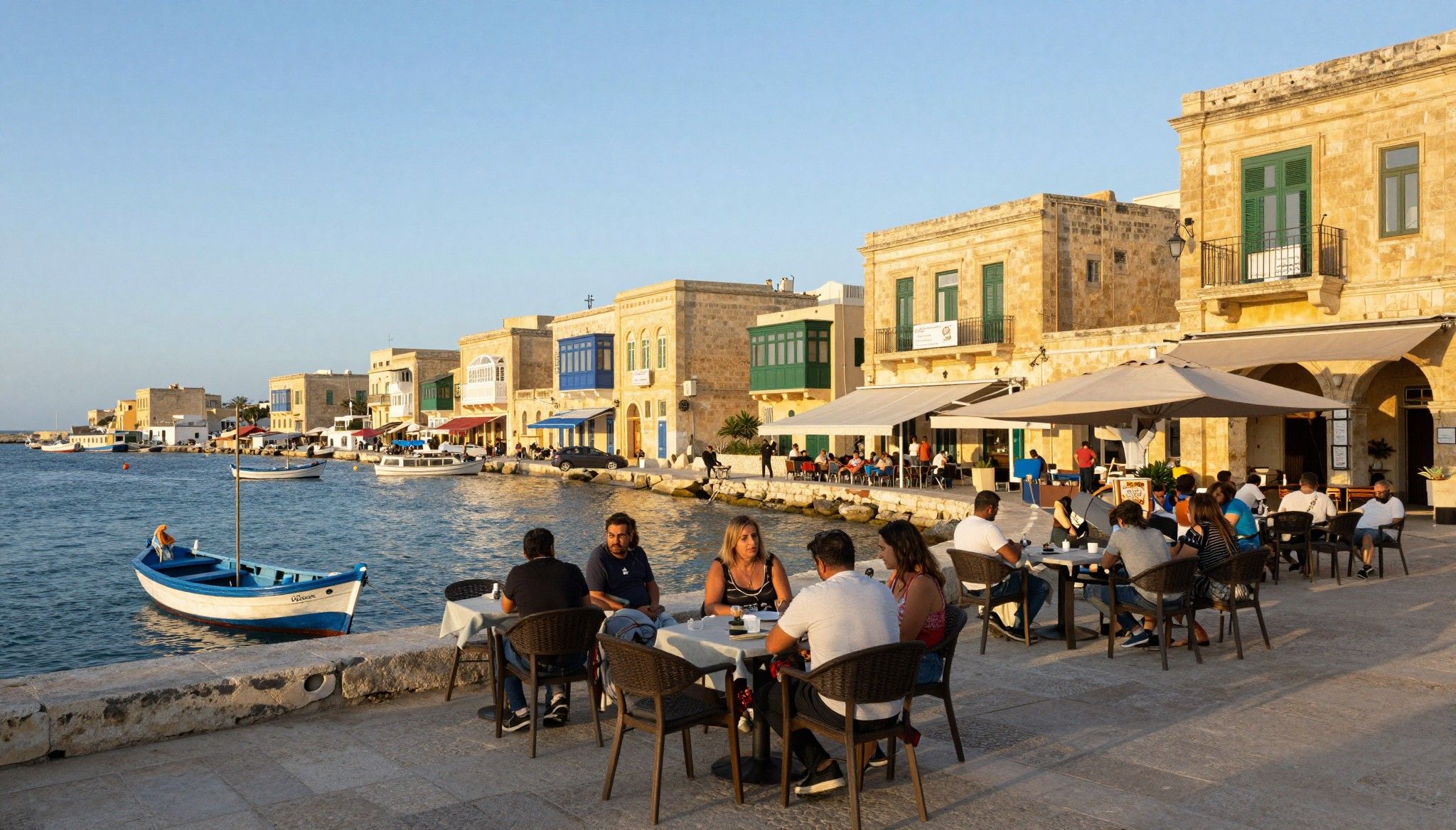
Imagine sipping espresso at Café Škor on Split’s Marmontova, the sea-light scattering across limestone façades, while a neighbour unloads a week’s market haul of figs and fresh cheese. That rhythm — mornings at the market, afternoons on a pebble beach, evenings in a konoba — is what draws people here. But the Croatia you fall for on holiday and the Croatia you legally buy into are two different conversations; both are worth having. We’ll start with the life you’ll live, then walk through the legal and fiscal realities that turn a love affair into a secure purchase.
Living the Croatia lifestyle
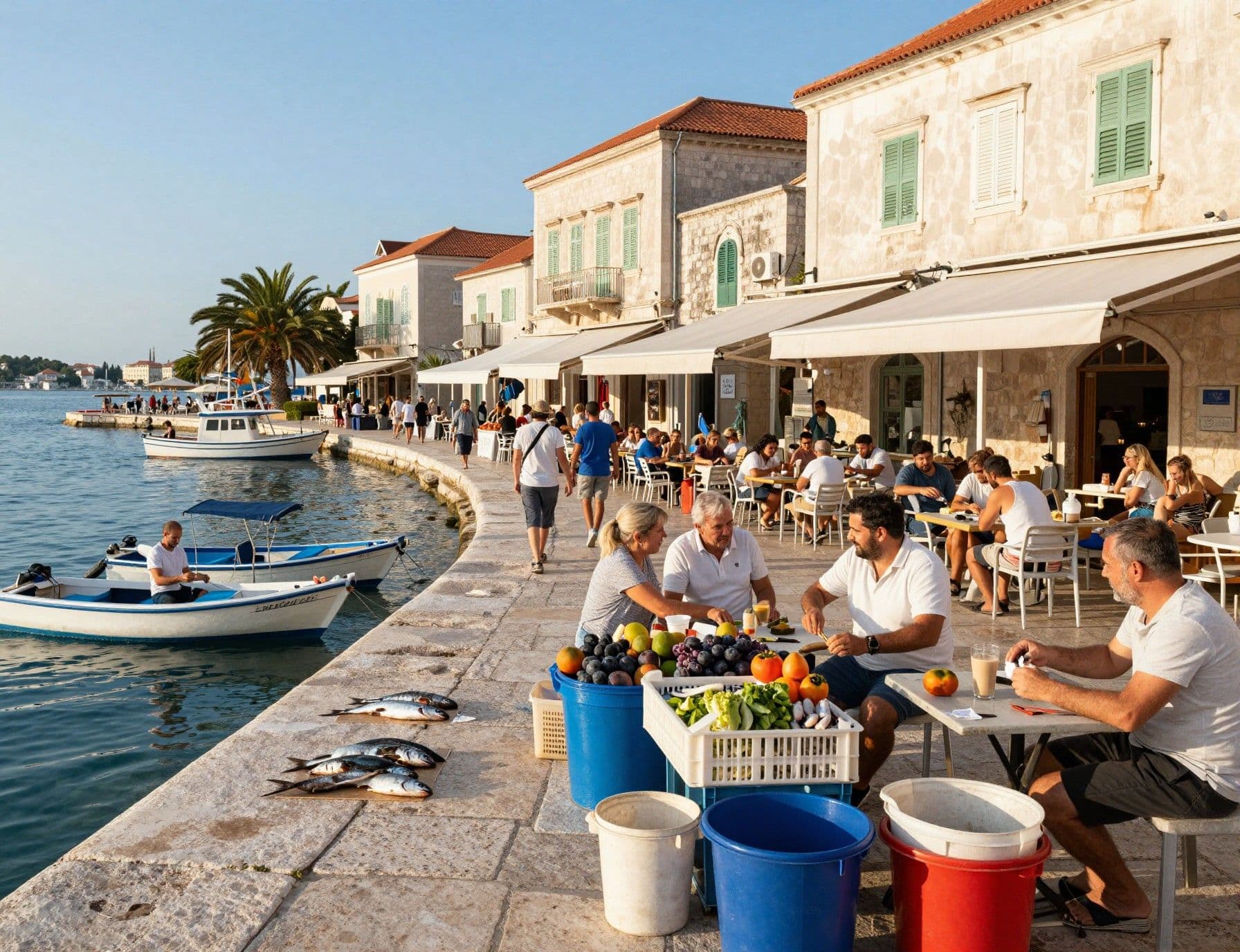
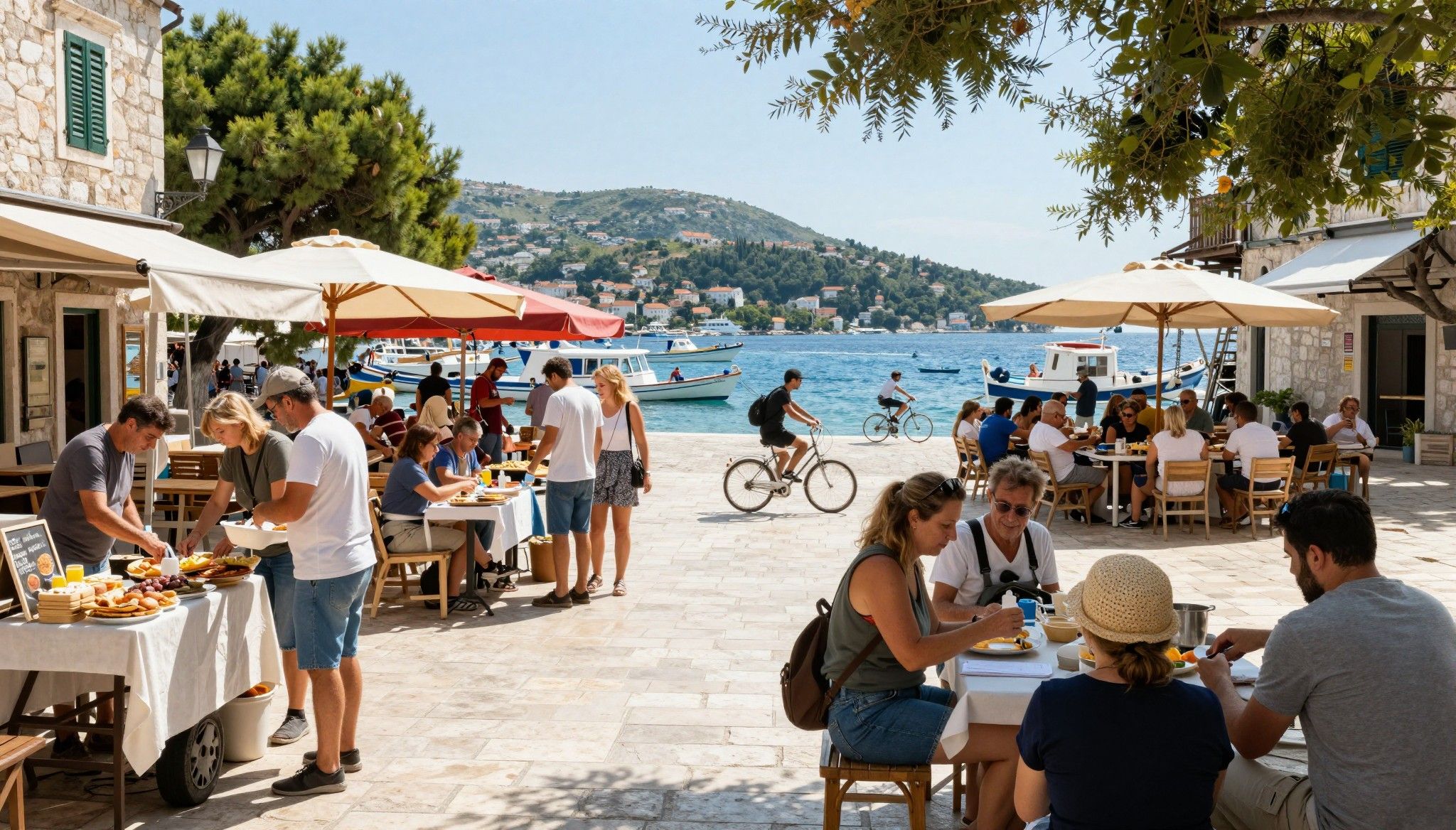
Croatia moves at a Mediterranean tempo — café mornings, siesta-light afternoons in coastal towns, and late dinners that run into the sound of summer cicadas. The contrast between Zagreb’s tram-lined urban mornings and Hvar’s nautical afternoons is striking, but the underlying pleasures are consistent: clean sea, seasonal food markets, compact historic centres you can actually walk. For buyers, that translates into lifestyle choices that shape what property works: a terrace for evening breezes, storage space for seasonal gear, and proximity to a harbour or market depending on how local you want to feel.
Spotlight: Split — Marmontova to Varoš
Walkable, loud and human, Split’s Marmontova and the old quarter of Varoš are where café culture meets sea-spray. Early risers bring pastries from Pizzeria Galija; fishermen return to splitske rize at the docks; narrow alleys hide terraces with impossible light. Properties here are often older stone apartments with charming quirks — low ceilings in the historic core, bright terraces a block back — so you buy character as much as square metres.
Food, festivals and off-season truth
Taste is central to daily life: Istrian truffles in autumn, Dalmatian black risotto at fishermen’s taverns, and summer markets full of tomatoes that taste like sunlight. Festivities — Dubrovnik’s summer music, Šibenik’s theatre nights — swell towns in July and August, lifting short-term rental demand but also masking quieter months. If you want year-round community, look for neighbourhoods with schools, local shops and accessible healthcare rather than only peak-season charm.
- Rundown of lifestyle highlights
- Marmontova and Riva (Split) — café life and immediate walkability to the sea.
- Gornji Grad (Zagreb) — leafy streets, markets, year-round services and calmer winters.
- Hvar town alleys — island social life, short ferry hops to quieter coves.
Making the move: practical considerations
Your holiday wishlist — sea view, stone terrace, late-night konoba — must meet administrative reality. Croatia’s property market has EU-friendly rules that make purchases straightforward for many, but there are important distinctions depending on nationality, land type and intended use. Read the official guidance early; it saves time and often money.
Who can buy without special approval?
Citizens and companies from EU countries, Iceland, Liechtenstein, Norway and Switzerland generally acquire property under the same conditions as Croatians. That means fewer administrative hurdles for the most common international buyers and a simpler registration process. Non-EU buyers can still buy, but usually need ministerial approval — especially for agricultural or protected land — and often rely on local legal help to navigate reciprocity rules.
Tax & transactional realities to budget for
House price growth has been meaningful in recent years; the Croatian Bureau of Statistics records above-average rises especially along the coast. Expect transaction costs beyond the price: VAT (PDV) applies on some new developments (standard rate 25%), while transfers of existing properties attract transfer taxes or not depending on the deal structure. Local consultants will break these costs down for a specific property; factor them into your offer so you’re not surprised at closing.
- Steps to align lifestyle intent with legal reality
- Decide the life you want (coastal town, island, city) and prioritise three neighbourhoods that match it.
- Check nationality rules early: EU citizens follow a simpler path; non-EU buyers should start a ministerial approval process if needed.
- Ask sellers for up-to-date land register extracts and building-permit history before signing pre-contracts.
- Obtain a Croatian lawyer’s review of contracts and a notary-completed deed to ensure clean registry entry.
Insider knowledge: what expats wish they'd known
Expat stories often follow a pattern: enchanted by summer, surprised by winter, relieved when paperwork is finally clean. Two recurring truths: community matters more than a view, and bureaucracy is predictable when you respect local rhythms. Practical mistakes we see repeatedly include underestimating maintenance on stone houses, assuming short-term-rent returns without seasonality analysis, and not verifying coastal setback rules for renovation.
Language, neighbours and daily life
Croatian is useful, but you’ll get by in tourist towns with English; learning basic Croatian opens doors. Neighbour relations are important — in small towns you’ll be invited to village kirbajs or fish-roasts that cement community ties. For families, proximity to schools (Zagreb, Split International School options) and healthcare should be on your shortlist alongside lifestyle perks.
Long-term lifestyle and legal sustainability
If you plan to renovate, rent, or pass property to heirs, early legal structuring matters. Non-EU buyers often consider Croatian companies to ease acquisition; EU buyers still need to check protected-area restrictions. For rental plans, seasonality affects yields more than headline coastal averages; realistic modelling will save heartache.
- Red flags local agents will warn you about
- Missing land-registry extract or inconsistent cadastre descriptions.
- Properties outside building zones sold as developable without permits.
- Unclear shared-access agreements for waterfront properties or communal paths.
- Under-estimated renovation costs for stone houses with hidden damp or structural work.
- How we suggest you proceed (practical next steps)
- 1. Spend a week living in your top neighbourhoods off‑season to test services, transport and community.
- 2. Commission a land-registry extract and an urban-plan statement before making an offer.
- 3. Contract a local lawyer experienced in foreign purchases for the ministerial approval (if needed) and notarial closing.
- 4. Build a provisional budget that includes VAT or transfer tax, notary fees, registry costs and a 10–15% renovation contingency.
Conclusion: fall for the life, but sign with your eyes open. Croatia’s daily rhythms — market mornings, harbour afternoons, slow dinners — are why people move here. The legal and tax landscape is clear if you plan early: EU buyers have simpler paths, non-EU buyers must budget time for approvals, and both groups should work with local legal and agency partners who understand neighbourhood life as well as registry entries. If you want help matching a lifestyle brief to legal certainty, we’ll make introductions to vetted lawyers and on-the-ground agents who speak both languages.
Danish investment specialist who relocated to Costa del Sol in 2015. Focuses on data-driven market timing and long-term value for Danish buyers.