Greece’s Urban Trade-Offs: Lifestyle Wins, Market Truths
City life in Greece blends morning markets and rooftop terraces with shifting price pockets — know which neighbourhood rhythms match your life and which market facts protect your purchase.

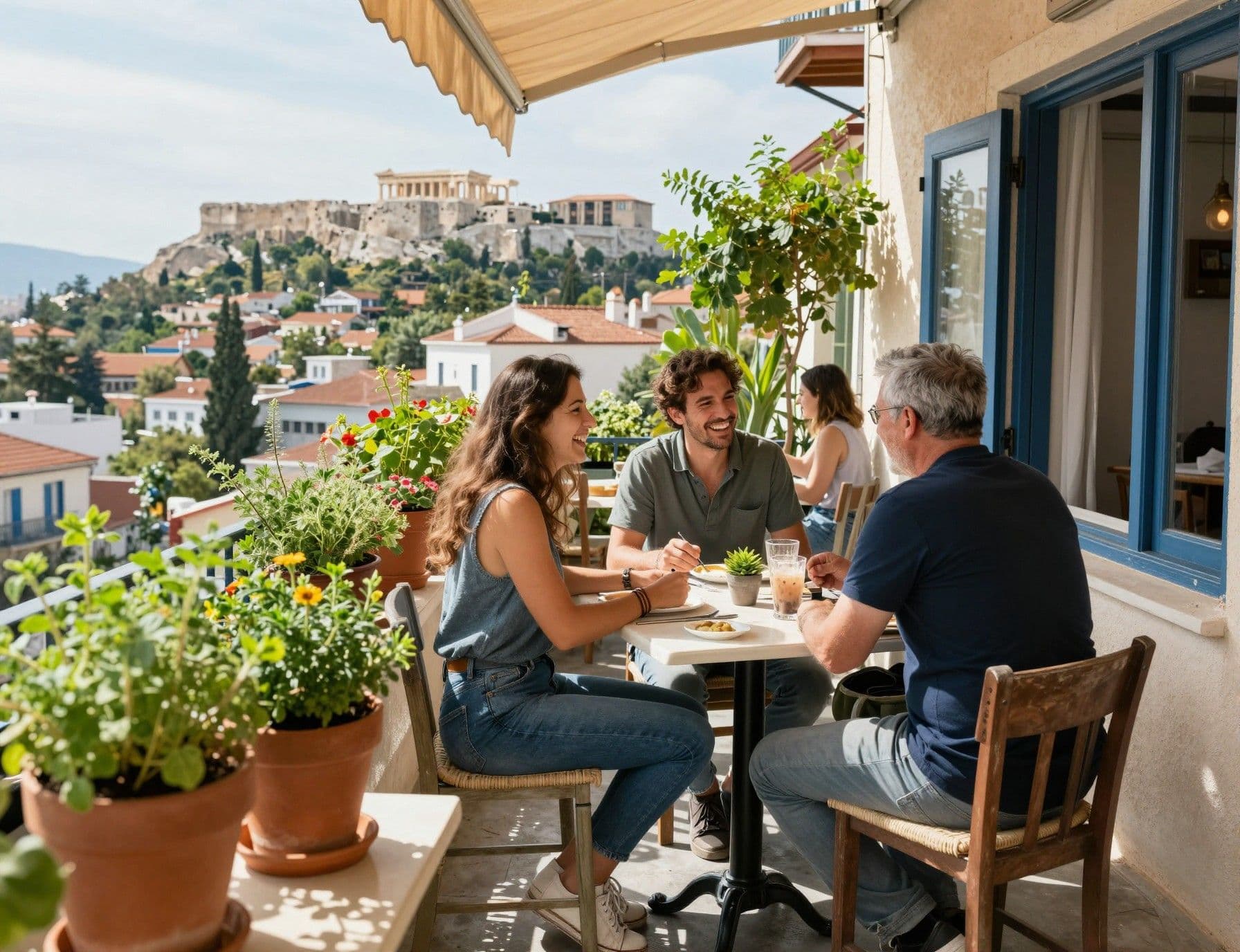
Imagine waking to a coffee cup warm from the barista, walking five minutes to a morning market piled with figs and feta, then sitting on a terrace with the Acropolis in sight. That’s urban Greece: compact streets, late-night taverna life and rooftops that feel like front-row seats to centuries. But beneath the postcard there’s a sharper story — neighbourhood rhythms, shifting price pockets, and new residency rules that change who buys and where. We’ll show you the places where life feels effortless and the practical truths that make a purchase wise, not romantic.
Living the Greek City Life
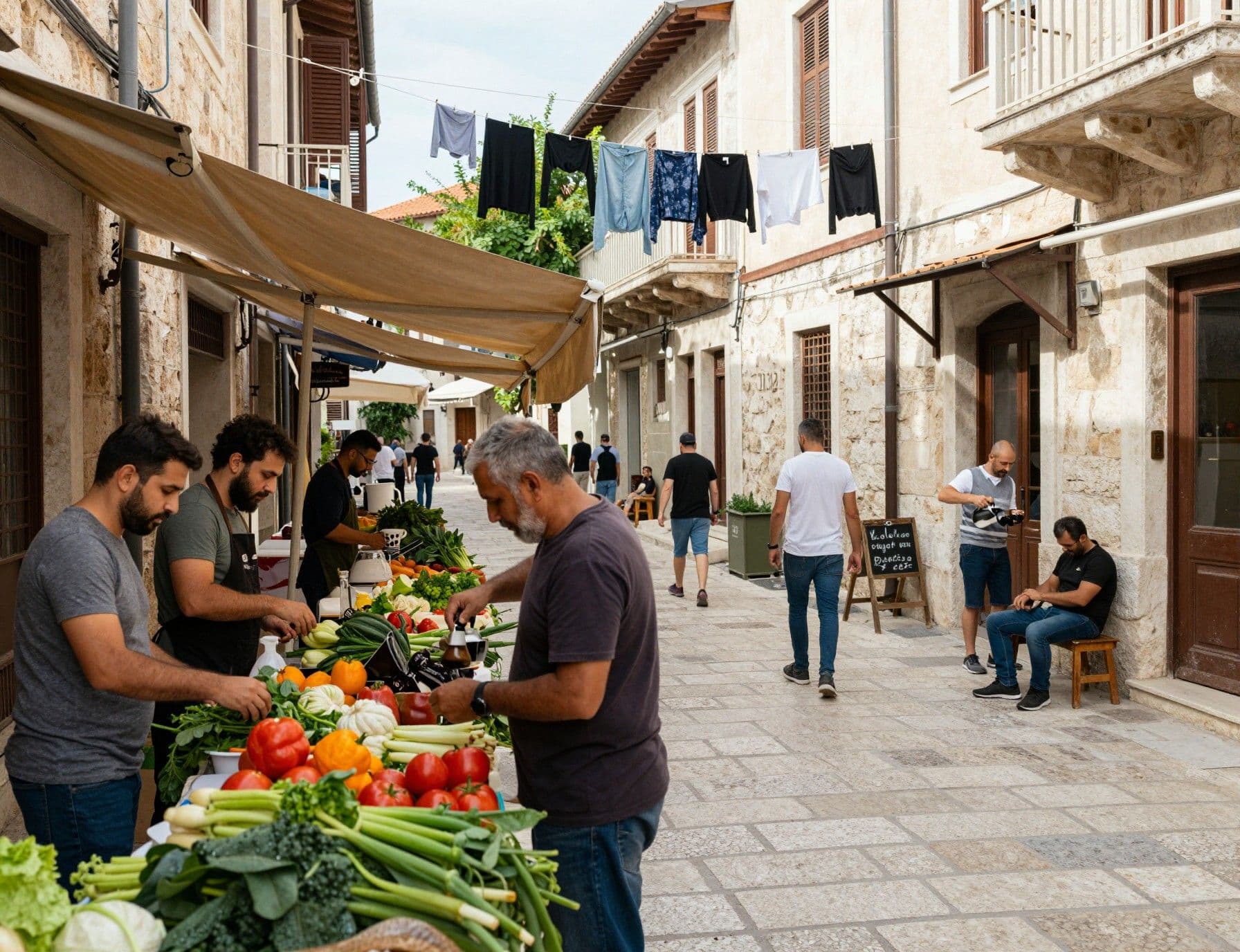
Urban Greece balances two speeds: a slow, social, daylight rhythm and a compact, very walkable daily routine. In Athens you can move from a 19th‑century neoclassical façade to a modern co‑working loft in ten minutes; in Thessaloniki the waterfront breathes into evenings with fish tavernas and live bouzouki. The rhythm shapes what you buy — small terraces, courtyards, and apartments with flexible living rooms beat sprawling gardens in most city hubs. Expect markets on Saturdays, neighbourhood cafés that double as meeting points, and neighbours who still trade stories across balconies.
Athens: From Kolonaki to Koukaki
Walk Kolonaki’s designer streets by day and you’ll see why buyers pay for centrality and cachet. Cross towards Koukaki and Makriyianni and you’ll find narrow lanes, artisan bakeries and quieter squares where cafés spill onto stone. Koukaki, in particular, feels lived-in: local greengrocers, small galleries and easy metro access make it a favourite for buyers who want central life without relentless tourism. For many internationals, those neighbourhood transitions — a few streets changing from polished to local — are the real draw.
Thessaloniki & Coastal Nodes
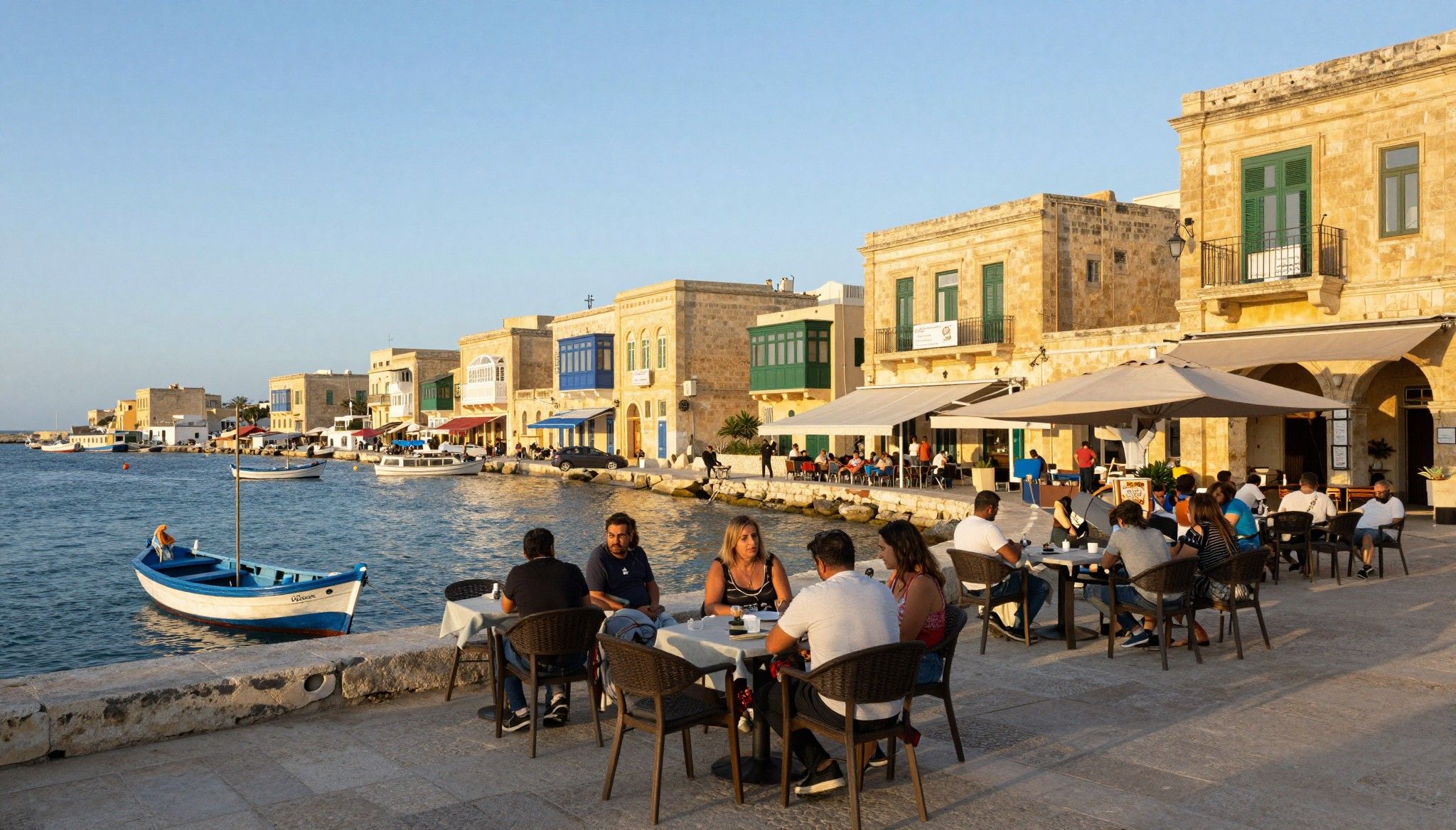
Thessaloniki’s waterfront and student scene create a different tempo: long seaside walks, late-night plates and a dense calendar of festivals. Along the Athens Riviera — Glyfada, Voula — life leans coastal with marinas and family-focused facilities. These coastal-urban hybrids are where buyers who want beaches and cafés without island logistics tend to settle. Each area matters: commute times, sea breezes and microclimates change how balconies are used and which months properties feel at their best.
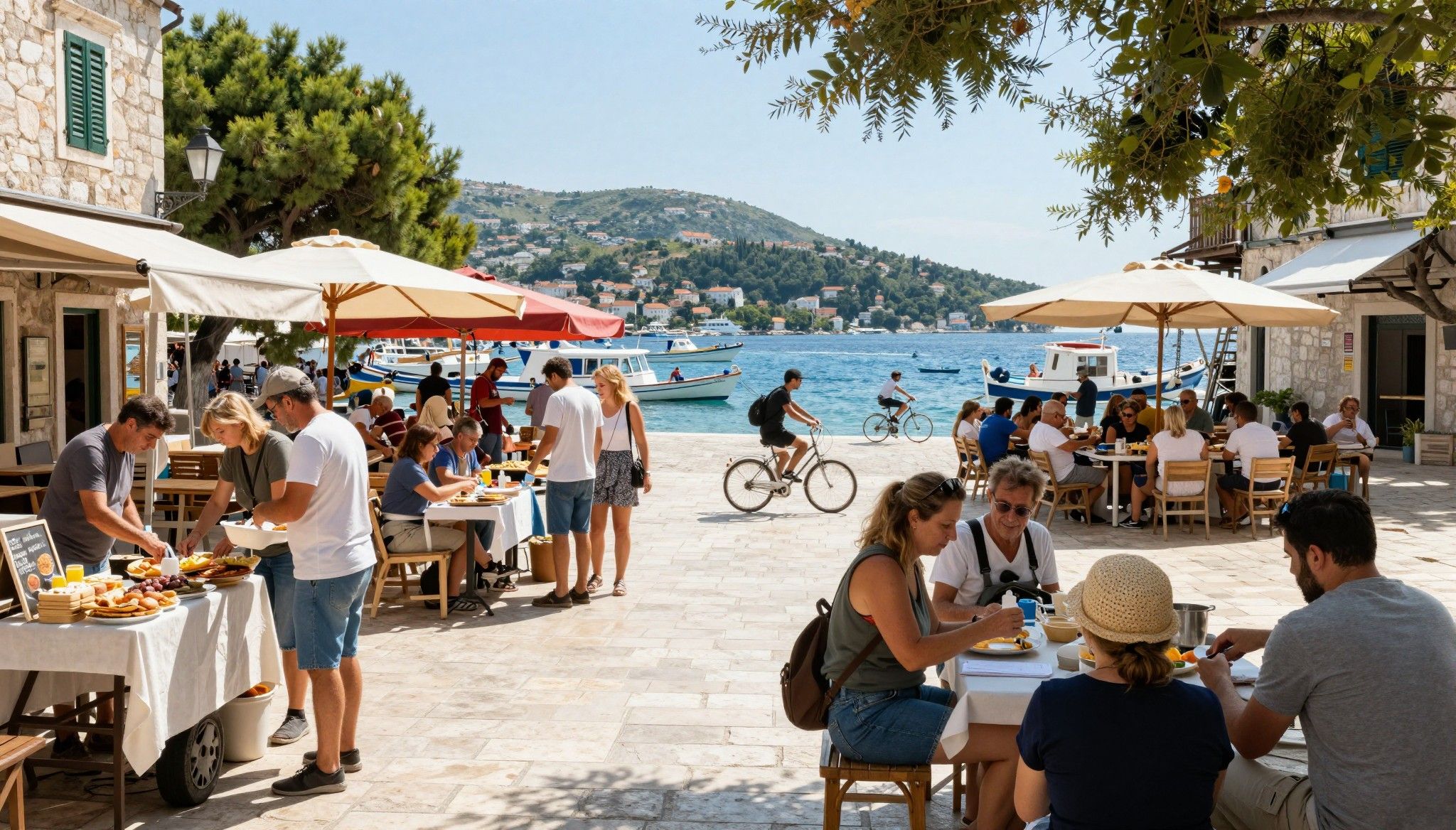
- Morning markets in Exarchia and Koukaki (fresh produce, late breakfasts)
- Rooftop bars with Acropolis views in Plaka and Thiseio
- Evening fish tavernas along Thessaloniki’s promenade
- Family Sundays on the Athens Riviera beaches (Glyfada, Voula)
Making the Move: Practical Considerations
The lifestyle is the magnet; market data and rules are the guardrails. Recent reporting shows city prices rose materially in the last two years, with Athens and Thessaloniki seeing notable increases. That means limited stock in sought-after pockets and stronger competition for renovated apartments and terraces. Understanding which neighbourhoods are buoyed by tourism, which by local demand, and which by infrastructure projects will save you time and money.
Property types that match city life
City living in Greece skews to apartments (often 60–90 m²), period townhouses and compact penthouses with terraces. Look for buildings with elevator access and good insulation — many renovated blocks hide modern systems behind classical façades. For remote work, a quiet courtyard or balcony with reliable internet transforms an apartment into a full-time home. New builds on the outskirts offer space and parking, but trading that for daily café life is a frequent buyer decision.
Working with local experts who know the lifestyle
A good agency isn’t just about listings — it’s about matching your morning routine to a street. Agents who know where locals shop, when laiki markets happen and which buildings host noise at night are invaluable. Expect them to coordinate viewings with municipal records checks and to flag potential renovation quirks like non-declared mezzanines. We recommend agencies that show you the neighbourhood at different times of day and introduce you to local services (plumbers, notaries, builders) before you sign.
- Visit a neighbourhood at dawn, midday and after 9pm to understand rhythm
- Ask your agent for recent comparable sales on the same street (3–6 months)
- Request a building-file check (property registry, planning permissions)
Insider Knowledge: What Expats Wish They'd Known
Expat life often surprises new buyers: language improves fast in the markets, but local bureaucracy does not. Residency rules and investment thresholds shifted in 2024, and that matters if residency is a goal rather than lifestyle alone. Expect lively expat clusters in Koukaki, Piraeus for sea access, and northern suburbs for families — but also be aware that policy shifts can redirect demand to new pockets almost overnight. Real buyers we work with plan for both the daily pleasures and the administrative timeline.
Cultural integration and daily practicalities
Greeks prize face-to-face interaction: a local shopkeeper will remember you, and introductions go a long way. Learn a few phrases, show up to the Saturday laiki, and join a neighbourhood kafeneio — that’s often how services and friendships start. Utilities, permit timelines and renovation permits move slower than many northern European systems, so build extra time into your planning. On the bright side, that slow pace is why you’ll have time to sip coffee and make the move feel like life, not a transaction.
Long-term lifestyle and market sustainability
Greece’s housing index shows steady appreciation in recent years, driven by constrained supply in central urban pockets and rising demand for renovated homes. That makes quality — insulation, legal paperwork, and terrace condition — a key differentiator when valuing a purchase. Buyers planning to rent part-time should weigh seasonality: island demand spikes in summer while city apartments perform year-round. For long-term living, pick neighbourhoods with balanced services and schools rather than headline views alone.
- Red flags to watch: missing building permits, unresolved condominium debts, or inconsistent utility records
- Value drivers: close metro access, terrace size, recent mechanical upgrades (A/C, heating, plumbing)
- Lifestyle wins: morning markets, compact cafés, rooftop views that become daily living rooms
Buying in Greece is as much about choosing a daily rhythm as it is choosing a property. If you want sea evenings and a slower pace, aim for the Riviera neighbourhoods; if you want art openings, late dinners and rooftop mornings, central Athens districts like Koukaki and Pangrati will reward you. Work with an agent who treats the neighbourhood as the product — who shows you the bakery, the pharmacy and the evening noise levels — not just the square metres.
Start small: spend a week living like a local, hire a trusted notary to vet files, and insist on walking the street at three different times of day. If residency is a consideration, confirm the latest investment thresholds and eligible areas before you budget. When you’re ready, an agency that combines neighbourhood fluency with diligent file checks will turn that Greek daydream into a confident purchase.
Dutch relocation advisor who moved to Marbella in 2016. Guides Dutch buyers through visa paths, relocation logistics, and balance of lifestyle with value.