Cyprus: Love the Life, Secure the Title
Fall in love with Cyprus’s coast, markets and cafés — but pair the romance with title checks, residency rules and current price data from the Central Bank and tax advisors.
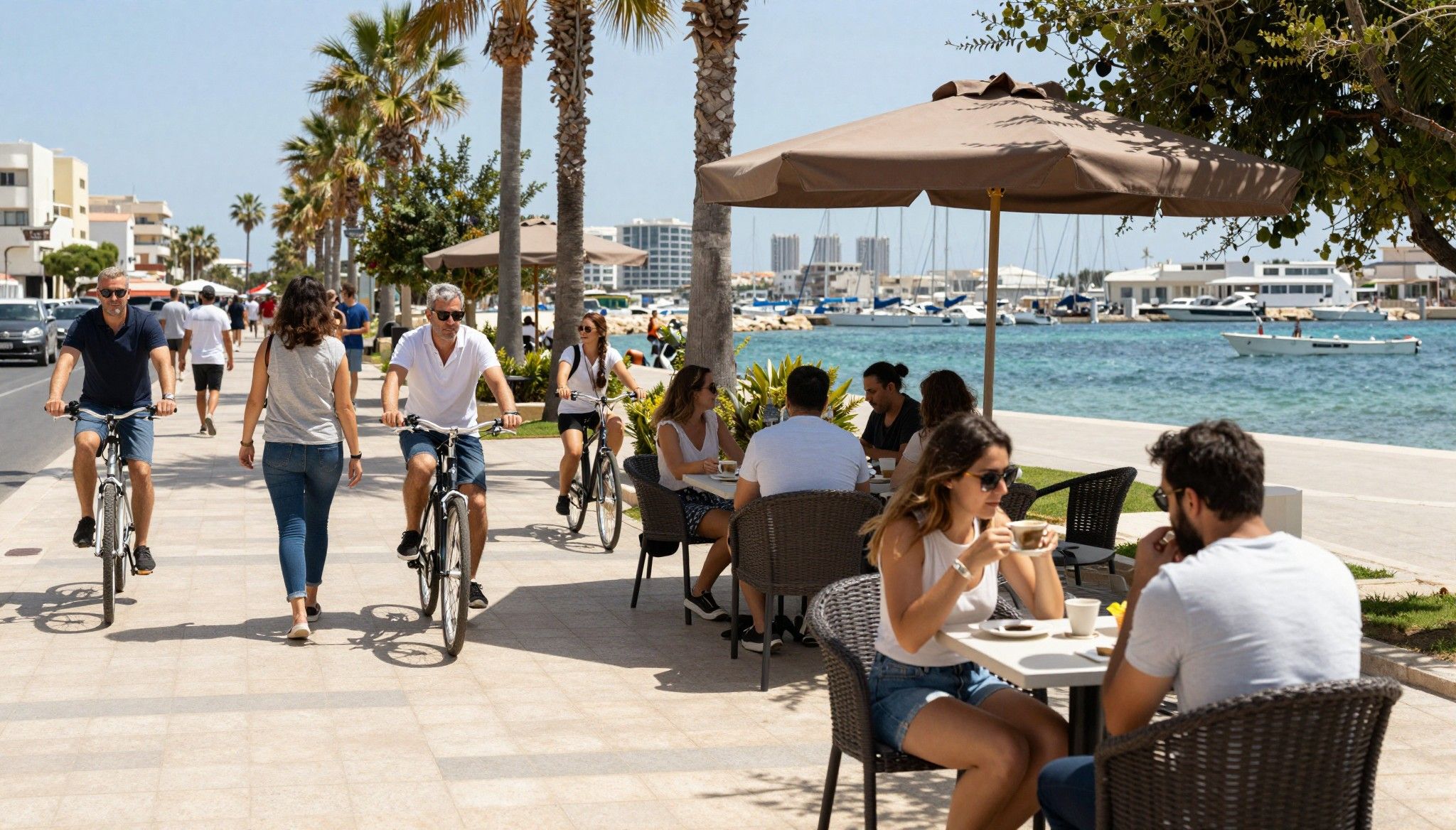
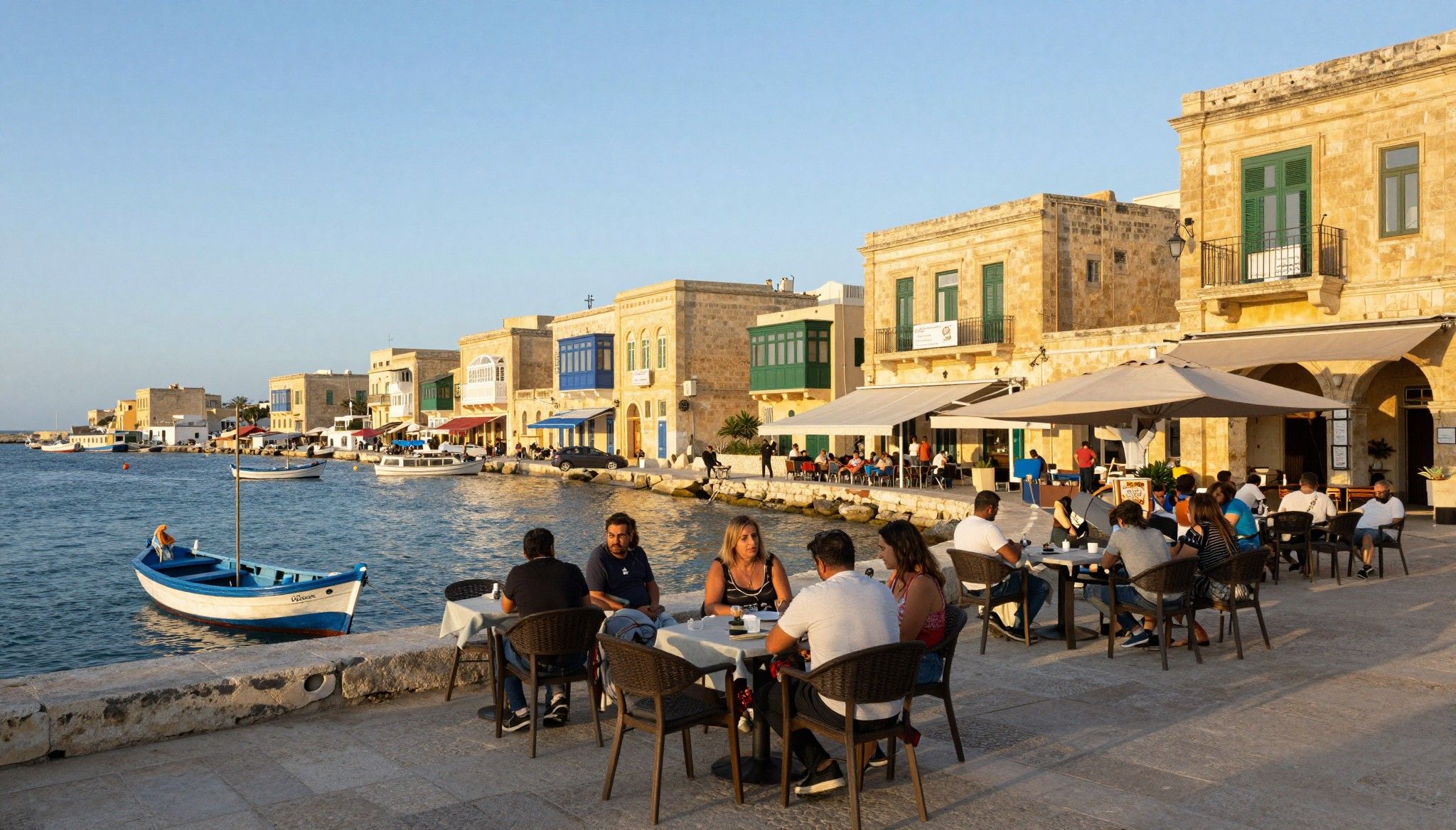
Imagine sipping espresso on a shaded terrace in Limassol’s old port as fishing boats bob and a Sunday market unfurls two streets over. That feeling — sun, sea, slow rhythms — is Cyprus’s core. But love at first sight shouldn’t blind you: legal quirks, title irregularities and residency rules quietly shape what life here will cost and how secure it feels. We’ll walk through the life and the law: the aromas, cafés and beaches that make you fall in love, and the concrete regulatory steps that keep that love a safe investment.
Living the Cyprus life
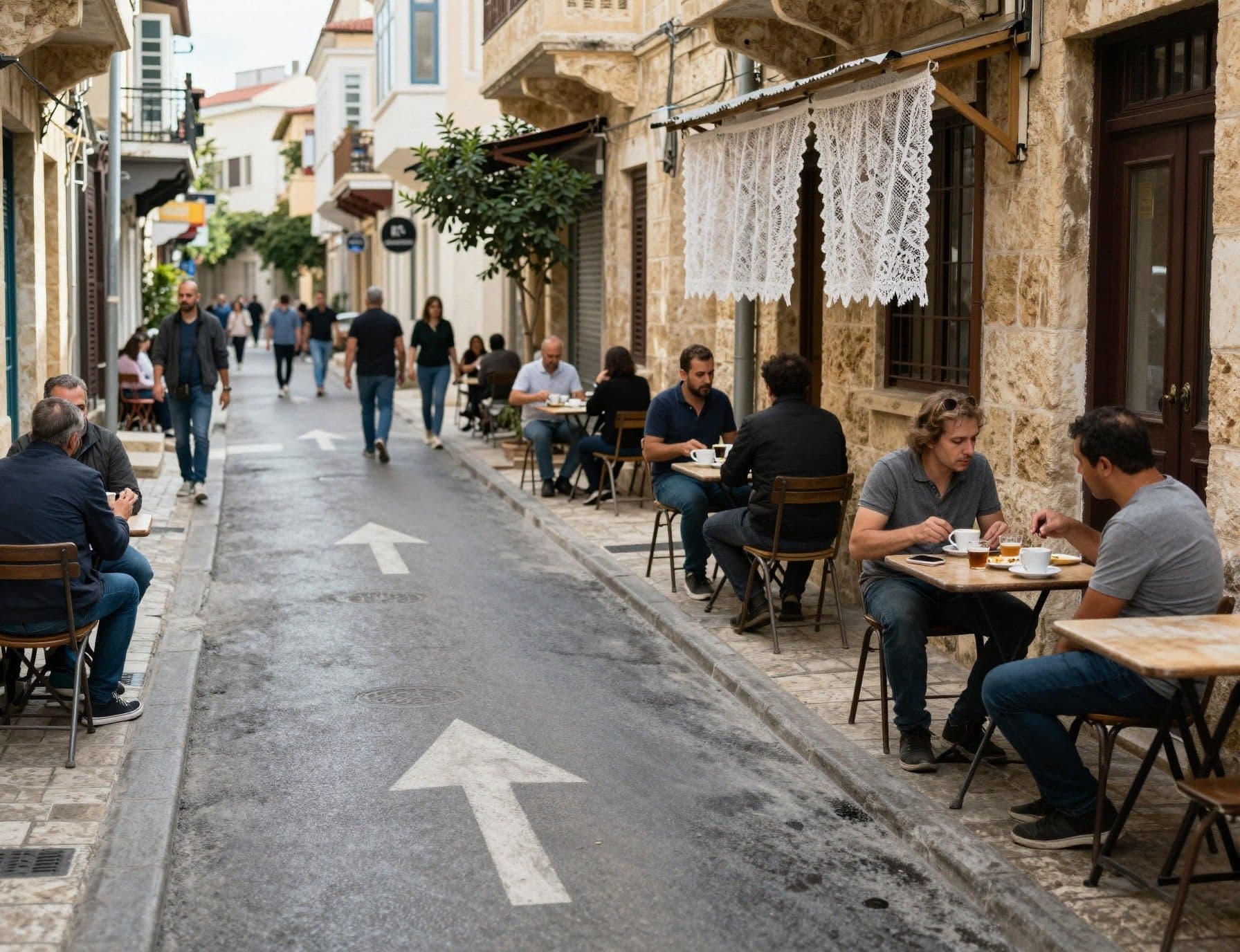
Cyprus is both island and small-country village. Days are arranged around coffee (or frappe), the sea and an easy evening pace. Limassol mixes yachts and coworking; Nicosia keeps a slower, layered urbanity with narrow streets and neighbourhood tavernas; Paphos trades tourist bustle for quieter coastal coves and a surprisingly strong year-round expat community. Expect neighbours who know one another, late lunches, and markets that still sell fish by the kilo.
Limassol, Paphos, Nicosia — neighbourhood personalities
Limassol’s Molos promenade and old port are for morning runners and evening cocktails; Agios Tychonas and Germasogeia hide villas with mature gardens. Paphos (Kato Paphos, Kouklia) offers coastal life with archaeological backdrops and a calmer winter. Nicosia’s Laiki Yitonia and Strovolos plug you into cafés, galleries and municipal life. These micro-choices — a street, a square, a coffee spot — determine whether your life will feel like island leisure or small-city routine.
Food, weekends and the small rituals
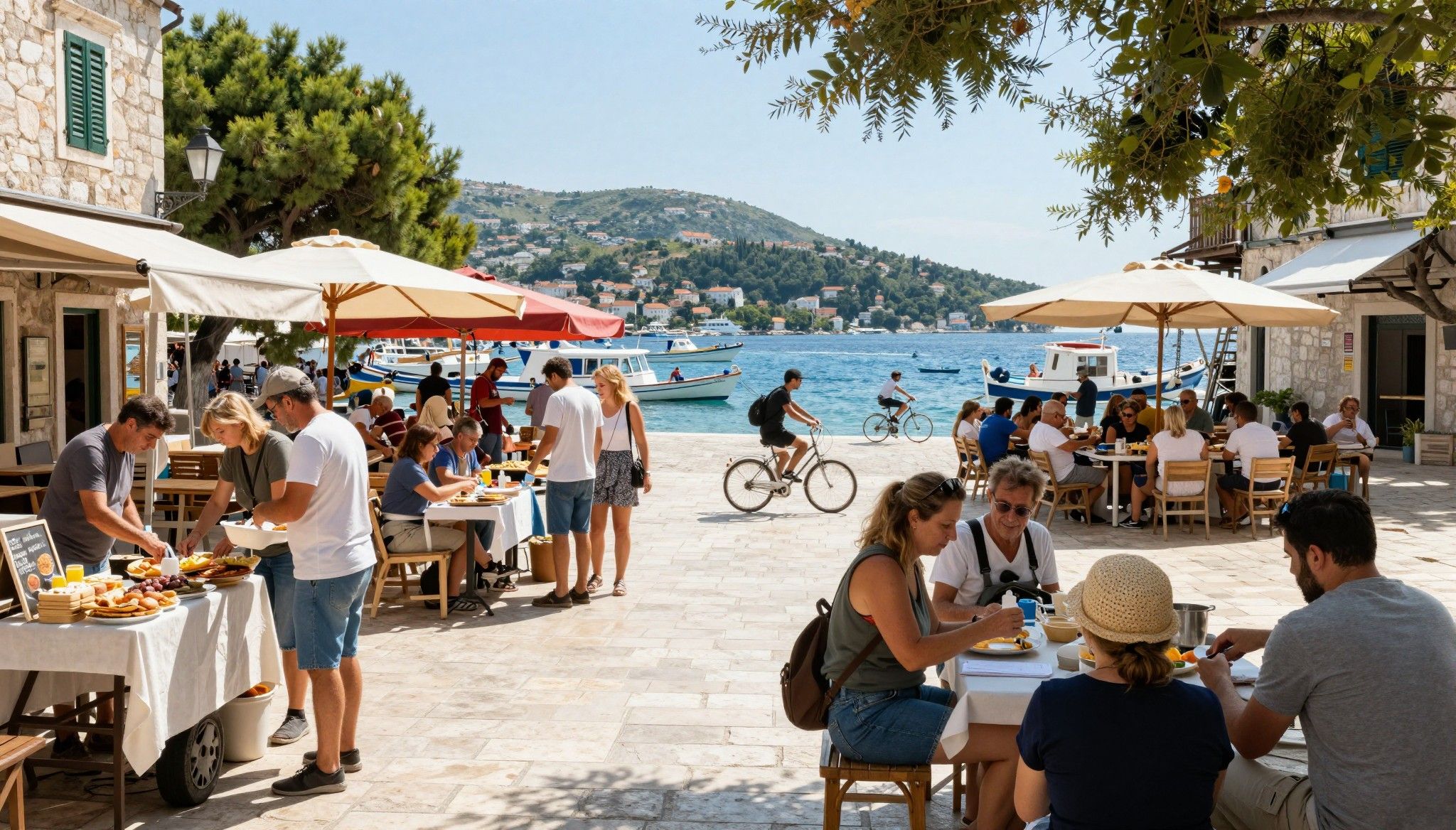
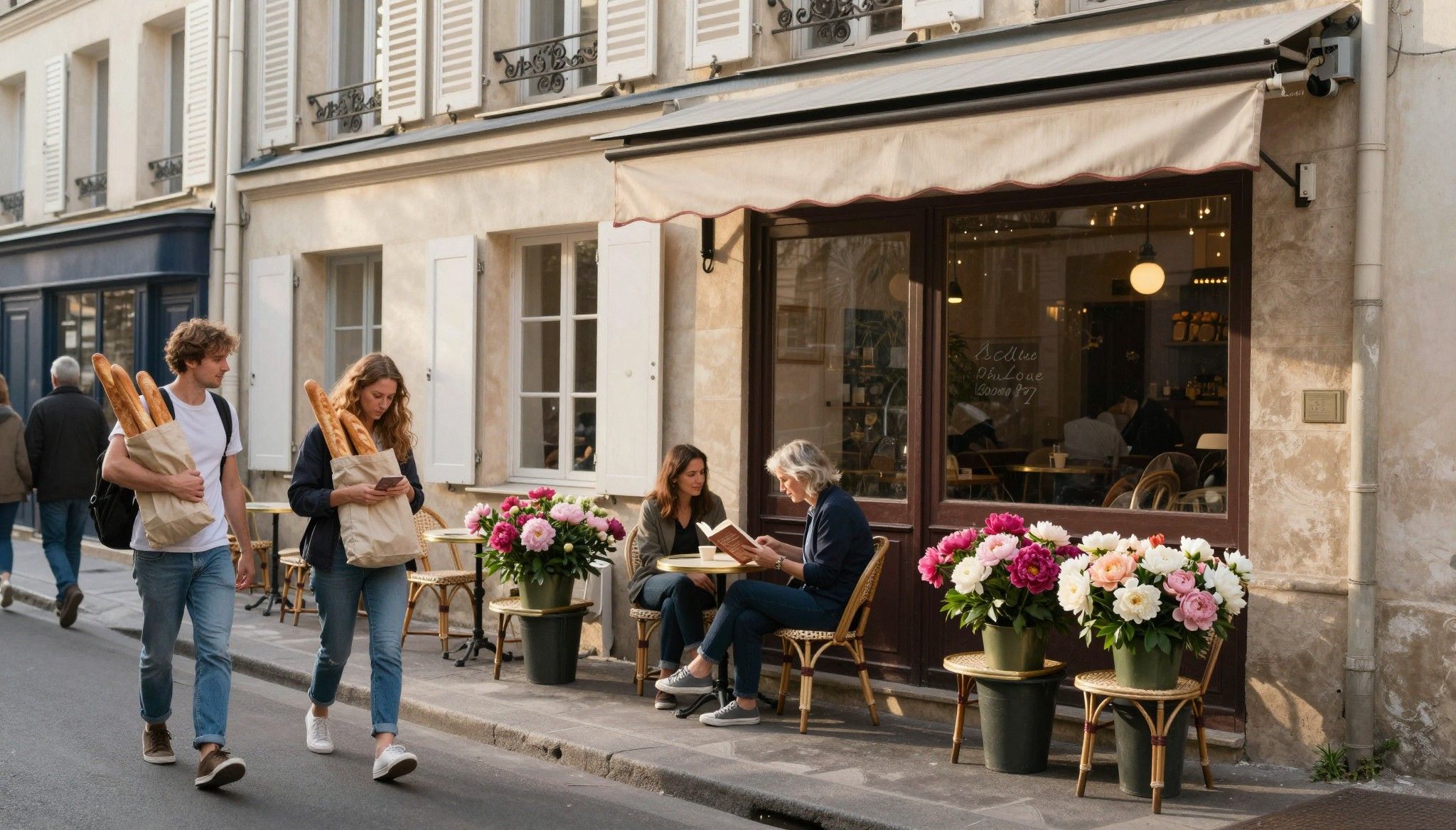
Weekends mean markets (eggs, halloumi, mountain honey), taverna lunches where the meze arrives steadily, and late swims at Governor’s Beach or Alaminos. Coffee culture is local: espresso in the morning, leisurely carob-and-cinnamon pastries in the afternoon. Festivals — wine fairs in Omodos, Byzantine music nights in Paphos — punctuate the year and create local rhythms you’ll quickly learn to plan around.
- Lifestyle highlights we’d pack in your first month:
- Morning run along Limassol’s Molos; late coffee at a corner kafeneio; Saturday fish at Larnaca’s central market; sunset aperitivo in Paphos harbour; Sunday hike in Troodos with a stop for mountain coffee.
Making the move: practical considerations
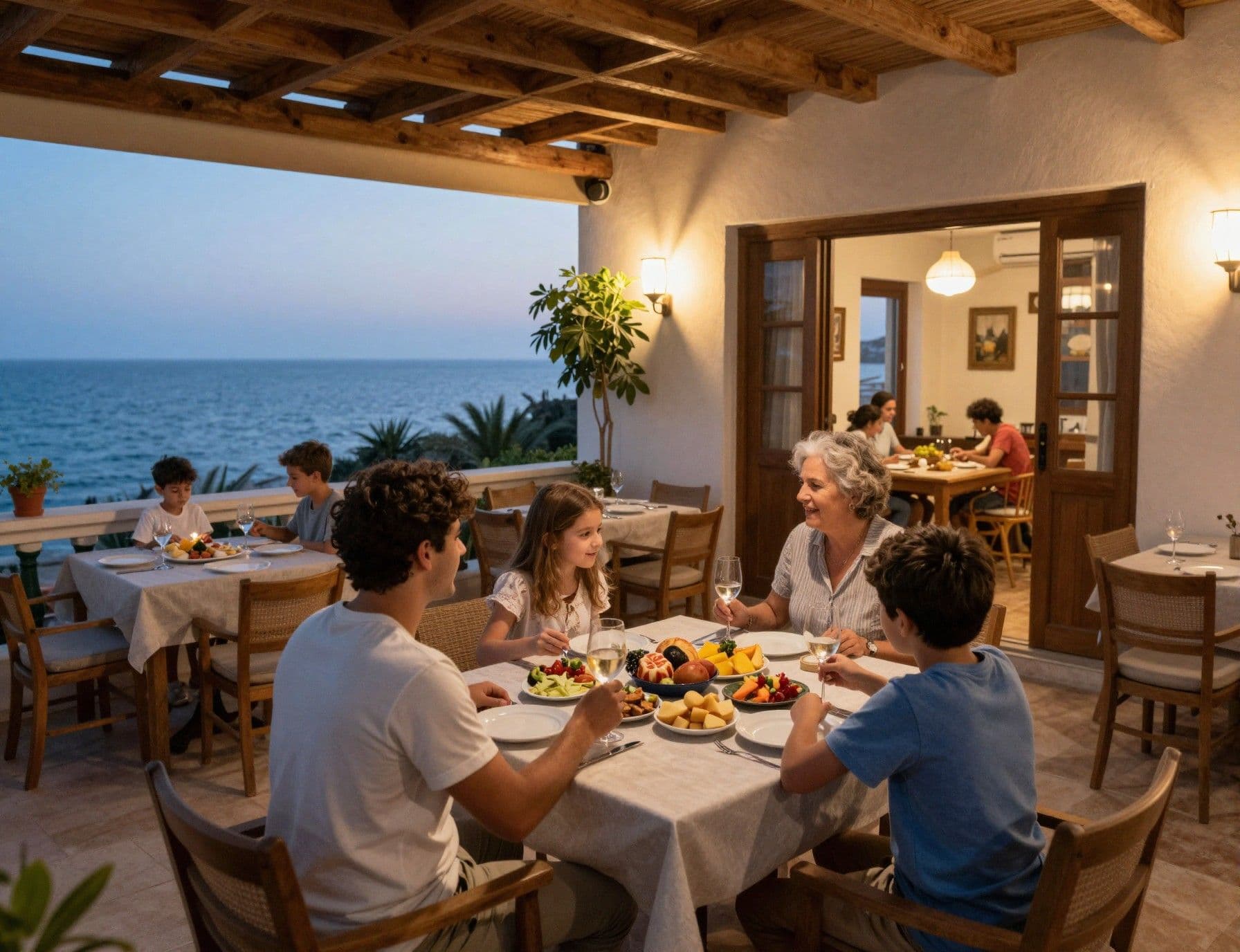
Your dream street and your legal file must travel together. Cyprus allows foreigners to buy, but the rules differ for EU and non‑EU buyers and some purchases need district administration approval. Permissions are usually prompt, but the real caution is title clarity: missing deeds or developer debts can stall months of living plans. Treat paperwork as the other half of the lifestyle purchase.
How the law shapes what you can buy
Non‑EU citizens typically need permission to buy and are often limited to one residential unit (with small commercial exceptions). Buying land for development is restricted for non‑EU buyers. EU citizens enjoy broader rights but must still verify title deeds and planning consents. The Ministry of Interior page explains process timelines and documentation required for foreign purchasers.
Property types and what they mean for daily life
New coastal developments promise pools, gyms and concierge — great for lock‑up‑and‑leave life, higher VAT exposure and management fees. Traditional village houses (Paphos foothills, Troodos) offer gardens and community but may lack full legal title packs or modern insulation. Apartments in city centres trade outdoor space for proximity to cafés and municipal services. Match property type to how you’ll actually live: social evenings, winter permanence, or seasonal rental plans.
- Steps to align lifestyle with legality:
- Get a local lawyer first; request full title searches and development histories; visit the Department of Lands and Surveys records; ask for proof of planning completion (building permits); budget for VAT or transfer fees depending on whether the sale is new-build or resale.
Insider knowledge: what expats wish they'd known
Two themes recur when expats talk honestly: paperwork patience and seasonal life swings. Property prices have been climbing steadily (see Central Bank indices), but local taxes and stamp duties remain manageable compared with many EU markets; VAT on new builds (usually 19%) and capital gains liabilities are real line items to budget for. Get current indices and a tax factsheet early — they change and they matter to yield calculations.
Language, community and everyday practicalities
English is widely understood in business and real‑estate circles, but learning basic Greek goes a long way socially. Local networks form around schools, clubs, and tavernas — not open‑house weekends. Expect local tradespeople to be recommended by neighbours; plumbing and planning interactions often run through personal introductions rather than cold bureaucracy.
Long‑term view: taxes, title security and resale
Expect annual costs (utility, municipal, and possible communal fees) and plan for capital gains tax (20% on gains) when you sell. Title deed clarity dramatically improves resale prospects. If you plan to rent, local licensing and VAT rules for short‑term lets are evolving; talk to a tax adviser before promising summer income to your cash flow model.
- Red flags and quick checks before you sign:
- No title deed in seller’s name; planning or final‑approval missing; multiple mortgages/claims on the plot; developer insolvency history; unclear communal‑ownership shares; unrealistic rental yield promises without seasonality adjustments.
Conclusion — fall for the island, keep the file close. Cyprus will seduce you with its light, food and sea. To make that life durable, marry lifestyle choices with iron‑clad paperwork: a local lawyer who knows district quirks, a reputable agent who points out the quieter neighbourhoods (not just the brochureed marina), and up‑to‑date market data on prices and taxes. Start with a neighbourhood visit, a title-search conversation, and one realistic cash‑flow spreadsheet that treats VAT and seasonal vacancy as family members rather than surprises.
Swedish expat who moved from Stockholm to Marbella in 2018. Specializes in cross-border legal navigation and residency considerations for Scandinavian buyers.