Malta: The Life You Buy — Streets, Markets, and the Rules
Fall for Malta’s daily rhythms — then buy with eyes open: rising prices, AIP rules and tight supply make local expertise essential.
Imagine sipping espresso on a limestone balcony in Sliema as the ferry horn cuts through a calm morning — that sense of small‑island scale, salt air and late‑night street life is why people fall for Malta. But beneath the charm are real tradeoffs: a tightly constrained market, rising prices and rules non‑residents must mind. We start with the life, then show how to buy so your dream isn’t a surprise.
Living the Malta Life
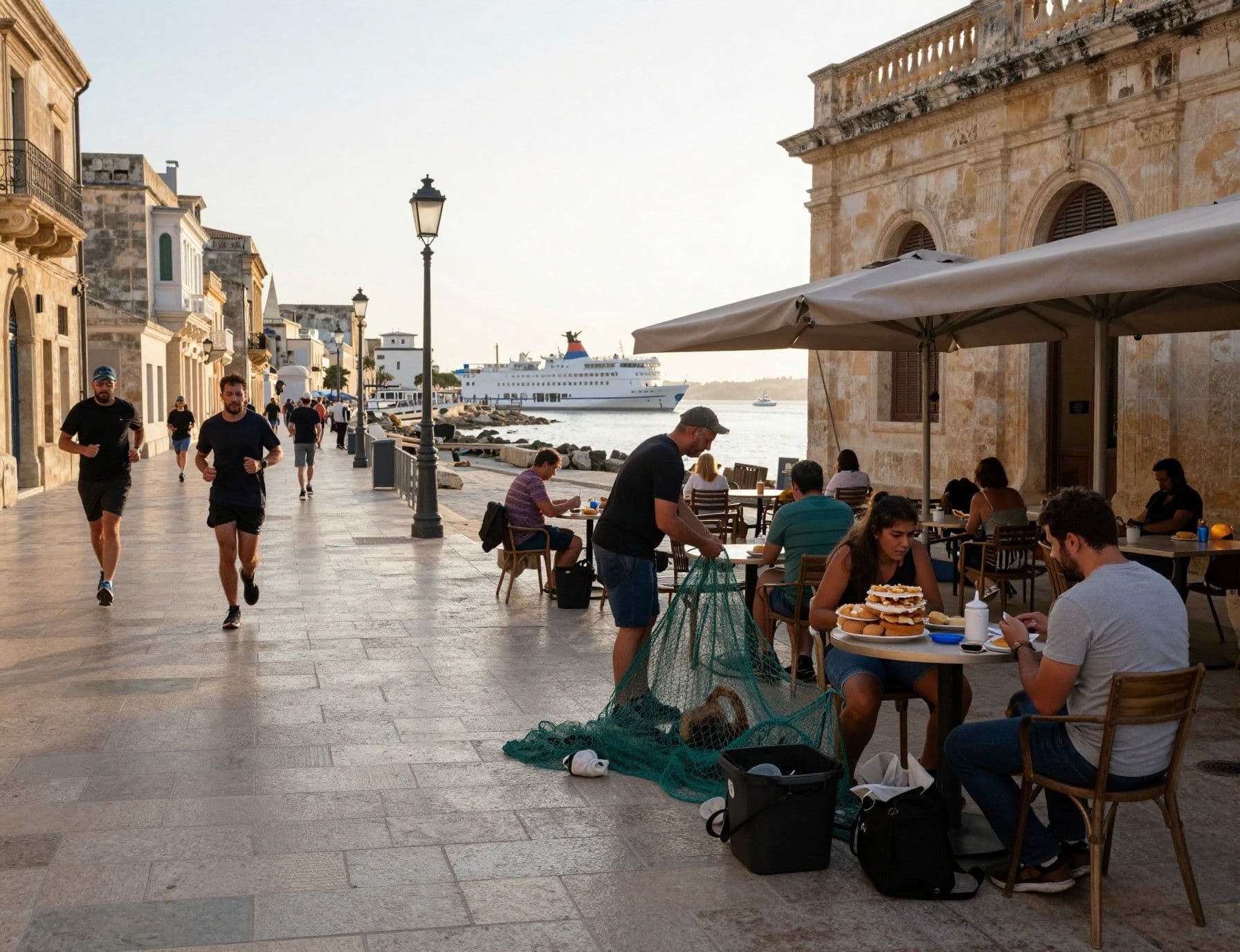
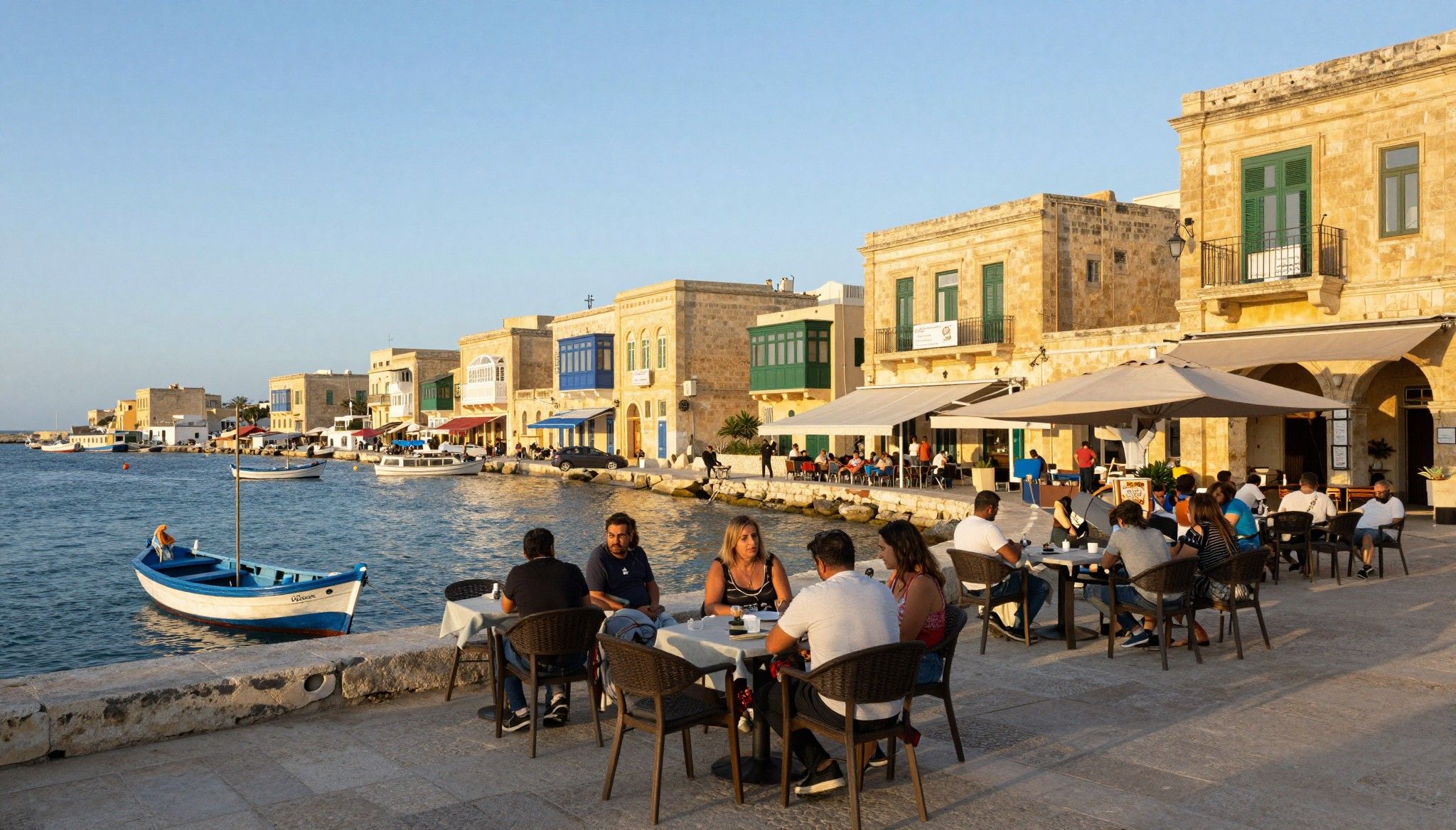
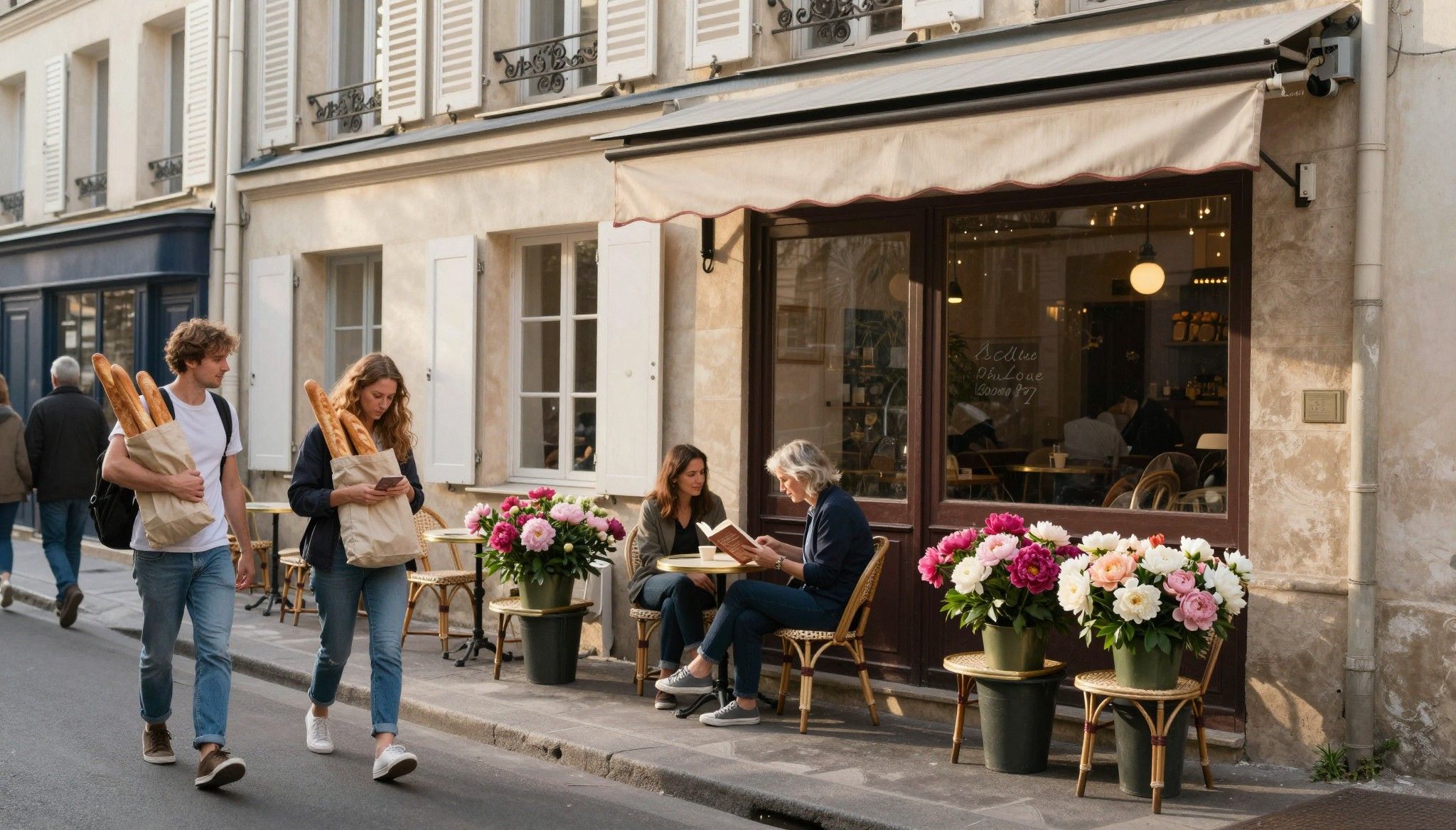
Malta moves at Mediterranean pace with a compact intensity. Days begin with bakeries in Marsaxlokk and end with aperitifs in Valletta’s Barakka Gardens. English is official, cafés feel international, and neighborhoods compact enough that your grocer, dentist and favourite bar can all be within a 15‑minute walk. That makes everyday living easy — and explains why location matters more than square metres.
Valletta, Sliema, St Julian’s — how they differ
Valletta is ceremonial and walkable: narrow streets, historic facades, weekday museums and a calmer evening rhythm outside the main tourist arteries. Sliema is the daily pulse — seafront promenades, coffee chains, laundrettes and small supermarkets. St Julian’s (Paceville) is nightlife and hospitality; great for short‑term rental demand but louder and less residential by design. Pick a vibe first, then a property that supports it.
Food, markets and weekend rituals
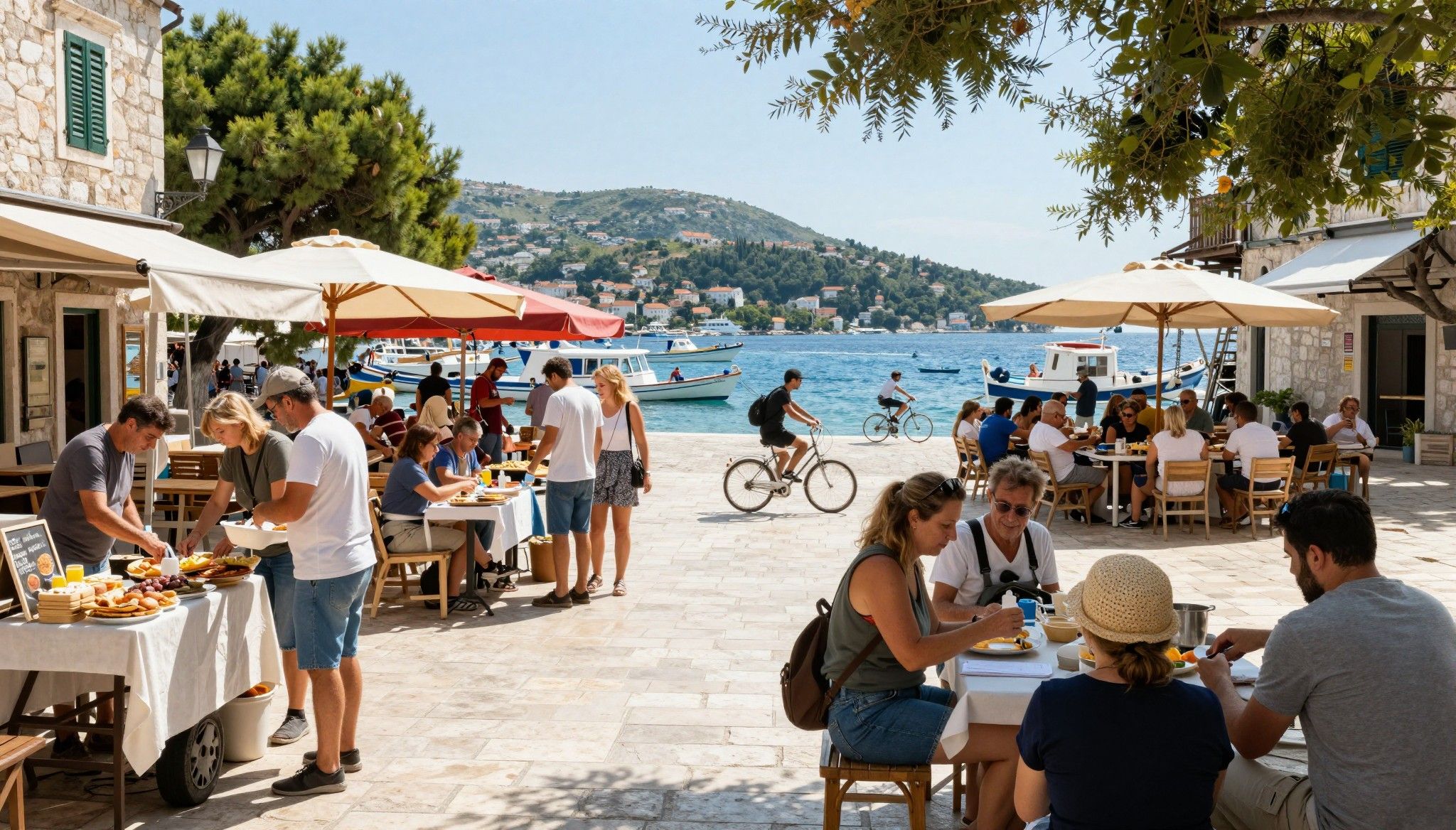
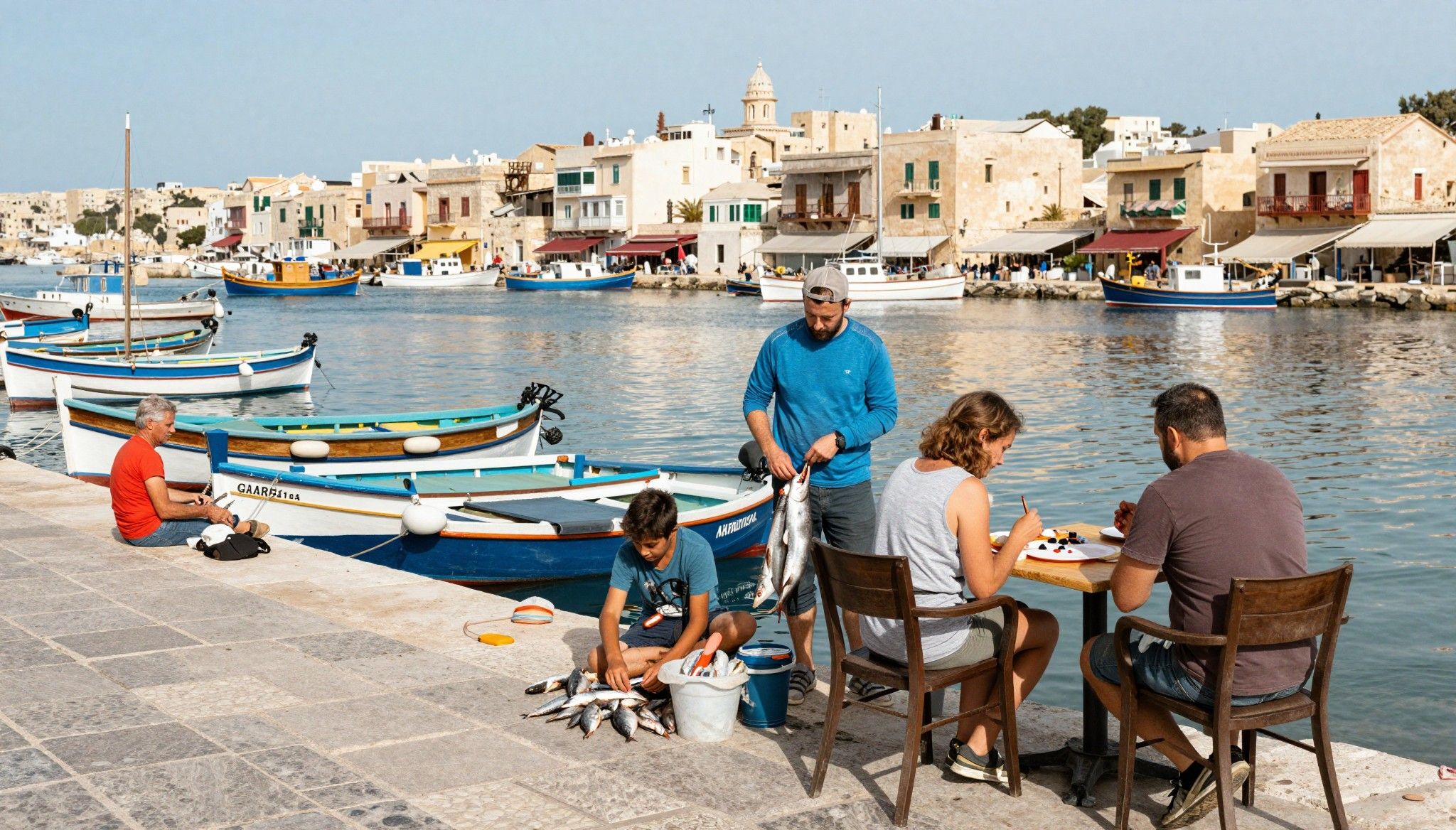
Weekends are market mornings and harbour lunches. Marsaxlokk fish market is ritual — buy fresh catch, then walk to Triq ir‑Rizq for pastizzi. Mdina evenings are quiet and theatrical, while the north shore’s bays (Golden Bay, Mellieħa) fill on summer Sundays. These rhythms shape what you want from a home: proximity to a market, a terrace for late dinners, or insulation from weekend tourism.
- Lifestyle highlights: Valletta’s Republic Street cafes, Sliema promenade walks at dawn, Marsaxlokk Sunday fish market, Mdina’s sunset vista, St Julian’s waterfront dining, quiet terraces in Gzira.
Making the Move: Practical Considerations
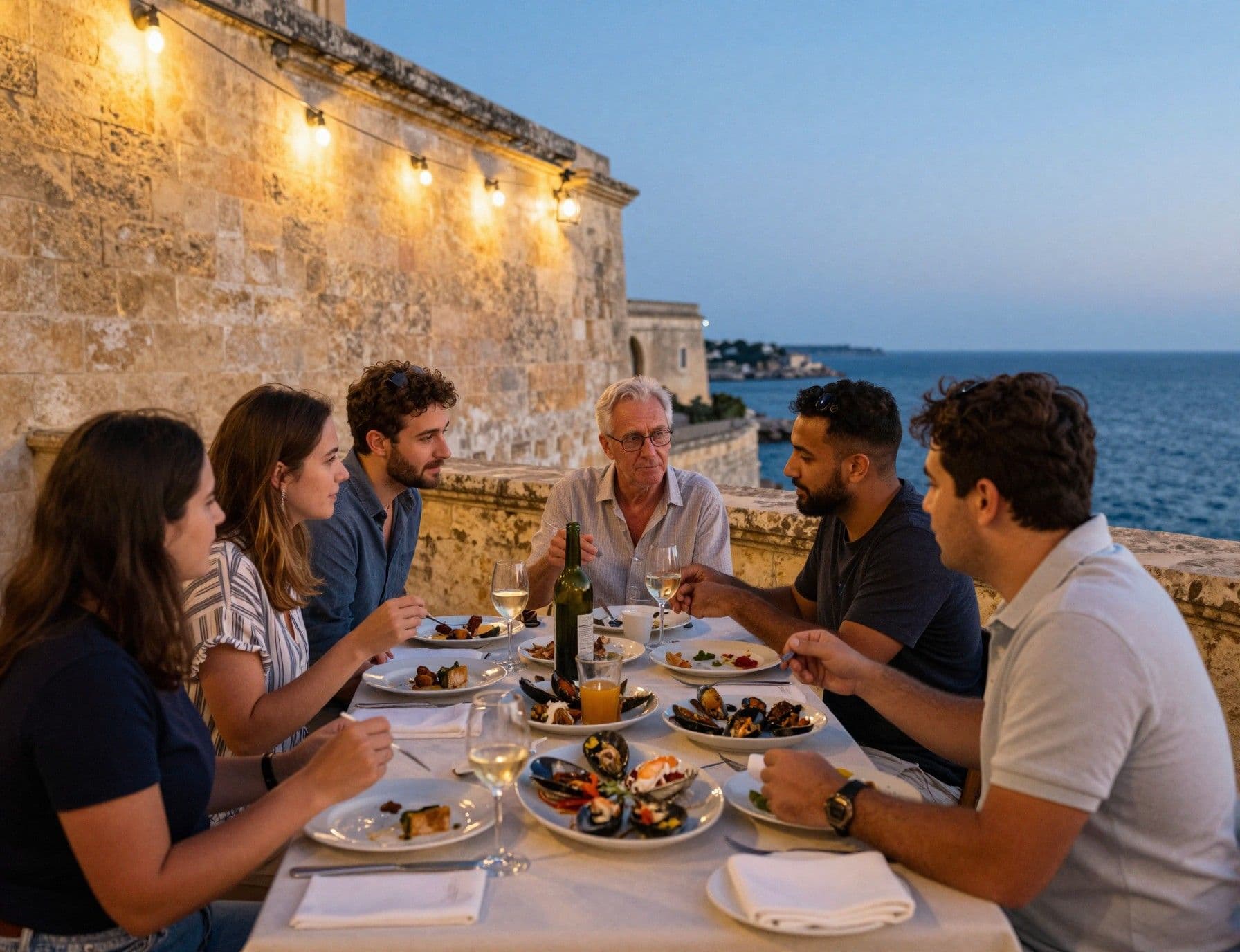
If the lifestyle attracts you, the numbers will temper enthusiasm. Malta’s property indices show steady price growth and a tightening supply — the NSO and industry reports point to multi‑percent annual gains and higher transaction values. That’s great for long‑term holders but it raises entry costs and means buyers should prioritise location and condition over chasing square metres.
Property types and how they shape life
Apartments and maisonettes dominate urban life: compact interiors, rooftops or small terraces, and a premium for sea views or proximity to promenades. Houses of character and townhouses in older villages give space and charm but often need renovation. Decide what you can live with daily — a tiny terrace and great neighbourhood, or more indoor space but a longer commute.
Work with local experts who know both law and life
Notaries are central to Maltese transactions; they run searches, prepare deeds and register titles. Non‑EU buyers often need an AIP permit, and some properties on emphyteusis (leased state land) require extra checks. Engage a notary and a locally experienced agent early — they translate local paperwork and steer you to neighbourhoods that match your daily life, not just Instagram views.
- Steps that blend lifestyle and legality: 1) Spend two weekends living in the neighbourhood you love to check daily routines and noise. 2) Order full Land Registry and planning searches through your notary. 3) Confirm AIP permit needs if you are non‑EU before offering. 4) Factor in renovation time and permits for houses of character. 5) Ask agents for recent comparable final deeds, not just advertised prices.
Insider Knowledge: What Expats Wish They'd Known
Expats often tell us the surprise wasn’t the narrow streets or the limestone dust — it was affordability and tourism seasonality. Reports show median prices rising and affordability pressures increasing, especially for smaller households. That changes the calculus: many buyers accept a smaller apartment in a great street rather than a larger place on the edge of town.
Social rhythms, language and integration
English makes onboarding simple, but social integration often follows habitual places: the gym, the corner cafe in Msida, or a weekly charity market. Join local groups early and pick a neighbourhood that offers the social life you want — families often pick Pembroke or Swieqi for schools and parks; professionals cluster in Sliema and Gzira for quick commutes and cafés.
Longer‑term considerations that affect lifestyle
Think five years ahead: will you want more light, a garden, or lower management fees? New supply picked up in 2024–25, which may ease pressure in peripheral areas but leave historic centres in high demand. If rental income matters, check seasonality — short‑lets are regulated and neighbourhood sentiment varies widely between Valletta and Paceville.
- Red flags and quick checks: Confirm freehold vs emphyteusis status; verify recent final deed prices through the Land Registry; check immediate neighbours for tourism‑heavy usage; inspect terrace waterproofing in older buildings; confirm AIP eligibility if you are non‑EU.
Conclusion: Live the life, but close the file. Malta sells itself in smells, markets and sunsets — but the purchase succeeds in paperwork. Spend time in the neighbourhood, ask for final‑deed comparables, engage a notary and an agent who knows the streets (not just the listings), and make decisions that protect the lifestyle you pictured on day one.
Norwegian market analyst who serves Nordic buyers with transparent pricing and risk assessment. Specializes in residency rules and tax implications.