Small‑Island Tradeoffs: Where Malta’s Value Really Hides
Malta’s charm conceals nuanced value: headline towns are pricey, but community-centric pockets and older maisonettes offer lifestyle gains and relative affordability.
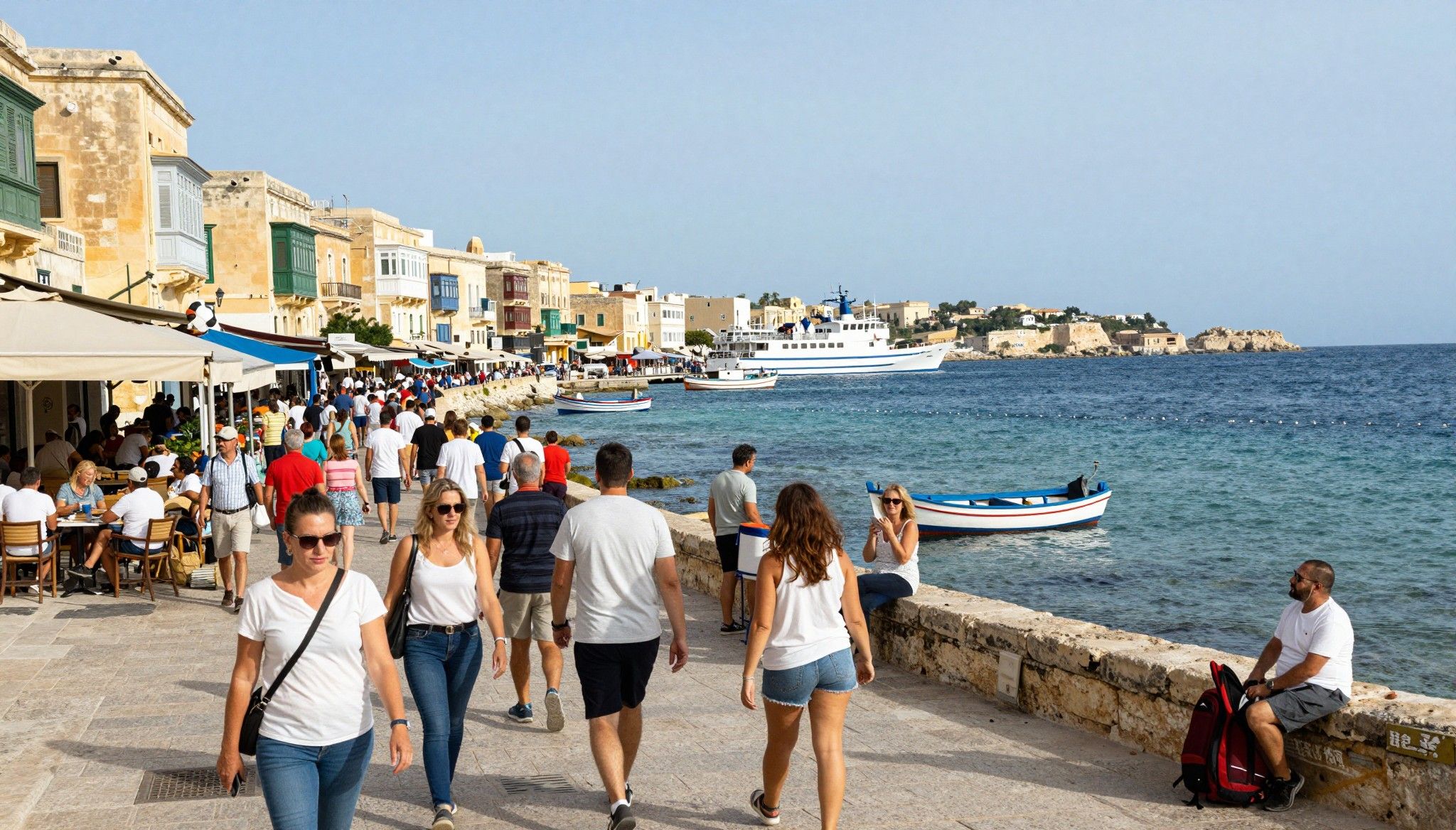
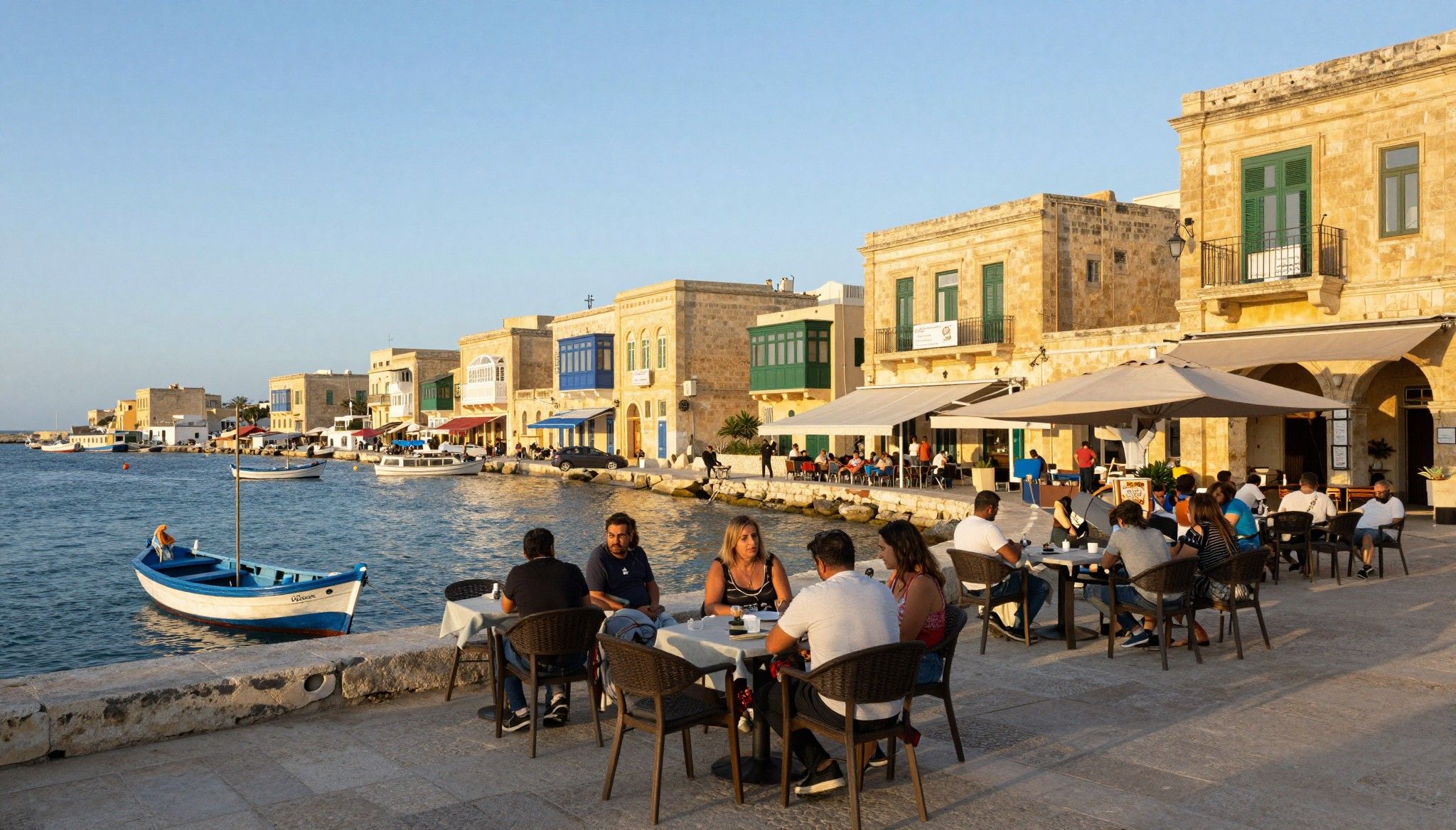
Imagine an island where morning espresso is still taken standing at a bar, where limestone streets curve toward a fishing harbour and the ferry to Gozo leaves on a relaxed timetable. Malta feels small in the best way — dense with cafés, neighbourhood rituals and a day-to-day rhythm that folds effortlessly into an international life. Yet many buyers arrive expecting either a bargain island or an impossibly expensive playground. The truth sits somewhere in between, and it matters for how and where you buy. According to recent market analysis, local prices rose steadily through 2024 but reveal pockets of value if you look beyond headline towns.
Living the Malta life: more than postcard views
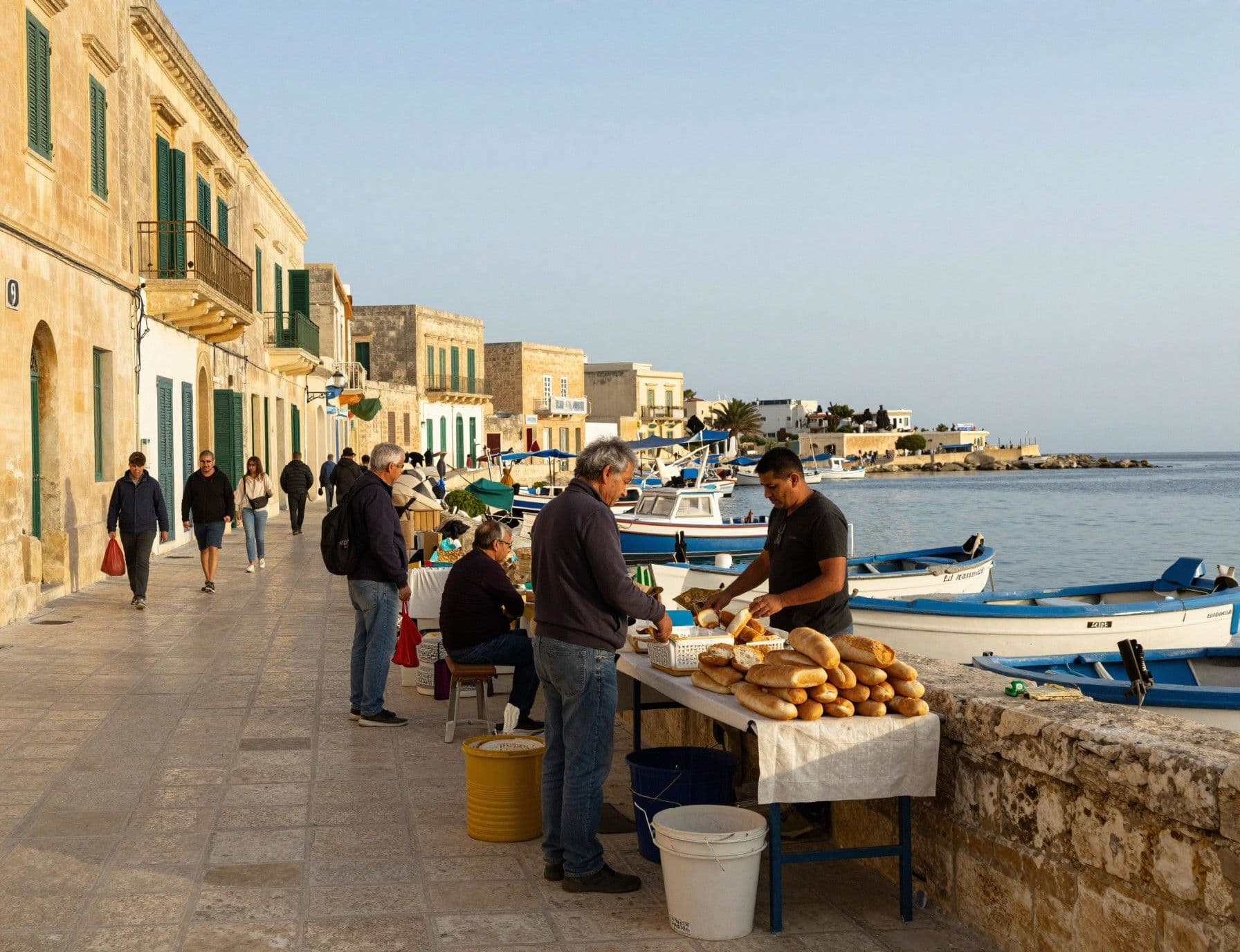
Daily life in Malta is tactile. You hear church bells and the hum of small businesses; you smell fresh bread from a pastizzeria and sea salt on the breeze as you walk home. Neighbourhoods are compact: you’ll meet your grocer on the way to the bakery, and a 20-minute walk can move you from Renaissance fortifications to a cliff-top sunset. For international buyers imagining a Mediterranean routine, the island delivers: outdoor dining, short commutes and a social tempo that tends to evenings rather than early mornings.
Valletta, Sliema, St Julian’s: the obvious trio — and their trade-offs
Valletta offers theatrical history and narrow streets that reward exploration, but apartments are often smaller and more renovation-heavy than they look in photos. Sliema and St Julian’s give convenience — seafront promenades, restaurants and well-used bus links — yet that convenience comes with higher per-square-metre prices and summer crowds. If you value nightlife and immediate services, these are hard to beat; if you want quieter terraces and a sense of neighbourhood stability, you should look elsewhere.
Neighbourhoods locals love (and where to actually find value)
Locals often point buyers toward overlooked towns: Marsaskala’s fishing-cove character, Żabbar’s community tempo, or Mellieħa’s breadth of coastline and family amenities. These places trade instant headline glamour for daily conveniences: larger apartments, community markets and lower competition from short-term rentals. That’s where the price-per-metre advantage appears in practice — not because the island is cheap overall, but because demand concentrates in a handful of hot spots.
Lifestyle highlights you’ll actually live
- Morning espresso at Caffe Cordina (Valletta) and weekends at Marsaxlokk fish market
- Sunday swims at Golden Bay or Mellieħa Bay, followed by seaside rabbit stew at a family-run restaurant
- Evening passeggiata along Sliema promenade or an aperitivo in Spinola Bay, St Julian’s
- Neighborhood rituals: bakery runs, small local festa processions and weekly market rhythms
Making the move: practical considerations that preserve the lifestyle
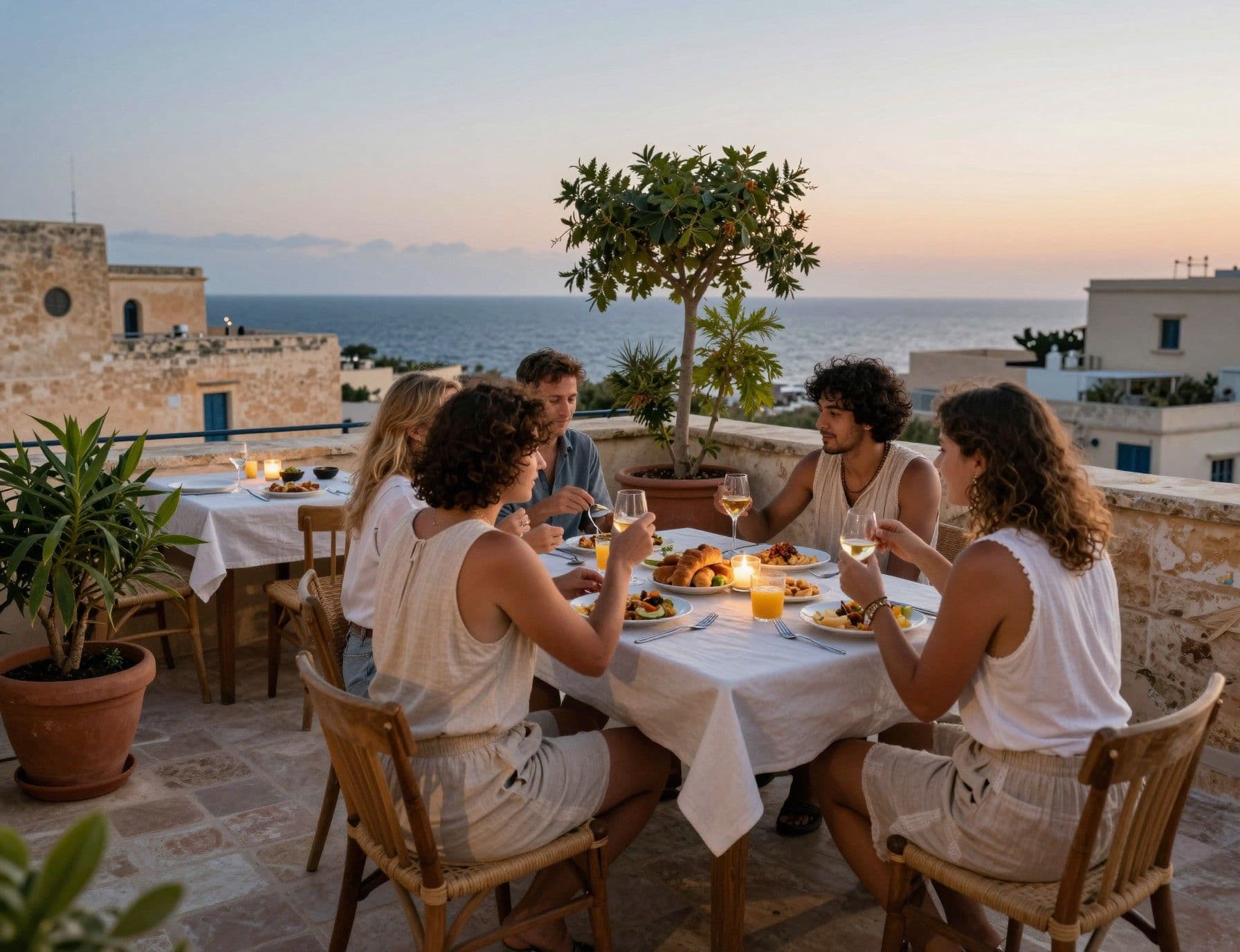
Dreams of terrace dinners meet real-world choices: property type, neighbourhood rhythm and local rules. National statistics show Malta’s Residential Property Price Index rose through 2024, and transaction volumes remain lively — evidence of consistent demand rather than a speculative spike. That activity matters because it means competition for the most desirable addresses is steady; yet it also reveals where opportunities lie: secondary towns, larger older flats that reward thoughtful renovation, and family houses slightly inland from the most photographed bays.
Property styles and how they shape daily life
Traditional Maltese maisonettes and townhouses give you high ceilings, internal courtyards and room to personalise — ideal if you love indoor-outdoor routines and gardening on a small scale. Modern seafront apartments offer convenience and views but often trade storage and character for glazed facades. If you value morning light and local rhythm, prioritise courtyard access and terrace size over a glossy façade; those features shape how you use the home every day.
Working with local experts who understand lifestyle goals is less about hard-selling and more about matching rhythm to residence. Residency programmes (like the Malta Permanent Residence Programme) tie property choices to permit rules — some schemes require minimum prices or locations, which affects where you can buy if residency is part of the plan. A specialised agent and a lawyer who’ve handled MPRP or Global Residence Programme cases will prevent surprises and make sure your lifestyle choices align with legal requirements.
- Start with lifestyle mapping: list daily habits and non-negotiables. Engage an agent who lives in the area and knows off-market inventory. Prioritise walkability and terrace orientation over headline square metres. Confirm residency programme constraints before making offers if residency matters. Budget for renovation and utility upgrades in older properties common in Maltese towns.
Insider knowledge: what expats wish they’d known
Expat experience in Malta often follows a predictable arc: heady first months of discovery, followed by practical adjustments — managing deliveries in narrow streets, understanding festa noise during summer evenings, and learning when shops close for siesta-style breaks. Language is less of a barrier than in many places because English is an official language, but local social entry often depends on showing up for the same café or church fete repeatedly. That small repetition is the quickest route from visitor to neighbour.
Cultural integration and the social scene
Join a local club or language class, and spend weekends in markets rather than just tourist sights. Food culture anchors social life: a Sunday fish market at Marsaxlokk, a casual dinner at a family-run ristorante in Mosta, or rooftop wine nights in Valletta bring you into contact with Maltese routines. These interactions matter more than formal introductions when it comes to finding the quieter, more affordable properties locals favour.
Long-term lifestyle and property durability
Malta’s compact geography means long-term value often ties to location-specific amenities — good schools, reliable transport links and protected coastline. Older townhouses can outperform superficially newer builds once you factor in rental demand and the cost of sympathetic renovation. Think long-term: buy a home that supports the life you want in five to ten years — proximity to community, terrace space and adaptable rooms trump the latest finishes.
- Red flags locals mention: excessive short-term rental conversion in a block, unclear common-area maintenance agreements, lack of natural ventilation in older flats, and properties without proper San Ġwann/TOC permits for additions.
- Small wins that change daily life: a south-facing terrace, a discreet storage room, reliable local baker, and a neighbour who knows the best mechanic.
By the time you’re packing boxes you’ll appreciate the trade-offs: Malta’s streets can be narrow, paperwork can be specific, and summer crowds can be real. But you’ll also have an island where every corner has a cafe, where childhood festivals animate neighbourhood squares, and where the sea is a 20-minute promise from most places. Start with the life you want, then let local data and a trusted agent translate that into an address you’ll keep.
Ready to turn a dream weekday into a regular one? Walk the neighbourhood you love at different times of day, ask the local bakery about quiet seasons, and ask an agent to show both the showroom properties and the nearby fixer-uppers. If residency is part of your plan, check qualifying property thresholds before committing. We can introduce you to agents and lawyers in Malta who pair lifestyle understanding with the legal detail — because falling in love with a place is only sustainable when your purchase matches everyday reality.
Norwegian market analyst who serves Nordic buyers with transparent pricing and risk assessment. Specializes in residency rules and tax implications.