Malta’s Price Myth: Buy the Life, Not the Tag
Malta’s compact lifestyle often explains value better than headlines — choose neighbourhood rhythm over headline prices and rent first to confirm the life you want.
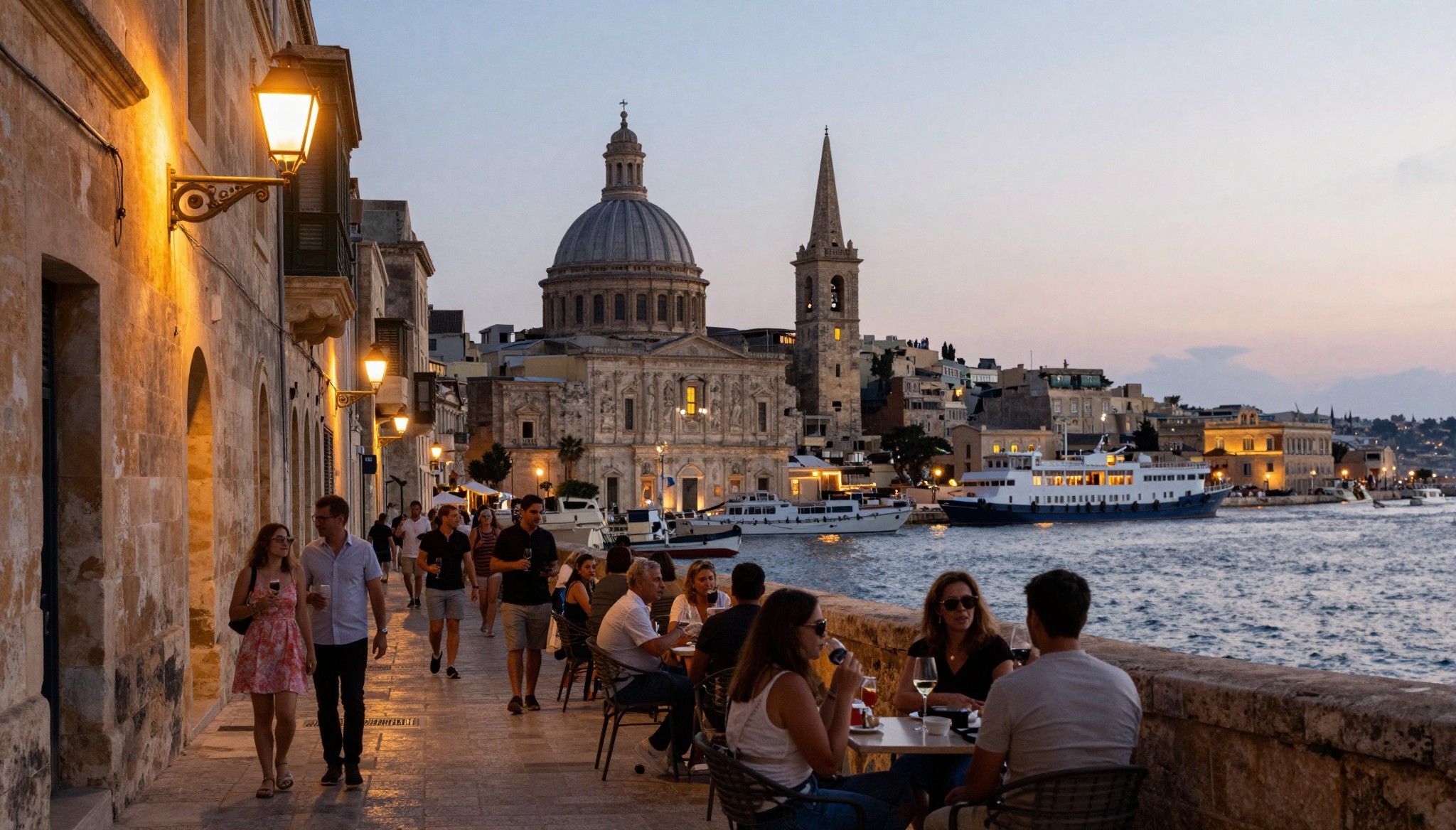
Imagine stepping off a ferry into Valletta at dusk: limestone facades warmed by streetlamps, a bakery’s scent on Strait Street, and neighbours who know when you like your coffee. That compact, intensely human everyday is what draws people to Malta — and what often gets lost when conversations default to prices and numbers.
Living Malta: the rhythm, the flavour, the small-scale magic
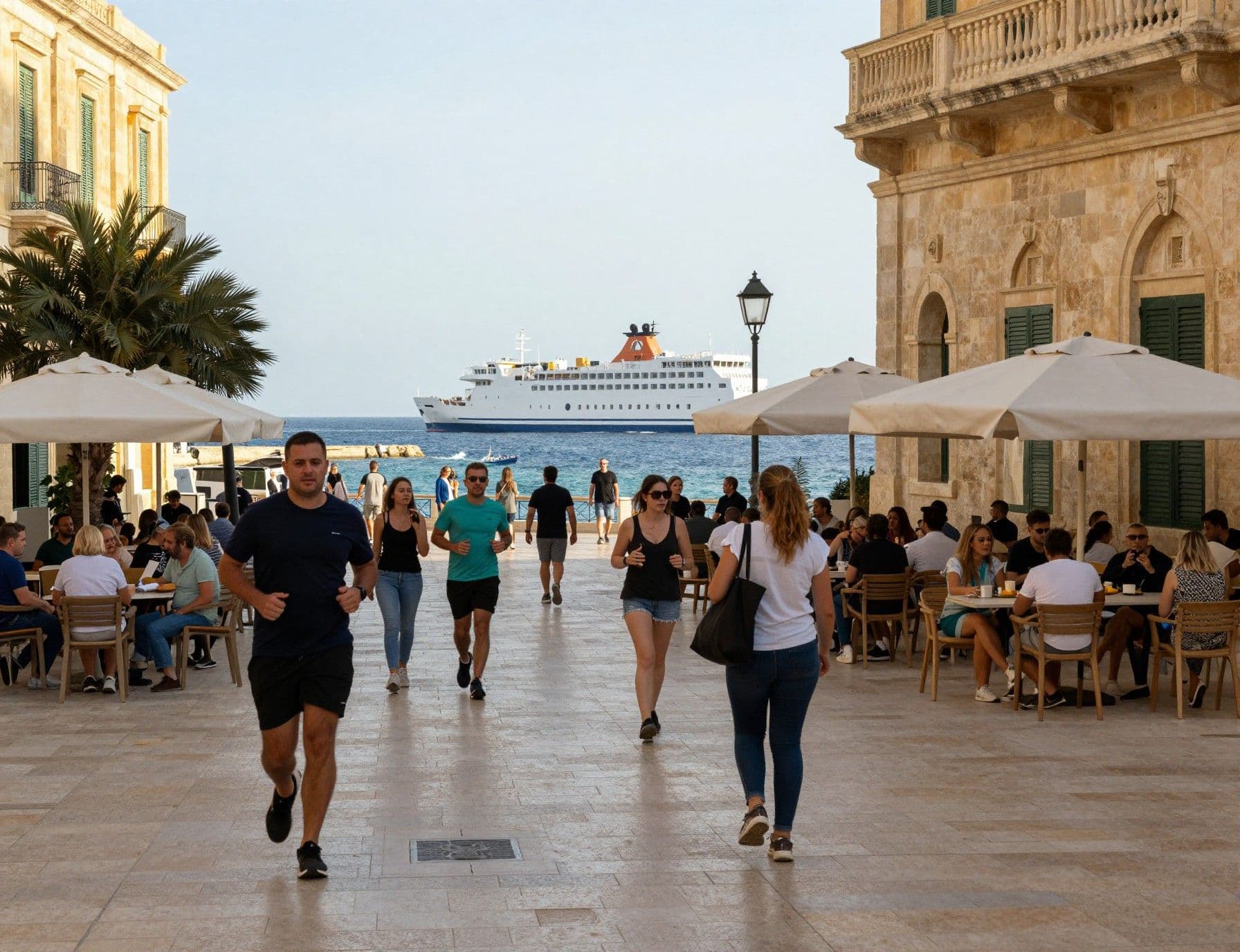
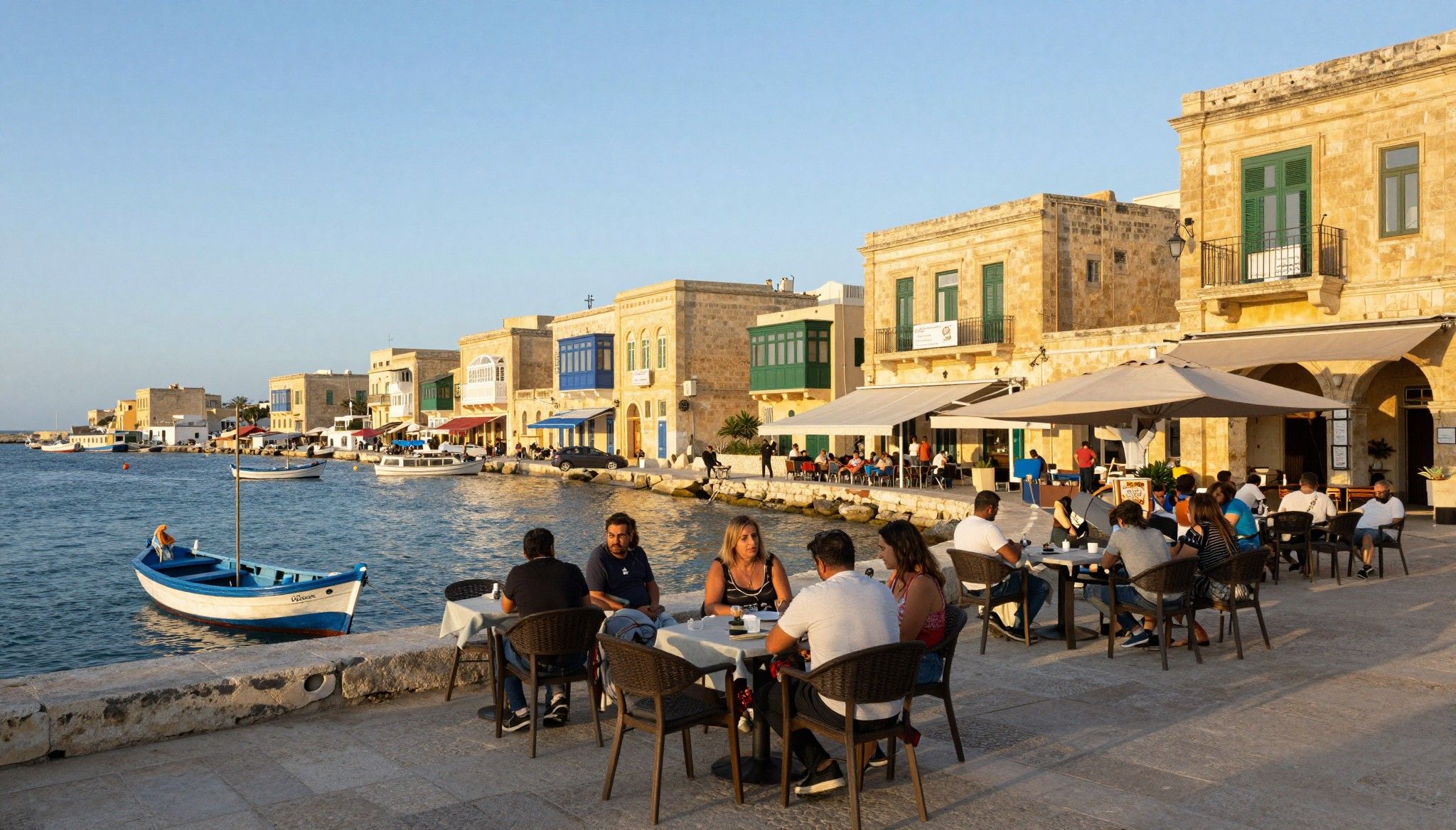
Malta’s life is Mediterranean in tight focus: morning promenades in Sliema, lunchtime pastizzi from a corner shop, and evenings that move from quiet harbours to buzzy wine bars in St Julian’s. The islands compress culture, services and variety into short distances — which changes how you live more than the actual square metre price.
Valletta & the Three Cities: history as a living room
Valletta’s steep streets and tiny piazzas feel like living inside a museum that still makes coffee. Around the harbour, the Three Cities (Birgu, Senglea, Cospicua) offer waterfront terraces and narrow lanes where restoration projects yield atmospheric maisonettes with vaulted ceilings — expensive in effort, often modest in footprint, but enormous in everyday charm.
Sliema, St Julian’s & Gżira: coastal convenience and expat energy
If you want cafes on the promenade, reliable ferries to Valletta and a dense mix of shops and co‑working spaces, Sliema and St Julian’s are it. Gżira sits quietly between them with slightly better value; all three host Malta’s largest concentrations of international communities and nightlife, especially around Paceville in St Julian’s.
- Lifestyle highlights to taste Malta fully
- Morning espresso and a walk along Sliema promenade (Tigné Point for sea air)
- Weekend market and rooftop aperitivo in Valletta (try Strait Street after sundown)
- Family beaches and space in Mellieħa; quiet island rhythm on Gozo
Making the move: how lifestyle needs should shape where you buy
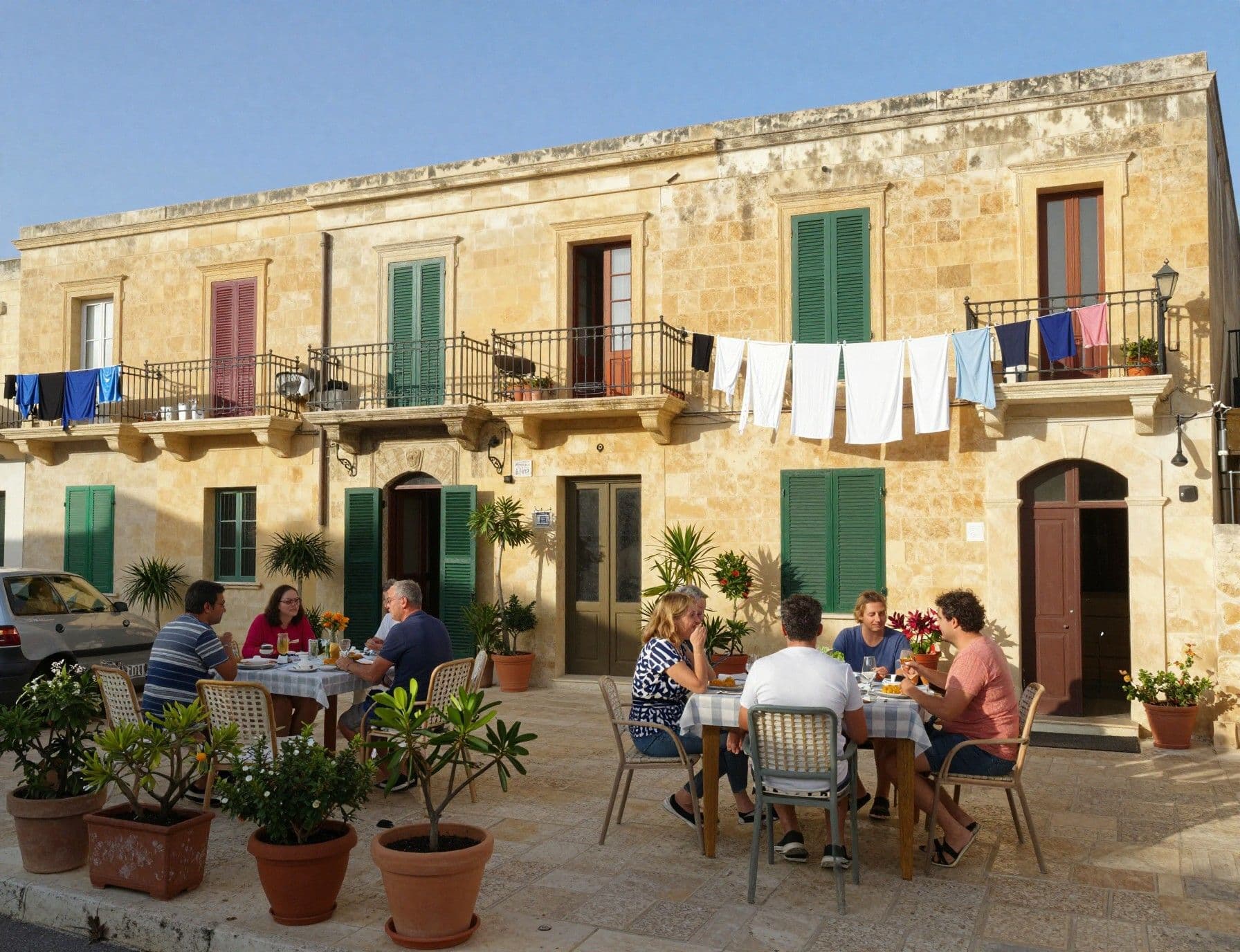
Data shows transactions and prices have been rising modestly, but what matters to you is the trade‑off between proximity and square metres. If you prioritise sea views and short walks to restaurants, expect to pay a premium in Sliema or Valletta. If you want outdoor space and quieter streets, look north to Mellieħa or to Gozo — where the same investment buys more land and a different pace of life.
Property types and the life they enable
Apartments and maisonettes dominate Maltese inventory. A restored Valletta maisonette gives you history, high ceilings and terraces — but less insulation and more renovation decisions. Newer developments in St Julian’s or Tigné offer parking and modern finishes but feel different. Choose the property that supports the life you imagine: terrace breakfasts, evening harbour walks, or a garden for kids and dogs.
How real agencies help match life to layout
A local agency does more than show listings: they translate neighbourhood rhythms into usable options — which blocks fill up after 6pm, where deliveries are tricky, which terraces get afternoon sun. Work with agents who live the island life and can say plainly where a weekend market or ferry will become part of your routine.
- Practical steps that blend lifestyle with process
- Rent for at least three months in your preferred neighbourhood before buying to confirm daily rhythms and noise levels.
- Prioritise a short‑list of three must‑haves (e.g., terrace, walking distance to grocery, natural light) and let the agent filter listings to those realities.
- Ask for a micro‑walkthrough: street to main services, typical traffic at arrival times, and community details (markets, clubs, churches).
Insider knowledge: what expats wish they'd known before moving
Expats often tell the same five things: language is easier than expected (English is official), the islands’ small size is both convenience and constraint, renovation budgets creep, community ties form around local clubs and cafés, and seasonal tourism changes the tempo more than prices do. Those realities shape where you should actually look.
Cultural cues that change everyday life
Weekends are social and local: chapels, festas and family tables matter here. Shops close for a few hours in the afternoon in some towns, and services cluster by district. Embracing these rhythms — learning a few Maltese phrases, joining a club — accelerates your sense of belonging and helps you pick a neighbourhood that feels like home.
Long‑term choices: resale, rental and maintenance realities
If you plan to rent when you're away or later sell, remember Malta’s market rewards location, usable outdoor space and good natural light. Older properties often need consistent maintenance (limewash, roof checks) and restoration budgets should be realistic. For investors, short‑let demand concentrates around Sliema and St Julian’s; Gozo performs differently and attracts longer stays.
- Red flags local buyers watch for
- Incomplete permits for roof terraces or extensions — check the Planning Authority record before you sign.
- Unresolved service access: narrow lanes where deliveries and emergency access are problematic.
- Under‑insulated older stone homes that need modern HVAC or insulation to be comfortable year‑round.
Conclusion: Malta is not a single price tag — it’s a compact life you can afford in different ways. If you want sea‑edge energy, aim for Sliema or Valletta; if you want space and gardens, look north or to Gozo. Work with agents who know both the paperwork and the pulse of neighbourhoods, rent first, budget for restoration, and buy the life you actually want to live.
British expat who relocated to Marbella in 2012. Specializes in rigorous due diligence and cross-border investment strategies for UK and international buyers.