Why 'No Title Deed' Fears Miss Cyprus's Real Risk
Why the ‘no title deed’ scare masks the real buying risks in Cyprus — and how lifestyle-minded buyers turn paperwork into a clear path to island life.
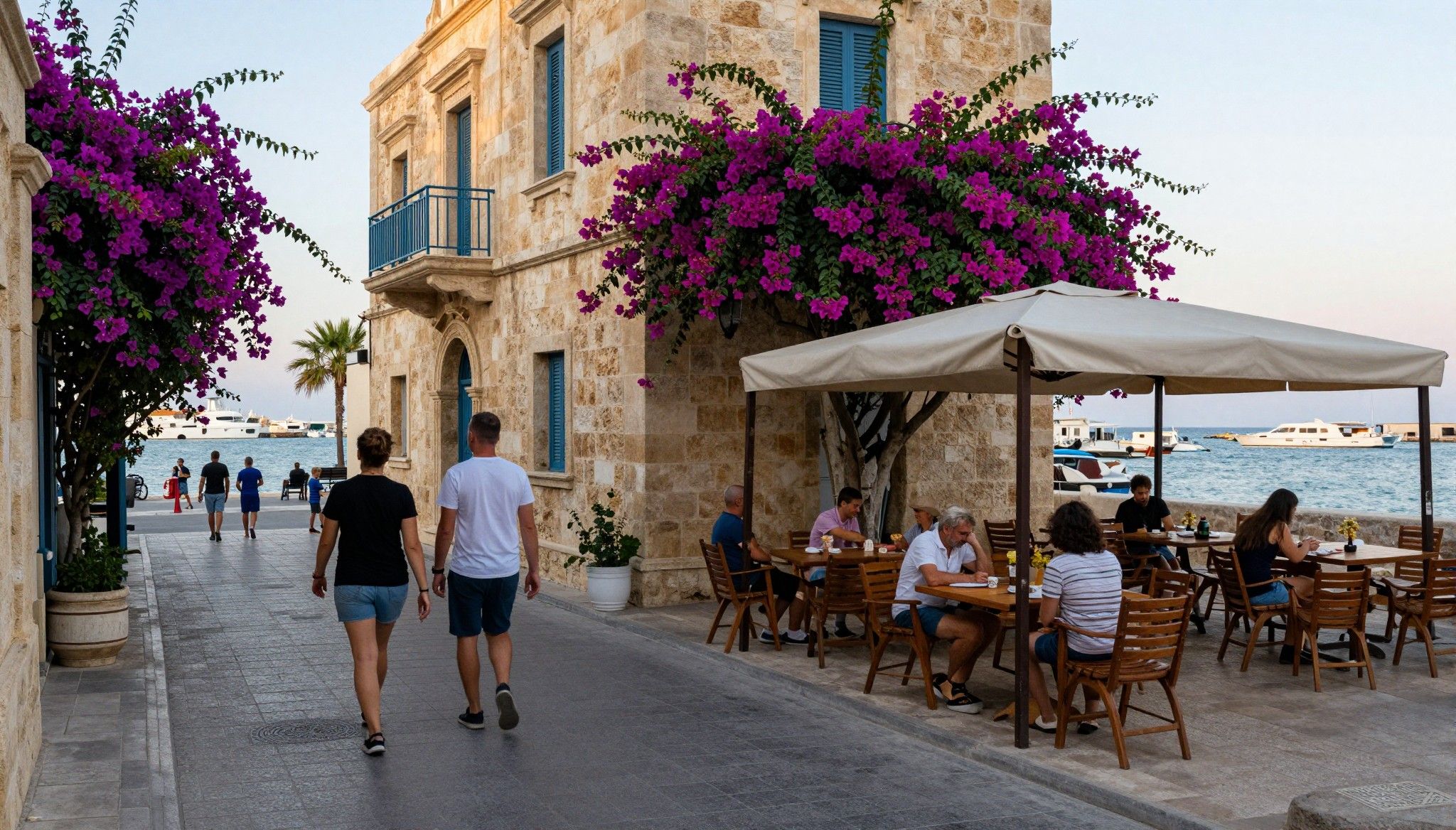
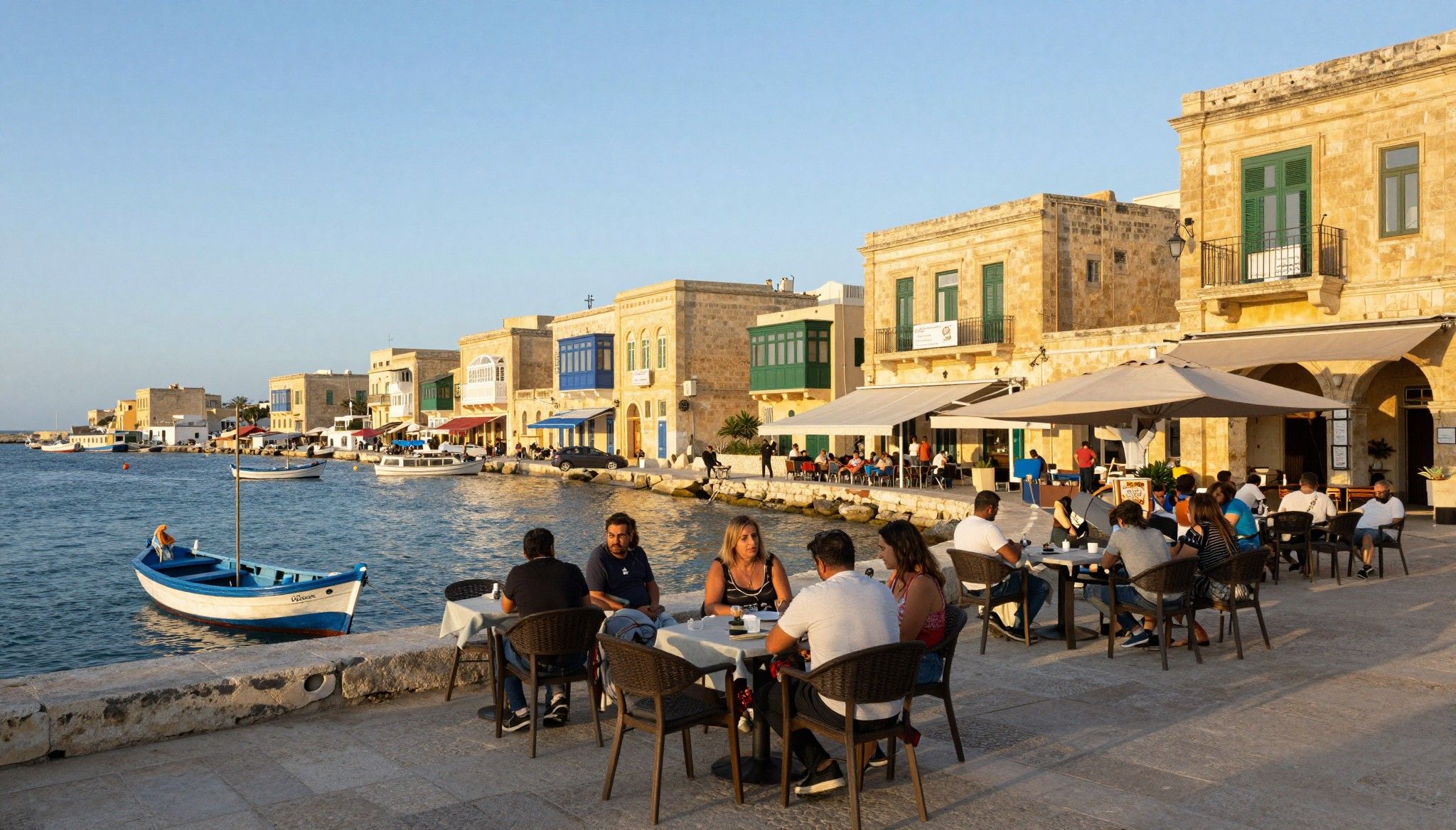
Imagine sipping an espresso at the small marble table outside To Anamma in Old Larnaca, the harbor light painting the stones, while your thoughts drift to a dream: a modest townhouse within walking distance of the sea. For many of us, Cyprus is that summer-every-day life — unhurried mornings, tavernas that remember your name, and afternoons on beaches like Fig Tree Bay. But for international buyers the island’s real romance comes wrapped in paperwork: title deeds, transfer fees, VAT rules and residency routes. This guide untangles the myths — yes, even the notorious “no title deed” panic — and shows what truly matters when buying life on this island.
Living Cyprus: more than sun and views
Cyprus isn’t one mood — it’s several. Limassol brings glossy marinas and late-night mezze; Paphos feels archaeological, quiet in winter and lively in summer markets; Nicosia is the island’s working heart, a patchwork of cafés and municipal life. In mountain villages like Omodos or Kakopetria, life slows around bakeries and monastery bells. Day-to-day, expect a strong cafe culture (frequent espresso stops), communal festivals (panigyria) and a rhythm tuned to the sea and seasons.
Neighborhoods worth knowing
If you want beach life with restaurants that run past midnight, look at Limassol’s Old Port and Germasogeia. For quieter coastline and English-speaking expats, Paphos’ Kato Paphos and Universal area are reliable. Larnaca’s Finikoudes promenade and the nearby village of Meneou are perfect if you want a local rhythm with easy airport access. The mountain foothills (Troodos corridor) offer cooler summers and stone houses with terraces — attractive if you plan year-round living.
Food, weekend life and small pleasures
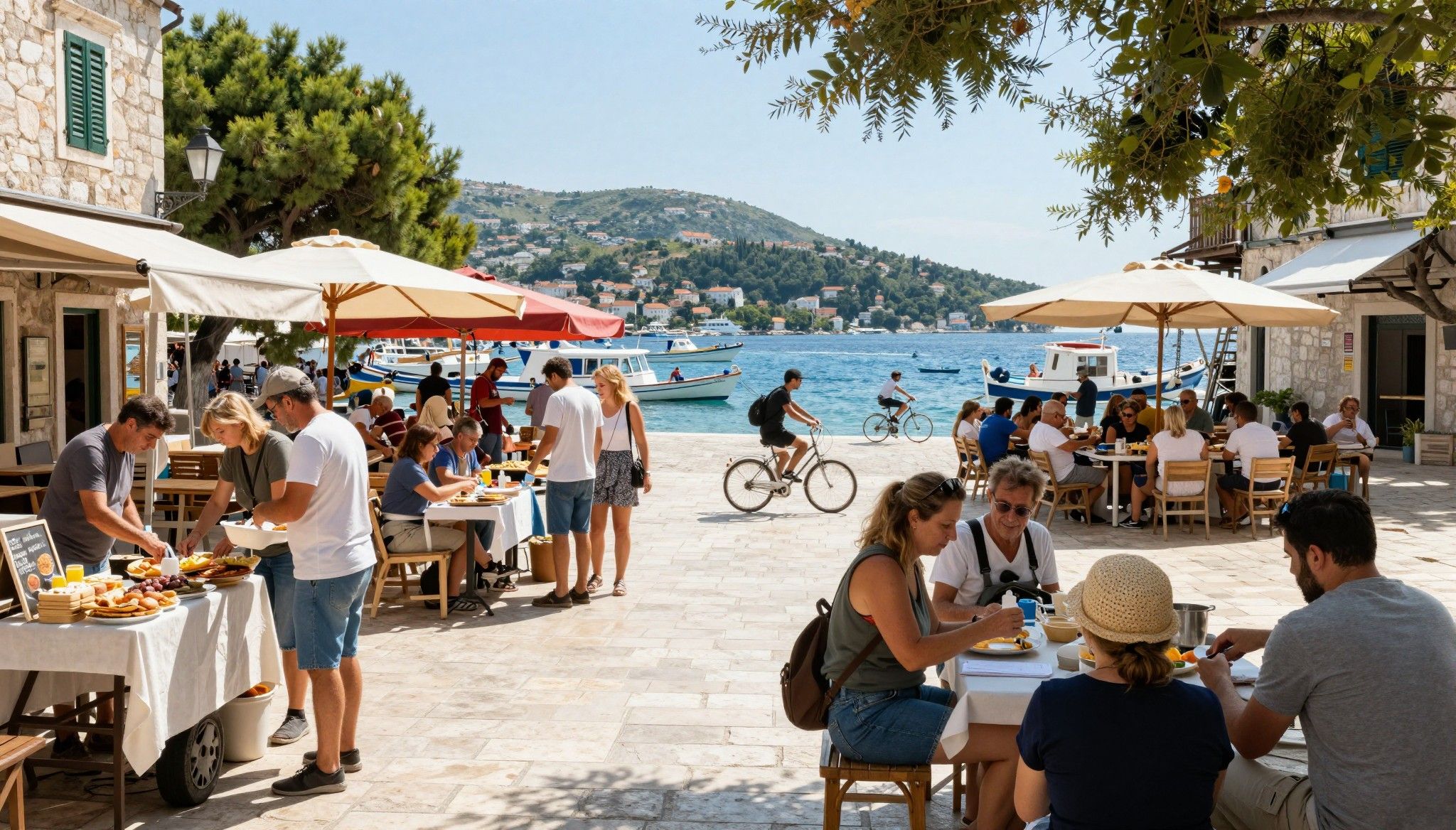
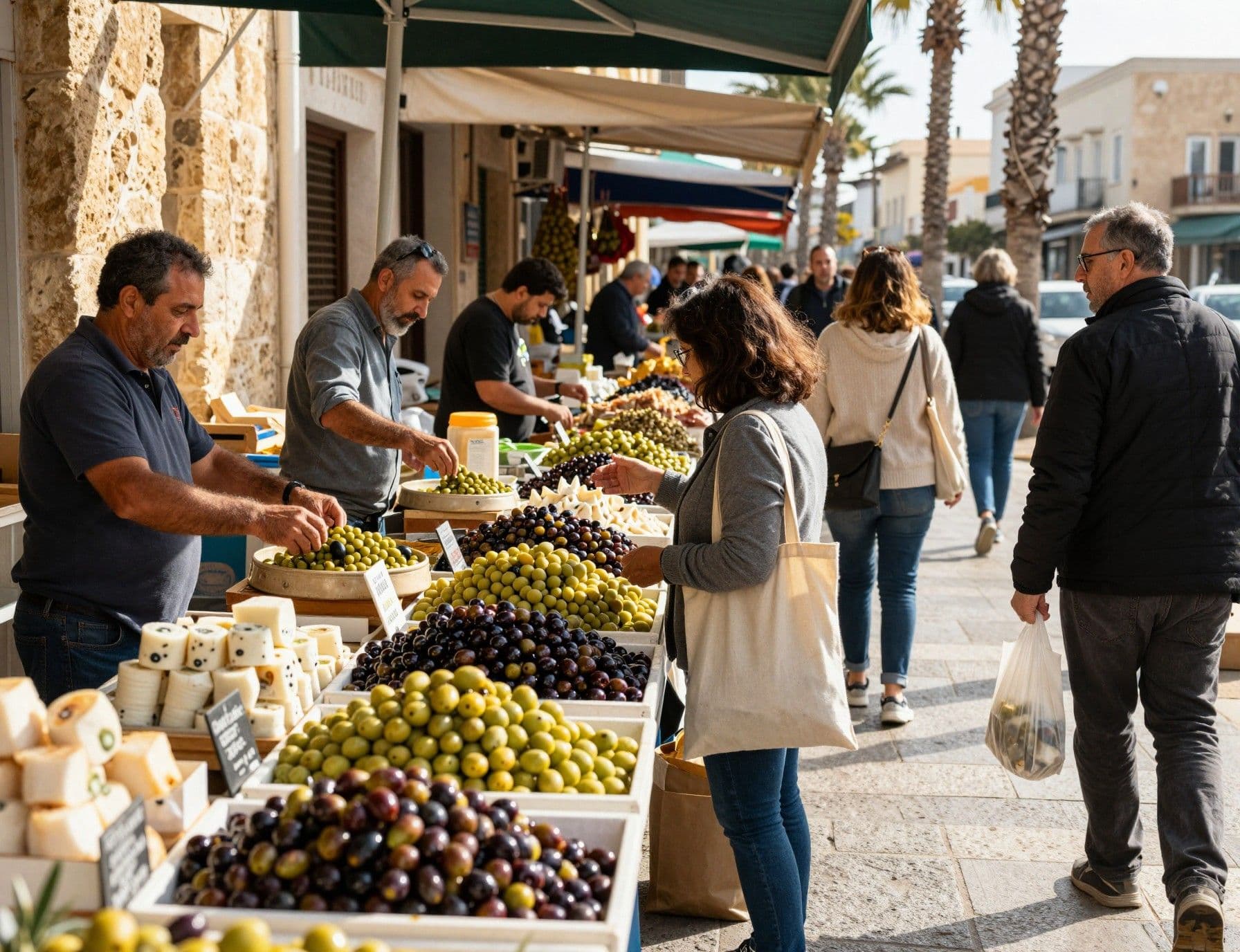
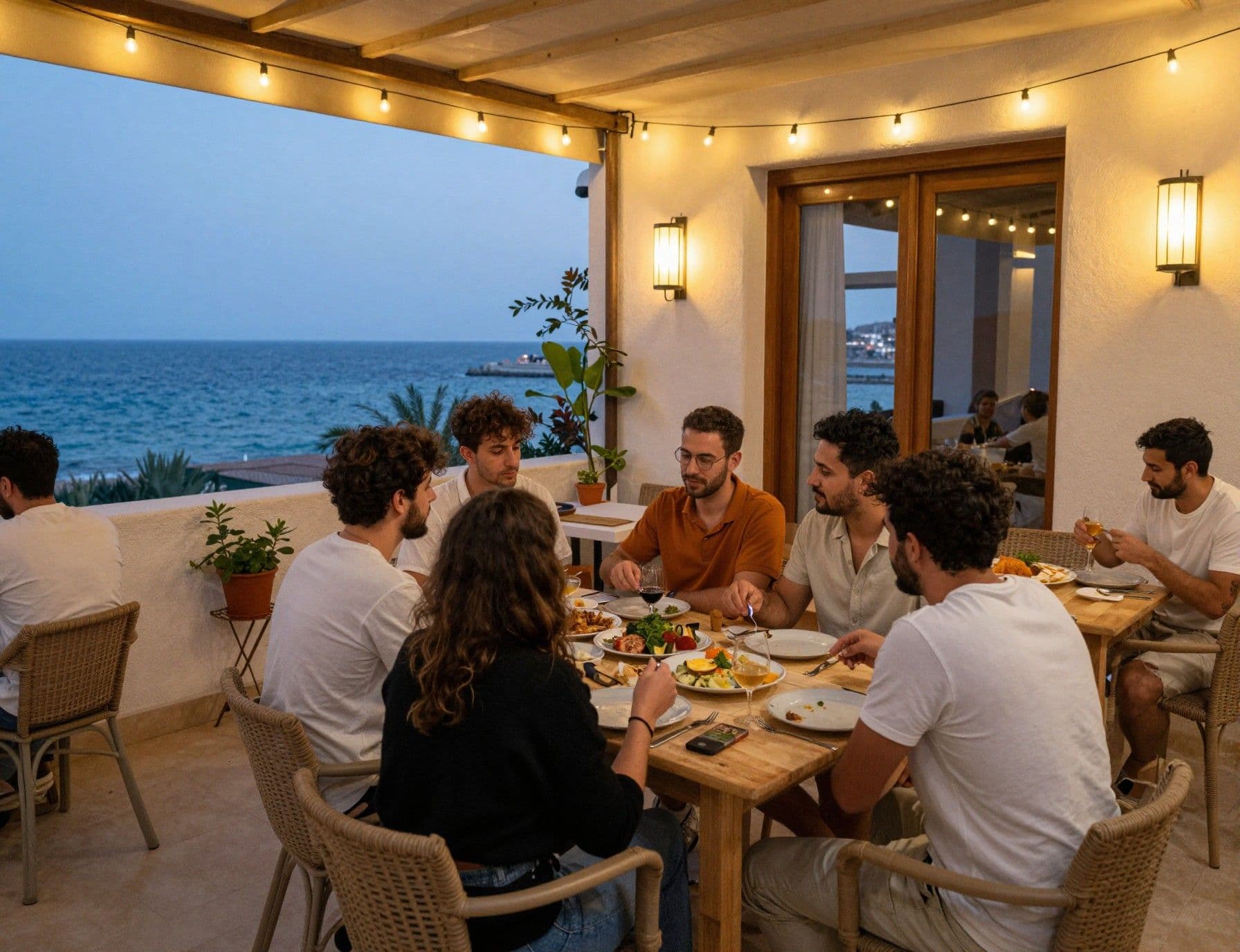
Picture Saturday mornings at Limassol’s municipal market choosing soft halloumi and local olives, afternoon swims at Governor’s Beach, and evenings at a family tavern throwing in extra loukoumades because the owner likes you. Festivals — from wine harvests in Omodos to the Limassol Carnival — punctuate the year and shift property demand seasonally. These cultural rhythms shape what you’ll want in a home: big terraces for entertaining, basement storage for preserves, and easy access to year-round services.
- Lifestyle highlights: Fig Tree Bay beach (Protaras); Limassol Old Port evening scene; Omodos village wine festival; Larnaca Finikoudes promenade cafés; Troodos hiking and cooler summers
Making the move: practical realities that matter
The paperwork is where romance meets reality. Two issues shape almost every purchase: the title deed status and how taxes — transfer fees, VAT and annual obligations — will affect your total cost. Recent reforms aim to reduce the pile-up of unresolved deeds, but you should still verify registry entries, lodged contracts, and encumbrances directly via the Land Registry and Department of Lands and Surveys portal.
Property types and what they give you
New builds, resales, and village houses behave differently. New builds may attract VAT (standard rate often applies), while resales typically incur transfer fees based on market value. Apartments by the sea prioritize balconies and shutters; village homes trade on storage and insulation. Know the tax side early: VAT or stamp duty can change the economics of renovation versus buying ready-made. For current tax guidance, reputable accounting firms publish practical summaries that buyers should consult before offers.
Work with experts who understand life, not just law
A lawyer who speaks buyer-first, an agent who knows the cafés and consulates, and an accountant who maps tax to your personal situation — that trio matters. Recent laws (mid‑2025 reforms) target so-called “trapped buyers,” but local nuance matters: a contract lodged at the Land Registry gives you crucial protections, and an agent who checks past planning approvals will save months of headaches.
- Step-by-step checklist for a confident Cyprus purchase: 1) Ask the seller for a recent Land Registry extract and verify via the DLS portal. 2) Commission a targeted legal search for mortgages, planning approvals and encumbrances. 3) Confirm VAT or transfer-fee exposure with your accountant. 4) Insist the sale contract is lodged at the Land Registry before paying large sums. 5) Budget for deposits, transfer fees, stamp duty and notary/legal costs (and a buffer for unexpected delays).
Insider knowledge: what expats wish they'd known
The loudest Cyprus worry is the “no title deed” story. It’s real — many properties historically had delays — but it’s not a binary risk. The 2025 legislative changes and ongoing Land Registry work mean many stalled files now have legal pathways to resolution. What buyers often miss is the practical workaround: a properly lodged contract and escrow arrangements provide enforceable rights long before a final deed appears.
Cultural and seasonal realities that change how you live
Cypriot life bends to seasons. Winter is quieter, ideal for renovation projects and negotiating better prices; summer demands homes with shade, cross‑ventilation and outdoor dining space. Language is friendly; English is widely used in professional services and island commerce, which eases integration. But local customs — trust built over time, preference for in-person meetings — mean that a local agent who introduces you to neighbors can change a purchase from risky to effortless.
- Real expat tips we hear again and again: - Lodge the contract at the Land Registry — it’s protection. - Visit the neighborhood both in high season and low season. - Ask where the nearest mayor’s office, health clinic and market are — they matter. - Budget for practical fixes: mosquito screens, shaded terraces, and a reliable water pump in mountain areas.
Long-term view: how Cyprus keeps its appeal
Look beyond headlines. Cyprus’s mix of year‑round sunshine, improving registry processes and a tax regime that can favour newcomers (non‑dom rules) sustain long‑term appeal. Your best move is pragmatic romance: buy where you’ll live most days, ensure legal protections are in place, and treat local experts as lifestyle matchmakers rather than mere service providers.
Want to feel like you already live here? Try this: spend a week in a chosen neighborhood out of season, walk the streets at 8am and 8pm, ask baristas where locals actually shop, and bring a lawyer to viewings once you’re serious. When the life fits the home, the paperwork becomes a gateway — not a gatekeeper.
Practical next steps: 1) Get a local lawyer to run a title and planning search; 2) ask your accountant about VAT vs transfer-fee scenarios for your purchase; 3) insist on contract lodging and escrow; 4) spend low-season time in your target area. We’ll help you find trusted agents and advisors who see Cyprus as home, not just a market.
Dutch relocation advisor who moved to Marbella in 2016. Guides Dutch buyers through visa paths, relocation logistics, and balance of lifestyle with value.