Greece: Streets, Sea and the Realities Behind the Postcard
Greece’s appeal is lived: choose neighbourhoods and property types that match daily rhythms, and pair lifestyle vision with legal and season-aware checks.
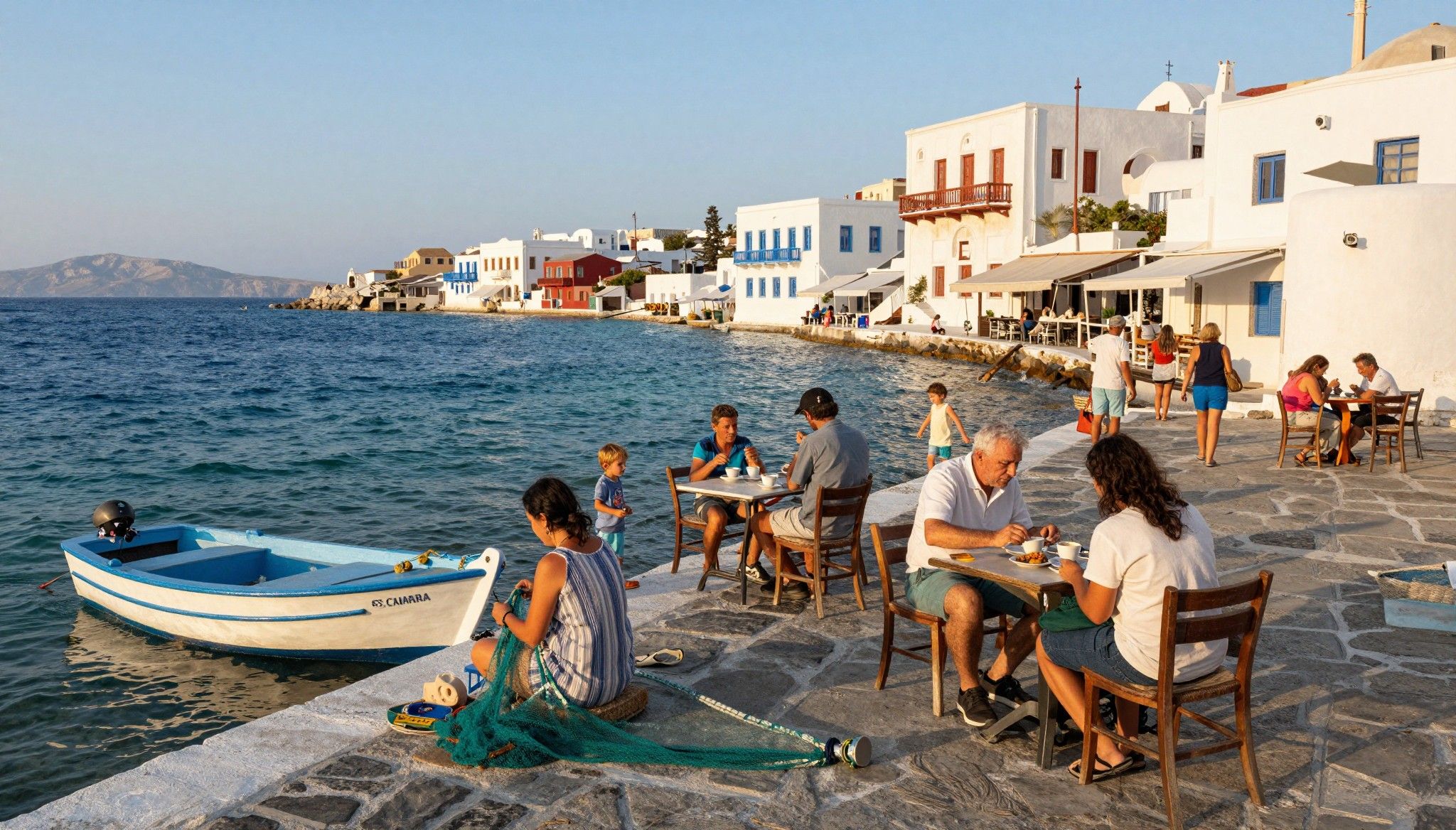
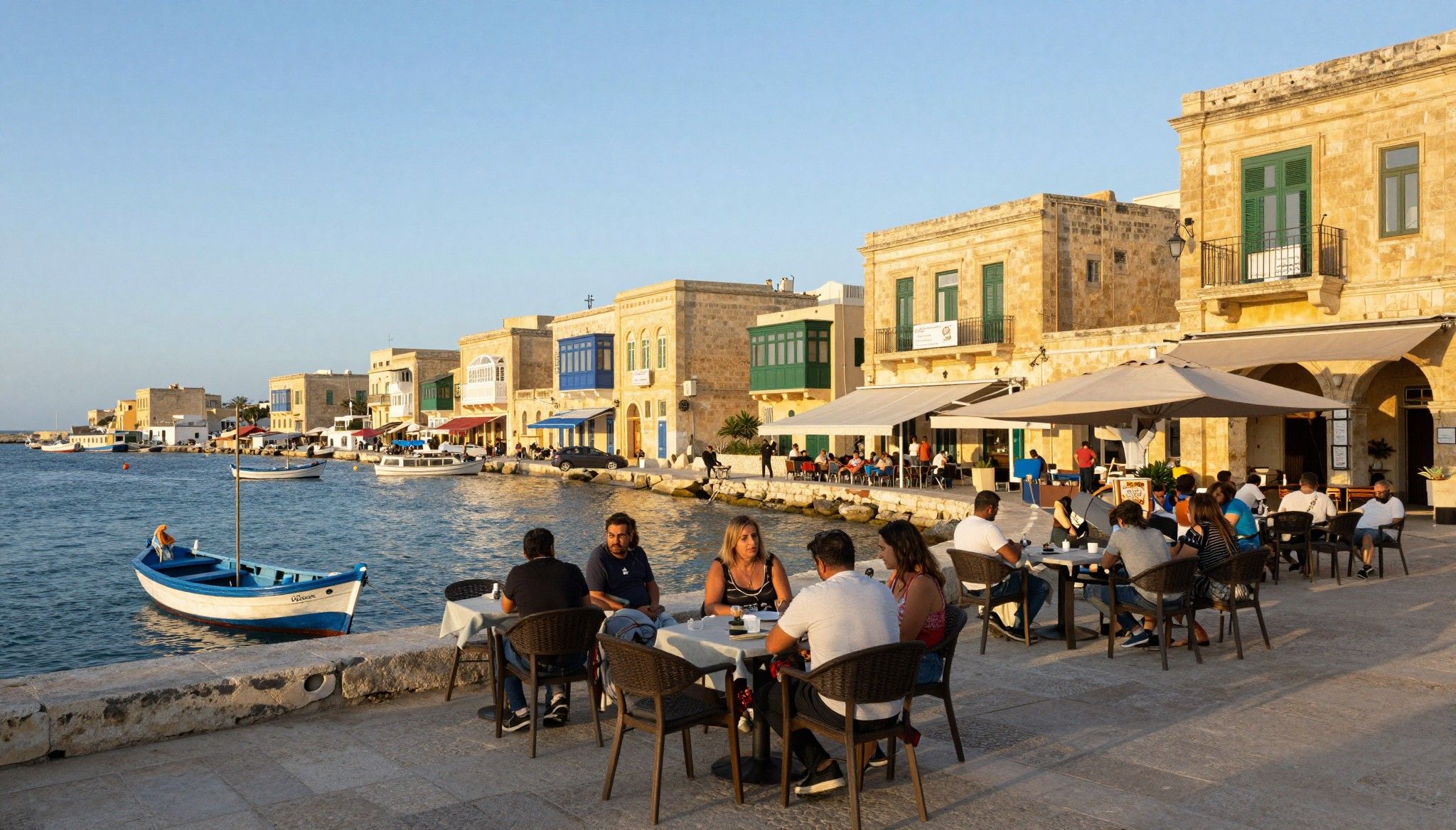
Imagine walking out of a kafeneio on a narrow Athens side street with the sea scent drifting from Piraeus, then three hours later watching fishermen land their catch on a Cycladic quay. Greece feels both immediate and timeless: sunlit mornings, short dramatic rains, and afternoons that fold into long, social evenings. That everyday rhythm — markets, coffee, tavernas, and an intense attachment to place — is what draws buyers, but it also changes what 'good' property looks like here. Before you write a check, it helps to see Greece as a living culture first and a property market second.
Living the Greece life: streets, sea and small rituals
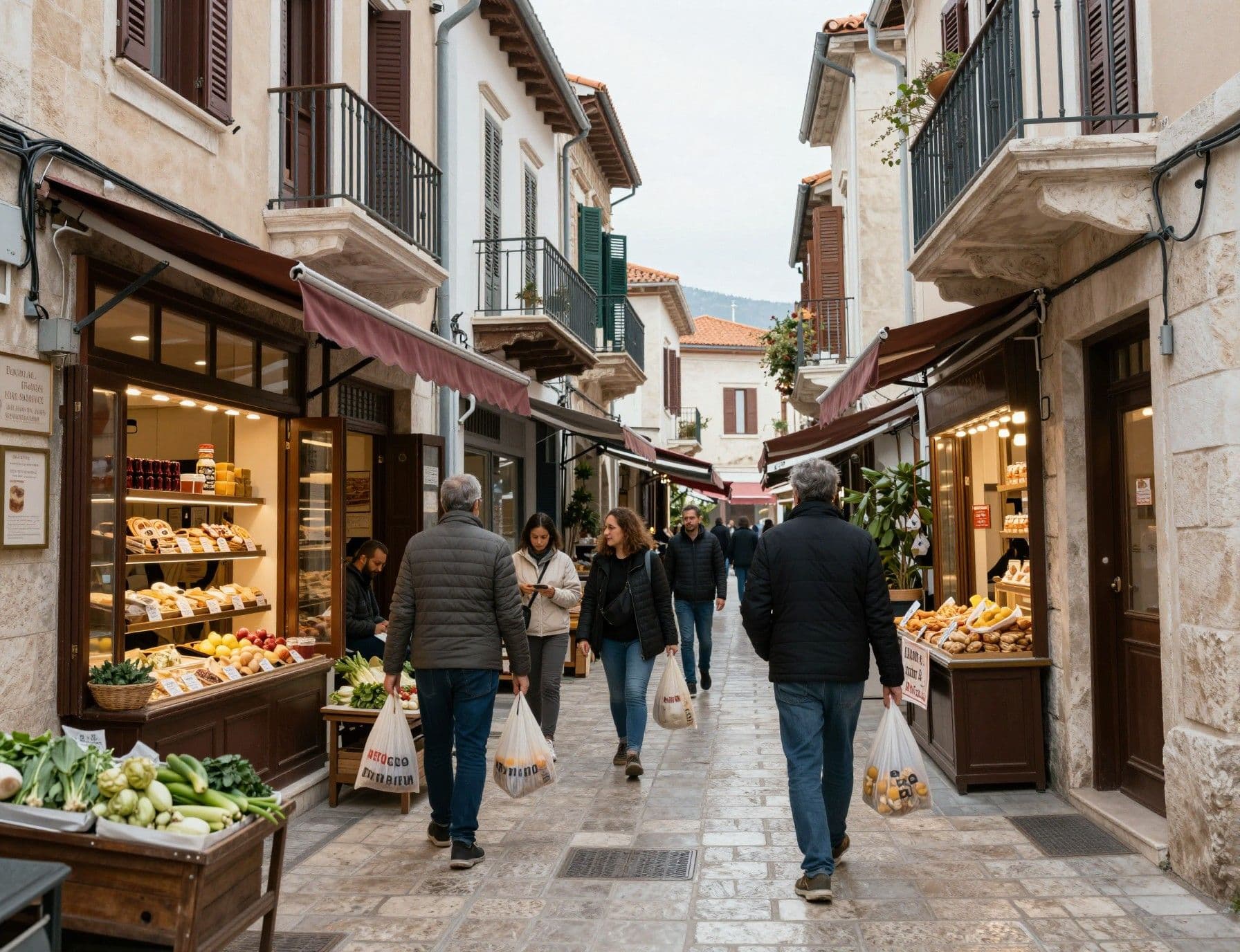
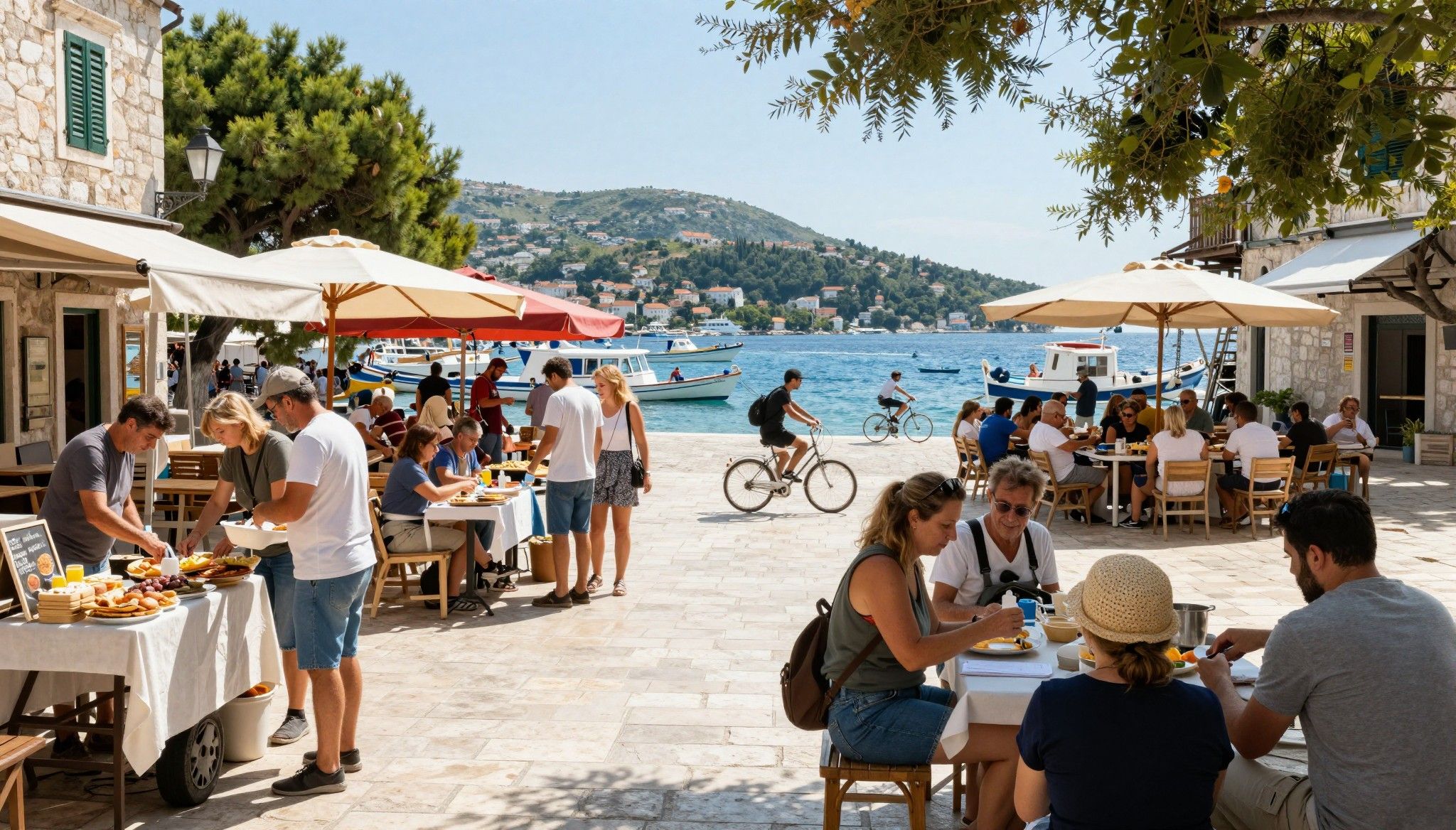
Days in Greece are measured by rituals. In Athens you’ll hear scooters at 08:30 and watch markets at Varvakios fill with citrus and sardines. On Mykonos or Paros, mornings belong to runners and cyclists; by noon, terraces turn into cool, shaded social rooms. The seaside towns of the Peloponnese and Ionian islands trade the paparazzi pace of tourist hot spots for longer, gentler days where neighbours still greet each other by name. Those rhythms shape the kind of property you want: a compact, well-ventilated flat in the city or a house with cross-breezes and shaded terraces on the islands.
Athens neighbourhoods that feel like neighbourhoods
Walk through Koukaki at dusk and you’ll find family-run tavernas, playgrounds, and independent bakeries — a very different life than Kolonaki’s polished cafés and boutiques. Exarcheia still keeps an unruly energy, good for creative types who want culture on their doorstep, while Pangrati offers tree-lined squares and a strong daytime community. These are not marketing labels; they matter because they determine noise profiles, parking realities, and whether you’ll make local friends quickly. If you crave casual neighbourliness more than a rooftop view, pick streets where people do their shopping on foot.
Islands and coast: tradeoffs between days and seasons
Life on a Cycladic or Ionian island is intoxicating in summer and surprisingly quiet in winter. That seasonality shapes prices, services, and your renovation choices: thick shutters and insulation matter as much as sea views. Recent policy moves targeting short-term rentals and basement conversions signal that local authorities are rebalancing tourism and resident life, which affects rental potential and neighbourhood character. If you want year-round life, look for islands with healthcare and ferry links that function through winter.
- Morning espresso and pastries at Kiki’s in Naoussa (Paros)
- Sunset walks on the long sand at Voidokilia (Peloponnese)
- Saturday fish market at Varvakios (Athens) and neighbourhood tavernas in Koukaki
- Afternoon sea swims followed by late family dinners in Nafplio
Making the move: how lifestyle shapes practical choices
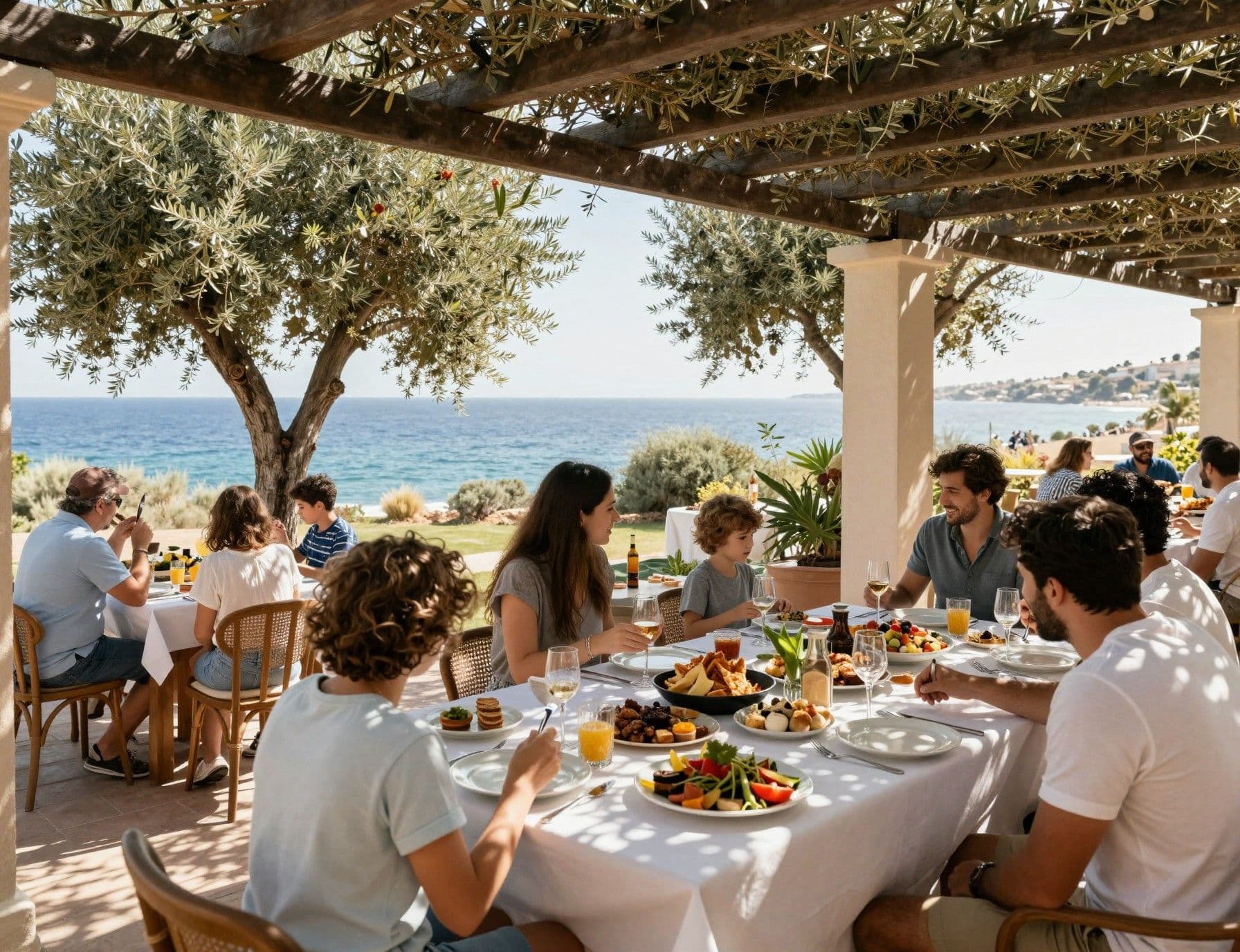
The romantic side of Greece meets a market that’s been busy: housing prices rose in recent years and foreign demand is a clear factor in coastal and island hotspots. The Bank of Greece and industry reports show increased foreign inflows and steady price growth in 2024–25, which means competition for well-located homes is real. That doesn’t make Greece unaffordable — it makes location selection and timing more important. If you love a place, match the micro-neighbourhood to how you want to live, not to the glossy photography.
Property styles and what they actually offer
Stone village houses come with charm and thick walls that stay cool in July; modern island villas prioritise outdoor living and private terraces. City apartments vary from pre-war buildings with high ceilings in Plaka to compact new builds in Kallithea with better insulation and elevators. Renovation is common — expect to spend on energy upgrades, damp-proofing, and sometimes seismic reinforcement. Choose the type that fits daily life: balconies and cross-ventilation for islands, storage and parking in Athens, and durable finishes if you’ll rent the place seasonally.
Working with local experts who know the life you want
A local agency should do more than show listings. They’ll introduce you to streets, explain seasonal service differences, and flag local planning rules that affect terraces, pools and rental licences. Legal counsel must be fluent in the investor residency rules that changed after 2024 and the practical implications for deposit timing and permitted property types. Put simply: hire an agent who can describe the daily life as well as the deed.
- Walk the street you’re buying on in different seasons to check noise, services and daylight; ask the agent about local ferry or bus timetables and winter connectivity
- Budget for at least 10–15% of purchase price for renovation and energy upgrades if you buy an older home; get a structural and electrical survey before signing
- If residency (Golden Visa) matters, confirm property eligibility and payment timing with a lawyer — the 2024 reforms introduced new thresholds by location
Insider knowledge: what expats wish they’d known
Expats repeatedly tell the same three truths: neighbours matter more than views, seasonality is lifestyle (not just tourism), and local bureaucracy rewards patience. A great sea view becomes less important when the ferry stops running every day in winter; a well-run block with a friendly custodian changes your whole experience. Cultural etiquette — late dinners, strong family ties, and the centrality of local kafeneia — will shape your social life more quickly than any property feature.
Language, community and everyday integration
You don’t need Greek to enjoy life here, but learning a few phrases opens doors. Join local festivals, volunteer in a neighbourhood group, or simply be a regular at a kafeneio and you’ll meet people faster than at expat meetups. For families, check international school calendars — they’re often the hub for other expatriate parents and set the social tempo for school-aged children. Integration is less about paperwork and more about showing up.
How life evolves: from holiday to neighbourhood
The most successful moves we’ve seen start with spending six months living locally before committing. What feels idyllic in a week — a beachfront taverna or a tiny square — can feel isolating across winter if services drop away. Long-term owners who thrive usually pick communities with a mix of full-time residents, seasonal owners and local businesses that operate year-round. That mix protects lifestyle and value.
- Choose ferries and airports that run year-round (e.g., Crete, Corfu, Rhodes have stronger winter links)
- Prefer streets with local services (baker, pharmacy, market) within a 10–15 minute walk
- Check municipal plans for shoreline development and short-term rental restrictions before you buy
If the lifestyle here appeals, take practical next steps: spend a season living where you plan to buy, interview at least two local agents who know the street (not just the island), and commission legal checks early. Agencies who pair cultural insight with documentary rigour deliver the best outcomes: they’ll tell you where to stand for that morning light, and whether the deed matches the map. We’re happy to introduce you to local partners who treat lifestyle and the file with equal care.
Conclusion: Greece will change how you measure a good day. Choose a place that supports the life you want, not just the photo you love, and work with local experts who speak the language of both lifestyle and law. When you do that, the result is a home that feels like the country itself: warm, stubborn, and deeply worth the effort.
Dutch relocation advisor who moved to Marbella in 2016. Guides Dutch buyers through visa paths, relocation logistics, and balance of lifestyle with value.