Why Italy’s City Premiums Are Lifestyle, Not Hype
Why Italy’s city premiums reflect lifestyle, not hype — how Milan, Rome and Florence trade daily rituals for durable property demand, with data-backed steps for buyers.
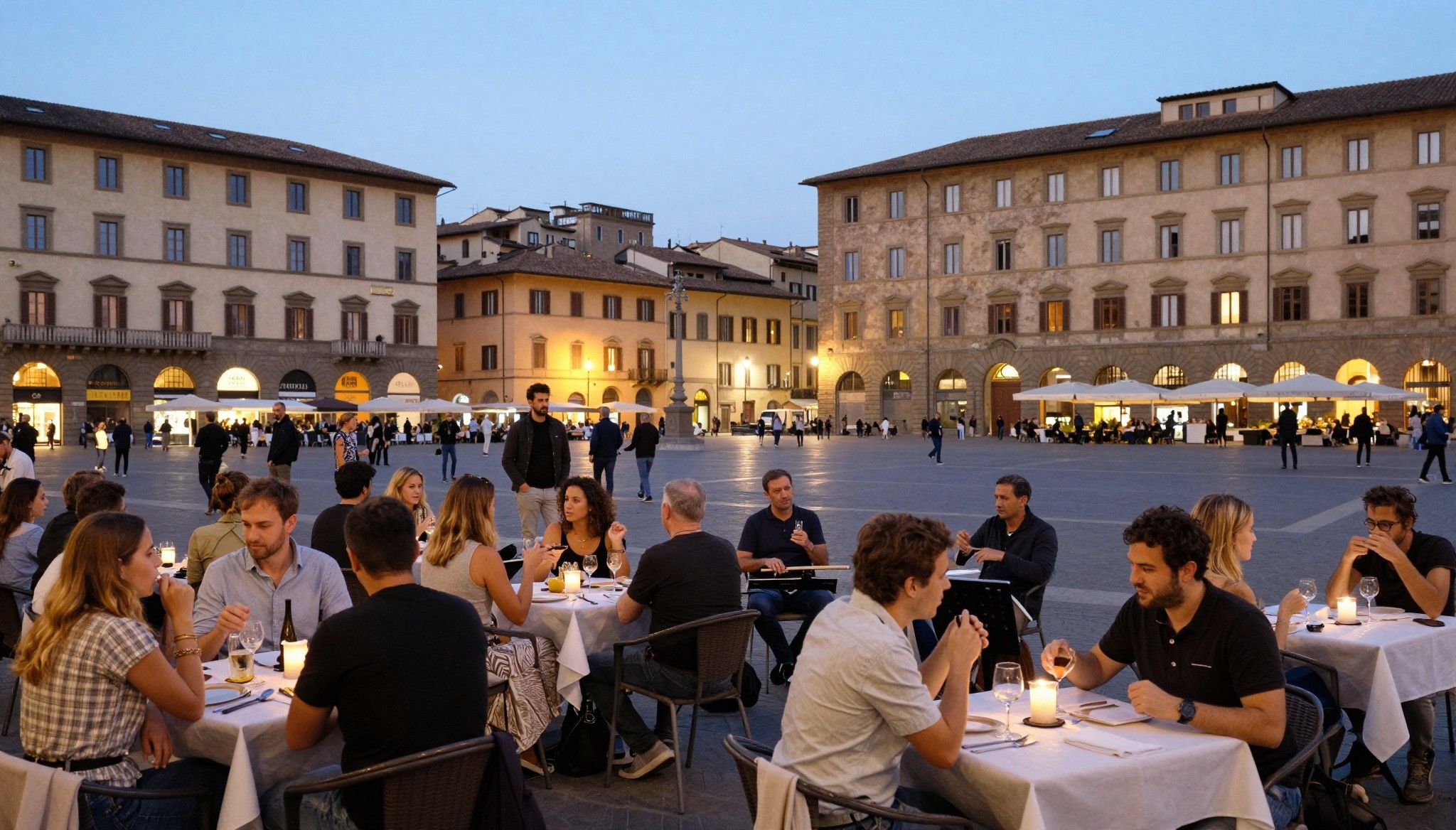
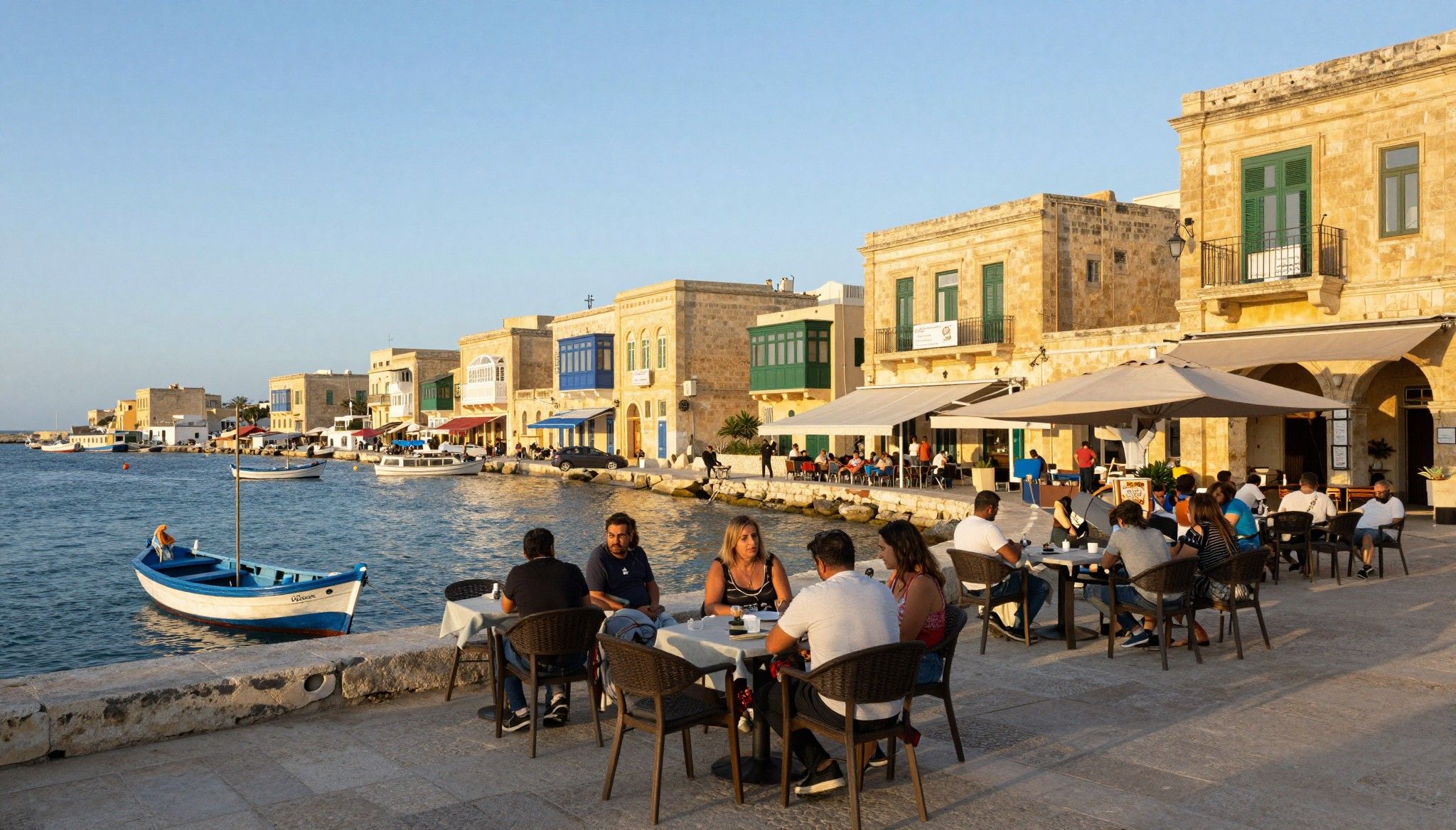
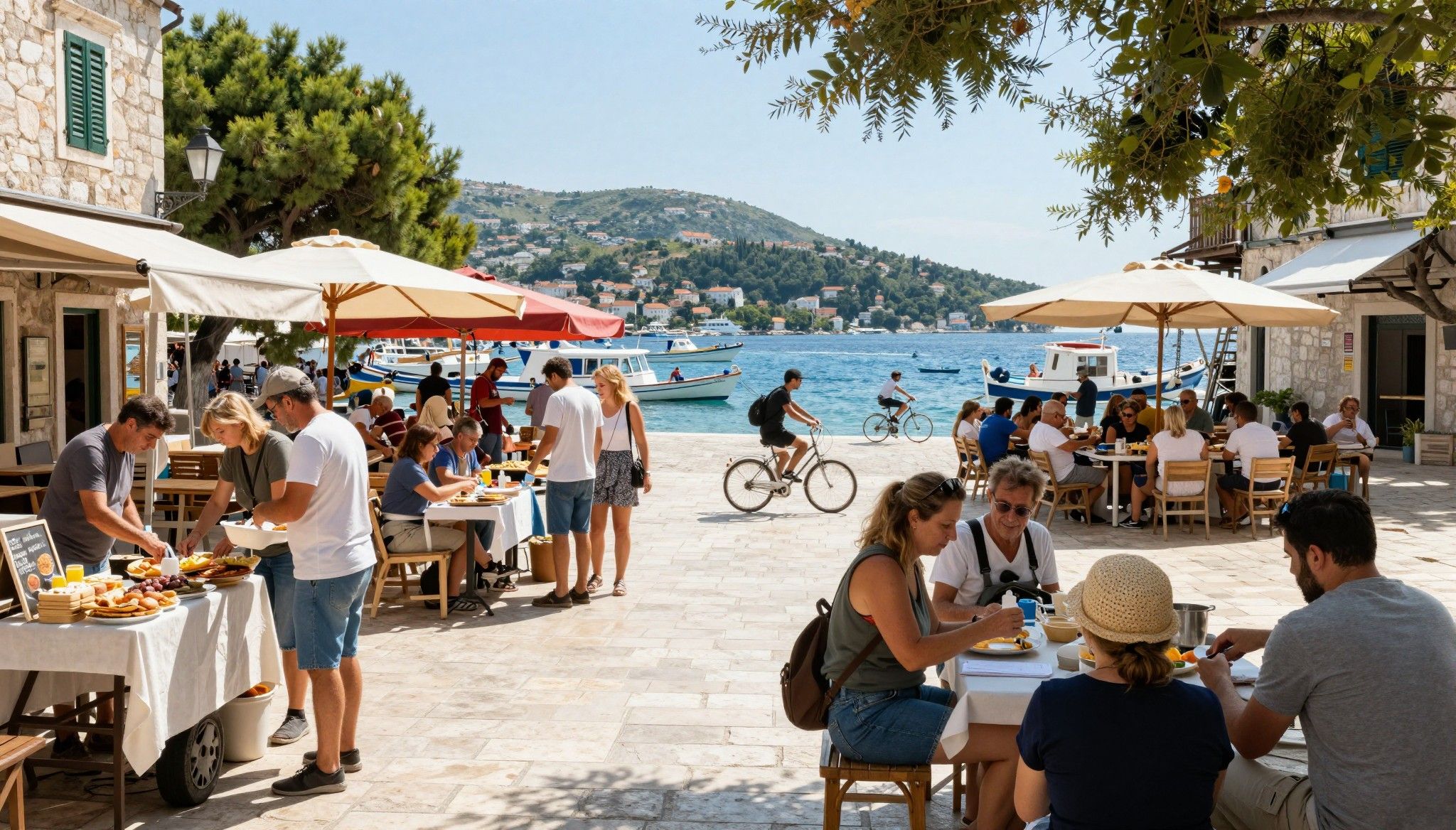
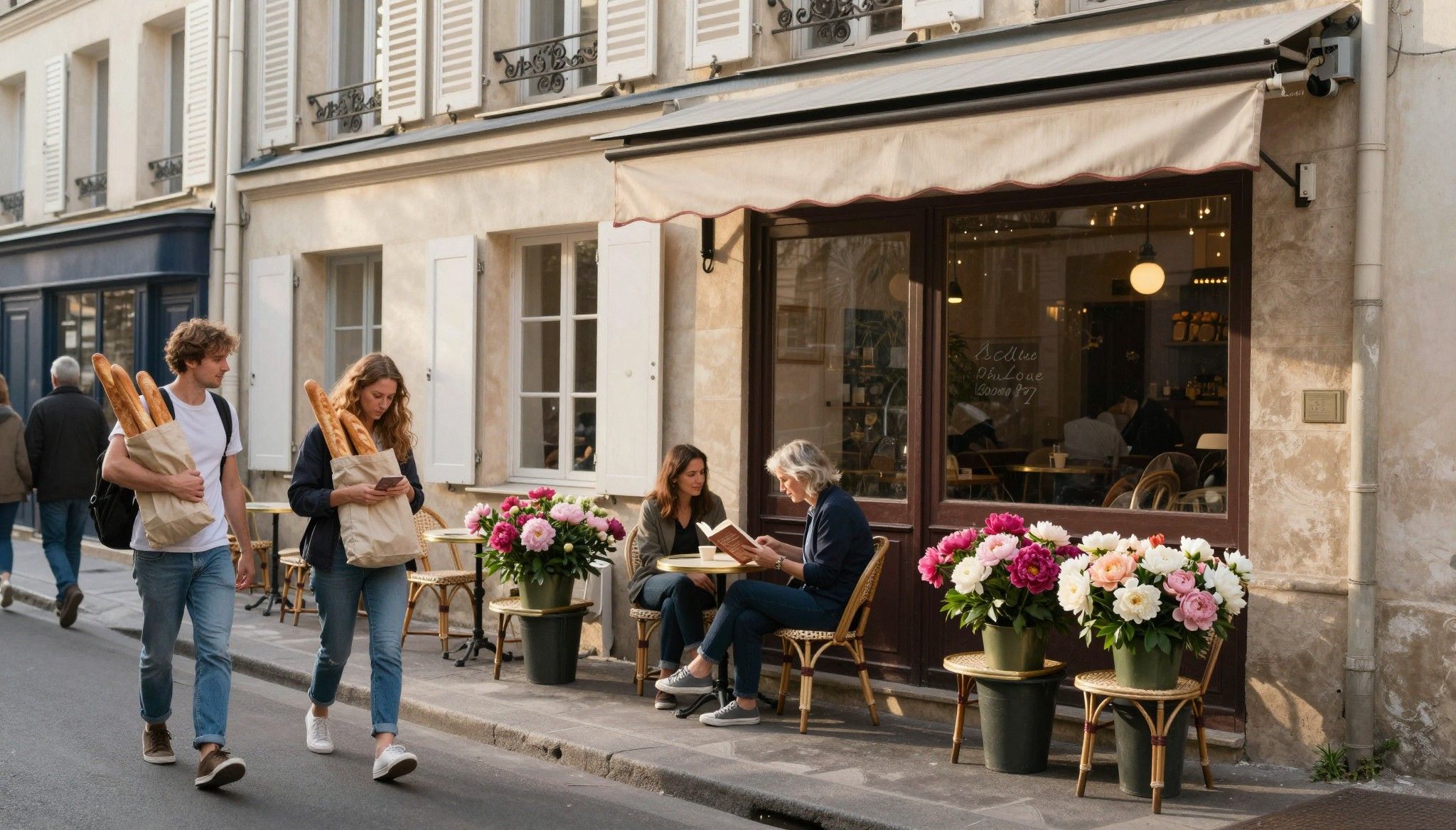
Imagine starting your morning with an espresso on Via del Corso, watching shopkeepers roll up shutters while local bakers line up focaccia. Italy's cities — from Milan's tight-lined fashion streets to Bologna's porticoed alleys — feel like a life lived in motion: food markets at dawn, aperitivo hours that stretch, and neighbourhood rituals that become weekly habit. For many international buyers, that rhythm is the purchase, not just the property.
Living the Italy lifestyle
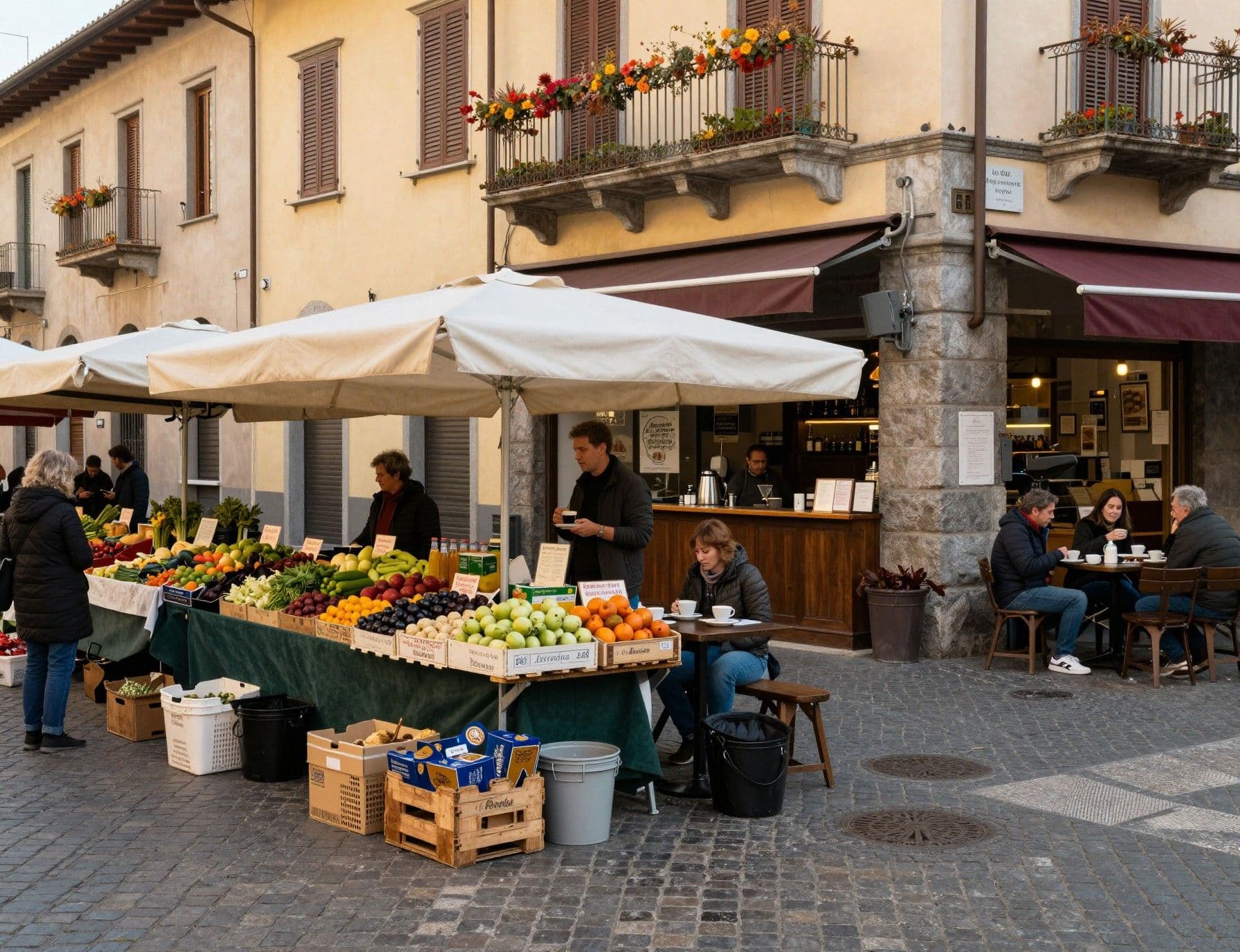
City life in Italy is a series of small public performances: morning coffee at the bar, a quick chat with the local butcher, a late-afternoon stroll. Milan brings a faster cadence — urban, efficient, design-forward — while Rome weaves history into daily life and Florence feels like a living art gallery. Those differences shape what you buy and how you live: terraces for sun in the south, insulation and heating efficiency higher on shopping lists in northern cities.
Milan: design, commerce, and late-night risotto
Picture Brera’s cobbled streets and galleries, the narrow fashion boutiques of Via Manzoni, and a neighbourhood espresso where architects compare projects. Milan’s central districts command higher per-square-metre prices but buy you walkable amenities, excellent international schools, and the kind of rental demand that appeals to short-term investors. If you want nights that end late and a city that runs on design, Milan delivers.
Rome & Florence: history as daily backdrop
In Rome you sip coffee under walnut trees and live among layers of history — choose Trastevere for narrow streets and tavernas, Prati for quieter boulevards, or Prati’s proximity to the Vatican if you want calm mornings. Florence’s centre is compact: you’ll trade off parking for piazzas and Renaissance façades that become your daily view. Recent national price data shows modest upward pressure in prime cities, reinforcing that location premiums reflect more than aesthetics: they reflect everyday convenience and long-term demand.
- Market‑shaping lifestyle highlights
- Brera (Milan): art galleries, late cafés, short-term rental appeal
- Trastevere (Rome): narrow lanes, lively night scene, strong local identity
- Oltrarno (Florence): artisan workshops, rooftops, proximity to museums
Making the move: practical considerations
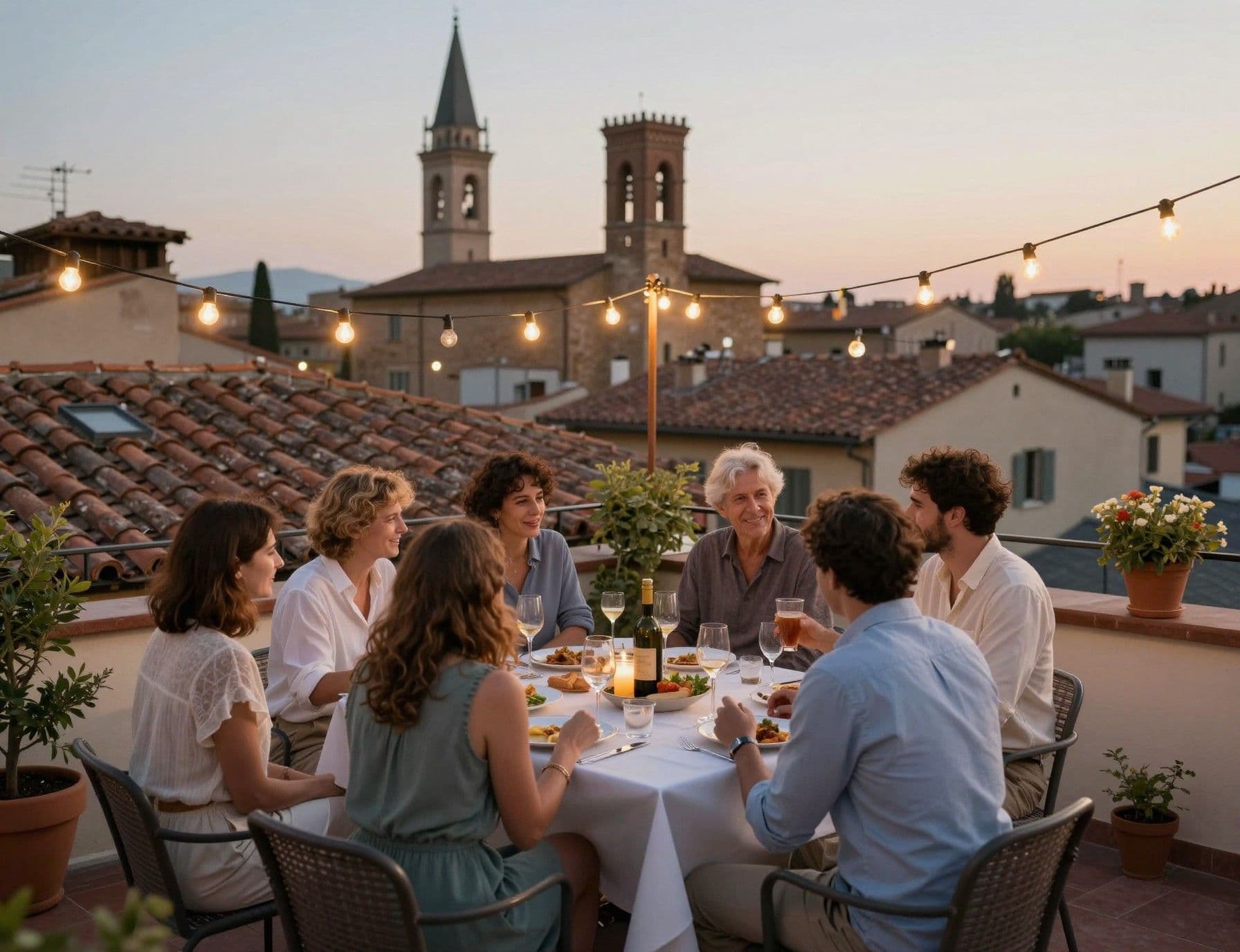
The dream — piazzas, markets, communal life — collides with paperwork, timelines and local practice. Prices in Italy rose modestly in recent quarters, with metropolitan centres showing the strongest activity. That matters: you have to balance lifestyle priorities (a terrace, an open-plan kitchen for entertaining) with realities like energy retrofits, condominium bylaws and municipal restrictions on historical properties.
Property styles and how they map to life
Apartments in historic centres give you proximity — morning markets and a walkable life — but often lack modern insulation and private parking. Post‑war blocks (common in Milan suburbs) offer elevators, parking and larger rooms. Independent villas on city edges deliver gardens and privacy but mean more maintenance and often longer commutes. Choose by routine: if cafés and walking matter, take the smaller flat in the centre; if outdoor space is essential, plan for upkeep budgets.
Working with local experts who speak life and law
- 1. Start with a neighbourhood agent who knows which streets fill up in summer and which have stable resident communities.
- 2. Ask for recent utility bills and the condominium meeting minutes — they reveal heating costs and upcoming works that change value.
- 3. Insist on an energy performance certificate (APE) and quotes for basic retrofits if you plan to rent or live year-round.
- 4. Use a bilingual notary or lawyer early: property law, inheritance customs and condo rules are regionally specific.
Insider knowledge: what expats wish they'd known
We speak to buyers who fell in love with a piazza and then discovered that living there meant noisy Saturday markets and tiny kitchens. Real-life tradeoffs often come down to habits: do you need a car every day, or can you live by foot and train? Data shows city centres attract steady interest — which supports resale values — but peripheral districts have offered recent space-for-price advantages.
Cultural integration and daily life
Language opens doors. Learning everyday Italian accelerates your social life — the barista, the market vendor, the building administrator. Join a cooking class, volunteer at the local festa, or schedule a weekly market run and you’ll meet neighbours faster than at networking drinks. Many towns have active expat meetups and international school communities that make transition easier.
Long-term life and real estate realities
Think five years ahead. Are you buying a home to anchor a new life, or an investment to let occasionally? Prime city apartments tend to hold value thanks to constant demand, while provincial holiday homes can be seasonal. Recent reports highlight Milan and Rome as resilient hubs — pick a neighbourhood with everyday services, transit links and clear rules on short-term rentals before you commit.
- Red flags we often see (and how to spot them)
- Incomplete condominium minutes — could mean unexpected charges ahead
- No APE (energy certificate) — budget for insulation and heating upgrades
- Strange ownership histories — insist on a clear visura catastale and notary checks
Conclusion: Italy’s cities offer a life you can’t replicate in brochures — neighbourhood rituals, markets, and streets that shape your days. Bring that image to property viewings: look for homes that make the life you want easy. Use local agents who can explain which streets hum year-round and which slow to a whisper in winter. Once you couple that lifestyle clarity with thorough checks — energy certificates, condominium minutes, and a bilingual notary — you can buy with both heart and head.
British expat who relocated to Marbella in 2012. Specializes in rigorous due diligence and cross-border investment strategies for UK and international buyers.