Why Croatia’s “Expensive” Tag Misleads Buyers
Croatia’s charm often masks practical rules: nationality, VAT vs transfer tax, and municipal levies shape cost. Love the life first — then check reciprocity and taxes.
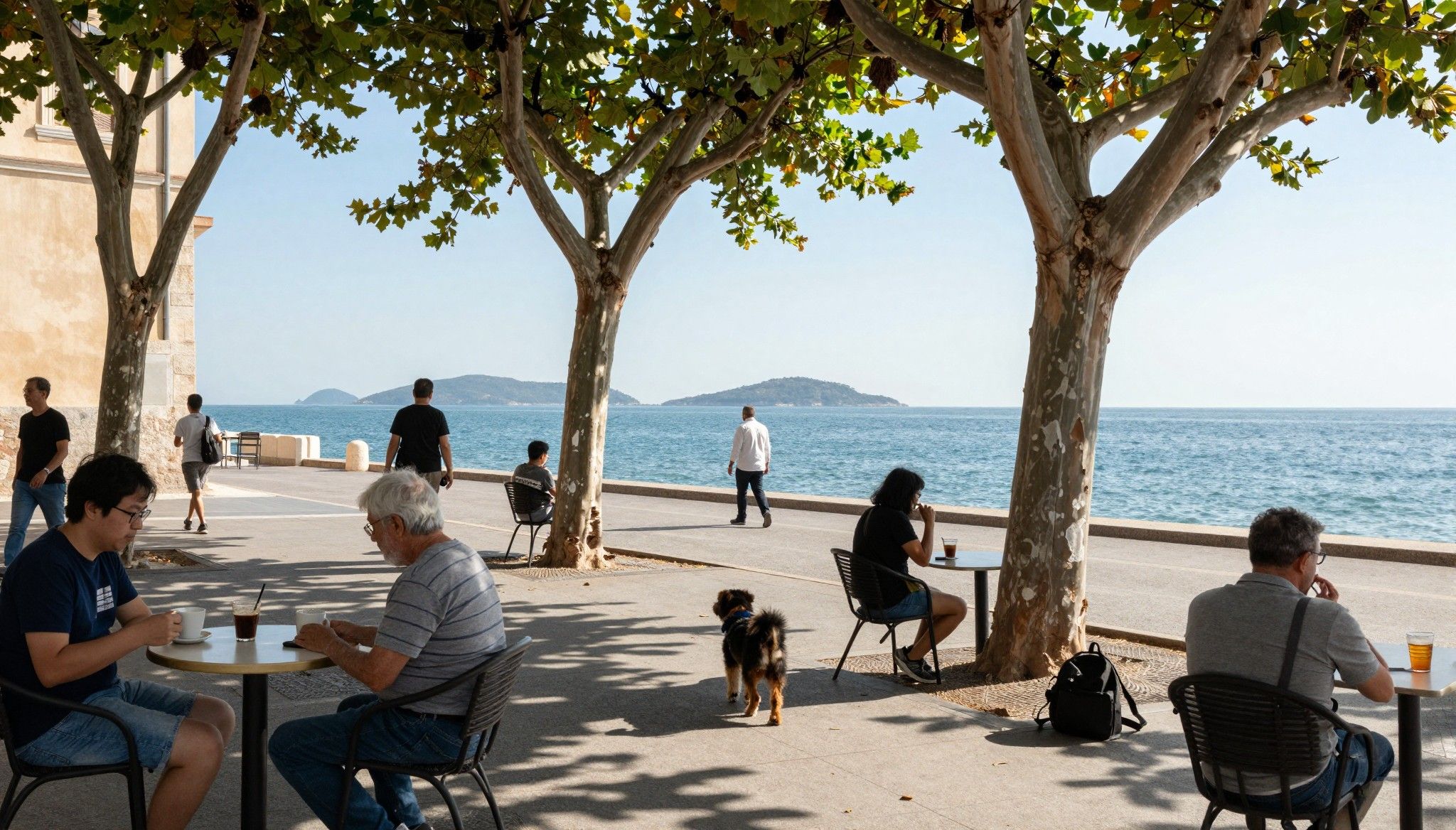
Imagine sipping espresso under plane trees on Split’s Riva, then walking five minutes to a century‑old apartment that still has original mosaic tiles. That warm, lived‑in Mediterranean life is why people fall for Croatia. But the headline that Croatia is uniformly “expensive” can steer you away from very real pockets of value — especially if you know how the rules, taxes and seasons actually shape price tags. We’ll take you through the feel of life here, then show the legal and tax reality beneath the postcard.
Living the Croatia lifestyle
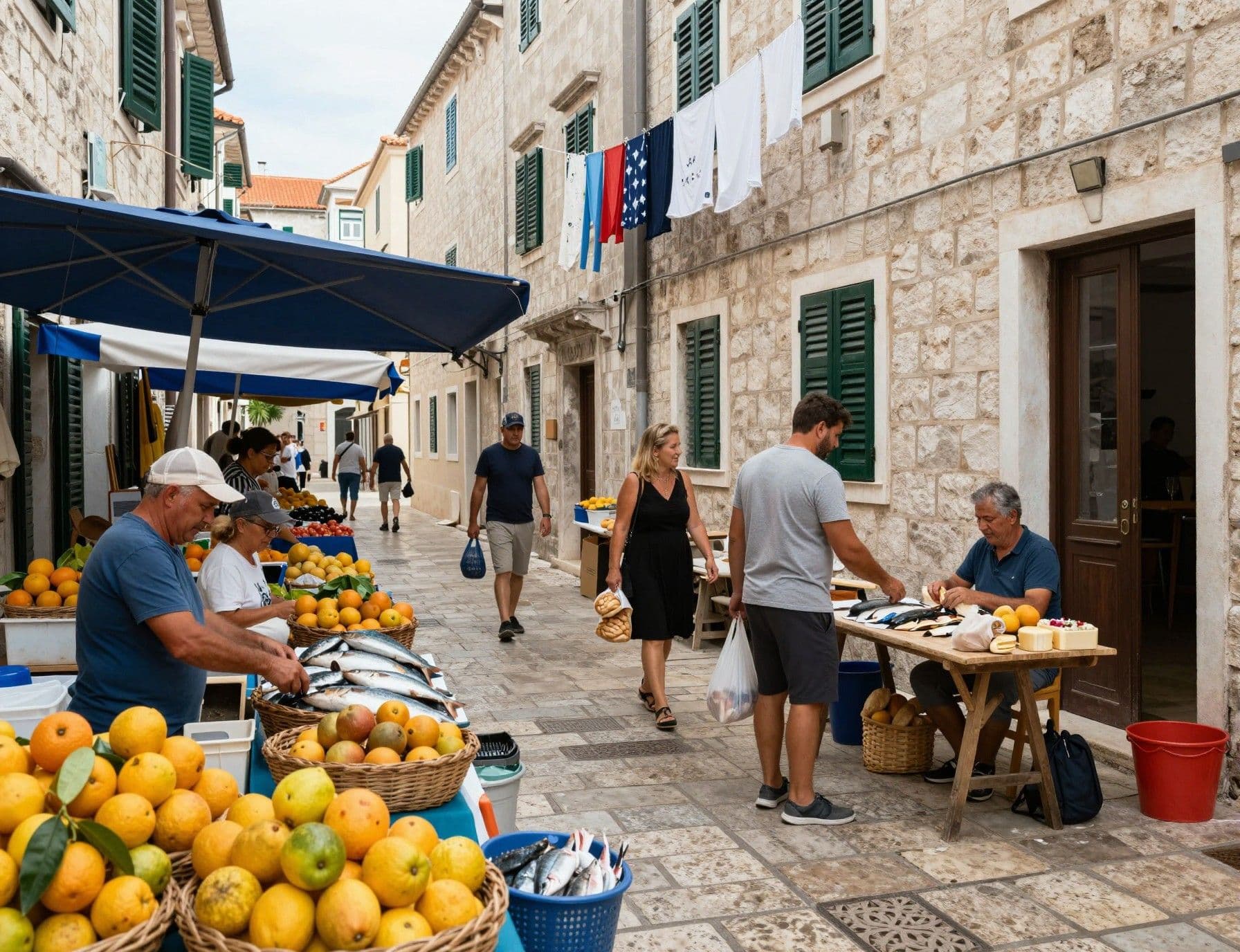
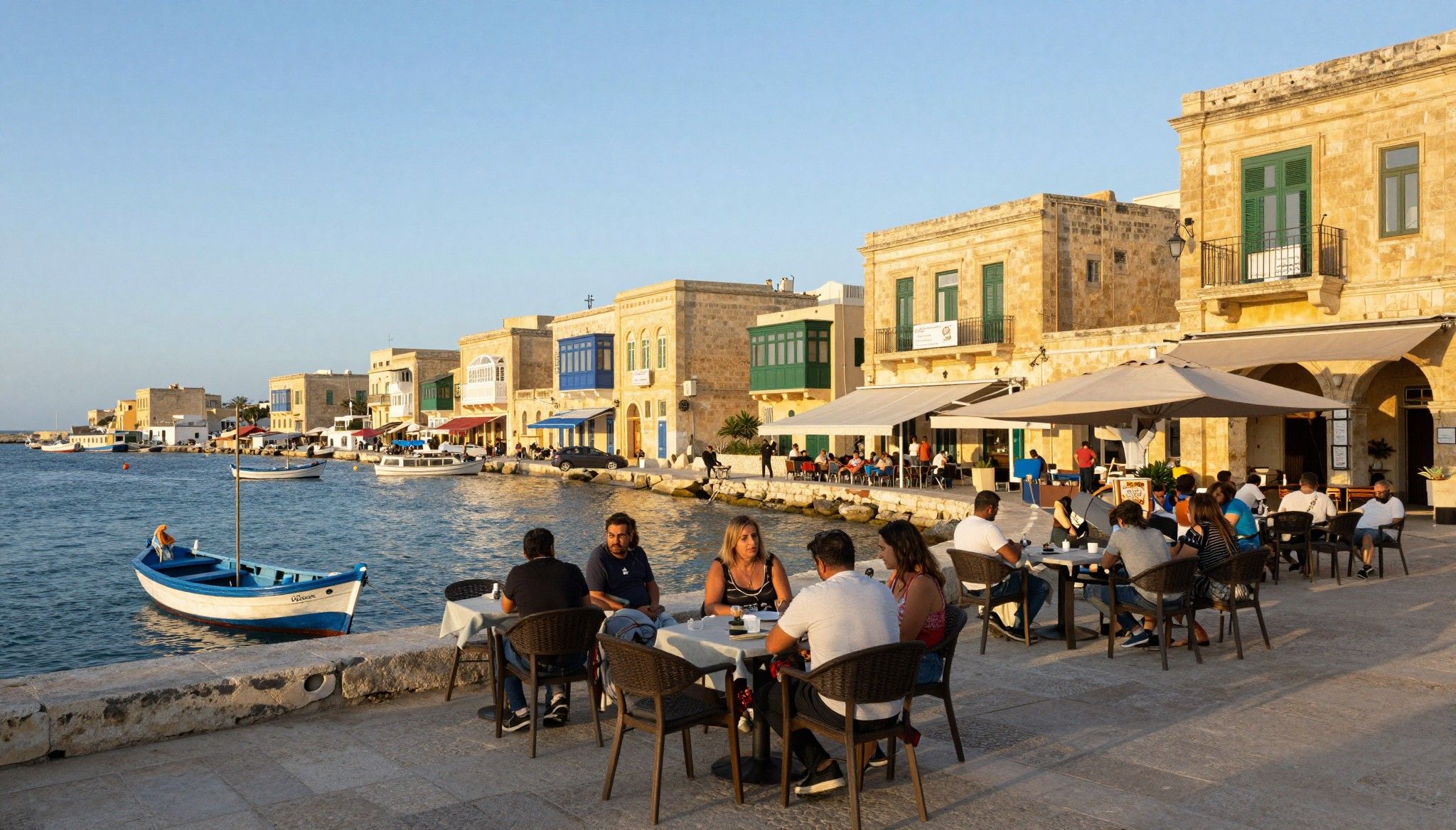
Croatia’s rhythm moves with the sea and the market bell. Morning markets in Zadar and Dubrovnik smell of citrus and fresh fish; lunchtime is slower on the islands where cafes stretch into long conversations. Neighborhoods feel intimate — in Zagreb you’ll find café clusters on Tkalčićeva, while in Split the old town lanes around Diocletian’s Palace are lived‑in, not just toured. This is a place where a terrace, not square metres alone, often defines daily life.
Neighborhood spotlight: Split’s Veli Varoš and Dubrovnik’s Lapad
Veli Varoš (Split) is the kind of street where fishermen still chat outside small bakeries and a morning espresso is an event. Properties here are older stone houses with terraces that catch the afternoon light. Lapad (Dubrovnik) offers a different pace — pine‑lined promenades, family apartments and a slower tourist season in winter. Both places show how lifestyle, not headline price per m², shapes value.
Food, markets and seasons that shape daily life
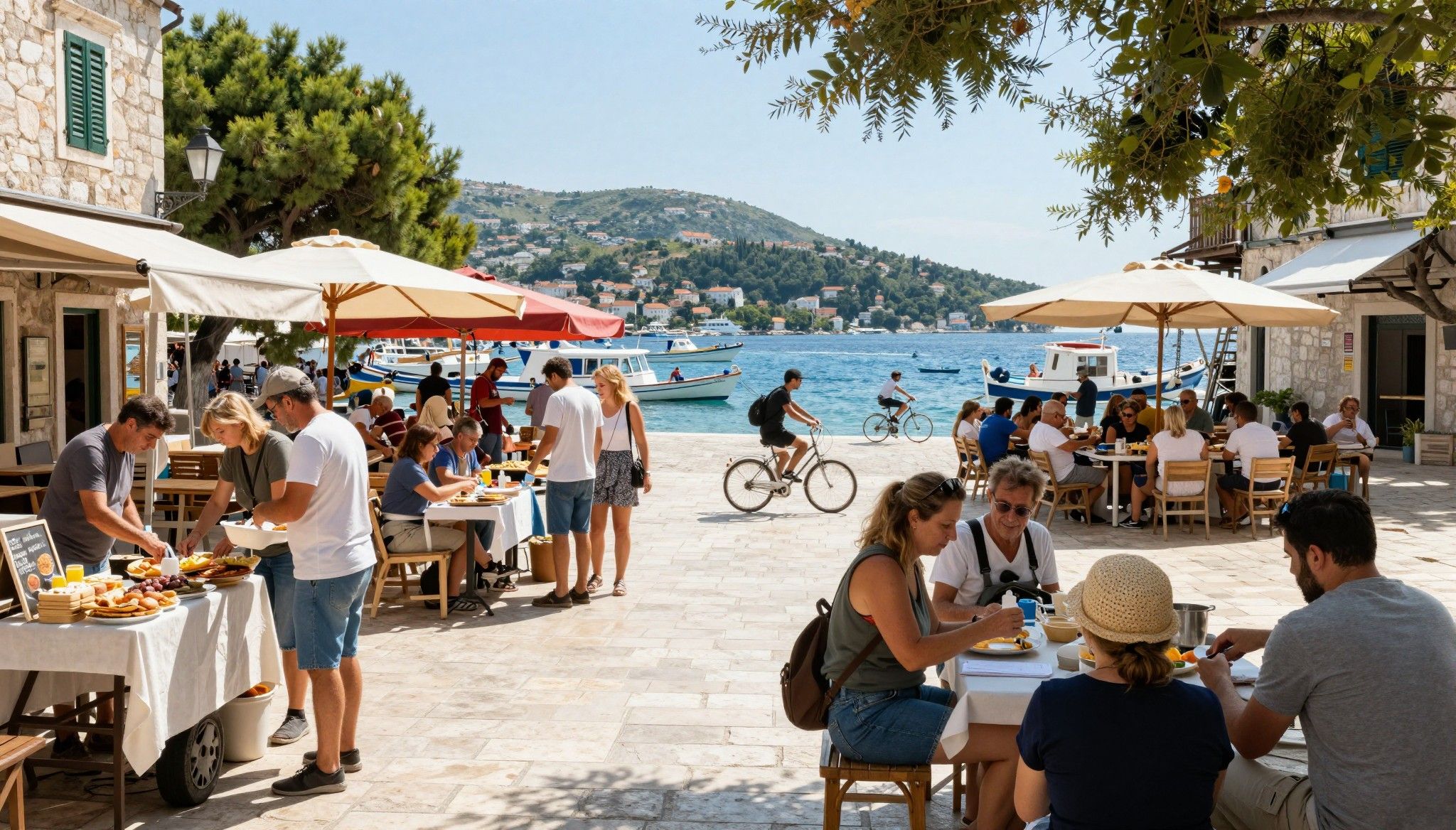
Markets are the weekly calendar: Dolac market in Zagreb, Pazar in Split and small island stalls selling olive oil and figs. Seasonal rhythms matter — winter closes some island businesses, lowering short‑term rental yields but revealing year‑round communities. If you prioritise local life over summer peak income, your neighbourhood choices (and the kind of property you need) will change.
- Lifestyle highlights: Dolac market (Zagreb); Riva promenade (Split); Bačvice beach evening swims; Hvar old town off‑peak walks; local konobas for seafood; island morning markets.
Making the move: practical considerations that change the math
The big surprise for many buyers: nationality matters more than residency. EU/EEA citizens buy on the same terms as Croatians; non‑EU buyers face the reciprocity rule and sometimes need Ministry approval. That’s often the gating factor, not price per square metre. Knowing this early avoids wasted viewings and delays, and it’s the first place to bring an advisor.
Property types and how they fit the life you want
Stone townhouses on islands offer terraces and character but often require renovation and attention to coastal weatherproofing. New builds (often subject to VAT) have predictable maintenance and can be easier to rent. If you want a walkable life among markets and cafés, prioritise location and terrace access over extra indoor square metres.
How local experts shorten the path from dream to deed
- 1. Ask your agency about reciprocity checks before you book flights — it saves weeks. 2. Insist on a local lawyer who reads land registry entries and preemption clauses. 3. Clarify whether the sale is VAT‑able (new build) or transfer‑taxable (resale). VAT can mean higher upfront cost but different tax treatment for rentals. 4. Check municipal property tax expectations — local rates vary and changed notably in 2025 reforms. 5. If rental income matters, verify seasonality and occupancy by neighbourhood, not just island vs. coast.
Insider knowledge: the legal and tax realities buyers often miss
Transfer tax is commonly 3% for resale transactions; new builds are frequently sold with VAT (standard 25% but special rates and refunds exist for first‑time buyers). Local property tax rates and the 2025 housing policy changes can affect annual holding costs. Importantly, buying property does not automatically grant residency — that remains a separate immigration process.
The reciprocity rule and what it practically means
If you are non‑EU, your government must allow Croatians the same buying rights for you to register property easily. Where reciprocity is unclear, expect a Ministry of Justice approval step and potential delays. This is why many non‑EU buyers choose to form a Croatian company — it’s a legal workaround but adds accounting and compliance overhead.
Hidden costs that turn an affordable buy into a headache
- Not checking whether a sale is VAT‑able; underestimating agency and notary fees; overlooking local municipal property tax rates; ignoring restoration costs for stone houses exposed to salt air; failing to budget for registry approval when reciprocity is required.
What expats wish they’d known (real talk)
“We loved the summer and forgot the winter.” That’s a common refrain. Islands and Dubrovnik hum in July and August; come in October and you’ll find quieter streets, lower rental competition and neighbours who truly live there. Another recurring lesson: language opens doors. Even simple Croatian phrases at the market build goodwill that pays dividends during negotiations and when arranging local services.
Cultural cues that affect ownership and community life
Community ties matter. Coastal towns still run on relationships — who you know can speed up municipal approvals or maintenance work. Expect direct communication, sometimes blunt; locals value honesty and punctuality. For a smooth transition, invest time in local networks: a church group, market regulars, seasonal volunteer events.
- 1. Visit in two seasons (summer and off‑season). 2. Get a reciprocity check before making an offer. 3. Use a Croatian lawyer for registry and preemption checks. 4. Budget for VAT vs transfer tax differences. 5. Ask your agency about municipal tax rates and rental seasonality.
If you fall in love with a street — Veli Varoš, Lapad, Korčula’s harbourfront — remember that the paperwork and the lived life are both parts of the purchase. The rules around nationality, VAT, transfer tax and municipal levies are the plumbing behind the lifestyle. Treat them early and you keep the romance, avoid the legal hangover, and turn a dream terrace into a real address.
Conclusion: Croatia’s appeal isn’t a single price label — it’s seasons, streets, markets and legal details. Start with lifestyle — which neighbourhood feels like home — then layer in the legal checks: reciprocity, VAT vs transfer tax, municipal rates and realistic renovation budgets. We’ll introduce you to local lawyers and agents who know the rhythm here, so you make choices that let you live the life you came for.
Swedish expat who moved from Stockholm to Marbella in 2018. Specializes in cross-border legal navigation and residency considerations for Scandinavian buyers.