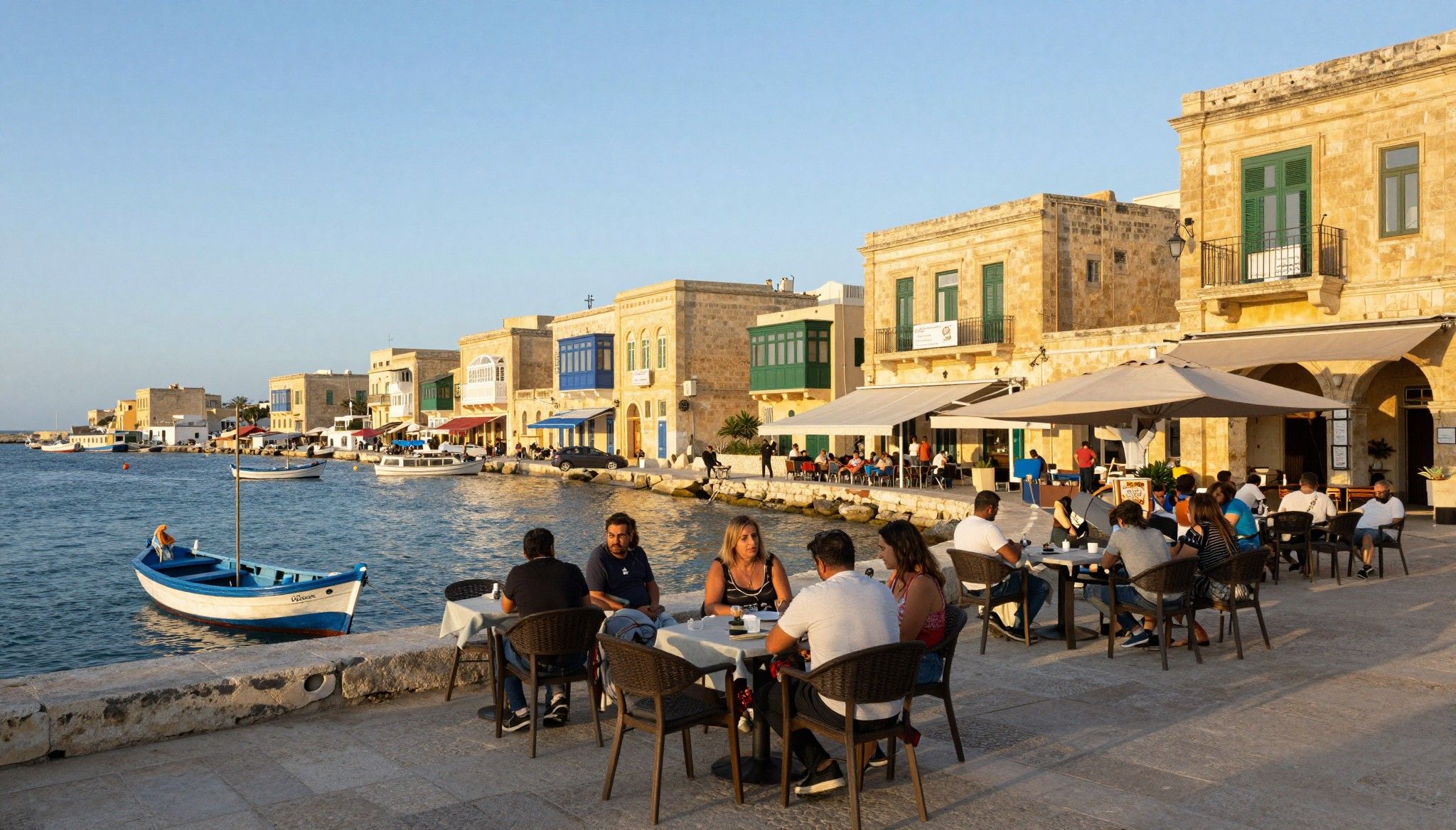
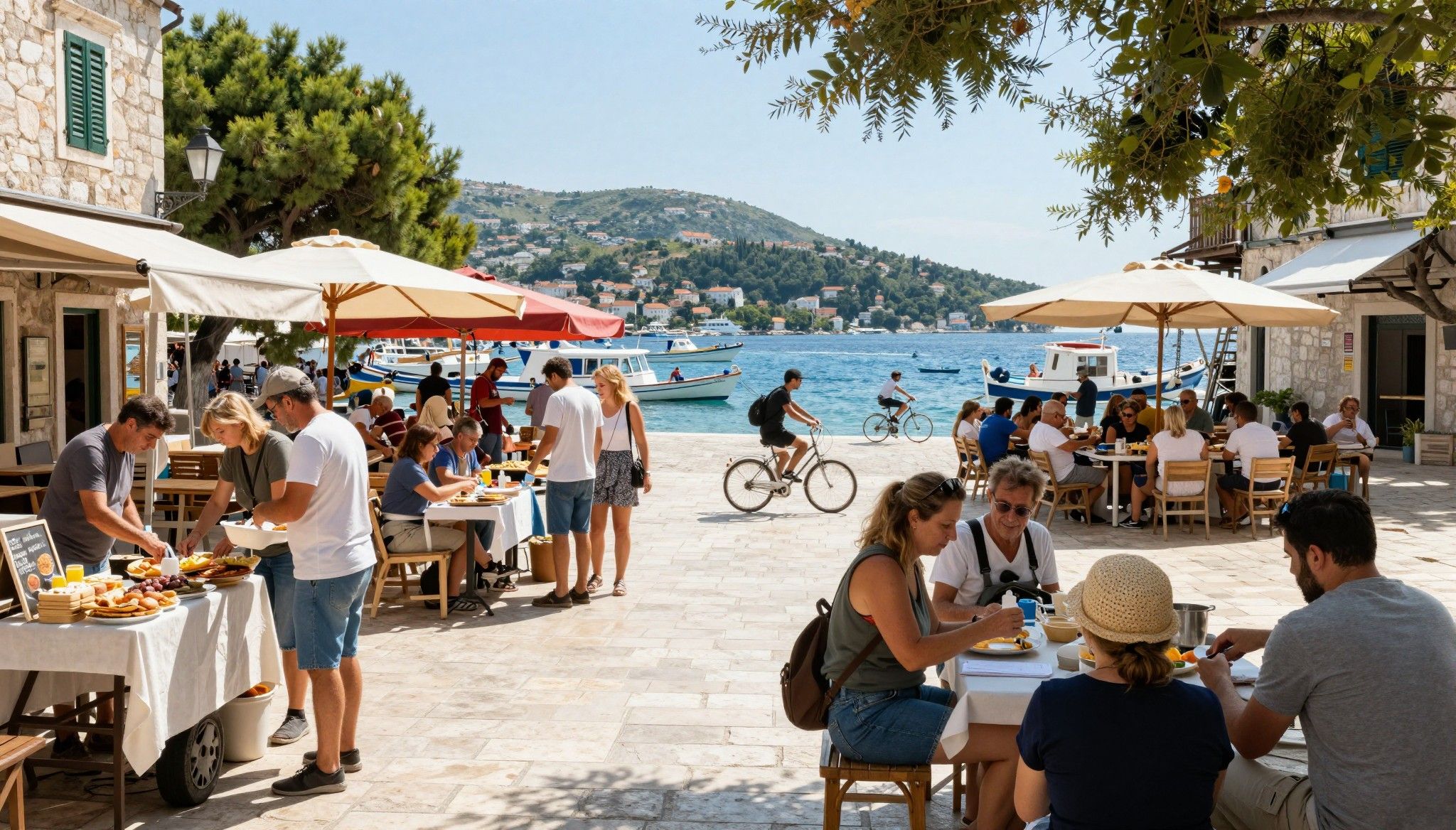
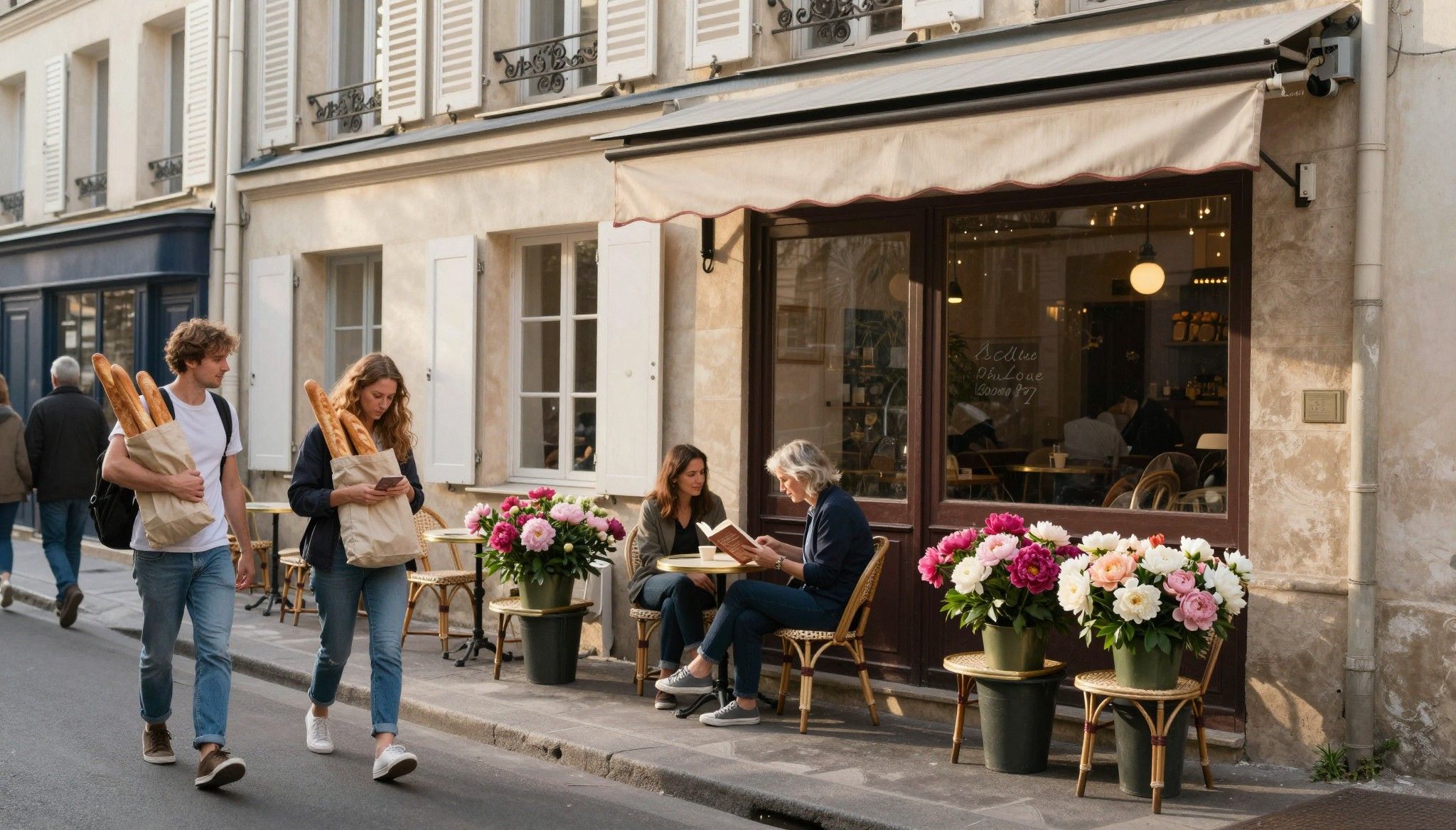
Where Italy’s Quiet Value Lives (Regions to Watch)
Regional Italy is quietly shifting: lifestyle-rich towns in Puglia, Abruzzo and Sicily now offer authentic living and practical entry points for international buyers.
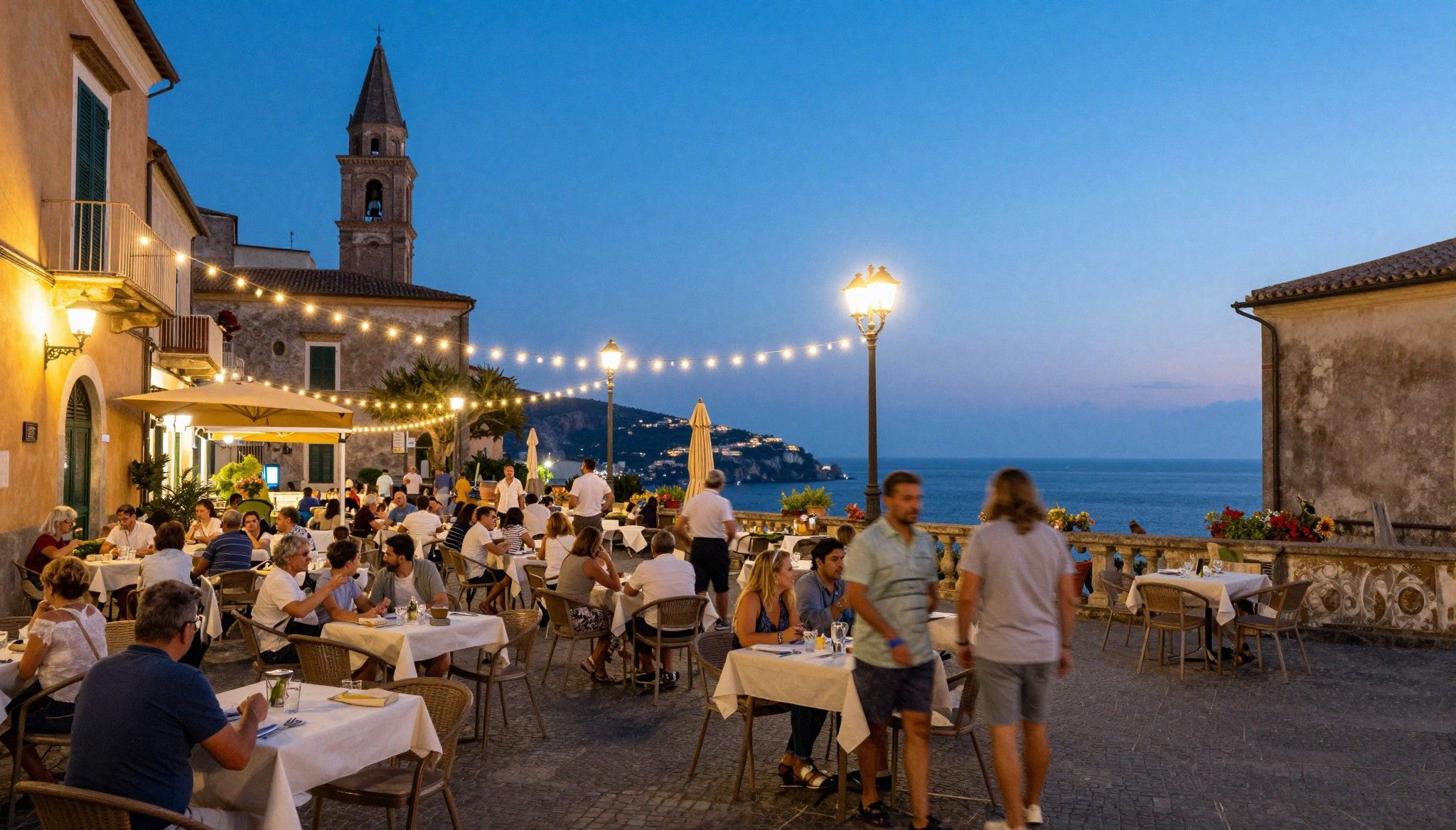
Imagine waking to a market square where the barista knows your order, then walking five minutes to a seafront of soft cliffs and fishermen’s boats. That mix — intimate streets, dramatic coastline, and towns that still run on community rhythm — is Italy’s quieter promise. For international buyers, the surprise in 2025 is where value and lifestyle converge: not always in the headline cities, but in regional pockets gaining traction. We’ll show you specific places, what locals actually do, and the practical signals agents and buyers watch before writing an offer.
Living the Italy life — small rituals, big texture
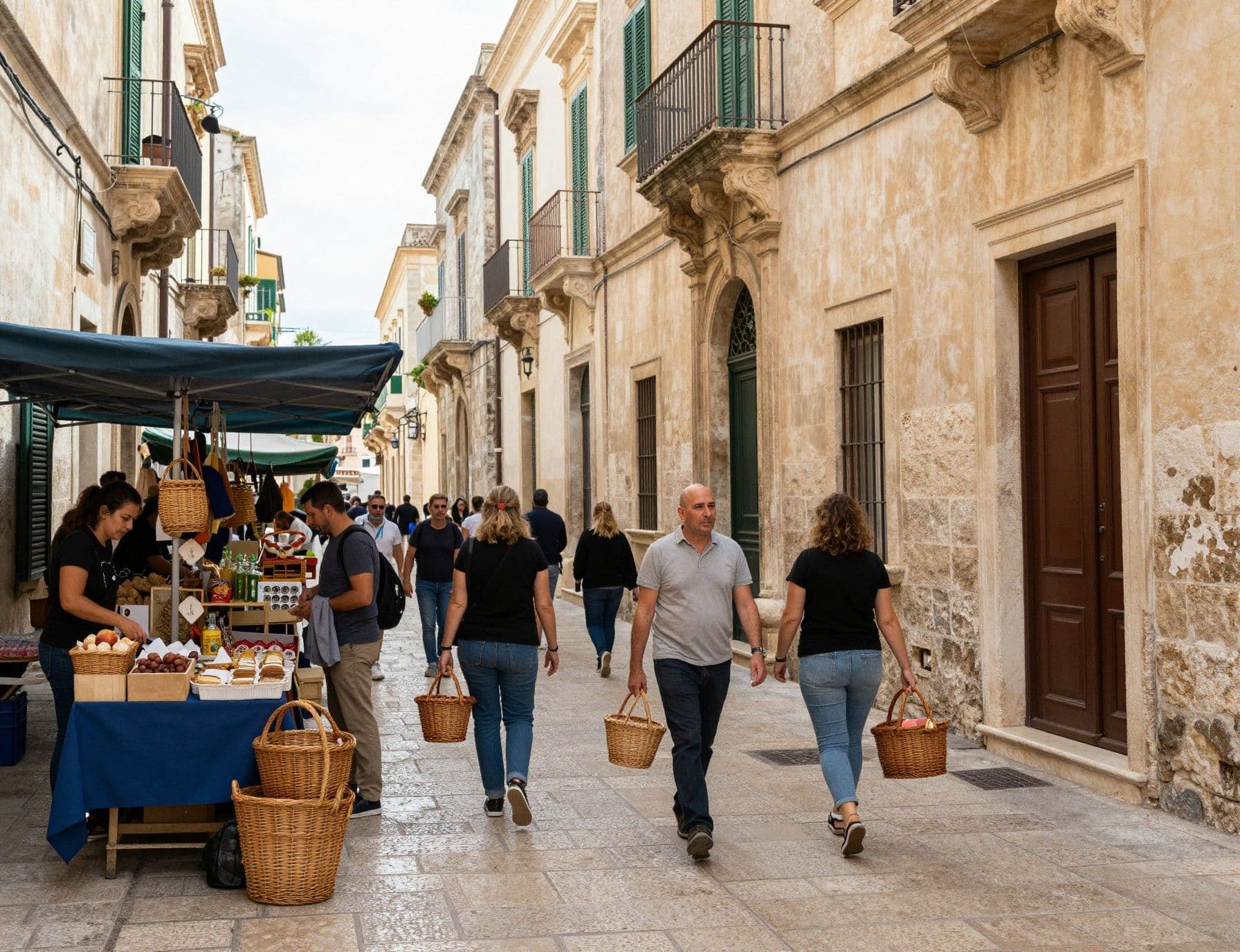
Italy isn’t one mood — it’s a thousand. In the south you find slow lunches that last through siesta, markets on cobbled mornings, and terraces where the light at 6pm redefines ‘golden hour.’ In places like Puglia and parts of Sicily, recent interest isn’t just investor hype: it reflects a growing lifestyle shift toward spacious townhouses, farmsteads with olive groves, and coastal living done at local scale. That’s why international buyers are swapping cramped city flats for houses with room to breathe and local life to step into.
Neighborhood spotlight — Lecce, Puglia
Picture baroque churches at dawn, a short walk to a morning market selling orecchiette and fresh ricotta, and narrow lanes where craftsmen repair shutters. Lecce’s centro storico has lower prices than northern city centres but a cultural density that rivals them. For buyers chasing authentic daily life, that trade — smaller price tag, bigger local scene — is irresistible. Agents who know these streets can point you to properties with usable terraces and authentic finishes instead of cosmetic ‘tourist’ flips.
Food, markets and seasonality
Food shapes the week: market mornings, aperitivo on a piazza, weekday trattorie that double as neighbourhood hubs. But be mindful of seasonality — seaside towns swing between sleepy winters and packed summers, which affects services, rental demand, and how you’ll actually use the property. If short lets are part of your plan, recent policy changes make platforms the declared agent for tourist taxes and introduced clearer withholding rules; that reality affects net yields and how you price stays.
- Lifestyle highlights — a buyer’s checklist
- Morning market at Piazza Sant'Oronzo (Lecce) — fresh produce and neighborhood gossip
- Sunday passeggiata on Corso Umberto — people-watching and café culture
- Sea access within 20 minutes — calm beaches for family life, windy coves for sailing
Making the move: practical considerations that keep the dream real
Lifestyle sells, but numbers matter. Nationally, house price indices showed modest upward momentum into 2024, yet regional performance varies sharply. That unevenness creates opportunity: some southern towns remain affordable while offering strong lifestyle upside, and northern cities show resilience but with higher entry prices. Read the local market first; broad-country statements aren’t helpful when a single province can buck the national trend.
Property types and how they'll shape your days
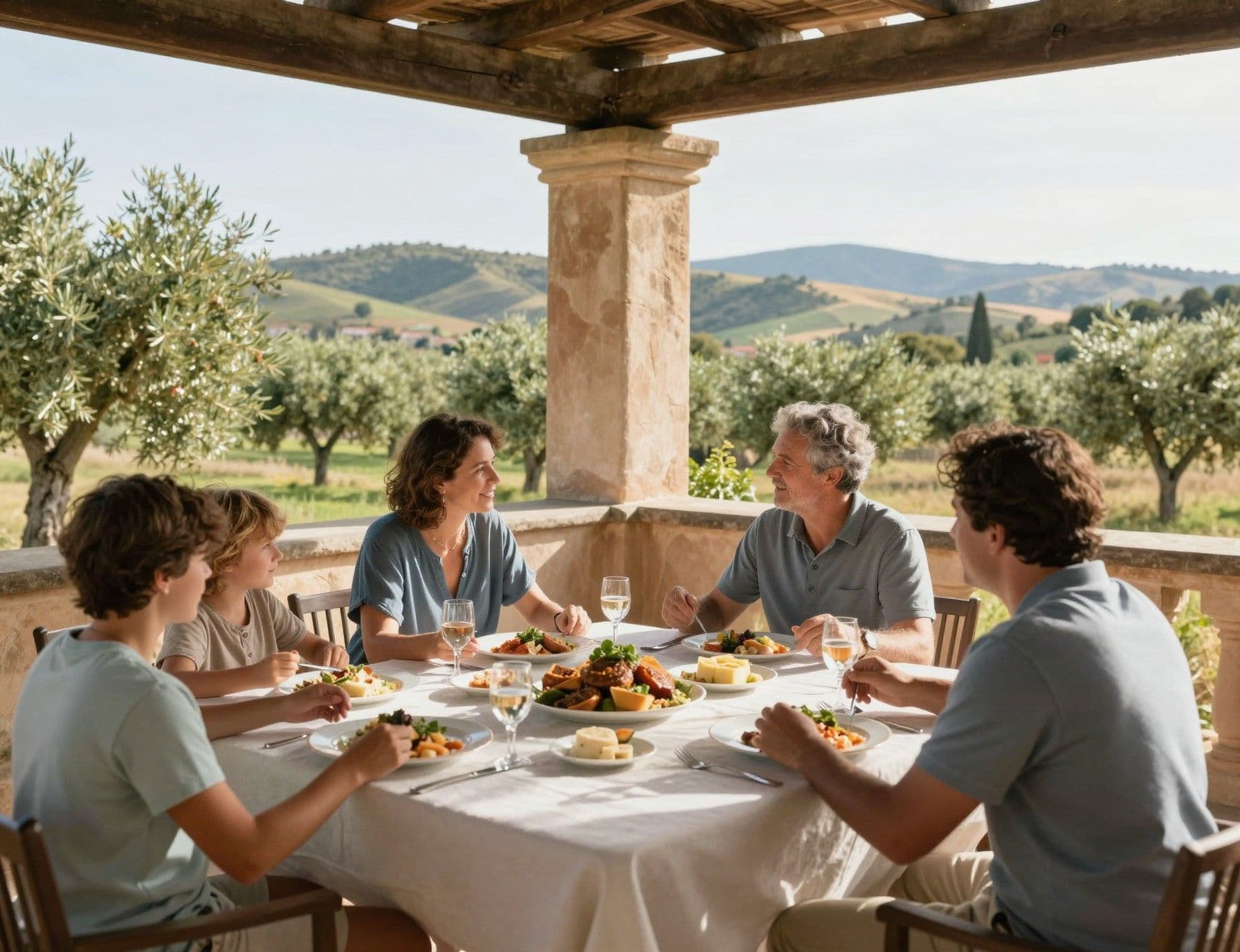
A restored town apartment gives you neighborhood life within easy walking distance; a masseria (stone farmhouse) trades proximity for land, olives and a slower pace. Consider maintenance realities: historic homes often need structural attention and local permits for restoration, while modern conversions can be move‑in ready but pricier per square metre. Choose the property that suits the life you want to wake up to — not just a low price on a listing sheet.
Working with local experts who know both the market and the rhythm
A good local agency is more than listings: they read municipal plans, know which terraces get building permission, and can connect you with a notary who understands cross-border tax nuance. We recommend agencies who supply a neighbourhood dossier (noise, services, seasonal flux) and who have managed buyers like you through renovation and registration. That on-the-ground knowledge keeps surprises out of your first morning coffee in a new town.
- Steps to marry lifestyle with smart buying
- Visit in the off-season and in high season to see service levels and rental patterns
- Ask for recent utility bills and a neighbourhood dossier from the agent
- Check short‑let rules if you plan rentals; platforms now report tax declarations and withholding
Insider knowledge — what expats say they wish they'd known
Expat buyers often tell the same stories: you’ll adapt to local schedules faster than you think, but underestimate bureaucracy and seasonal service gaps. Many also missed how local festivals make a tiny town feel international for a weekend and nearly empty the week after. If you plan income from rentals, recent fiscal changes and municipal tourist taxes matter — they change net returns and how many nights you can realistically rent.
Language, social life and integration
You don’t need perfect Italian to live well, but a few phrases open doors: market vendors, neighbours, and the local bank appreciate the effort. Community life often centres on weekly markets, parish events and bar mornings. Join a language café or volunteer locally; those are the short routes to neighbours who’ll recommend a plumber, a good carpenter, or warn you about a noisy apartment block next door.
Longer-term lifestyle signals to watch
Look beyond a single property: check whether local sales volumes and small infrastructure projects (road works, station upgrades) are increasing. These are the subtle indicators that a place is moving from ‘undiscovered’ to sustainably desirable. Conversely, places with heavy short-term rental saturation may have lively summers but hollowed-out communities in winter — and that changes daily life more than a price tag does.
- Red flags local agents warn about
- Unclear condominium minutes (risks of special assessments)
- Missing building permits for visible renovations
- Over-reliance on speculative rental yield figures without local seasonality checks
Italy gives you mornings that feel slow and evenings that suddenly matter; it also gives you paperwork that doesn’t. If you’re looking for a place with neighbourhood rhythm, flexible living spaces, and a food culture that teaches you to slow down, regional Italy — particularly parts of Puglia, Abruzzo and selected Sicilian towns — is worth a close look. Meet a local agent, visit across seasons, and bring a lawyer who reads municipal plans; do those things and the life you imagine becomes real.
Next step: shortlist two contrasting towns — one coastal, one inland — and spend a long weekend in each out of season. Ask agencies for a neighbourhood dossier and recent utility bills, verify permitting history with the town hall, and confirm short‑let taxation rules if you plan rentals. If you’d like, we can connect you with vetted local agencies experienced with international buyers who prefer lifestyle-led searches.
Swedish expat who moved from Stockholm to Marbella in 2018. Specializes in cross-border legal navigation and residency considerations for Scandinavian buyers.