Reciprocity, Taxes and Off‑Market Tricks in Croatia
Practical, sensory guide to buying in Croatia: how reciprocity, taxes and local rules shape where you should look and what to check before you fall in love.
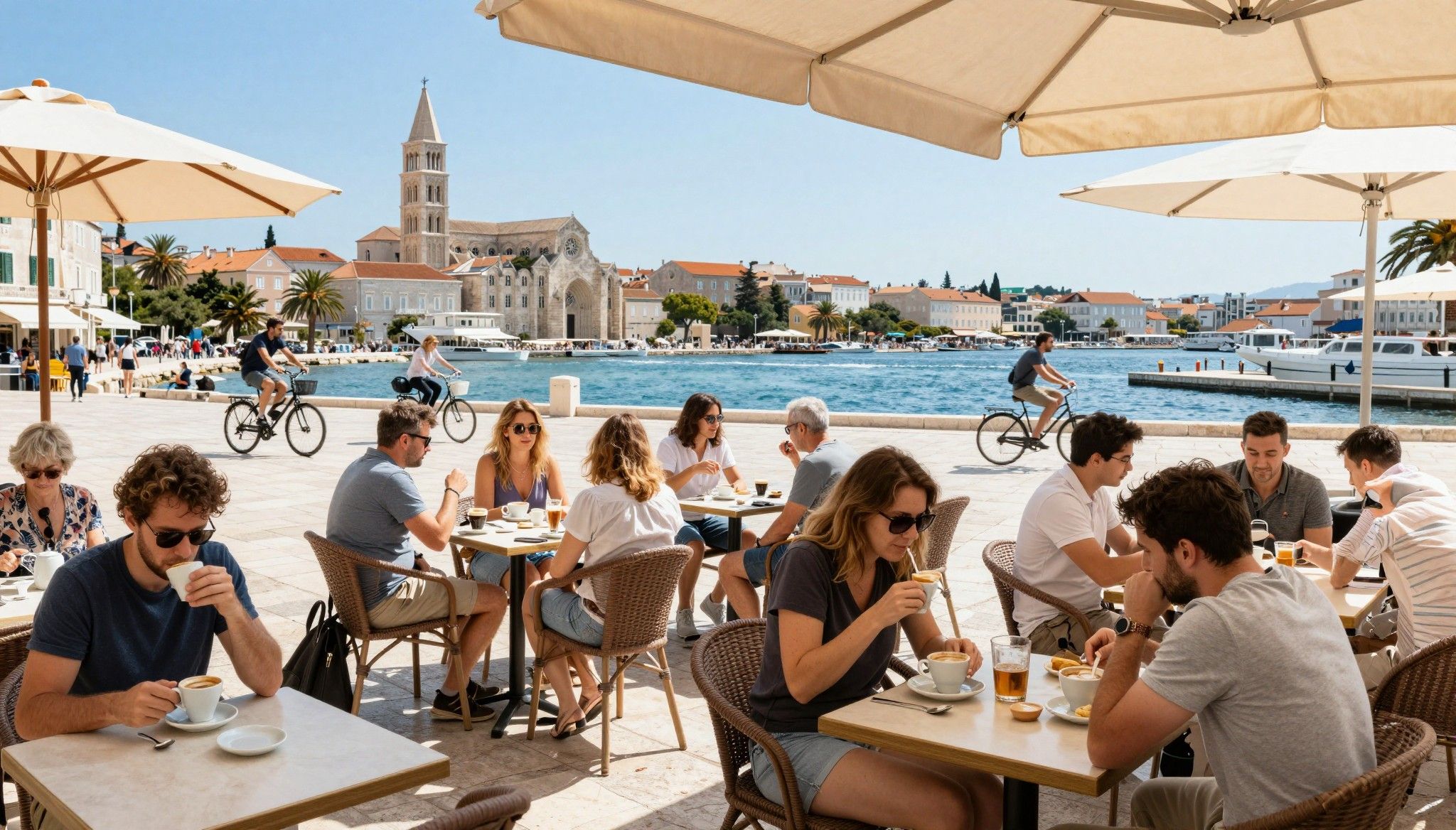
Imagine the early morning market on Split’s Varšavska: bakers arranging loaves, fishermen unloading the day’s smallest catch, and a neighbour waving from a shaded balcony. That sensory, ordinary life is what most buyers come here for — the rhythm of neighbourhoods that stitch coast and city together. But the legal and fiscal scaffolding behind those terraces decides whether a love-at-first-sight purchase becomes a long-term joy or a bureaucratic headache. We start in the streets, then map the rules that shape your options in Croatia.
Living Croatia: places that feel like home
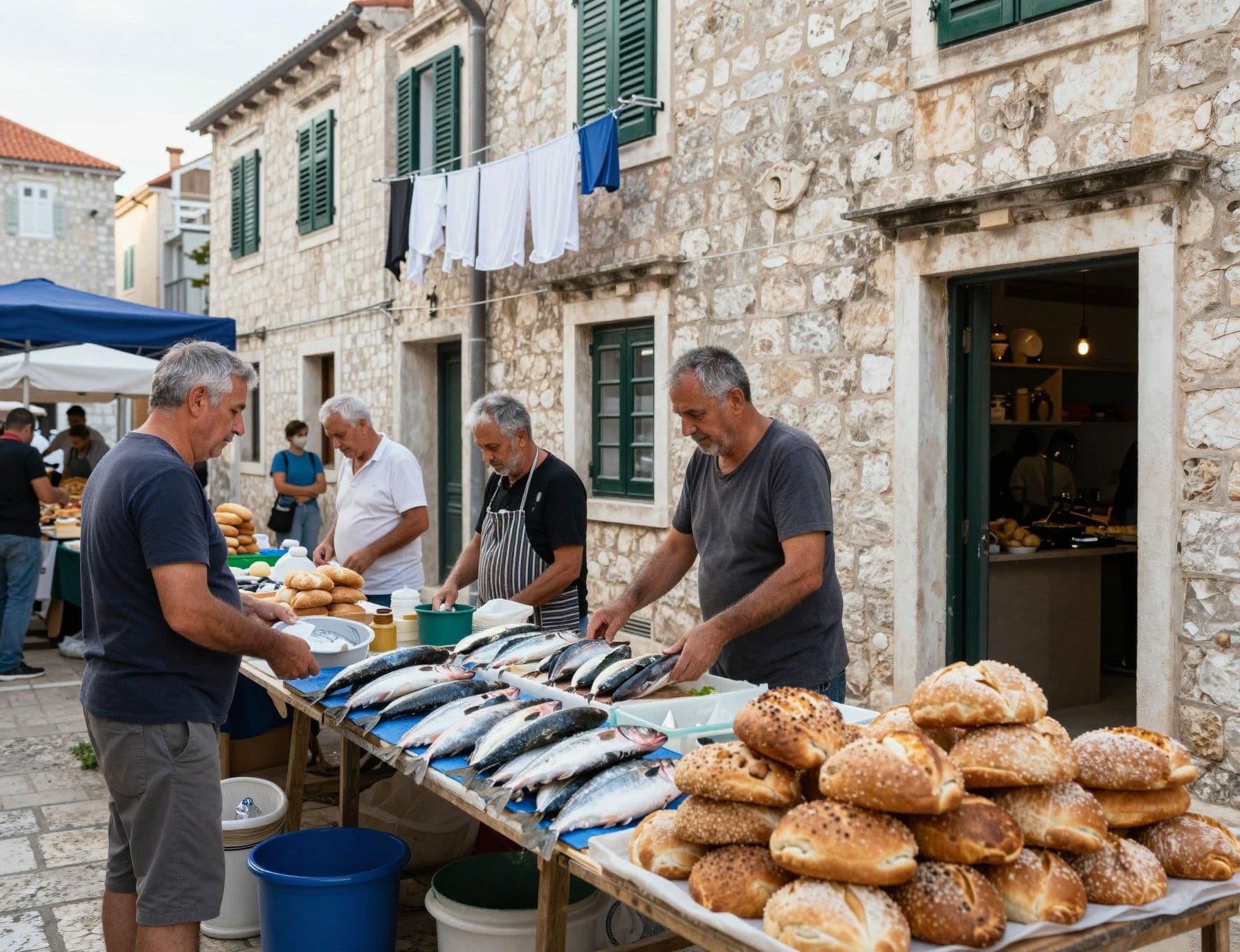
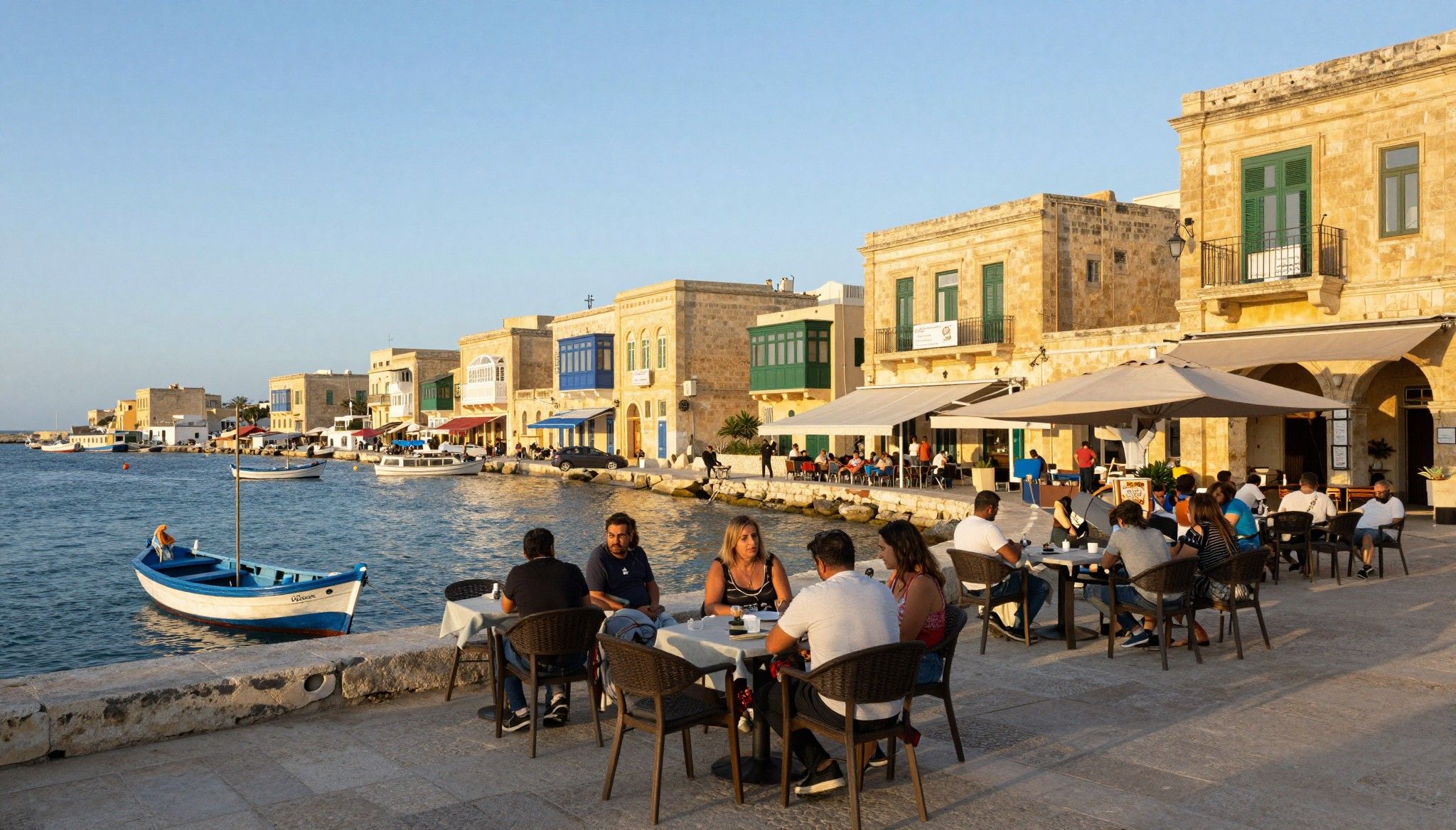
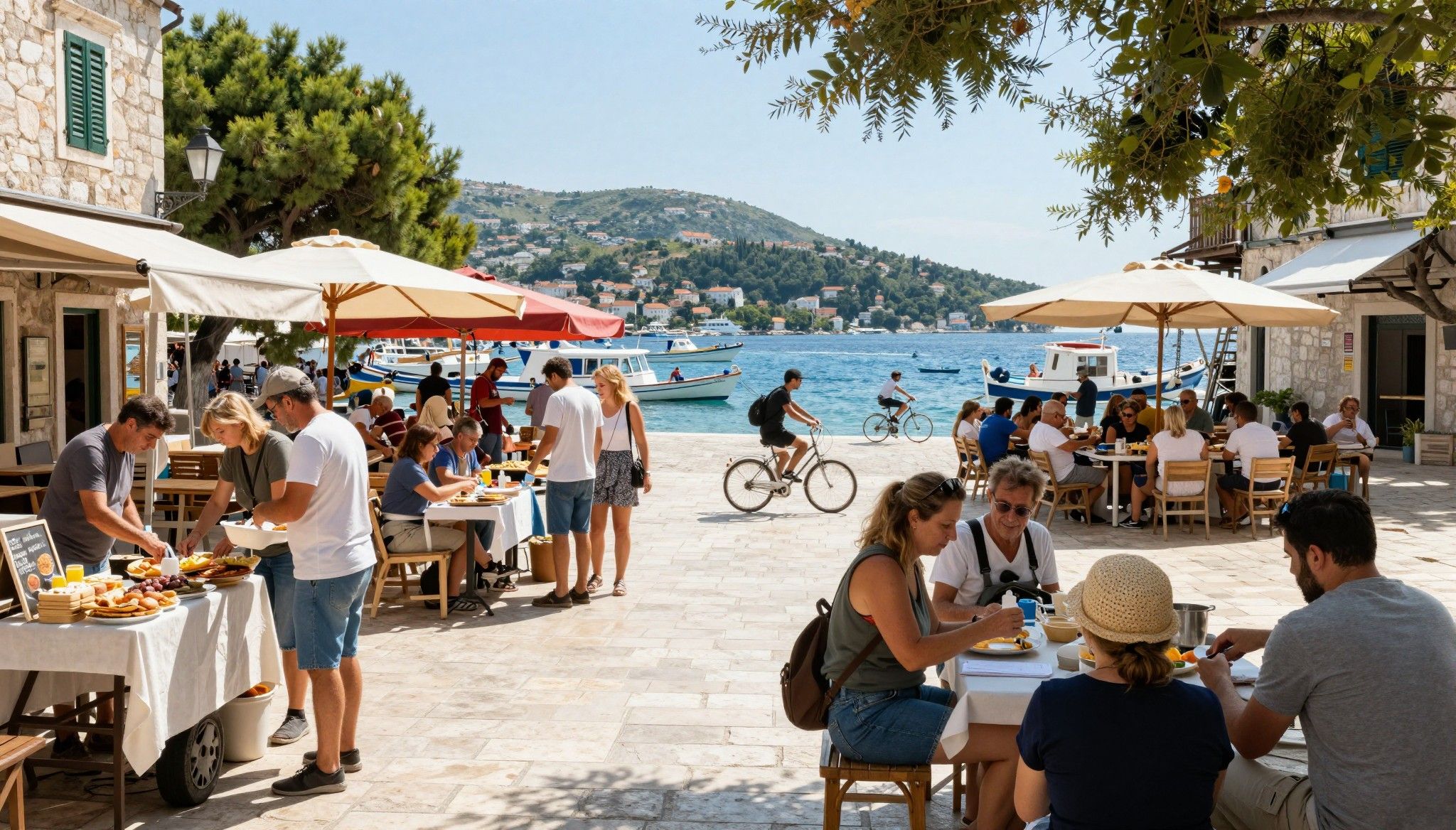
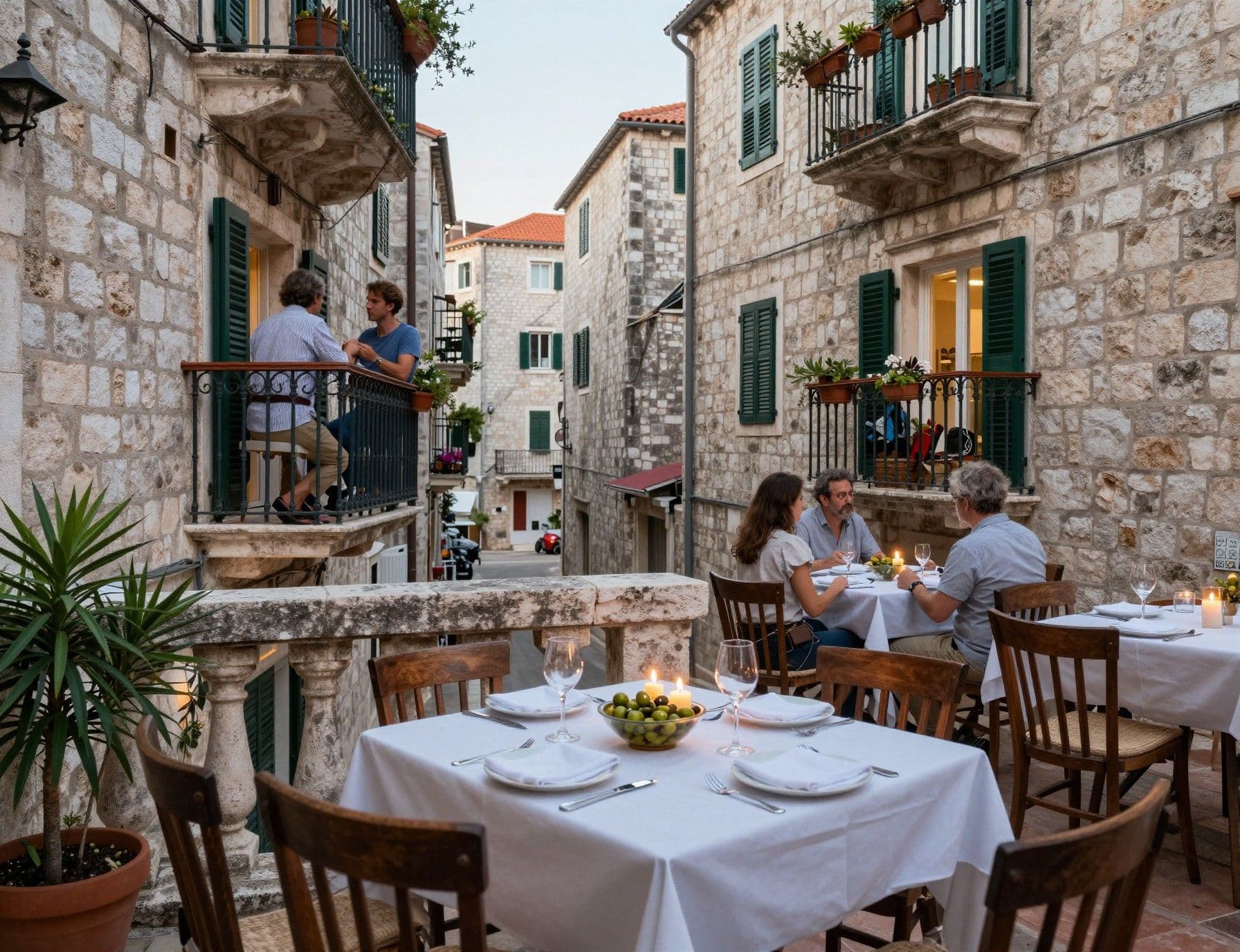
Croatia’s personality shifts with each region. In Zagreb you’ll find late‑night cafés on Tkalčićeva, organized chaos in Dolac market and a brisk tram commute. On the Adriatic, towns like Rovinj and Hvar trade quiet stone streets and mooring lines for sunlit terraces where life is measured by tides and film‑festival dates. These differences influence property types, community expectations and even permitted uses — so where you fall in love will shape the legal path you must walk.
Zagreb & inland: urban routines, practical advantages
If your image of Croatia is cafes and culture, Zagreb’s neighbourhoods like Gornji Grad and Maksimir deliver. Urban life makes services, schools and public transport straightforward, and title searches and registration tend to be quicker than in remote coastal municipalities. That practical speed can save weeks during closing — and for non‑EU buyers it can make the difference between a smooth Ministry approval and extended paperwork.
Coast & islands: seasonal life and legal quirks
Living on the Dalmatian coast means festival seasons, boat traffic and tourism-driven demand. Properties on islands or in smaller municipalities sometimes carry legacy encumbrances, unclear parcel boundaries, or old family rights that only surface during title checks. That’s why a local notary and an agent who knows municipal planning maps are indispensable — the romance of a sea view is one thing, the legal reality can be another.
Making the move: how the law reshapes opportunity
Here’s the central regulatory surprise most buyers don’t expect: access depends on reciprocity. EU/EEA citizens buy almost like locals, but many non‑EU buyers need explicit consent from the Ministry of Justice. That approval hinges on reciprocity, property type (agricultural land is restricted) and municipal planning status. Start this conversation early — it’s the single procedural item most likely to stall a transaction.
Property transfer tax, VAT and real costs
The tax picture is deceptively simple until you test it with real examples. Resale properties typically trigger a 3% transfer tax, though new builds can be VAT‑subject instead — and VAT changes the calculation for both buyer and seller. Expect notary, registration and agency fees on top, which together often add 4–8% to the purchase price. We always run the numbers on concrete listings — don’t trust headline prices alone.
Why season and locality affect legal exposure
Price volatility on the coast means municipalities sometimes tighten rules on short‑term rentals and new construction. If you buy with rental income in mind, local zoning and recent municipal ordinances are must‑reads. The national house price index shows coastal hotspots appreciated faster than inland areas over recent years, but that trend has brought more regulation — and a need for careful contractual clauses.
Insider knowledge: things expats actually learn the hard way
We’ve worked with buyers who fell for a 19th‑century stone house in Istria only to discover a shared access right and a disputed shoreline easement. Others assumed EU citizenship was the only hurdle and were surprised by municipal utility liens. These common slips come from treating Croatia like a single market rather than a patchwork of local rules and histories. Learn the local story of the plot before you sign; stories live in the land registry and neighbour testimony as much as in the listing photos.
Cultural cues that affect contracts and negotiations
Contracts often reference municipal plans, and sellers sometimes assume buyers understand local planning jargon. Expect negotiations to be partly social: meet the seller, visit the municipality office, and bring a translator if your Croatian isn’t confident. Local agents are valuable not just for listings but for reading the subtext in contracts — clauses about access, utility obligations and shared courtyards are where long‑term irritation hides.
Longer view: what holds value in Croatia
Quality of place beats headline sqm prices. Walkability, access to a reliable port or ferry, and solid municipal plans correlate with resilient values. Coastal towns with constrained development (historic centres, protected zones) often keep prices steady. Look for places where municipal planning supports sustainable tourism rather than speculative high‑rise projects.
Practical checklist: combine lifestyle with legal steps
Before you make an offer, do these six things in parallel: local due diligence, Ministry consent (if applicable), title search, zoning/utility checks, tax calculation and a written rental/usage plan if you’ll let the property. Run the numbers with local tax counsel and insist on contract clauses that allocate risk for hidden encumbrances. Timing and paperwork win deals in Croatia as much as price does.
- Step-by-step practical moves
1) Verify seller ownership in Zemljišne knjige (land register) and request recent extracts. 2) Confirm whether you need Ministry of Justice consent (non‑EU buyers) and start the application early. 3) Obtain a municipal planning statement about permitted use and short‑term rental rules. 4) Calculate transfer tax vs VAT scenarios with tax counsel. 5) Include a conditional clause covering consent denial or undisclosed liens. 6) Use a notary experienced in foreign transactions to register the deed.
Local experts to contact
• A Croatian notary for registration and deed formalities.
• A lawyer who specialises in foreign acquisition and reciprocity.
• A local planner or architect to check permitted works and conversion feasibility.
Conclusion: love the life, prepare the file
Croatia gives you afternoons on sunlit terraces, markets heavy with figs, and neighbourhoods that feel lived in. If you want that life, pair your enthusiasm with early legal checks and local partners who read municipal handwriting. Begin the Ministry and tax conversations sooner than later, and treat the living‑in‑place details as seriously as the sea view. If you do, the paperwork becomes the last step, not the first obstacle.
British expat who relocated to Marbella in 2012. Specializes in rigorous due diligence and cross-border investment strategies for UK and international buyers.