Why Winter House‑Hunting in Croatia Pays Off
Why house‑hunting in Croatia’s off‑season reveals legal clarity and negotiating leverage — check reciprocity, VAT vs. transfer tax, and winter maintenance before you bid.
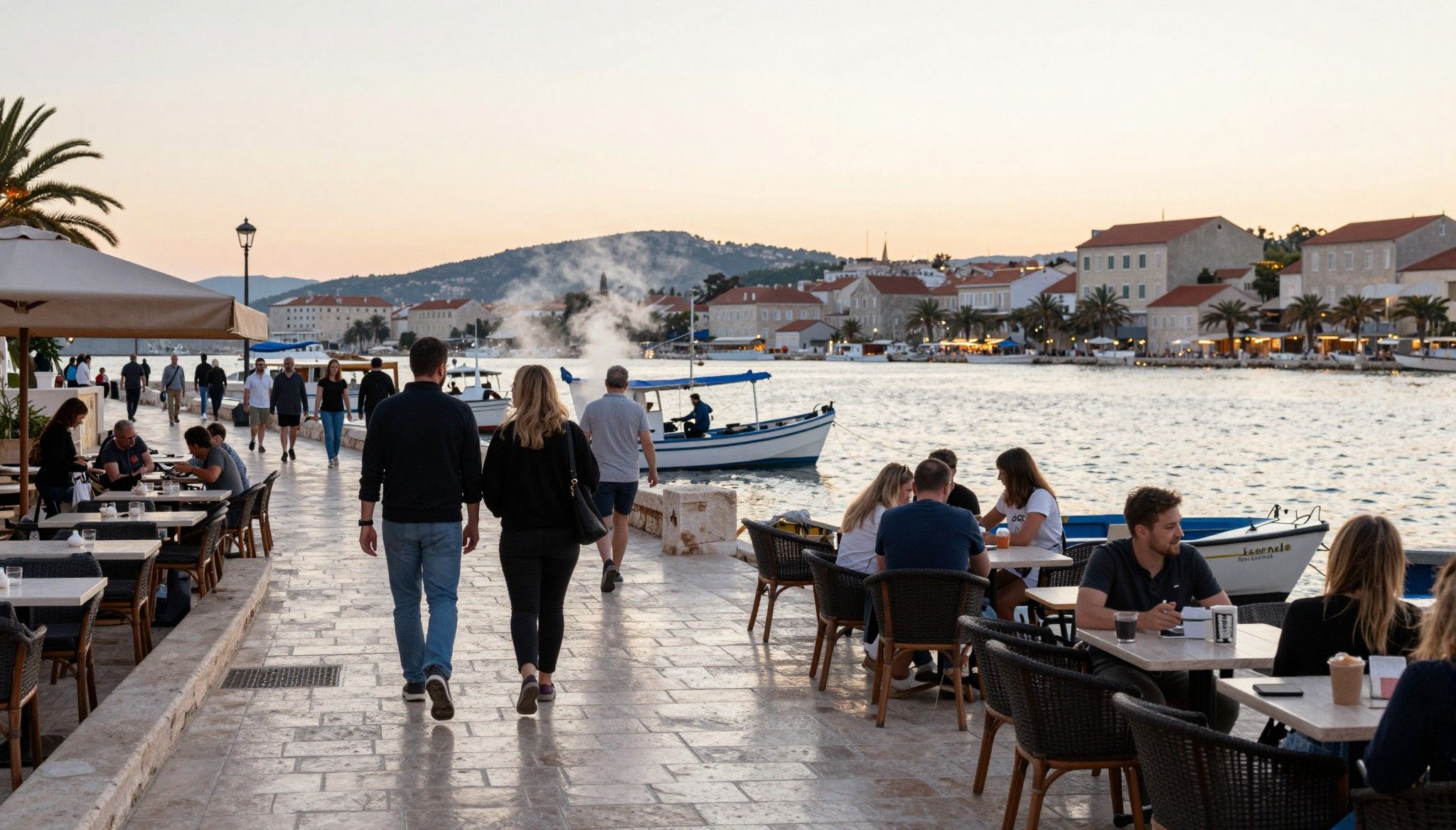
Imagine walking a near-empty Riva in Split on a damp January morning — cafés steaming, fishermen mending nets, the Dalmatian light soft as linen. Croatia in winter is quieter, honest: fewer tourists, more room to meet neighbours, and a clearer sense of year‑round life. It's also when price signals stop being shouted by holiday-season hype and start whispering real value. We use that winter calm to show what actually matters for buyers: residency rules, reciprocity approvals, taxes and how timing changes your negotiating power.
Living Croatia: seasons, streets and real rhythms
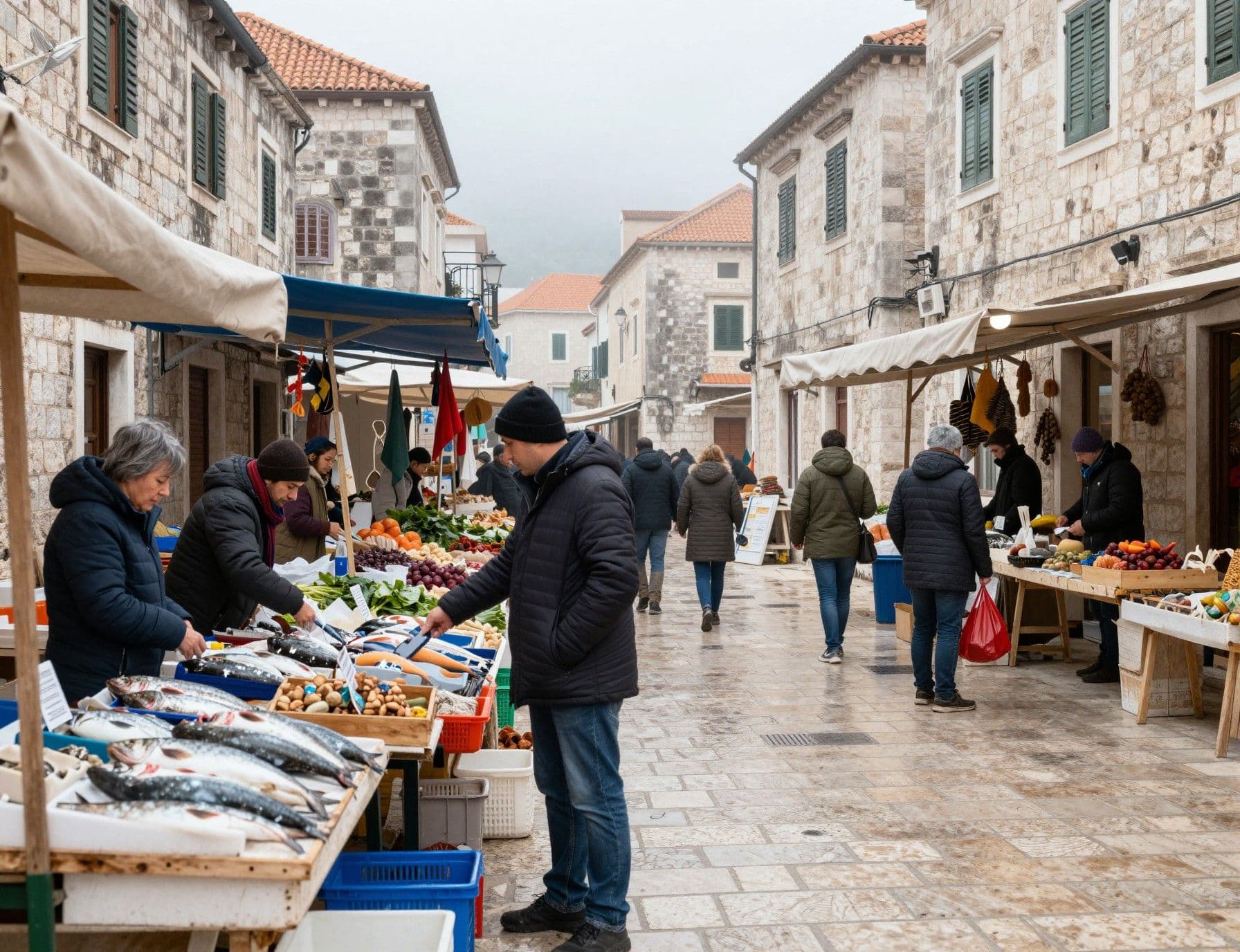
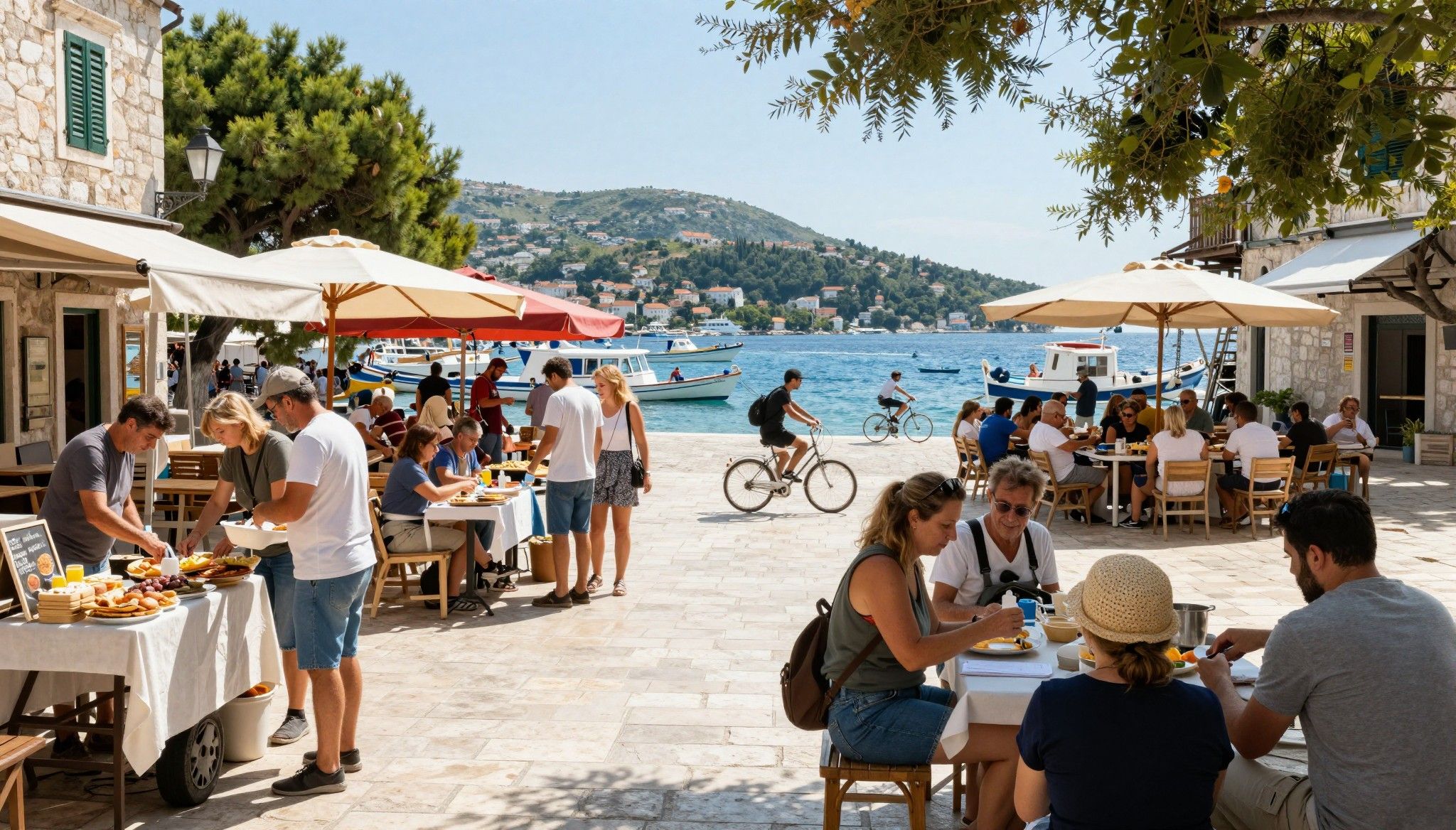
Croatia is a country of stitched-together tempos — Zagreb's weekday cadence, Split's late-afternoon cafés, Istria's weekend markets and the islands' slow, salt-scented time. Picture morning espressos at Kavana Tinel in Rovinj, lunchtime trattorias in Hvar, or a Sunday fish market haul at Dolac in Zagreb. Those routines shape how you'll use a second home or primary residence: proximity to a market matters if you cook; a sheltered bay matters if you sail. That lifestyle picture should be the first filter for every property search — not the price per square metre alone.
Neighbourhoods that breathe authenticity
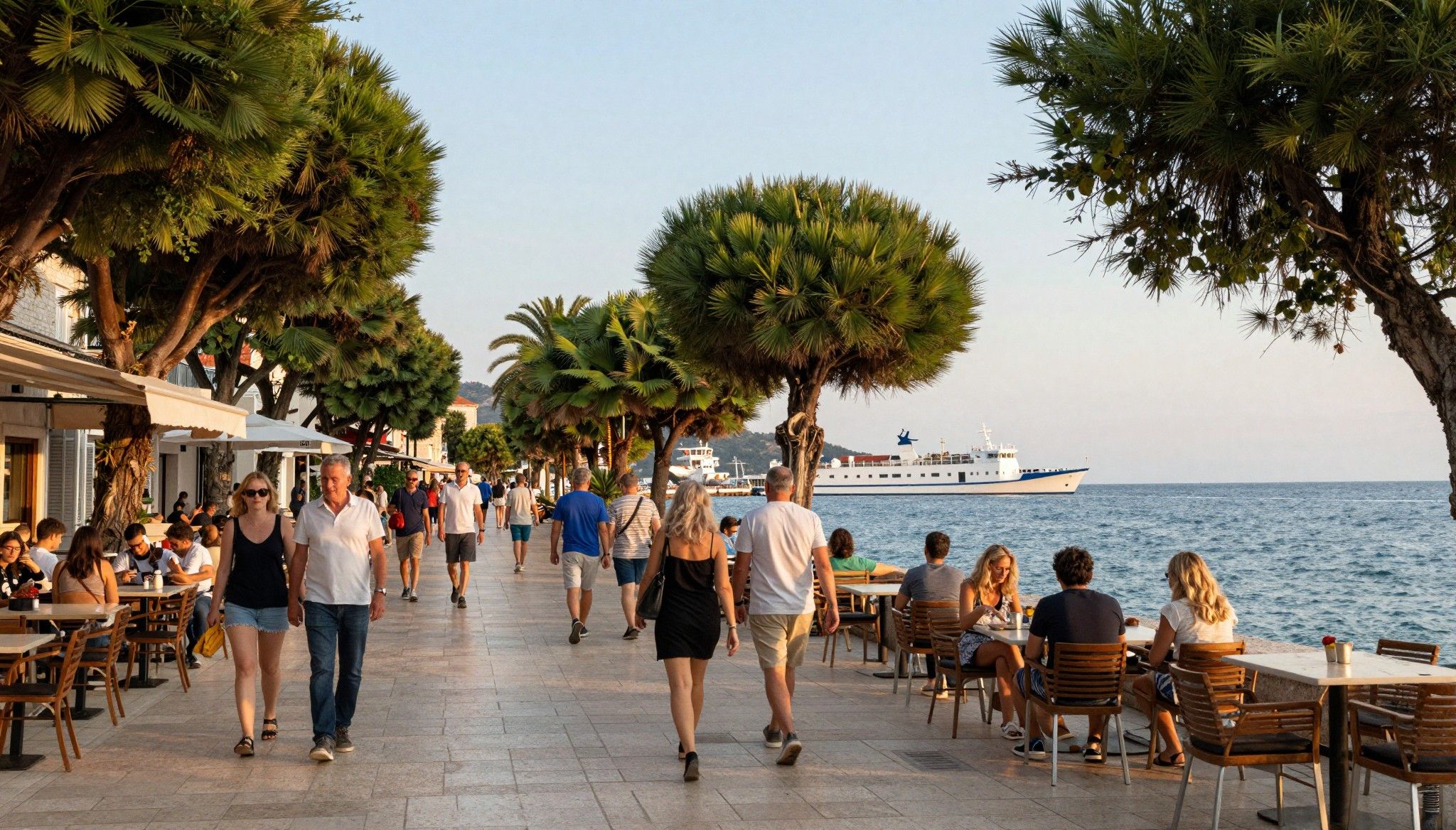
Walkable old towns like Dubrovnik’s Ploče or Split’s Veli Varoš offer steps, stone and neighbourly life — but also tourism cycles and stricter heritage rules that affect renovations. Istrian hill towns (Motovun, Grožnjan) trade seclusion for community festivals and year‑round markets; coastal towns like Trogir or Šibenik balance local industry with tourism. When you choose a street — say, the shaded alleys off Poljana kraljice Jelene in Split — you’re choosing a rhythm: morning markets, evening passeggiata, and local planning rules.
Food, markets and the social architecture of daily life
Local life gathers around markets, konobas and small marinas — think Dolac market in Zagreb, Pazar in Rijeka or the fish stalls in Zadar. Seasonal produce and coastal seafood define not just dinner but weekend plans, and those rhythms affect property choices: large kitchens for market-fresh cooking, storage for preserved olives, or a terrace built for long summer meals. If you love community rituals — church bells, town festivals, klapa singing — choose streets where those rhythms persist off-season, not only during July.
Making the move: practical realities that matter in winter
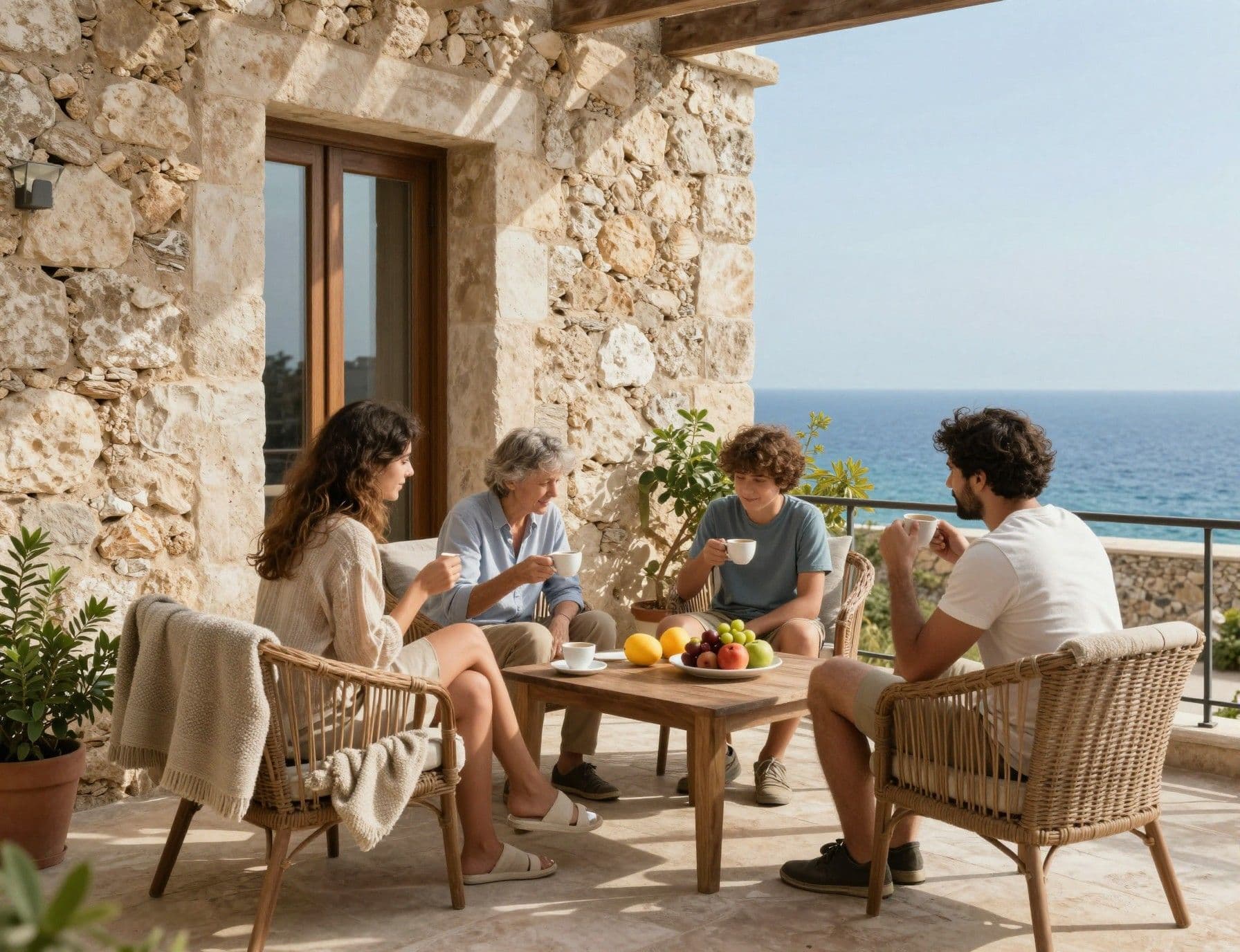
Winter house‑hunting does more than avoid crowds — it reveals the transaction's legal seams. Croatia applies EU-free rules: EU/EEA/Swiss/Norwegian/Icelandic citizens buy freely, but many non‑EU nationals face a reciprocity check and possible ministry approval. The Ministry of Justice publishes country‑by‑country statuses and exceptions; if your passport isn’t on the automatic list you’ll need either a local company structure or a written approval — something negotiable only when you approach sellers outside the high season.
Property taxes and VAT — what winter buyers often miss
Croatia currently applies a real estate transfer tax (RETT) generally at 3% of market value when a transaction is not subject to VAT. New-builds sold by developers are typically subject to VAT (standard 25%), which can materially change the total cost. Recent policy and local tax reforms (including changes implemented from 2025) mean buyers must verify whether a specific sale is VAT‑liable or RETT‑liable — a difference that can be worth tens of thousands of euros on a coastal apartment.
- Practical winter negotiation advantages
Sellers who list outside summer often need quicker closures or have fewer competing offers, giving buyers leverage on price and terms. Developers and agents are more responsive, and municipal offices (for document checks or building permits) tend to move at a steadier pace. Importantly, you get to see maintenance realities — storm wear on facades, winter occupancy patterns, heating needs — that July viewings hide.
Insider knowledge: red flags, small rules and real costs
Expats we speak to wish they'd known three local truths: building zone status matters more than frontage; “sea‑view” premiums wobble with sea‑level storms; and reciprocity denials are an avoidable surprise if you check early. Croatia’s zoning, coastal protection and cultural heritage rules can limit renovations or extension plans — and those limits are most visible in low season when sites are empty and enforcement is clear. Treat legal checks not as a checkbox but as a map for what life will look like in five years.
- A winter checklist: legal and lifestyle steps (do these in order)
1) Confirm your eligibility (EU citizens vs. reciprocity rules) with the Ministry list. 2) Ask whether the sale is VAT‑liable or subject to 3% transfer tax — get written confirmation. 3) Check building zone and coastal protection status with the local municipal office. 4) Commission a winter inspection (roofing, heating, damp) and an owner’s file review. 5) Negotiate closing timelines that allow ministry approvals if needed.
- Red flags to walk away from
Contracts lacking a clear VAT/RETT status, owners unwilling to produce use permits (uporabna dozvola), properties inside protected coastal belts without prior approvals, and deals requiring an immediate cash transfer before land registry checks are completed. If a seller resists a winter inspection or fast access to municipal records, treat that as a signal, not an inconvenience.
Working with local experts — the winter advantage
A good Croatian agent isn't a show-around person; they're your translator of local life and law. In winter they can arrange meetings with municipal clerks, introduce you to local contractors who will be available for surveys, and often secure off‑season discounts from motivated owners. Lawyers fluent in Croatian property law and the reciprocity process are essential; they should draft a contract that conditions closing on ministry approvals or VAT clarity.
- Six negotiation moves to make during a winter purchase
1) Make offers contingent on ministry reciprocity approval where applicable. 2) Ask sellers to cover part of the transfer tax if VAT status is unclear. 3) Require a full owner’s file and technical inspection before deposit release. 4) Use winter maintenance observations to negotiate repair credits. 5) Ask for documented utility bills to size running costs realistically. 6) Negotiate flexible closing dates to accommodate permit timelines.
- Lifestyle+legal perks buyers often forget
Off-season community integration, lower short-term accommodation costs for scouting visits, clearer maintenance realities, and the ability to build negotiating protections into contracts — these are advantages that compound into a better long‑term ownership experience. Winter clarity reduces the chance of painful surprises when you arrive for your first summer season.
Conclusion: fall for the life, then check the file. If Croatia’s winter streets charm you, use that pause to do the legal homework — reciprocity checks, VAT vs. transfer tax clarity, municipal permits and a proper winter inspection. We'll help you pair the neighbourhood that feels like home with an acquisition strategy that reduces surprises. If you want, we can pull ministry reciprocity status for your nationality and draft a winter‑ready offer checklist.
Norwegian market analyst who serves Nordic buyers with transparent pricing and risk assessment. Specializes in residency rules and tax implications.