Why Croatia’s Summer Prices Mislead Buyers
Summer listings in Croatia often overstate value. Use off‑season comparables, notarised sales and legal conditions to cut through seasonal asking‑price distortions.
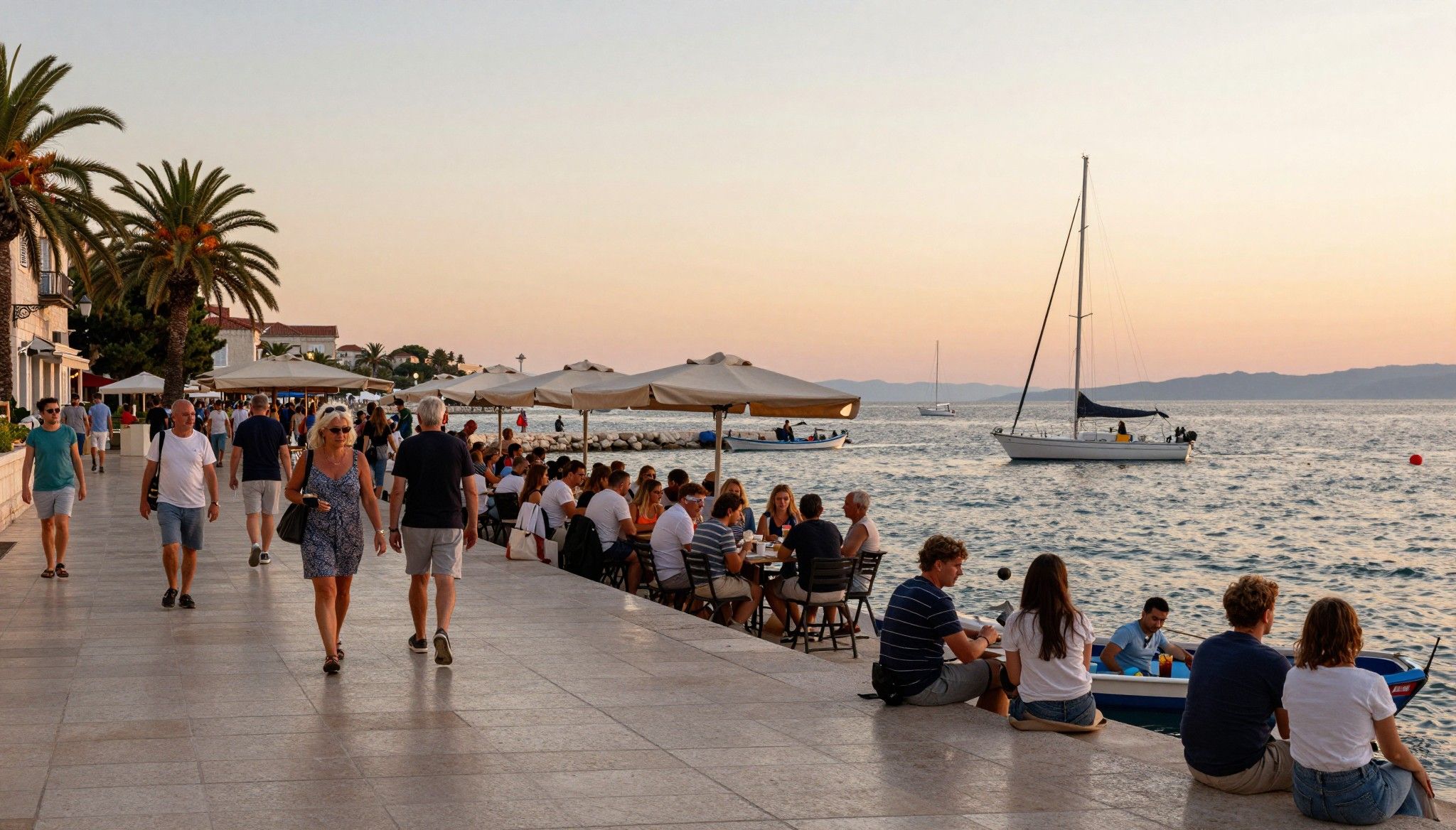
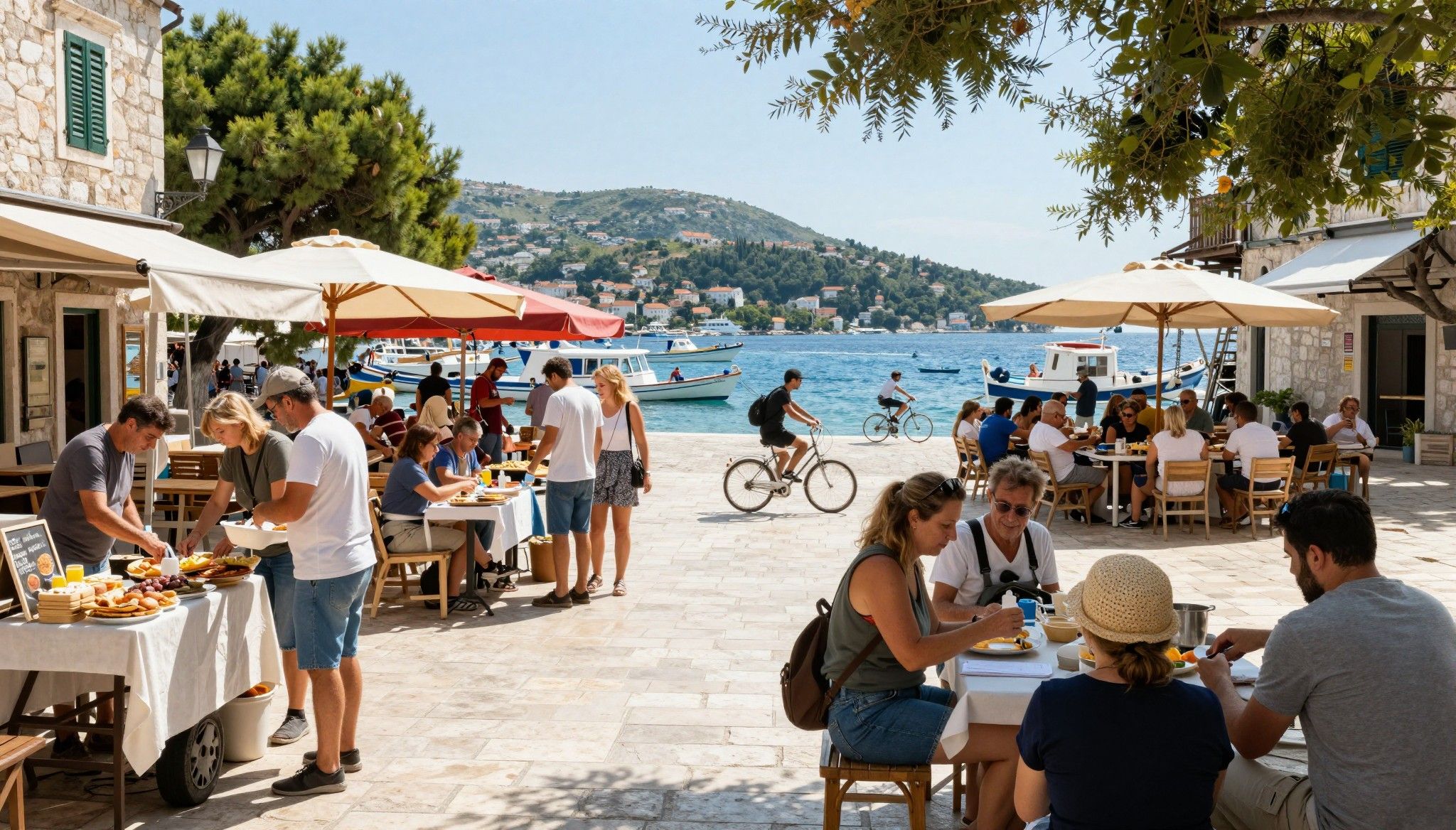
Imagine arriving in Hvar at dusk: fishermen hauling crates at the harbour, espresso steam on the quay, and a limestone street that holds the day’s heat until midnight. That scene is what sells Croatia to buyers — the Adriatic light, slow Sunday markets in Split’s Varoš, and neighbourhood cafés in Zagreb where life stretches longer than the clock. But the market you fall in love with in August is not the market you can buy into in November; seasonality and disclosure quirks change the truth behind headline prices. We’ll show you the lifestyle first, then pull back the curtain on the data, local rules and the specific transparency issues international buyers must watch for.
Living Croatia: daily rhythms that sell the place
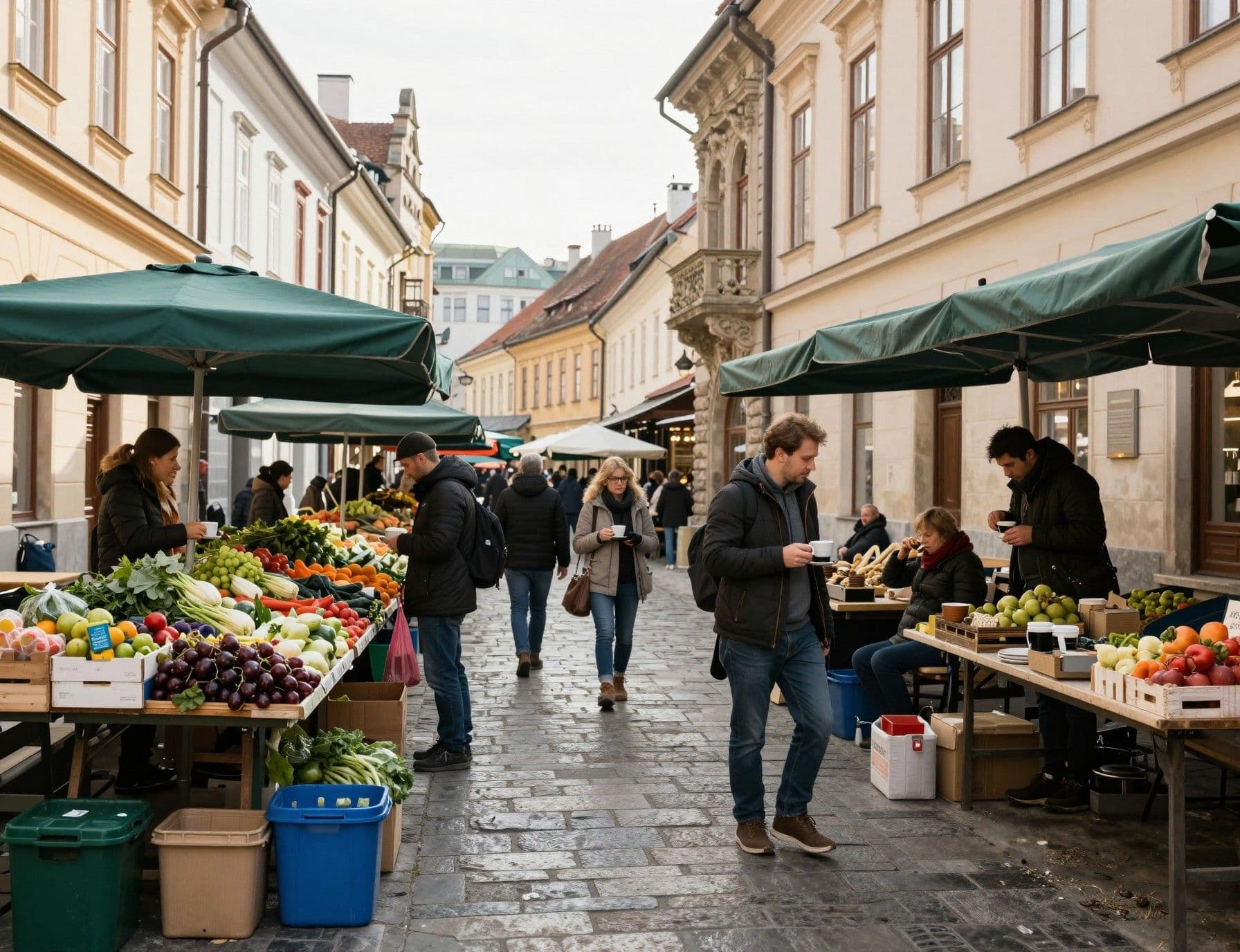
Croatia feels like a country keyed to the coast: mornings begin with harbour light and pastries, afternoons pivot to family lunches, and evenings spill into promenades and wine. In Zagreb the tempo is urban—bistros on Tkalčićeva and bakeries on Ilica—while along the Dalmatian coast life orients around beaches, boat schedules and olive groves. For international buyers, these rhythms matter because they shape what you actually use in a home: a city flat for weekday life, a stone house with terraces for weekend family gatherings, or a small apartment near a harbor for rental income during the high season.
Zagreb, Split, Dubrovnik: three very different beats
Zagreb’s neighbourhoods—Maksimir for green mornings, Gornji Grad for cobbled evenings—are about year‑round life: reliable cafes, international schools and municipal services. Split’s old town and Varoš feel lived‑in; expect narrow alleys, neighbours who know your name, and a rental market that swings with festivals. Dubrovnik is postcard‑perfect but compressed: small inventories, strict conservation rules and very visible tourist peaks that push short‑term returns but also complicate long‑term ownership. Each city offers a different calendar of activity, and that calendar often explains why price signals look misleading if you only scan summer listings.
Food, markets and the weekend ritual
Saturday markets — Dolac in Zagreb, Pazar in Split, local stalls on Korčula — are social infrastructure as much as food supply. Buying near a market or a favourite konoba changes daily life: you trade supermarket runs for seasonal produce, impromptu neighbours’ conversations and streets that come alive twice a day. For buyers imagining life here, ask yourself whether proximity to these places matters more than a view; often it does for quality of life and resale appeal outside high season.
Dolac market (Zagreb) — weekday mornings and lively stalls
Bačvice beach (Split) — local swimmers and evening promenades
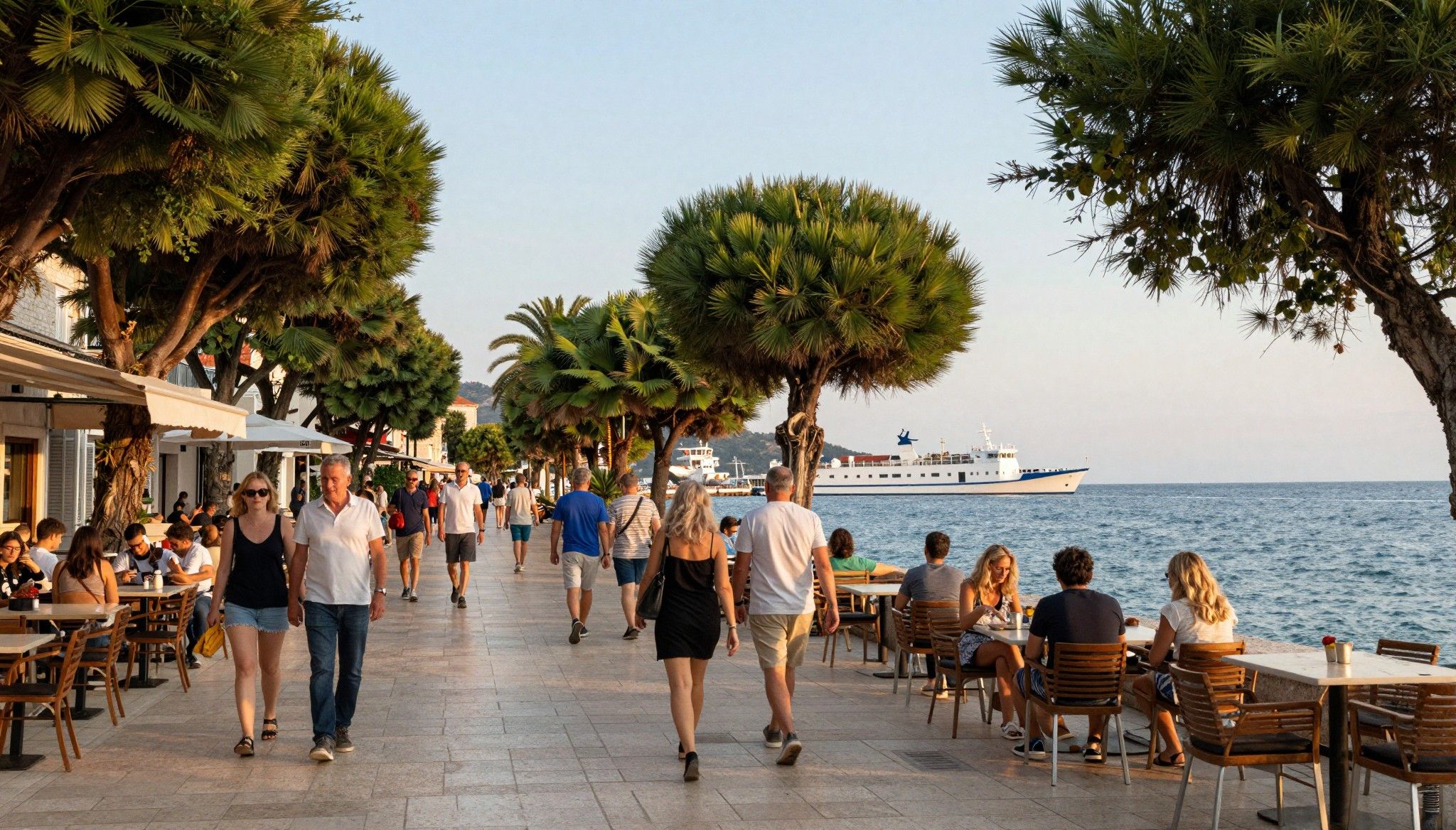
Lapad promenade (Dubrovnik) — quieter walks outside the old city
Vis island olive farms — rural weekend escapes and agritourism potential
Making the move: how lifestyle maps to market realities
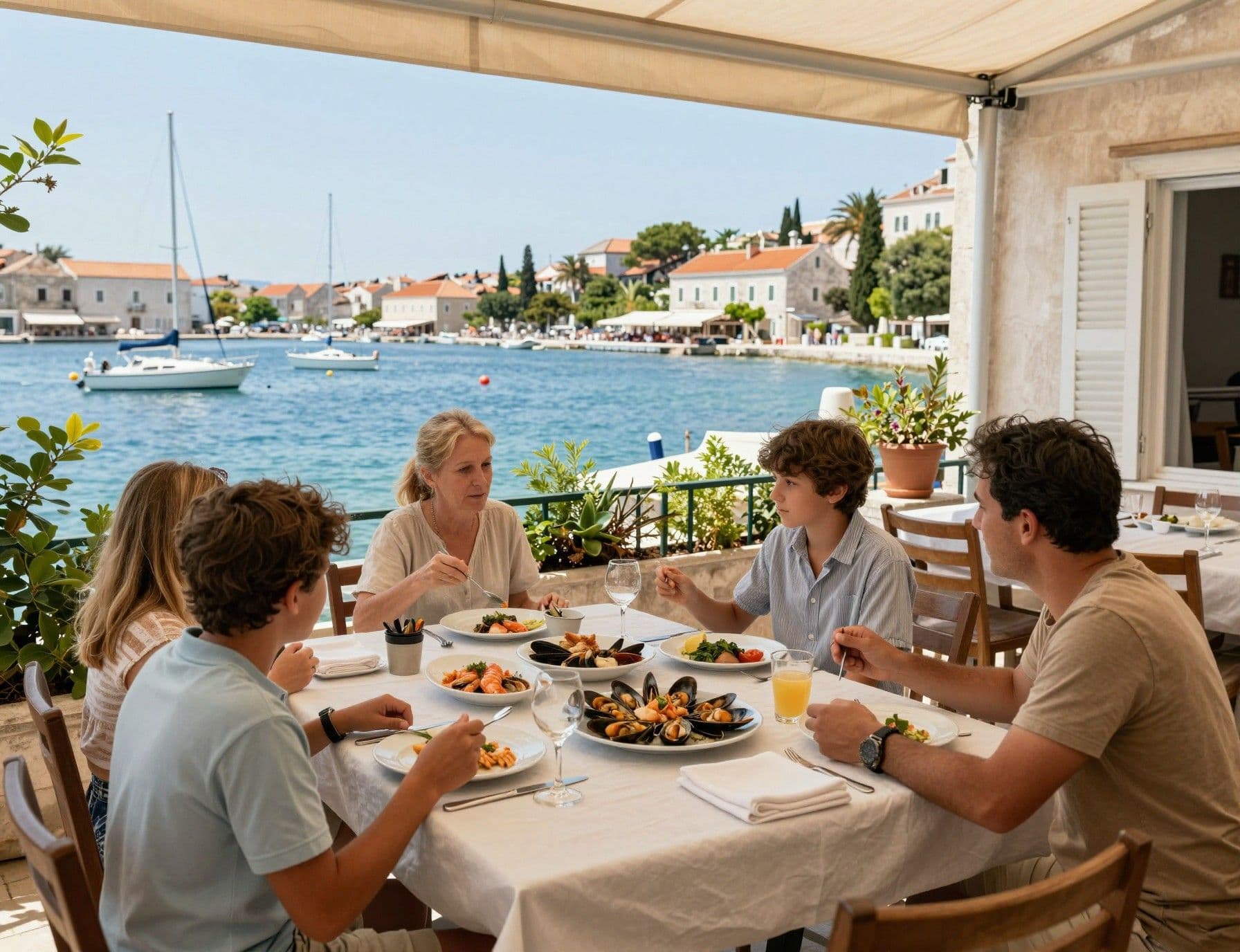
The romance of a seaside terrace often collides with three practical truths: inventory is seasonal, headline asking prices are inflated in summer, and legal permissions for some buyers add time and cost. Market reports from local and international brokers show transaction volumes cooling even as prices in prime spots remain elevated, so timing and documentation are where transparency matters most. Below we link the data that explains why summer browsing can create a misleading sense of value and what to do about it.
Property styles and how they shape use
Stone townhouses on Pelješac mean thick walls and long cool summers; new-build apartments in Zagreb offer insulation, parking and predictable HOA rules; modern villas near Split bring pool maintenance and higher running costs. Choose a property type not for the Instagram shot but for how you’ll use it across seasons. If you plan year‑round living, favour energy efficiency, local services and winter accessibility; for holiday lets, prioritise proximity to beaches, marinas and well‑documented rental permissions.
Working with experts who understand both life and law
An agent who knows festival calendars and municipal building plans is worth as much as a good lawyer. Agencies with transparent dossiers will show you recent transaction records, utility situation, exact zoning and season‑adjusted comparables rather than a single summer listing. Always ask to see recent notarised sale prices in the micro‑neighbourhood — these are your clearest reality check against inflated asking prices posted for the high season.
Ask the agent for: 1) three notarised sales in the same street in the last 18 months; 2) documentation of utility connections and planned works; 3) breakdown of annual running costs (HOA, water, waste, council fees); 4) clear statement on rental permissions and tax treatment.
Insider knowledge: transparency red flags and smart tests
Data shows Croatia’s prime coastal areas carried a summer premium that doesn’t reflect off‑season demand. Low transaction volumes in certain months create thin comparables, and sellers often exploit this by listing at peak‑season asking prices. Red flags include properties listed repeatedly each summer without a winter price reduction, deals that require quick cash settlements without notarised records, or sellers who resist providing recent sale deeds for nearby comparables.
Cultural and administrative realities buyers often miss
Non‑EU buyers face a reciprocity check and sometimes ministerial consent; this adds weeks or months and isn't always obvious in summer negotiations. Local practice also favours notarised agreements and explicit clauses protecting buyers if approvals are delayed or denied. Language is another friction point: ensure contracts are reviewed and translated by a lawyer who will draft protective clauses so a deposit is refundable if administrative consent fails.
How life changes after you settle: practical long‑term checks
Think beyond the view: average insulation, water pressure in summer, internet speeds and caretaking services shape year‑round life. Check municipal spatial plans for future development that can change sunlight or privacy. Finally, factor in local community rhythms — some coastal streets empty in winter while inland neighbourhoods remain steady — and choose a home that aligns with how often you’ll actually be there.
Step‑by‑step for a transparent purchase: 1) Browse off‑season comparables (November–March). 2) Request notarised sale deeds for at least three nearby transactions. 3) Confirm buyer eligibility (EU vs non‑EU reciprocity). 4) Add a contractual condition: ministerial consent or refund of deposit. 5) Commission a structural and utilities check timed for low‑tourist months.
If you came here for a summer romance, that’s perfectly valid — but let the winter reality inform your offer. Use local data, insist on notarised comparables, and build contingencies for ministry approvals and seasonal running costs. We love Croatia for its light and food and the slow pace by the sea; with clearer records and a small set of protective clauses you won’t just buy a view, you’ll buy a life that works all year. When you’re ready, work with an agency that gives you the files, the comparables and the plain‑English advice so the dream matches the ledger.
Norwegian market analyst who serves Nordic buyers with transparent pricing and risk assessment. Specializes in residency rules and tax implications.