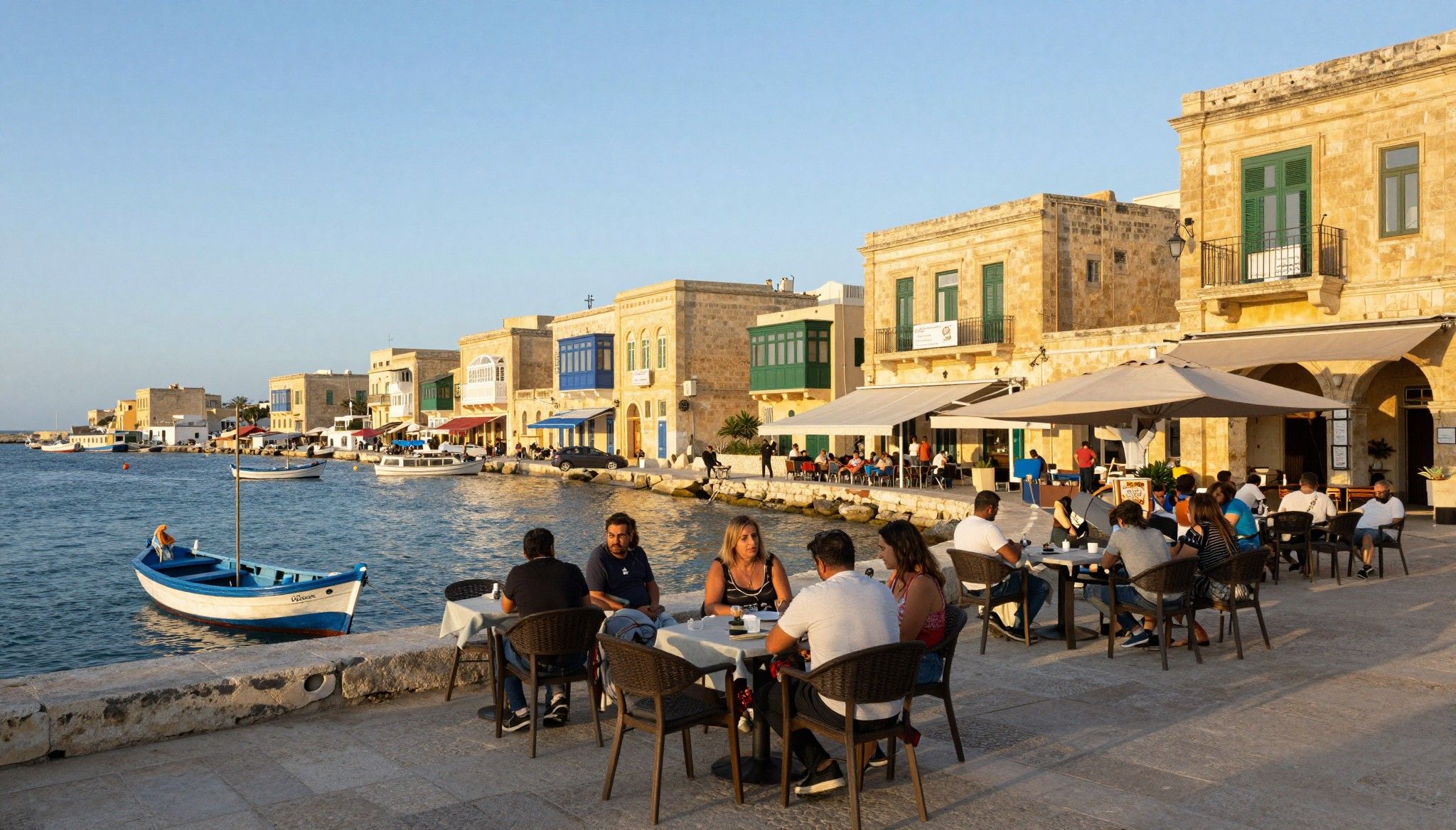
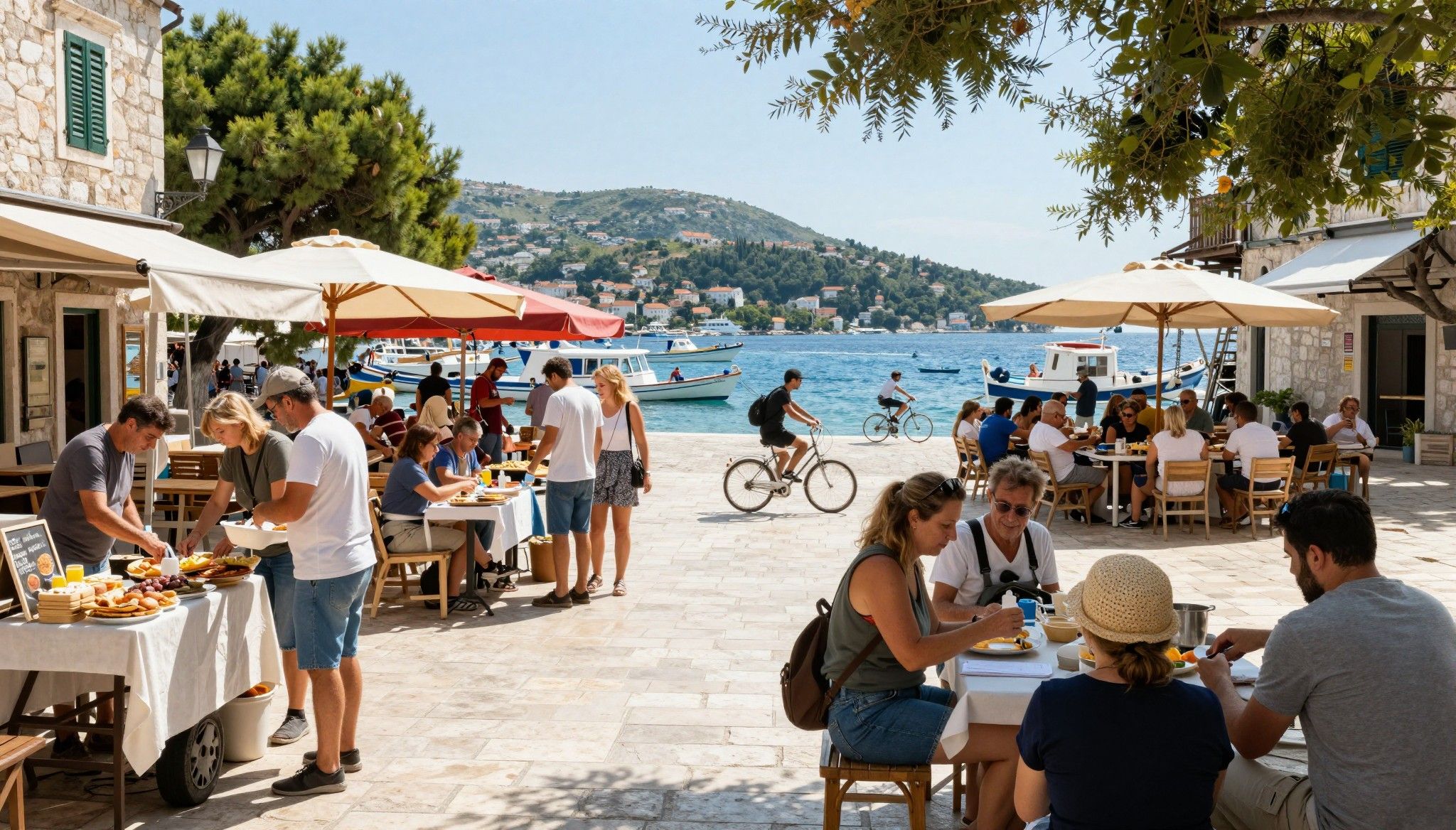
Greece: Rhythm, Value and the New Rules
Live the rhythm of Greece—then match it to law and market realities: how to choose regions that deliver lifestyle, value and legal clarity post‑2024 reforms.
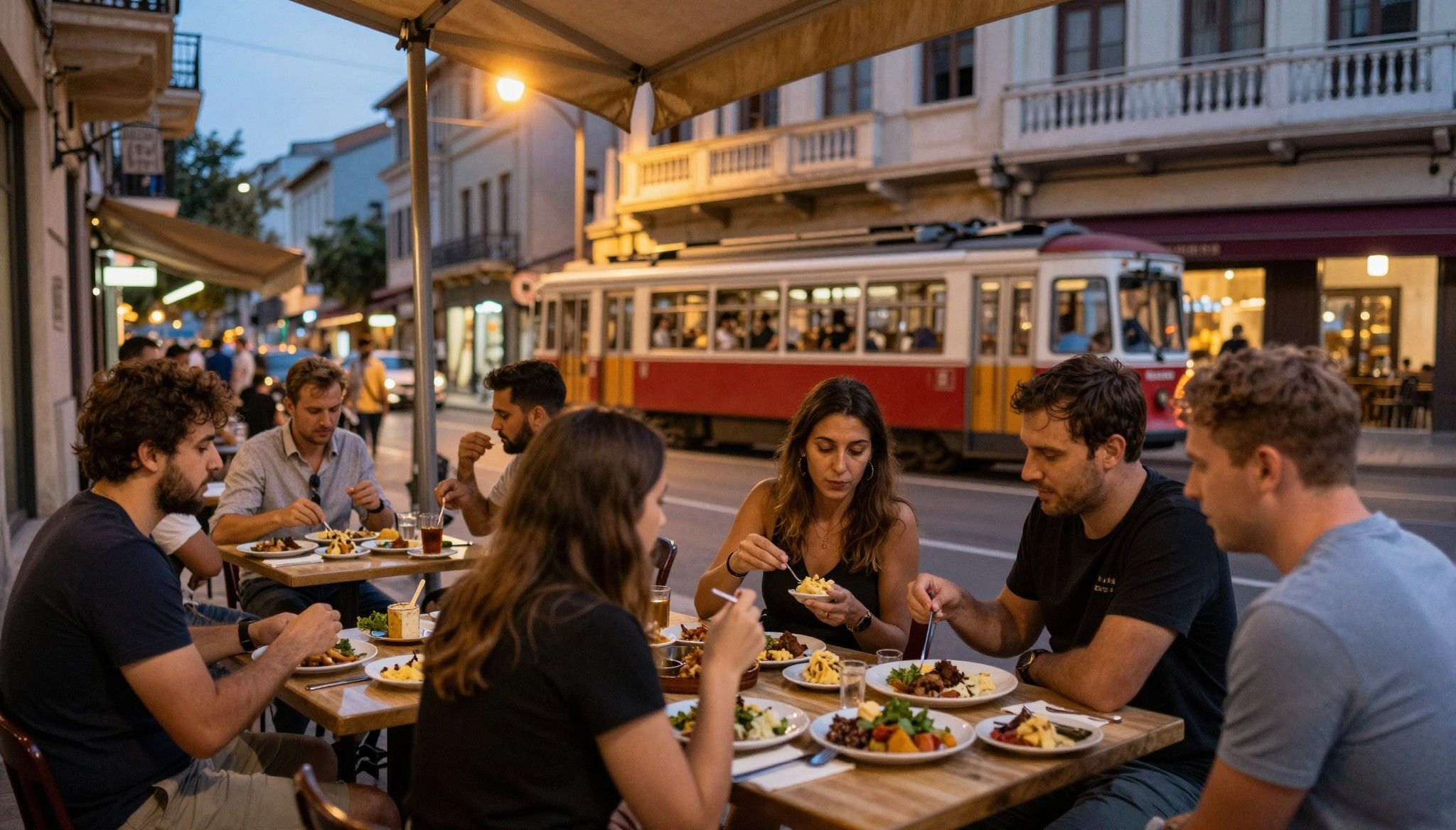
Imagine stepping out of an Athens apartment at 7 a.m., espresso in hand, and walking through a neighborhood where Byzantine churches meet new cafés and a tram line hums beside plane trees. Picture weekends on a quiet Peloponnesian beach, tavernas still serving yesterday’s catch, and stone houses in mountain villages where neighbours water their geraniums at dusk. Greece is a collage of daily rituals, sunlit patios and markets that anchor community life—exactly the life many international buyers dream of, and often the life they actually get once they make the move.
Living Greece: the rhythms that sell the dream
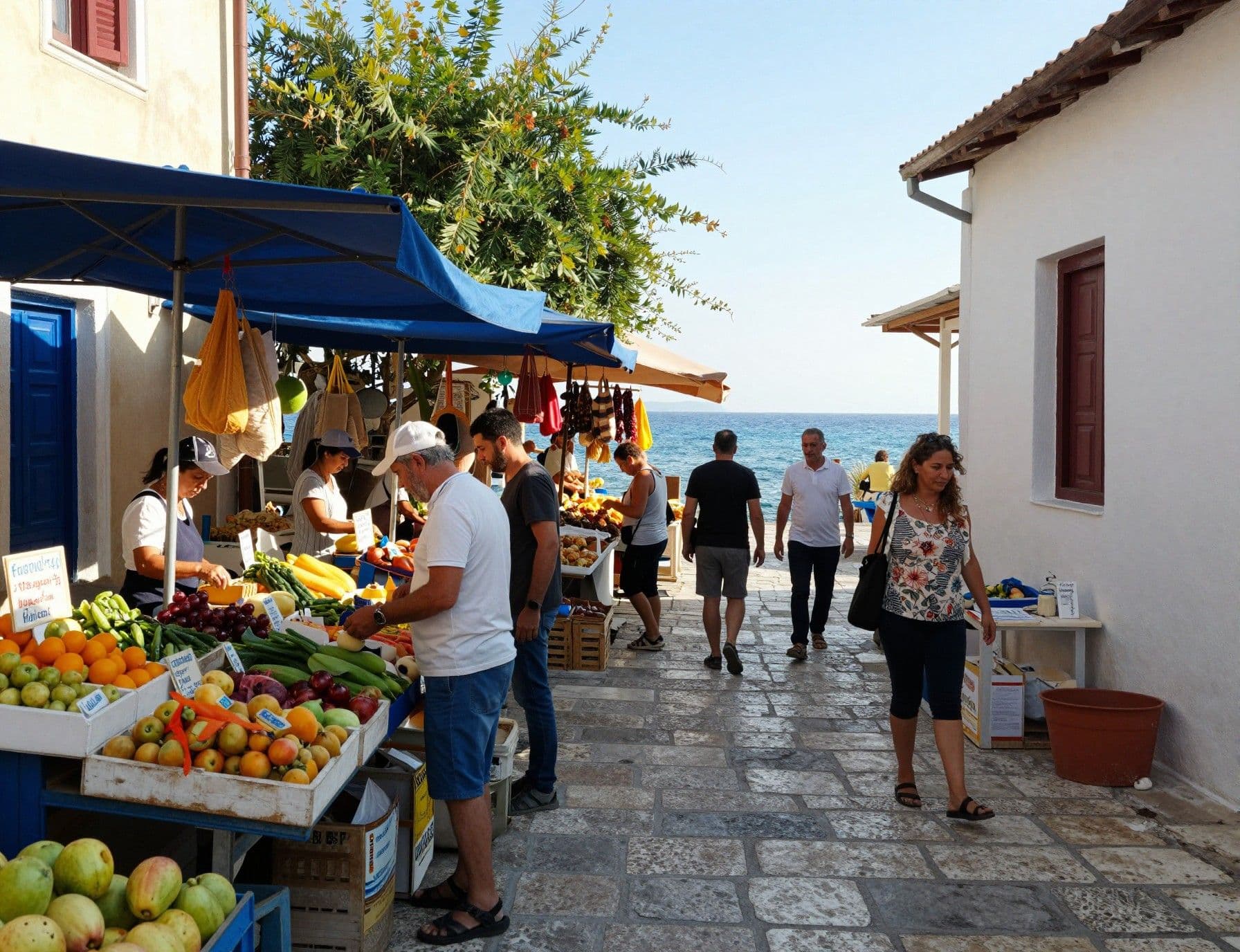
The day-to-day in Greece is driven by light, season and place. In Athens you’ll trade markets and late-night glass-and-steel terraces, while in Chania or Nafplio mornings begin with bakery queues and shopkeepers sweeping steps. On islands like Milos or less-touristed Evia, the cadence is slower: fishing boats, solitary beaches and village kafeneia where older men play cards and everyone greets you by name. For buyers, these rhythms matter: they determine where you want a balcony, whether you need insulation against a northern Meltemi wind, and what neighborhood will fit your social life.
Athens pockets and why they feel different
Athens is a city of districts that read like different countries at a glance. Walk from Exarchia’s bookstalls and murals to Koukaki’s courtyard restaurants and you’ll feel how street life changes block by block. In Kolonaki, afternoons attract design-conscious locals who linger over late lunches; in Pangrati, micro-bakeries and quiet squares make it easy to live like a local. These subtle differences will shape what you buy: a narrow maisonette near a lively square or a quieter flat with a private courtyard for evenings in.
Coast, islands and small-town Greece: what actually changes
Choose the islands for light and water; choose the Peloponnese or northern towns for space and value. On Corfu and Santorini tourism shapes the calendar, but on islands like Syros or Evia you’ll find year-round communities and lower property entry points. If you want a seaside terrace that’s busy in July but quiet in November, some islands fit perfectly; if you want a village that fills up only at Easter, the mainland offers that rhythm. Knowing the seasonal pulse helps you match property type—holiday rental or long-term home—to real-life expectations.
Making the move: practical realities that preserve the lifestyle
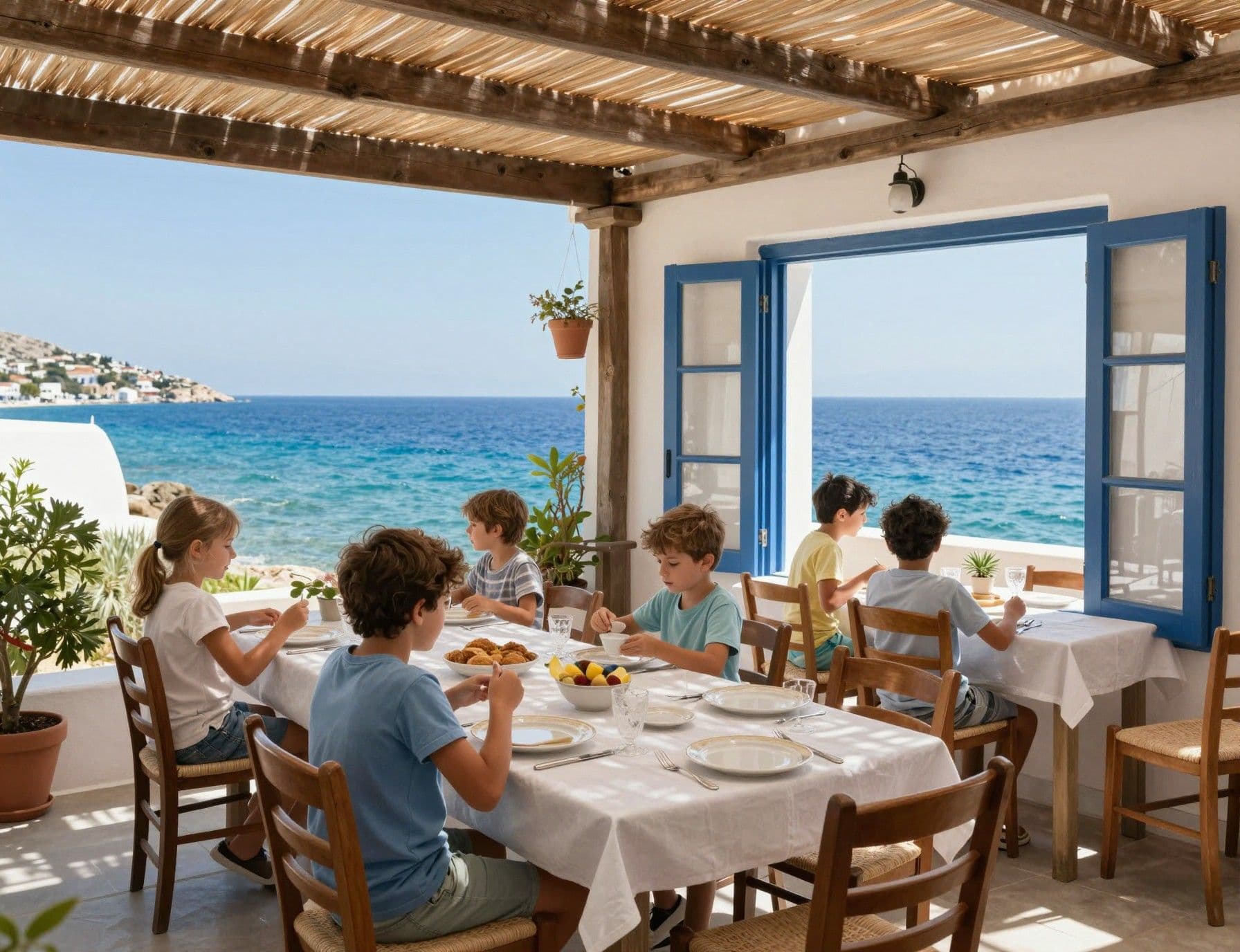
Dreams meet paperwork sooner than you think: market momentum, residency rules and rental regulation shape what you can buy and how you’ll use it. House prices in Greece rose in recent years—Bank of Greece notes show meaningful growth into 2024—so timing, region selection and realistic expectations matter. Meanwhile, the Golden Visa rules changed in 2024, lifting thresholds and changing which areas qualify, and short‑term rental rules have tightened in key zones. That combination means your lifestyle choice must be matched to a real strategy: where to buy, whether to rent, and how to plan for maintenance.
Property types and the lifestyles they enable
Stone village homes give you patios, neighborly ties and low purchase prices, but often need structural work and modern heating. City apartments in Athens offer cafés and transport on your doorstep, but can be compact and noisier; seek buildings with good courtyards or roof terraces. Coastal villas grant views and outdoor living but bring upkeep, insurance and sometimes seasonal vacancy. Match the property type to how you want your days to look, not just to resale or rental math—then have a local agent check practicalities like insulation, water pressure and access roads.
How local experts translate lifestyle into listings
- 1. Narrowing by rhythm: agents can filter neighborhoods by the tempo you want—market mornings, quiet evenings or seasonal bustle. 2. Evaluating use: good local lawyers and agents will confirm whether a property can be used for short-term rental, second home or primary residence under current rules. 3. Renovation reality check: expect local contractors to be slower and materials costlier than initial quotes; agents who manage that network save you months. 4. Resale neighborhood signals: agents point out where new licenses, infrastructure projects or demographic shifts are changing long-term value.
Insider knowledge: what expats wish they’d known
The stories expats tell tend to fall into two groups: small surprises that become part of daily life, and regulatory shifts that change plans. Many wish they’d understood how seasonal tourism affects grocery prices and municipal services in small towns, or how a fast ferry schedule can make an island feel closer than its map distance. Others were surprised by new short‑term rental restrictions and licensing freezes that impacted rental income projections. These are the real, lived tradeoffs you’ll want to test before committing.
Cultural cues that affect where you fit in
Language matters less than willingness to participate: join local festivals, learn the neighbourhood cafe hours, and show up for coffee—Greeks value presence. Many expats find community through volunteer activities, sports clubs or English-friendly cultural centres in towns like Chania, Thessaloniki and parts of Attica. Expect bureaucracy to be patient and relational: having a Greek-speaking contact or a trusted agency makes paperwork quicker and friendships deeper. Those social investments shape whether you feel like a guest or a neighbour.
- Red flags and local realities buyers often miss
- Buildings without energy performance certificates or unclear permits. - Properties sold by owners with incomplete title chains or unpaid municipal fees. - Listings that promise 'easy' short‑term rental income in zones facing new licensing limits. - Coastal plots advertised as buildable without confirmed coastal-zone permits. - Renovation budgets that ignore island logistics and seasonal contractor availability.
- 1. Visit in two seasons: see a place in high and low season to judge noise, services and access. 2. Ask for recent tax/utility bills and a property deed check before offers. 3. Insist on written confirmation about short‑term rental eligibility if that’s important. 4. Work with bilingual lawyers and agents who share local contractor contacts. 5. Budget 10–20% of purchase price for immediate renovation and adaptation to local standards.
Greece offers a rare mix: an ancient sense of place, vibrant street life, and regions where buyers can still find surprising value. Recent market data and law changes mean you should pair lifestyle imagination with careful, up‑to‑date local advice. If you want mornings at the fish market, afternoon walks on a limestone beach, and evenings in a nearby taverna, start there—then let an experienced agency translate that life into a property file, verified paperwork and a realistic plan for living.
Norwegian market analyst who serves Nordic buyers with transparent pricing and risk assessment. Specializes in residency rules and tax implications.