When the Dalmatian Postcard Hides Risk: Market Reality
Fall for Croatia’s rhythms — then insist on a transparent file. Practical checks on land, permits and local experts turn postcard dreams into secure purchases.
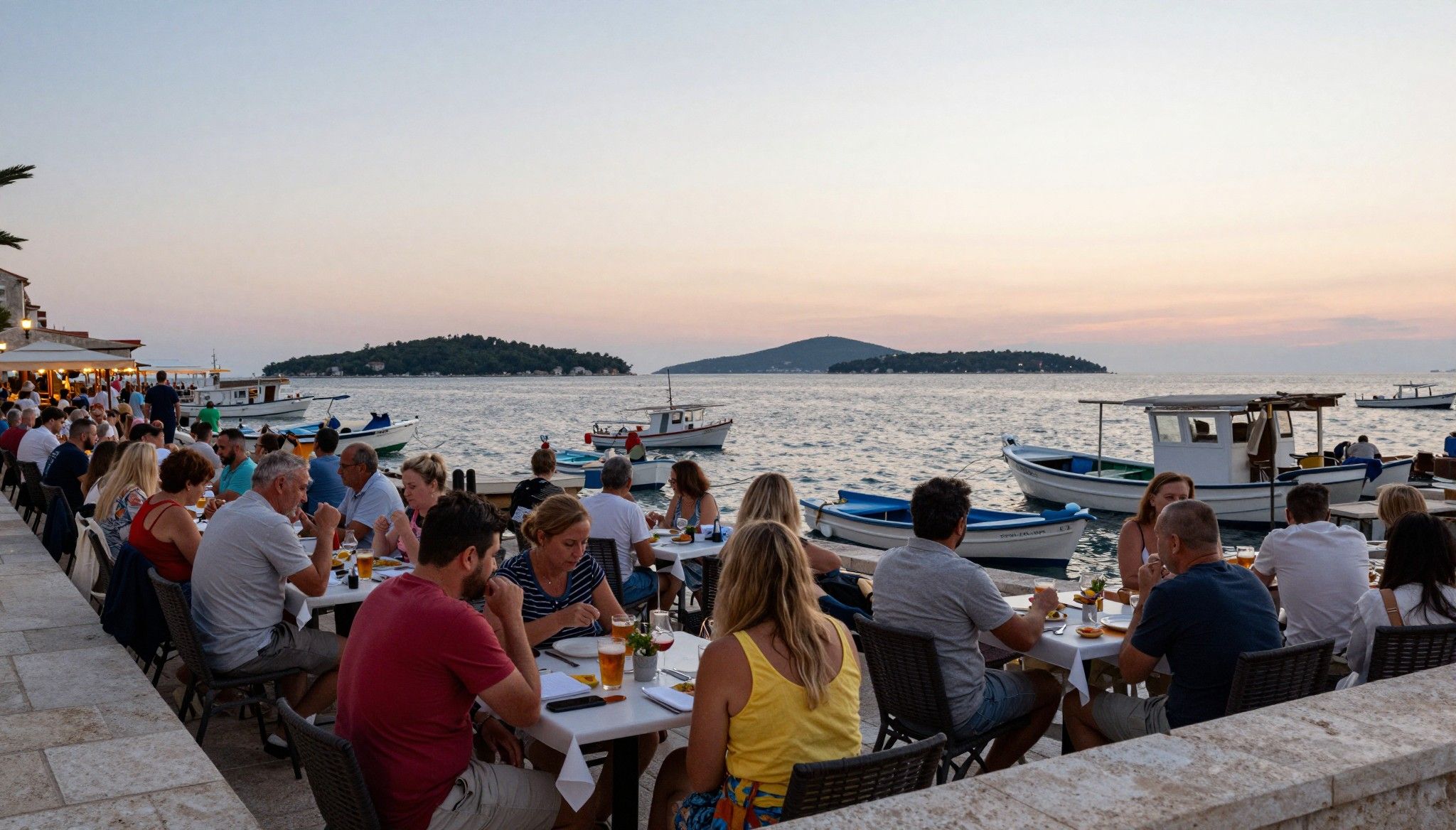
Imagine an early morning in Split: espresso steaming at Konoba Bepo, fishermen sorting today’s catch on Riva, and a narrow stone street that smells faintly of rosemary and sea. That picture is real — but it’s not the whole market story. For buyers drawn to Croatia’s light and tempo, the romance and the legal-financial details arrive together. This guide pairs the lived-in Croatia you’ll fall for with the transparency checks you must insist on.
Living Croatia: the everyday that sells the dream
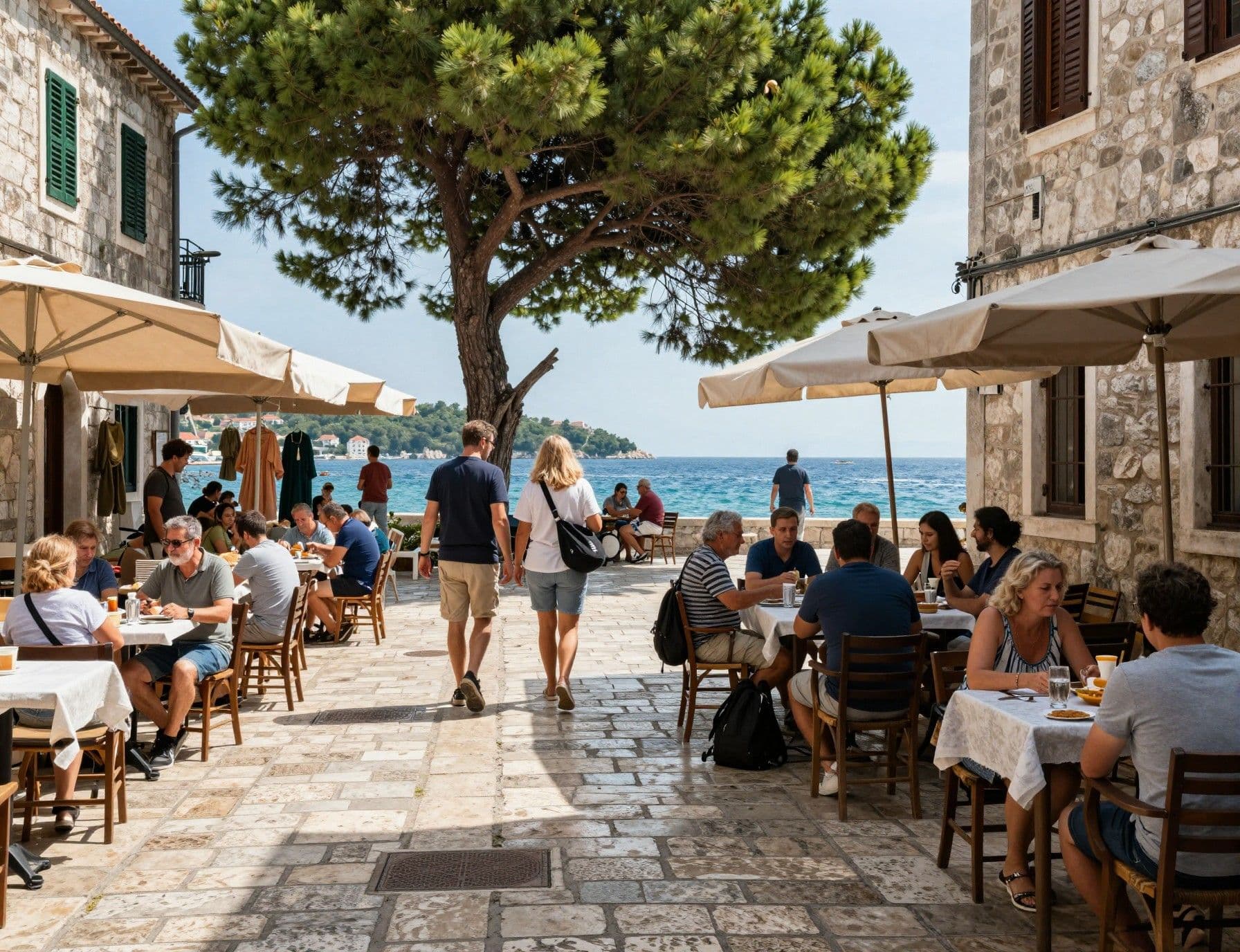
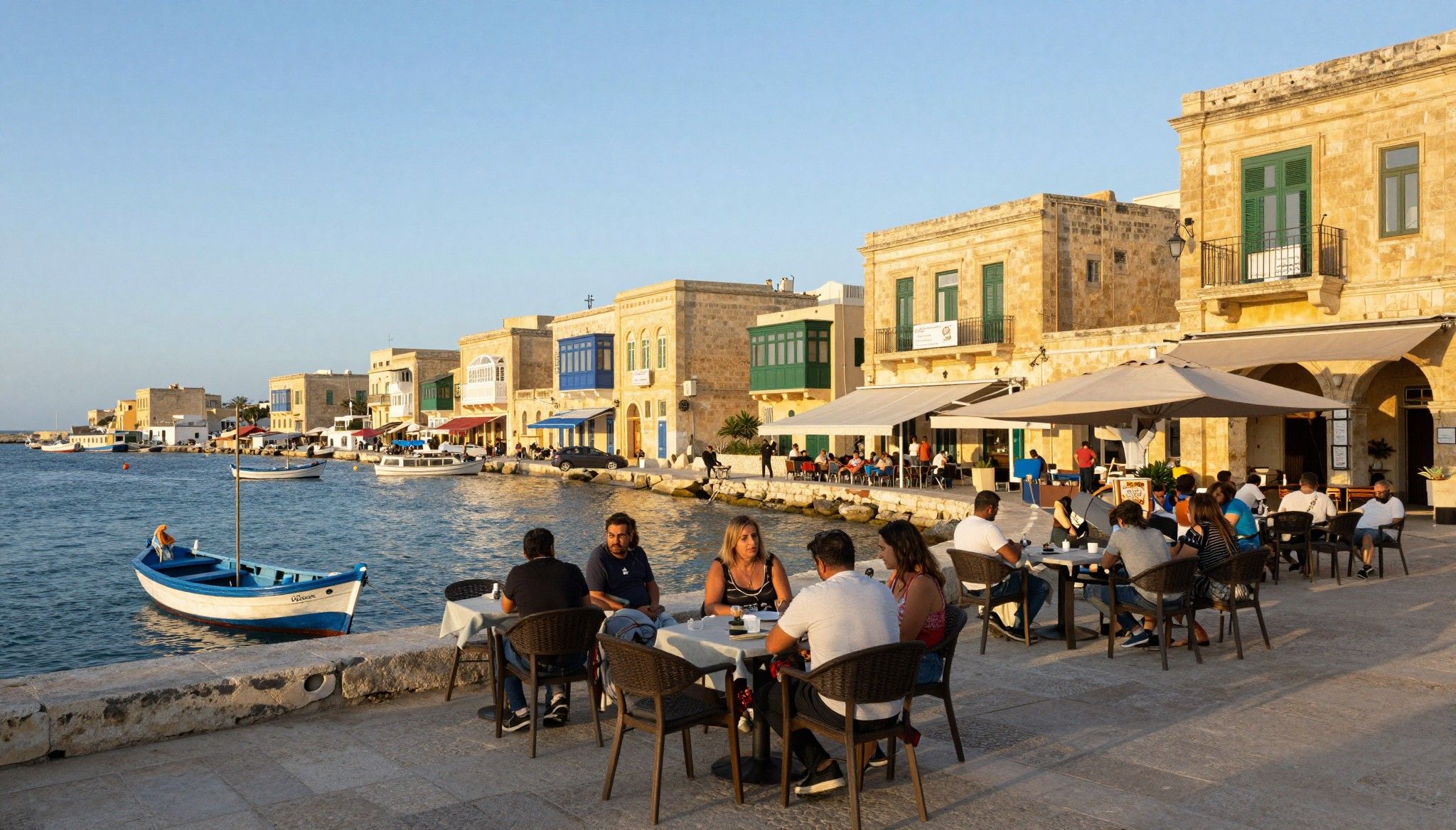
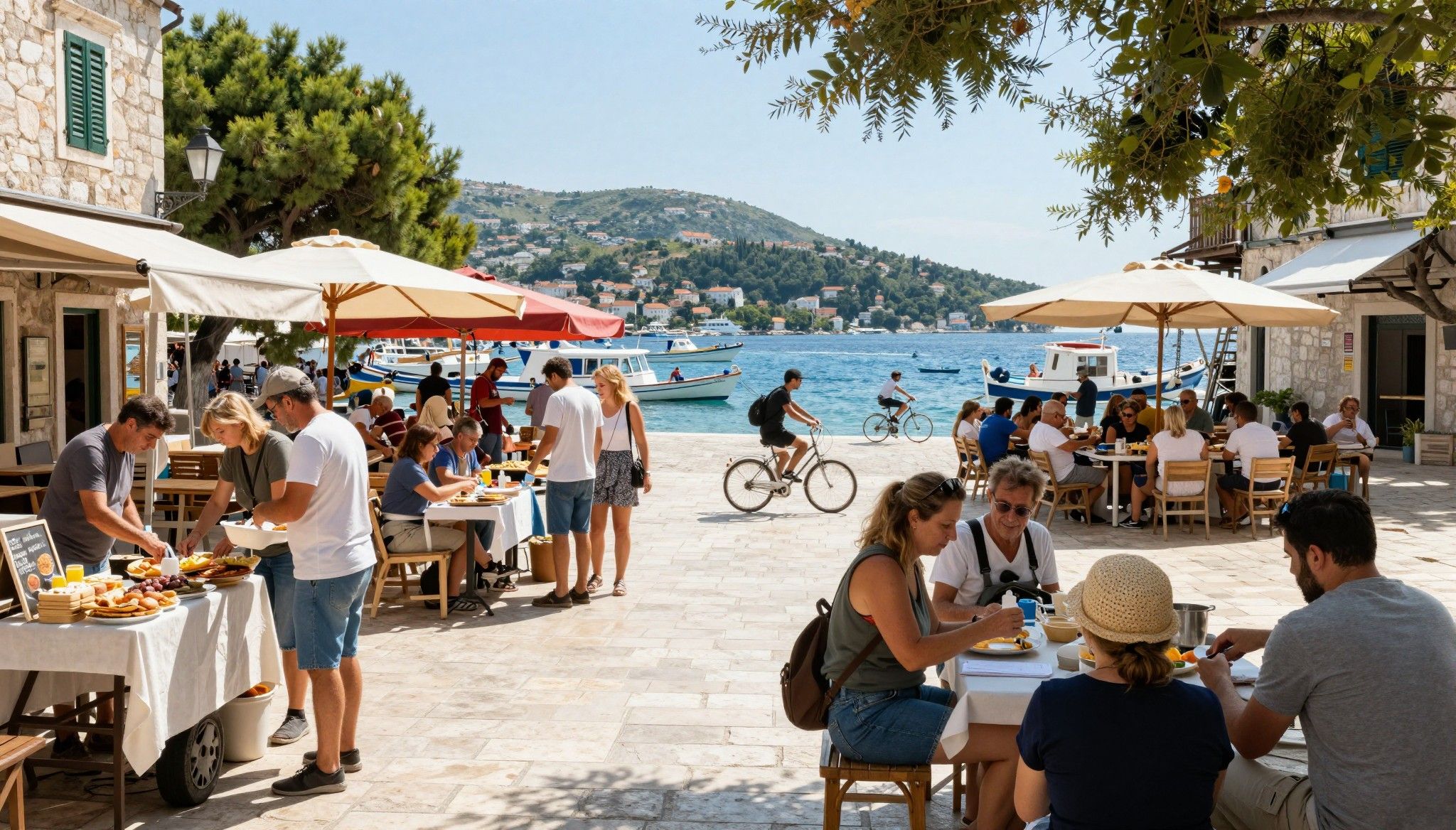
Croatia’s appeal is tactile: stone squares, Adriatic clarity, outdoor cafés that blur into evening. Neighborhoods feel lived-in — think Varoš around Split’s Diocletian walls, the pine‑fringed promenades of Makarska, and the cobbled lanes of Hvar Town where motor scooters thread between centuries-old doors. This is a country where markets and mosaiс tiles set rhythm for the week.
Neighborhoods that mean different lives
Want cosmopolitan island life? Hvar Town delivers restaurants, nightlife and yachts. Prefer slow mornings and fresh markets? Zadar and Šibenik offer quieter daily rituals with strong local communities. If you crave year-round services and expat networks, Rijeka and Zagreb give urban infrastructure without losing coastal weekend escapes. Each place changes your day-to-day: do you want sea as background or the sea as your commute?
Food, rhythm and seasonal cities
Seasons shape life here. Summer brings festivals, open-air markets and full terraces; autumn narrows the tourism lens to fishermen, olive harvests and quieter towns. Winters are resolute — some islands feel almost private — and spring is when whole neighbourhoods appear again. For property buyers, that rhythm affects rental demand, maintenance needs and how a place actually feels for eight months of the year.
- Local highlights to map into a property search: morning fish markets (Split, Hvar), pine-fringed promenades (Makarska), baroque streets (Šibenik old town), coastal cycling routes (Istria), family-run konobas off the main square.
Making the move: practical considerations that protect the lifestyle
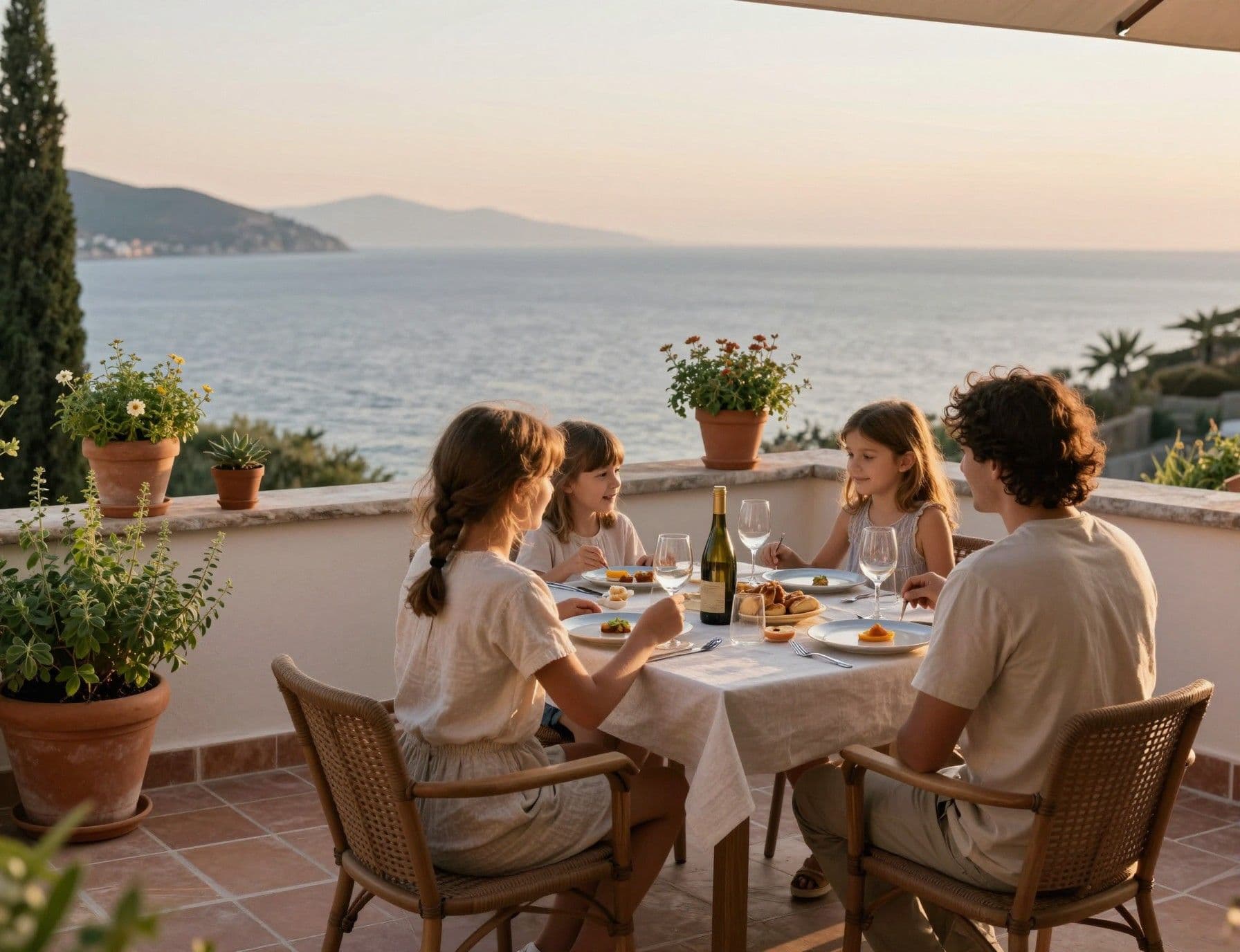
Falling for a terrace with sea-salt laundry lines is easy. Maintaining it through Croatian admin, utility transfers and seasonal management is where transparency matters. Price headlines often reference coastal sales, but real exposure is local: supply tightness on certain islands, building permits in heritage zones, and utility access in rural coves. We’ll show which questions cut through the postcard and which experts you actually need.
Property styles — and how they shape daily life
Stone restorations in Dalmatia offer cool interiors in summer but may need insulation upgrades for winter comfort. New builds in Istria often come with heat pumps and modern warranties, while historic peninsulas carry restrictions on façade and roof works. Match the property type to the life you want: terraces and outdoor kitchens if you live outside summer months; central apartments if you want walkable year-round life.
Who you need locally — beyond a salesperson
- 1. A local notary and legal counsel familiar with coastal planning rules. 2. An independent surveyor to confirm boundaries and utilities (many buyers assume plots include shore access — they don’t always). 3. A property manager who knows seasonal tenancy patterns and municipal permit cycles. 4. An accountant who understands Croatian property tax, residency triggers and rental reporting.
Insider knowledge: transparency traps and how locals read them
We’ve seen three recurring transparency issues: unclear land classification (agricultural vs buildable), undocumented renovations that void warranties, and off-market “opportunities” where chain-of-title is incomplete. Local agents can be helpful, but the competent ones proactively flag these issues and bring third-party docs. Don’t interpret silence as a cleared file.
Cultural cues that reveal more than the file
Listen to how a seller talks about repair work: if structural fixes are described as “cosmetic” without documentation, ask for invoices and permit numbers. If neighbours shrug about flooding or access, take that seriously. Croatians are direct in small communities; a hesitant answer often means there’s a municipal restriction or a pending dispute.
A simple three-step transparency checklist
- 1) Ask for registry extracts and a current copy of the cadastre; confirm the seller’s name matches every document. 2) Obtain building permits and “use permits” (uporabna dozvola) for any work done in the last 20 years; if absent, budget for legalisation or reversal. 3) Commission an independent utility and access survey — confirm water, sewage and road easements are recorded and enforceable.
Transparent markets are built on documents and local knowledge. If a file is thin but the lifestyle is thick, weigh the tradeoff: some buyers accept extra legal costs for a dramatic sea-view spot, others prefer a spotless registry even if it means a less glamorous terrace. Either choice is fine — choose intentionally.
Before you make an offer, we recommend these next steps: hire a notary to verify chain-of-title, secure a surveyor’s report, and meet your future neighbourhood at least twice (weekday and weekend). If you want help translating lifestyle into a realistic purchase plan, local agencies that act like editors — curating options and exposing the file — will save you time and surprises.
Dutch relocation advisor who moved to Marbella in 2016. Guides Dutch buyers through visa paths, relocation logistics, and balance of lifestyle with value.