Croatia: Buy the Lifestyle—Then Check the Dossier
Croatia’s postcard charm masks uneven disclosure and shifting foreign‑buyer rules; seasonal visits plus dossier-style due diligence turn lifestyle dreams into secure purchases.
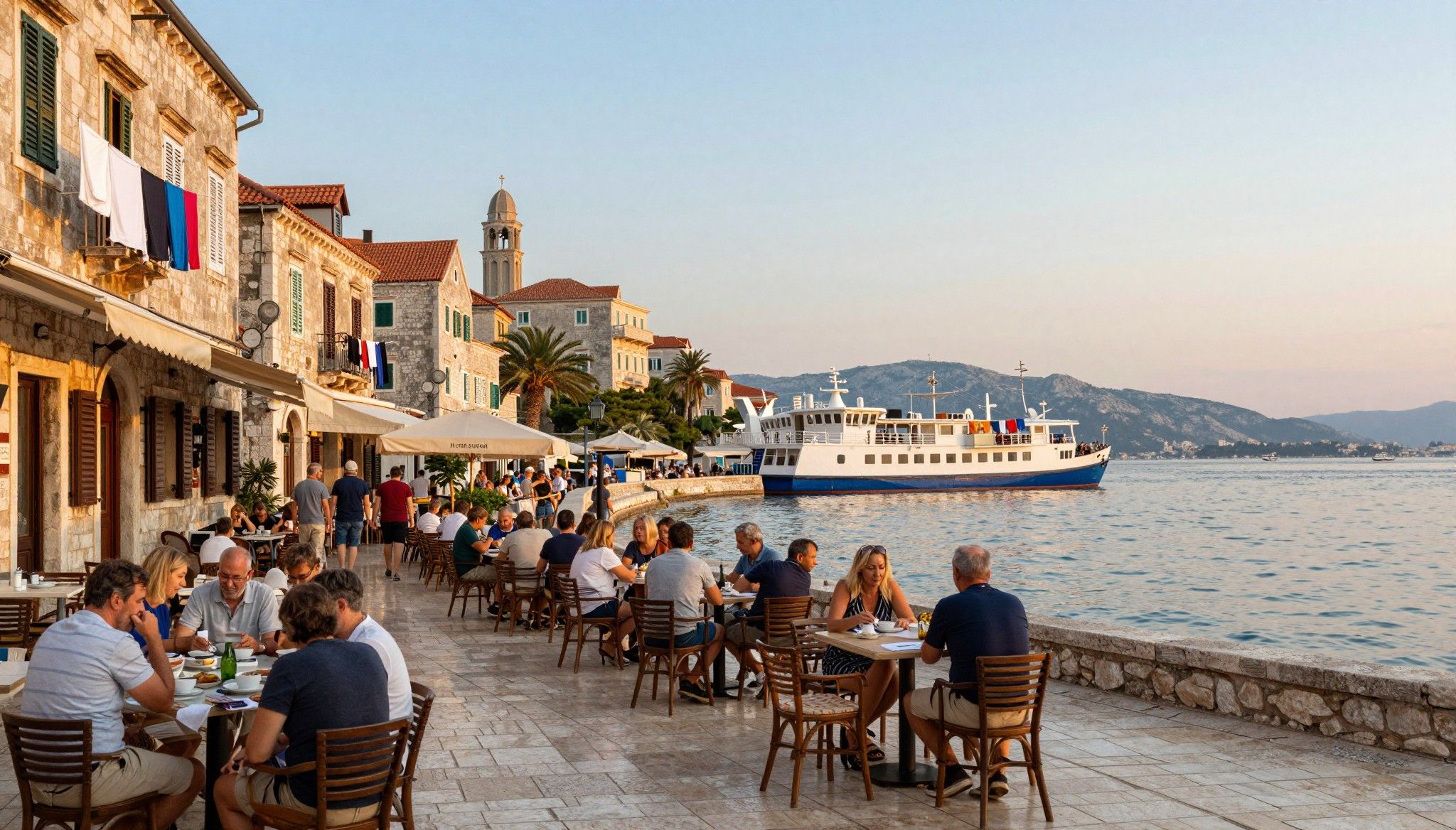
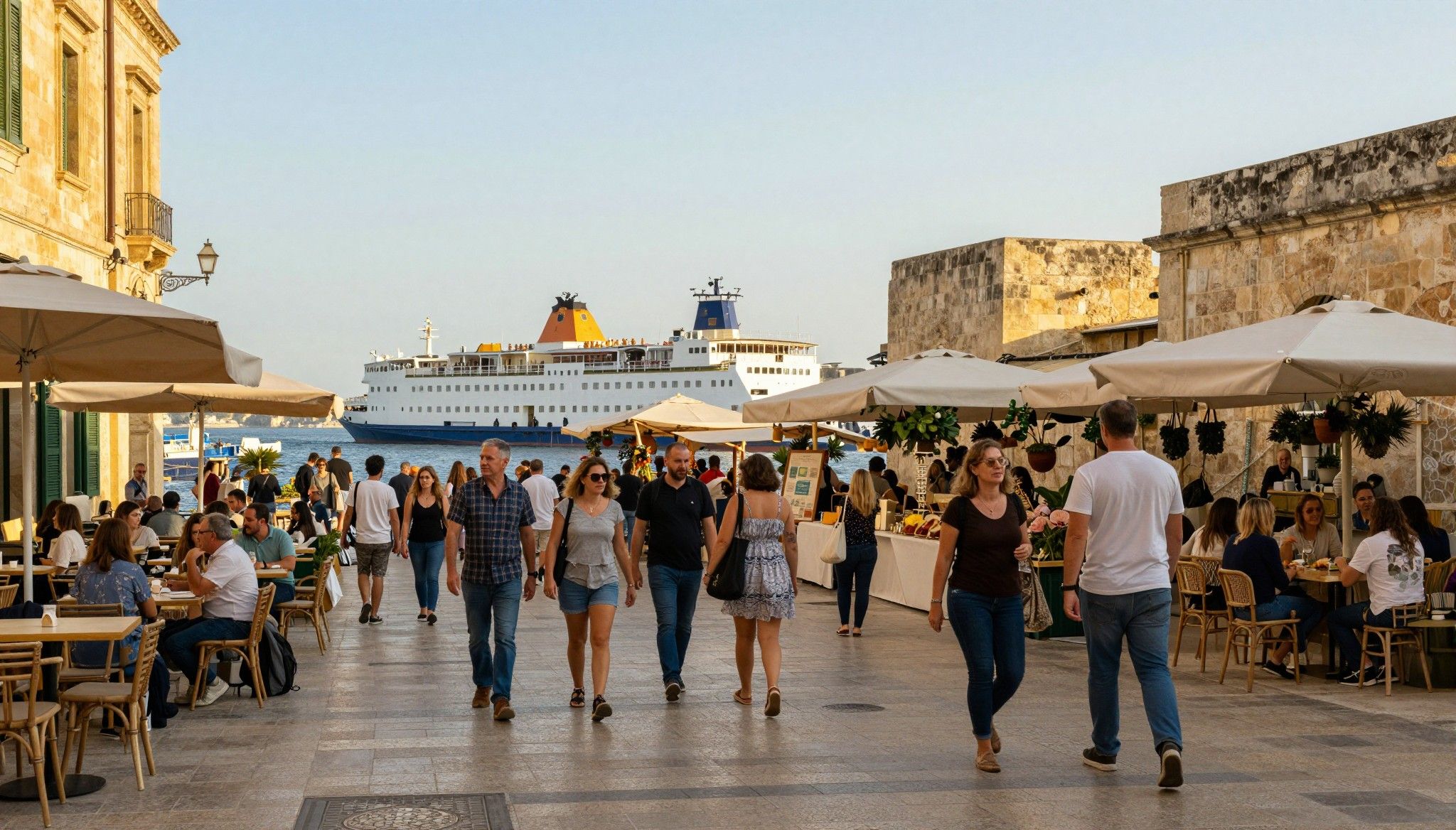
Imagine waking to the smell of strong coffee on a stone-paved street in Split, strolling past bakers on Marmontova, or watching fishing boats glide under the old walls of Dubrovnik as the sea turns silver. Croatia feels like a postcard — but for buyers who live here, that postcard only tells part of the story. Recent market analysis shows policy shifts and changing buyer mixes that matter to anyone dreaming of a second life on the Adriatic. https://croatiarealestateinsight.com/en/ultimate-guide-to-the-croatian-real-estate-market-2025/
Living Croatia: the day-to-day that sells the place
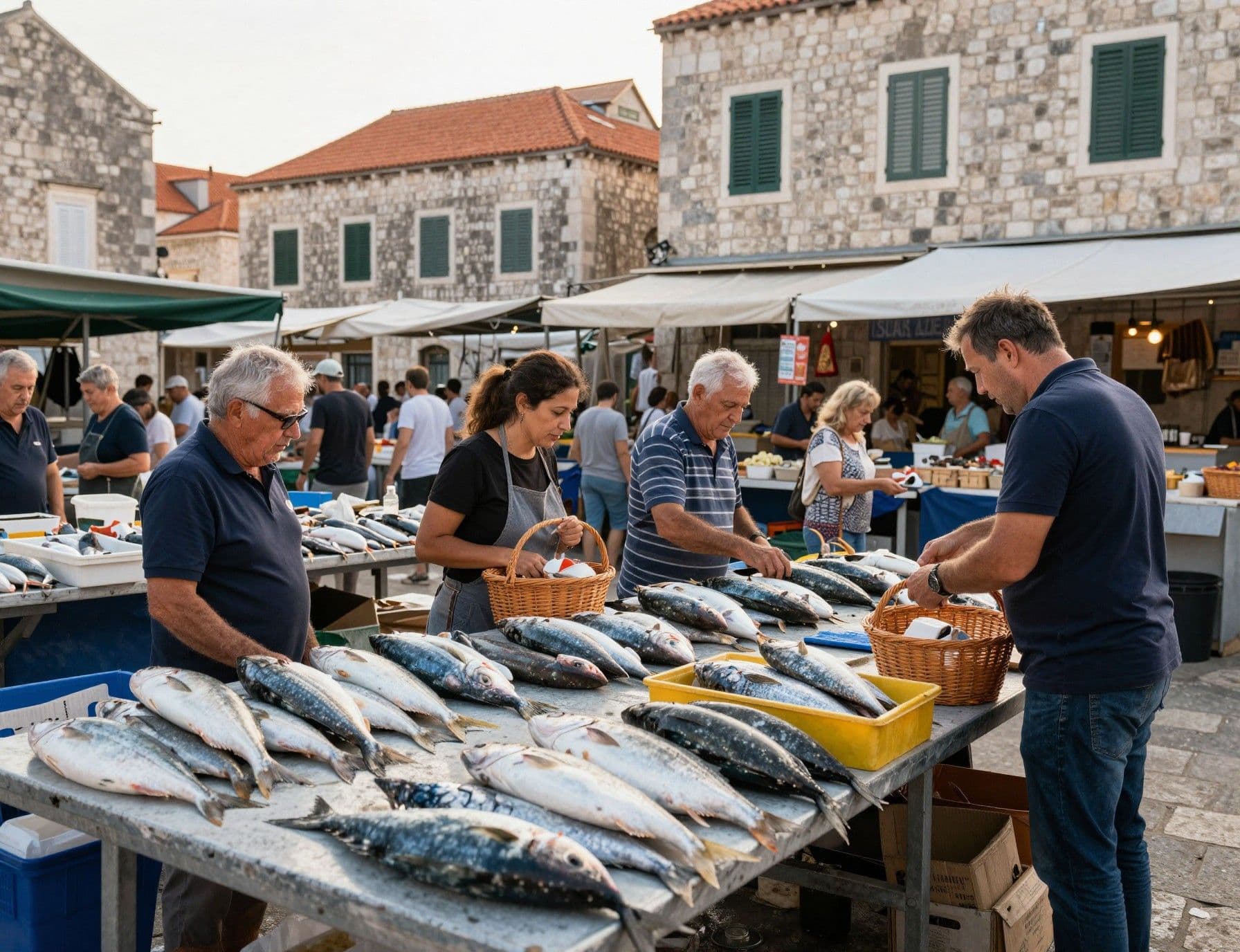
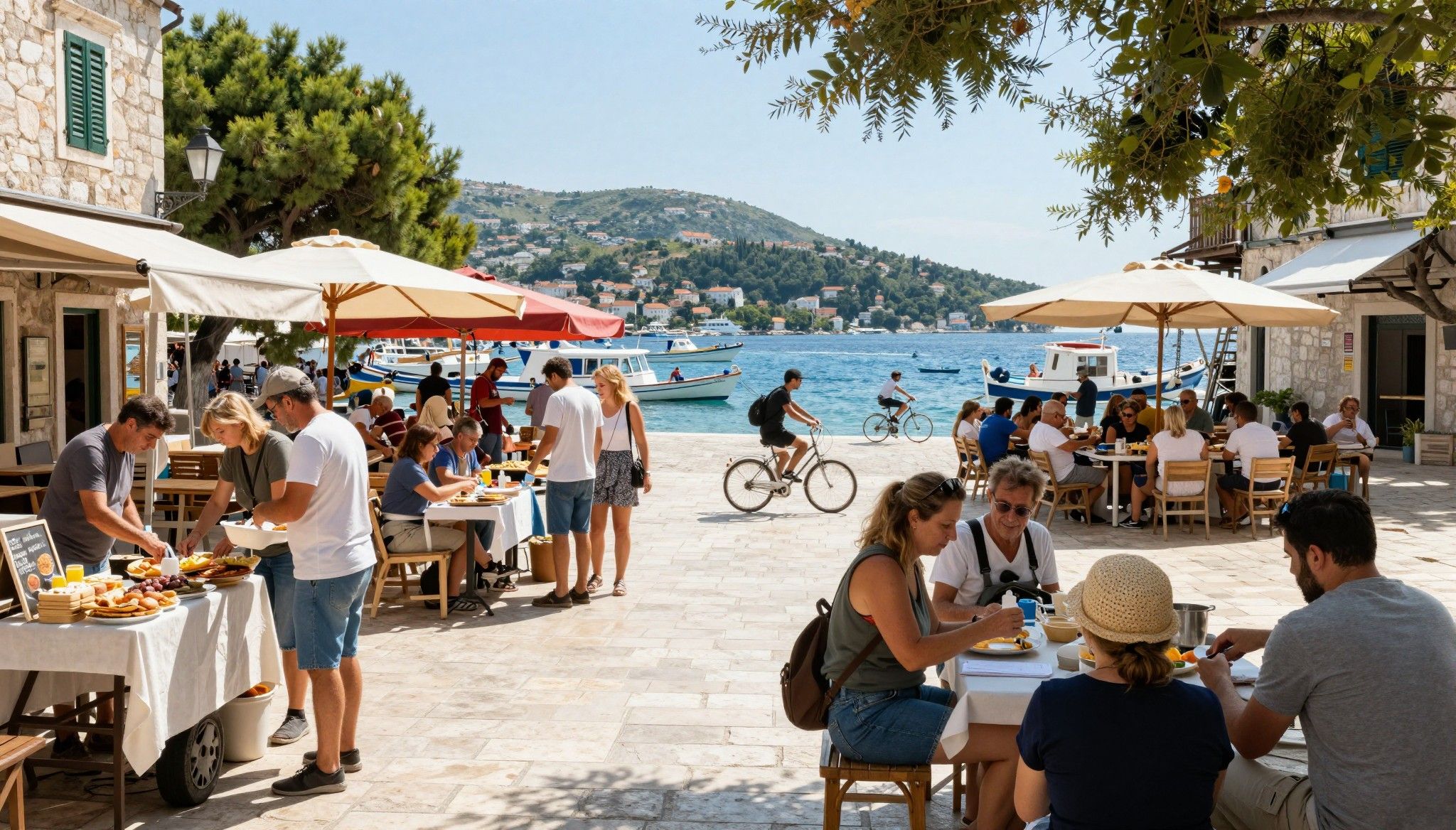
Life here is shaped by light and season. Summers are animated — cafes, pebble beaches and island ferries fill calendars — while shoulder seasons reveal quieter streets and real community life. For buyers that matters: a property’s year-round livability (insulation, heating, reliable water) often determines long-term value more than square metres.
Where locals actually live: micro-neighbourhoods that matter
In Zagreb, Tkalčićeva and Vlaška buzz with coffee culture and evening life; in Split, Varoš and Bačvice offer proximity to the sea without tourist mania; Istria’s Rovinj keeps village rhythms and olive groves minutes from town; on Hvar, Stari Grad still feels lived-in compared with Hvar Town’s party circuit. These are the streets where neighbours know each other — and where rental yields and resale patterns reflect genuine local demand.
Food, market mornings and the social currency of place
Weekend rituals — fish markets at Split’s Riva, fish stews in Makarska, and truffle hunts in Istria — shape where expats choose to park roots. A terrace facing a morning market can be worth more to you emotionally, and to buyers later, than an extra bedroom. Think lifestyle first: it will narrow the right neighbourhood faster than any spreadsheet.
- Morning markets in Split (Varoš fish market); cafés on Tkalčićeva, Zagreb; St. Michael’s Square evenings, Rovinj; Bačvice promenade for sea swims; Local konoba in Korčula for seasonal menus
Making the move: where lifestyle meets legal reality
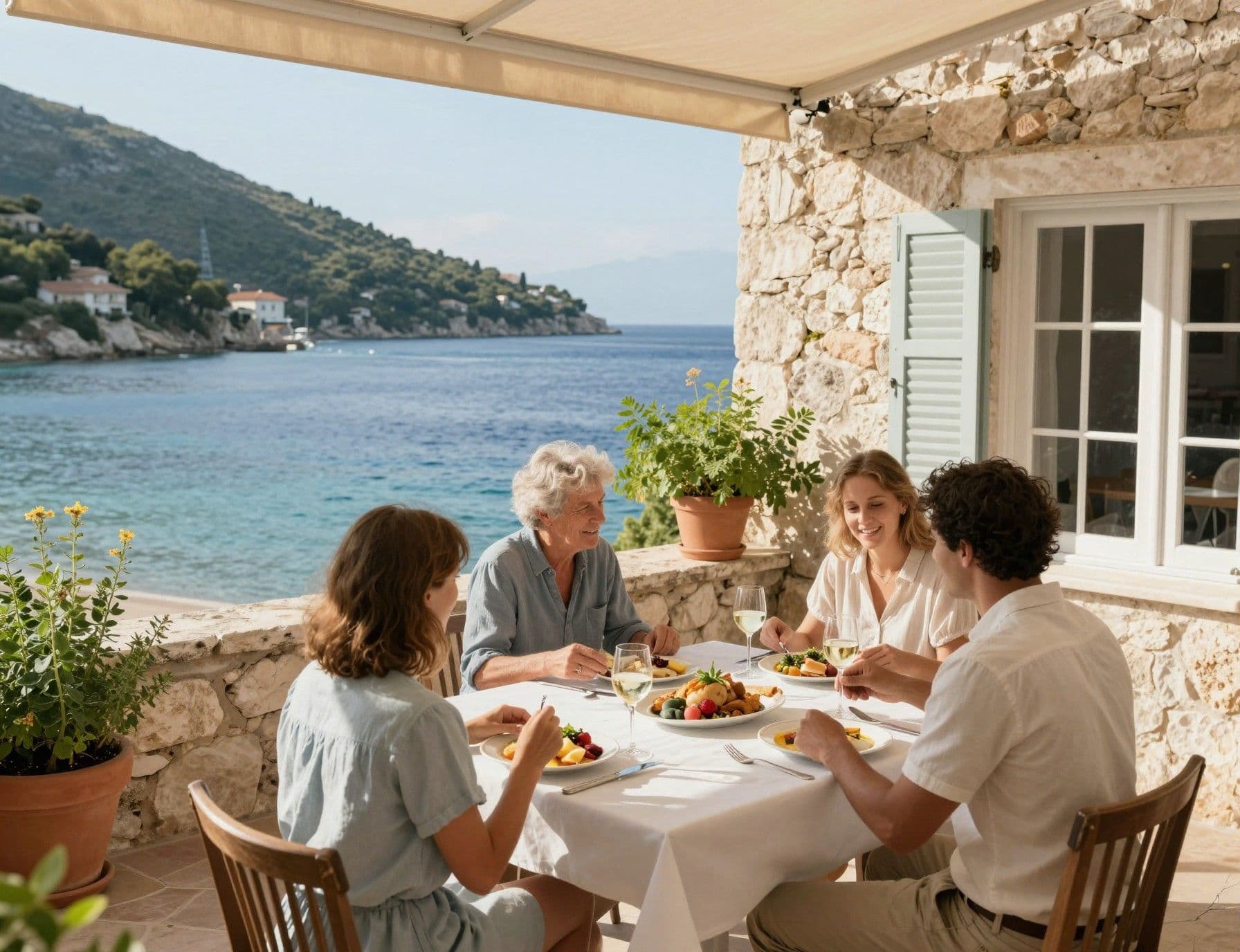
The dream often runs headlong into paperwork. Croatia’s rules on foreign purchases have shifted recently, expanding access for OECD nationals while keeping reciprocity principles in play — meaning the list of who can buy easily has changed and will continue to evolve. These legal shifts affect price dynamics and which properties see most demand. https://croatiapropertyandmore.com/new-law-opens-croatias-real-estate-market-to-more-foreign-buyers/
Property types and how they map to life here
Stone houses in Dalmatia give you terraces and character but often need structural upgrades and modern insulation. Modern apartments in Zagreb are plug-and-play for year-round living and remote work. New builds near coastal resorts can look tempting for rental income, yet tighter short-term rental rules and a new property tax mean gross yields aren’t what they were last decade.
How local experts turn lifestyle briefs into reliable searches
- Work with agents who live in the micro-neighbourhoods you love; insist on seeing utility bills and registry entries before offer; prioritise firms that provide dossier-style files on title, permits and past rentals; ask for thermal/energy data and recent renovation receipts; negotiate contingencies (inspection, clear title) tied to seasonal checks; choose an agent who can introduce you to a notary and local tax adviser.
Insider knowledge: transparency red flags and surprising opportunities
Two data-driven facts that inform transparency risks: foreign buyer volumes have fluctuated in recent years, and official reports show regional variation in price growth and transactions. This creates uneven disclosure practices — some sellers disclose full rental histories and permits, others do not. When foreign demand cools, transparency becomes your defensive advantage. https://croatiaweek.com/sharp-drop-in-foreigners-buying-croatian-property/ https://alpeadriarealestate.com/croatias-real-estate-market-in-q1-2025-key-trends-and-insights/
Common red flags to spot early
- Title mismatches between land registry and seller ID; missing building permits for apparent extensions; unusually high seasonal rental claims with no tax records; vague utility or water supply information for island properties; opaque ownership (companies or heirs) with no clear power of attorney
A contrarian opportunity: the overlooked inland towns
When everyone eyes Dubrovnik and Hvar, places like Šibenik’s hinterland, Virovitica‑Podravina, and certain Istrian hill towns quietly show stable local demand and simpler paperwork. With a focus on transparency — confirmed registry entries and clear utility histories — you can find properties with lower competition and better long-term community fit. The regulatory environment is tightening, so these quieter markets can offer real value if you check the file first. https://cereport.eu/news/business/88931
- Visit at least twice in different seasons; obtain a land-registry extract (izvadak) and utility statements; commission a structural and title check; insist on the seller’s tax receipts for past rentals; sign conditional offers that allow exit on failed checks.
What expats wish they’d known (real confessions)
We’ve heard the lines: “The view will sell itself.” True, but many buyers regret buying only for view value and ignoring winter heating, unpredictable water pressure on islands, or local planning restrictions. Others underestimated how small bureaucratic glitches (a missing signature at the notary) can delay keys for months. Local patience is part of the price of admission.
Cultural cues that change everyday life
Croatians prize personal relationships. A recommended builder or café owner’s word carries weight. Learn a few phrases, attend market mornings, and your agent will introduce you to the people who make the neighbourhood work. That social capital often beats a glossy listing when you need help with a permit or a local contractor.
Long-term: how lifestyle affects resale and value
Properties that support year-round life — reliable heating, rainproof terraces, good road access and community services — age better in resale terms than seasonal showpieces. When you buy for how you want to live in March and November as well as July, you buy with clearer transparency on future demand.
Conclusion: Croatia rewards those who visit, listen and check. Recent policy shifts and fluctuating foreign interest mean transparency is a key competitive edge — for safety and value. Do the seasonal visits, demand full registry and permit dossiers, and work with agents who can translate lifestyle into verified facts. If you want, we can introduce you to Croatian‑based advisers who prepare dossier‑style files and walk you through seasonal checks. https://www.adrionika.com/who-can-buy-property-in-croatia-in-2026-updated-reciprocity-rules-explained
Dutch relocation advisor who moved to Marbella in 2016. Guides Dutch buyers through visa paths, relocation logistics, and balance of lifestyle with value.