Croatia’s Coastal Price Illusion: Where Value Hides
Croatia’s charm can hide regional price gaps and liquidity risks—spend off‑season time, demand seller dossiers, and check reciprocity rules to buy both the lifestyle and the file.
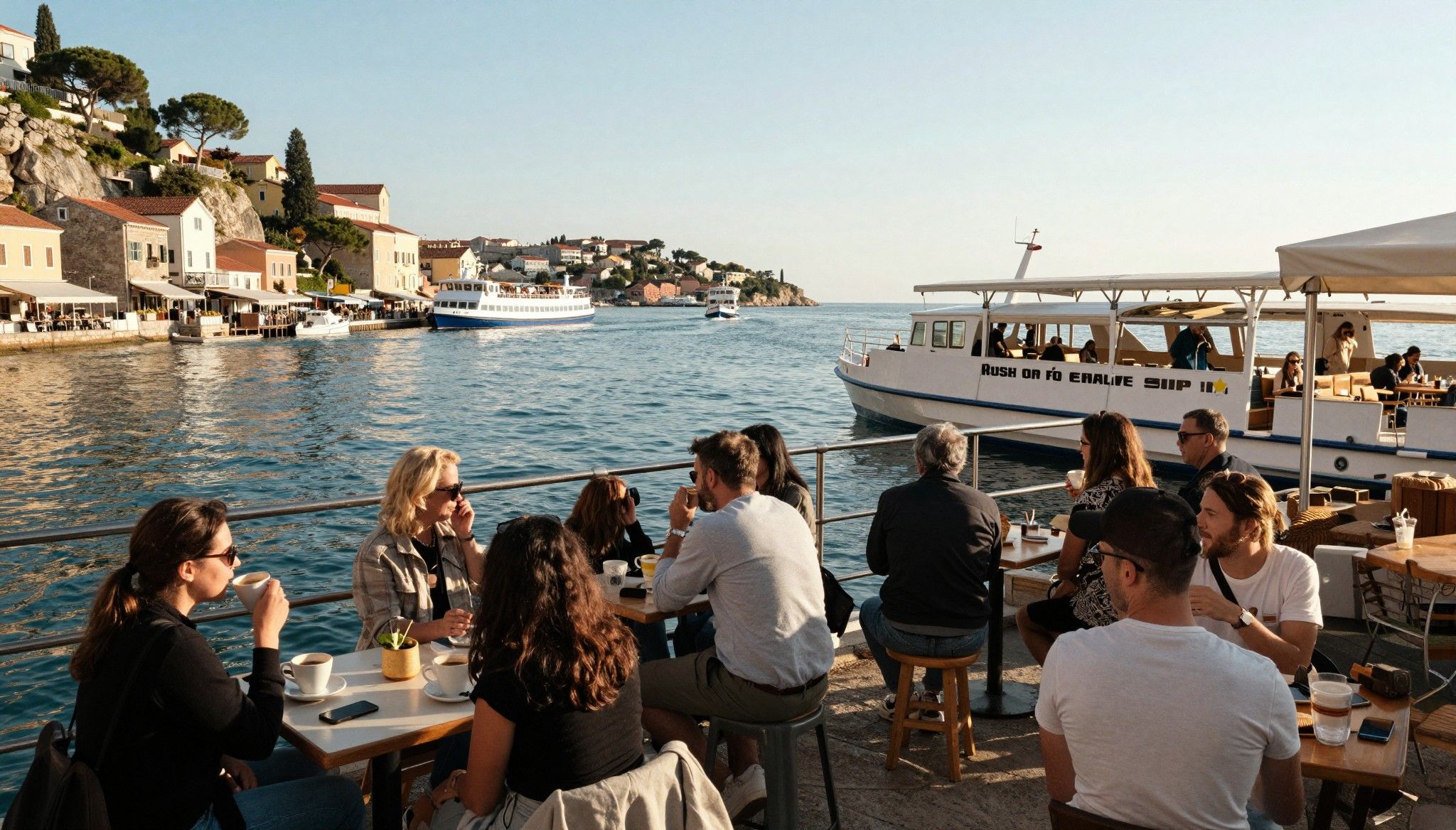
Imagine sipping espresso at dawn on Split’s Riva, then slipping down a narrow street to a bakery that still folds dough by hand. Coastal mornings smell of sea salt and grilled fish; inland weekends mean farmers’ markets, truffle hunts and family‑style konobas where the talk runs long. For many international buyers, Croatia is first an emotional decision — the light, the rhythm, the sense of small‑city belonging — and only second a transaction. That emotional pull can blur risk signals unless you read the data. According to recent market analysis, prices and transaction patterns vary sharply by region, and that matters more than headline averages.
Living the Croatia lifestyle
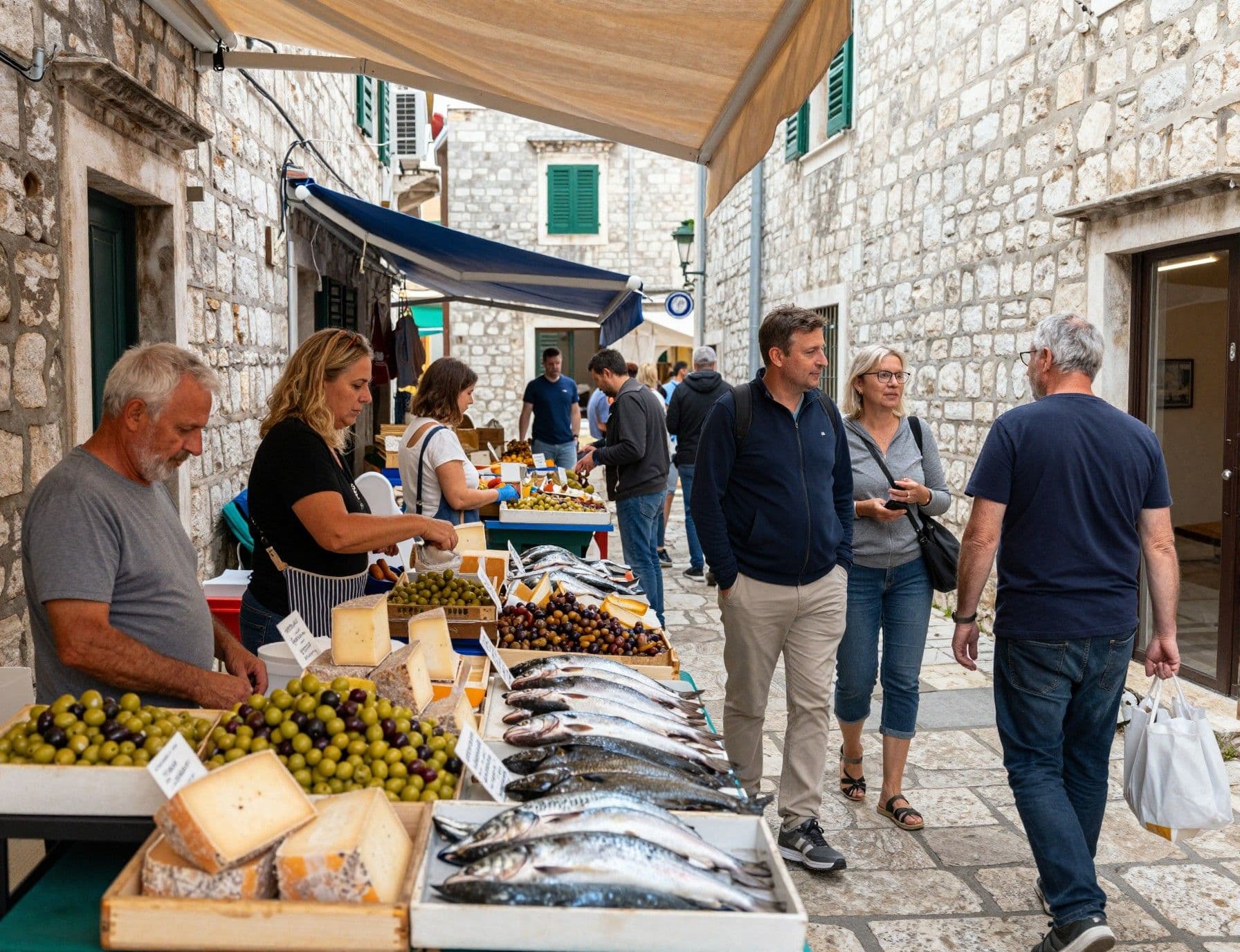
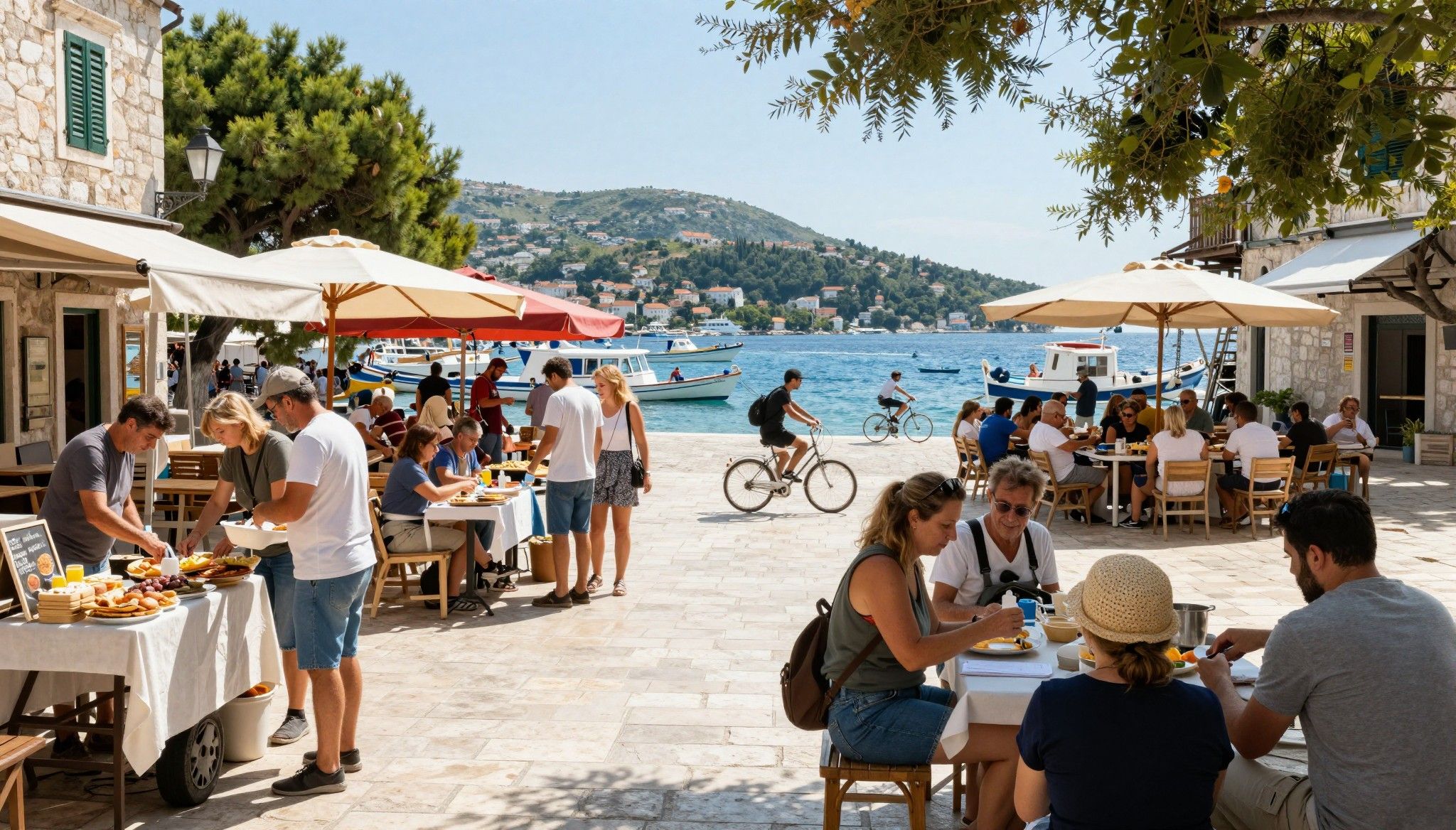
Daily life in Croatia moves to a simple, sensory beat: coffee at a local caffe bar (try Split’s Varoš or Zagreb’s Tkalčićeva), late lunches of fresh seafood or peka, and evenings on terraces watching town squares empty. Coast and interior feel different: Dalmatian seafronts are a cadence of yachts, stone alleys and summer festivals; Istria and Zagorje trade sea for vineyards, truffle‑hunts and countryside quiet. The effect on property choice is immediate — a small terrace in Hvar can command the same lifestyle value as a larger flat inland, and buyers who prioritise morning light and walkability make very different tradeoffs to those chasing land and privacy.
Neighborhood spotlight: Split’s Varoš and Diocletian’s fringe
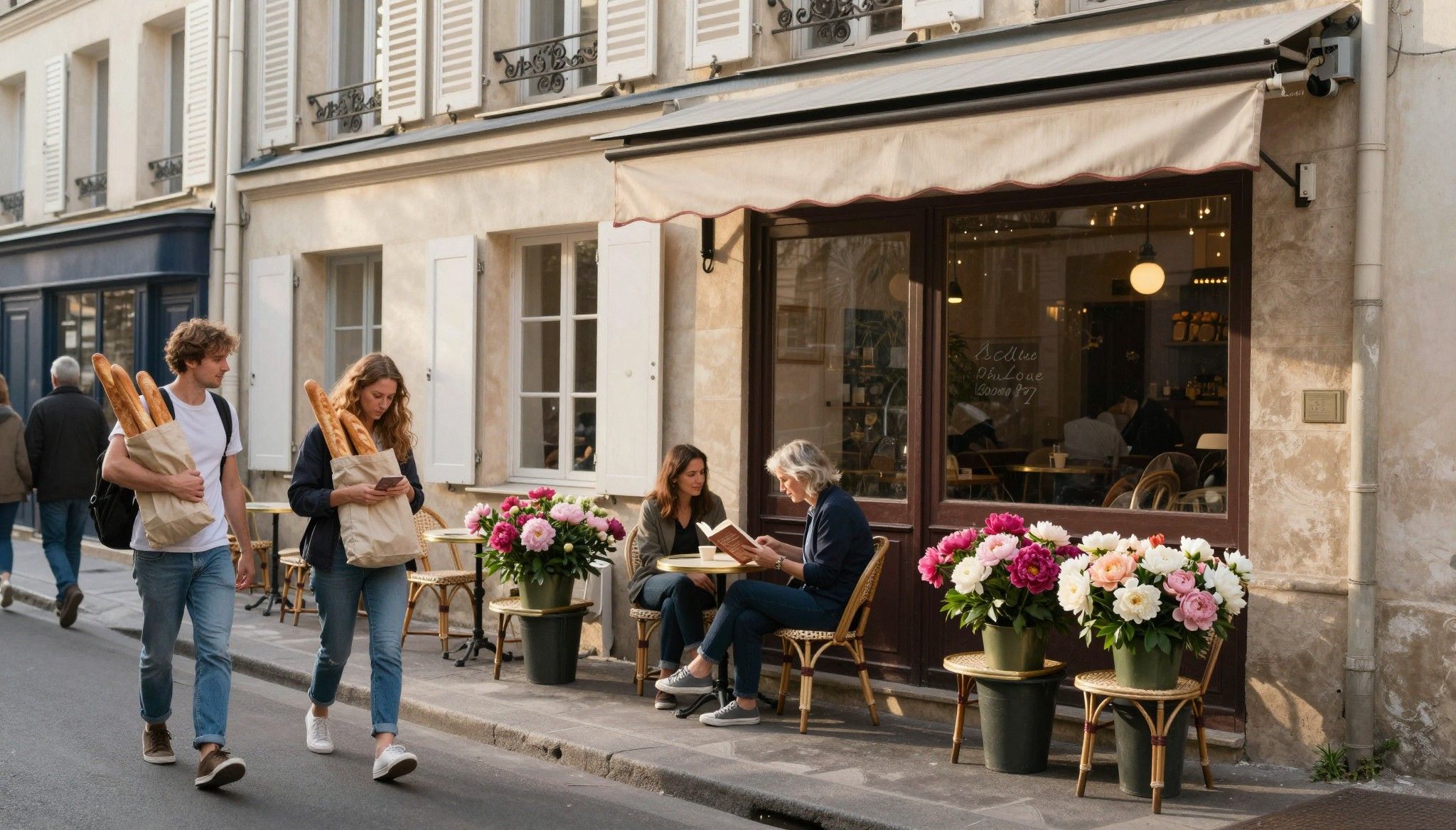
Varoš and the narrow streets off Diocletian’s Palace are where day‑to‑day life and tourism overlap. Locals still buy produce in the morning markets; restaurateurs close early‑season gaps with pop‑up dinners. For buyers, that means older stone houses with beam ceilings, small terraces and unpredictable noise in summer. If you want the postcard, you pay a premium — but you also get immediate rental demand and a walkable life. Ask: will you live here year‑round, or is this a seasonal love affair?
Food, festivals and the rhythm of seasons
Istria’s truffle season, Dubrovnik’s summer festival circuit, and Zagreb’s Advent illuminate how seasons shape living. Properties feel different in January than August: light levels, neighbour density, service availability and even utility costs shift. Buyers who fall for high‑season charm without sampling an off‑season week can misread long‑term suitability. Taste seasonality first; buy the year you plan to live in.
- Lifestyle highlights to try before you buy
- Morning espresso on Split’s Riva; afternoon swim at Zlatni Rat (Brač); Saturday market in Pula; truffle lunch in Motovun; aperitivo on Korčula’s waterfront; a weekday walk through Zagreb’s Maksimir Park.
Making the move: practical considerations
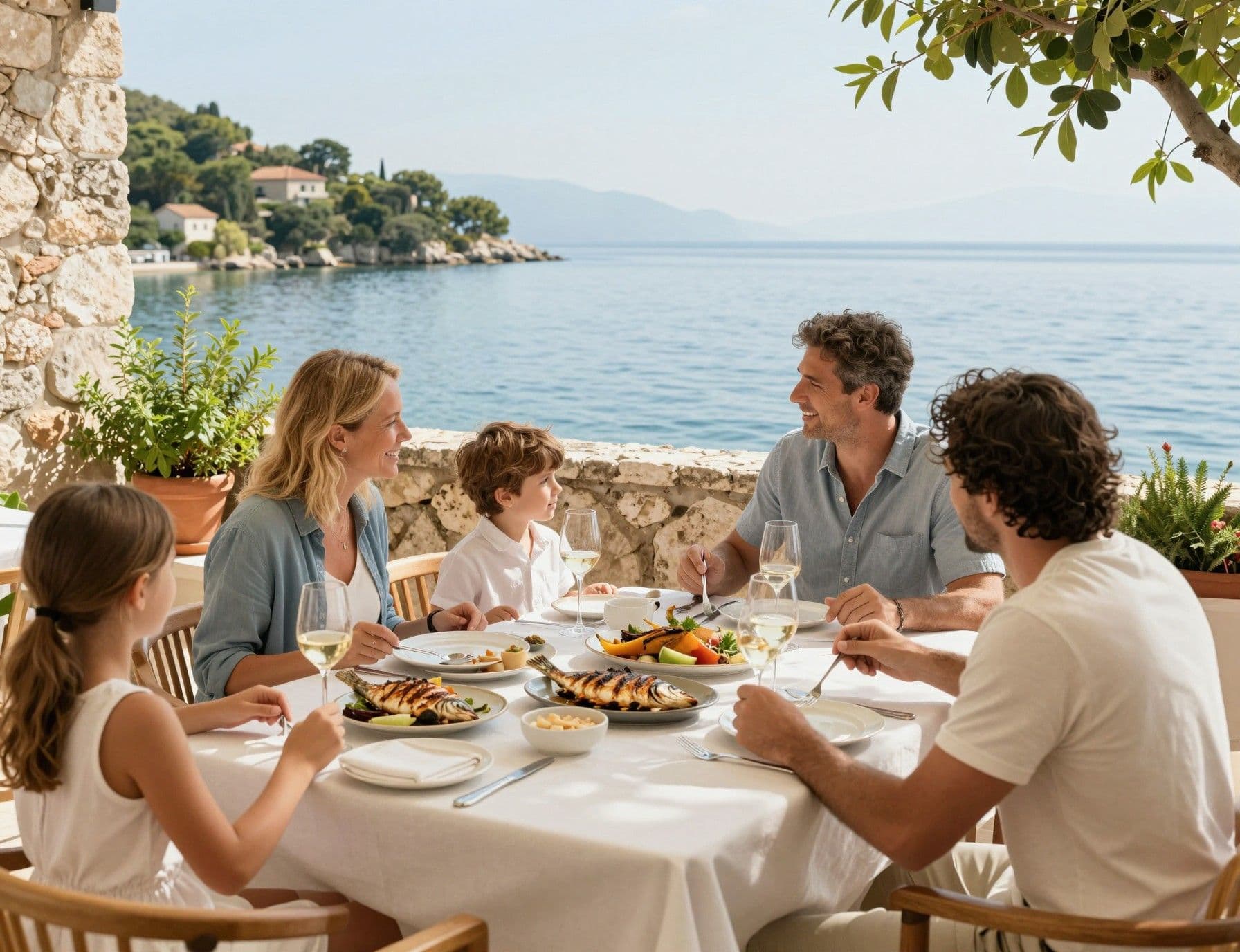
The dream and the deposit meet a legal map. Croatia’s reciprocity rules and administrative consent for non‑EU buyers can be surprising — for EU citizens the buying process is straightforward, but for others the Ministry of Justice consent process introduces time and documentary needs. Know your status early: it affects which properties you can bid on, whether agricultural plots are off limits, and how quickly a sale closes. Treat legality as a lifestyle filter, not a checkbox.
Property types and how they shape daily life
Stone apartments in old towns deliver immediate atmosphere but limited parking and smaller kitchens. Newer coastal developments offer pools and parking but can be quieter off‑season. Inland villas give space and gardens, but expect longer drives to amenities. Match property style to your routine: if neighbours, cafés and walkable groceries are essential, prioritise historic centres; if privacy and outdoor life matter, look inland near Istria vineyards or Dalmatian coves.
Working with local experts who know the lifestyle
Good local agencies aren’t just transactional — they show you the bakeries, meet the notary, and explain why a street is noisy in July and empty in November. Look for agents who provide dossier‑style disclosures: clear ownership history, utility maps, and off‑season rental performance. An agent who can cite the Tax Administration transaction data for the county is worth their fee when you’re balancing lifestyle with transparency.
- Practical steps (lifestyle + transaction) to take before bidding
- 1) Spend a full month across two seasons in your target town; 2) Request a seller dossier including utility bills, occupancy history and any liens; 3) Confirm reciprocity/consent requirements if you’re non‑EU; 4) Get a pre‑sale structural survey and a local tax estimate; 5) Meet a local property manager to test rental demand if you plan to let.
Insider knowledge: transparency signals and red flags
We watch three transparency signals: official price indices versus asking prices, transaction volumes, and administrative consent timelines. In 2025 official statistics showed strong price growth in many coastal areas even as transaction volumes cooled — a signal that demand concentrates but liquidity thins. Central bank guidance on lending and tightened borrowing rules also alters buyer power, making cash buyers more competitive in sought‑after towns.
Common red flags in listings
- Seller can’t produce an ownership extract; oversized promised floor areas with no plans; utilities not registered (important on islands); ‘as is’ sales with no survey allowance; unusually high seasonal rental income claims without occupancy records.
Where value is hiding — a contrarian pick
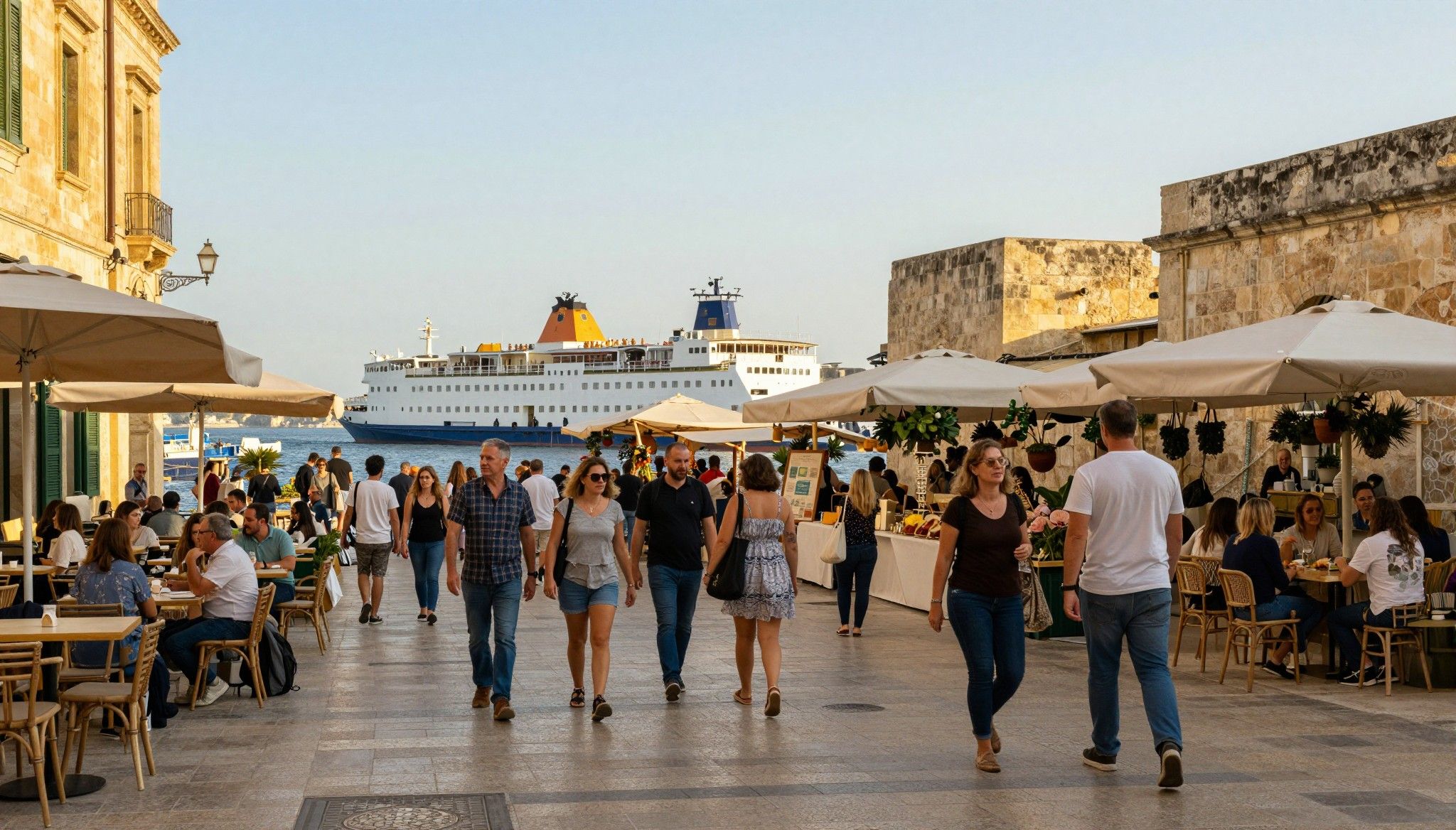
The coastal headline towns grab attention and prices, but look for value in transitional places — small ports and peninsulas a short drive from a popular island ferry (for example, bays near Trogir or the littoral villages around Šibenik). These spots often offer comparably dramatic views without the volume of short‑term lets. Expect slower appreciation early on, but steadier long‑term rental occupancy and a more authentic daily life.
- Checklist for evaluating a ‘hidden value’ coastal town
- 1) Confirm year‑round ferry/road links; 2) Check local municipality plans for tourism development; 3) Compare Tax Administration transaction counts versus asking prices; 4) Review past three years of utility bills for the property; 5) Interview local restaurateurs about off‑season footfall.
What expats wish they’d known
Expat life in Croatia rewards curiosity. Join local associations (wine clubs, rowing clubs, volunteer festivals) and language classes. Neighbours will help you with bureaucracy if you show you’re invested. And accept that some things — municipal timetables, seasonal shop openings — work on local rhythms. That patience often shapes whether a move feels like permanent belonging or a prolonged holiday.
Long‑term lifestyle factors that affect resale and value
Population decline in some inland counties, infrastructure upgrades on the coast, and EU funding for regional projects all influence resale prospects. Properties near improving transport links or with flexible layouts for rental and family use hold up better. When you buy, think three‑to‑ten years out: will the place sustain year‑round life or is it tied to a narrow tourist season?
Conclusion: fall for the light, but buy with the file open. Croatia sells a life — stone streets, markets, sea — and that life is real. But good buying in Croatia balances passion with transparency: check reciprocity and consent rules early, compare official indices with local asking prices, insist on dossiers that include utility and occupancy history, and spend time in both high and low season. Do that, and you’ll own not just a property but a place you can truly live in.
British expat who relocated to Marbella in 2012. Specializes in rigorous due diligence and cross-border investment strategies for UK and international buyers.