Where Malta Still Hides Value: A Contrarian Tour
Malta’s compact lifestyle fuels steady demand — RPPI rose ~5.6% in Q2 2025 — but value hides in quieter towns and careful timing, not just sea views.
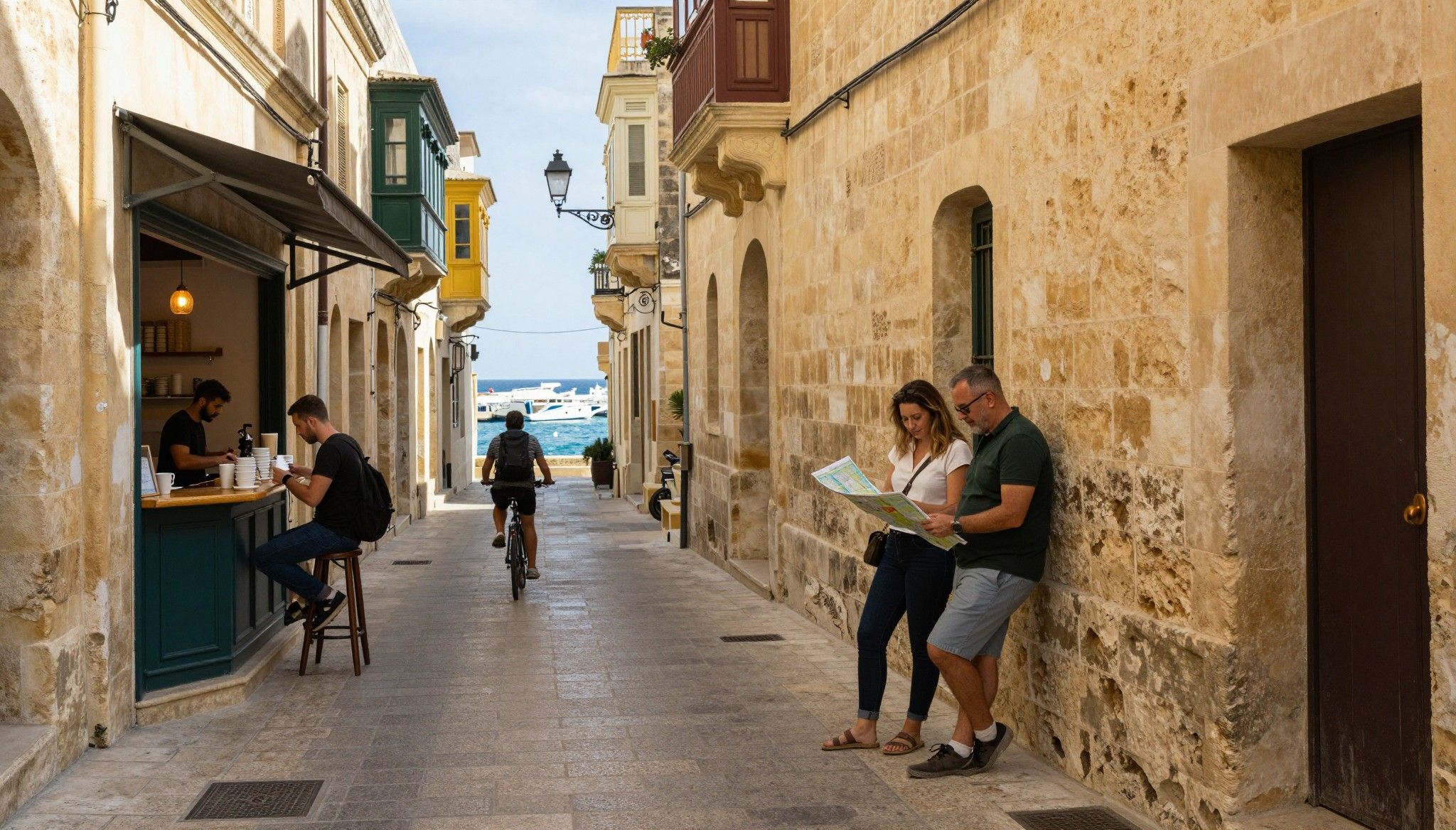
Imagine walking a narrow Valletta street at 7am — espresso steam, limestone warming under your hand, a fisherman’s radio playing from a quay you can see at the end of the lane. That sensory compactness is Malta: a small island where everyday life folds public life and private life together, and where what you pay for a home often reflects lifestyle rarity as much as square metres.
Living Malta: Close, Loud, Sunlit
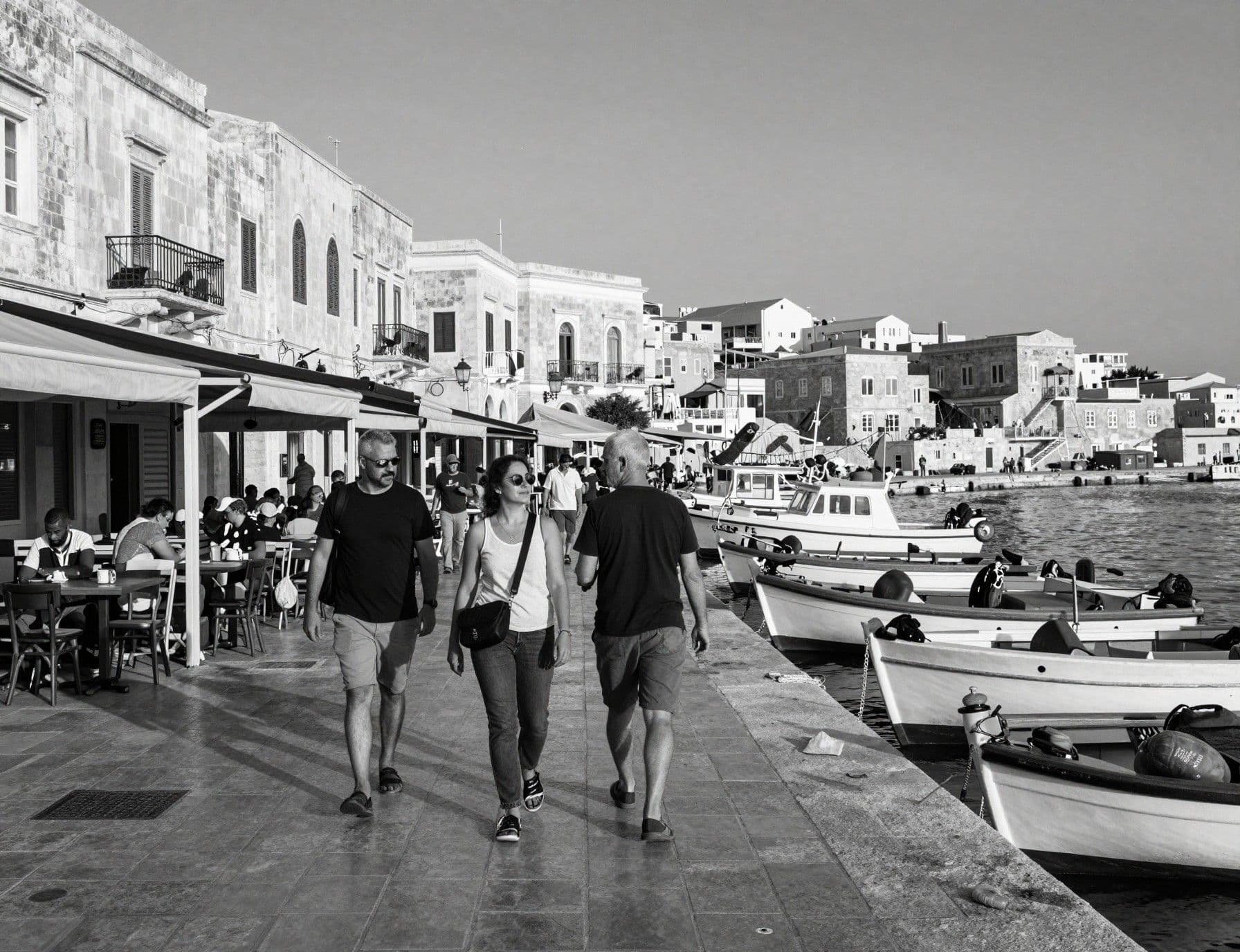
Malta is compact in the way a good novel is: dense scenes, characters you recognise, and a coastline always nearby. Days begin with small rituals — a coffee at Cafe Jubilee in Valletta or a stroll on Sliema promenade — and end with neighbours sharing plates on terraces. English is an official language, which flattens everyday friction for many internationals and makes neighbourhood integration easier than in many Mediterranean markets. But compactness has trade-offs: noise, parking scarcity and layers of historic regulation shape where you can realistically live.
Valletta, Senglea & The Historic Core
Valletta feels like living inside a museum that’s also someone's neighbourhood. Streets such as Strait Street and Republic Street pulse with cafés, galleries and late-night bars, but apartments here tend to be smaller and come with strict conservation rules. On Senglea and the Three Cities, you get harbourside views and working-port life — great for morning walks but expect humidity, narrow streets and fewer parking options.
Sliema, St Julian’s & Coastal Everyday Life
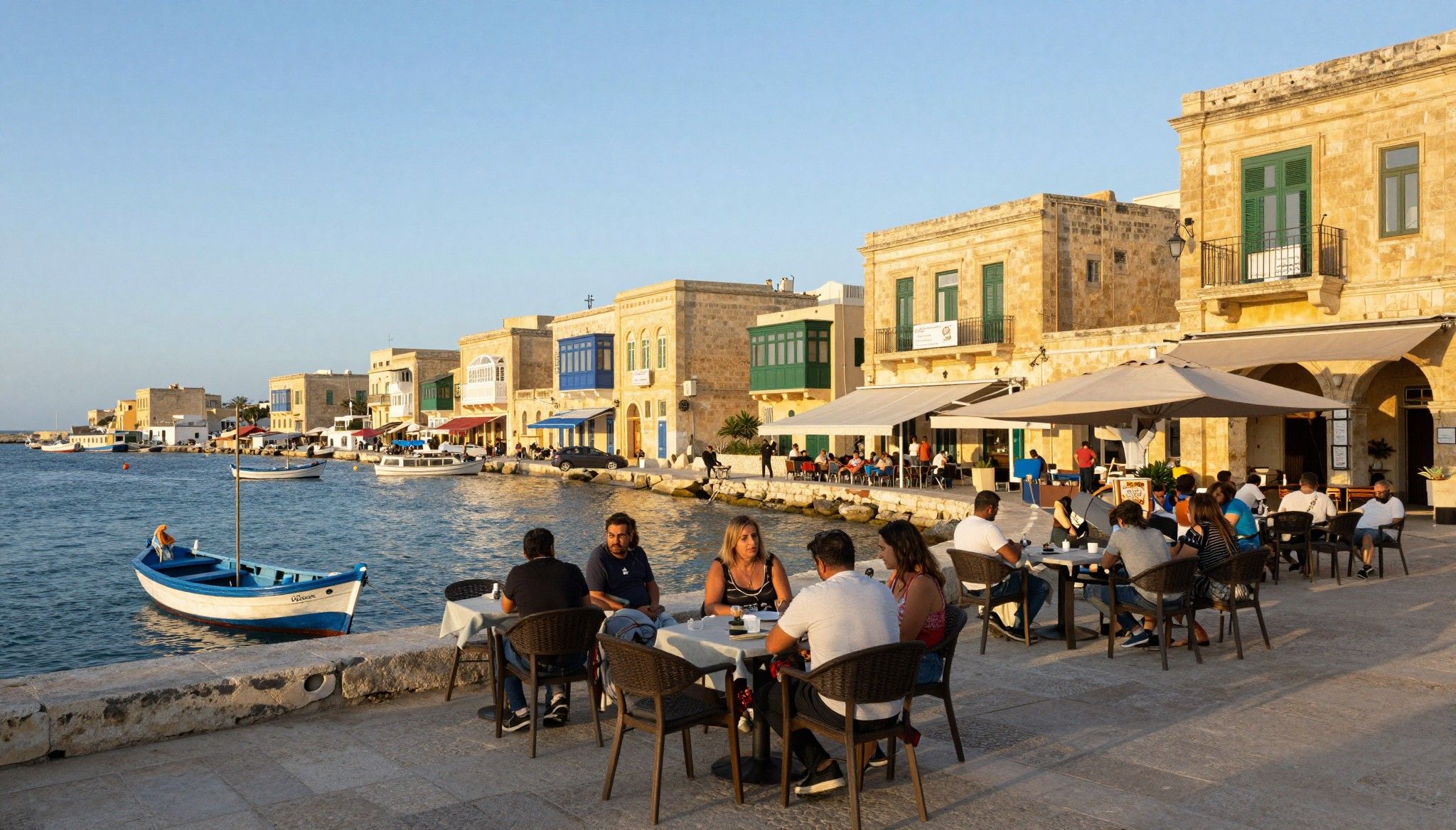
If you prefer promenades and active restaurant scenes, Sliema and St Julian’s are the obvious pull. Picture Sunday markets, lunchtime fish at Ta’ Frenc, and evening promenading. These areas are social hubs for expats, short-term rentals and lifestyle-driven buyers — which is why prices often show the ‘surface gleam’ we talk about below. For slower, food-first weekends, Marsaxlokk’s fish market is a recurring ritual for locals and a reminder of Malta’s working-coast character.
- Lifestyle highlights: Valletta espresso culture, Sliema promenade strolls, Sunday fish market at Marsaxlokk, Dingli cliff sunsets, local festa nights in small towns, Is-Suq tal-Belt market events.
Making the Move: Lifestyle Meets Market Reality
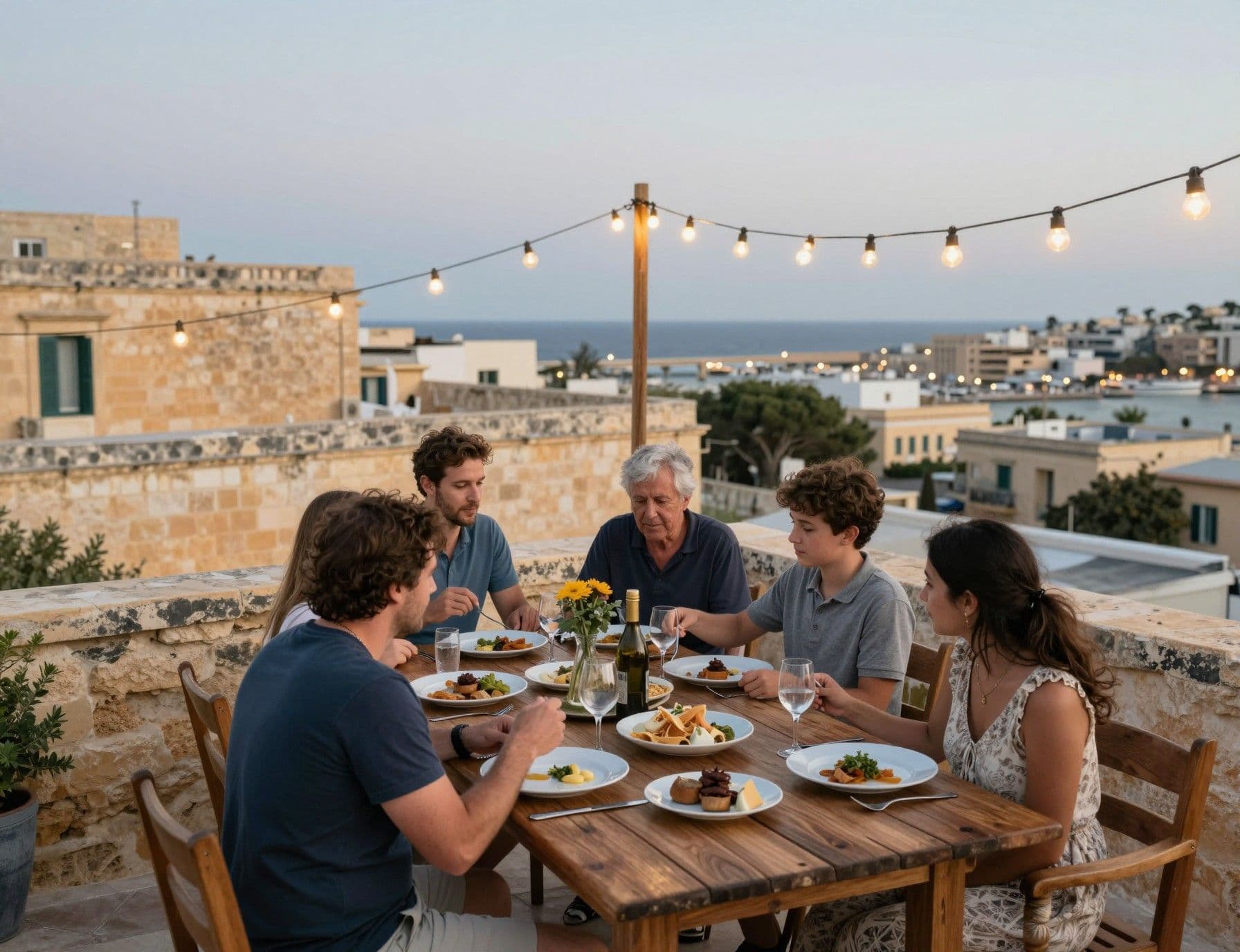
Dreams of terraces and harbour views are central to why buyers come to Malta — but the market is not a blank canvas. Official data shows steady price appreciation: Malta’s Residential Property Price Index rose about 5.6% year-on-year in Q2 2025, underlining sustained demand in a small supply-constrained market. That matters because 'island premium' can mean you pay extra for location convenience rather than buildable potential.
Property types and how they shape daily life
In Malta you’ll choose between converted historic flats, modern apartments in mid-rise blocks, and the rare terraced house with a small garden. A Valletta maisonette gives you architectural texture and walkability; a St Julian’s apartment buys lifestyle convenience but often sacrifices privacy. For families, newer developments on the outskirts offer square metres and parking at lower per-metre prices, but they trade off the immediate town-centre social life.
Work with agencies who understand 'how you're going to live'
- 1. Ask viewings at different times (market noise, sun angle and neighbour routines change impressions). 2. Request agency dossiers with planning constraints and conservation area status before offering. 3. Check recent RPPI movement for your target neighbourhood to separate seasonal spikes from structural trends. 4. Prioritise agencies that can connect you to local property managers — Malta’s compactness makes good management essential.
Insider Knowledge: What Expats Wish They’d Known
Beyond listings and indices, expats repeatedly tell us the same useful humbling truths: read beyond glossy photos, accept a learning curve on local bureaucracy, and expect the social life to arrive through small rituals (the barista who remembers your order). Recent legal shifts on citizenship-by-investment programmes have changed investor dynamics and public perception — factors worth tracking if residency was part of your calculation.
Cultural integration and daily routine
You’ll make friends at the neighbourhood bakery, at the parish festa and at the lunchtime seafood restaurant. English and Maltese coexist in everyday life: official forms are often in English, but neighbourhood life runs on Maltese. Expect a warm, familial pace in smaller towns and a more international tempo in Sliema or St Julian’s. Practical tip: learning basic Maltese greetings goes a long way.
Long-term lifestyle and investment perspective
Malta’s limited land, tourism flows and stable international demand tend to support steady value retention rather than explosive growth. Expect moderate appreciation rather than quick flips. That makes Malta attractive for buyers who prioritise lifestyle — terraces, walkability, community — while treating capital gains as a secondary bonus.
- Red flags and local realities: conservation restrictions on historic facades, seasonal rental pressure in Sliema/St Julian’s, flood/humidity risks near low-lying harbours, and condo management quirks in older blocks.
- 1. Walk the street at 7am, noon and 9pm before you commit. 2. Insist on a planning-and-utilities dossier from the seller (conservation, drainage, historic restrictions). 3. Compare RPPI neighbourhood trends, not just island averages. 4. Factor in property management and holiday rental demand for running costs.
Malta rewards buyers who come with curiosity and local humility. The island’s greatest value is lived: shared meals on a terrace, the ease of ordering in English, the ferry crossing to explore new coves. If you measure value by daily life, Malta often over-delivers. If you measure only by headline yields, you’ll miss the point.
Next steps we recommend: book a staggered viewing schedule (morning + evening), request NSO or RPPI neighbourhood extracts, and speak to two local agencies — one focused on lifestyle fit, one on legal diligence. That combination keeps the dream vivid and the file clean.
British expat who relocated to Marbella in 2012. Specializes in rigorous due diligence and cross-border investment strategies for UK and international buyers.