Malta: Street‑Level Life and Market Truths
Fall for Malta’s harbour life — then check street‑level data. Compact market, steady price rises, and lifestyle tradeoffs demand specific local expertise.
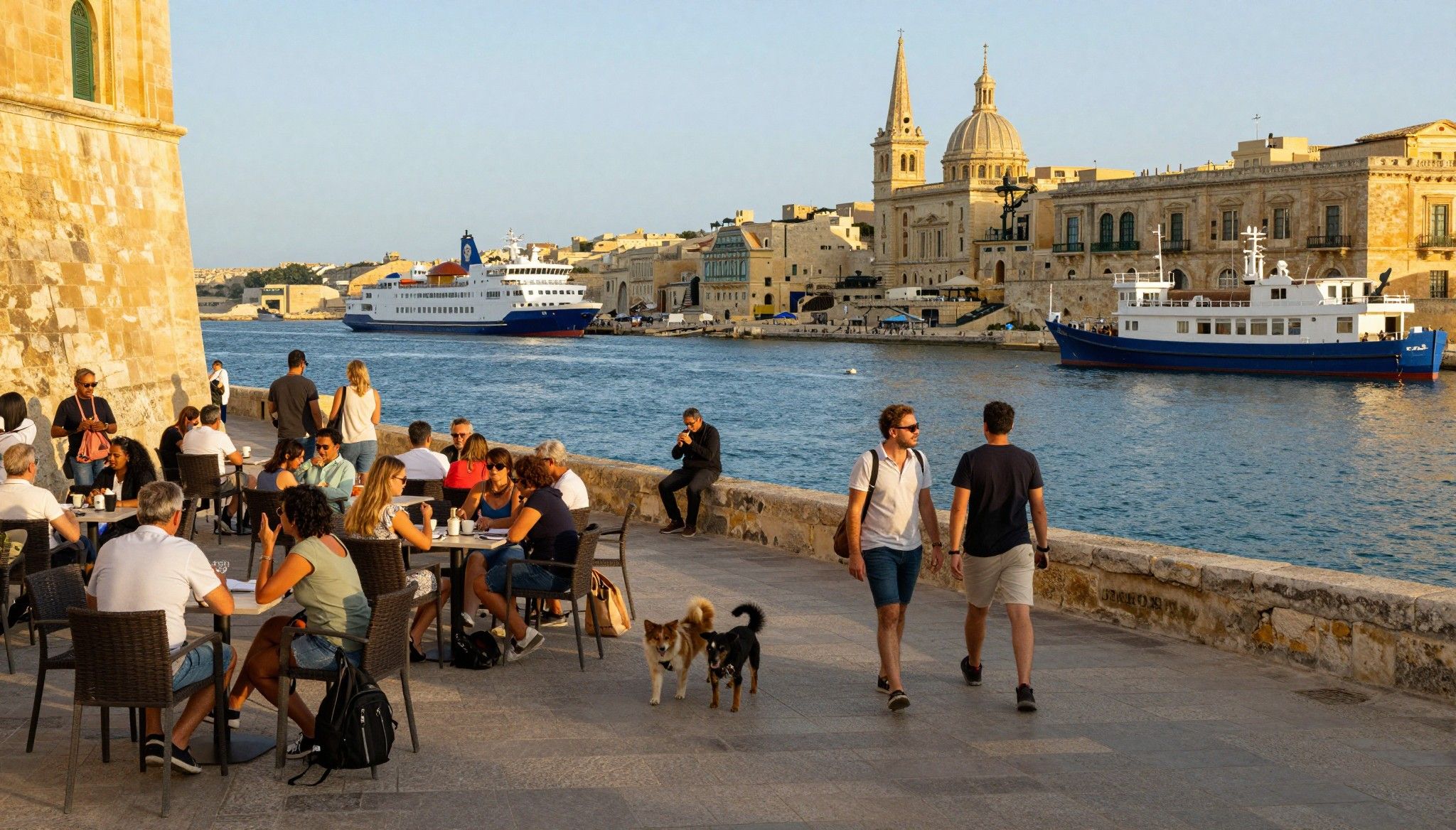
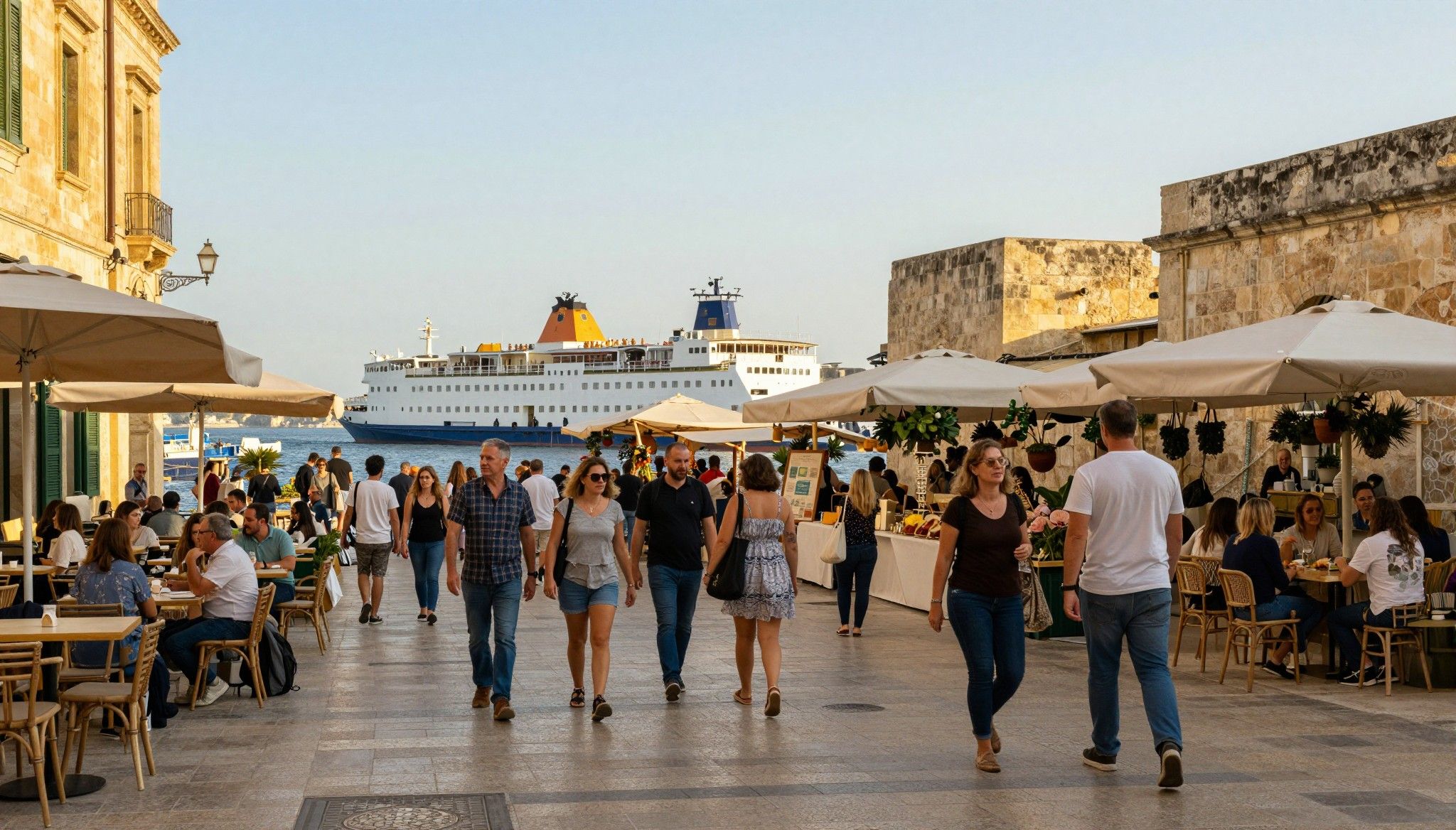
Imagine starting your day with a short ferry across Marsamxett Harbour, espresso in hand, then wandering the narrow streets of Valletta where laundry flutters between limestone balconies and church bells set the pace. That intimate, lived‑in quality — late lunches, neighbourly markets, a working marina — is what draws many of us to Malta. But the island’s charm sits beside a compact, fast‑moving property market. Here we’ll show you the life you can have in Malta and the realistic tradeoffs buyers actually face, with sources that back what we say.
Living Malta: days, tastes and neighbourhood rhythm
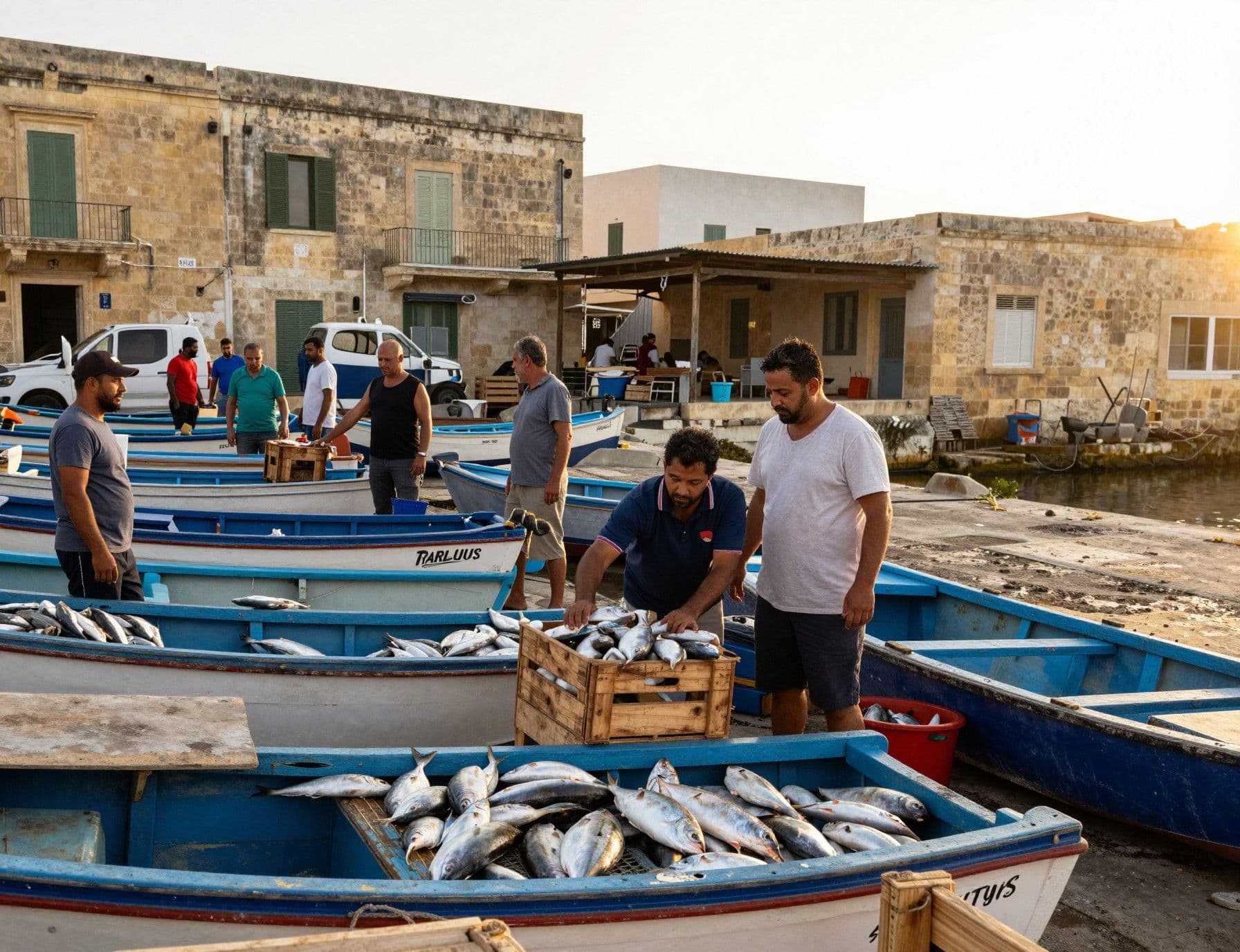
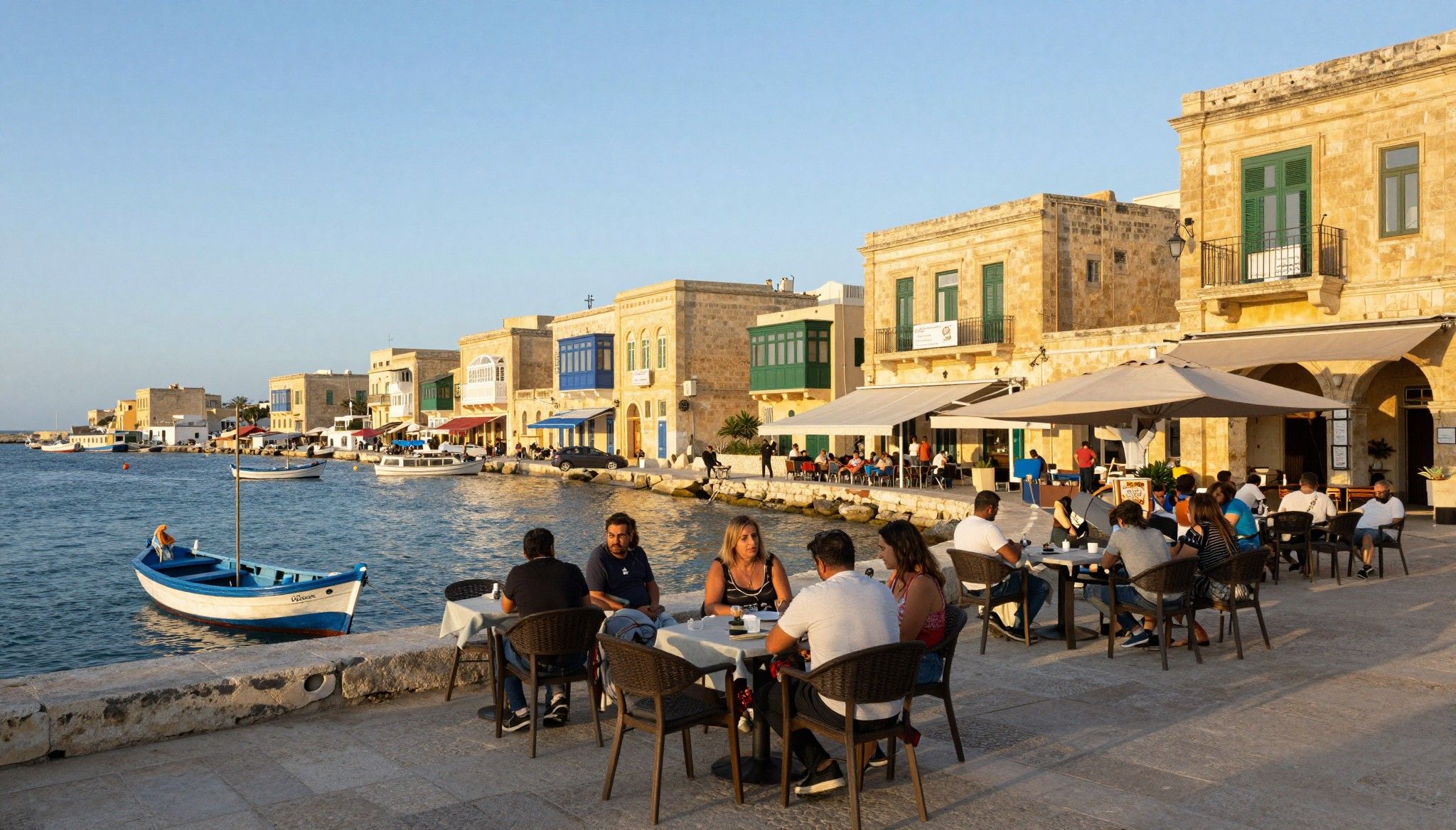
Malta is small enough that neighbourhood personality matters more than postcode prestige. Mornings in Sliema look different to mornings in Marsaxlokk: Sliema hums with cafes, fitness classes and ferries to Valletta; Marsaxlokk unfolds slowly around fishing boats and sun‑bleached tables at the market. St Julian’s has evening energy and international services; Gżira and Ta' Xbiex feel residential and practical for families and remote workers. These differences shape what you’ll value in a home — proximity to nightlife, sea views, commute time or quiet streets.
Valletta, Sliema and the capital fringe: city life in limestone
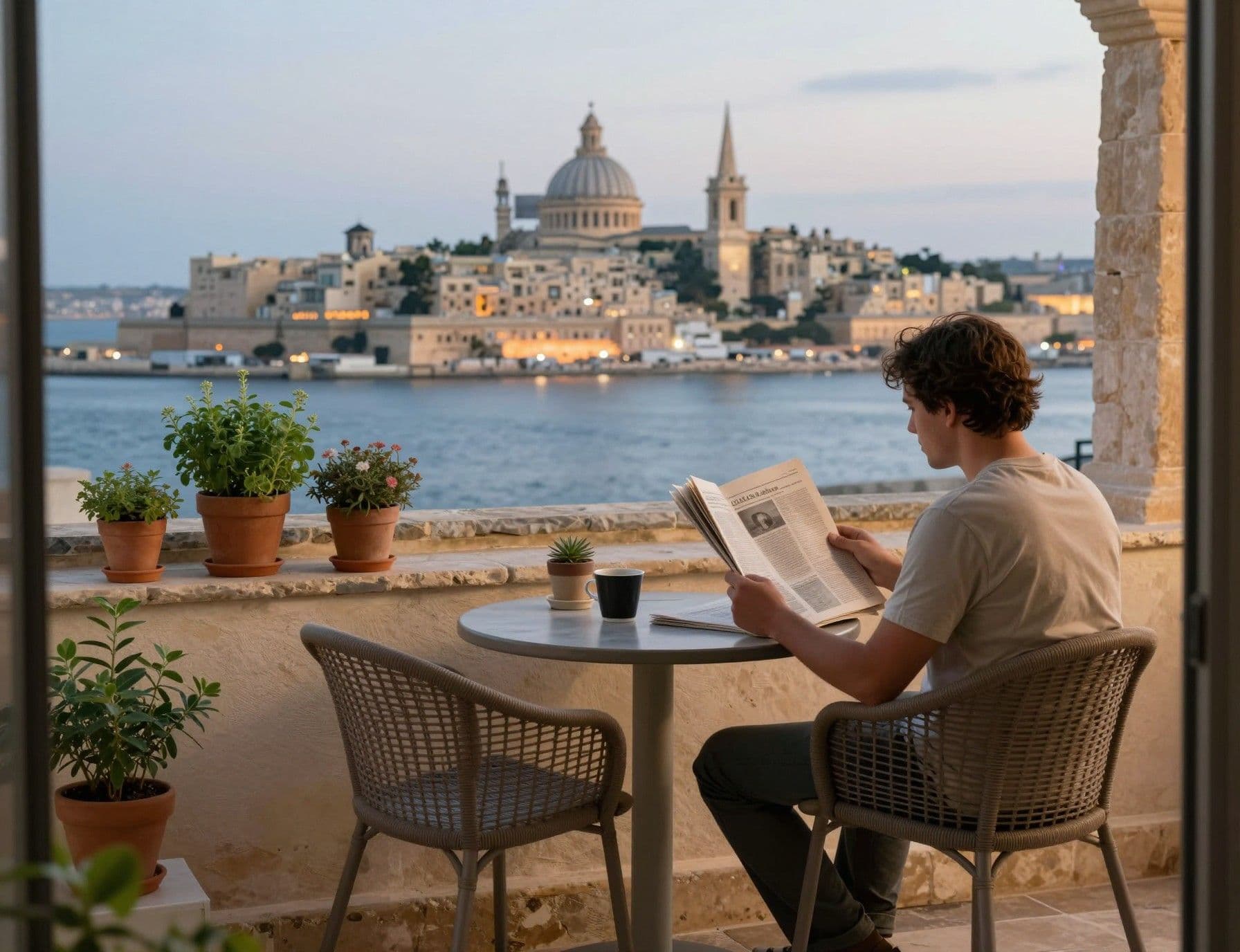
Picture morning light on the honeyed stone of Valletta, a walkable grid where small grocers and trattorias open early and the Sound of the harbour is never far. Sliema’s seafront promenades and Balluta Bay terraces are where people meet for coffee and late dinners; St Julian’s offers more international conveniences and a busier social scene. If you want the compact cultural life — theatres, museums, weekly markets — the capital fringe rewards you with walkability and an unmistakable sense of place.
Coastal villages and quieter rhythms: Marsaxlokk, Mellieħa, Gozo
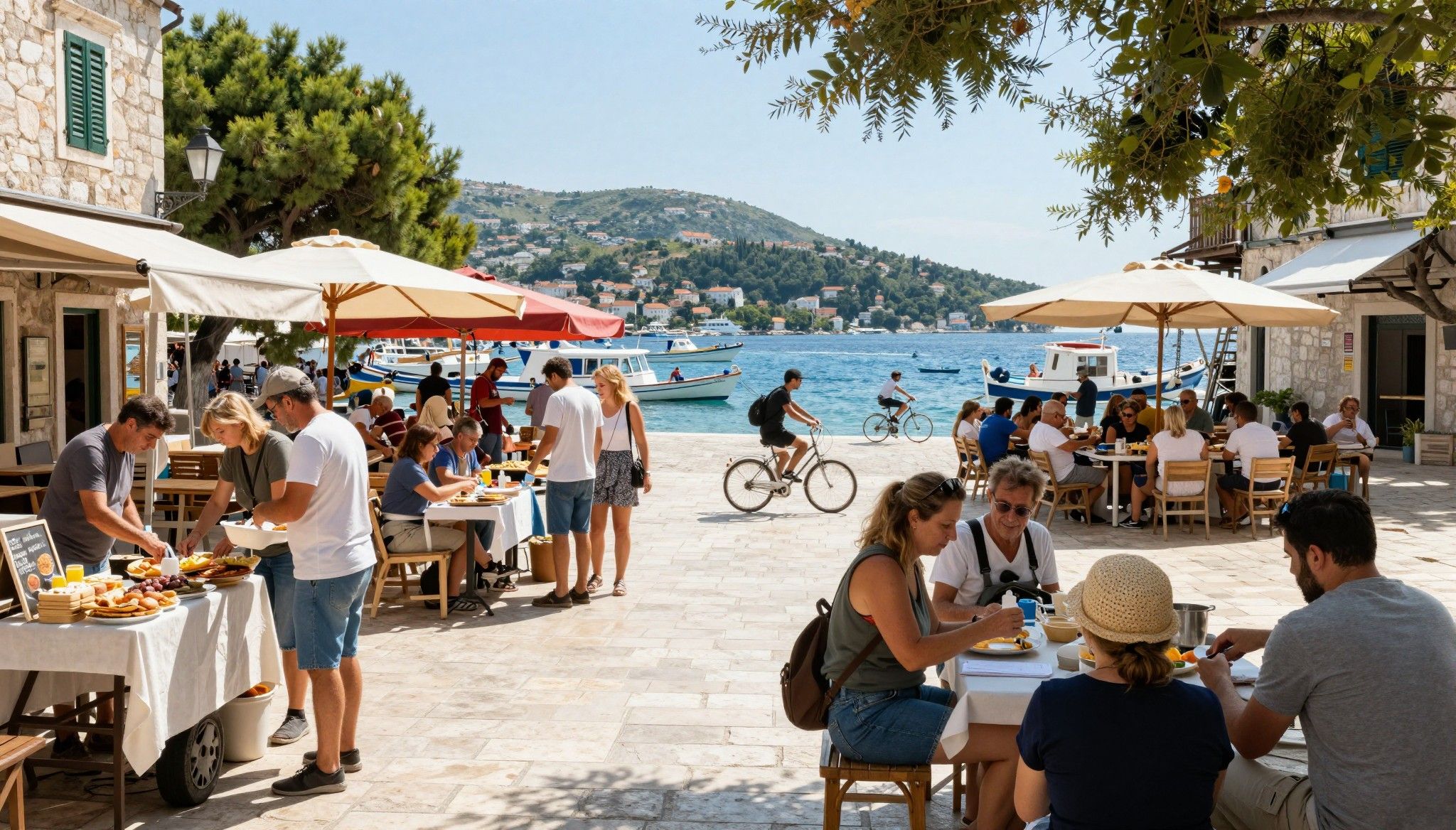
For fishermen’s markets and sunlit promenades, small towns like Marsaxlokk or seaside Mellieħa offer a slower tempo — perfect if your idea of island life includes weekends at quiet coves and community festas. Gozo, Malta’s sister island, trades convenience for space and a countryside feel: narrower property markets, lower building density and a different pace of services. These places are where you exchange immediacy for room to breathe and often better value per square metre — but expect fewer international services and longer commutes to Malta’s main hospitals and international schools.
- Lifestyle highlights: cafés, markets and hidden corners
- Daily espresso culture on Sliema’s seafront; Valletta’s evening passeggiata and late‑service restaurants
- Sunday morning at Marsaxlokk fish market; seafood straight from the quay
- Hidden terraces in Senglea and Birgu with harbour views that feel private despite being central
Making the move: practical considerations that match life here
Lifestyle is the reason you’re reading this, but the market is the mechanism. Malta’s Residential Property Price Index shows steady annual rises in recent years — a compact island market means supply imbalances can push prices quickly in popular pockets. That’s important: the lifestyle you covet may be concentrated in a handful of streets, and prices there behave differently from the national average. Read prices alongside transaction volumes and local supply — not headlines alone.
Property styles: maisonettes, apartments and converted townhouses
Most international buyers in Malta choose apartments or classic maisonettes in the older towns. Maisonettes give you outdoor space at street level, while Valletta townhouses and converted palazzini offer dramatic rooms and roof terraces — at a price. Newer developments around Sliema and St Julian’s deliver modern finishes and amenities but sometimes less character. Think about how you’ll live: terrace gardening, home office light, or proximity to cafes and ferries — the property type should support that life.
Working with local experts who understand the island life
A good local agent does more than show listings: they’ll point out which streets are noisy at night, where sea breezes prevent humidity problems, and which buildings have tricky light wells. They also connect you to notaries and local conveyancers who know Maltese contract practice and residency options — for example, routes under the Malta Permanent Residence Programme have property holding requirements you should understand before you buy. Use agencies that publish transaction records and show local references.
- Steps to match lifestyle goals with the right property
- List three unnegotiables (harbour view, outdoor space, short school commute).
- Ask your agent for recent comparable sales on the exact street, not just the neighbourhood.
- Check micro‑factors: prevailing wind, morning sun on terraces, local parking rules and community levies.
Insider knowledge: what expats wish they'd known sooner
Expats often tell us the same things: English makes daily life easy, but learning Maltese opens doors socially; the island’s compactness is a blessing until you need a quiet, private plot; and seasonal life matters — summer crowds change the rhythm in seaside towns. Practical surprises include stamp duty bands, utility billing peculiarities in older buildings, and the reality of renovation timelines in stone properties. Those details turn a good purchase into a sustainable one.
Cultural cues: community, festa life and neighbour rules
Malta’s social life orbits family and festa calendars; expect local streets to fill for village feasts, band marches and late summer processions. That creates a warm sense of belonging for many newcomers, but it also means periodic noise and street closures. Neighbours are often directly involved with communal maintenance decisions — a useful reminder to check owners’ association records and planned works before committing.
Long‑term life: investment sense and living well
Macro reports show Malta’s housing stock and prices have grown substantially over the last decade, reflecting tourism, population growth and limited land. That supports capital resilience but raises the bar for entry — particularly in high‑demand streets. If you’re buying to live, prioritise quality of life factors; if you’re buying to hold, prioritise liquidity and transport links. Either way, build in realistic timelines for renovation and a buffer for island‑specific maintenance.
- Red flags to watch for before you bid
- Missing planning permissions for terraces or conversions
- Unclear community fund accounts or large pending works
- Over‑reliance on a single local valuation without comparables
If Malta’s mix of limestone streets, harbour light and café life calls to you, the practical next step is simple: visit with a clear lifestyle checklist, ask for street‑level comparables, and work with an agent who publishes transaction history and connects you to a trusted notary. We can introduce you to agents who think about life first and ledger entries second — because on an island this intimate, the right street will shape your years more than the square metres alone.
Danish investment specialist who relocated to Costa del Sol in 2015. Focuses on data-driven market timing and long-term value for Danish buyers.