Italy: Buy a Neighbourhood, Not a Postcard
Italy’s lifestyle is the asset — buy a street not a postcard. Foreign demand is rising; pair sensory scouting with local data and specialists to make it stick.
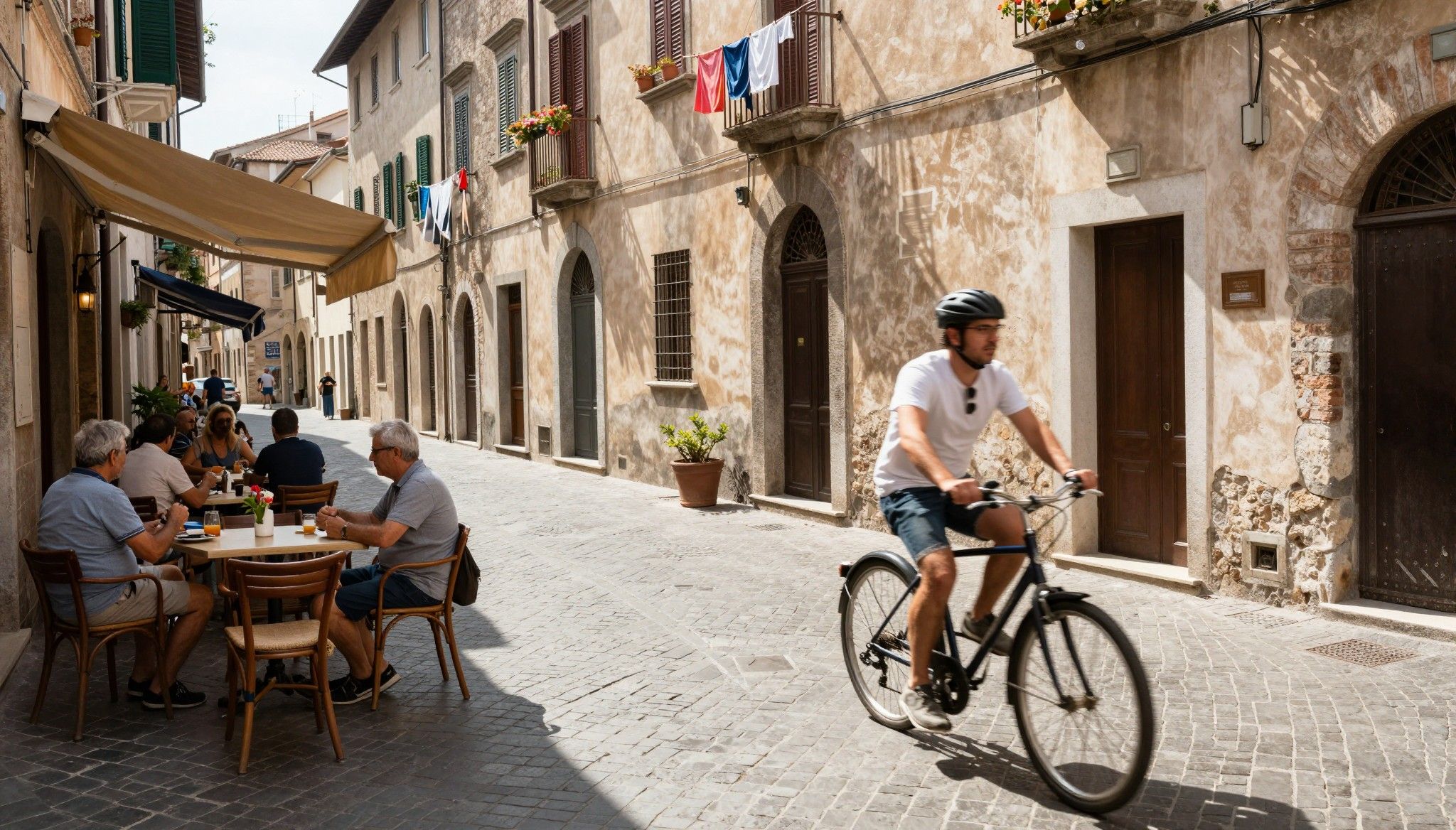
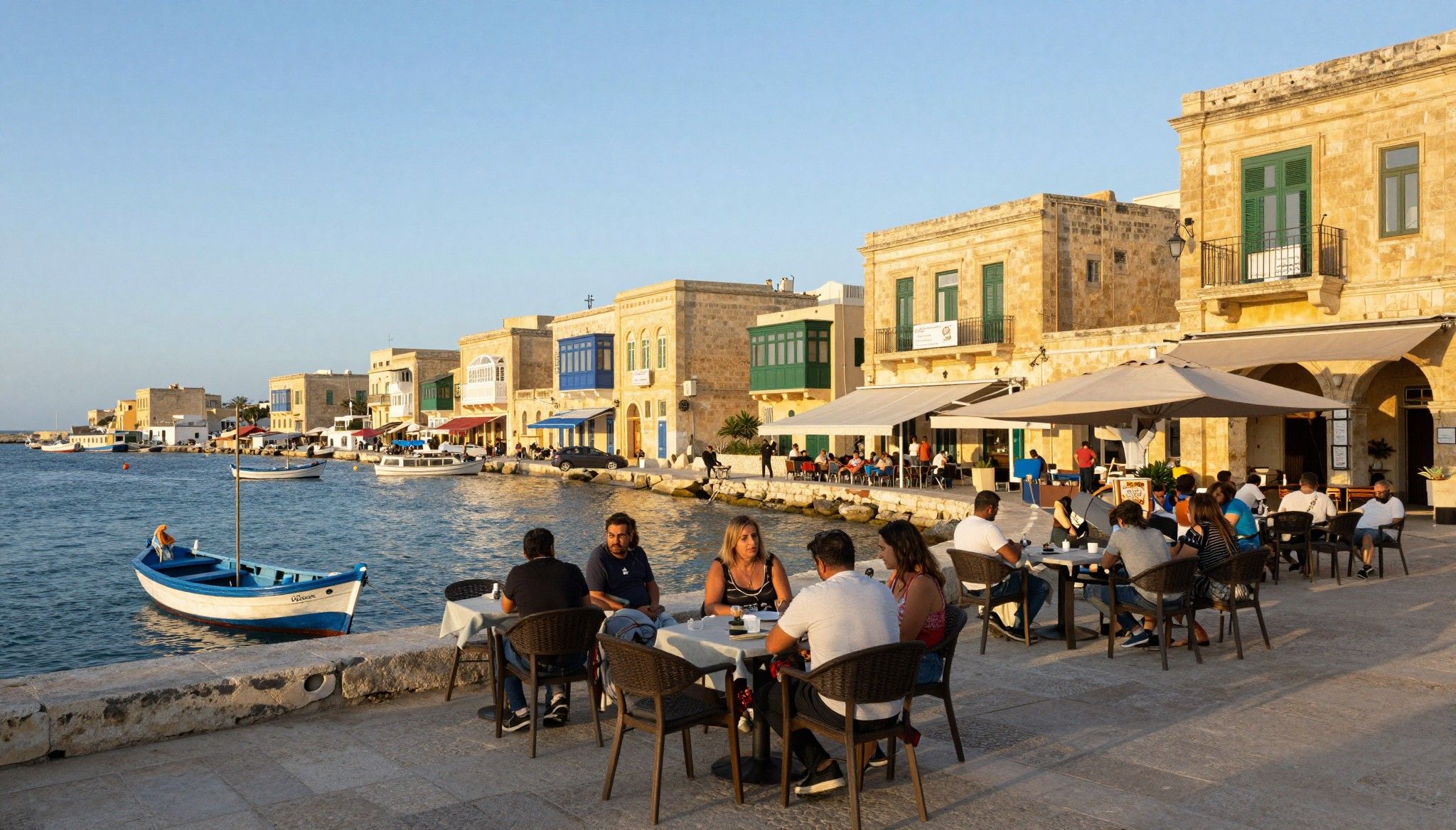
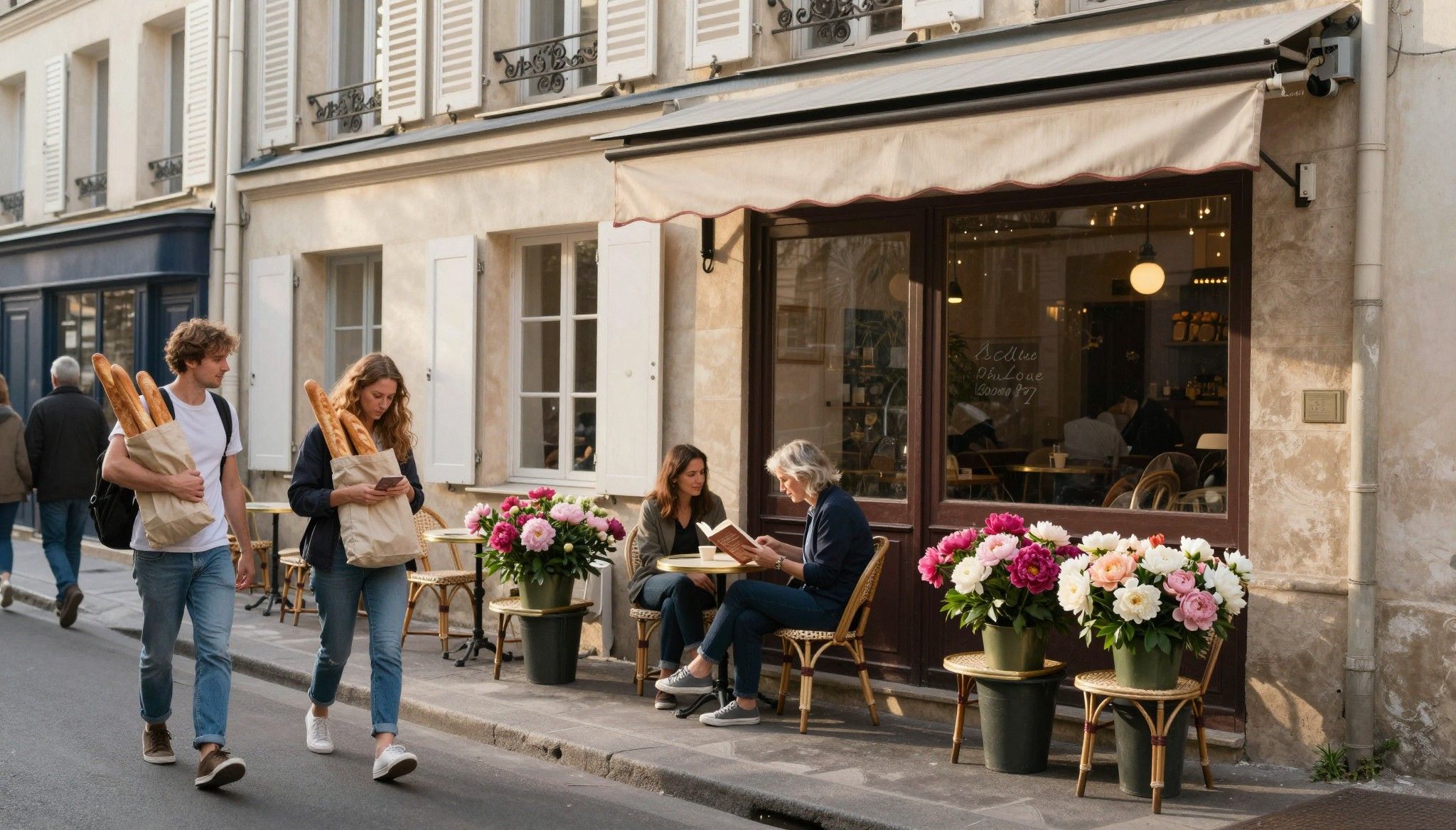
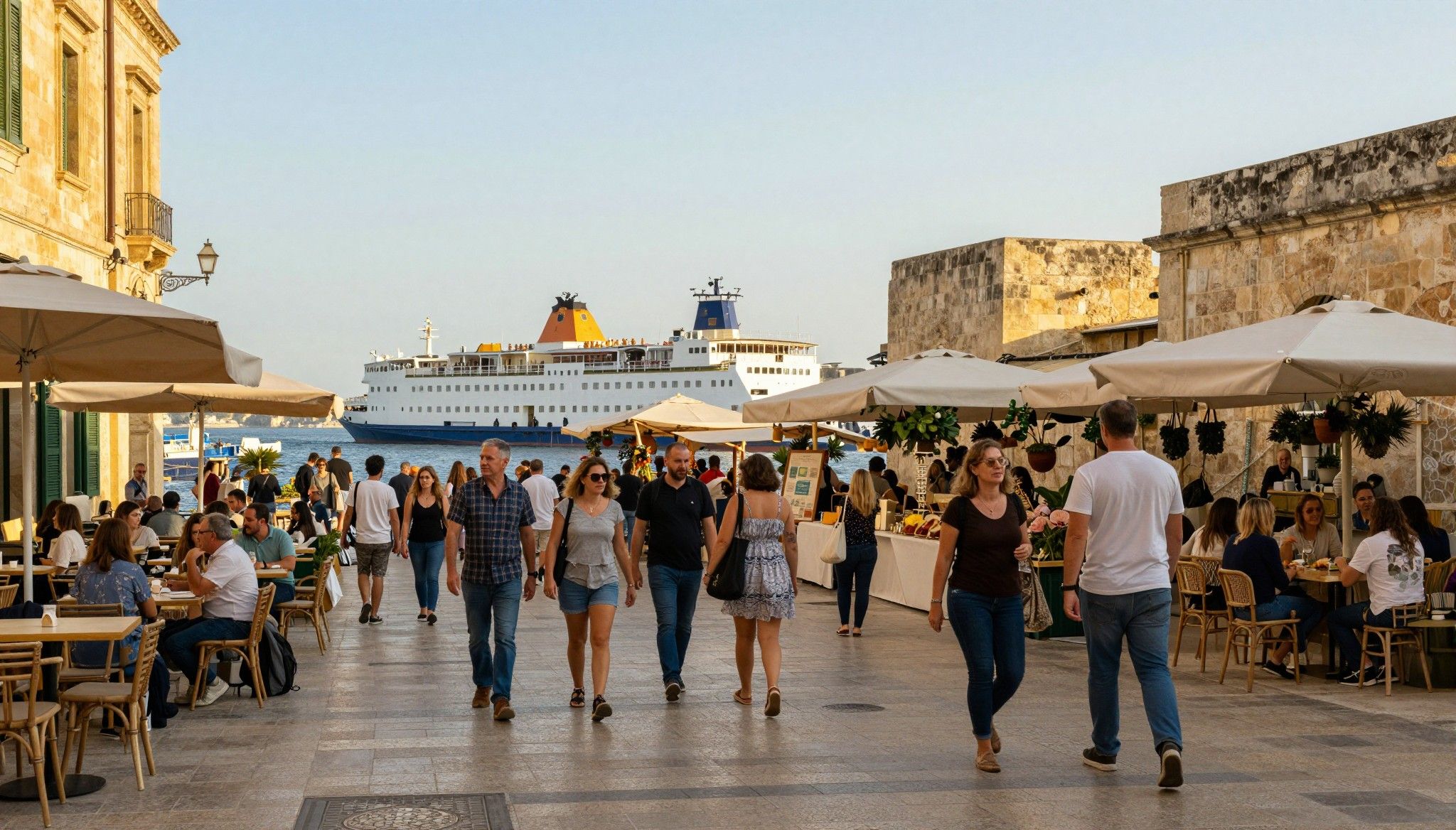
Imagine starting your morning with espresso at a tiny table on Via dei Coronari in Rome, then slipping into a piazza where the conversation is as important as the sunlight. Italy moves slowly where it matters—meals, markets, neighbourhood rituals—but quickly where it pays off: good food, authentic streets, and an improving property market that international buyers are leaning into. Recent reports show foreign interest rising; this piece pairs that momentum with the lived reality you’ll wake up to.
Living the Italy Life: More Than a Postcard
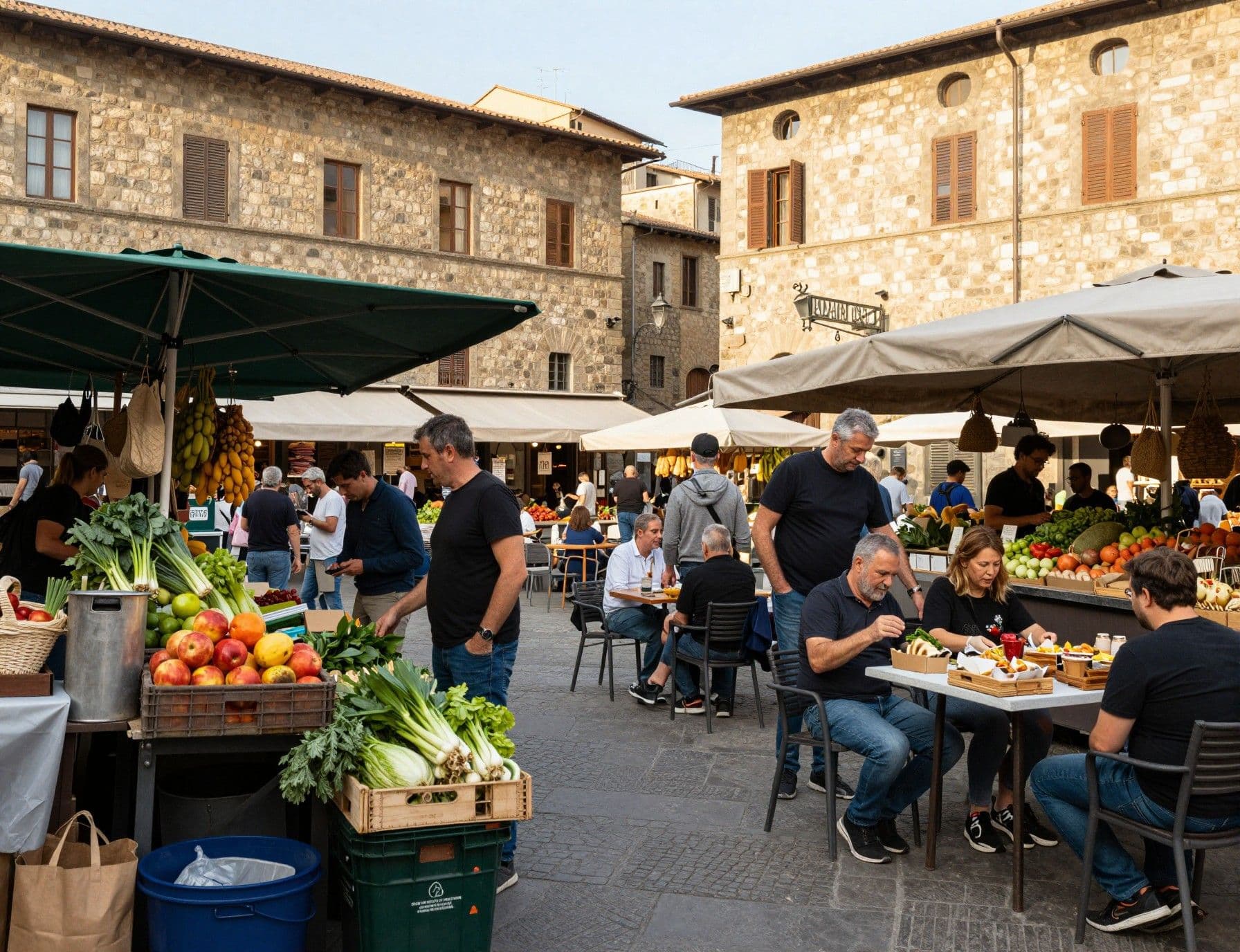
Italy’s romance is practical: morning markets, afternoon passeggiata, and the kind of light that makes small terraces worth their weight in euros. Behind the charm there’s substance — national statistics show a modest uptick in transactions and growing foreign buyer share, which matters because lifestyle demand now underpins price stability in many regions. That combination lets you chase a life, not just a picture.
Neighborhood Spotlight: Rome’s Trastevere, Prati and Via dei Coronari
Trastevere still smells of frying oil and fresh basil; Prati offers ordered streets and morning cafés on Via Cola di Rienzo; and Via dei Coronari gives you antique shops and a lived-in Renaissance skyline. Expat life here is a mix of neighbourhood loyalty and late dinners. For buyers, the trade-off is clear: smaller historic apartments with personality versus modern space a tram-ride away.
Food, Markets and Seasonal Rhythm
Picture Saturday at Mercato di Sant’Ambrogio in Florence, or the fish stalls of Chioggia near Venice: buying in Italy is buying into a calendar of markets and festivals. That rhythm shapes how you use property — kitchens sized for real cooking, storage for seasonal preserves, and outdoor rooms that work five months of the year. When you buy, choose spaces that suit how Italians live, not how listings are staged.
- Lifestyle highlights to look for when scouting properties:
- A local morning café within a five‑minute walk — instant belonging.
- Balcony or small courtyard for afternoon shade and evening aperitivo.
- Nearby market or bottega for fresh, affordable produce and community ties.
Making the Move: Practical Considerations That Keep the Dream Real
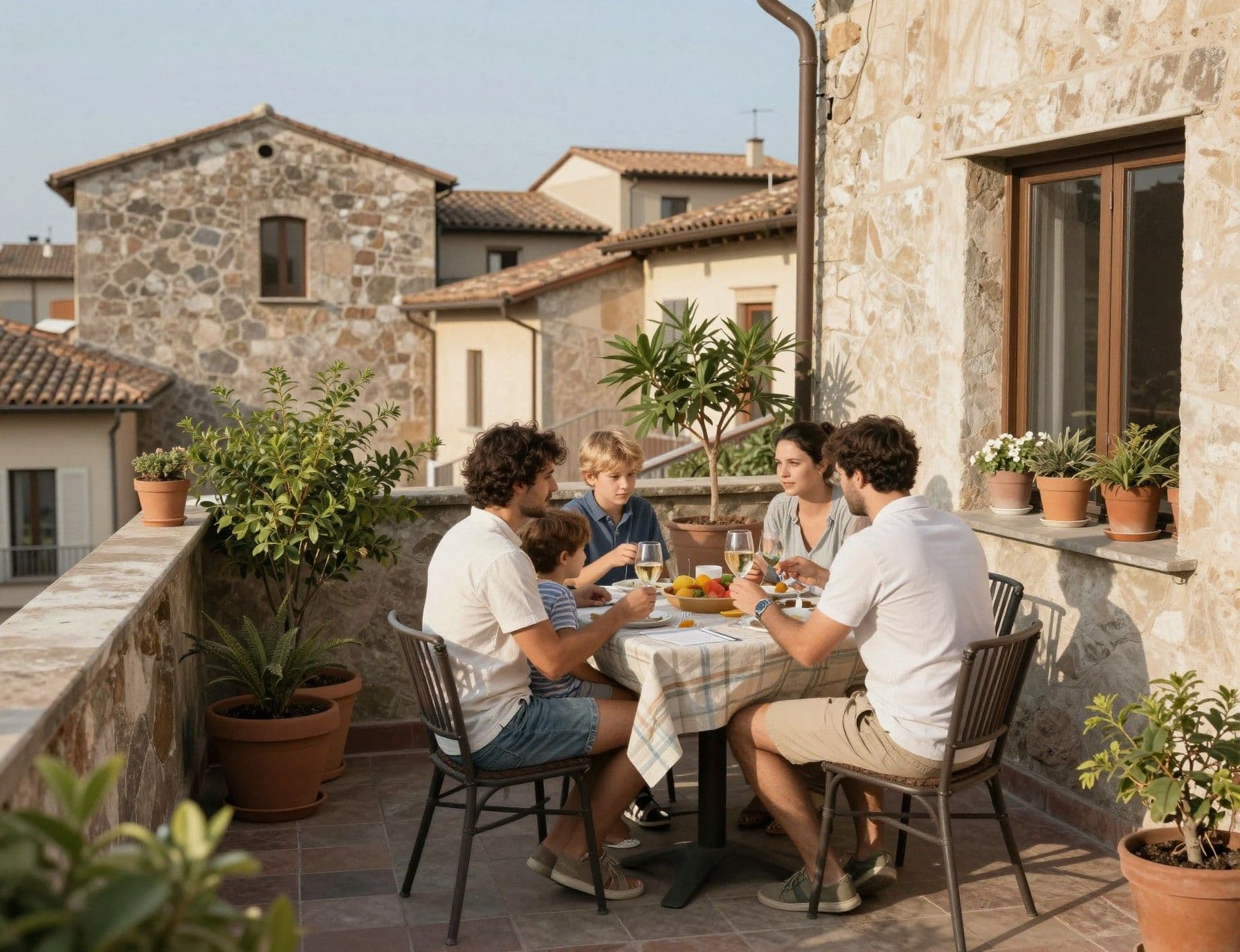
Dreams need scaffolding. As foreign interest rises — some portals report nearly double the share of international transactions in 2025 versus 2024 — you’ll want realistic priorities: must‑have neighbourhood features, renovation appetite, and a clear idea of occupancy (holiday rental, full‑time move, blended use). These choices change where you buy and who you hire locally.
Property styles and how they map to life
Pied-à‑terre in a historic centro feels different to a renovated farmhouse in Puglia. Historic flats offer street life and centrality; countryside stone houses give private land and food production potential; lakeside villas trade privacy for seasonal tourism peaks. Consider maintenance realities: historic façades and wooden beams often require specialists and longer timelines than a modern build.
Working with local experts who know the living details
Choose agents who describe neighbourhood routines (where the best morning coffee is, which street fairs matter) and who can introduce artisans, not just notaries. A good local agent saves money by avoiding costly renovation pitfalls, securing correct cadastral data, and matching your lifestyle to a street-level reality — not a marketing line.
- Steps we recommend before making an offer:
- 1) Spend at least a week living in the neighbourhood on separate visits to test seasons and rhythms.
- 2) Commission a local surveyor to confirm cadastral records and likely renovation scope before bidding.
- 3) Ask your agent for a list of recent comparable sales on the same street (not just the area).
Insider Knowledge: The Little Rules That Change Where You Buy
Expats we talk to wish they’d known how neighbourhood culture — from garbage collection schedules to local festa calendars — shapes daily life. Also, recent data show many foreign buyers now target Rome, Milan and lake districts; knowing where overseas buyers cluster helps you avoid being priced out of the wrong micro‑market. Practical local knowledge changes both daily comfort and long‑term value.
Cultural integration, language and everyday belonging
You don’t need perfect Italian to live here, but small efforts matter: the barista remembers you, the greengrocer trusts you with late orders, and neighbours help with builders. Join language cafés, volunteer at local events, or simply be present at the market — these actions convert a house into a home faster than a glossy renovation.
Long‑term lifestyle: how places evolve
Older downtown areas often gentrify slowly; lakeside and island markets can swing with tourism. Think five to ten years ahead: do you want a street that will stay quiet, or one that will find itself on travel lists? Buying with foresight — not just current charm — protects lifestyle continuity and resale optionality.
Conclusion: Fall for the life, then check the file. Italy is a place you inhabit with senses and seasons — but it rewards buyers who pair emotion with local intelligence. Spend time where you might live, hire advisers who speak about neighbourhood routines as much as paperwork, and use comparative market data to make offers that reflect both lifestyle value and long‑term reality. When you marry the sensory with the practical, you don’t just buy property in Italy — you join a place.
Dutch relocation advisor who moved to Marbella in 2016. Guides Dutch buyers through visa paths, relocation logistics, and balance of lifestyle with value.