Cyprus: Fall for the Life, Secure the File
Live the island first: choose neighborhoods by day-to-day life, then protect the dream with specific Cyprus VAT, transfer-fee and residency checks backed by local experts.
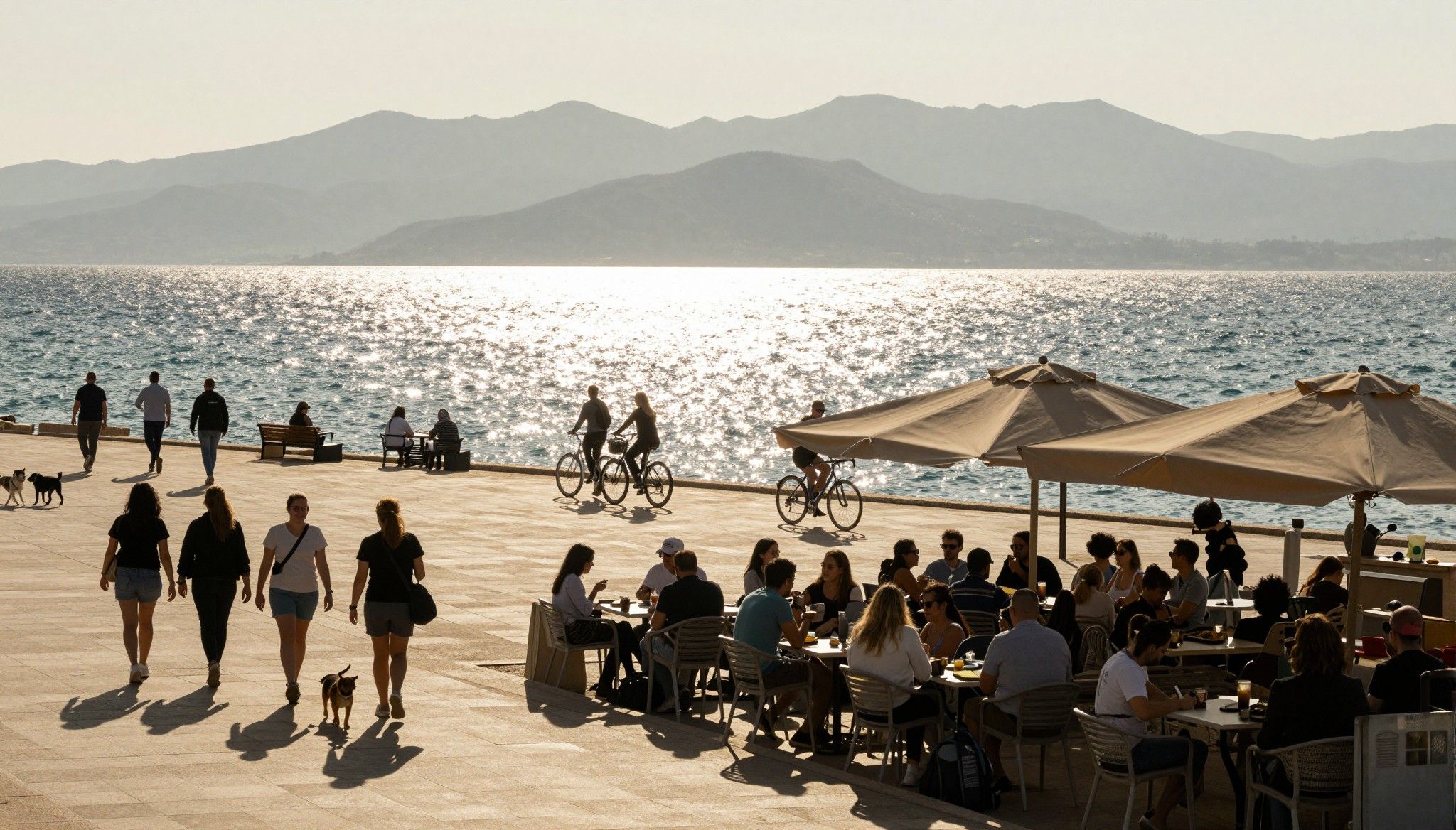
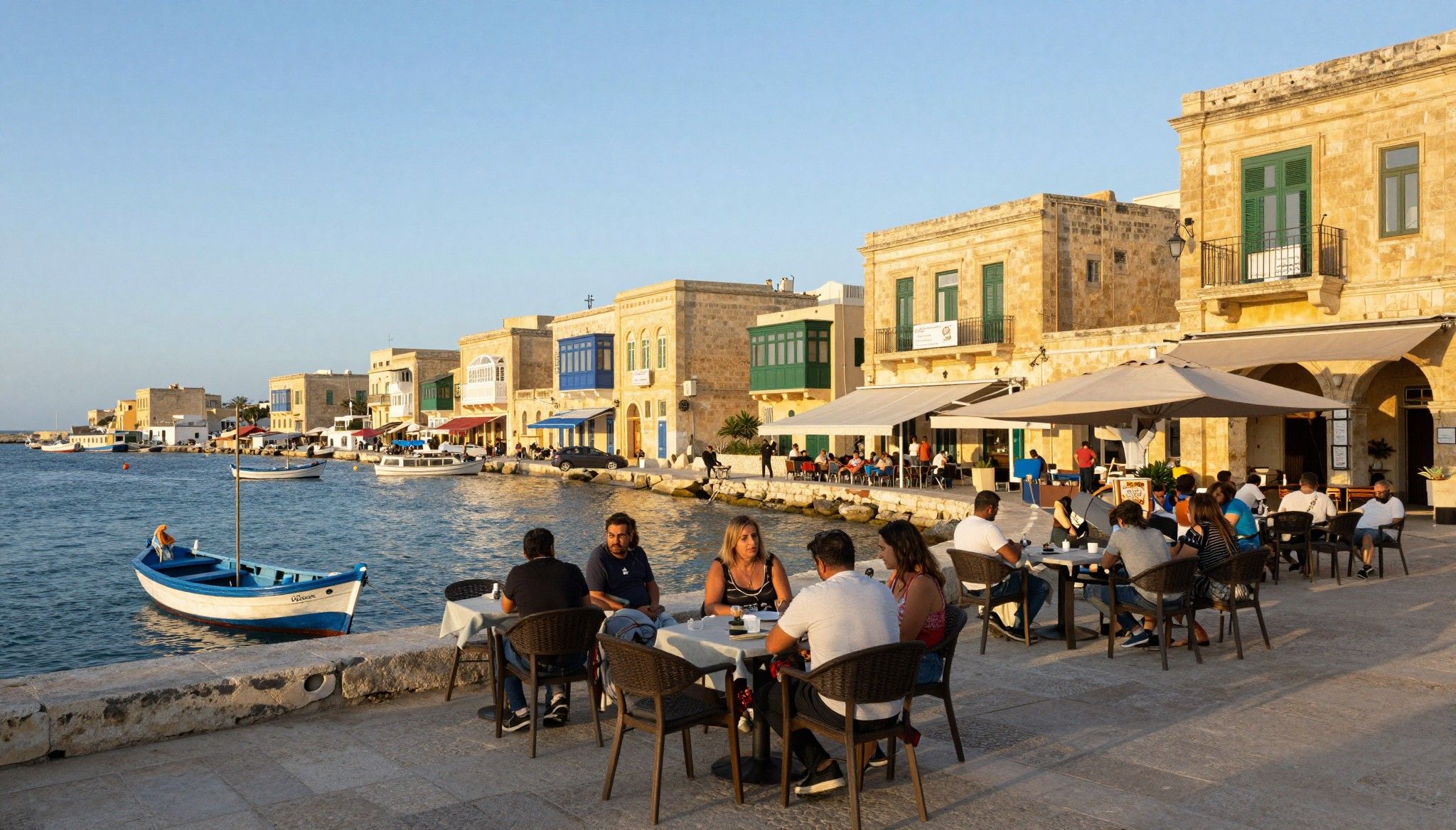
Imagine waking up to the smell of strong coffee on a sunlit terrace in Limassol’s old seafront quarter, or slipping into a quiet taverna lane in Paphos after a morning at the archaeological park. Cyprus moves slowly in the best ways: long lunches, short commutes between sea and mountain, a curious mix of English and Greek in the markets. That rhythm is why buyers fall in love here — and why the legal and tax details matter: a small paperwork mis-step can turn the dream into a paperwork nightmare. We start with the life you want, and then show the exact legal steps that let you live it safely.
Living the Cyprus Lifestyle
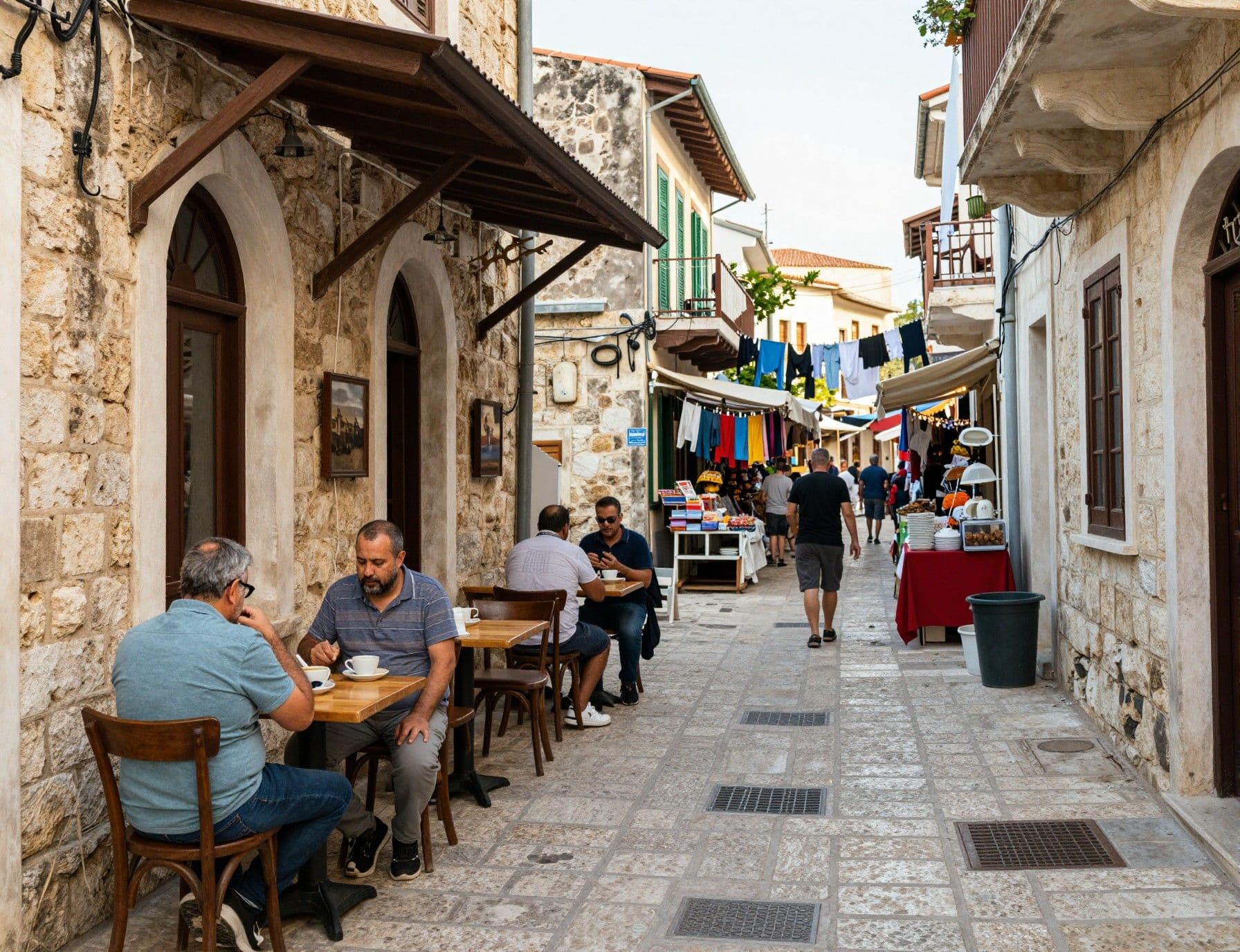
Cyprus is Mediterranean sun framed by narrow streets and village squares where neighbours still greet each other by name. Days are measured in market visits, sea dips and late dinners; neighbourhoods have distinct personalities — Limassol’s cosmopolitan seafront, Paphos’s seaside archaeology and old-town cafes, Larnaca’s quieter marina and local bars, and the slow, olive-tree cadence of the Troodos villages. That diversity matters when you pick a property: coastal apartment living delivers a different daily life — and a different set of regulations and tax treatments — than a renovated stone house in a mountain hamlet.
Spotlight: Limassol’s Old Port and Molos
Picture barefoot, coffee-in-hand walks along Molos, small fish tavernas that know your order after two visits, and narrow streets where new boutique condos sit next to 1970s apartment blocks. Investors are drawn to short-term holiday rental demand here, while families prize schools and English-speaking services closer to Agios Athanasios. If you want sea, cafes and a lively expat crowd, this is where to start — but expect VAT on new developments and different transfer-fee math on resales (more below).
Food, Markets and Seasonal Life
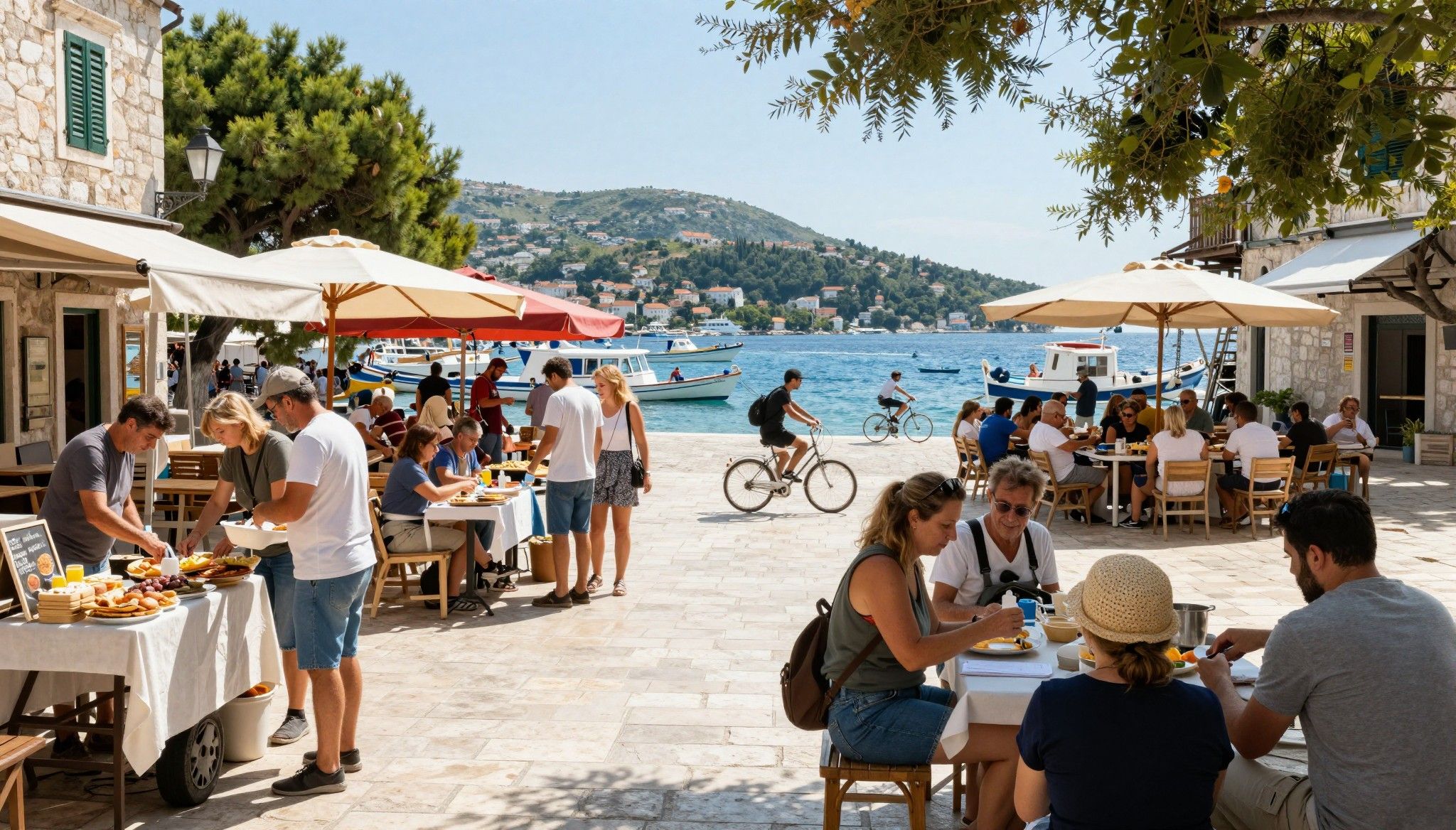
Weekends in Cyprus are a sensory map: the fish market in Larnaca before sunrise; the farmers’ market in Limassol’s Emba for feta and local honey; a Paphos vineyard tasting after a morning swim. Seasonal life affects property use and value — summer rental peaks, quieter winters, and spring wildflowers in the hills — and those rhythms should shape how you plan occupancy, rental potential and maintenance budgets.
Making the Move: Practical Considerations
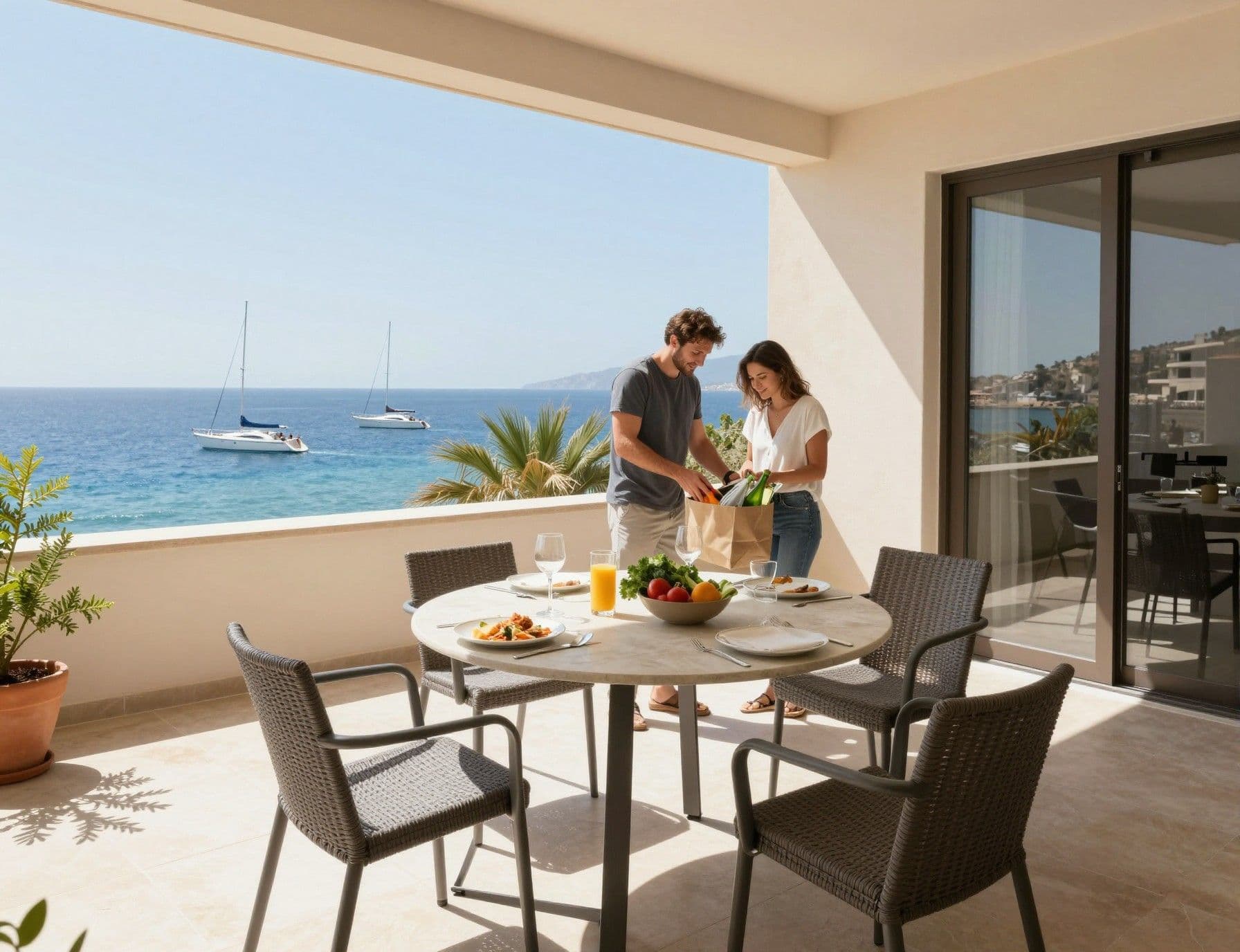
The paperwork in Cyprus is straightforward if you respect two rules: get good local legal counsel and budget for the real headline costs. New-build sales typically attract VAT (standard rate 19%) while resales usually attract transfer fees and stamp duty. That split changes the arithmetic — a new apartment at market price might look more expensive until you run the VAT-versus-transfer-fee numbers next to possible rental income and resale scenarios.
Property styles and what they mean for living
New seafront developments offer pools, management companies and clear warranties — handy if you plan short-term letting or want low maintenance. Traditional stone houses in the Troodos demand renovation budgets but reward you with cooler summers and a different pace of life. Legally, new developments are usually VAT-liable and must comply with developer warranties; older homes will usually involve transfer fees and sometimes additional planning checks if renovated.
How local experts protect the lifestyle you buy
Work with lawyers who read deeds in Greek and English, estate agents who actually show neighbourhoods (not only listings), and accountants who explain how non-dom status or residency will affect your tax bill. Here’s a practical sequence that blends lifestyle and legality:
- 1. Choose the area and visit in-season and off-season to sense lifestyle fluctuations. 2. Ask for full title-deed history and planning permits before any offer. 3. Run VAT vs resale transfer-fee scenarios with your accountant. 4. Use a local lawyer to draft conditional contracts protecting deposits and completion timelines. 5. Register the contract and pay stamp duty within statutory timeframes to avoid penalties.
Insider Knowledge: What Expats Wish They'd Known
Real talk from people who moved here: English gets you far in deeds offices and shops, but Greek is the social pass to neighbours and village life. Expect bureaucracy to take its time — registrations, utilities and municipal approvals can be slower than in major EU cities. That patience is part of the reward: deeper community ties, cheaper local produce and time to enjoy life. Yet paperwork delays can affect rental income start dates or mortgage drawdowns if you’re not prepared.
Cultural integration and community
Join a local taverna table, learn basic Greek phrases, and you’ll find neighbours who help with tradespeople and local admin. Expat groups in Limassol and Paphos are active and helpful, but if you want the mountain-slow life, budget for occasional travel and seasonal isolation. For families, international schools cluster around Limassol and Nicosia; for remote workers, check broadband availability at the property rather than trusting the town’s summary listing.
Long-term considerations: resale, inheritance and tax status
Cyprus taxes capital gains on property located in Cyprus, and rules around non-domiciled status can affect withholding and defence contribution liabilities. Estate planning is often overlooked: local inheritance rules and wills should be arranged in Cyprus as well as your home country to avoid probate delays. These are the sorts of details that protect what you’ve bought — and preserve the life you imagined here.
- Practical red flags to watch for before signing - Incomplete title deeds or multiple owners not present on the deed. - Unpermitted renovations or extensions lacking planning approval. - VAT vs transfer-fee confusion on developer contracts. - Unclear service‑charge rules for communal areas in developments. - Promises of residency tied to investments without official, written policy backing.
We’ve seen buyers fall in love with a view, rush the deposit and later discover a missing permit or unresolved mortgage on title. The counterintuitive truth: the slower route — checks, certified translations, and repeated site visits — often saves more money and stress than any ‘hot’ bargain. Treat the lifestyle as the purchase’s purpose, and the legal and tax work as the guardrails that let that life continue.
- A simple action plan for international buyers 1. Spend 7–10 days exploring two seasons in your target area (summer and late autumn). 2. Get a local lawyer to run a title search and planning history before making offers. 3. Ask your accountant for a VAT vs transfer-fee scenario and tax residency implications. 4. Negotiate conditional deposit protections (release upon cleared title and permits). 5. Line up a property manager for the first 12 months to protect income and maintenance while you settle.
If Cyprus feels like a choice between sunlit afternoons and careful paperwork, it is — and that’s fine. The island rewards patience with a Mediterranean life that’s hard to beat, provided you protect it with proper legal, tax and community planning. When you’re ready, work with advisers who know the neighbourhoods as well as the statutes; they’re the ones who translate the daily pleasures into a secure ownership plan.
Conclusion: fall for the life, secure the file
Cyprus is a place you taste before you buy: the coffee, the sea, the neighborhoods. Let lifestyle lead your shortlist, then let rigorous legal and tax work protect it. If you’d like, we can connect you with Cypriot lawyers and accountants who specialise in international buyers and will run the VAT/transfer-fee scenarios specific to your purchase. Live the island — but buy the file.
British expat who relocated to Marbella in 2012. Specializes in rigorous due diligence and cross-border investment strategies for UK and international buyers.