Why Valletta Often Outperforms the Coast
Valletta’s lived‑in streets often deliver better daily life and long‑term value than obvious seafront premiums — pair lifestyle priorities with NSO transaction data.
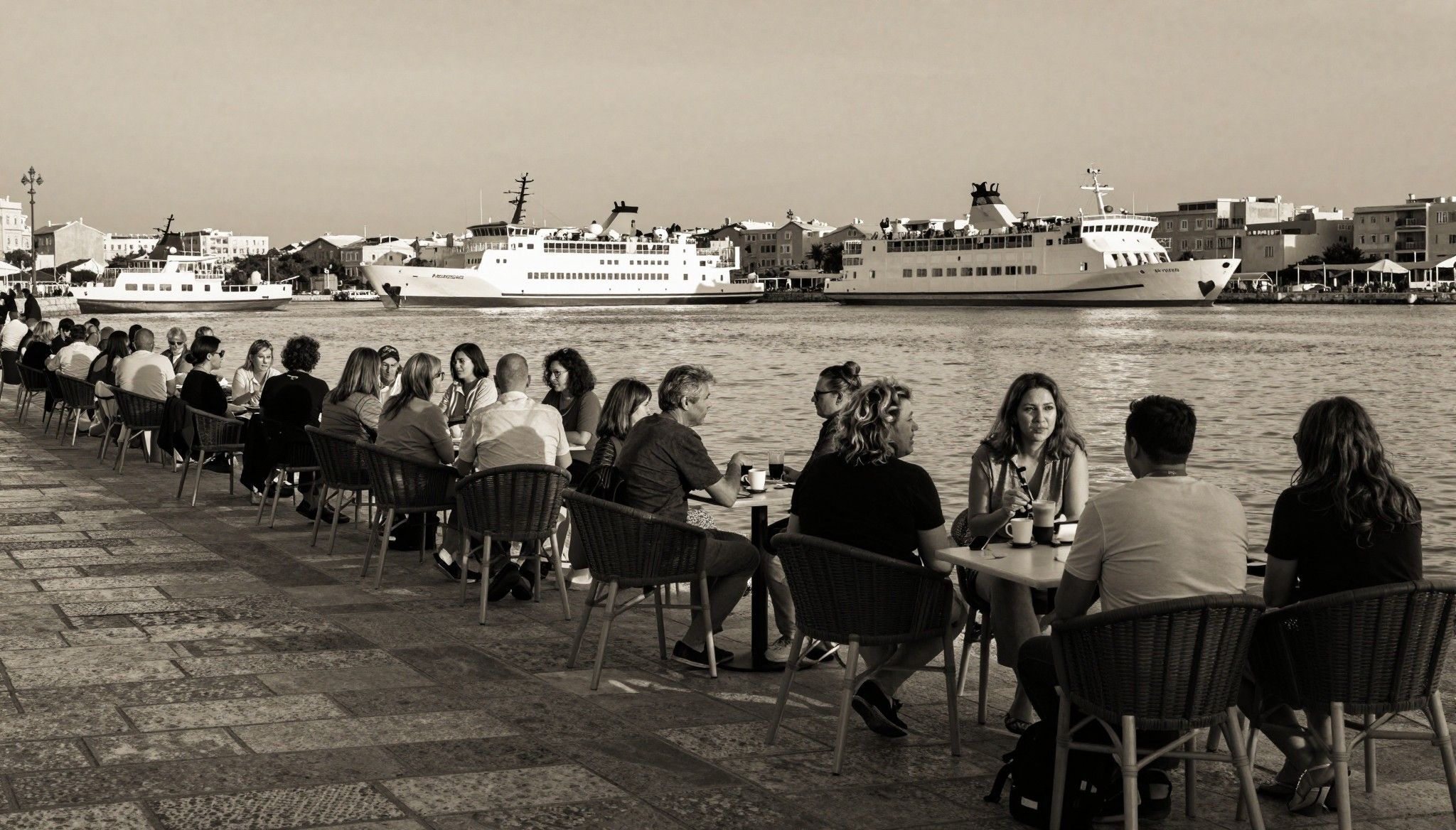
Imagine starting your morning with a strong espresso on a narrow Valletta street, then walking five minutes to a boutique grocery for fresh gbejniet before the ferries arrive. Malta is compact enough that neighbourhood choice changes your day: sunlight on limestone, late-night festas, cafés that double as offices. That feeling — dense, lived-in, walkable — is exactly why we think some buyers overpay for sea views when the real lifestyle premium is elsewhere.
Living Malta: what it actually feels like
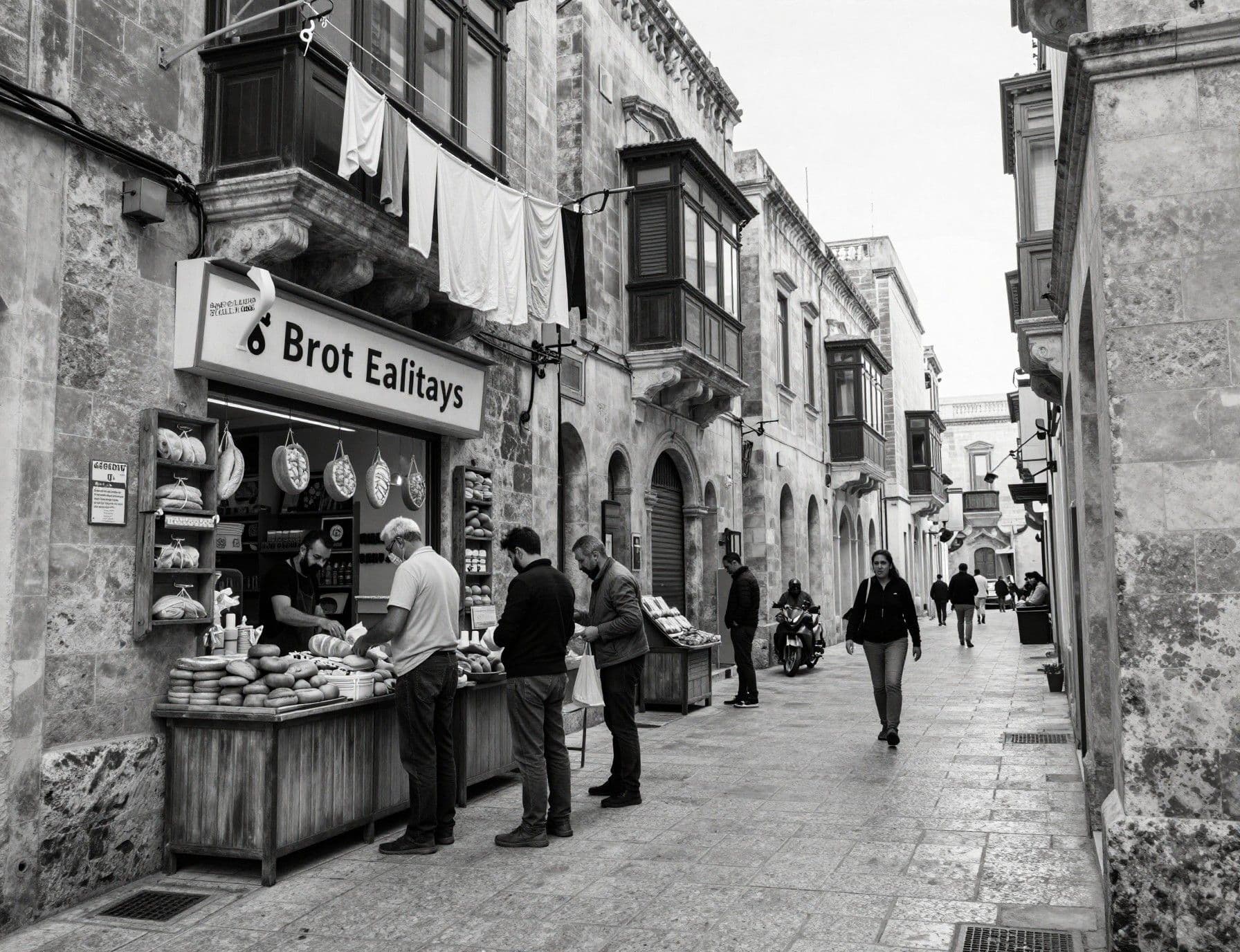
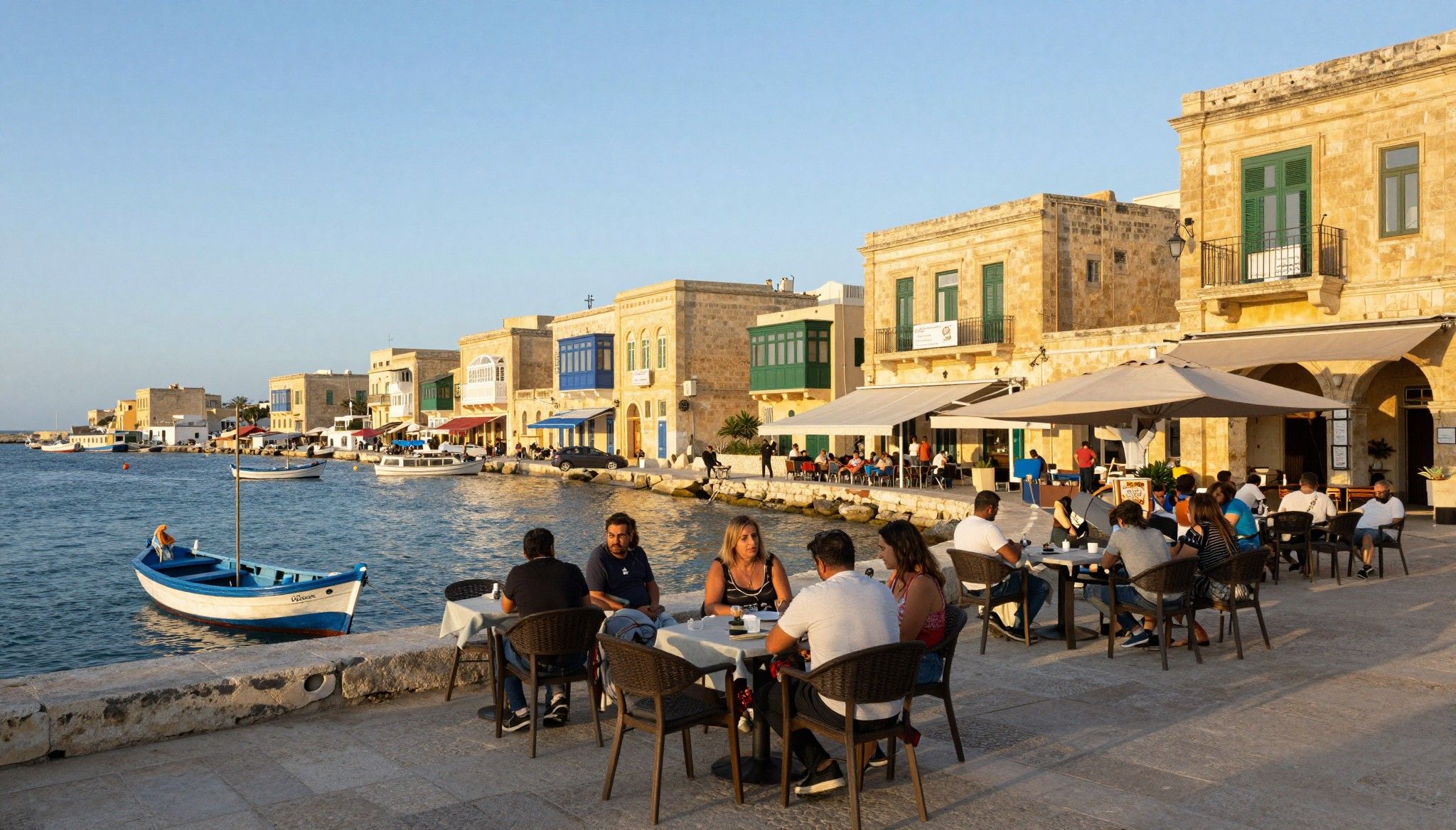
Day-to-day life in Malta mixes Mediterranean ritual with island scale. Valletta’s honey‑coloured streets hum with offices, artisan bakeries and rooftop terraces, while Sliema and St Julian’s trade that intimate urbanity for seafront promenades, bars and apartment blocks. Even in quieter towns like Marsaxlokk or Mellieħa, you’re always within half an hour of the capital — and that accessibility shapes what buyers actually use from their homes.
Valletta, streets that earn you time back
Valletta isn’t just a skyline — it’s a working city. Choose a three‑bed maisonette on St Christopher Street and you can cut commuting to work, access morning markets on Merchant Street, and be home for weekday dinners. Those minutes add up. For buyers who prize daily life over holiday staging, inner‑city properties often deliver the clearest quality‑of‑life returns.
Seafront towns: the obvious romance (and the trade‑offs)
Sliema, St Julian’s and the north coast give immediate sea access and rental demand — which explains the premium. But that premium masks trade‑offs: traffic noise, denser construction, and less character in certain new blocks. Recent official indices show steady price growth across types, but premiums concentrate where buyers expect 'holiday' life rather than the daily routines most expats actually keep. See the RPPI for transaction‑based trends.
- Lifestyle highlights to weigh when picking a Maltese neighbourhood
- Valletta’s terraces and short walks to cafés and theatres
- Sliema and St Julian’s promenades, gyms and expat social circuits
- Mellieħa and Gozo for slower coastal living and larger gardens
Making the move: property choices that match how you’ll live
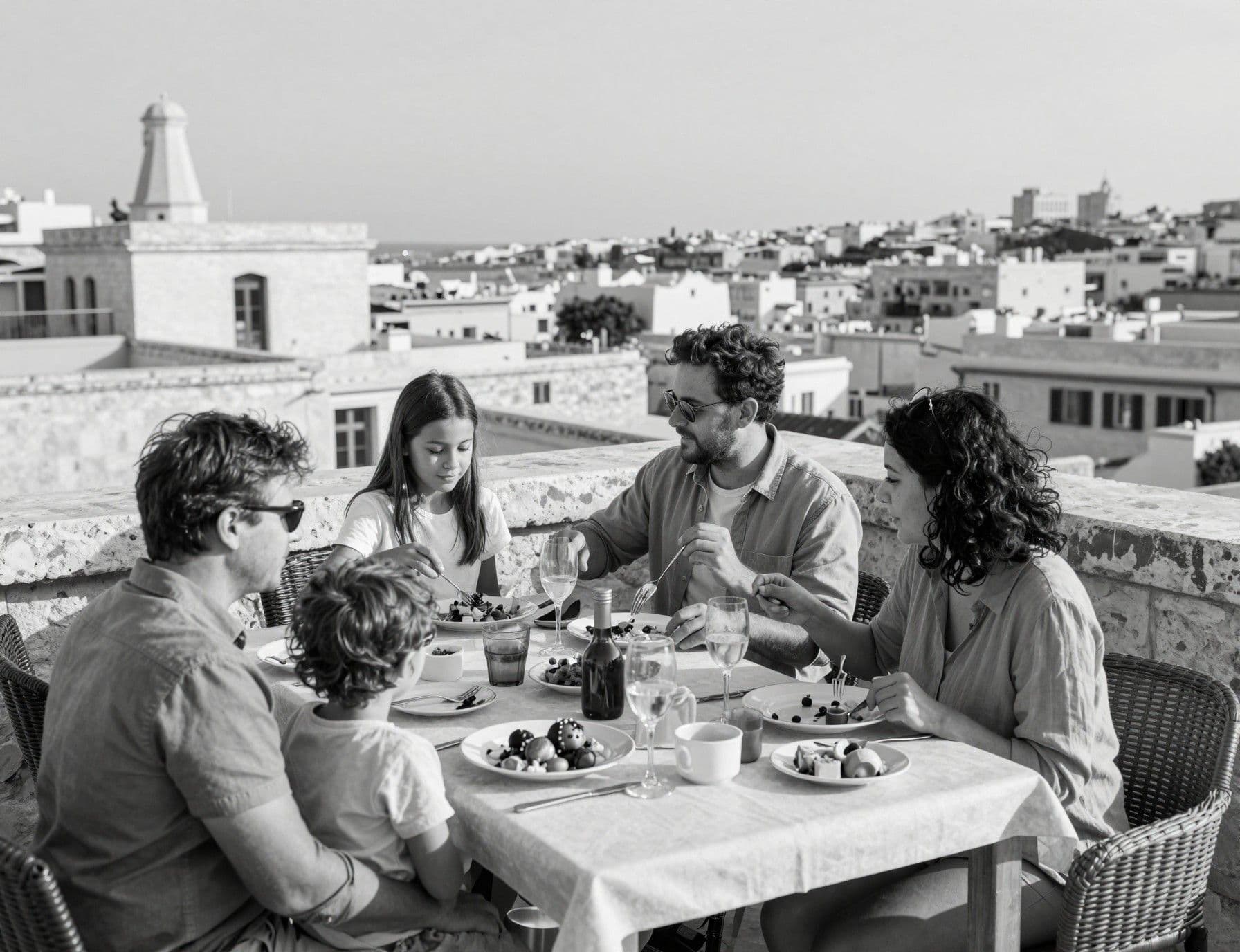
Dreaming of terraces and limestone charm is one thing; buying a property that sustains that life is another. Malta’s stock runs from refurbished palazzos to mid‑rise apartment blocks and modern gated developments. Your chosen property should reflect daily needs — workspace, storage, alfresco dining — not just Instagram views. Market reports from local analysts and consultancies make clear which sub‑markets are growing, but your lifestyle checklist should come first.
Property types and what they mean for living here
Maisonettes and townhouses give that old‑stone character and private outdoor steps, great for hosting in small groups. Apartments win on convenience and maintenance, especially in Sliema and St Julian’s. Farmhouses or Villini in Gozo and rural Malta bring gardens and quiet but expect longer drives. Consider insulation, summer heat and AC provision — older stone properties can be cool in winter but warm in summer unless retrofitted.
Work with local experts who translate lifestyle into listings
A good local agent does more than show homes — they map commute times, explain community rhythms, and flag building‑by‑building differences in maintenance and governance. In Malta, agencies with strong local networks also help with utility connections, planning permission nuances and arranging surveys. Recent market writeups list neighbourhoods where premium growth is concentrated; use those as conversation starters, not final decisions.
- A 5‑step lifestyle‑led checklist to bring to viewings
- List your daily routines (work, kids’ school, shops) and compare walking times
- Inspect sunlight and cross‑ventilation at different times of day
- Check building management, service charges and who owns the roof/terrace
- Ask neighbours about the real noise patterns and local festivals
- Confirm permit history and any planned developments nearby
Insider knowledge: what expats wish they'd known
Expat stories repeat the same themes: you under‑estimate the importance of neighbour relations, you over‑value a sea view if you rarely use it, and you don’t budget properly for building upkeep. Macro reports note household exposure to property risk, which makes due diligence essential. In short: lifestyle fits the property, not the other way round.
Language, friendship and the festa calendar
English is an official language in Malta, which eases integration. But community life orbits parishes, clubs and festa dates; being present at a village festa can accelerate friendships more than joining an expat group. If you want to be part of that life, prioritise neighbourhoods with active community calendars and smaller, mixed housing stocks.
Longer view: how life evolves after 3–5 years
After a few years you’ll notice priorities shift — more storage, less nightlife, better access to green space. Official figures show steady price increases in recent years, which can lock in equity but also squeeze choice in popular corridors. Plan for evolving needs and work with agents who revisit your brief after you’ve lived in Malta for a season.
- Common expat red flags we see (and how to avoid them)
- Buying sight unseen without a trusted local surveyor
- Assuming advertised square metres include outdoor terraces
- Ignoring service charge histories in converted buildings
- Practical steps to protect lifestyle value when buying in Malta
- 1. Commission a local structural and electrical survey before contracts
- 2. Verify outdoor space ownership and exact habitable area
- 3. Ask agents for transaction‑based price evidence (not just asking prices) and cross‑check with official indices like the NSO RPPI.
When to call an agent (and what to ask)
Call an agent once you have a short list of neighbourhoods and a clear lifestyle brief. Ask them for three recent transactions in your price band, the typical days‑on‑market, and any planned developments within a 500‑metre radius. A confident local will offer neighbourhood trade‑offs, not sales fluff.
We love Malta for its scale and the ease with which daily life becomes rich and manageable. If you want mornings in a café, afternoons by a small bay and evenings on a terrace with neighbours in conversation, focus first on the streets where that happens habitually. Then work the market data and local advice into a purchase that protects the life you imagined.
British expat who relocated to Marbella in 2012. Specializes in rigorous due diligence and cross-border investment strategies for UK and international buyers.