Why Malta’s Island Premium Misleads Buyers
Malta's charm creates an 'island premium'—we unpack how lifestyle advantages meet real market data and what to check before you buy.
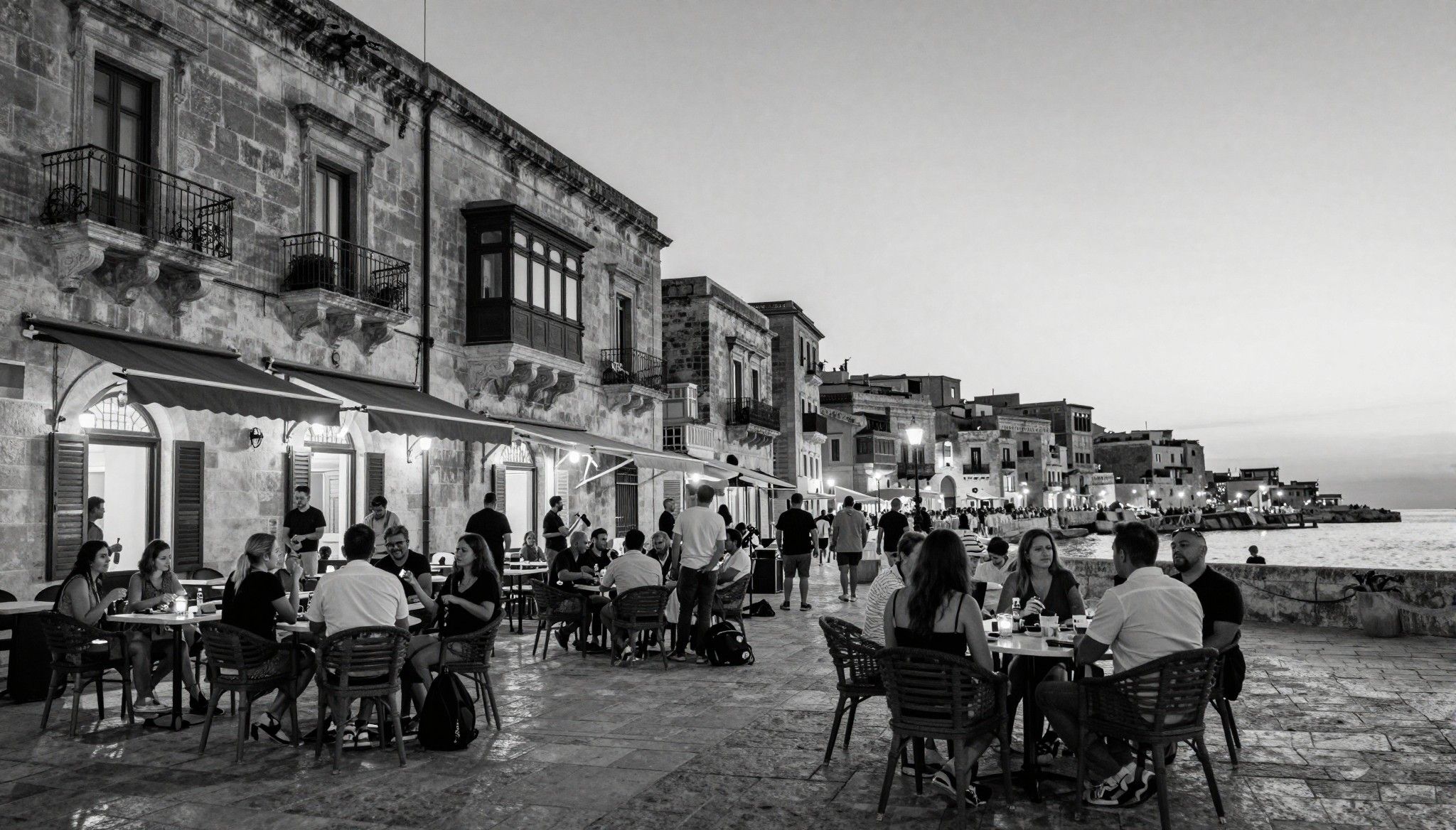
Imagine stepping off the ferry into Valletta at dusk: limestone facades glow, a band plays in a tucked piazza, and cafés thread the city like lifelines. Malta sells that moment — compact, convivial, unmistakably Mediterranean — but the price tag is more complicated than the postcard. We open with the life you can have here, then cut through the island premium myths so you make a decision that’s both romantic and rational.
Living the Malta lifestyle
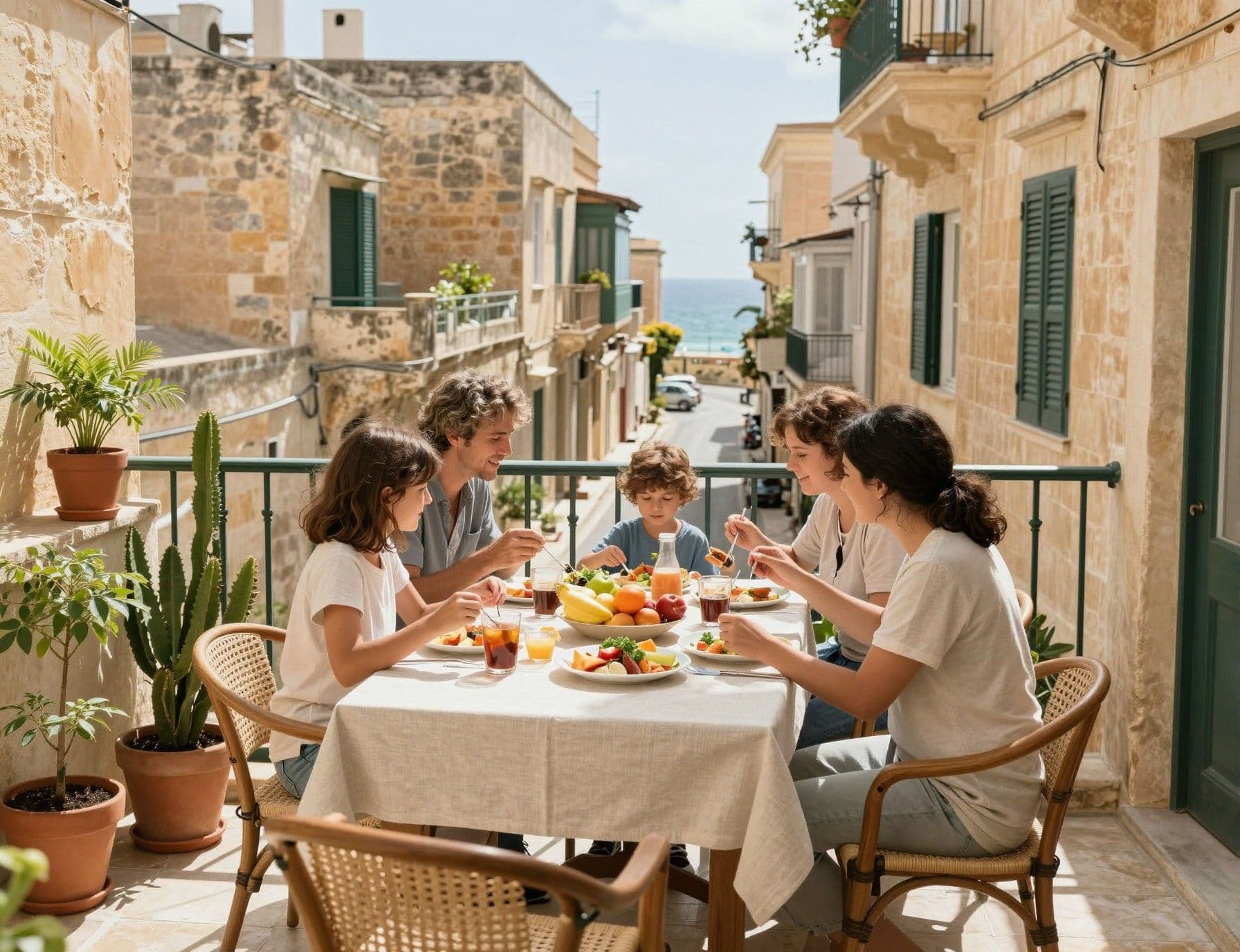
Daily life in Malta is small‑scale and richly textured. Mornings are for espresso at Sliema’s promenade or a market run in Marsaxlokk; afternoons for a rocky swim at St. Peter’s Pool or wandering Mdina’s silent lanes. English is widely spoken, which flattens barriers for newcomers, but the rhythm is local: late dinners, strong neighbourhood ties, and festivals that animate whole towns.
Valletta, Sliema and St Julian’s — three different Maltas
Valletta is intimate and theatrical: narrow streets, ornate balconies, a walkable civic centre. Sliema feels more residential and modern — promenades, boutique shops, late‑night cafés. St Julian’s (and Spinola Bay) pulses with younger crowds, restaurants and bars. Each offers a different day-to-day: Valletta for history, Sliema for seaside town life, St Julian’s for nightlife and short‑let demand.
Food, markets and the weekend ritual
Weekends mean family lunches of rabbit stew or lampuki pie, a sweep through local markets (Paceville’s is touristy; the Marsaxlokk fish market is genuine), and a late afternoon swim. Cafés double as social hubs — Habitation cafés in Sliema or tiny Valletta coffee bars where expats and locals exchange news. For buyers, that social map often dictates which street you’ll want to be on.
- Lifestyle highlights
- Walkable historic centres: Valletta, Mdina
- Seafront promenades: Sliema and Tigné Point
- Fishing market mornings: Marsaxlokk
Making the move: practical considerations
The daydream hits first; then the file. Malta’s market has shown steady price growth in recent years, with official statistics tracking rises in the Residential Property Price Index. That matters: supply is tight on a small island, which compresses choice and raises the premium for well‑located homes. Translating lifestyle into a property brief — terrace access, cross‑ventilation for summer, proximity to a marina or market — saves you time and prevents costly compromises.
Property styles and what they mean for living here
You’ll choose between apartment living (most common), maisonettes with street entrances, or townhouses in older quarters. Apartments near the waterfront give easy sea access and rental potential; maisonettes offer outdoor ground‑floor space; period houses in Mdina and Rabat bring character but often need structural upgrades. Think beyond square metres: consider thermal comfort (lime stone holds heat), shaded outdoor space, and storage for seasonal gear.
Work with local experts who speak both life and law
Agencies here do more than show houses. Good ones map neighbourhood routines, advise on seasonal ventilation and insulation, and flag local planning quirks. They’ll also connect you to lawyers familiar with Maltese conveyancing and residency pathways — particularly relevant now that citizenship‑by‑investment routes were challenged at the EU level and residency programmes have been updated. Your agent should be as fluent in lifestyle trade‑offs as they are in paperwork.
- Steps to match lifestyle with legal reality
- Clarify your primary use (full‑time, part‑time, short‑let) and list must‑have neighbourhood features.
- Ask for recent RPPI or transaction data for your target streets; compare advertised vs transacted prices.
- Build a short list of local lawyers and planners before making an offer to anticipate permit or renovation limits.
Insider knowledge: what expats wish they'd known
The most common regret we hear: buying a view rather than a life. A sea view is lovely, but if that apartment is a 40‑minute commute to the international school you need, the romance fades fast. Also: short‑let demand can prop up yields in St Julian’s and Sliema, but new rules and seasonal volatility mean rental income isn’t guaranteed. Plan for contingencies and test a neighbourhood with a month‑long stay before committing.
Cultural integration, language and community
English as an official language accelerates social integration, but local networks matter. Attend festa nights, shop weekly at the market, and learn a few Maltese phrases — these tiny gestures unlock invitations and practical help when you need tradespeople or school recommendations. Many expats find their community in Sliema cafés, international schools around Pembroke, or Gozo’s quieter villages.
Long‑term lifestyle and what to expect in five years
Expect gradual densification in sought‑after pockets, a continued tilt toward apartment living, and policy shifts that respond to tourism pressures. Energy retrofits are rising as buyers prioritise comfort and cost control. If you plan to live here long term, seek properties with upgrade potential rather than chasing speculative short‑term rental yields.
- Red flags and what to check on a viewing
- Poor ventilation or no shaded outdoor space (heat can linger in limestone homes).
- Unclear ownership or malformed title documents — insist on lawyer verification.
- High advertised yields without documented occupancy history; ask for management accounts.
Conclusion: fall for the life, but buy the daily rhythms. Malta rewards those who prioritise lived experience — a morning dip, a favourite café, neighbours you know by name — over headline returns. Use local data (NSO RPPI), talk to agents who actually live in the neighbourhoods they sell, and make a short exploratory stay before you sign. If you want, we can connect you with vetted Maltese agents and lawyers who balance lifestyle instincts with paperwork.
Swedish expat who moved from Stockholm to Marbella in 2018. Specializes in cross-border legal navigation and residency considerations for Scandinavian buyers.