Why Cyprus’s 'Expensive' Label Hides Local Value
Cyprus feels like a postcard, but its price story is local. Read neighbourhood splits, official indices and seasonal buying tips to match lifestyle with sound data.
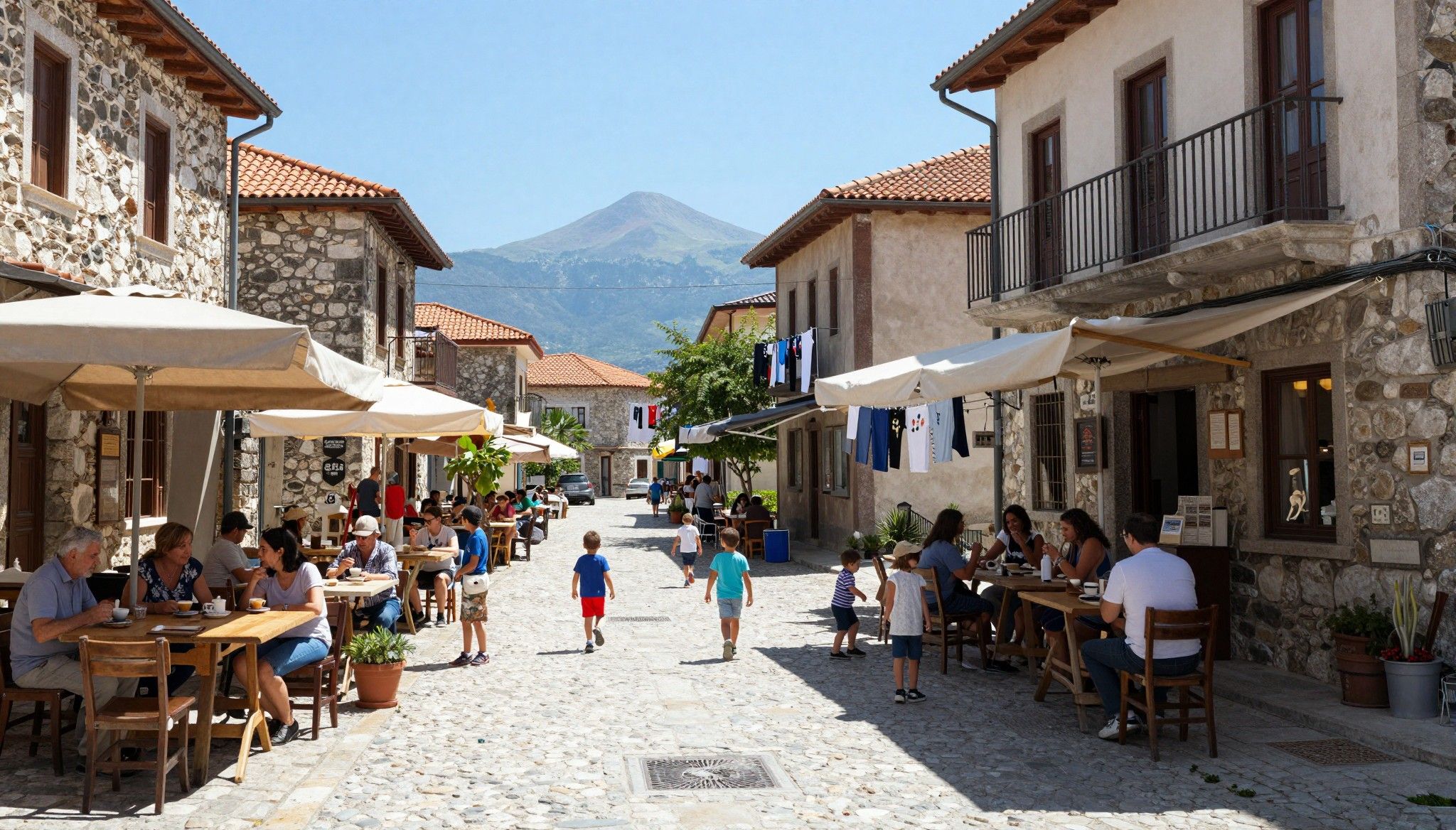
Imagine waking to a neighborhood where an espresso shop on the corner still knows your name, the sea is a 20‑minute walk, and Saturday fruit markets smell of citrus and thyme. That’s Cyprus — sunlit mornings in Limassol, the slow rhythm of Paphos, olive groves above Platres — and it’s the feeling many international buyers fall in love with before they read a single chart. But feelings need facts. Prices have been rising, yes — and the story of where and why is more nuanced than headlines say.
Living Cyprus: rhythm, neighborhoods and everyday pleasures
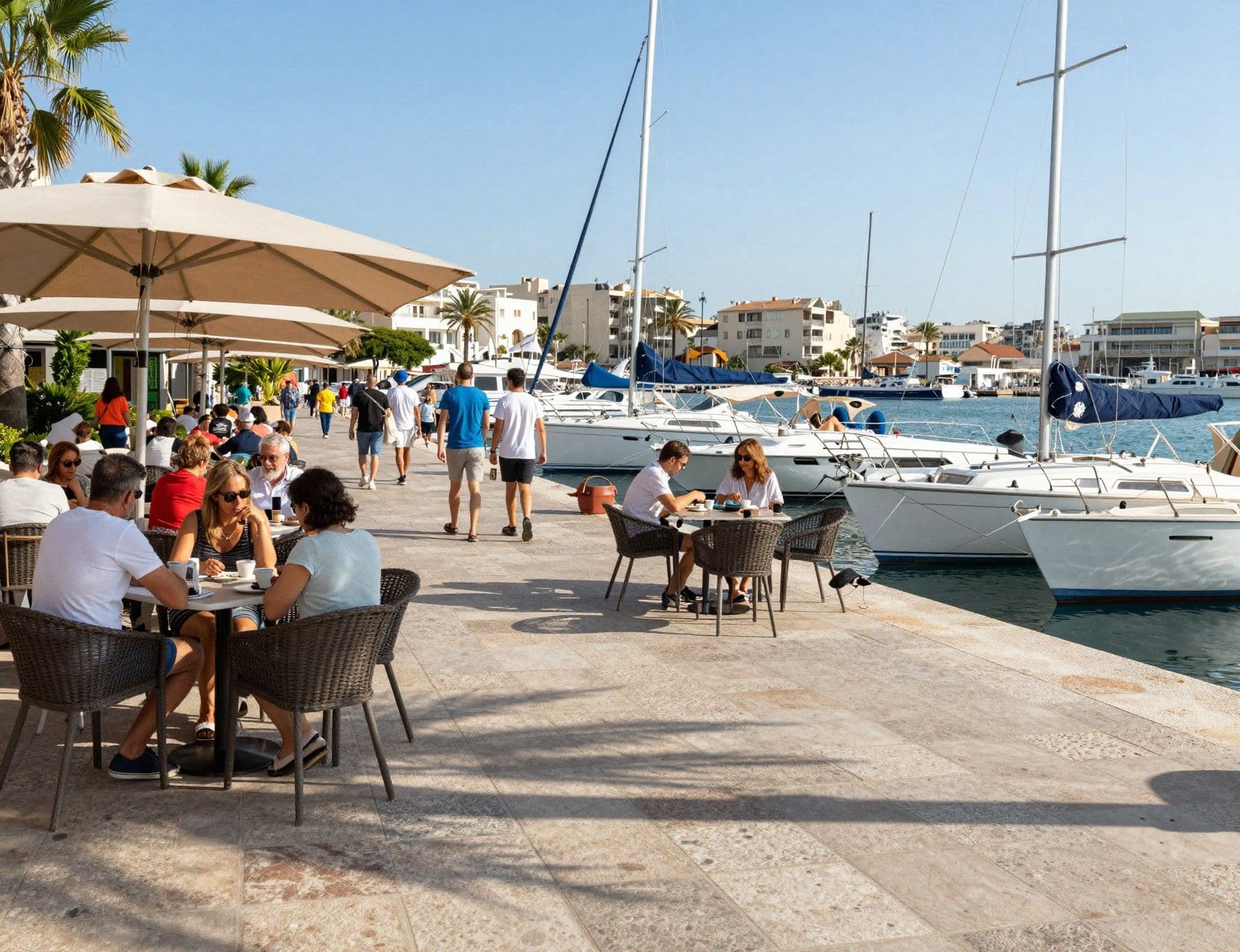
Cyprus is not one place — it’s a handful of lifestyles tied to geography. The coast hums with marina energy and café terraces; the interior moves at olive‑press pace. Recent official data show national price gains, but they mask major differences between cities, villages and coastlines. Read the numbers with a map: where you buy matters as much as whether you buy.
Limassol — the working marina and evening buzz
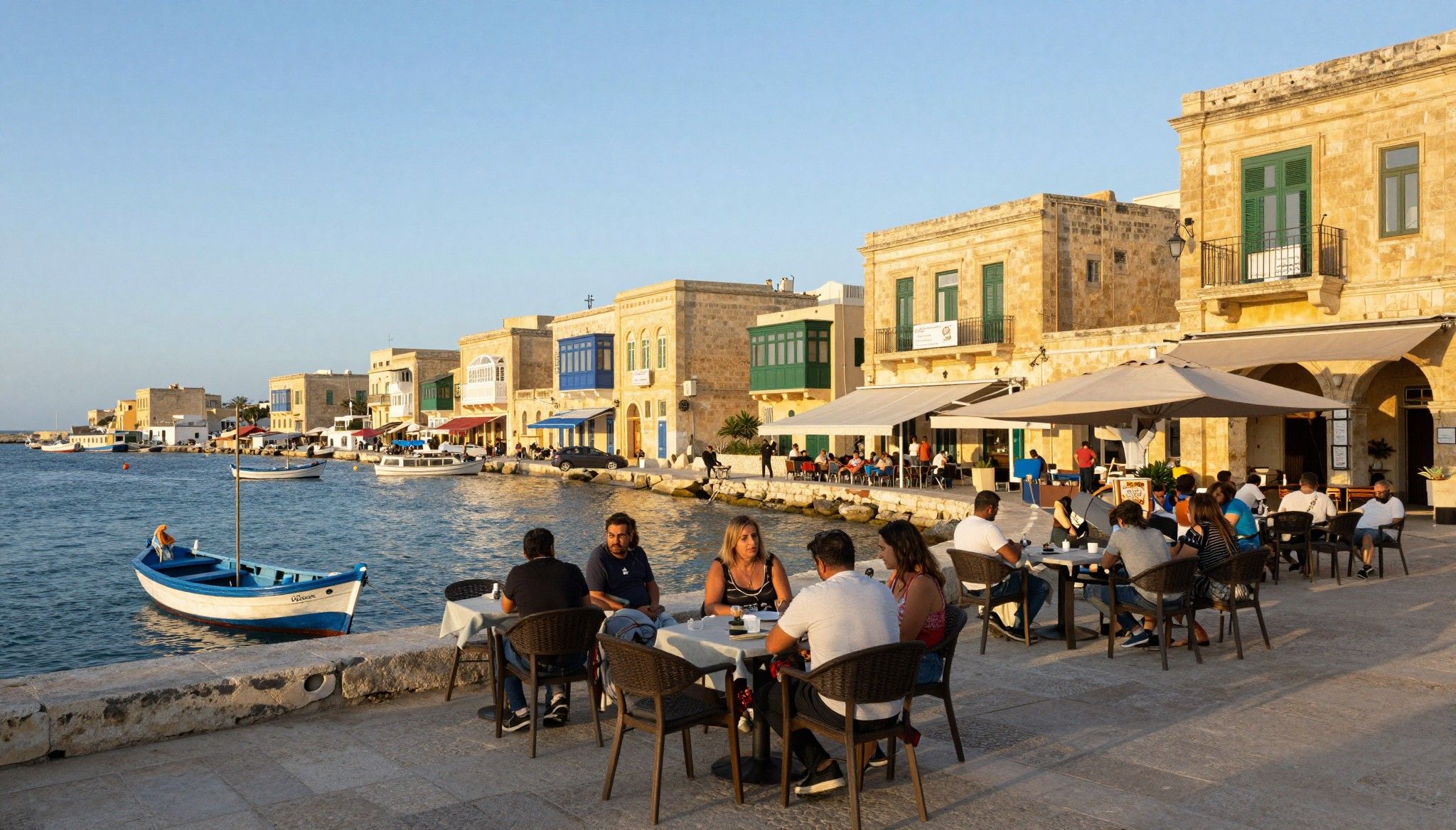
Limassol is where yachts, restaurants and new developments meet a large expat community. Streets like Anexartisias and the marina promenade pulse late into the evening. Expect more new‑build apartments, higher asking prices near the seafront, and genuine rental demand from young professionals — which is why buyers focused on yield and lifestyle often concentrate here.
Paphos & Larnaca — quieter value corridors
Paphos offers relaxed coastal towns and old‑town charm; Larnaca mixes an accessible airport with a growing marina scene. Both have seen steady transaction volumes and are where buyers often find a better balance between lifestyle and price. In short: the island’s ‘expensive’ label compresses very different realities into one headline.
- Morning espresso on Limassol’s marina promenade
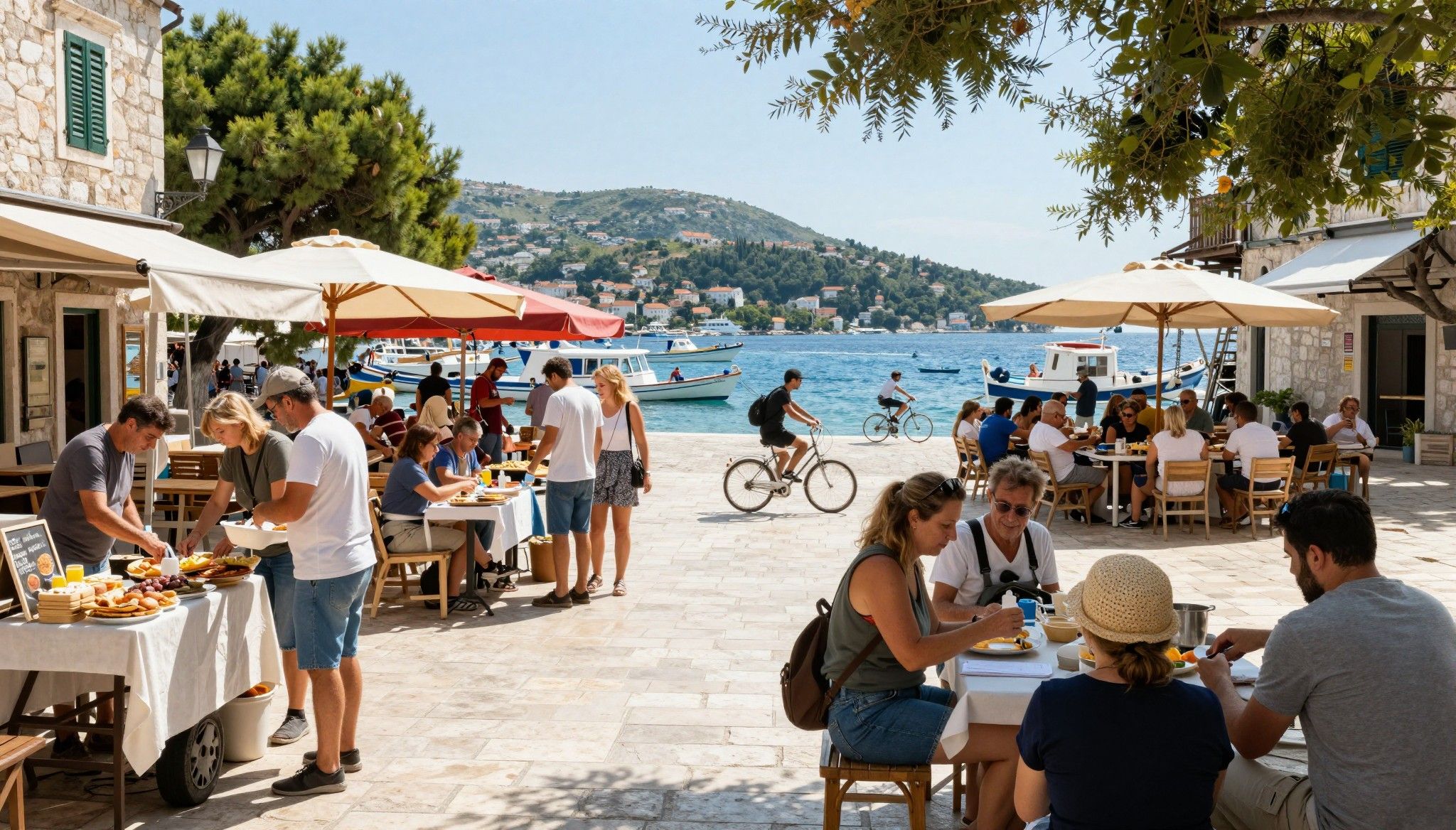
- Saturday market at Ledra Street‑style stalls in Paphos
- Olive grove walks and village tavernas above Troodos
- Sunset on Larnaca’s Finikoudes promenade with late cafés
Making the move: match the market to the life you crave
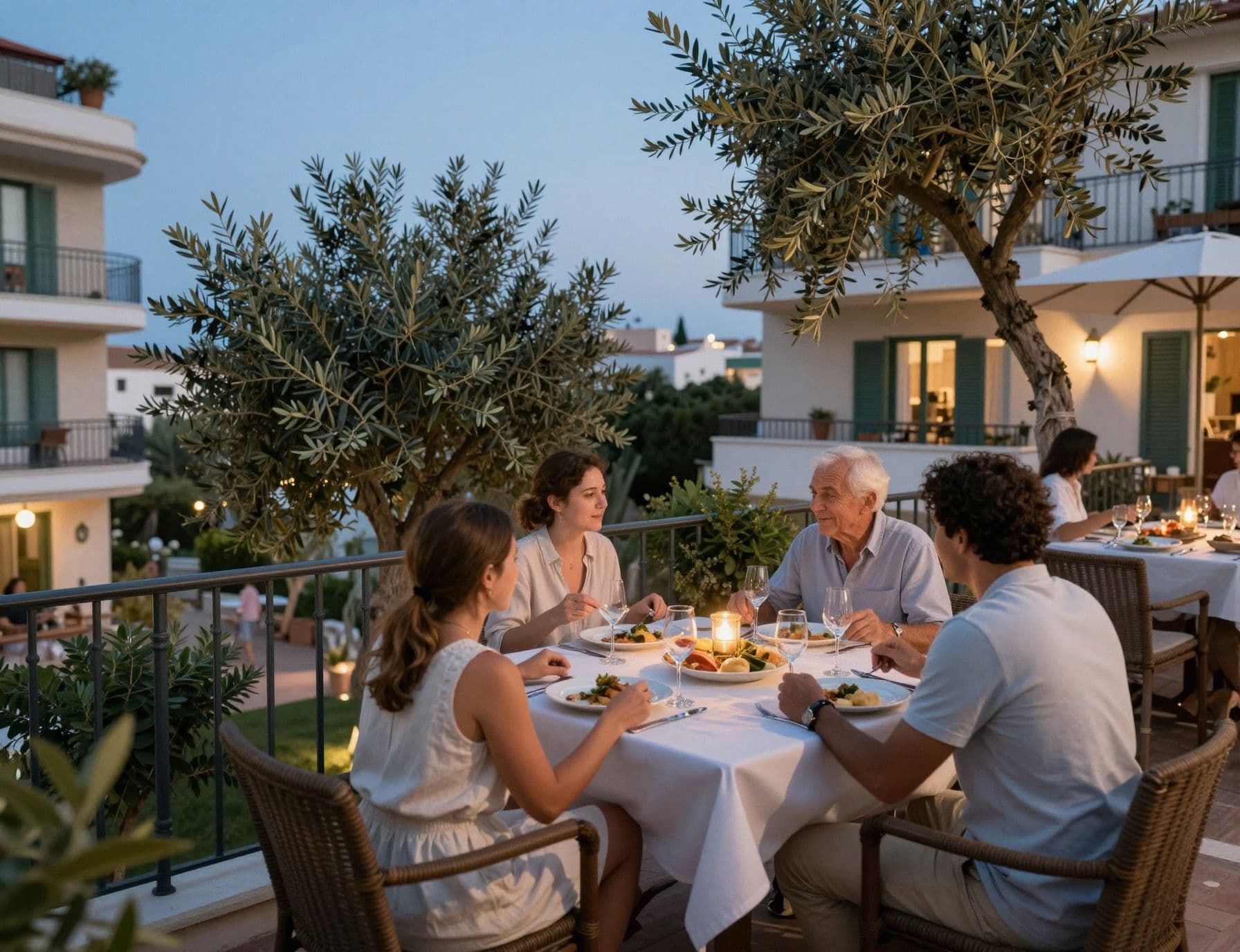
When buyers arrive with a postcard in mind, the practical reality is a patchwork of zoning, new‑build concentration, and seasonal demand. National price indices (Central Bank, CyStat) show positive annual growth, but that growth is uneven: detached houses and apartments behave differently, and coastal hotspots outpace inland villages. Your lifestyle brief — proximity to cafés, schools, or marina life — should drive the neighbourhood shortlist first, then the data.
Property types and how they support daily living
Old town houses offer character and scale for those who love restoration; seafront apartments deliver low‑maintenance living and views; village houses give garden space and quiet. Practically, new apartments dominate recent sales volumes — if you want a garden or terrace for family life, expect to look further from central marinas.
How local experts turn lifestyle cues into deals
- Work with an agency that knows which streets keep value (not just the postcode).
- Ask for transaction evidence: recent DLS registrations and comparable sales in the same block.
- Match lifestyle must‑haves (school walkability, café culture, marina access) to property type before negotiating.
- Budget for modest renovation in older towns — character comes at a cost but also at resale appeal.
Insider knowledge: myths, seasonal timing and the red flags
Myth: ‘Cyprus is uniformly cheap compared with Europe.’ Truth: national averages conceal hotspots. If someone tells you an island‑wide bargain exists, ask where they measured it. Seasonality matters, too — summer can hide flaws; winter inspections reveal maintenance and insulation realities.
Cultural and practical red flags to watch for
- Properties advertised in or connected to Northern Cyprus can carry legal risk — insist on clear title and registered DLS documentation.
- Beware developments that rely on speculative marina or infrastructure projects that aren’t fully permitted.
- Check water and energy connections in rural houses; seasonal plumbing problems are common after hot, dry summers.
When to move: a counter‑intuitive timing tip
Contrary to the summer postcard rush, winter viewings are the smarter play. Properties reveal insulation, heating, and storm runoff issues in off‑season months. Agents are less busy, negotiations are calmer, and you often see motivated sellers who prefer a quicker sale.
In short: Cyprus sells experiences first and neighbourhood‑level value second. Fall for the lane cafés, the maritime light, the village festivals — and then bring the right data and local experts to the table. Start with recent RPPI and HPI releases, ask for Department of Lands and Surveys registrations, and always inspect in the off‑season.
Danish investment specialist who relocated to Costa del Sol in 2015. Focuses on data-driven market timing and long-term value for Danish buyers.