Why Winter Is Malta's Best Time to House‑Hunt
Why house‑hunting in Malta’s quieter months pays: winter viewings reveal real neighbourhood life, negotiation room, and maintenance risks that July visits hide.
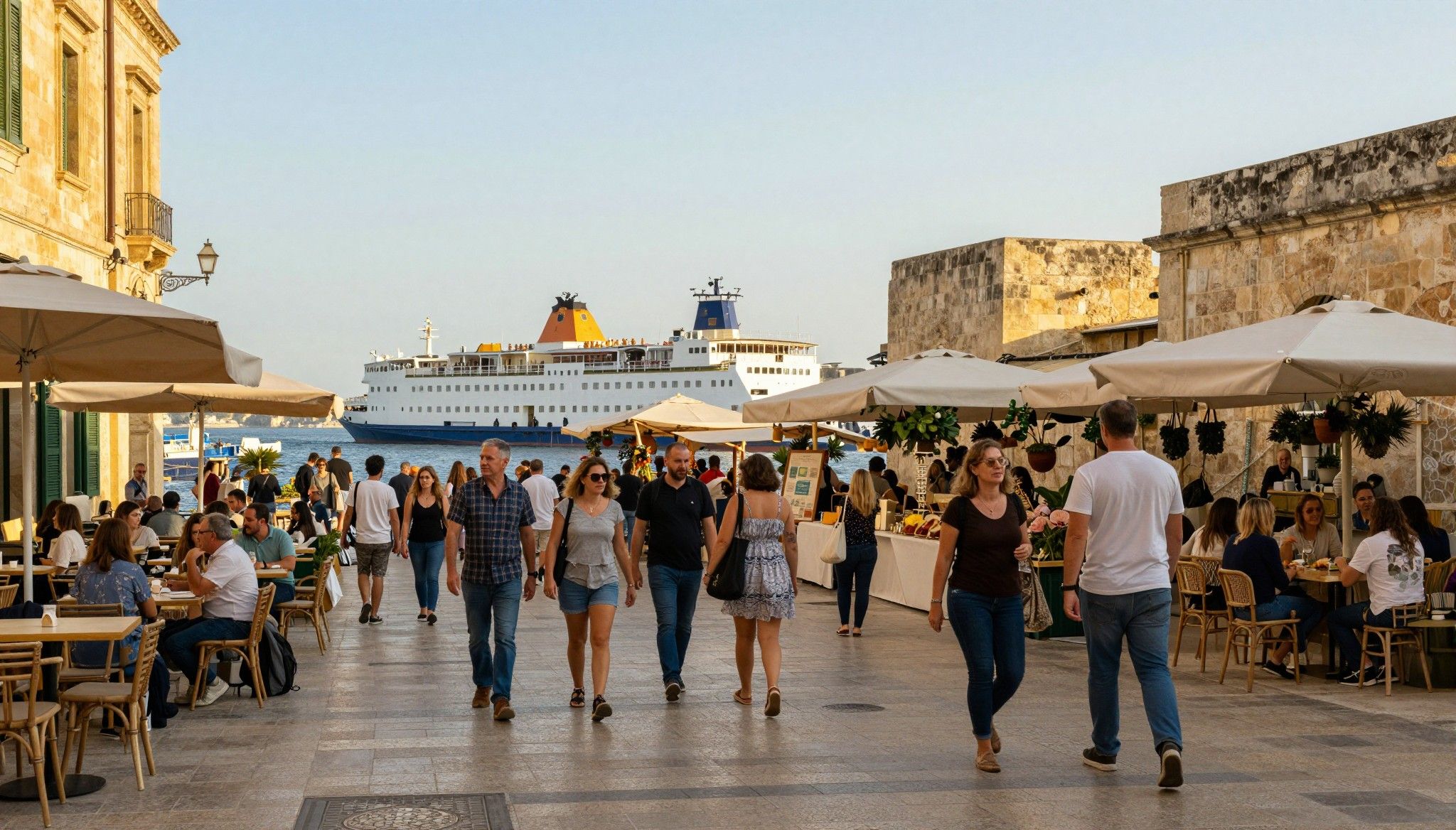
Imagine stepping off a ferry into Valletta on a grey, wind-swept morning and finding the city to yourself — cafés still steaming, light cutting across limestone façades, agents more available and sellers less frantic. That quiet, practical season is when we’ve seen the clearest buying opportunities in Malta: fewer competing bids, better negotiation room and agents with time to walk a neighborhood with you properly.
Living the Malta lifestyle in quieter months
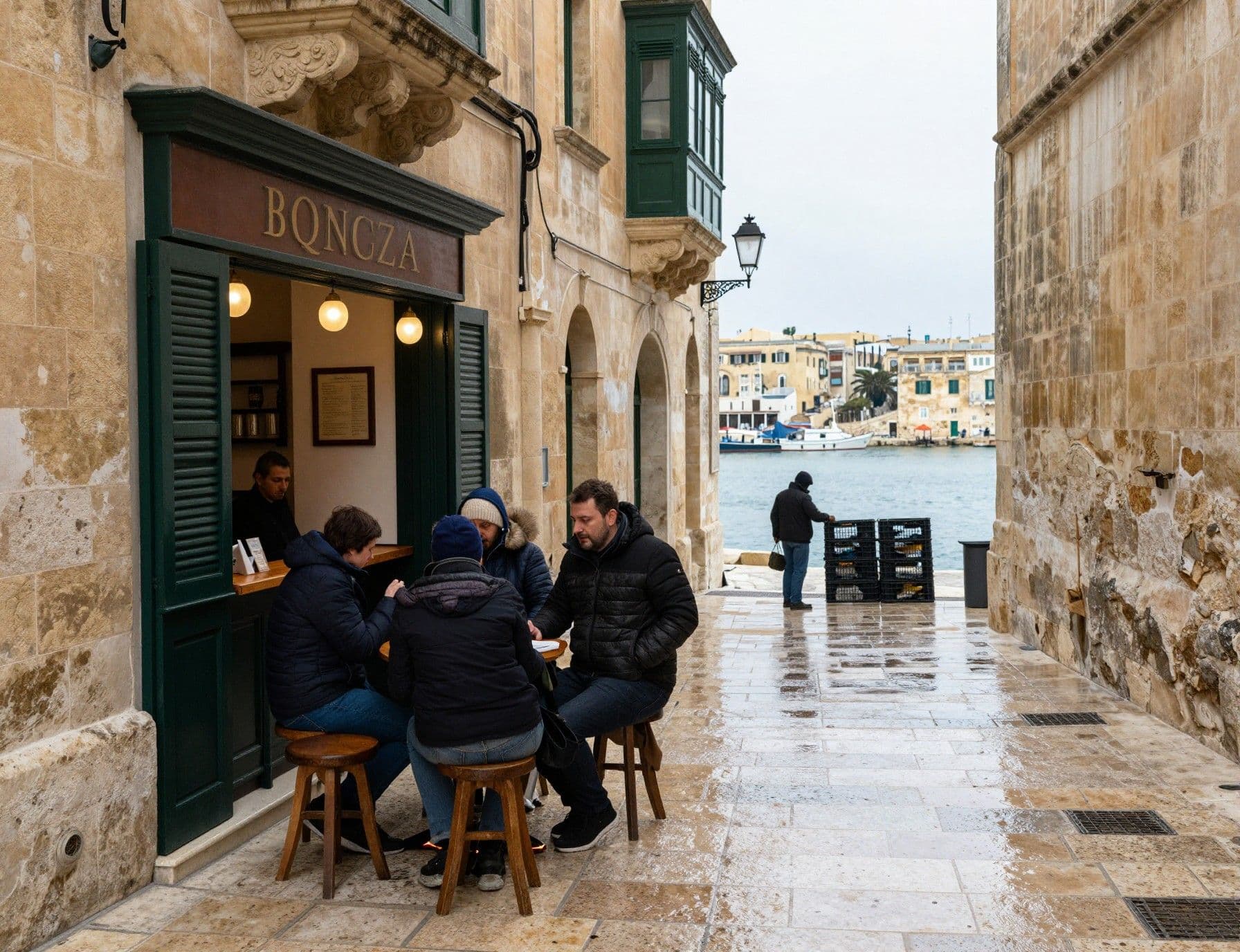
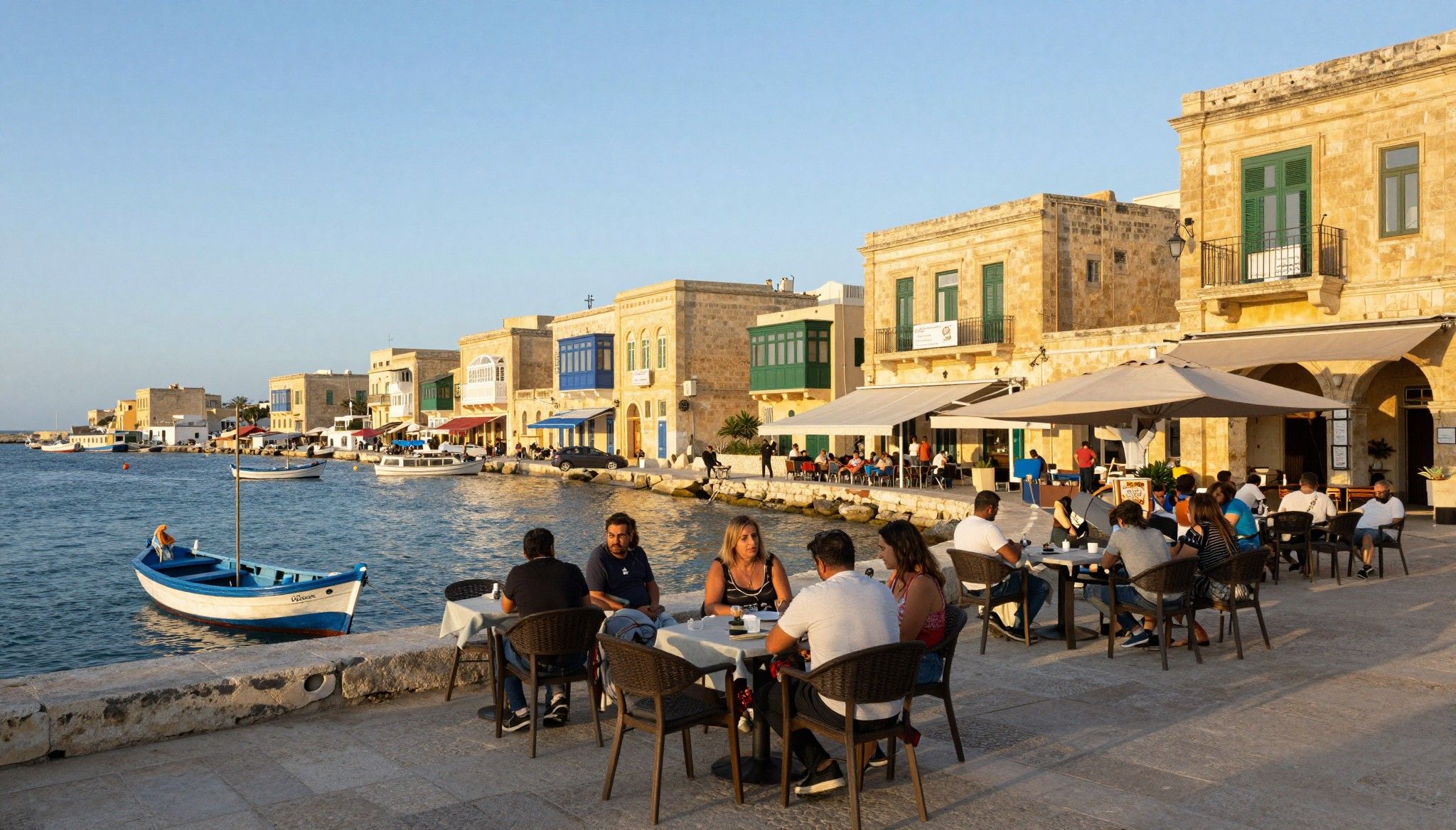
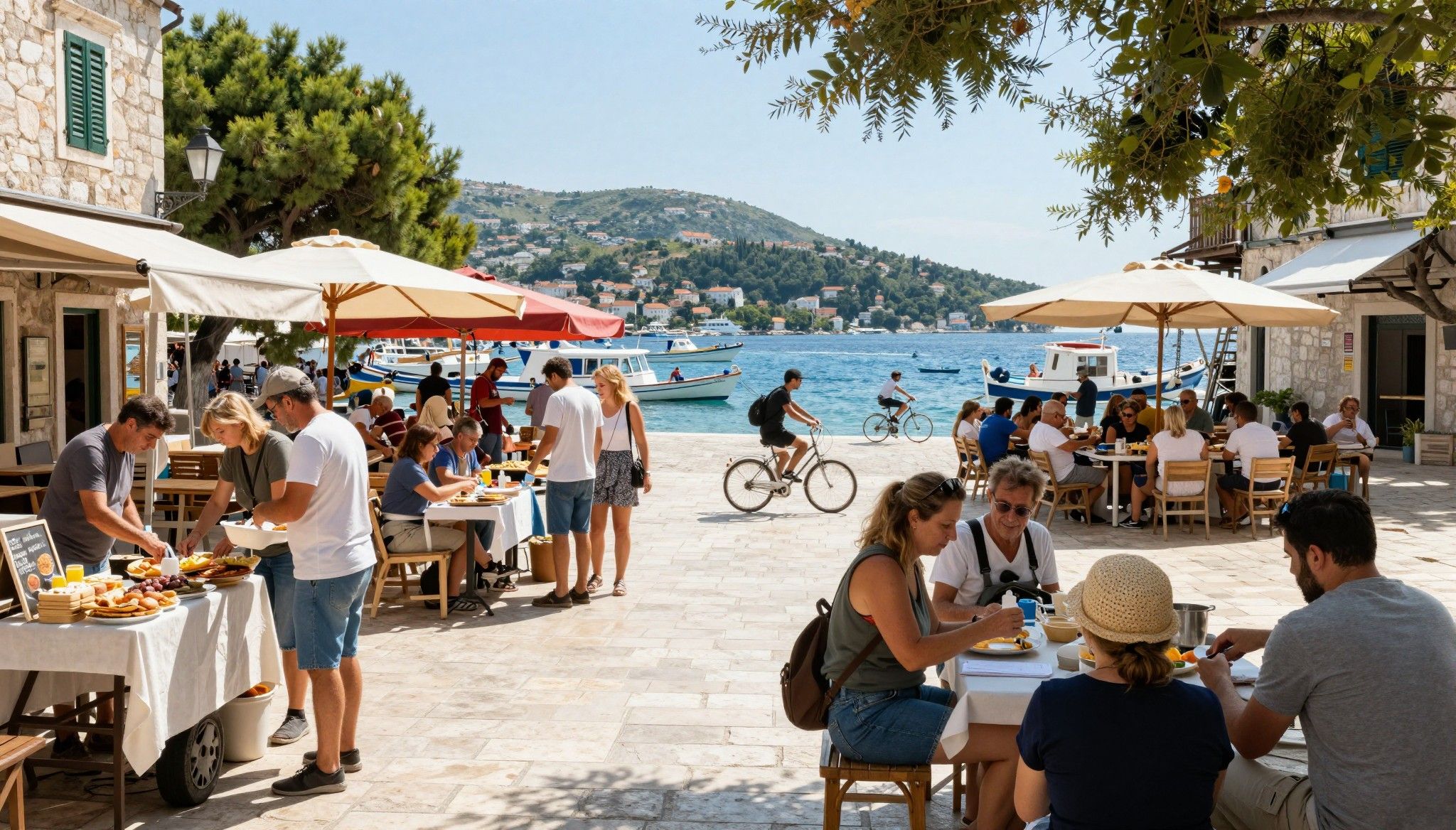
Malta is small, dense and astonishingly varied. In winter the island reveals daily rhythms that summer crowds mask: inland lanes near Mdina feel like village squares again, Sliema’s sea promenades are for locals jogging and walking dogs, and St Julian’s swaps its party beat for neighborhood dinners. That shift matters when you buy — you’ll see how streets truly function outside peak-tourist choreography.
Valletta & Marsa: city stones and morning markets
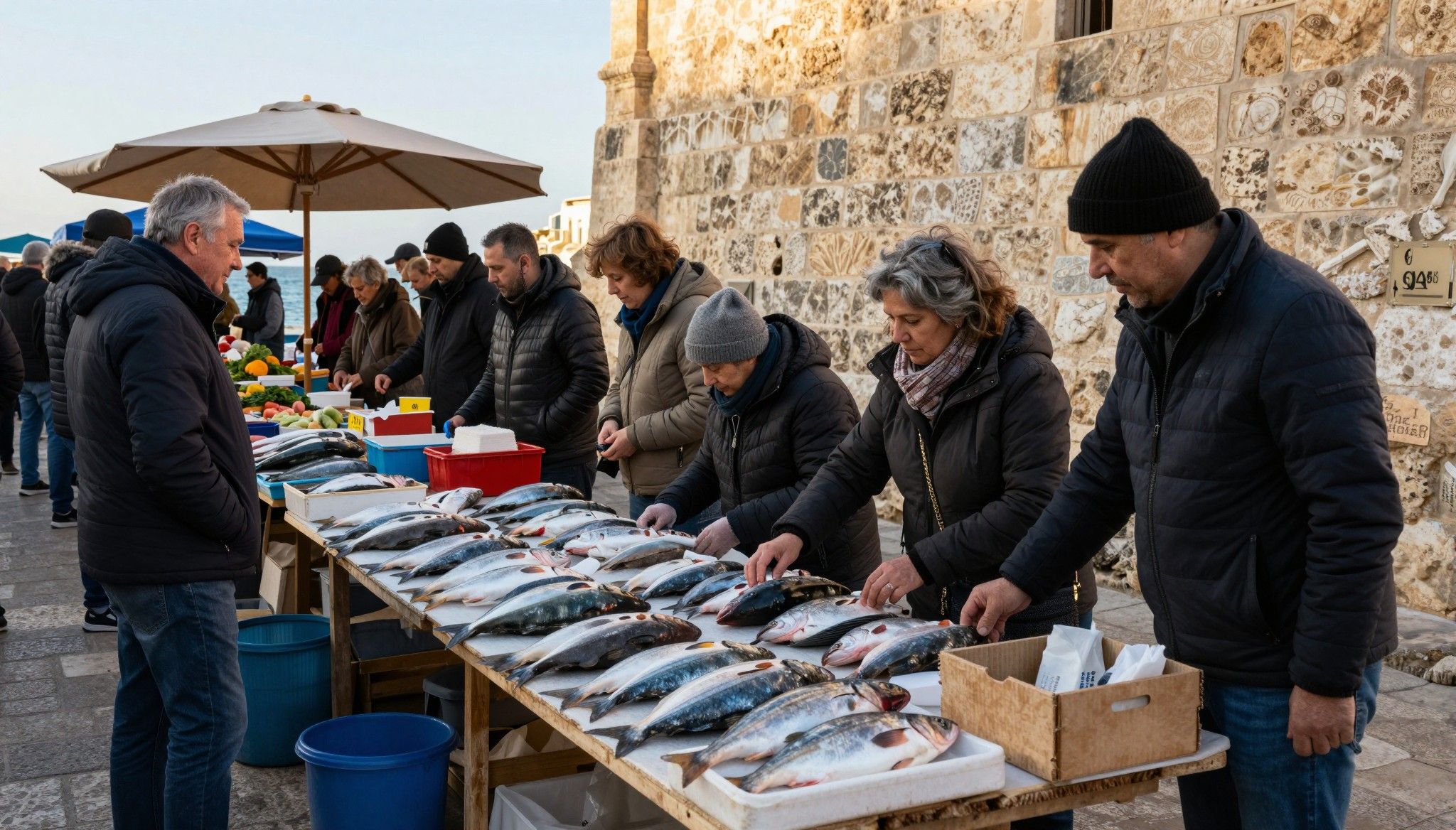
Picture yourself having espresso at Caffe Cordina as tradespeople unload market stalls nearby, or wandering Merchant Street before the cruise-day crush. Valletta’s compact grid means a well-sited apartment connects you to culture, cafés and short walks — but the experience changes by season, and winter viewings show noise, light and neighbor activity more honestly than July visits do.
Sliema, St Julian’s & Gżira: seaside routines, not just sunbathing
If seaside living attracts you, come in November or March. Sliema’s cafés refill with locals, ferries run on regular schedules, and you’ll test morning light on balconies and wind exposure on promenades — details that affect heating, glazing and terrace use during months you’ll actually live there, not just the postcard season.
- Lifestyle highlights to try in off-season: Valletta morning market at Pjazza San Ġorġ; an evening passeggiata in Sliema; a quiet Mdina sunset walk; fish‑market breakfast in Marsaxlokk; local theatre at Manoel Theatre; Gozo day trip to Ramla Bay.
Making the move: practical considerations that matter most
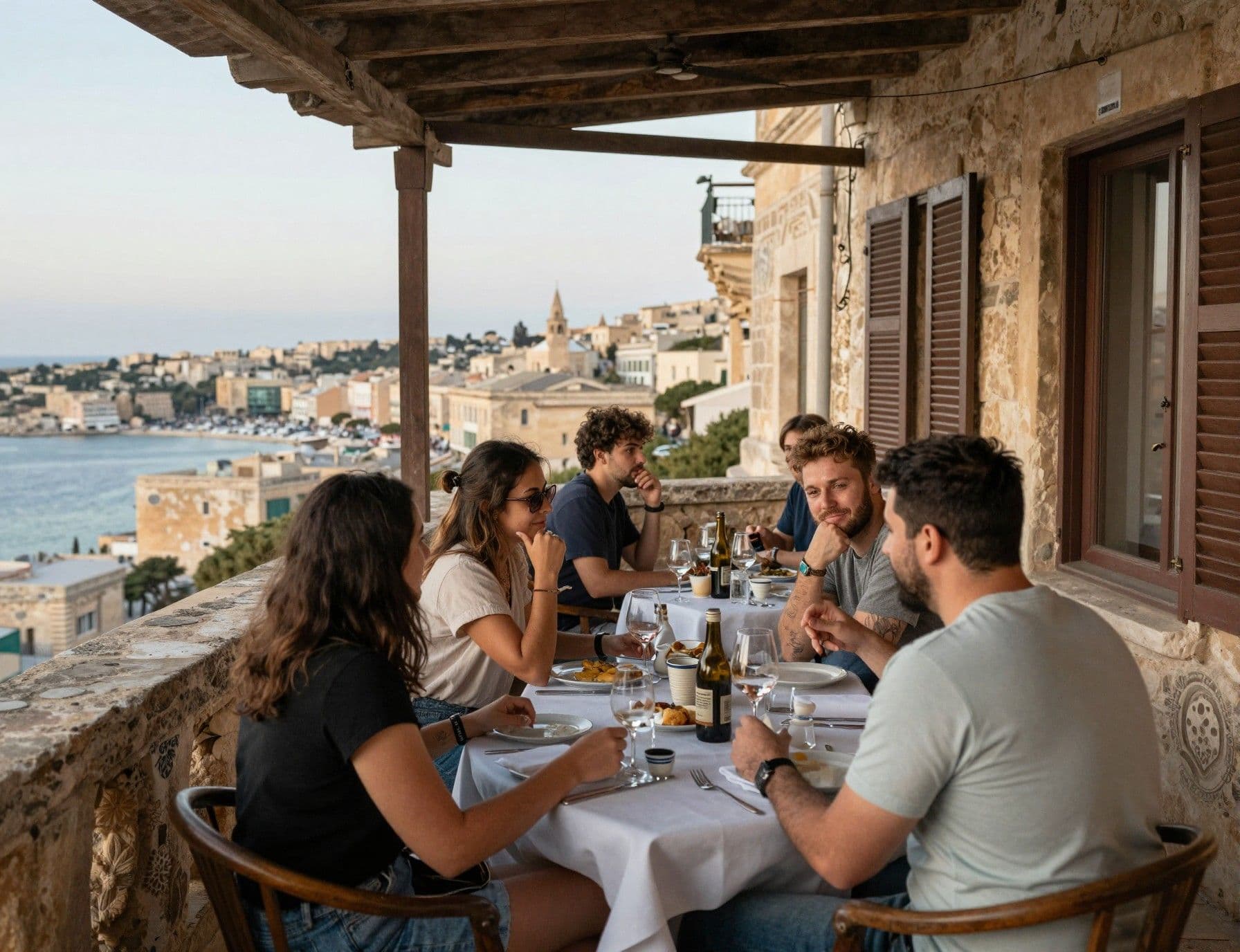
The numbers back the off‑season case. Malta’s Residential Property Price Index has shown steady annual gains, but transactions thin out in winter — meaning motivated sellers and agents with time to negotiate. Use official price indices and local market reports to set realistic offers rather than summer list prices. (See Malta NSO and industry surveys for recent trends.)
Property types and how seasonality changes their appeal
Apartments and maisonettes dominate Maltese inventory; terraced houses and villas are concentrated in suburban belts and Gozo. Off‑season viewings reveal heating needs, damp issues in older stone houses, and whether courtyards get usable sunlight in winter — all crucial to long‑term comfort and maintenance budgeting.
Working with local experts who know the real rhythm
An agent who works winter viewings will tell you about water penetration on a December storm, typical heating costs, and which neighborhoods empty out after summer. Ask for recent comparables from the same month across previous years — that nuance matters. Good local advisors pair lifestyle intent with transactional pragmatism: matching your daily routines to an address, not just an image.
- Steps to house‑hunt in Malta during the off‑season: 1. Book targeted viewings in November–February to test sunlight, wind and local routines. 2. Request month‑by‑month utility and condominium cost records for the previous year. 3. Ask for winter comparables — prices for deals closed in the same season over the last 2–3 years. 4. Negotiate with contingencies for survey findings and seasonal repairs.
Insider knowledge: expat real talk and cultural nuances
We talk to expats who say they fell in love with Malta’s summer postcard and bought without checking winter reality — then learned about insulation, shutters, and noisy neighbor habits the hard way. Seasonal research changes outcomes: you’ll spot which cafés are year‑round and which are seasonal, whether a street is a commuter artery in winter, and how community life actually functions.
Language, social life and making a neighbourhood yours
English is an official language, which flattens many integration barriers. Still, local social norms — long siestas in smaller towns, community fête calendars, weekday mass times in village churches — shape daily life. Join Facebook groups for Sliema, Valletta or Gozo to read recent resident posts before you commit; they’ll tell you if a neighbourhood feels lived‑in or touristy off‑season.
Long‑term lifestyle and investment considerations
Malta’s market shows resilience, with luxury and sea‑view segments outperforming overall averages in recent reports. But think like a resident: prioritize properties with good winter performance (draftproofing, double glazing, covered terraces) and clear maintenance histories. That lowers running costs and keeps the lifestyle you bought intact year‑round.
- Red flags to check during an off‑season visit: • Persistent damp or mould in basements and lower rooms. • Exposed terraces that take wind and require frequent repairs. • Roadworks or development plans that are paused in summer and visible in winter. • Overpriced listings that only attract buyers in peak season.
Conclusion: fall in love with the island — but test your love in winter. You’ll learn more about everyday life, have better negotiating power, and avoid seasonal traps. When you’re ready, work with an agency that runs serious winter viewings, can supply season‑matched comparables and reads local building records. That approach buys you the lifestyle you imagined, not just the photo.
Danish investment specialist who relocated to Costa del Sol in 2015. Focuses on data-driven market timing and long-term value for Danish buyers.