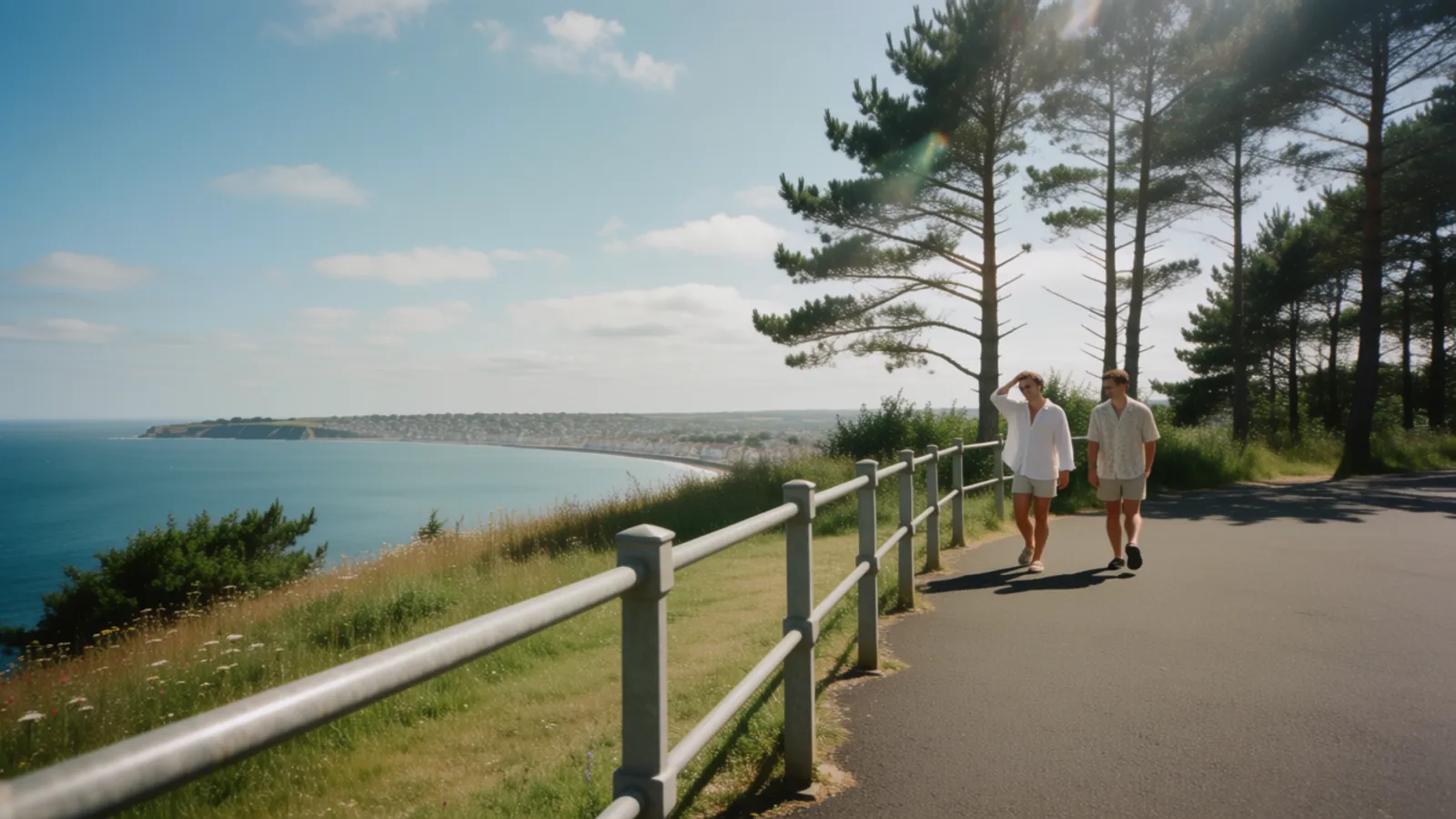

Fuengirola: what daily life actually feels like on this stretch of coast

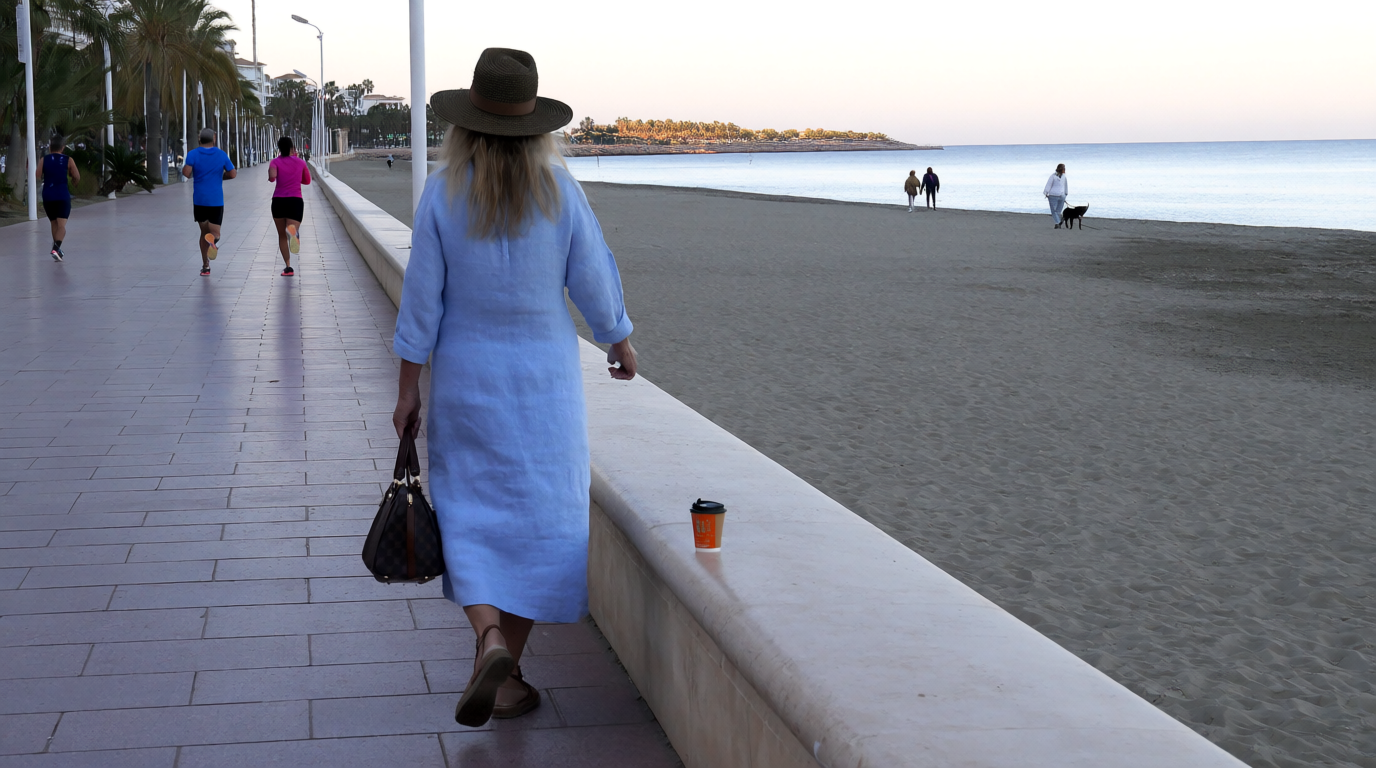
Fuengirola does not try to be picturesque. It is a real town first, a resort second, and that ordering is exactly why a certain kind of buyer ends up loving it. There is no old quarter built for postcards here, no single view that sells the whole place. What there is instead is a working seafront town of roughly seventy thousand people, a four kilometre beach, a proper train line into Málaga, and a daily rhythm that does not pause much for the season.
That unglamorous honesty is worth sitting with before anything else. If you want the drama of a hill village or the polish of a marina, Fuengirola will feel plain to you, and it is. If you want somewhere you could actually run errands, catch a train, and grow old without needing a car every day, it starts to look like one of the more sensible choices on this coast.
The shape of a Fuengirola year
Summer here is genuinely full. The beach fills, the paseo marítimo fills with it, and the town's population swells well beyond its year round number as Spanish, British and Scandinavian visitors return to apartments they know well. July and August bring the Feria del Rosario in the first week of October's near cousin, actually held in early October, and a livelier, later-night version of the town that some residents plan around and others plan away from.
But Fuengirola's real character shows in November through March. The town does not shutter the way smaller coastal villages can. Shops stay open, the market runs its usual days, and the seafront still gets a steady trickle of walkers in fleeces rather than swimsuits. Winter light on the Sierra de Mijas behind the town is one of the coast's quieter pleasures, rarely photographed, often felt.
Spring and autumn are, by most accounts we hear from residents, the best months: warm enough to eat outside at midday, cool enough to walk the full length of the paseo without needing shade, and the town has not yet filled with its summer crowd.
Reading the neighbourhoods
Fuengirola is not one thing, and the differences between its areas matter more here than in most towns this size.
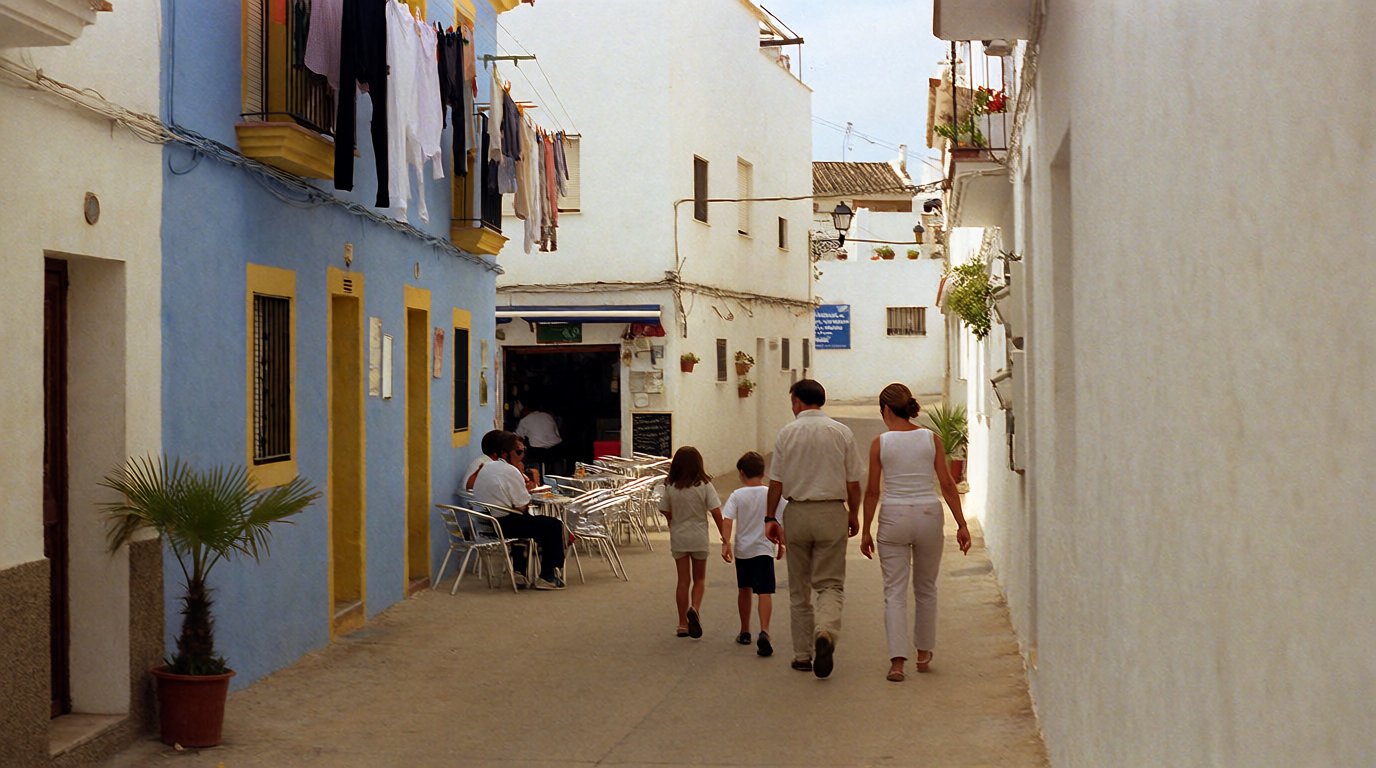
Los Boliches, to the east, is the closest thing the town has to old-fashioned charm: narrower streets, a village feel around its own small church square, and a station on the Cercanías line that gets you into central Málaga in well under an hour. Torreblanca, further east still and the last stop before Fuengirola proper, is quieter and more residential, popular with people who want the train line and the beach without the town centre's density.
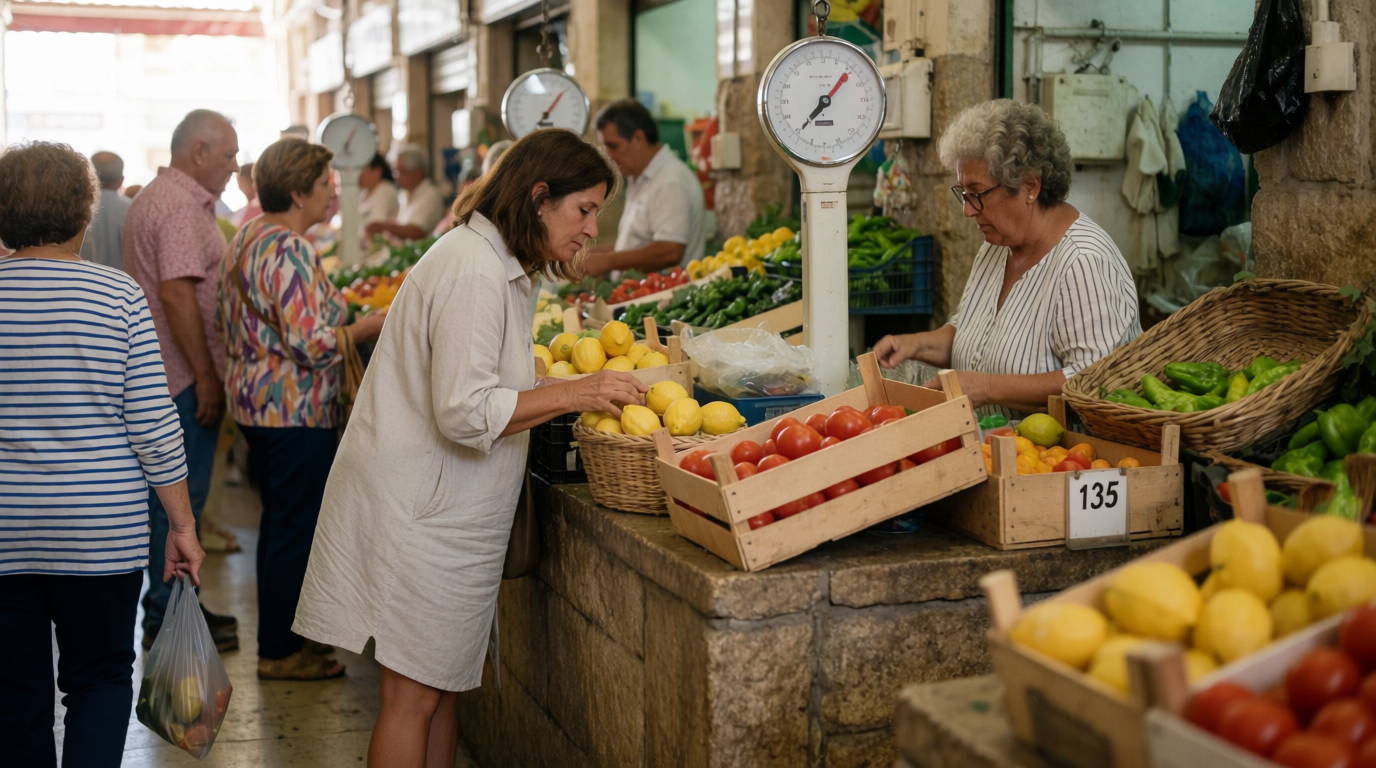
The centre itself, around Calle Moreno Rey and the covered market, is where daily life is loudest: cafés with their shutters up by eight, the market doing its steady trade six mornings a week, and enough pharmacies, opticians and hardware shops within walking distance that a car becomes optional rather than essential. Along the seafront, the newer apartment blocks facing the beach trade some of that neighbourhood texture for a sea view and a shorter walk to the sand, which suits owners who are here for a few months a year rather than all twelve.
Inland and slightly uphill, areas like Torreblanca del Sol and the streets climbing toward the Sierra bring quieter, more suburban living, often with better value per square metre and a short drive rather than a walk to the centre.
Ask which train station is nearest before you ask which beach is nearest. On this stretch of coast, the answer tells you more about daily life than the sea view does.
Who tends to be happy here, and who is not
Families do well in Fuengirola. There are enough international and Spanish schools within a short drive, enough parks and flat, walkable streets, and enough of a permanent, non-tourist population that children are not growing up in a resort that empties out every October. Year-round retirees often say the same thing in different words: they like that Fuengirola has a proper high street, not just a strip of beach bars.
Remote workers and people who want reliable public transport tend to gravitate to Los Boliches or the centre, both close to the station. Golfers are better served slightly inland, closer to Mijas or along the Costa del Sol's golf valley near La Cala, though Fuengirola remains a workable base with a short drive to several courses.
What Fuengirola is not is a quiet retreat. If what you actually want is silence, a single dramatic view, and a slower social pace, Casares or the hills above Mijas Pueblo will suit you better, and we would say so plainly. Fuengirola rewards people who like a town that hums, who do not mind traffic on the Avenida in August, and who value convenience over exclusivity.
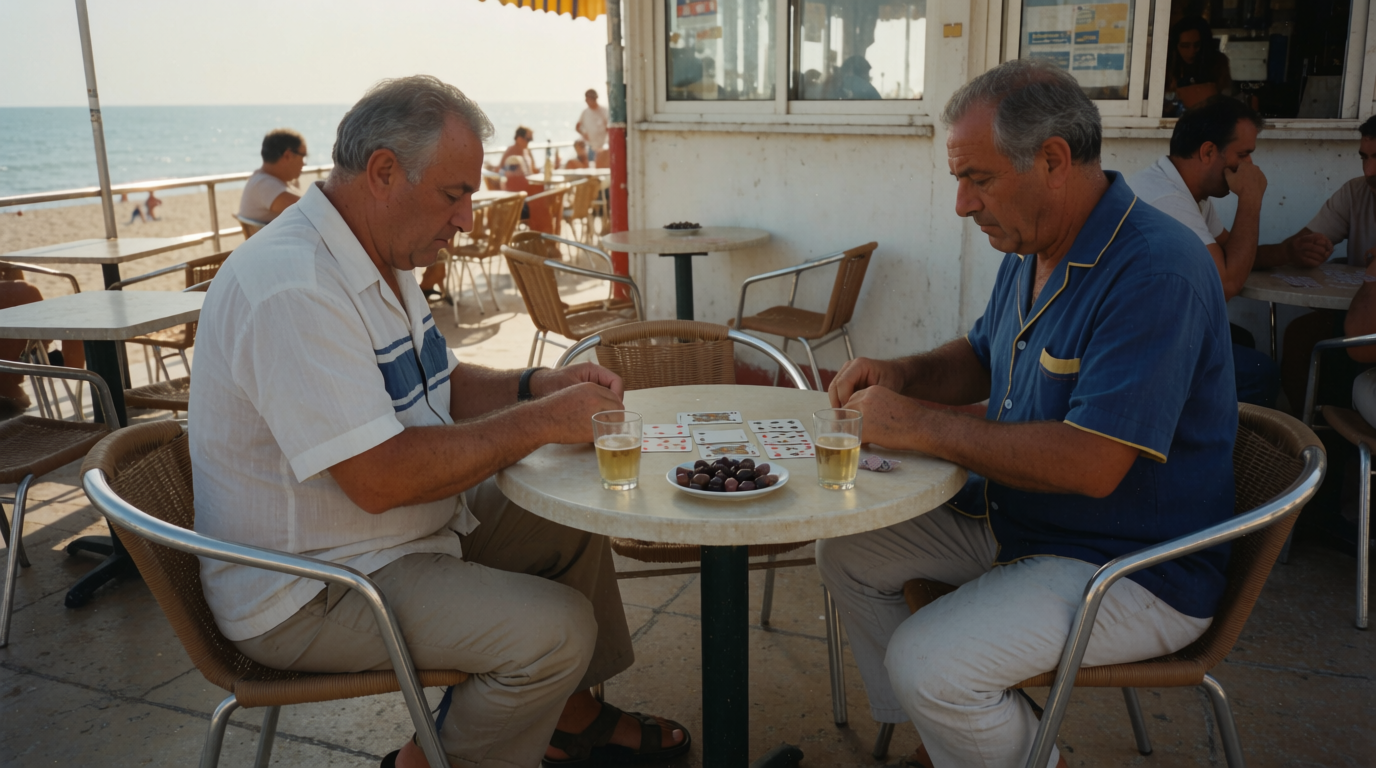
The texture of an ordinary day
A morning in Fuengirola often starts at the Mercado de Abastos, the covered market near the centre, where regulars know which stall does the best jamón and which fishmonger gets the first pick of the boats' catch. From there, a coffee at one of the older cafés on Calle Marina, the paseo for a walk before the midday sun gets serious, and a horario partido that still shapes the town: shops shut for a few hours after two, open again in the evening.
Evenings belong to the seafront chiringuitos, less polished than Marbella's beach clubs, more about a plate of espeto and a slow hour than a scene to be seen at. That, more than the beach itself, is what people who move here end up describing as the thing they did not expect to love.
If Fuengirola sounds like the kind of place where daily life, not just the view, would suit you, we would be glad to talk it through and, when you are ready, introduce you to people on the ground who know the town street by street.