Malta: Pick Streets, Not Postcards
Malta feels like an extended neighbourhood: walkable streets, ferry mornings and limestone terraces. Practical buying needs match that intimacy — pick streets, not just towns, and work with local experts.
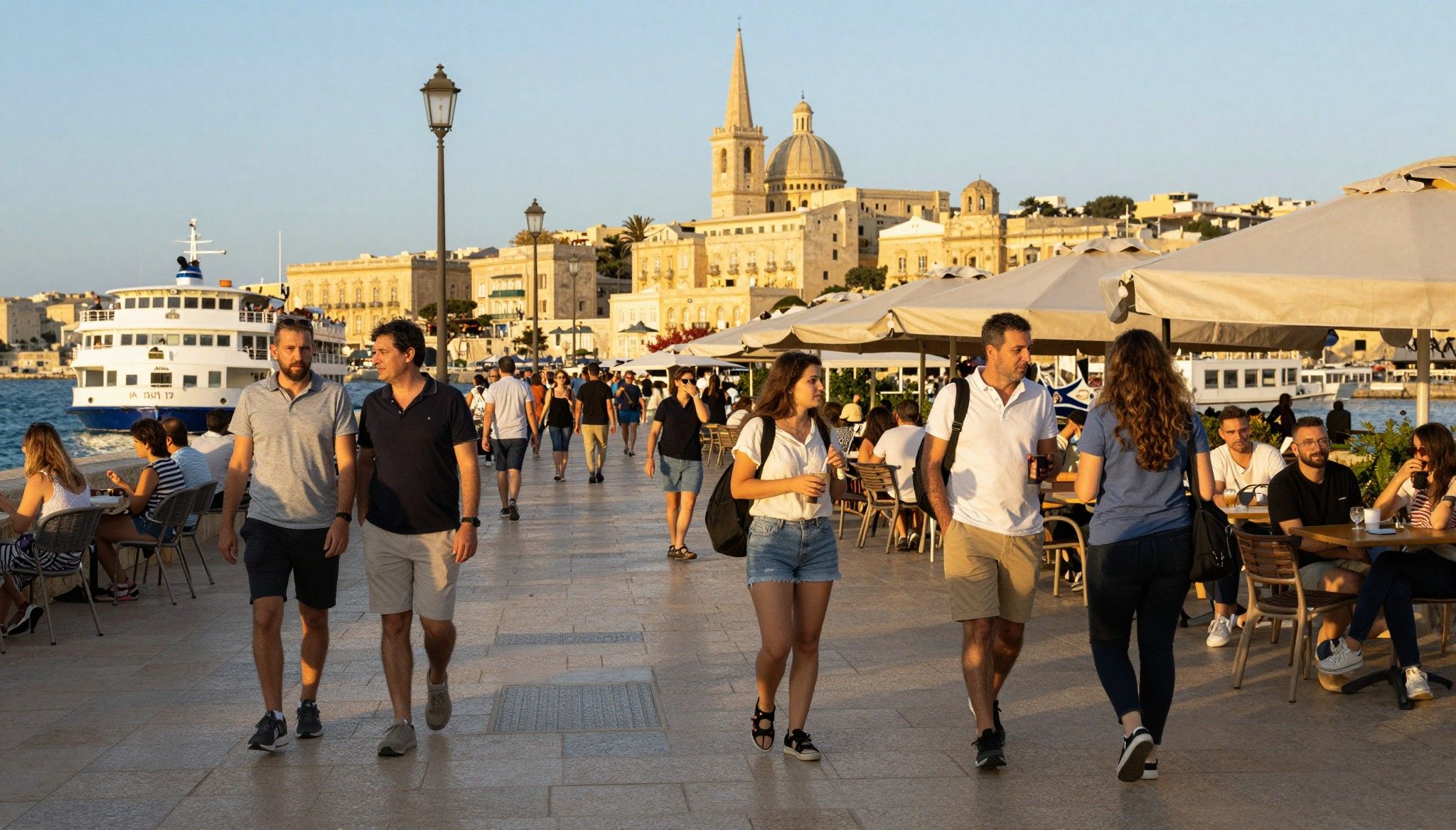
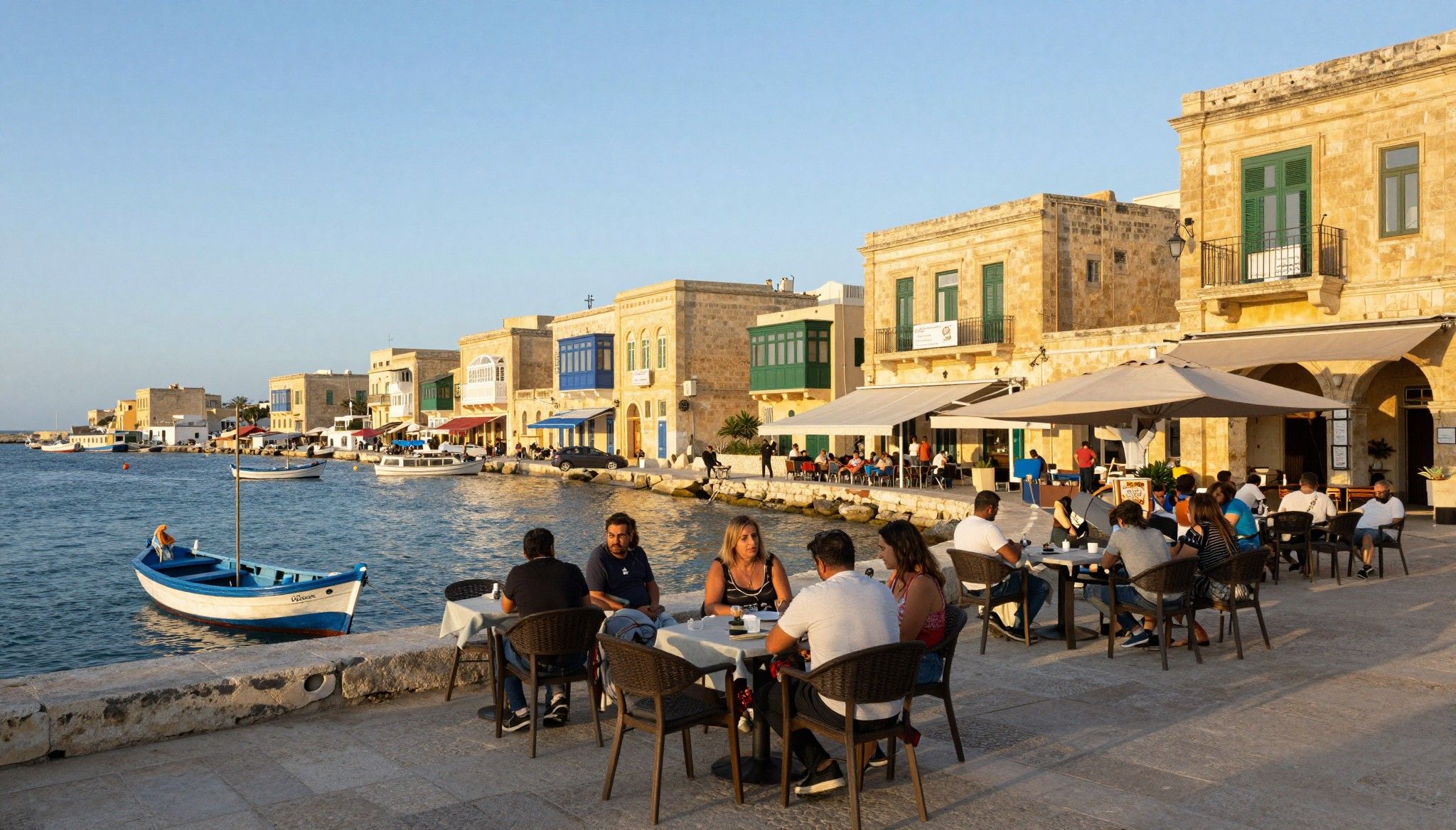
Imagine ordering a late‑afternoon espresso on Sliema's promenade, then walking five minutes to a narrow townhouse where stone cools your steps. In Malta life is a series of tactile, friendly rituals — ferries that feel social, markets with familiar faces, and evenings that stretch around a table. That everyday warmth is why buyers fall for Malta quickly; the practical question is how to translate that feeling into a property decision that lasts.
Living the Maltese lifestyle — compact, social, sunlit

The island moves in small neighbourhood pulses. Valletta hums with baroque tight streets, Sliema answers with promenades and cafés, and St. Julian’s blends waterfront nightlife with apartment living. Each area delivers a clear rhythm: mornings at local bakeries, afternoons on terraces, and late dinners under paper lanterns. That rhythm shapes what you want from a property — light, a balcony, or proximity to the ferry.
Valletta is a city-sized living room: ornate facades, tiny streets, and a frontline of museums and theatres. If you crave history and walkable cafés, look for restored townhouses on Triq ir‑Rampa or apartments around Republic Street. Expect interiors with thick limestone walls and smaller rooms that reward clever conversions.
Sliema's tower road and Tigné Point give you the promenade life: morning joggers, ferries to Valletta, and cafés that feel like living rooms. Apartments here tend to be newer (and pricier per m²) but offer larger terraces, sea views and easier commuting. Streets like Tower Road and Strand are where daily life unfolds.
St. Julian’s (Paceville aside) serves buyers who want compact modern apartments and access to restaurants, coworking and nightlife. Gżira and Ta' Xbiex nearby give a slightly calmer alternative with marina views and easy university access — useful if you plan to rent short‑term or host visiting family.
- Morning markets at Marsaxlokk; seaside promenades in Sliema; Mdina’s quiet alleyways; ferry rides to Gozo; late dinners at Fort St. Elmo cafés; Sunday fish grills at Marsaxlokk harbour.
Making the move: lifestyle-led practicalities

The lifestyle you see on holiday has a real‑world price. Malta's property market has recorded steady price rises: recent official figures show increases of around 4–6% year‑on‑year in recent reporting, and total transaction value climbed into the billions. That affects timing, what neighbourhoods to prioritise, and whether a coastal terrace is affordable.
You’ll find three practical archetypes: restored townhouses (Valletta, Mdina) that reward craftsmanship but demand renovation; modern apartments (Sliema, St. Julian’s) that give terraces and lifts; and village houses or villas (Marsaxlokk, Mellieħa, Gozo) with space and quiet. Choose by how you want to spend afternoons — in a kitchen that opens to the street, or on a terrace with a sea view.
- Townhouse — character, renovation needs, thick limestone walls Apartment — convenience, terraces, easier rental management Villa/house — space, gardening, distance from urban amenities Converted lofts — design-led living in central pockets
An agency that understands the lived moment — which café scene fits your day, whether a terrace gets evening sun, how local neighbours behave — will save you months of trial and error. Look for brokers who reference street names (e.g., Triq il-Merkanti in Valletta, Tower Road in Sliema) and who bring vetted contractors and property managers used to Malta’s limestone fabric and planning quirks.
- Ask these questions when interviewing an agent: 1. Which streets have repeat buyer clients and why? 2. Can you show recent deeds for the building? 3. Who do you use for renovation and is their work on similar limestone properties? 4. How have advertised rents changed in the last 12 months? 5. What are the typical condo/service charges here?
Insider knowledge — what expats wish they'd known
Expat buyers often come for the weather and stay for the social ease. But they wish someone had told them three things: (1) advertised square metres can be optimistic, (2) older buildings need specialist contractors for limestone, and (3) the year has two faces — a lively summer and a quieter winter that reveals true neighbours. That last point changes how rental income behaves and how you feel about the place off‑season.
English is an official language, which flattens many barriers: bank meetings, school applications and council queries happen easily. Still, simple habits — greeting shopkeepers, timing deliveries around siesta rhythms, learning Maltese pleasantries — matter. Join a local football club, the PTA, or the neighbourhood festa committee; those are your fastest routes to a stable social life.
- Practical expat tips: - Learn some Maltese greetings — it signals respect. - Try local bakeries weekly to meet neighbours. - Time property visits mid‑week and mid‑day to see real life. - Use local Facebook groups and the University calendar for events.
Malta's market has momentum: building permits rose and transaction volumes grew, yet small island constraints mean supply reacts slowly. Expect steady long‑term demand, but tradeoffs exist — smaller average apartment sizes and rising price‑to‑income ratios. If you’re planning to live here long term, prioritise comfort and fit over speculative upside.
- Key market signals to watch: - Residential Property Price Index (RPPI) trends - Number of permits and new dwelling approvals - Rental indexation and short‑let regulation changes - Local transaction volumes and total deed values
Conclusion — live the life first, then lock the logistics. Start with a clear lifestyle brief (do you want promenades, historic streets, or rural quiet?), shortlist streets not just towns, and ask agents for recent deeds and contractor references. If Malta's compact scale and social tempo match your life, an intentional buy here will buy you mornings at market stalls and long dinners on limestone terraces — but only if you pair that dream with local expertise and a realistic read of prices.
British expat who relocated to Marbella in 2012. Specializes in rigorous due diligence and cross-border investment strategies for UK and international buyers.