Greece: Season, Street and the Real Property Tradeoffs
From Athens street life to quieter islands: pair seasonal, neighbourhood and regulatory insight with local experts to buy the lifestyle you want in Greece.
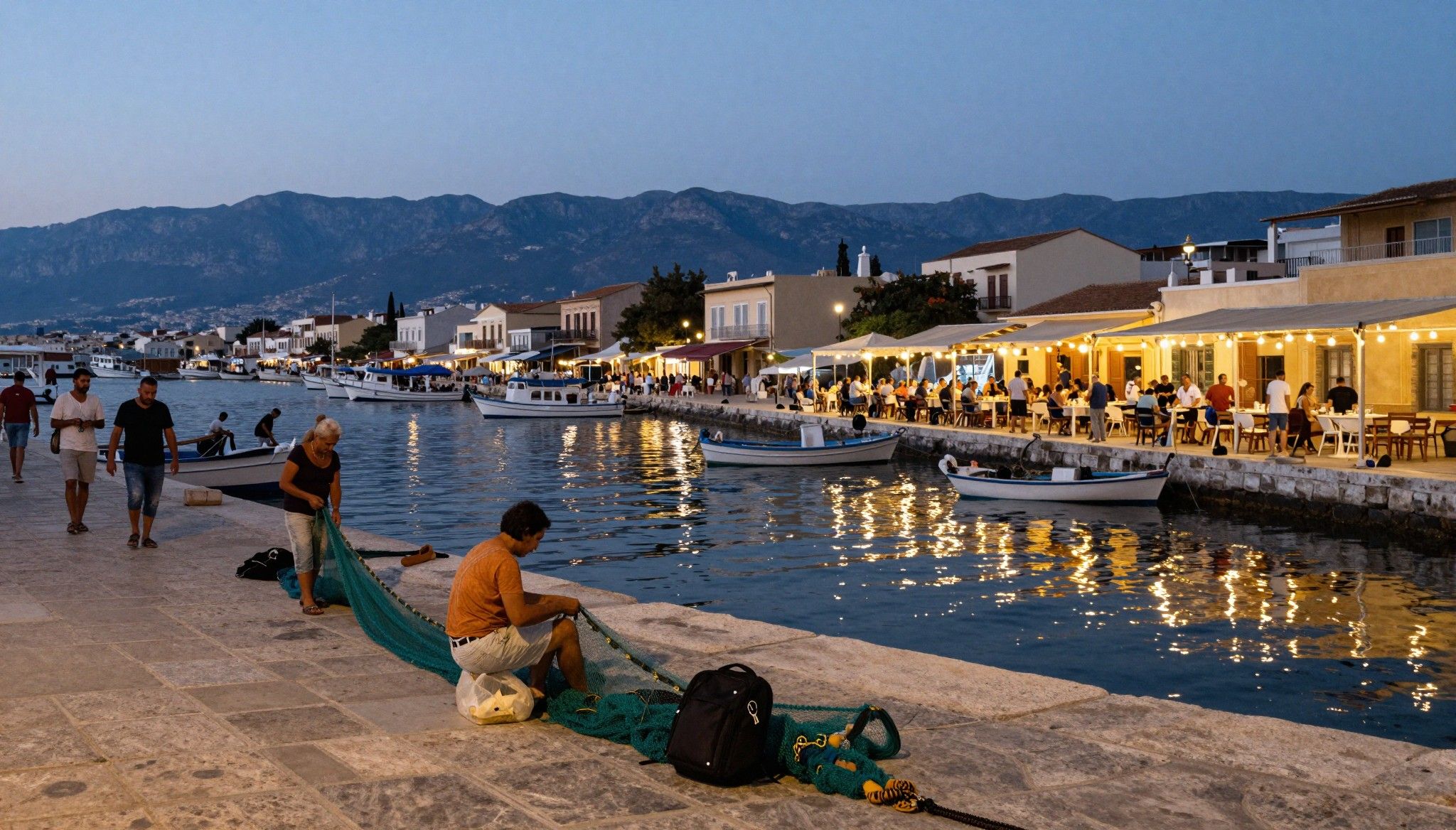
Imagine walking from a sun-baked market stall in Koukaki to a late-afternoon espresso in Pangrati, then catching a ferry the next morning to a quieter Cycladic island where terraces tumble down to the sea. That everyday contrast — lively, urban Athens one day and island calm the next — is Greece’s selling point for international buyers. But feeling at home here often depends on choosing the right region, season and property type.
Living Greece: more than blue seas and postcard views
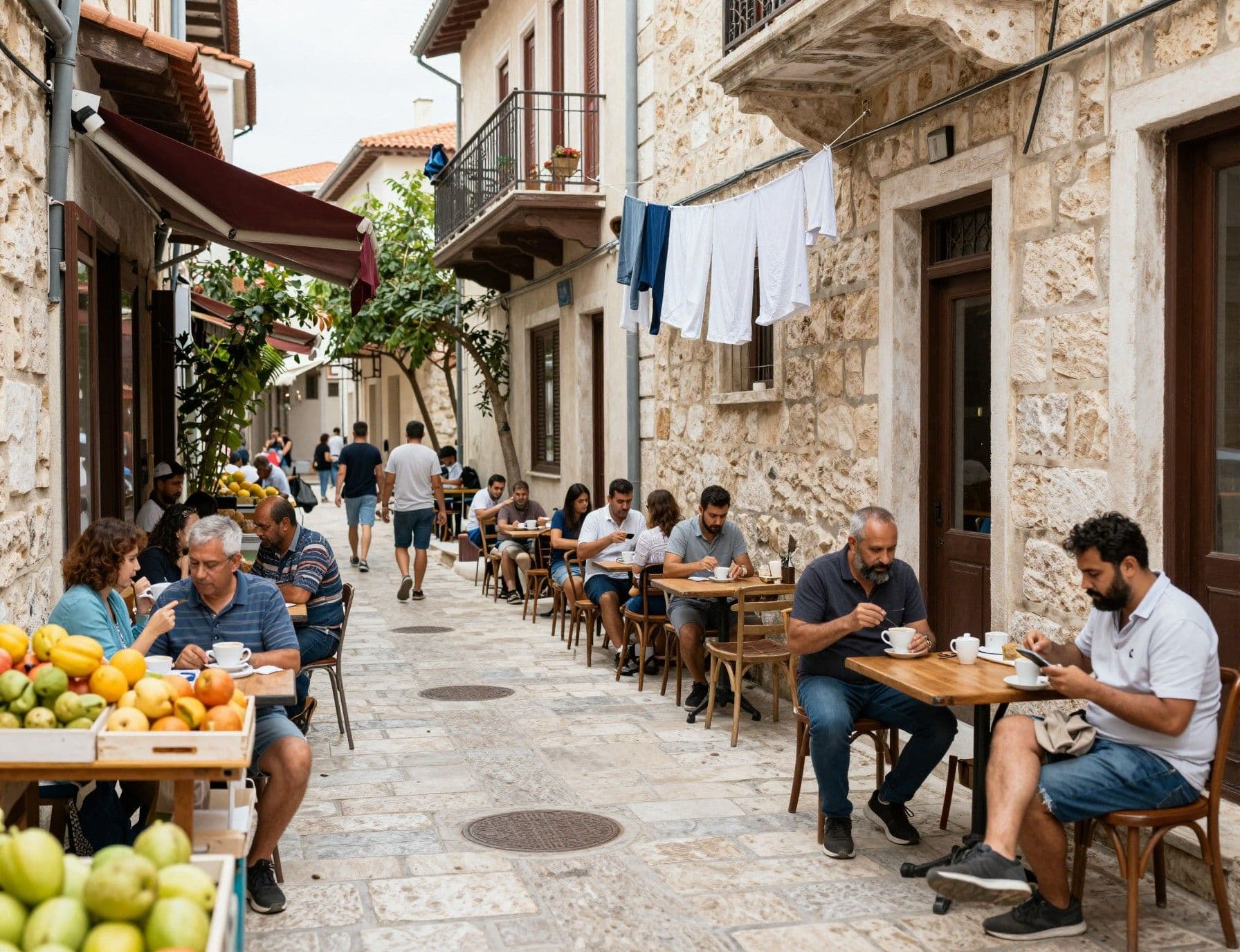
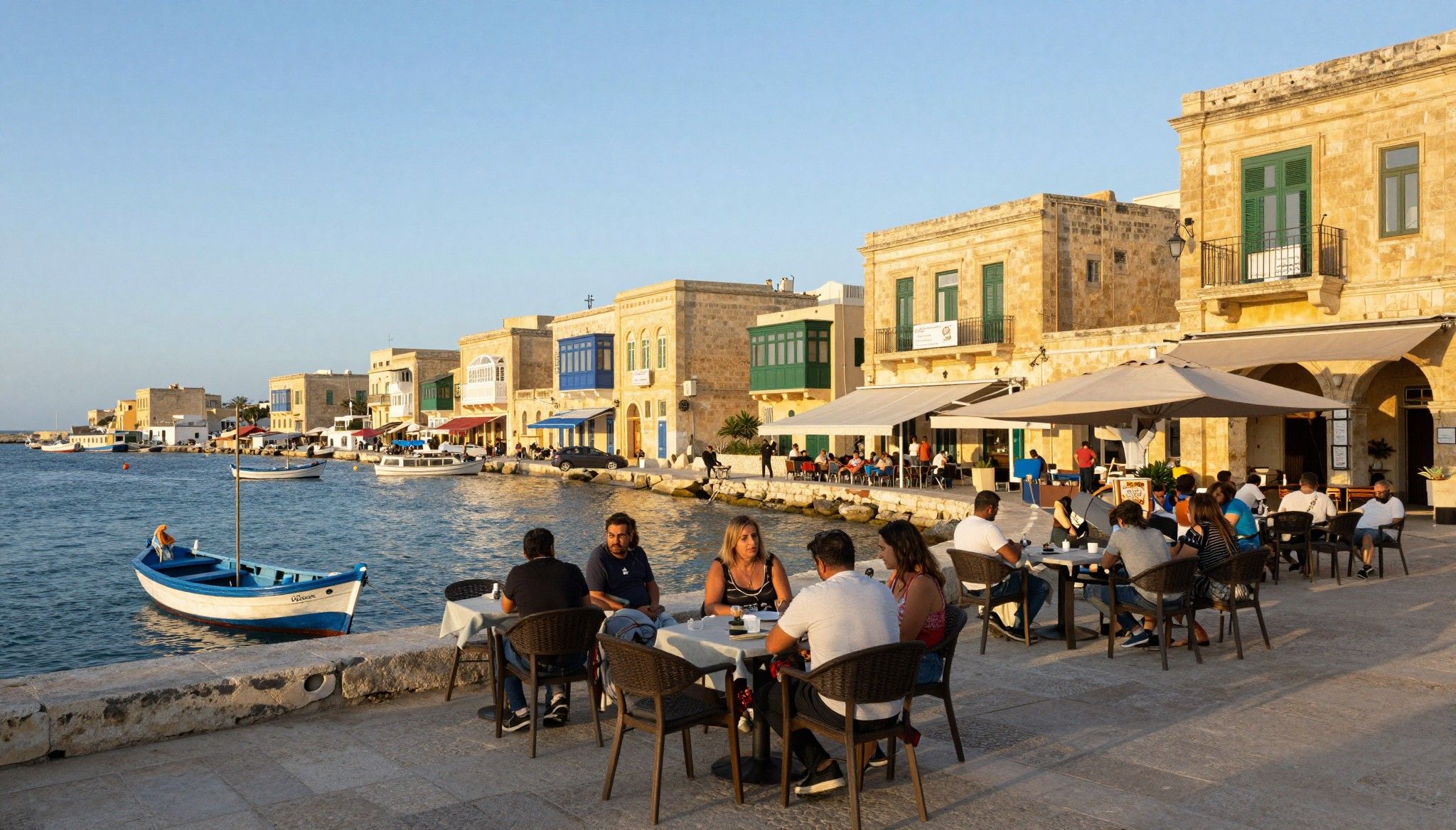
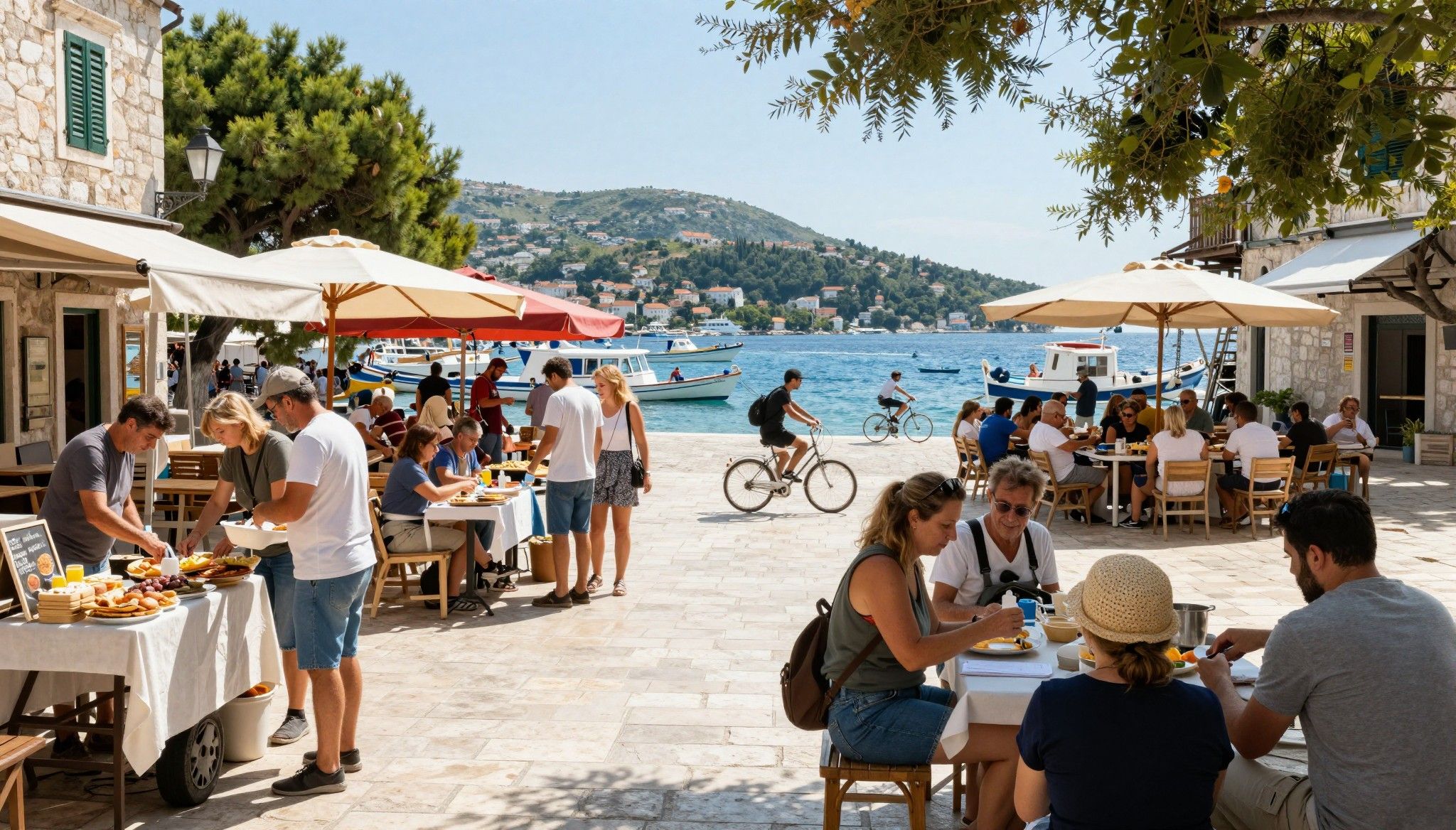
Greece is sensory: the smell of grilled octopus on the waterfront, the rattle of a tram in Thessaloniki at dusk, the cadence of a neighbourhood market. Daily life is anchored in cafés, small shops and community squares. For international buyers that means lifestyle choices map directly to neighbourhood choices — Koukaki and Pangrati for cultured city living, Plaka for historical backdrop (and tourists), Chania for Crete’s quieter year-round pulse, and Naxos for island life that’s lived by locals rather than short-term visitors.
Athens: city life with islands on the horizon
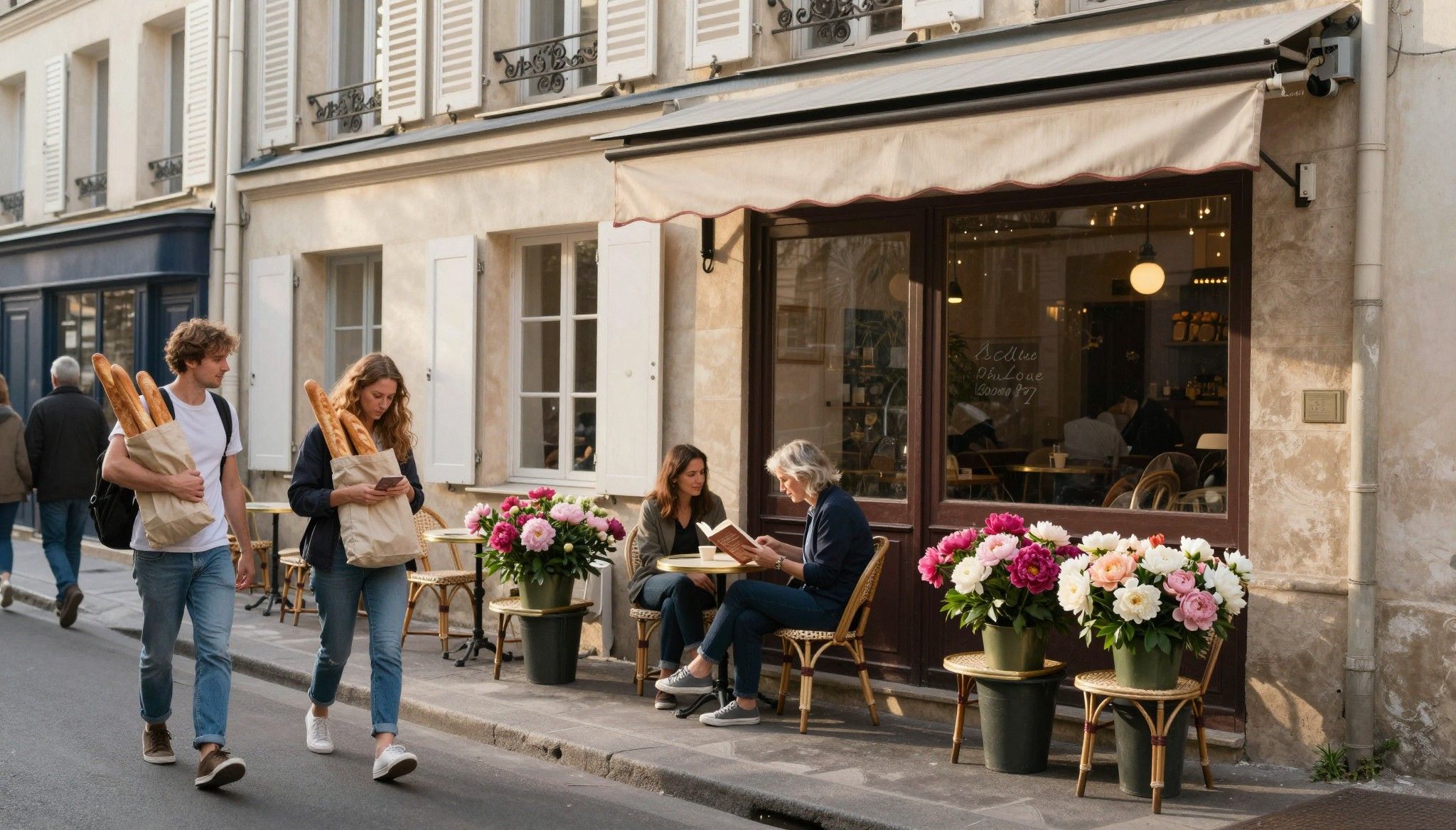
In Athens you can sip coffee on a tree-lined street in Koukaki, shop ceramics in Monastiraki and walk home past restored neoclassical buildings. Yet, central neighbourhoods are also where short-term rental regulation and rising rents are most visible — a reality that shapes what it feels like to live there year-round. If you want community rather than constant turnover, target blocks one or two streets back from the main squares.
Islands beyond Santorini and Mykonos
Look past the headline islands. Chania (Crete) and Naxos are emerging as buyers’ favourites because they balance tourism and local life. You get tavernas that close for the month of November, markets stocked with island produce, and a slower season that isn’t economically crippling. That rhythm matters: properties that work in high-season holiday hotspots often feel empty and expensive in winter.
Making the move: matching property type to the life you want
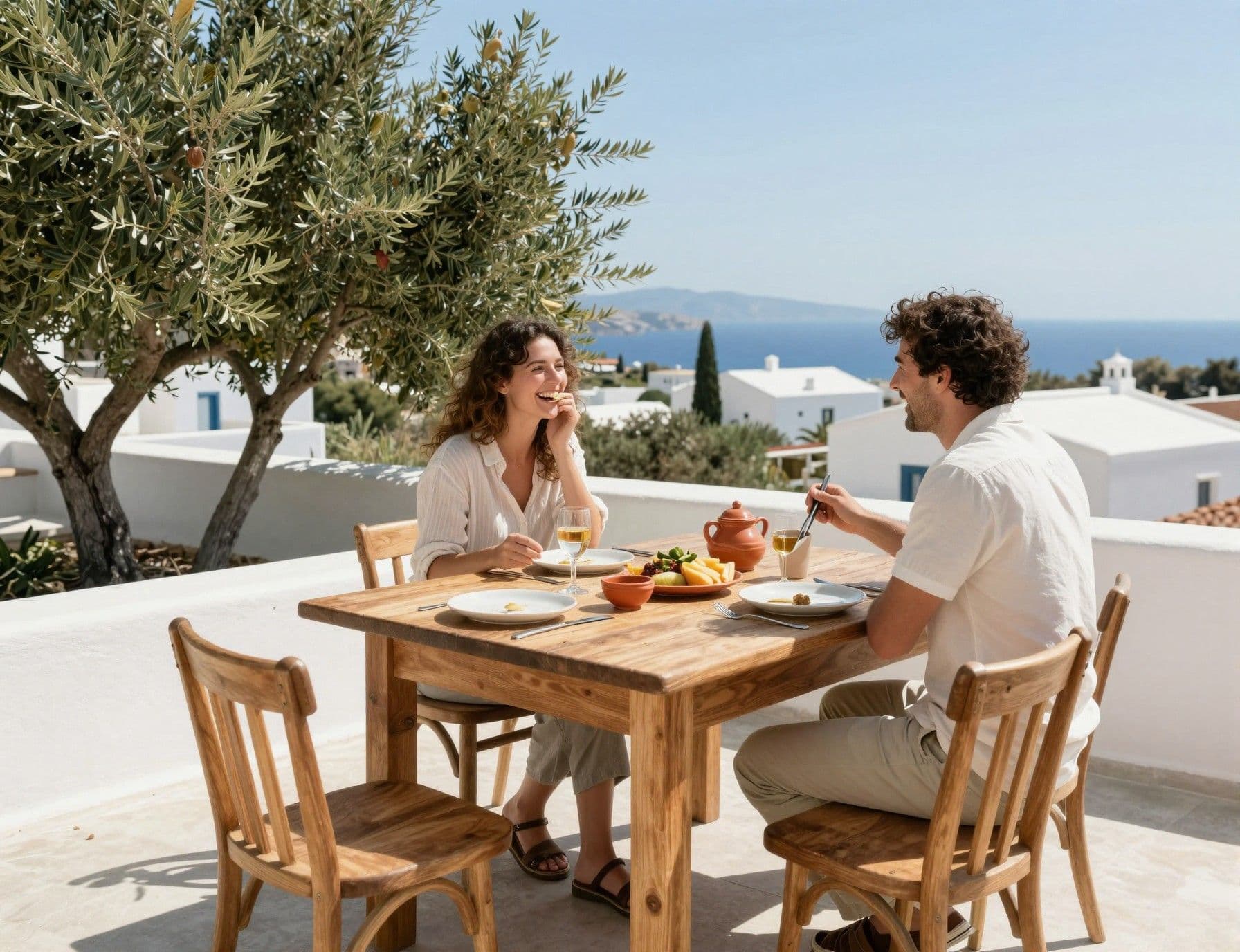
Dreams meet documents here. Greece’s market has seen steady price growth in recent years, driven by tourism and limited modern stock in key cities and islands. That makes it more important to match the property’s physical qualities to your lifestyle: terraces and cross-ventilation for summer comfort, insulation and efficient heating for cooler regions like northern Greece, and practical storage or parking when you choose a village outside a tourist hub.
Property styles and how they shape daily life
Stone village houses mean thick walls and cool interiors in summer, but often require renovation for plumbing and insulation. Modern Athens apartments offer connectivity and amenities but can be noisier and costlier per square metre. New builds on the mainland may be cheaper per sqm yet less characterful. Decide whether you want an immediately livable space or a project that becomes your signature place over time.
Working with local experts who know the rhythm
A local agency that lives and breathes neighbourhood life will save you time and mistakes. They’ll tell you if a terrace faces noisy tavernas, whether winter winds hit a particular façade, and which streets truly feel safe after dark. They also know recent regulatory changes — for example, Golden Visa eligibility and short-term rental rules — and can introduce you to trustworthy lawyers and surveyors.
- Practical lifestyle + property checks before you buy
- Confirm municipal building permissions and any short-term rental restrictions for the street.
- Visit the property in two seasons (high summer and off-season) to test noise, services and neighbourhood life.
- Work through this practical timeline when you’re serious (step-by-step)
- 1) Arrange a local lawyer and notary review of land registry (katastima) and encumbrances.
- 2) Get an independent structural and systems survey, then negotiate contract contingencies.
Insider knowledge: what expats wish they’d known
Real talk from people who moved here: pick a neighbourhood for the life you want — not just the view. Many buyers fall for a dramatic sea view then discover the only shop is fifty minutes away in winter. Others underestimate the paperwork timeline: title searches, municipal certificates and utility transfers take longer than in many countries.
Cultural rhythms and making friends
People here socialize early and late: morning coffees, long afternoon breaks in small towns, and evenings out. Learn basic Greek phrases, join a local association or cooking class, and you’ll be accepted quicker than you expect. Many expats say their neighbours — not events — become their real gateway to community.
Long-term thinking: value and seasonality
Greece has shown consistent price growth in recent years, particularly in Athens and Thessaloniki, and in popular islands. But growth is uneven. Look for value in mainland coastal towns, in Crete’s less-glamorous ports, and in smaller northern cities where infrastructure projects are underway. A long-term view — five to ten years — often reveals the best trade-offs between lifestyle and capital appreciation.
- Red flags to watch for
- No official cadastral record (or unresolved boundaries) on title documents.
- Properties marketed as holiday-income machines without transparent occupancy histories.
- Neighbourhoods where short-term rental freezes or bans are likely (central Athens pockets, some island municipalities).
Conclusion: Greece rewards buyers who pair imagination with due diligence. If you want a life where morning markets and late dinners anchor your weeks, aim for neighbourhoods with the rhythm you pictured. If investment matters, prioritise areas with steady demand and clear regulation. Work with local agencies that know the seasons, the streets and the paperwork — they’re the bridge between the life you dream of and the file you must keep.
Dutch relocation advisor who moved to Marbella in 2016. Guides Dutch buyers through visa paths, relocation logistics, and balance of lifestyle with value.