Buy in Italy’s Hill Towns, Not the Obvious Coast
Italy’s best bargains are inland and seasonal — choose hill towns and small regions for authentic living, supported by ISTAT and market reports.

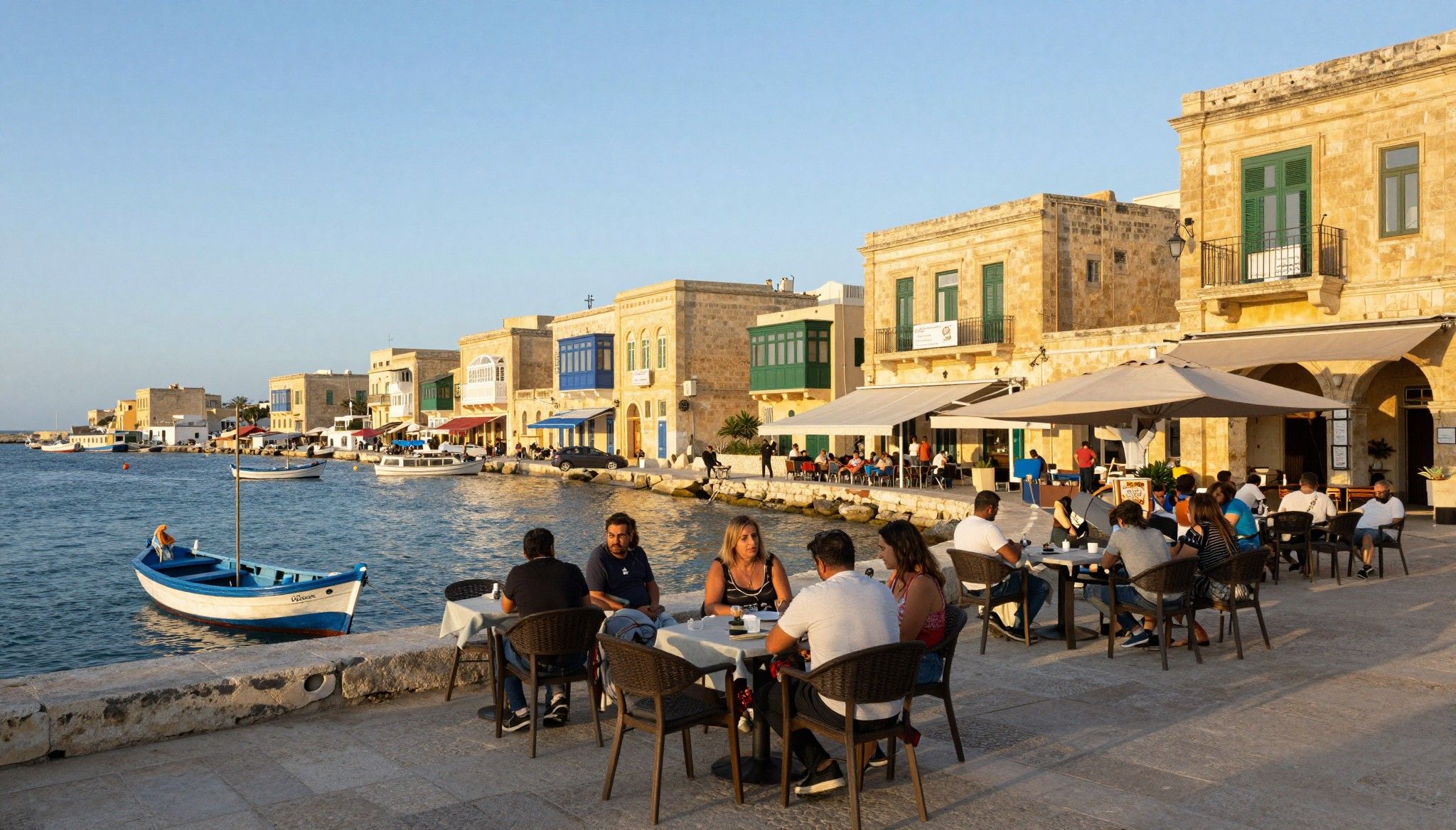
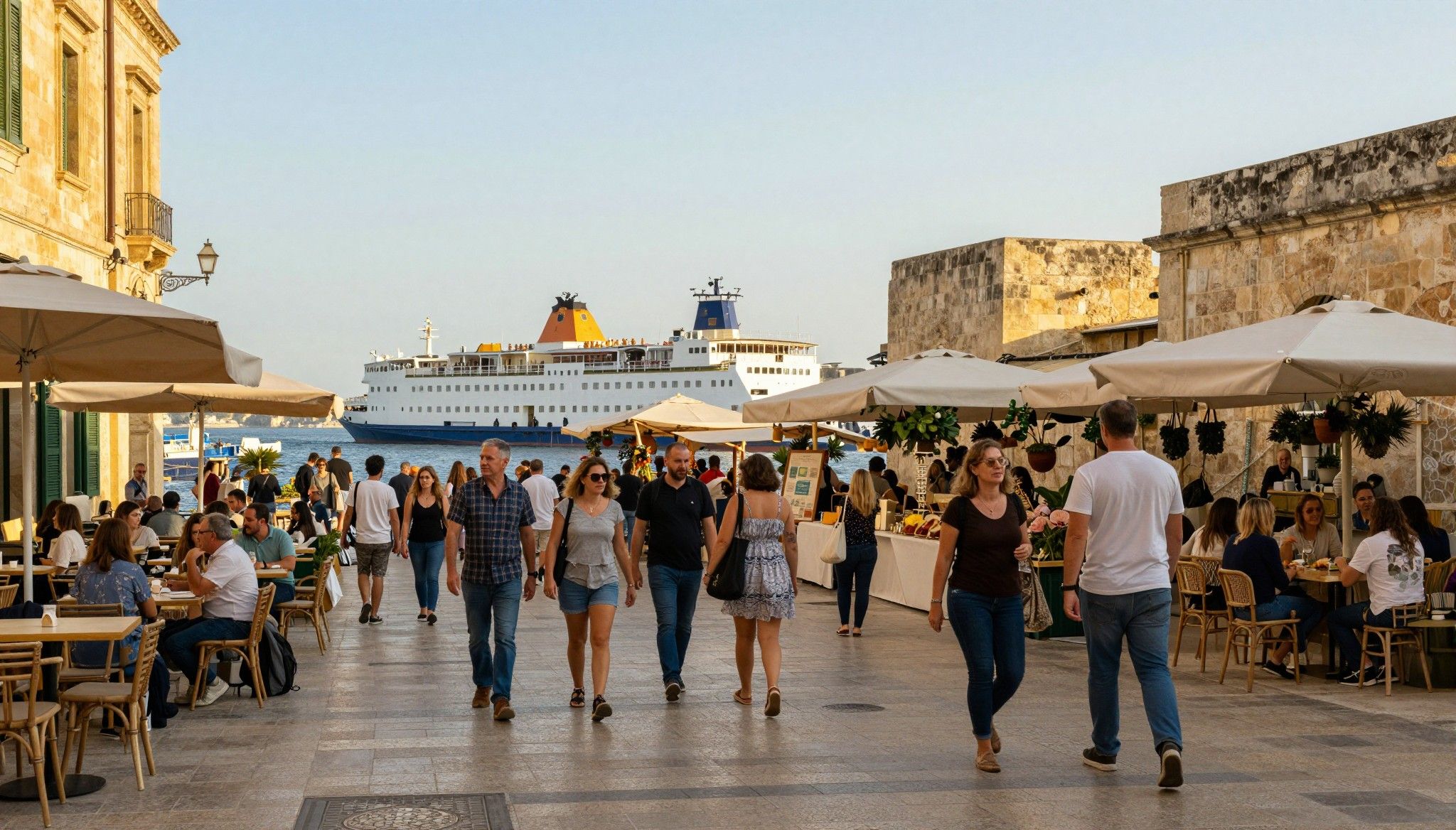
Imagine sipping espresso at a marble bar in Lecce, then walking five minutes to a sunlit piazza where a 16th‑century church keeps time. Italy is a mosaic: coastal rituals, mountain quiet, hill‑town rhythms and cities that pulse at different speeds. For many international buyers the fantasy is immediate — food, light, history — but value hides in unexpected corners. Recent ISTAT data shows national price movement but masks big regional variation, which is where opportunity lives.
Living the Italy Life: Texture, Taste, Tempo
Living in Italy is sensory first and logistical second. Mornings are for cafes and small talk; afternoons are for market runs and siesta‑lite pauses; evenings stretch late around shared plates. Neighborhoods announce themselves with sound and smell — a baker’s bread at dawn in Bologna, fishing nets drying in Palinuro, the Sunday mercato in Perugia. Knowing which rhythm you want changes where you should look and what property type serves that life.
Urban pulse: Trastevere, Navigli, and San Frediano
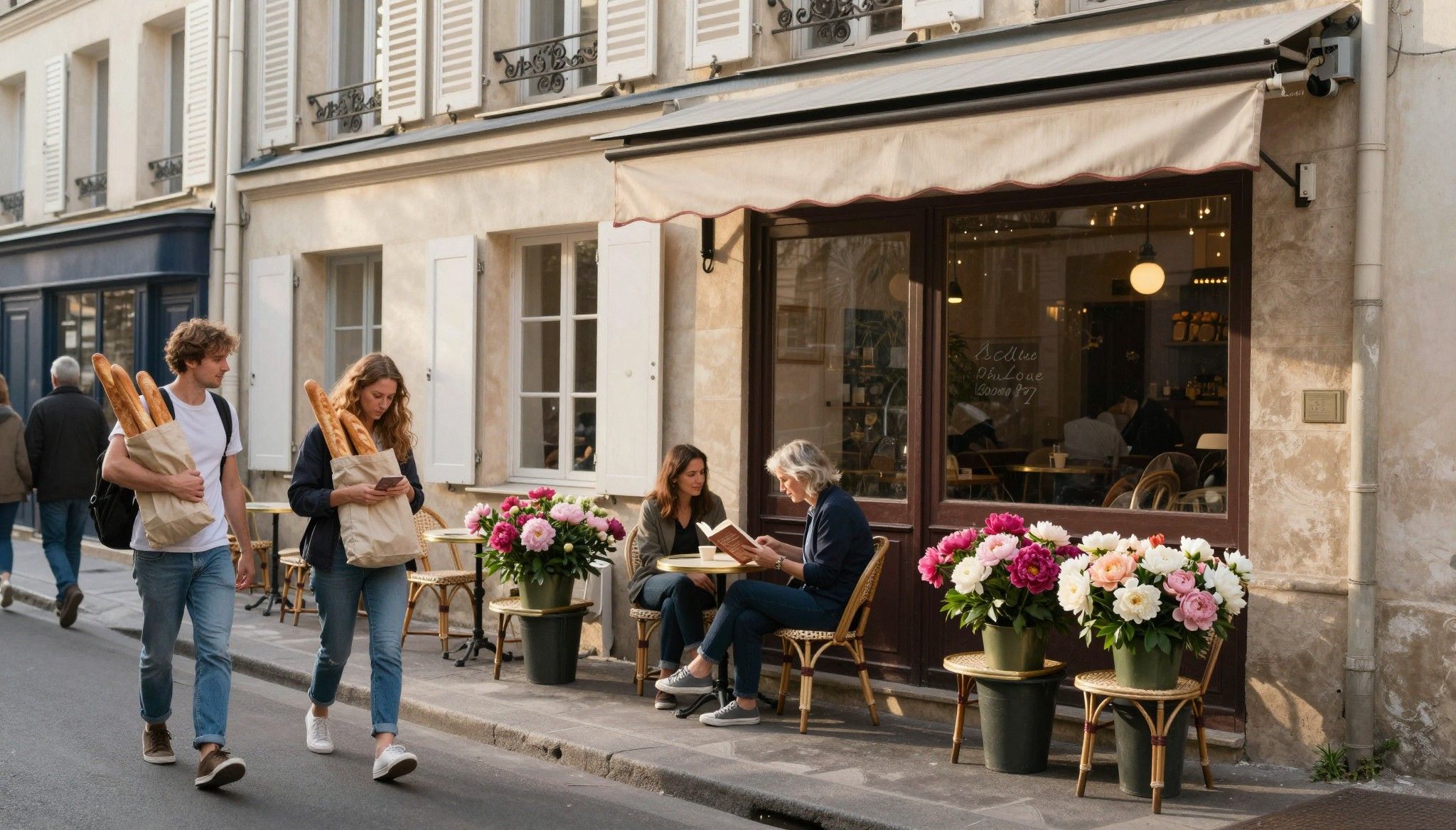
If you crave a city heartbeat, choose neighborhoods that still feel lived‑in rather than staged for tourists. In Rome’s Trastevere you’ll find narrow lanes and family‑run trattorie; Milan’s Navigli hums with aperitivo culture; Florence’s Oltrarno offers artisans and quieter squares after sunset. These pockets trade panoramic views for close‑in urban life — smaller terraces, taller buildings, and a premium on authentic street life.
Countryside and hill towns: Puglia, Le Marche, Abruzzo
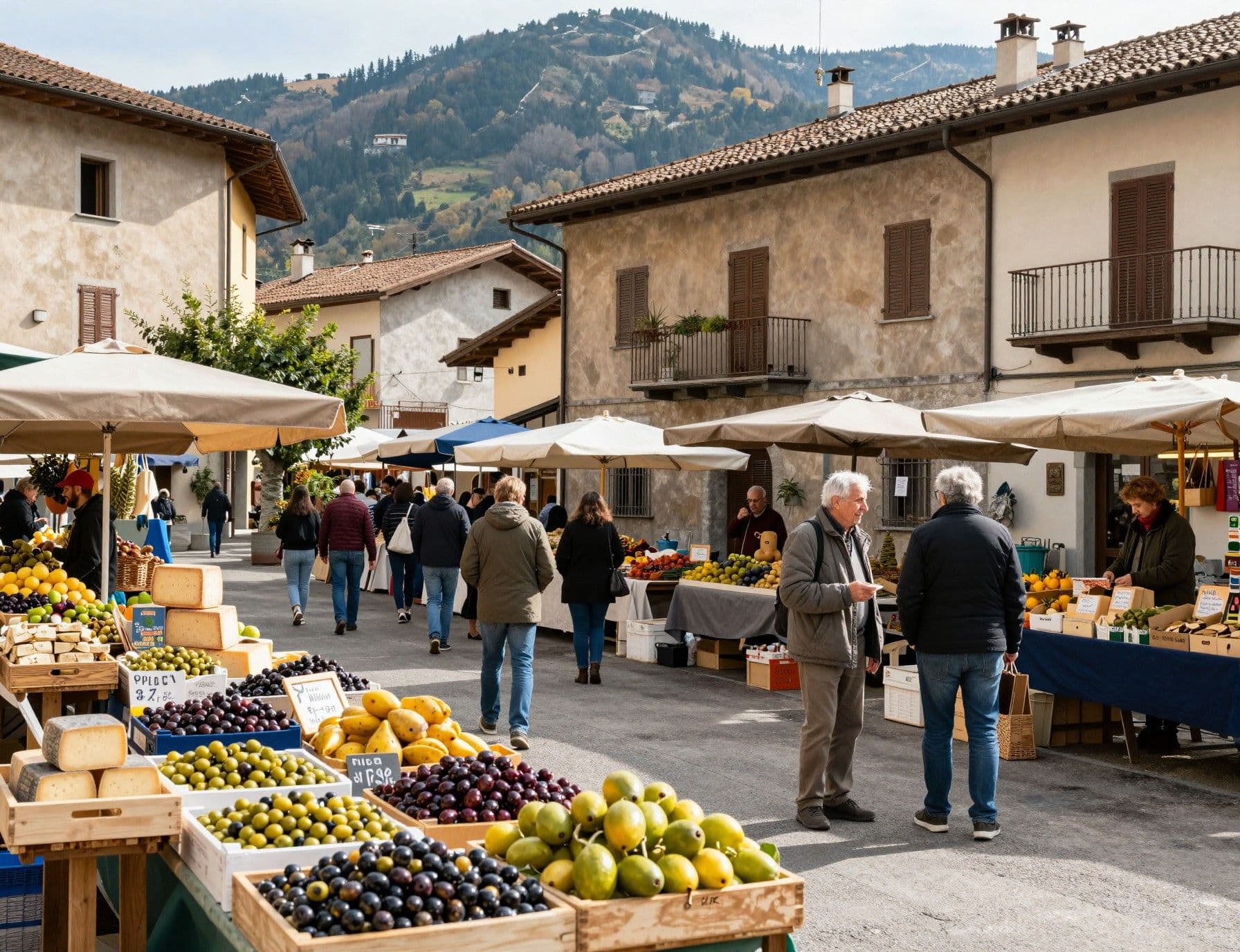
The real surprise for many buyers is inland Italy: small towns in Puglia’s Valle d’Itria, hilltop villages in Le Marche, and Abruzzo’s mountain hamlets. Prices per square metre here can be a fraction of coastal hotspots, but the payoff is everyday community: weekly markets, local osterie, and public squares that act as living rooms. Regional price breakdowns show these areas offering accessible entry points — real lifestyle upside without the postcard price tag.
- Lifestyle highlights
- Morning espresso culture: Bar Centrale in small piazzas; a few seats, talkative owners, quick routines that anchor household life
- Local markets: fish markets on the coast (e.g., Cefalù), vegetable mercados inland (e.g., Mercato di Campagna Amica), where you learn names and seasons
- Seasonal rituals: truffle fairs in Alba, olive harvests in Puglia, and estate festivals that knit visitors into village life
- Beach simplicity: Salento coves for clear water, early morning swims and fishermen who still sell direct from boats
Making the Move: Practical considerations that serve the life
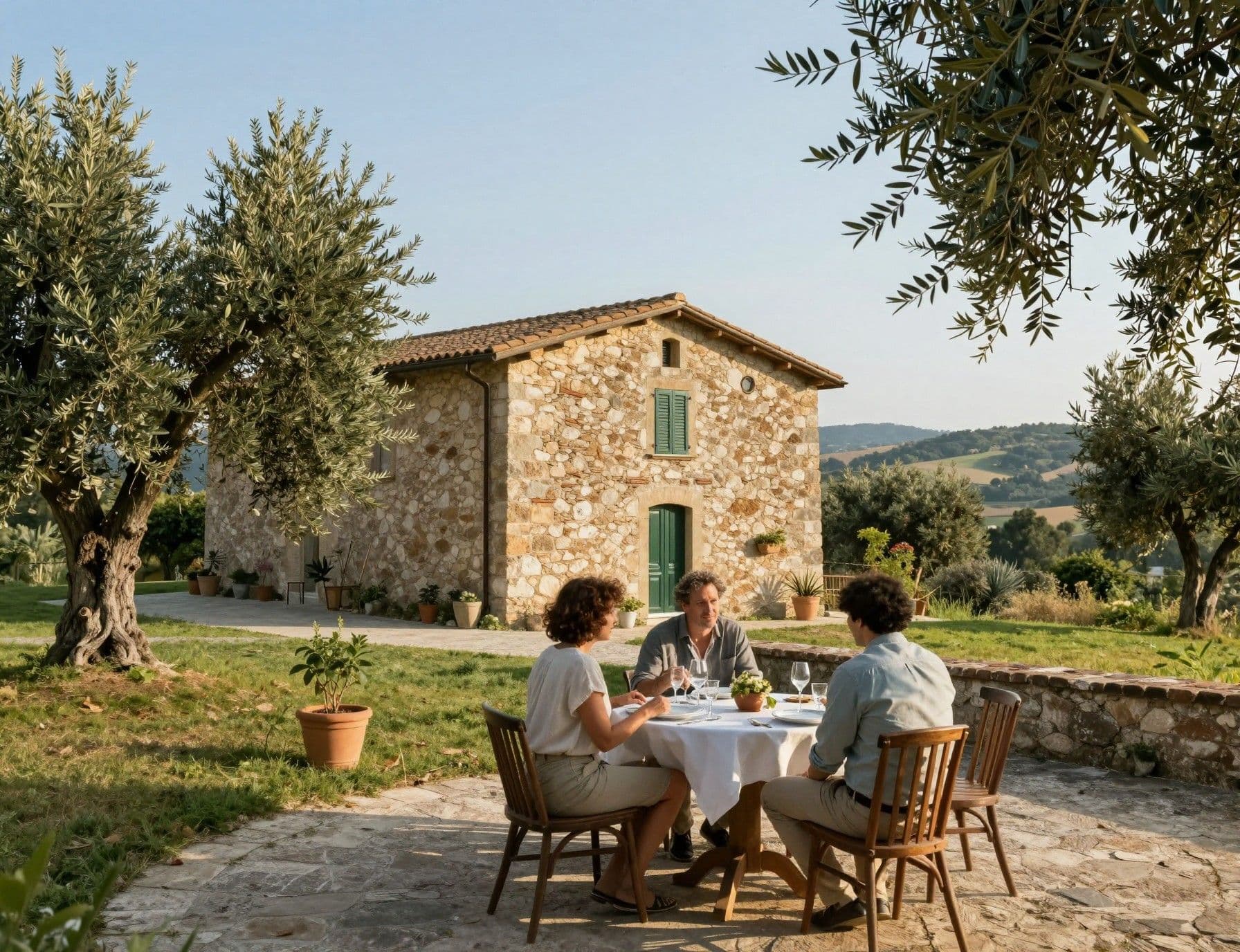
Dreams meet paperwork sooner than you think. Interest rates and bank appetite affect affordability, but so do local building norms, renovation potential, and residency intentions. If you want terrace dinners or an olive grove, choose properties with outdoor space and practical connections — reliable water, vehicular access, and reachable healthcare. Working with agents who know the region’s rhythms saves time and prevents missteps; they help you translate a lifestyle wish into a shortlist of realistic homes.
Property types and what they actually offer
Stone townhouses give you history and thick walls that stay cool in summer, but expect narrow stairs and higher renovation costs for modern systems. Newer apartments near transport hubs trade immediate convenience for less character. A small villa or renovated farmhouse gives outdoor room but adds maintenance responsibilities and possibly distance from services. Match the property’s physical realities to the life you want — not just the photograph.
Working with local experts who know the lifestyle
You need an agent who speaks your language and the municipality’s. Expect to engage a local notary, ask for cadastral certificates (visure catastali), and clarify any heritage restrictions before a deposit. For non‑residents, obtaining an Italian tax code (codice fiscale) is an early administrative step; banks often expect it for mortgage applications. Good advisers help you assess renovation permissions and realistic timelines so your lifestyle plan doesn’t stall in bureaucracy.
- Steps to align lifestyle with purchase (practical + lived-in): 1. Visit in the season you plan to live there — markets and traffic change dramatically between summer and winter. 2. Shortlist neighbourhoods by daily routine (coffee, groceries, medical care). 3. Verify utilities, broadband options and access — remote hill towns can surprise you. 4. Ask your agent for local references: a restaurateur, a shop owner, a municipal clerk. 5. Factor renovation time into your move — Italian permits can add months unless planned.
Insider knowledge: what expats wish they’d known
A common theme among buyers: the life you fall for is often quieter than the brochure. Festivals bring noise and joy but also seasonal congestion. Local networks — a café owner, church volunteer, or municipal archivist — are more useful than glossy agents in finding genuine off‑market options. Exchange rates and timing matter: paying in cash shortens processes, while mortgages add steps but preserve liquidity.
Cultural integration, language and community
You don’t need perfect Italian to belong, but learning local greetings and market terms opens doors. Volunteer at a festival, learn the waste‑sorting routine, and you’ll find neighbours who look out for your property. Expat clusters exist — British and Northern European communities in Puglia, Germans in Alto Adige — but real local life is mixed and often intergenerational. Patience and small daily courtesies pay bigger cultural dividends than flashy renovations.
Long‑term life and value: what to expect
Over five to ten years value often follows service improvements: better roads, restored stations, and broadband expansion all lift small towns. ISTAT shows national price shifts, but local gains come from livability upgrades and tourism that respects community life. If you buy with the intention to live, your reward is daily quality; if you buy to invest, look for towns with sustainable demand—transport links, medical services and an active short‑stay rental market.
- Red flags to watch for
- Unclear property boundaries or missing cadastral records — insist on visure catastali and historic deeds
- Heritage restrictions that limit renovations — check Soprintendenza notifications early
- Water supply and access roads — verify year‑round accessibility, especially in mountain towns
Conclusion: Italy invites you to a life shaped by place. Start with the daily scenes you want — morning markets, evening aperitivi, or quiet olive groves — then translate that life into the technical checklist the notary will read. Work with local agents who can point to the neighbourhood baker as well as the cadastral extract. Visit off‑season, ask the right neighbours, and you might find a house that costs less than the coast but gives you a far richer everyday life.
Swedish expat who moved from Stockholm to Marbella in 2018. Specializes in cross-border legal navigation and residency considerations for Scandinavian buyers.